Herstellungsart
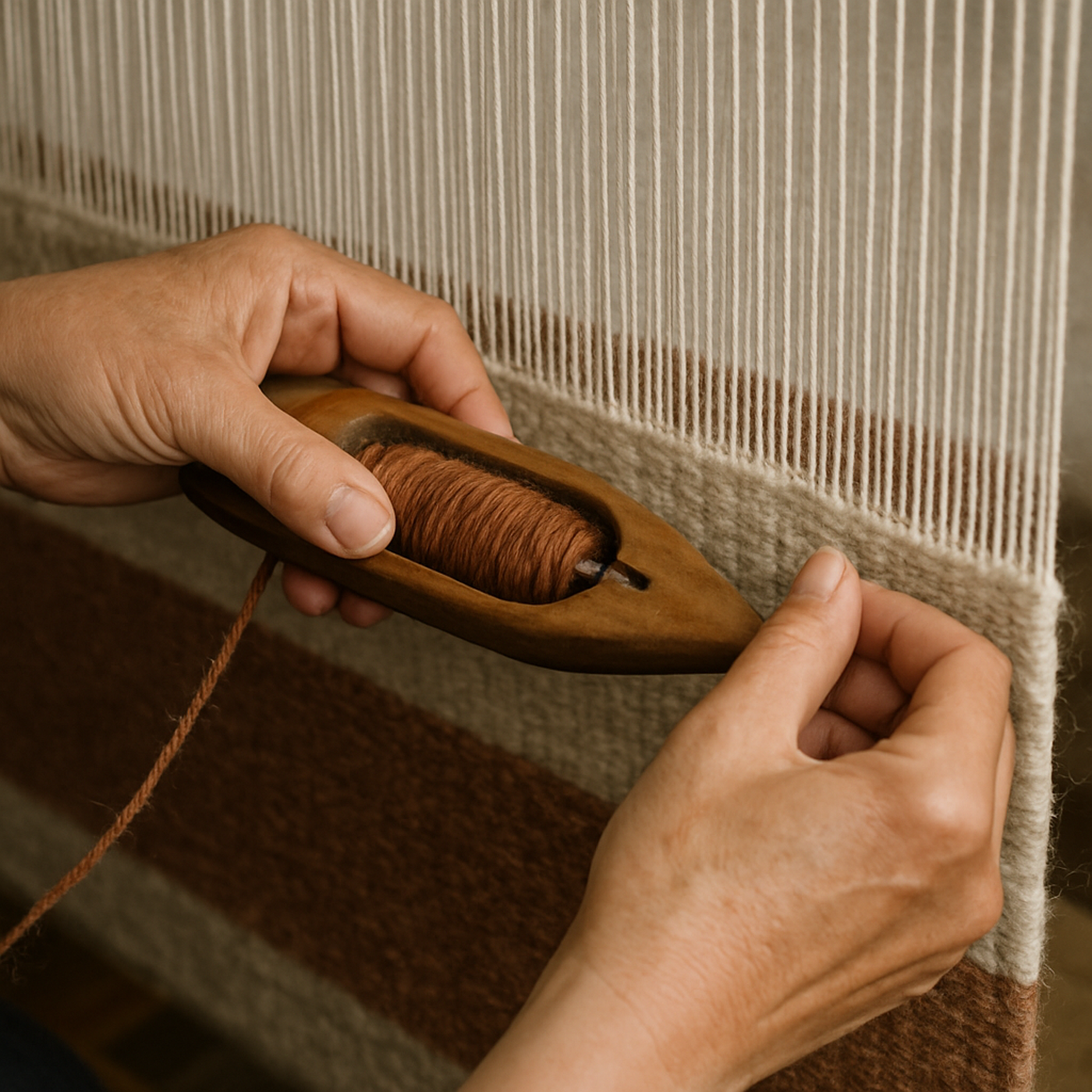
Handwoven
A handwoven rug is carefully made by hand on a loom. The warp and weft threads are manually interlaced, creating a flat, flexible and often lightweight rug structure.
This technique allows for natural textures, subtle patterns and a clear, understated look. Handwoven rugs are often especially versatile and work well in modern, minimalist or natural interiors.
They combine traditional making with timeless design — and offer a special quality you can see and feel.
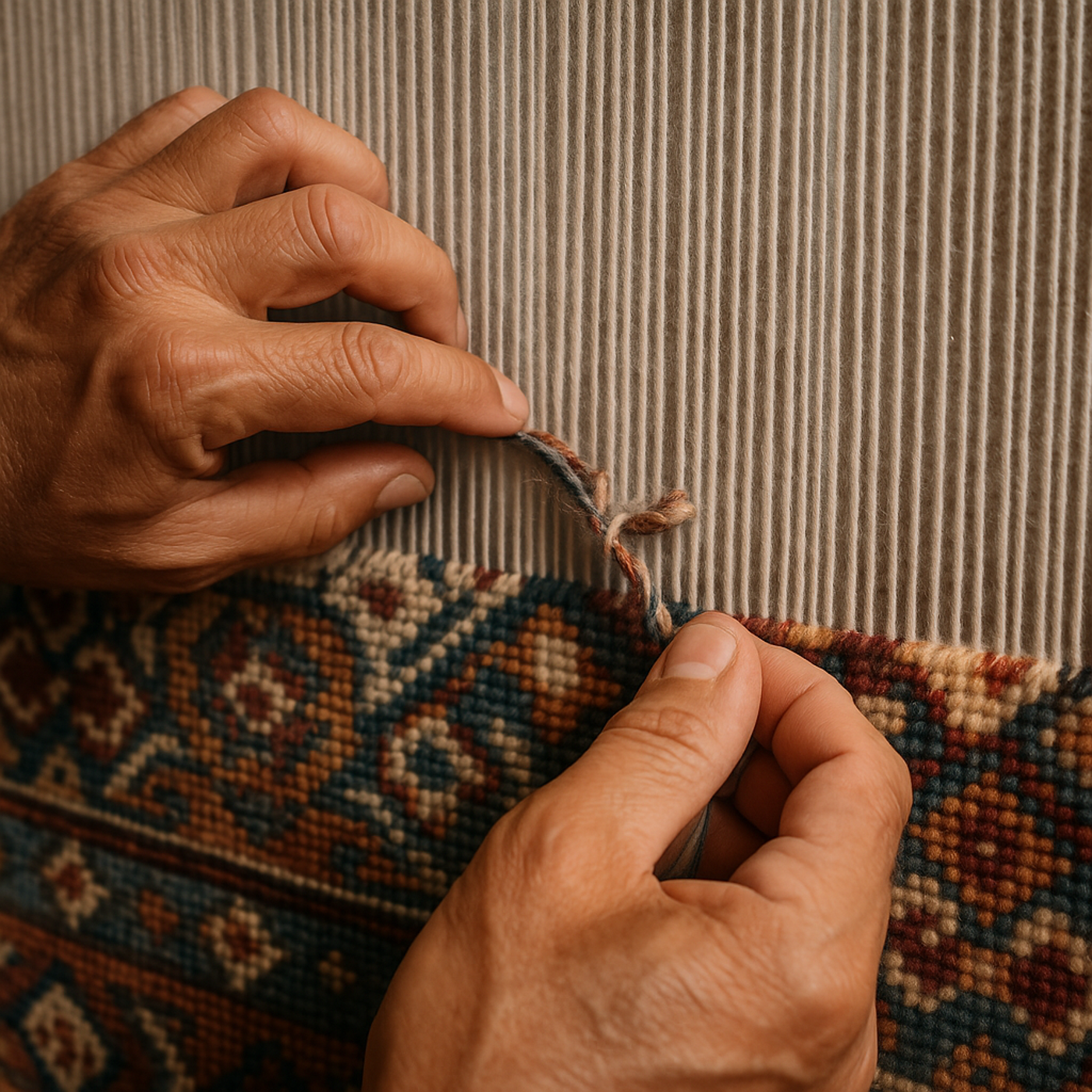
Hand-knotted
A hand-knotted rug is created through a complex process in which each individual knot is tied by hand. The threads are wrapped around the warp threads of the loom and fixed in place, row by row. This creates a particularly durable and detailed rug.
Depending on the material, knot density and design, production can take weeks or even months. Each hand-knotted rug is therefore a unique piece with its own character.
Hand-knotted rugs stand for traditional craftsmanship, long-lasting quality and exceptional value — made for interiors that appreciate authenticity and detail.
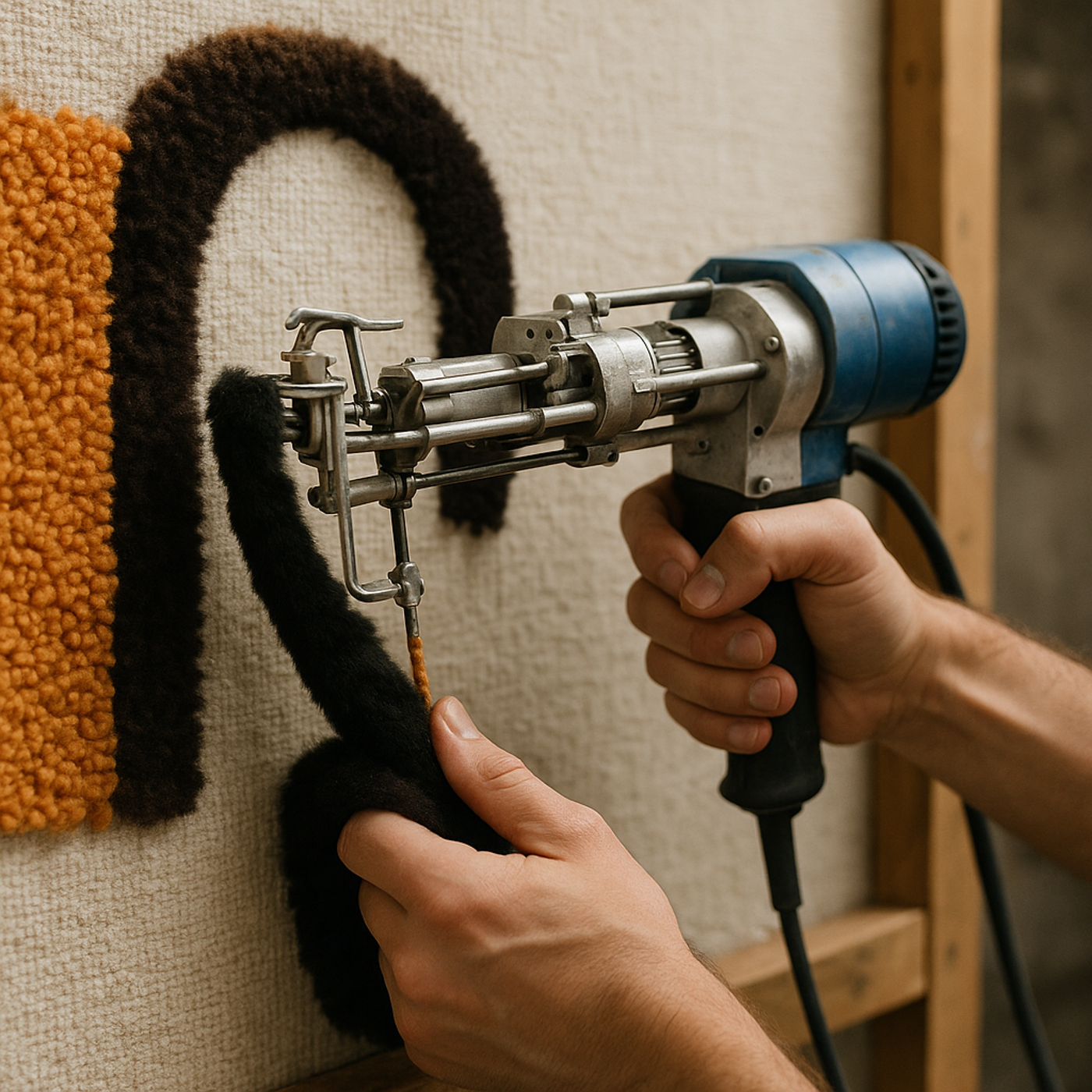
Hand-tufted
With a hand-tufted rug, the yarn is worked into a base fabric using a special hand tufting tool. The pattern is not created knot by knot, but by inserting the pile into the fabric according to a design template.
This technique makes it possible to create soft, dense surfaces and decorative designs with a high level of comfort. After tufting, the back is usually stabilised so the rug keeps its shape.
Hand-tufted rugs are popular because they combine craftsmanship, design freedom and a pleasant feel underfoot. They are well suited to living rooms, bedrooms and cosy areas.
Handloom
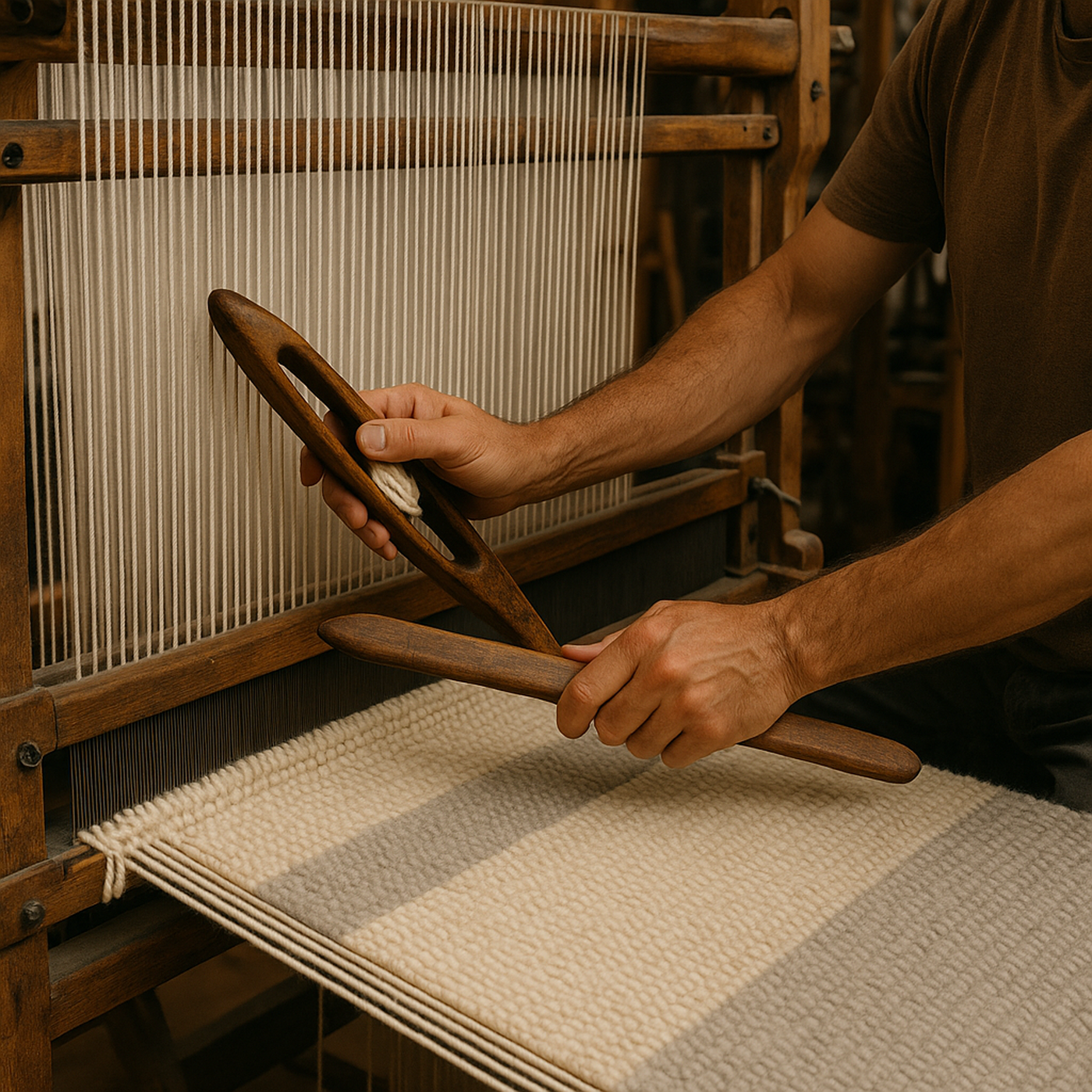
Handloom rugs are made on a hand-operated loom that is mechanically supported but guided by hand. The yarns are manually passed through the weave using a frame that makes the weaving process easier and faster.
This technique creates even, flat rug structures and is especially well suited to simple, modern designs with clean lines.
Handloom rugs are known for their fine craftsmanship, smooth surface and dense structure. Depending on the material, they can feel soft to firm and work beautifully in living rooms, bedrooms or workspaces.
The handloom process combines traditional craftsmanship with efficiency — creating stylish rugs with character and high quality.
Machine-woven
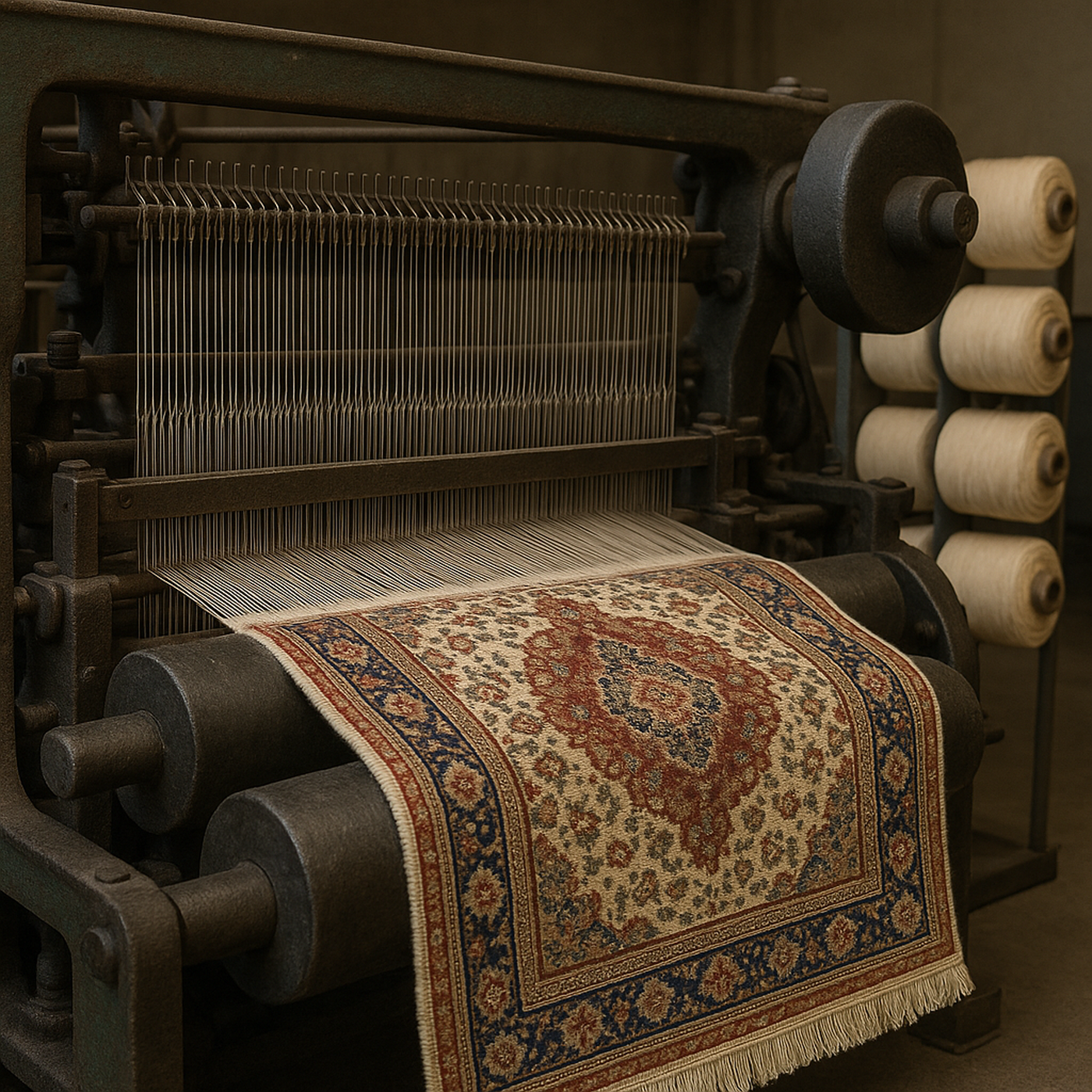
Machine-woven rugs are produced using automated looms that enable precise and consistent manufacturing. Unlike handmade production, the entire weaving process — linking warp and weft threads — is carried out by machine. This saves time and allows efficient series production.
The process begins with a digital rug design. This is then fed into the weaving system, which reproduces the design precisely. Modern machines can create a wide range of colours and patterns — from classic ornaments to modern, minimalist designs.
A major advantage of machine production is reproducibility: a specific design can be produced multiple times in identical quality. Machine-woven rugs also offer flexibility in materials — synthetic fibres such as polypropylene or polyester are commonly used, as are blends with natural fibres.
Difference from handmade production:
While hand-knotted or handwoven rugs are unique pieces with individual characteristics, machine-made rugs are known for their consistent appearance and usually lower production costs. Both methods have their own strengths and use cases — machine-woven rugs are especially suitable for modern households, offices or larger areas where a consistent design is desired.