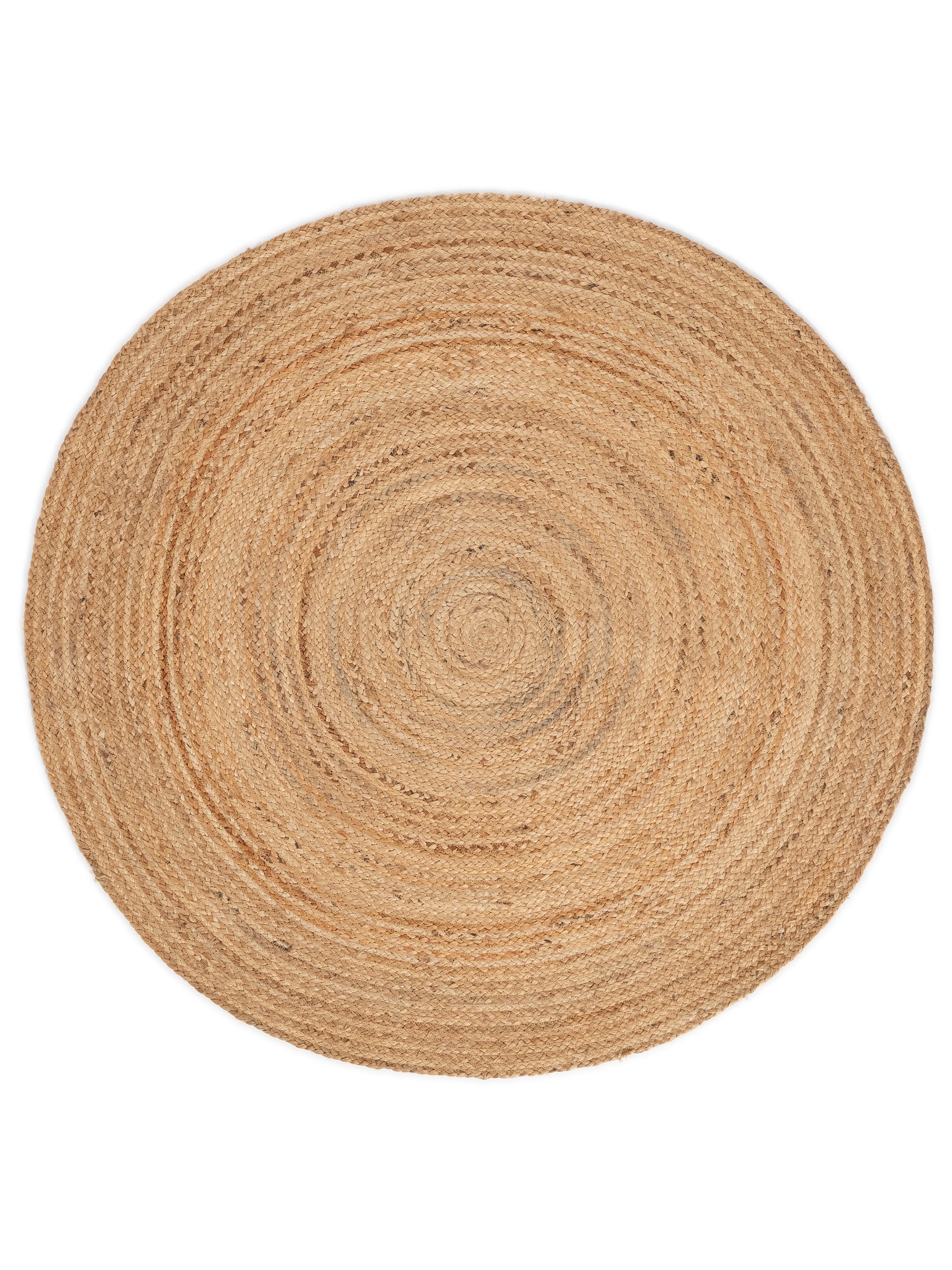
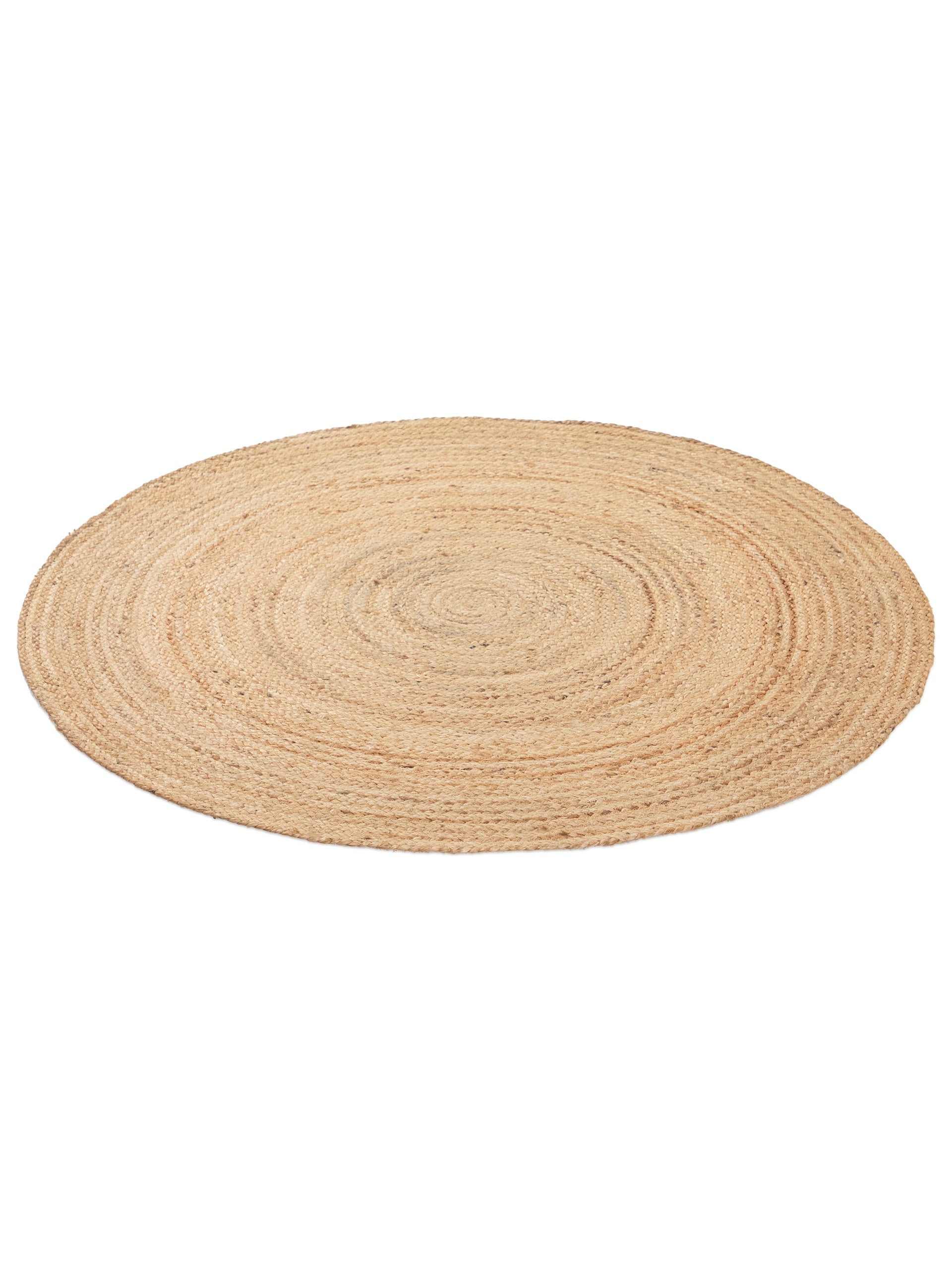
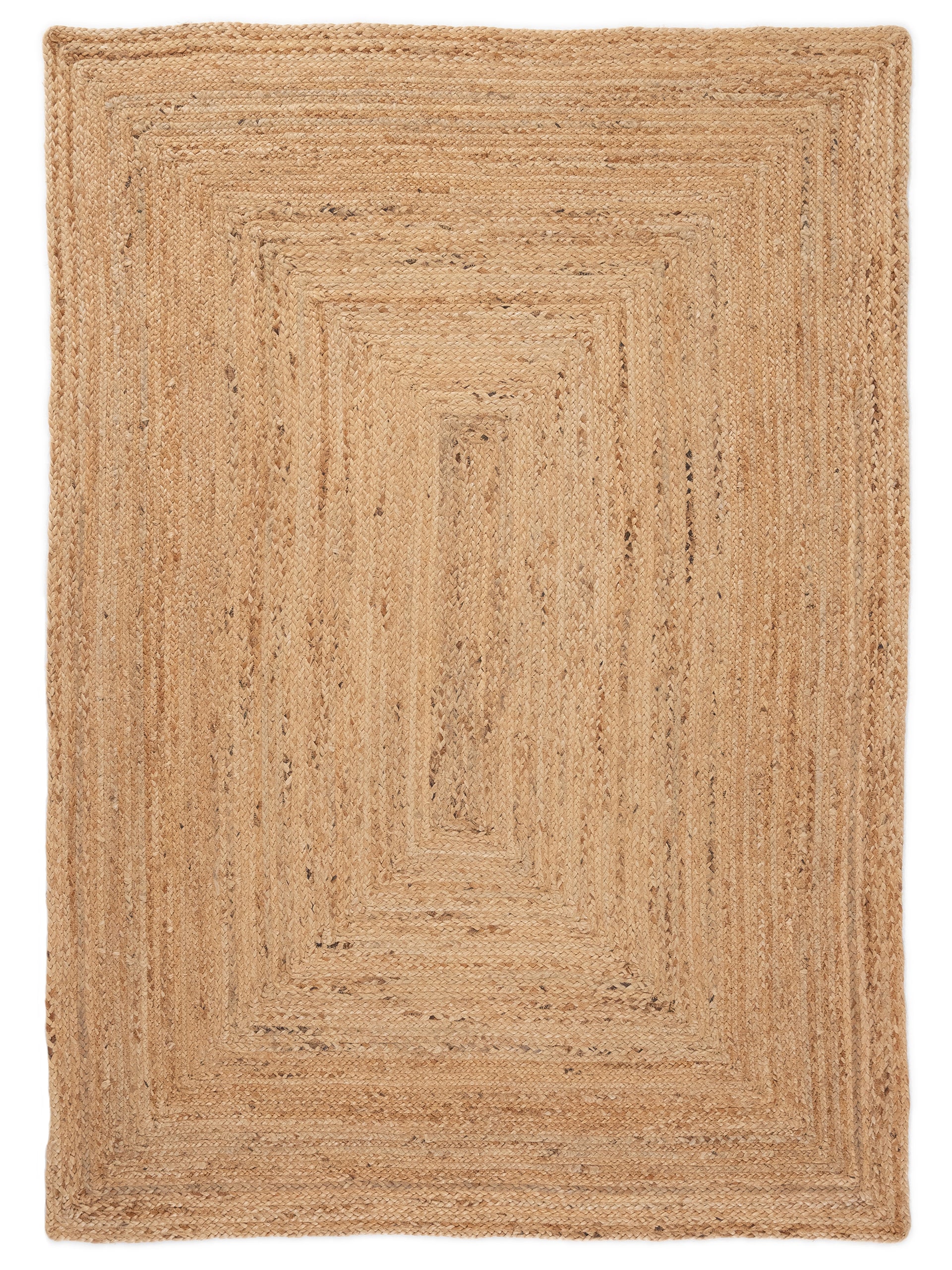
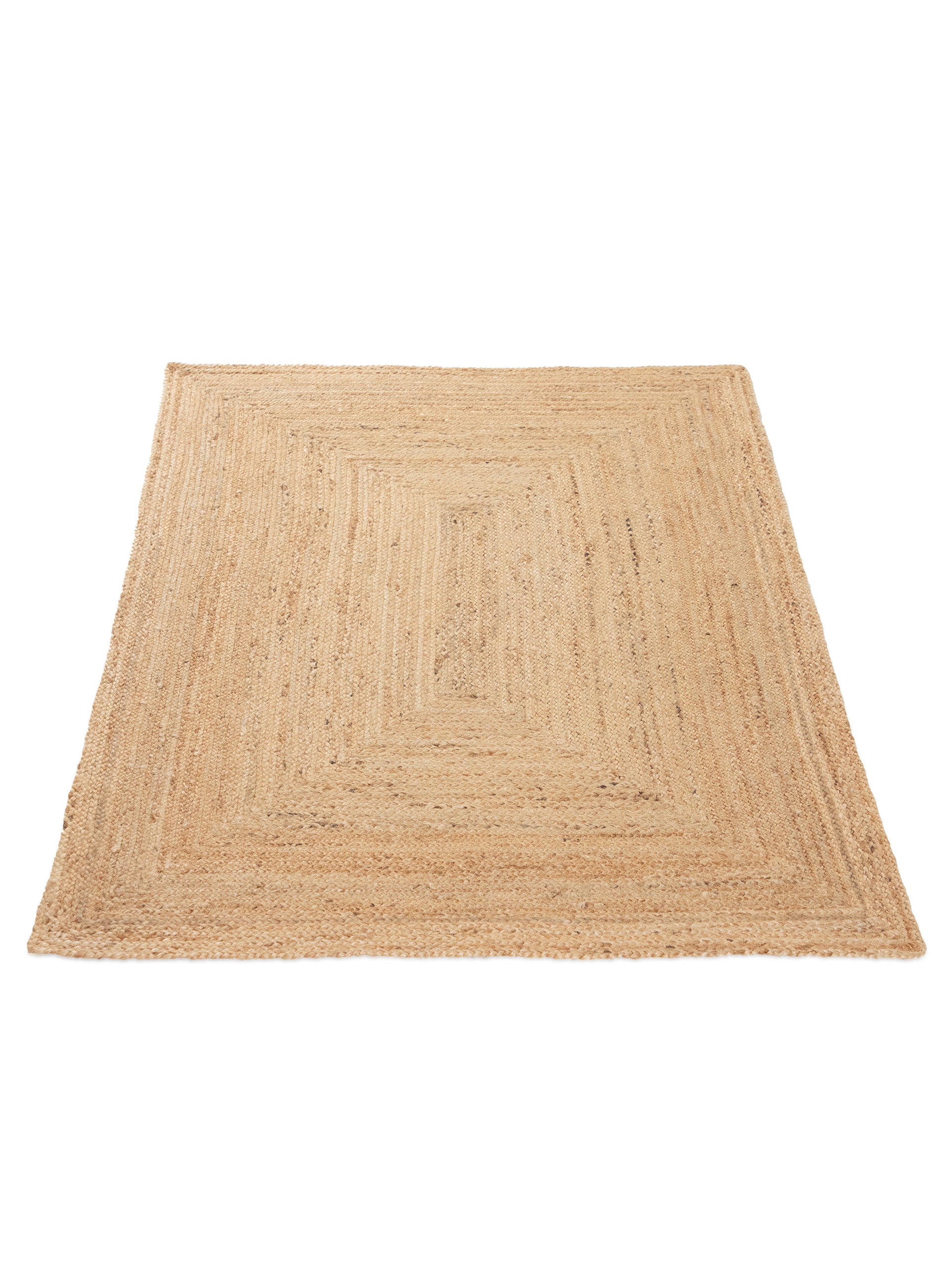
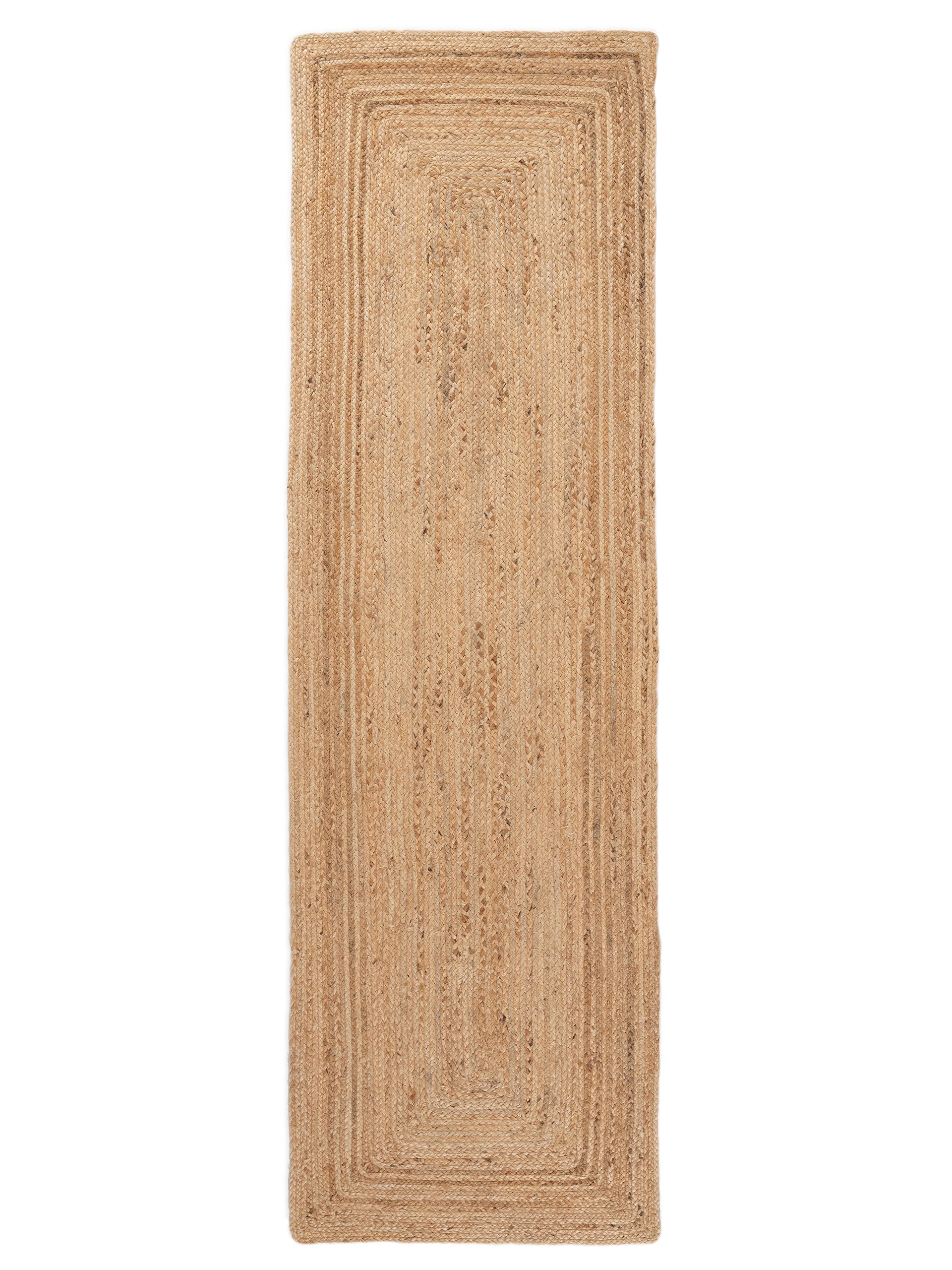
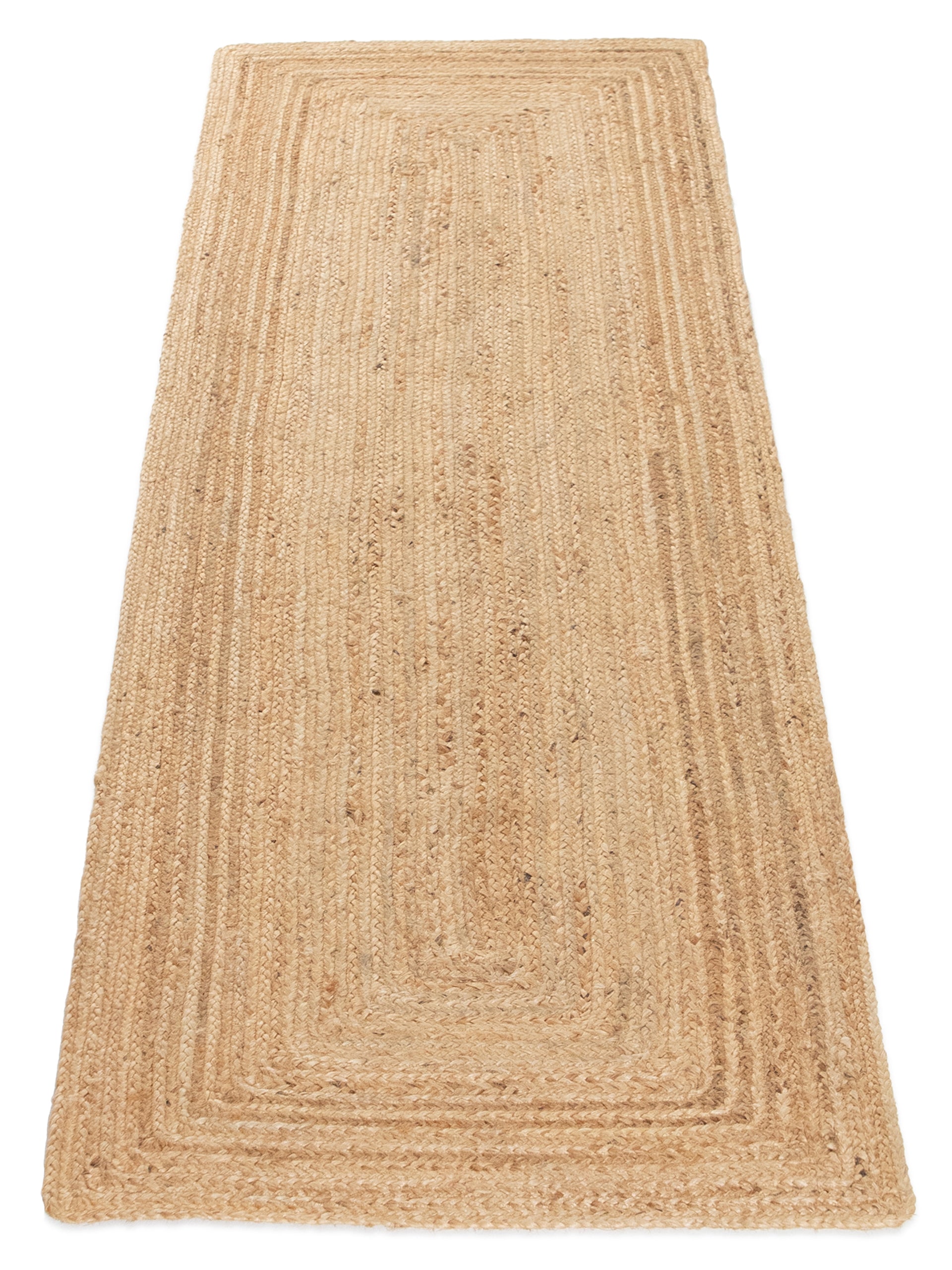
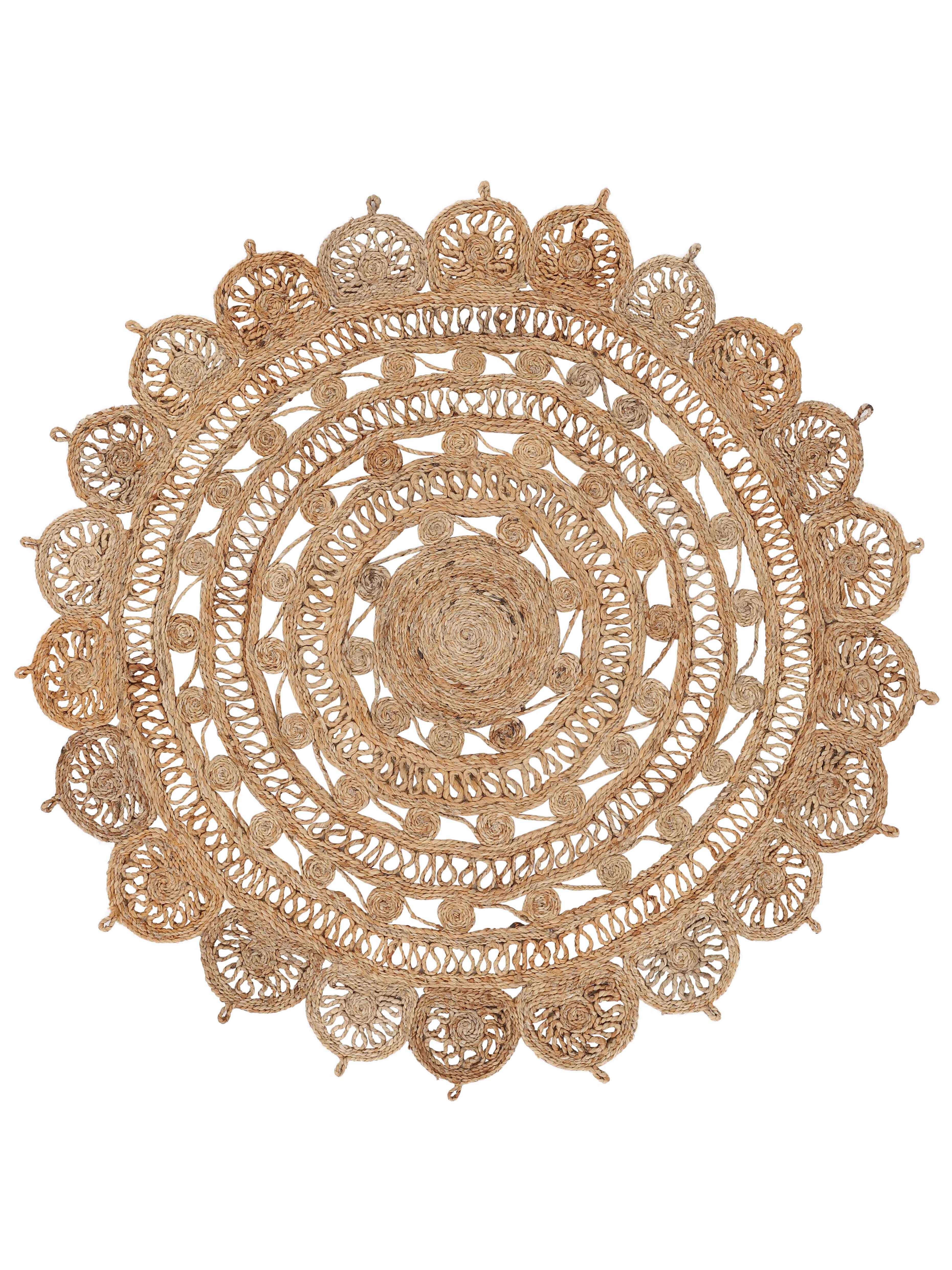
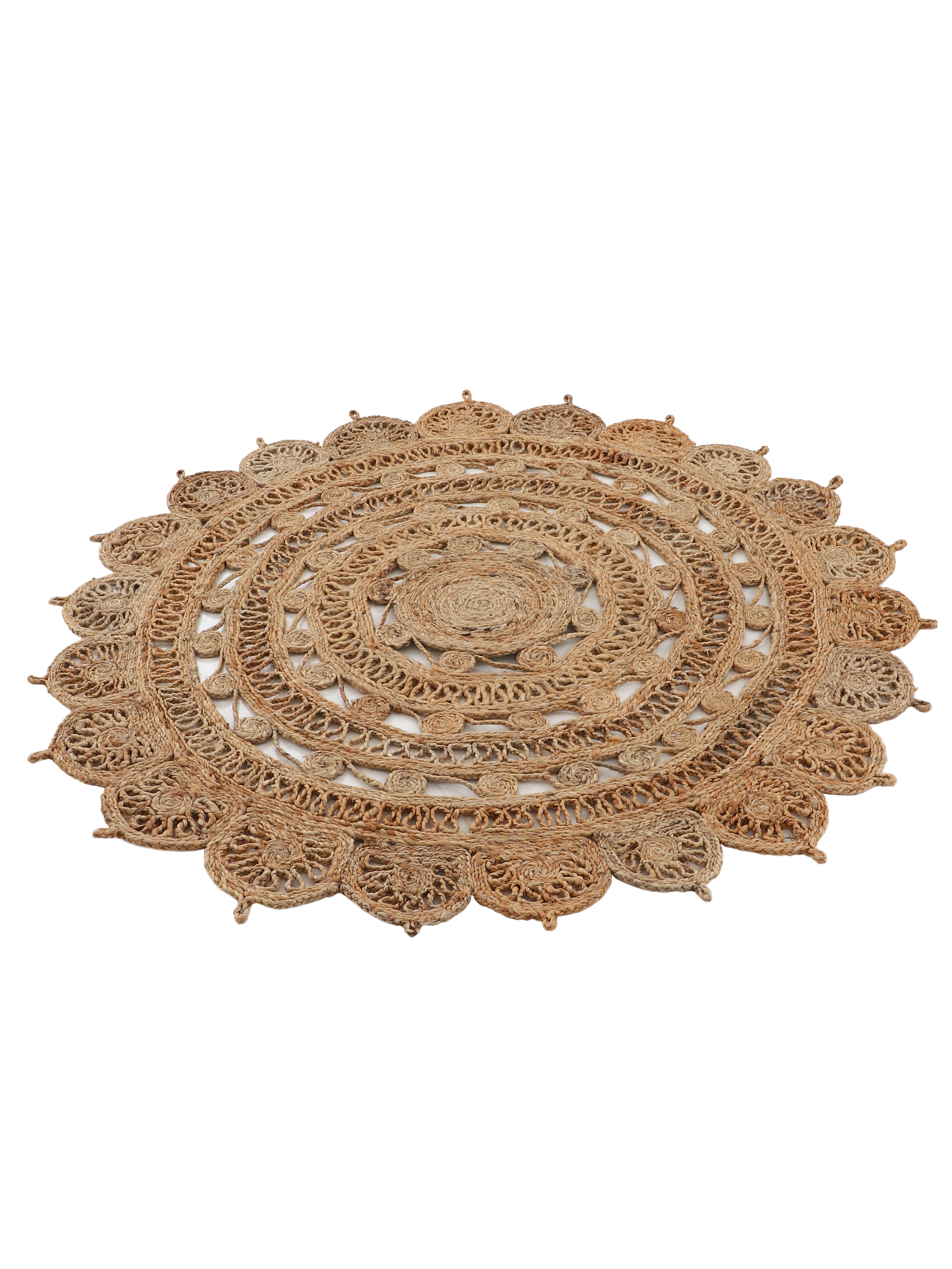
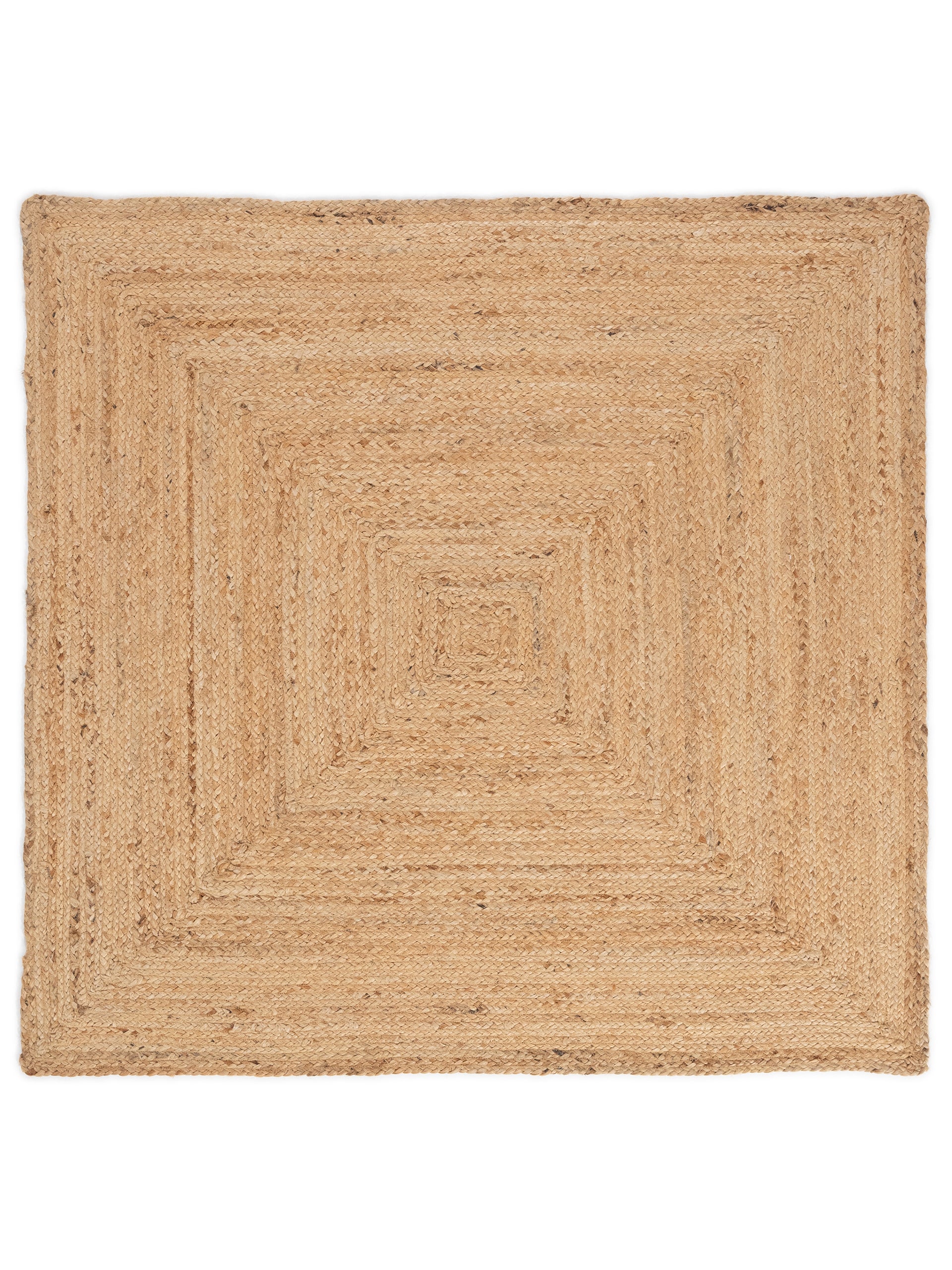
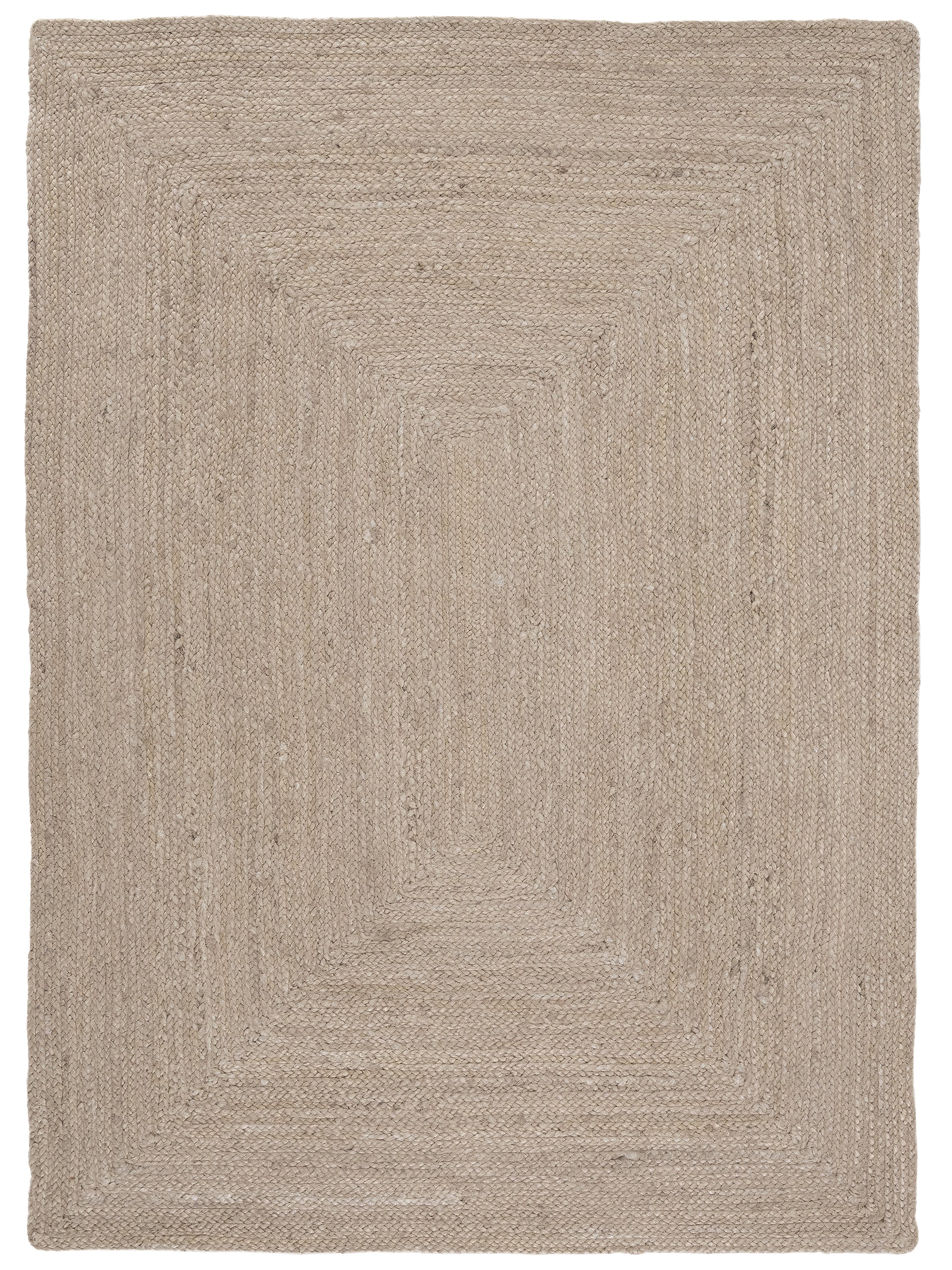
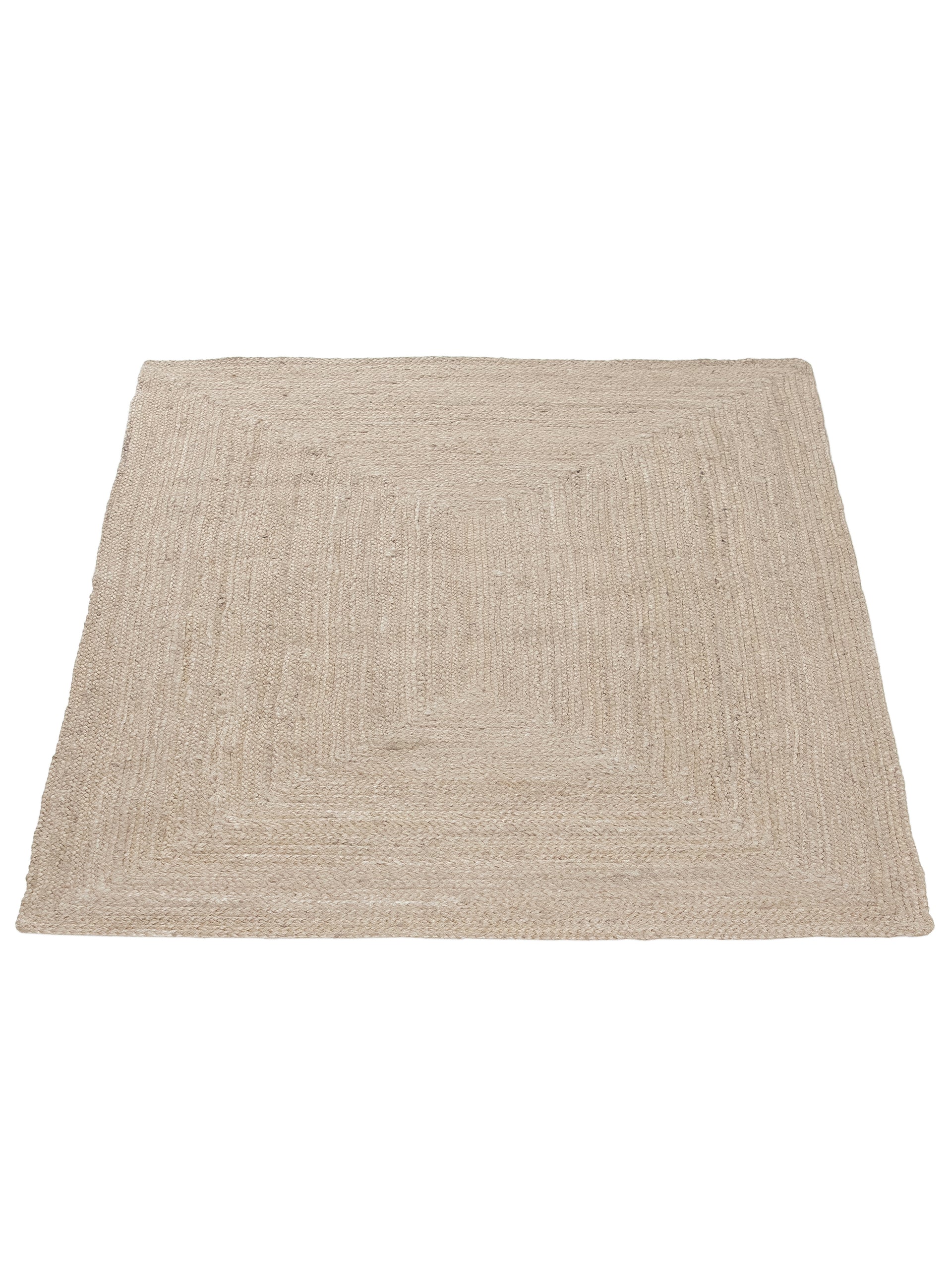
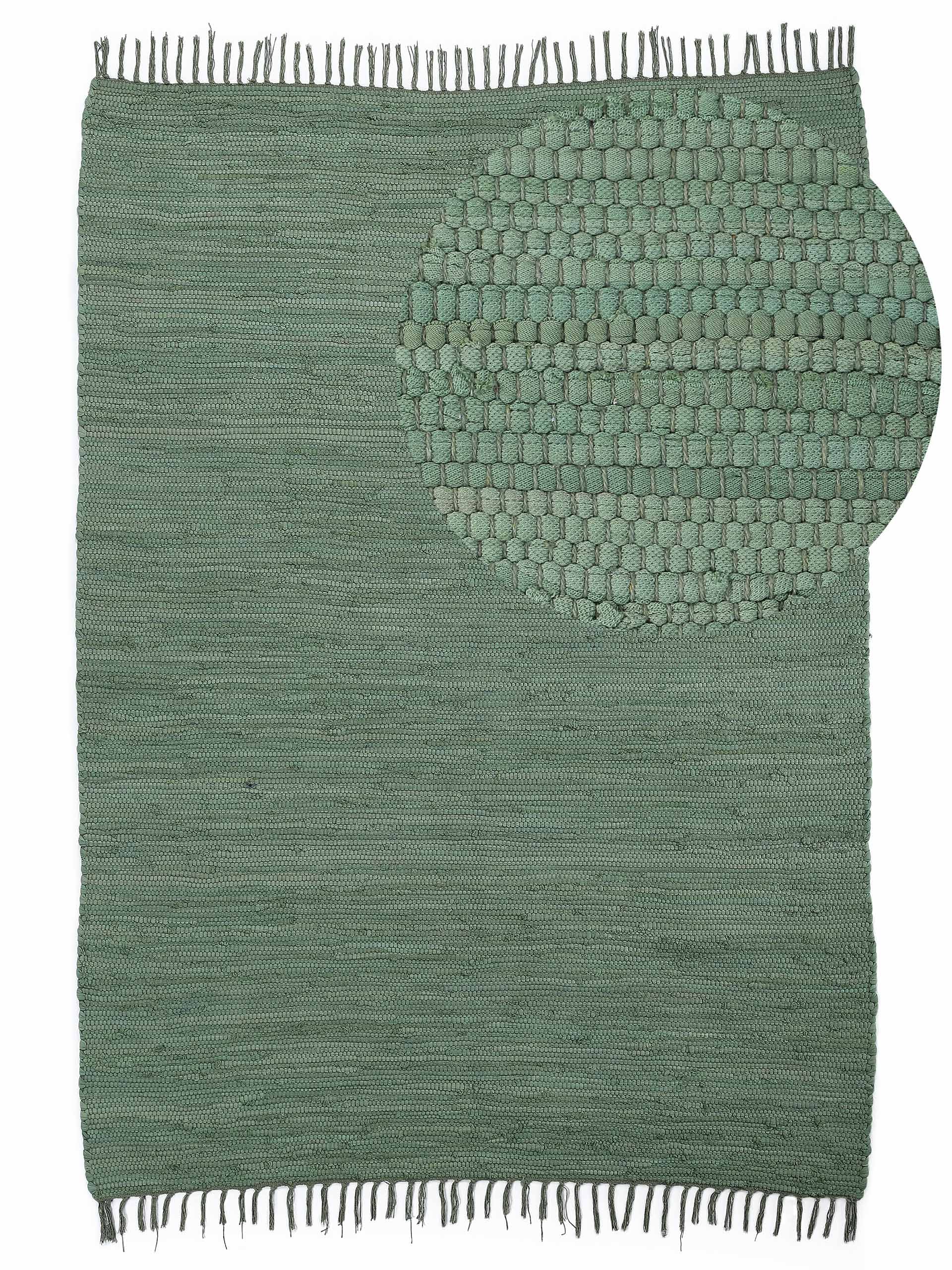
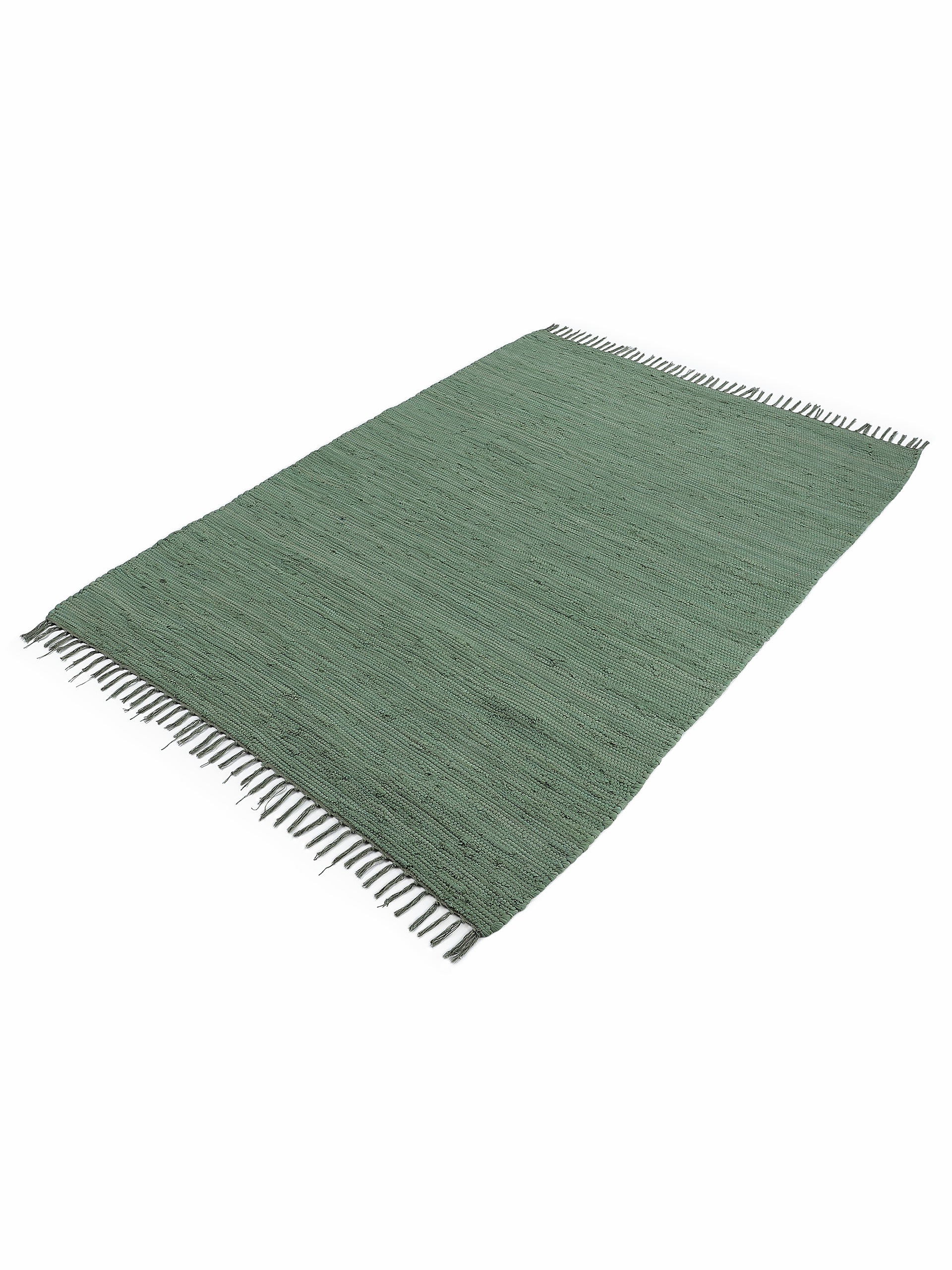
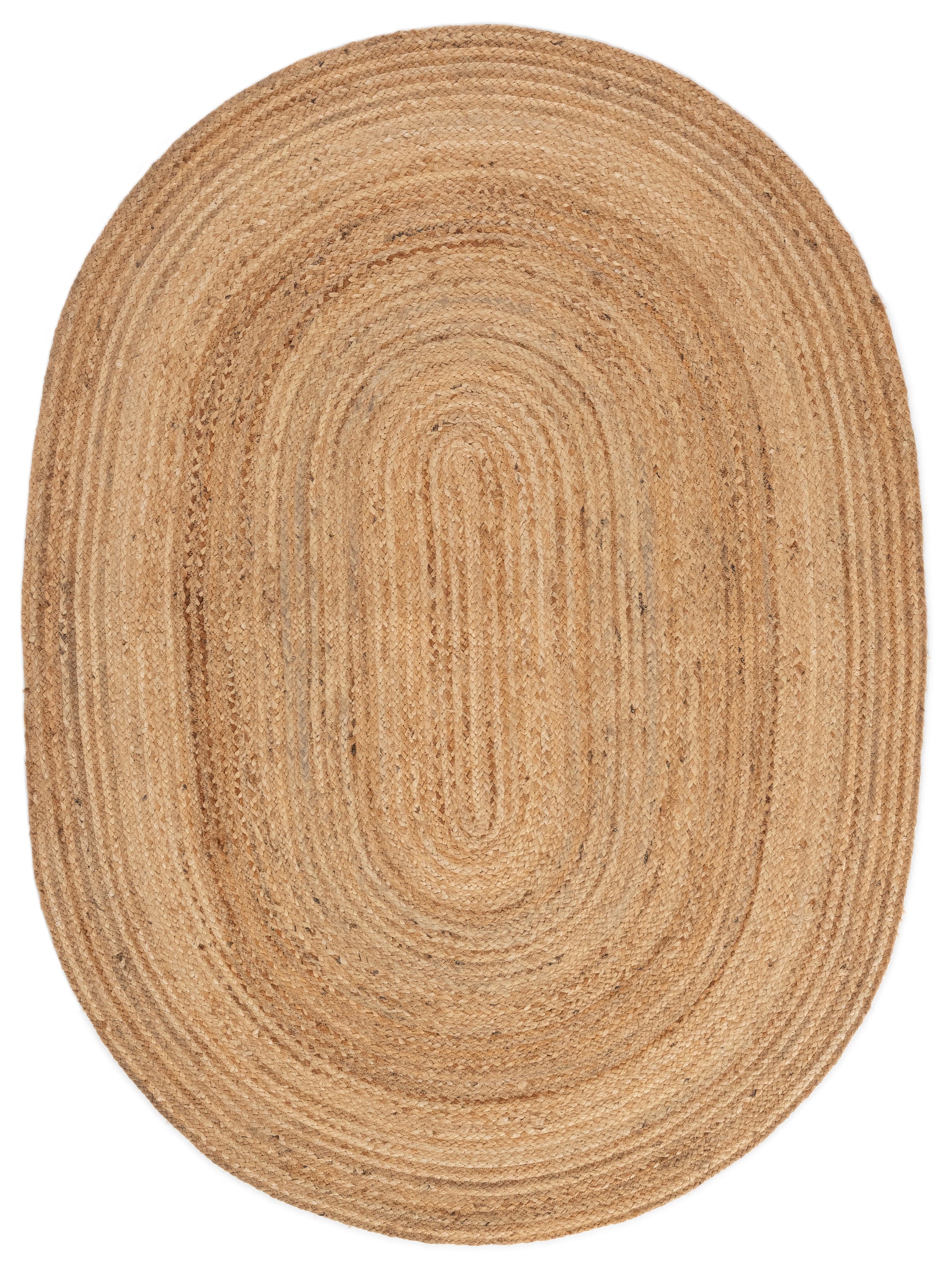
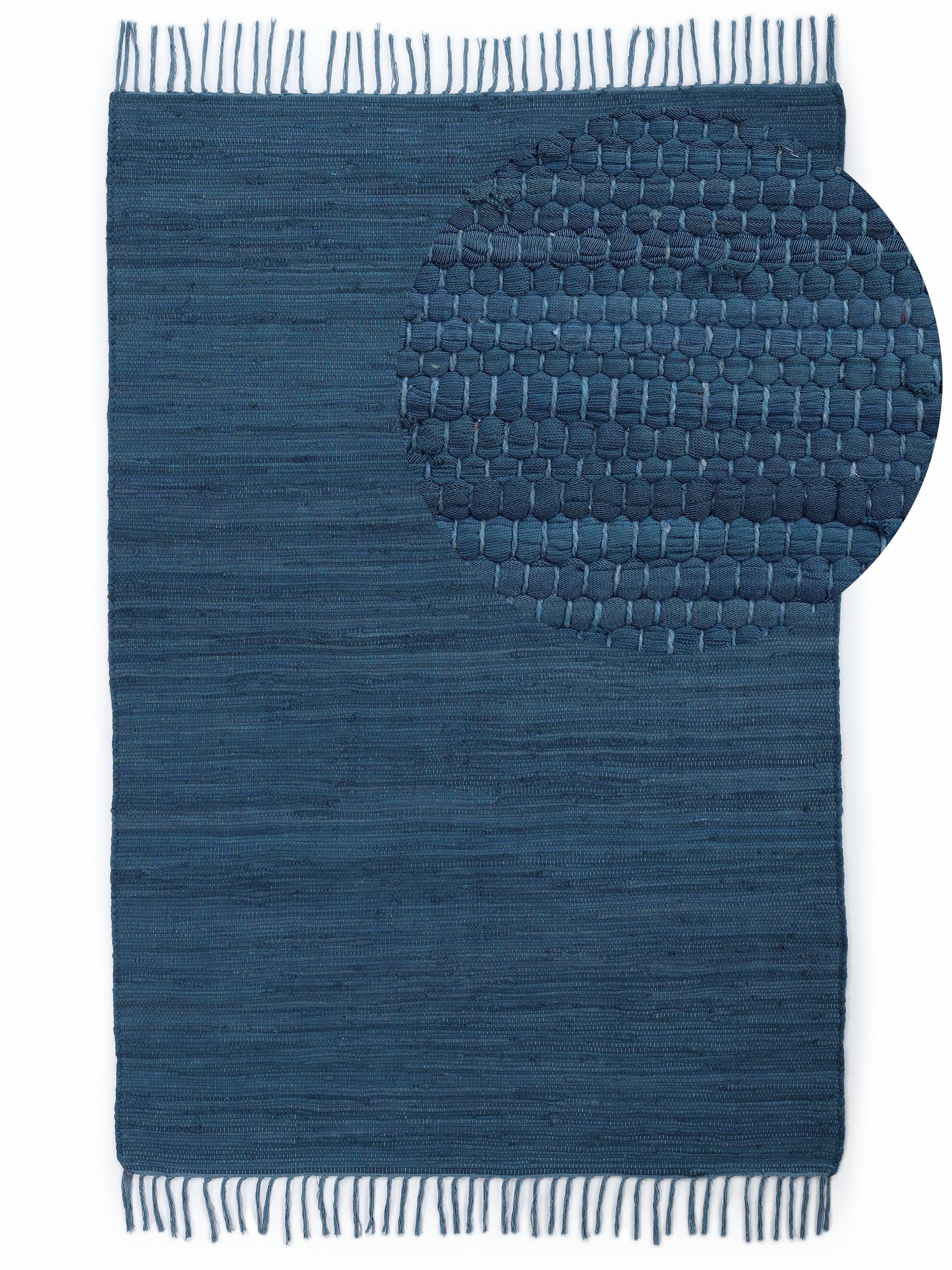
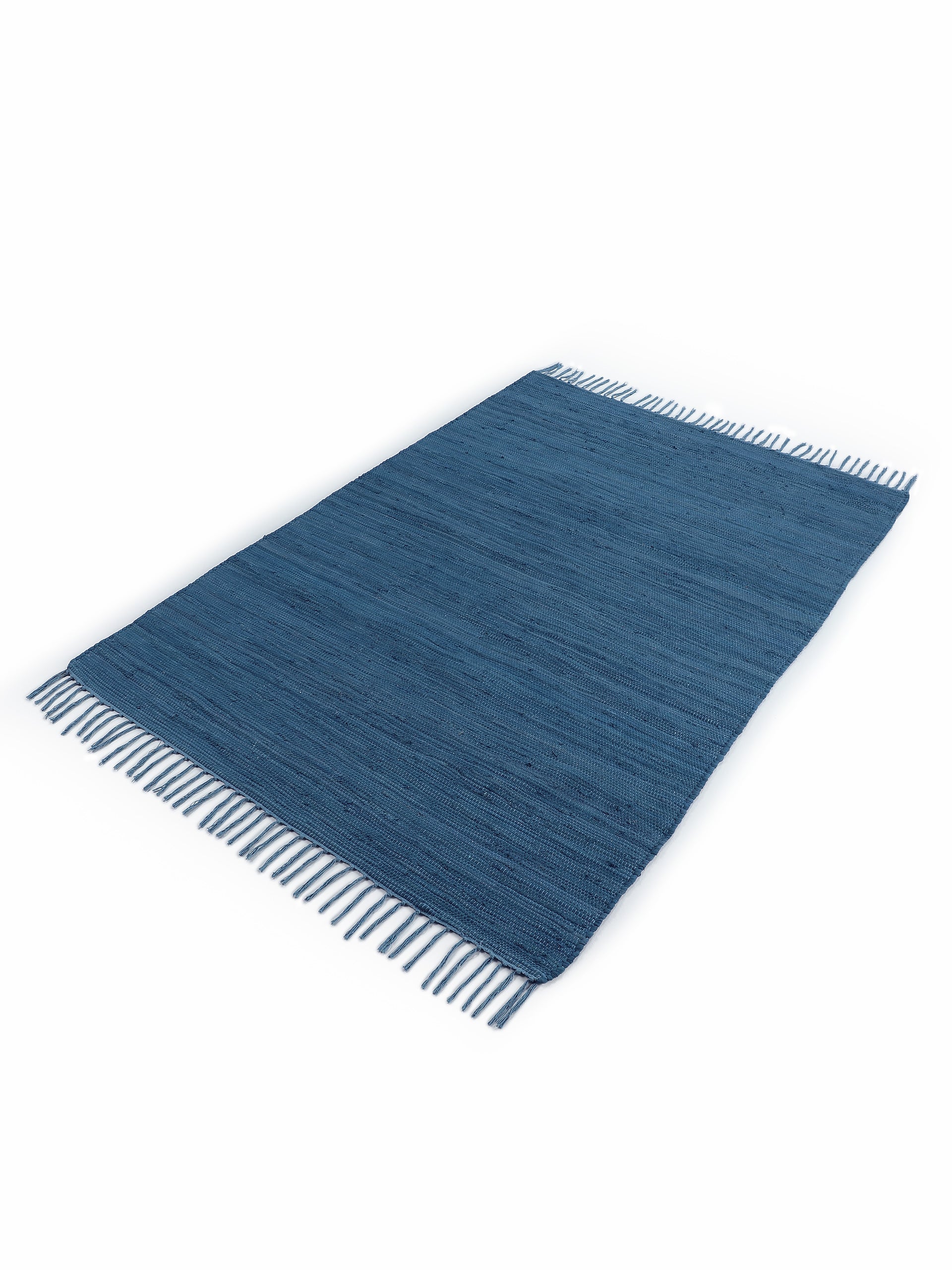
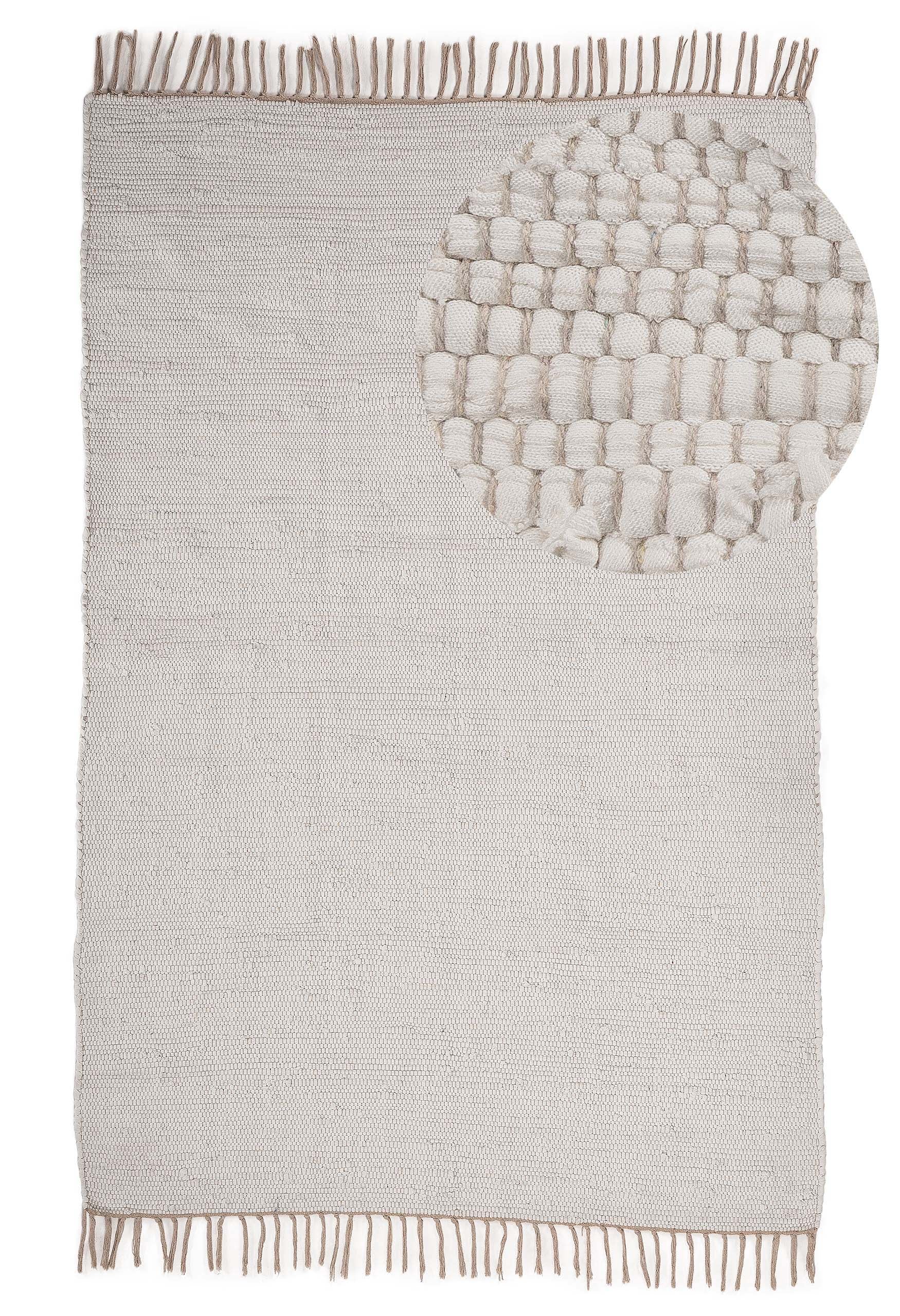
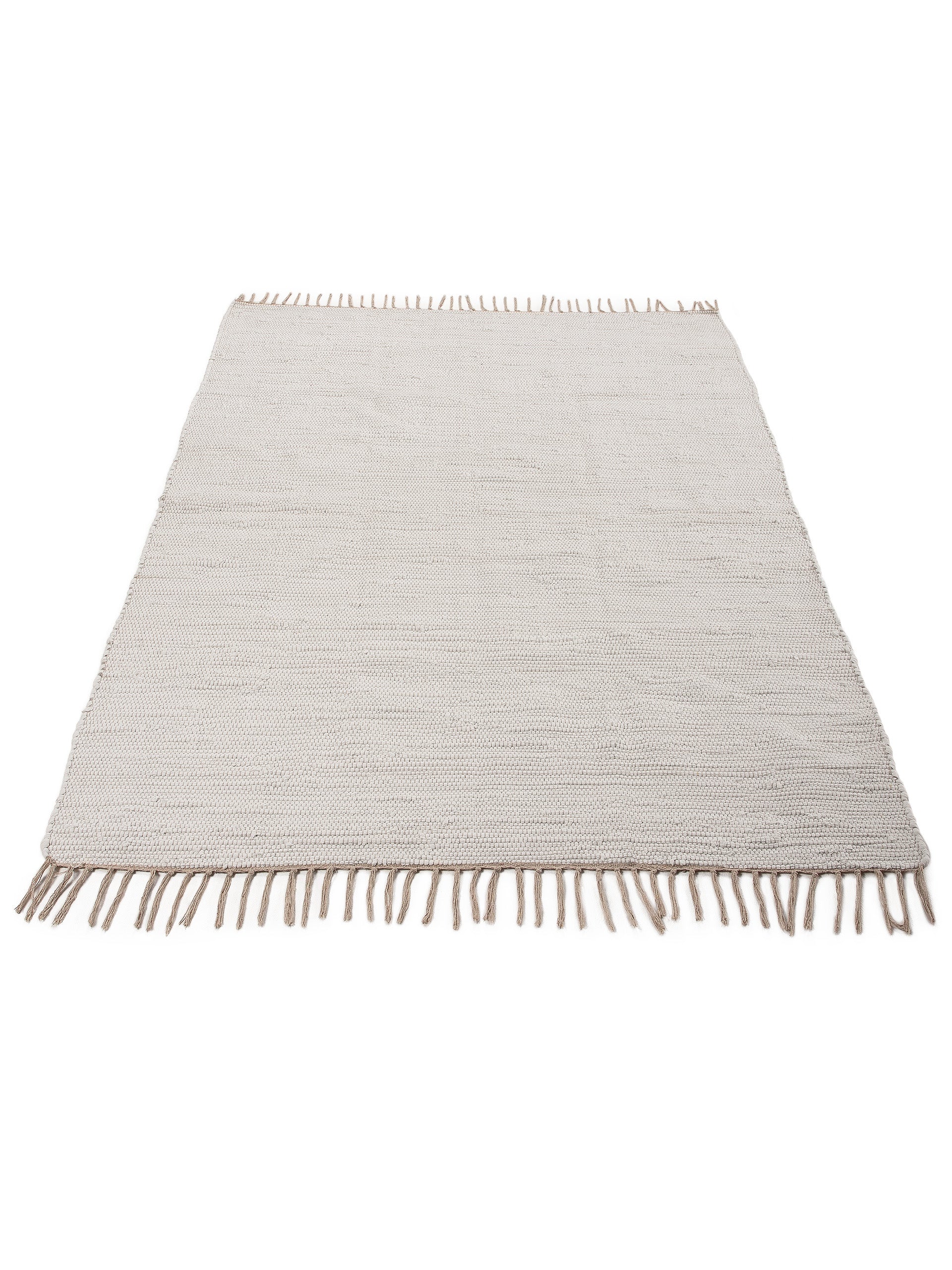
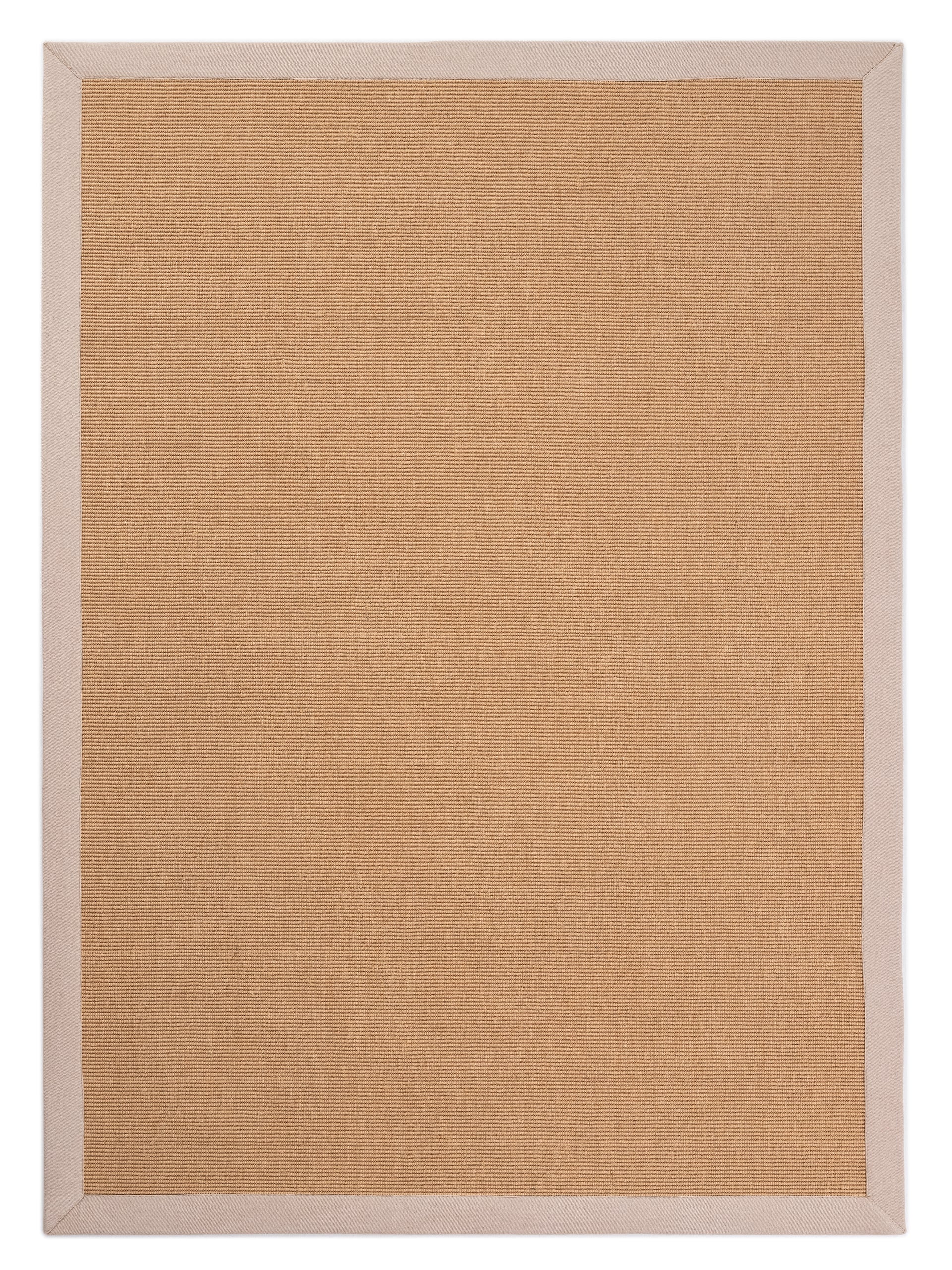
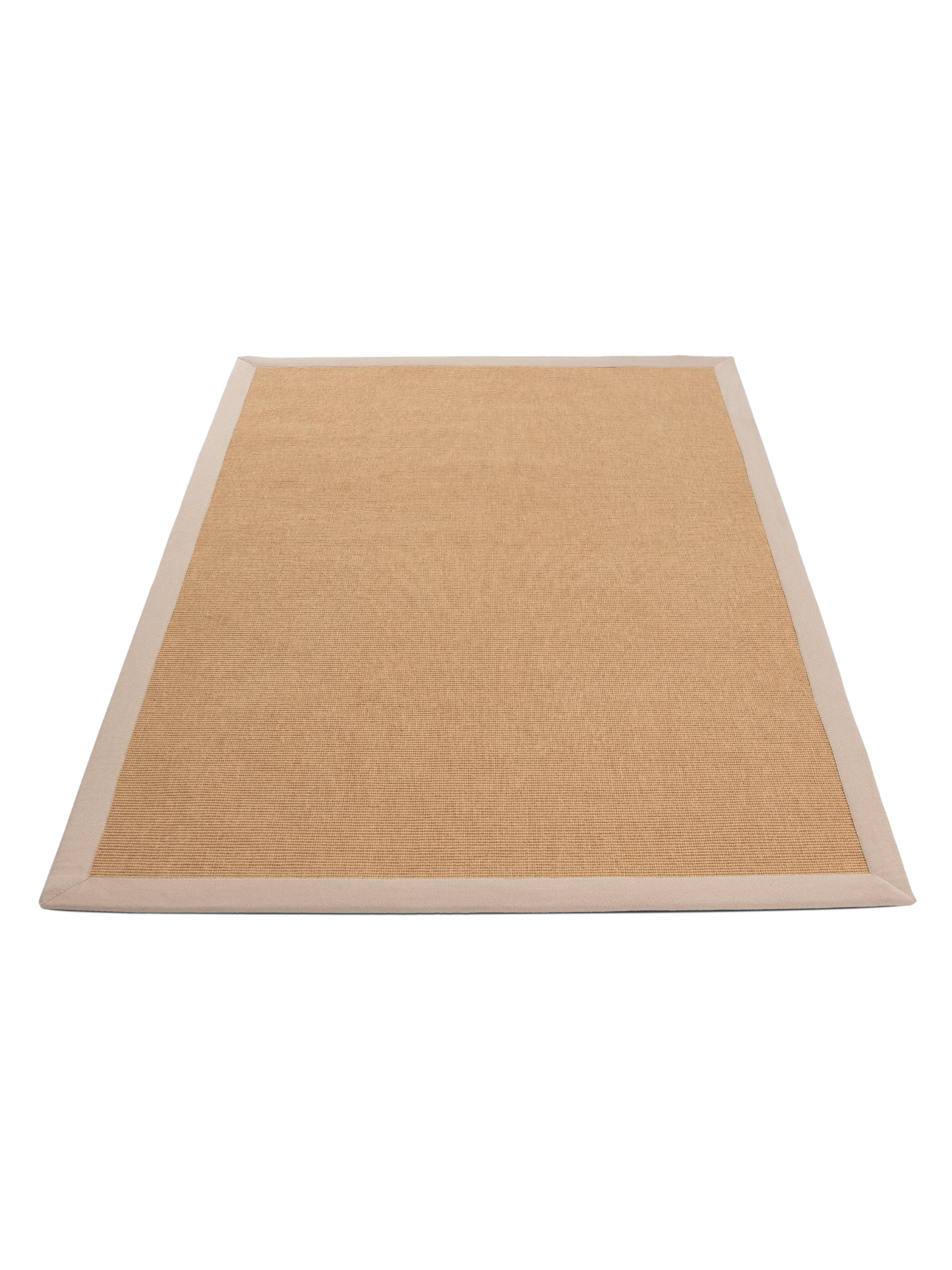
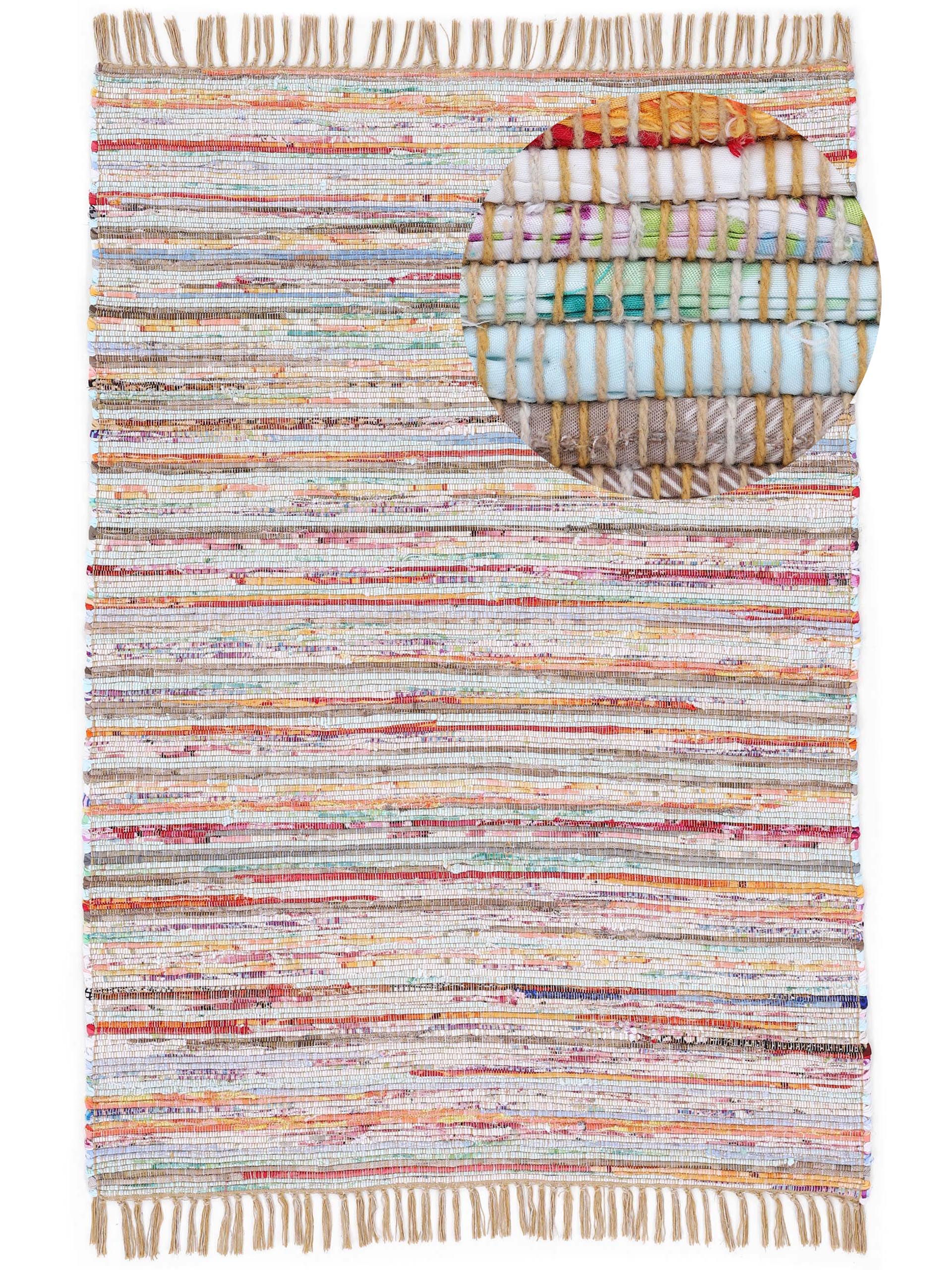
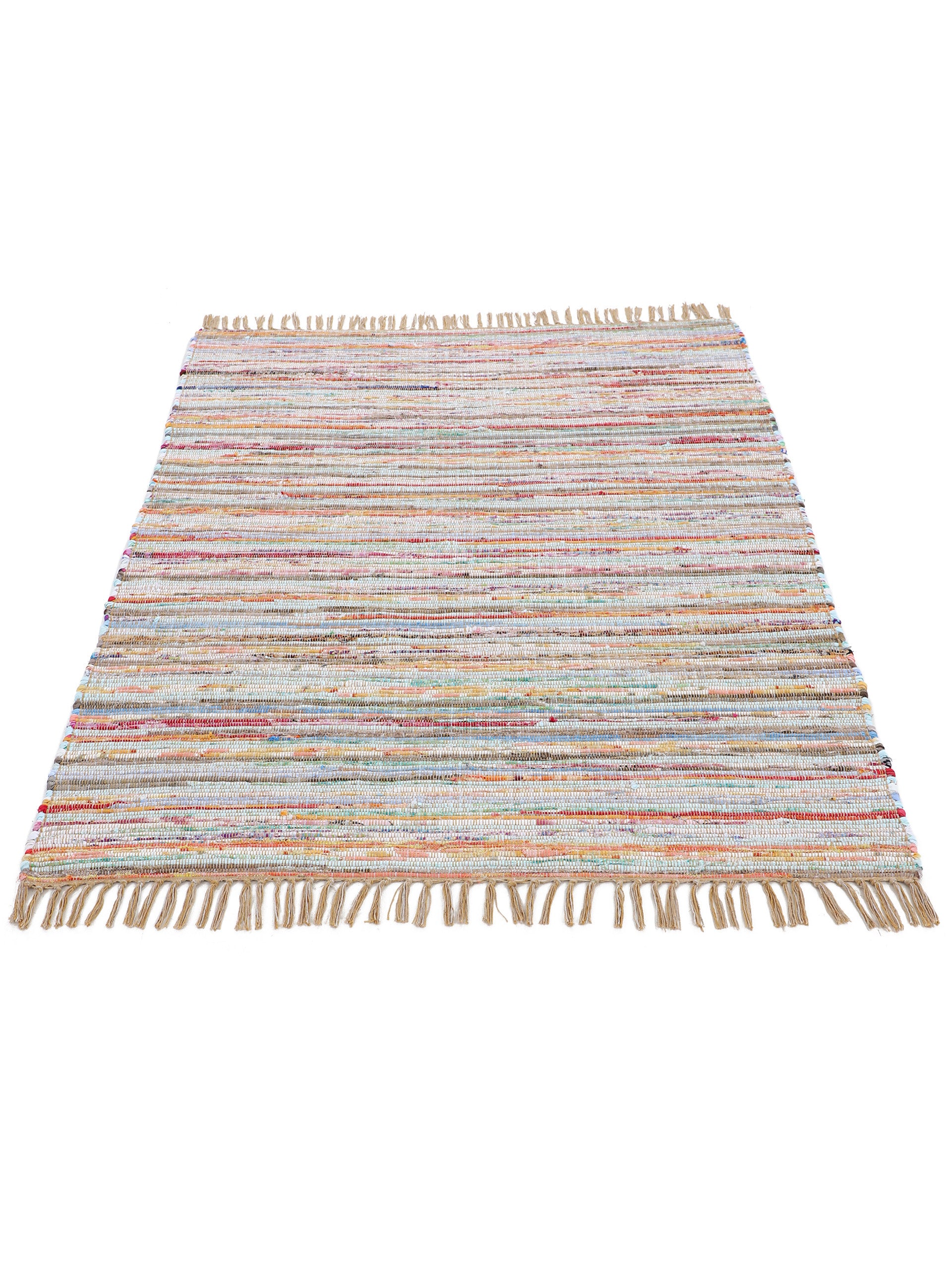
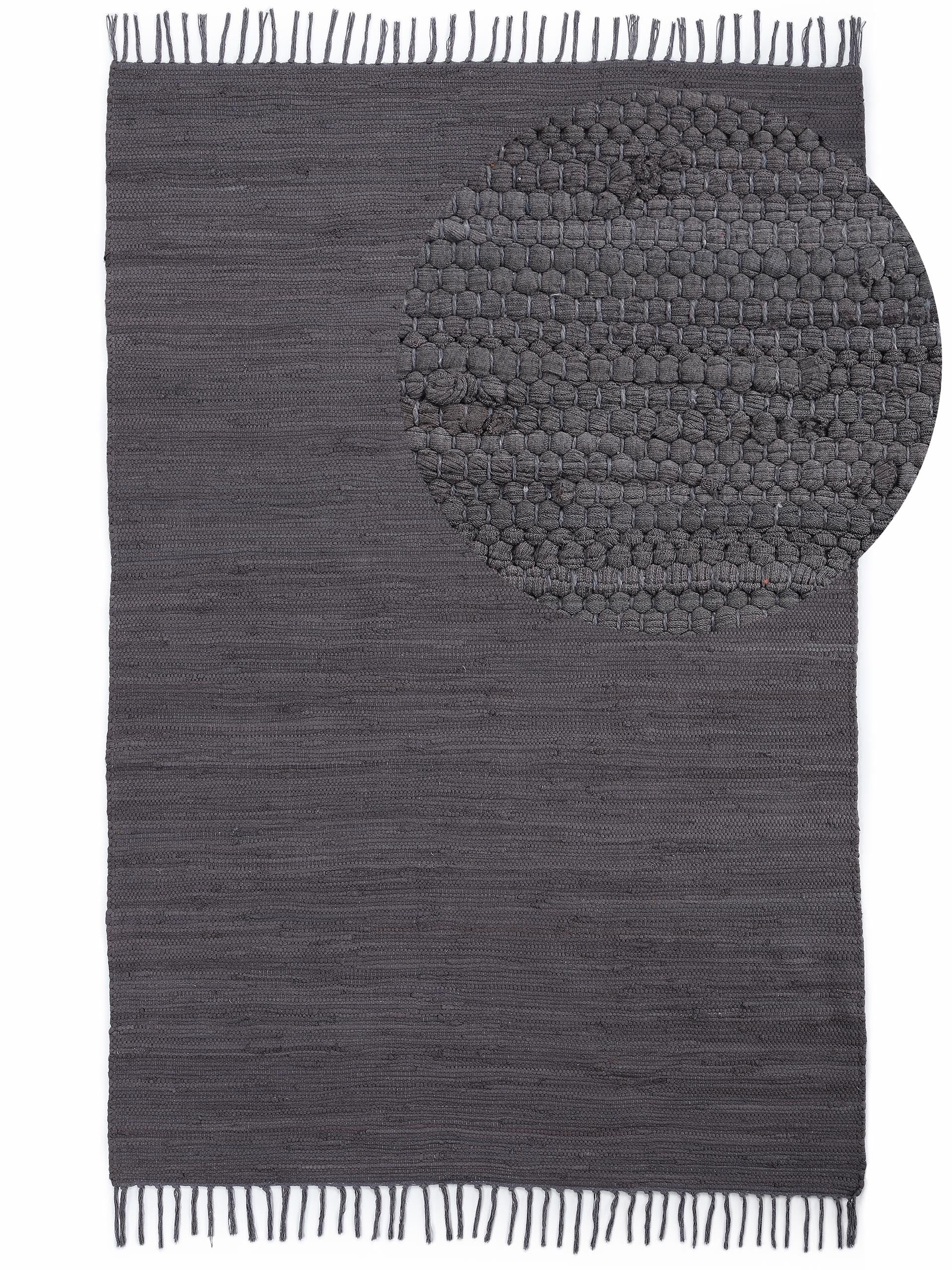
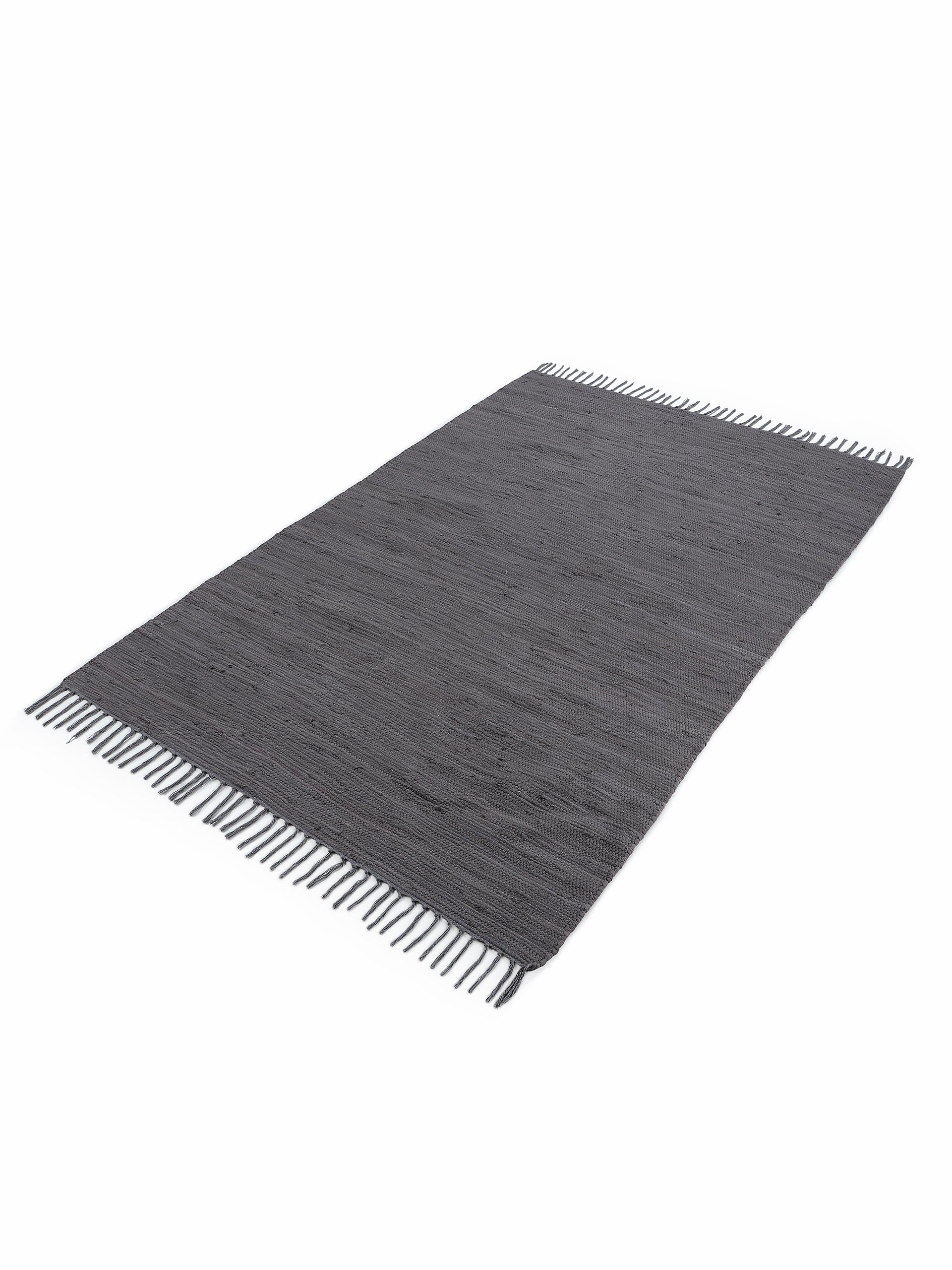
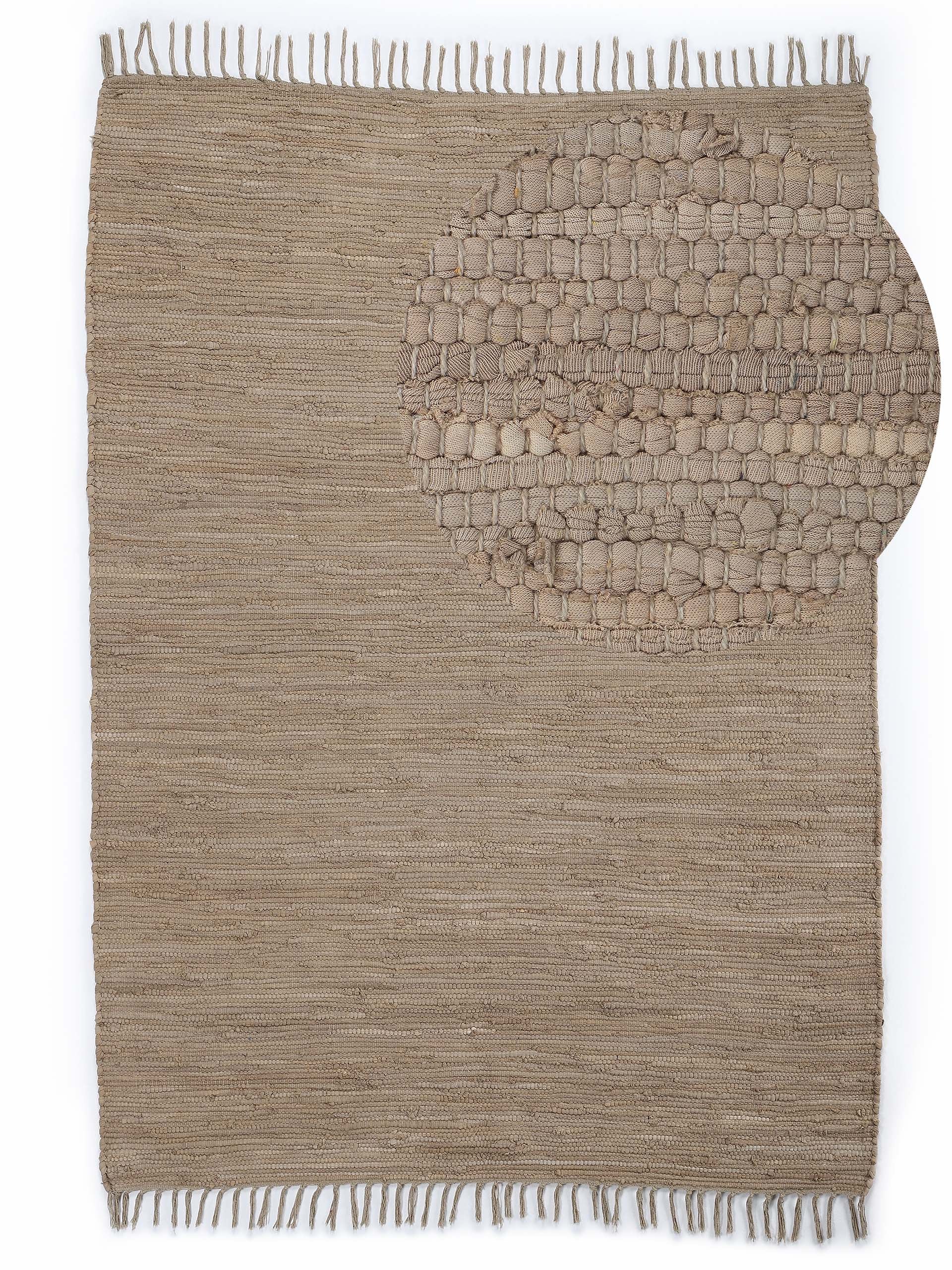
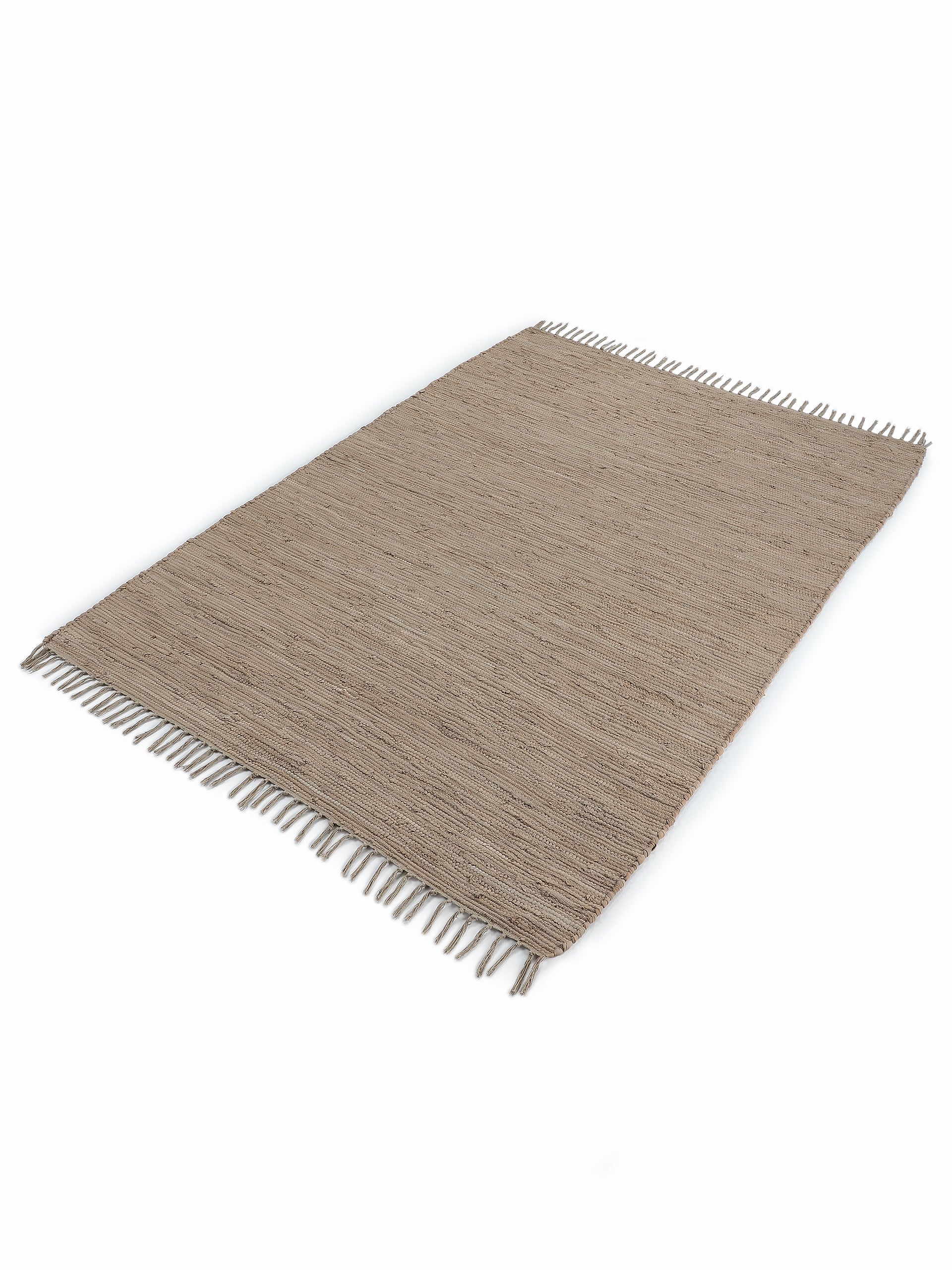
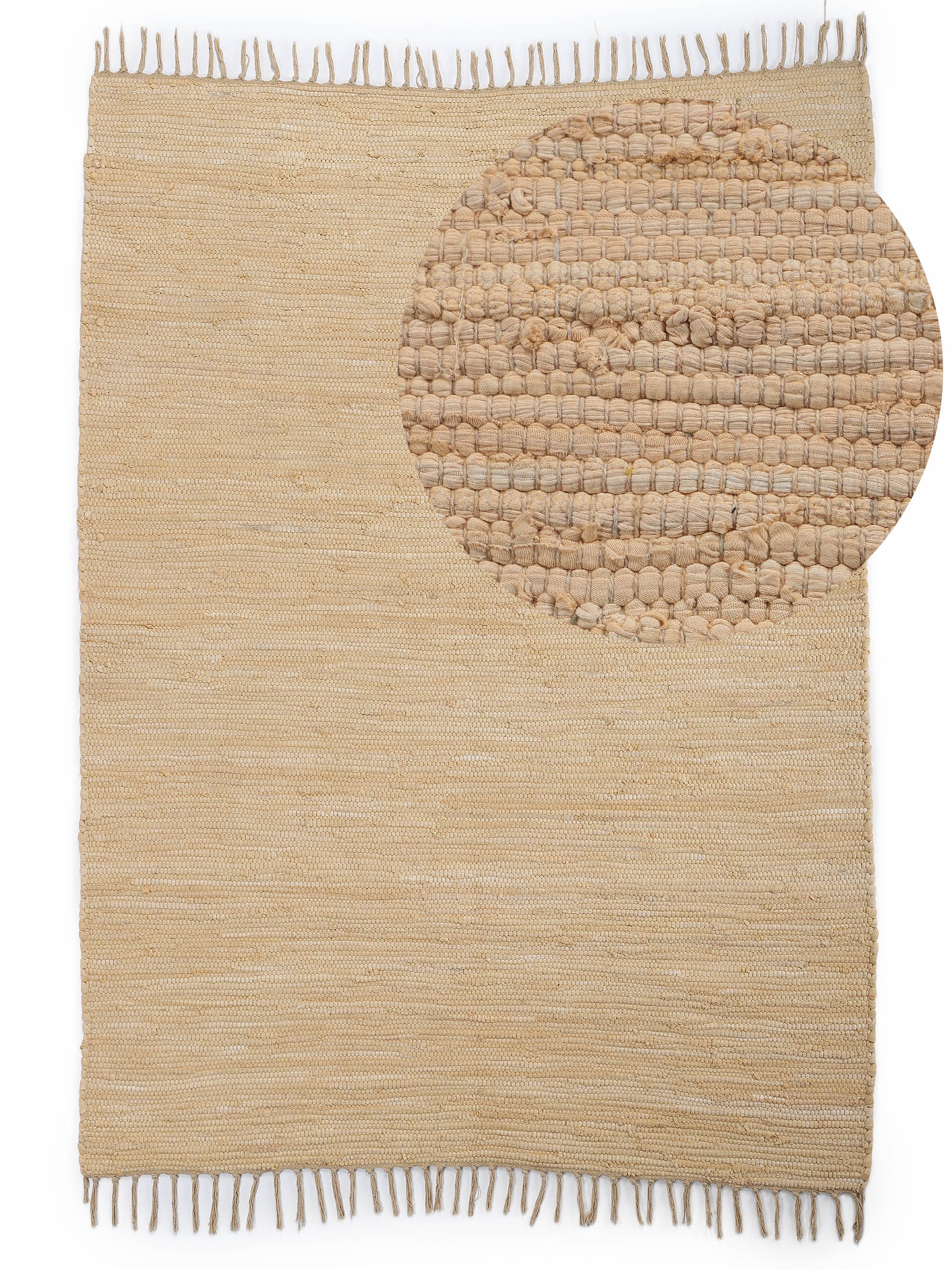
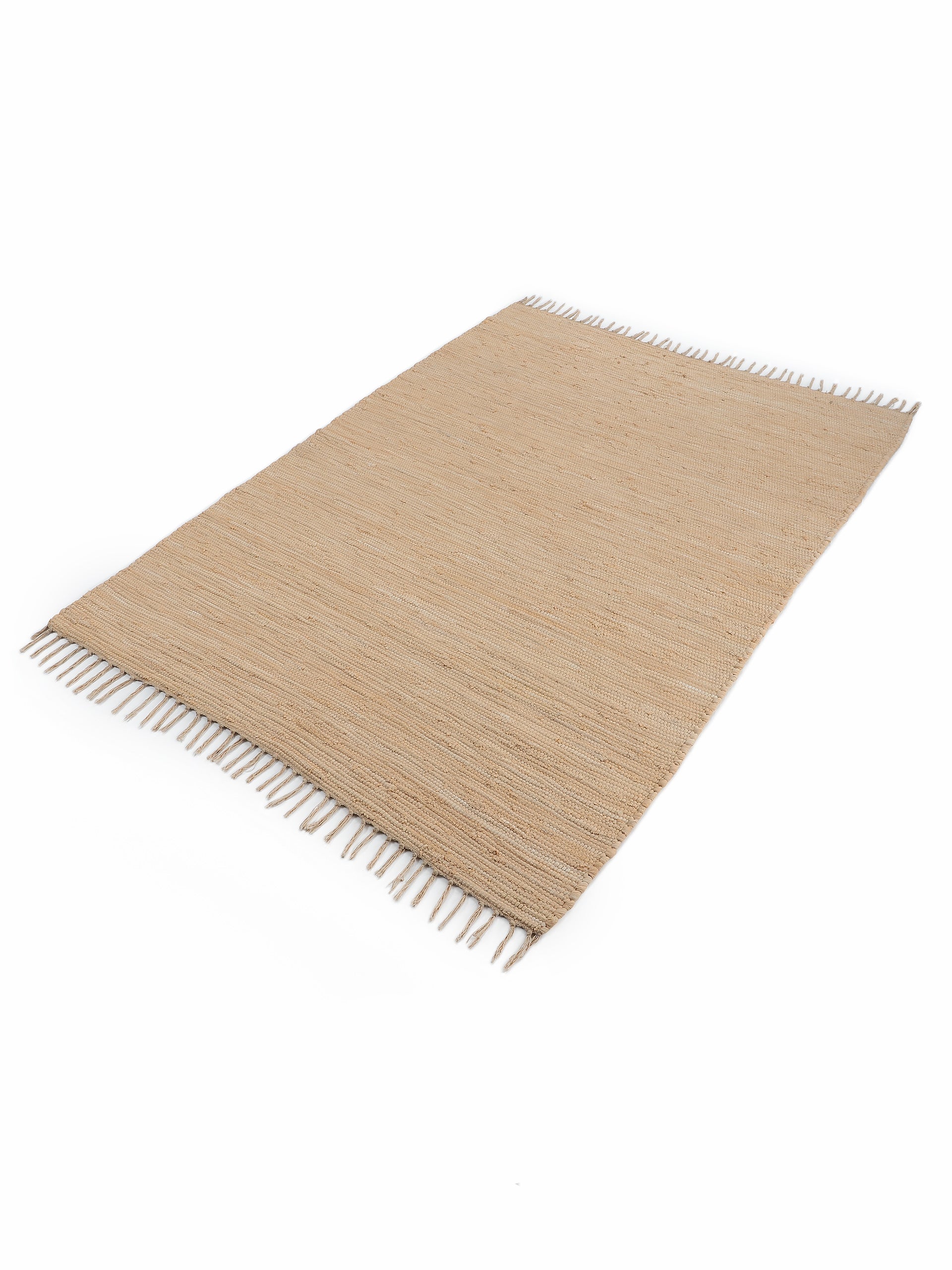
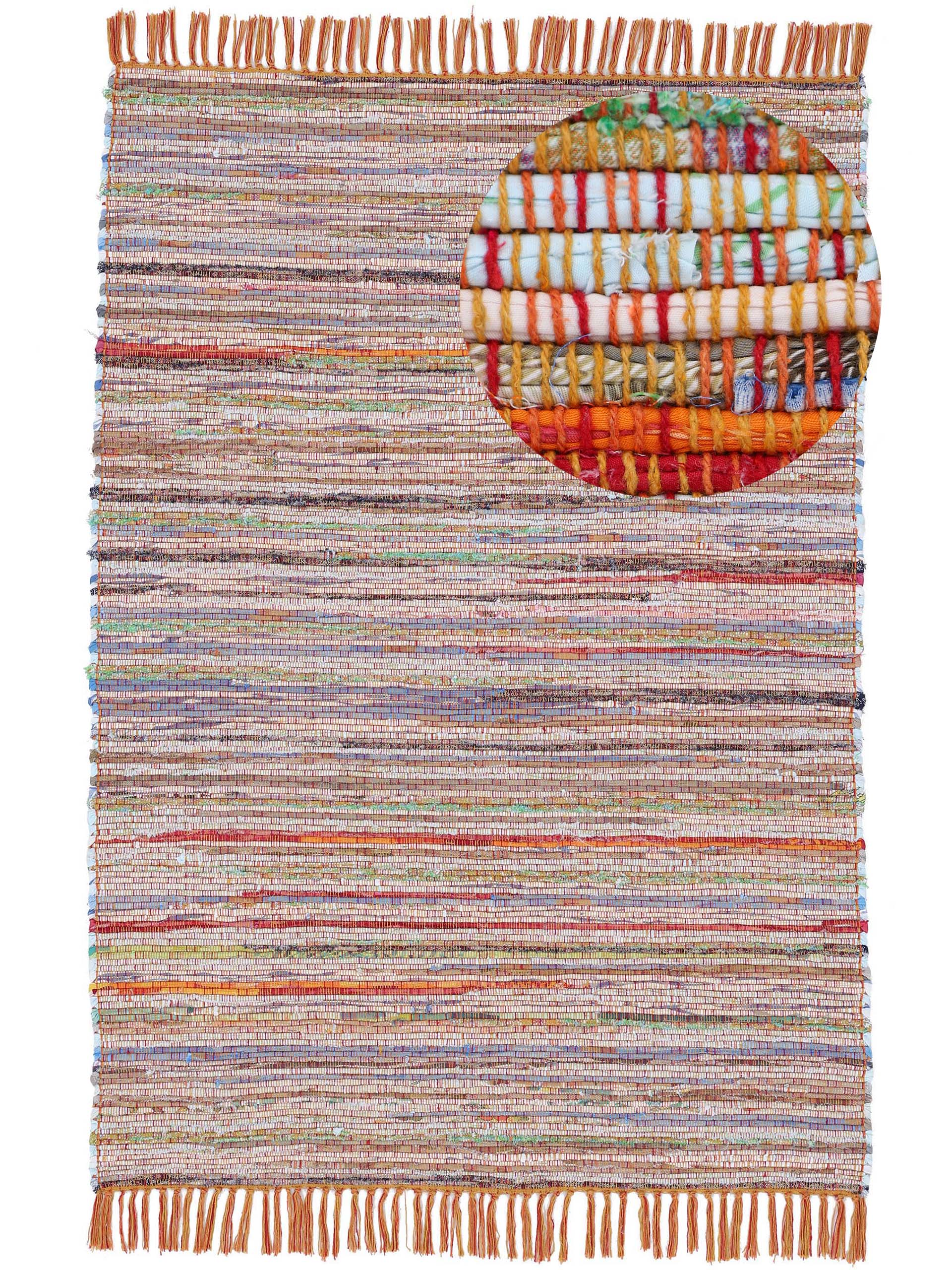
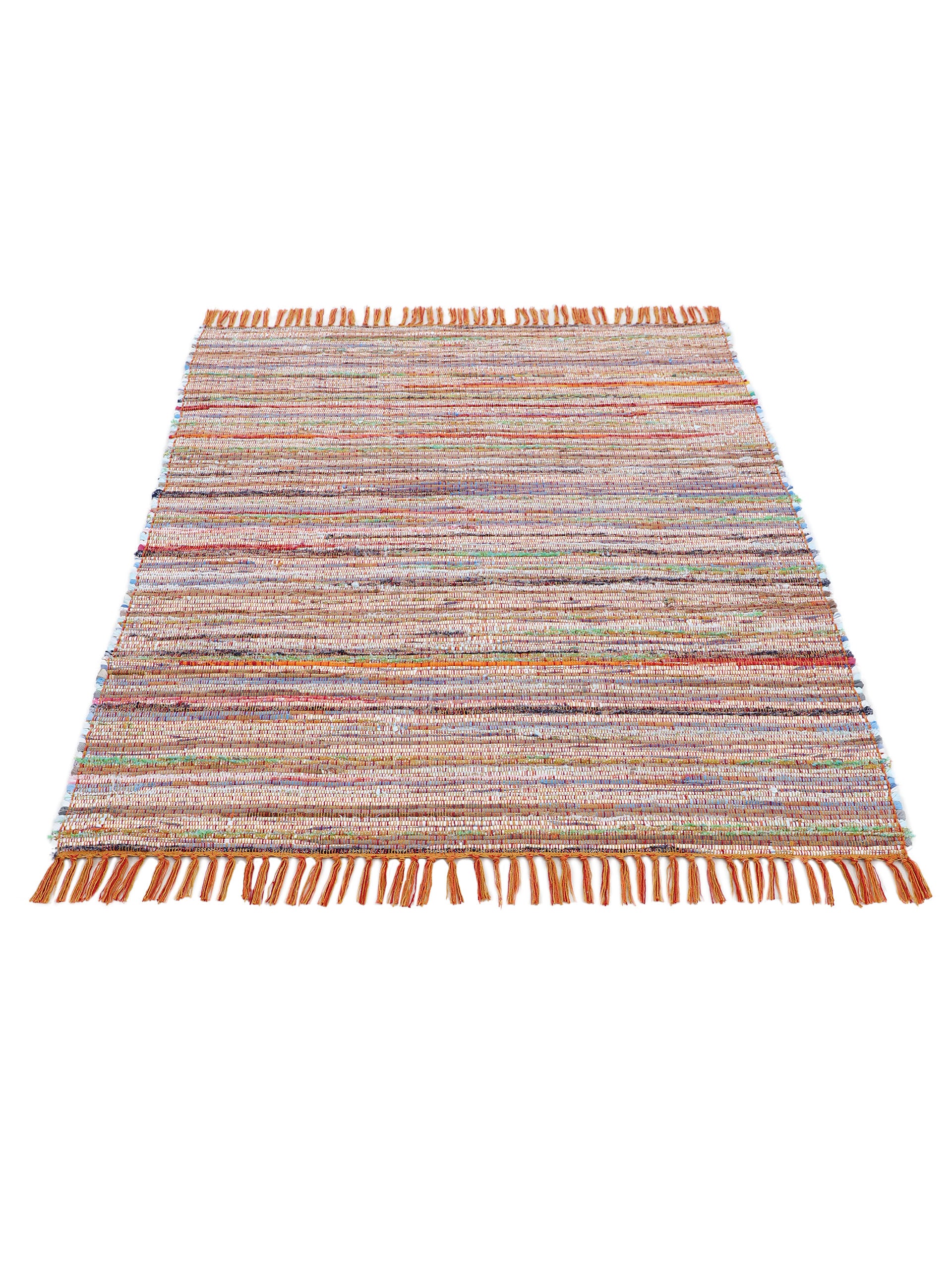
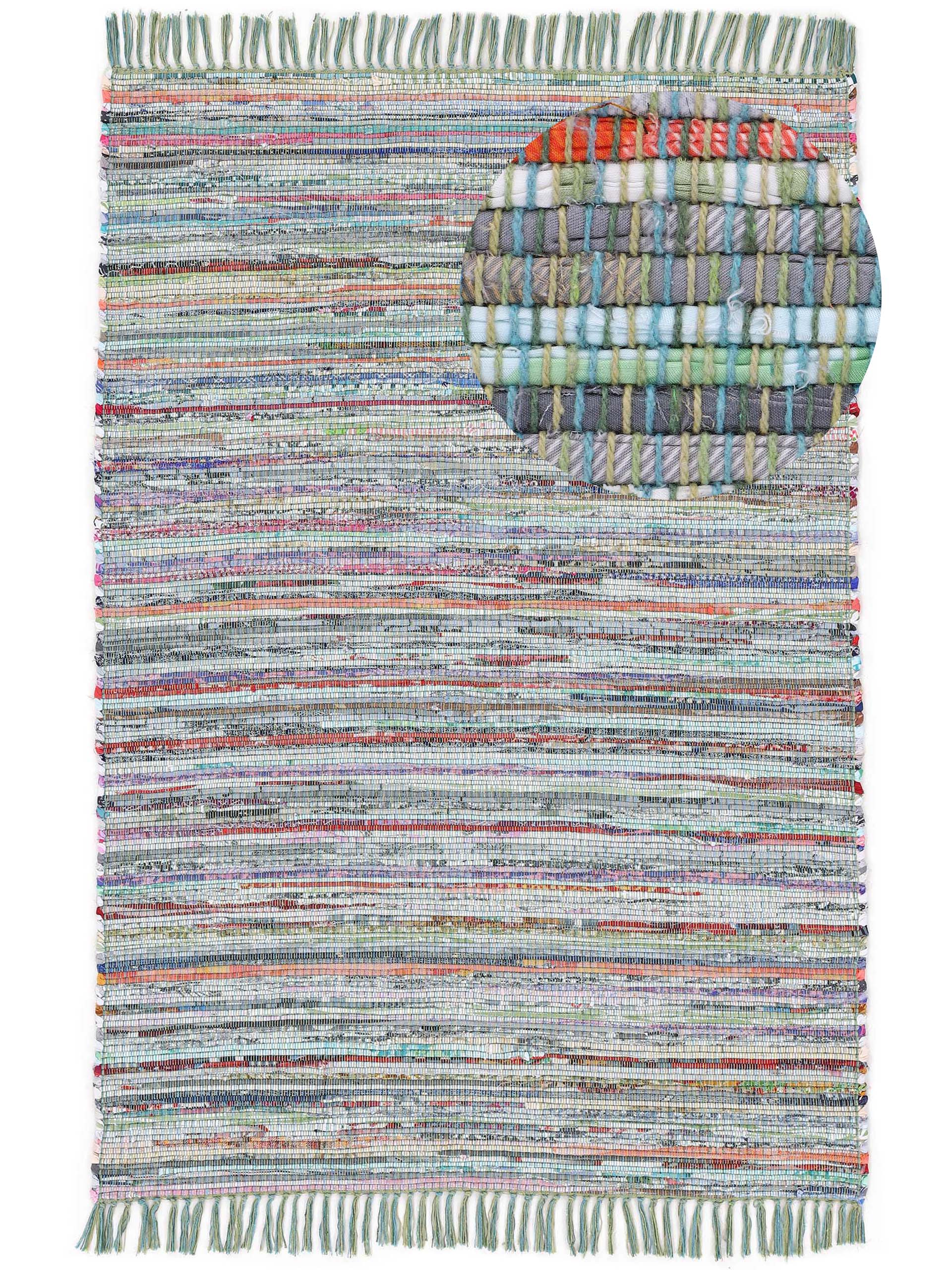
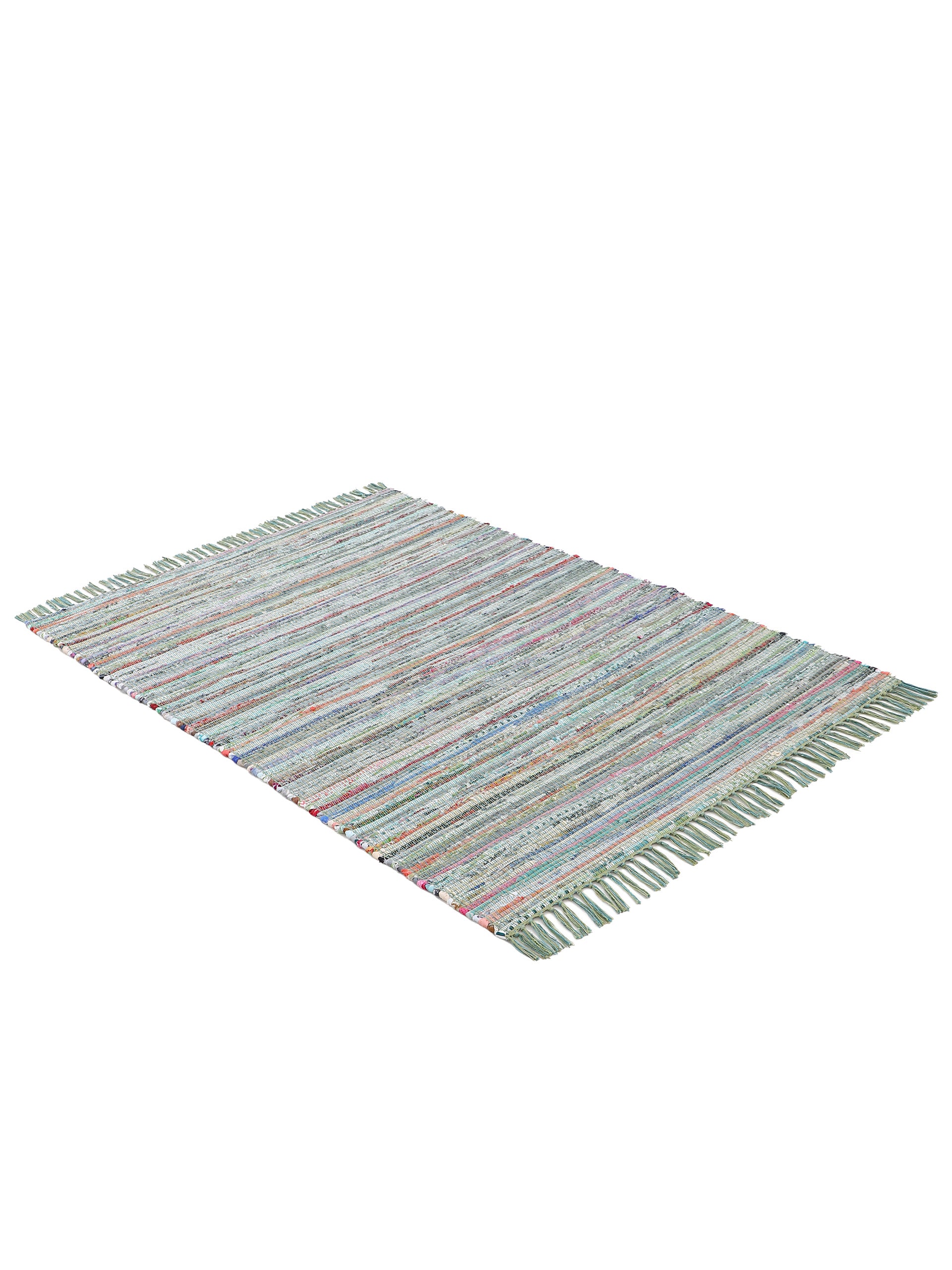
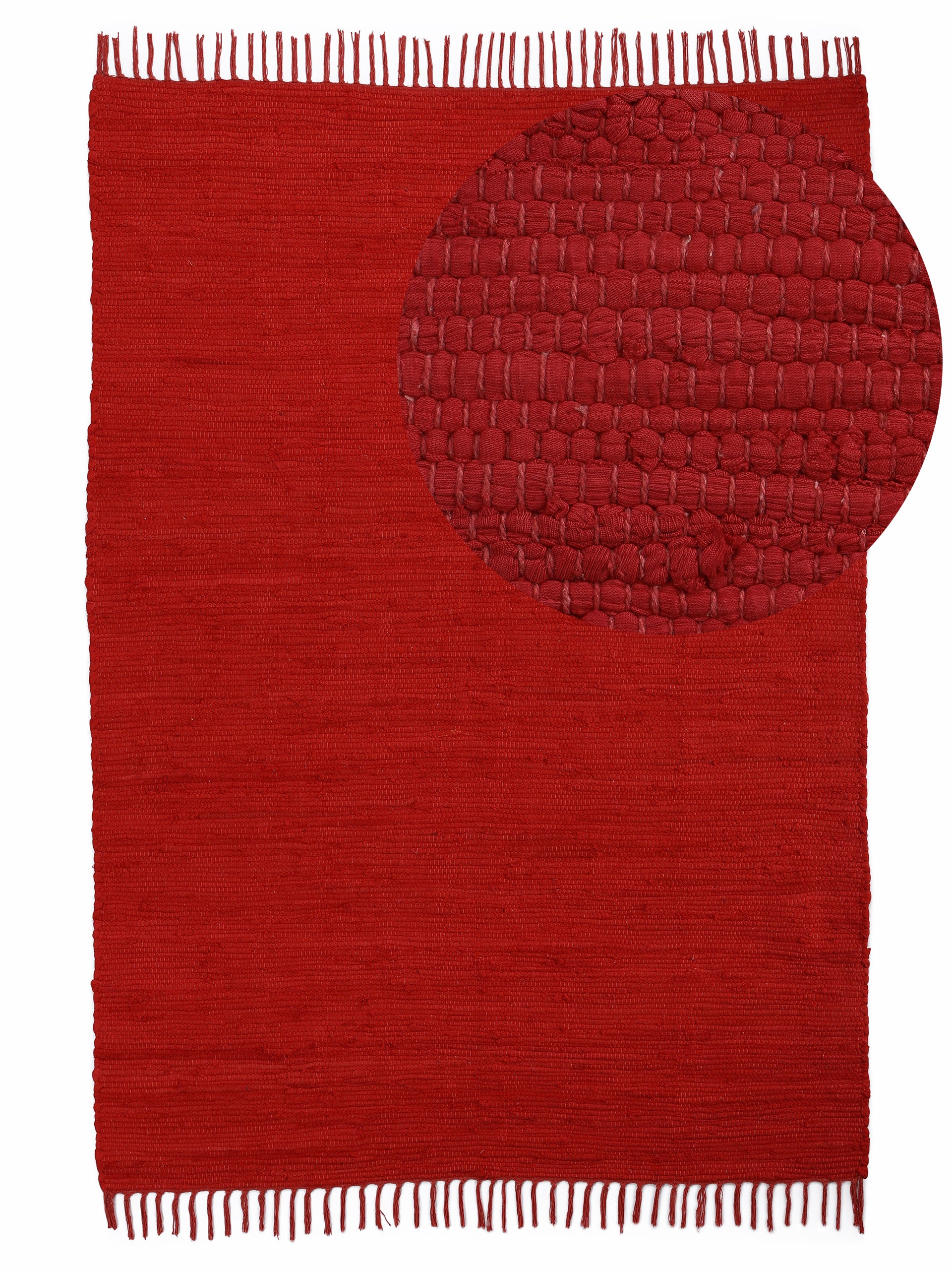
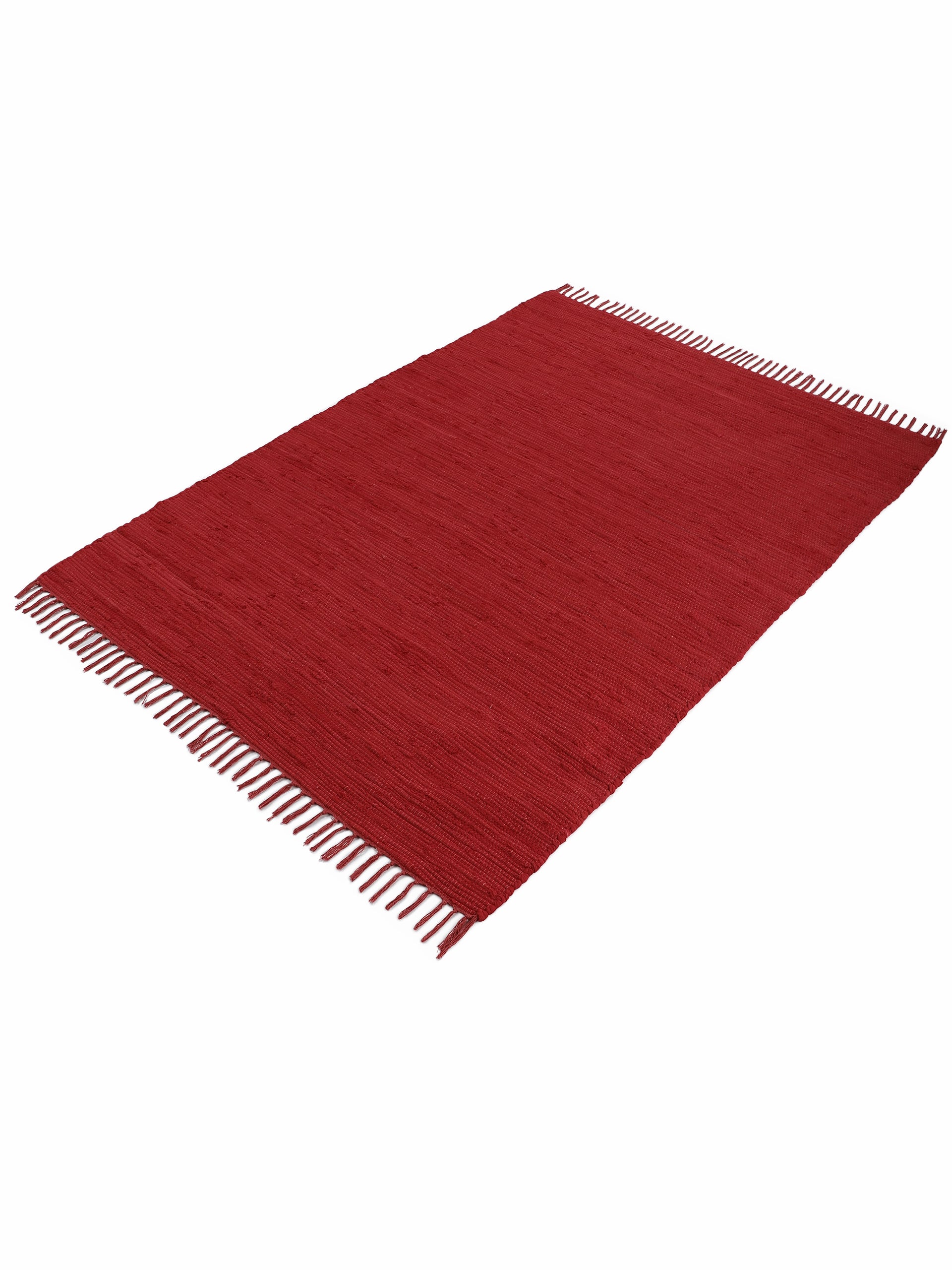
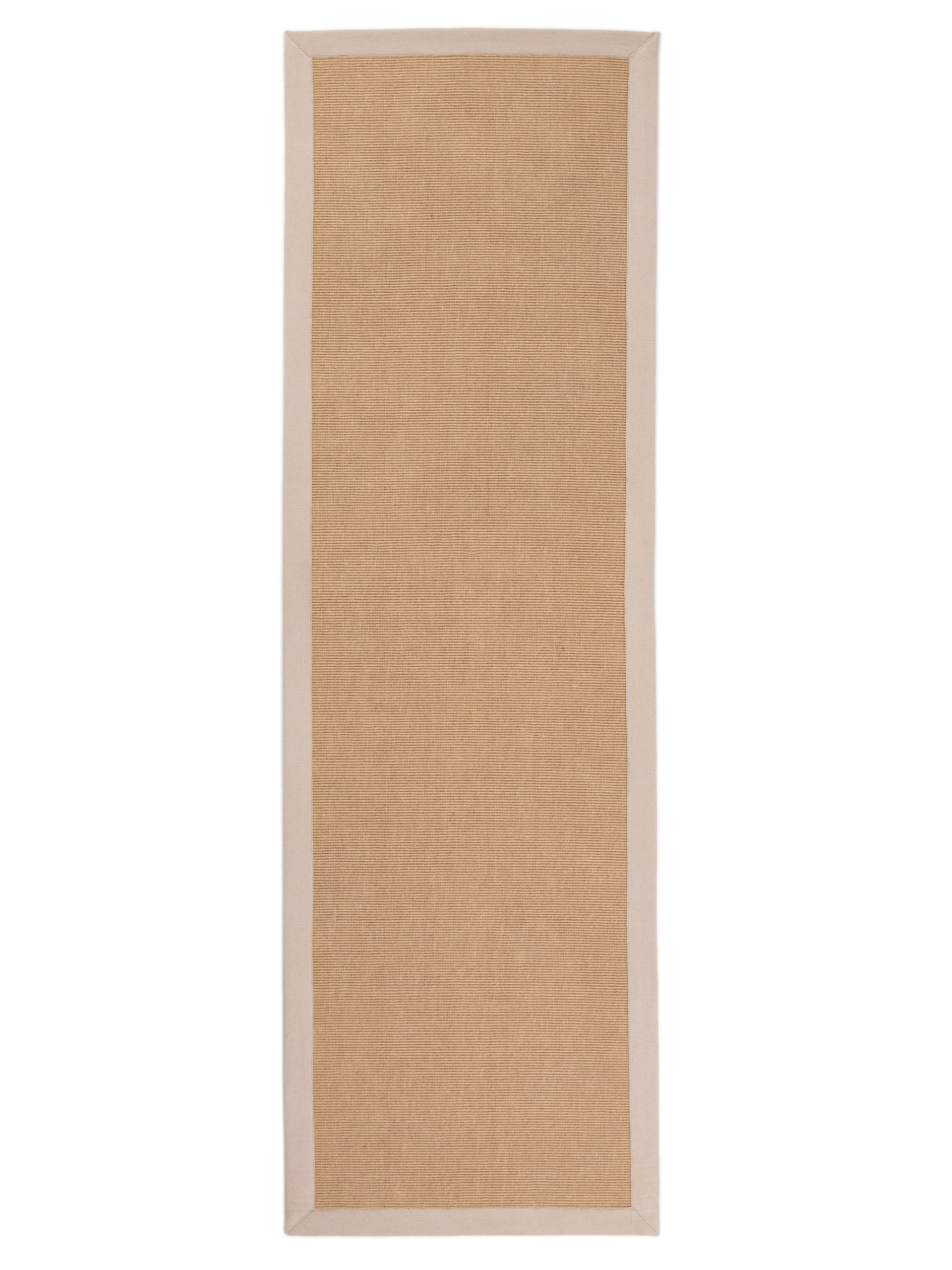
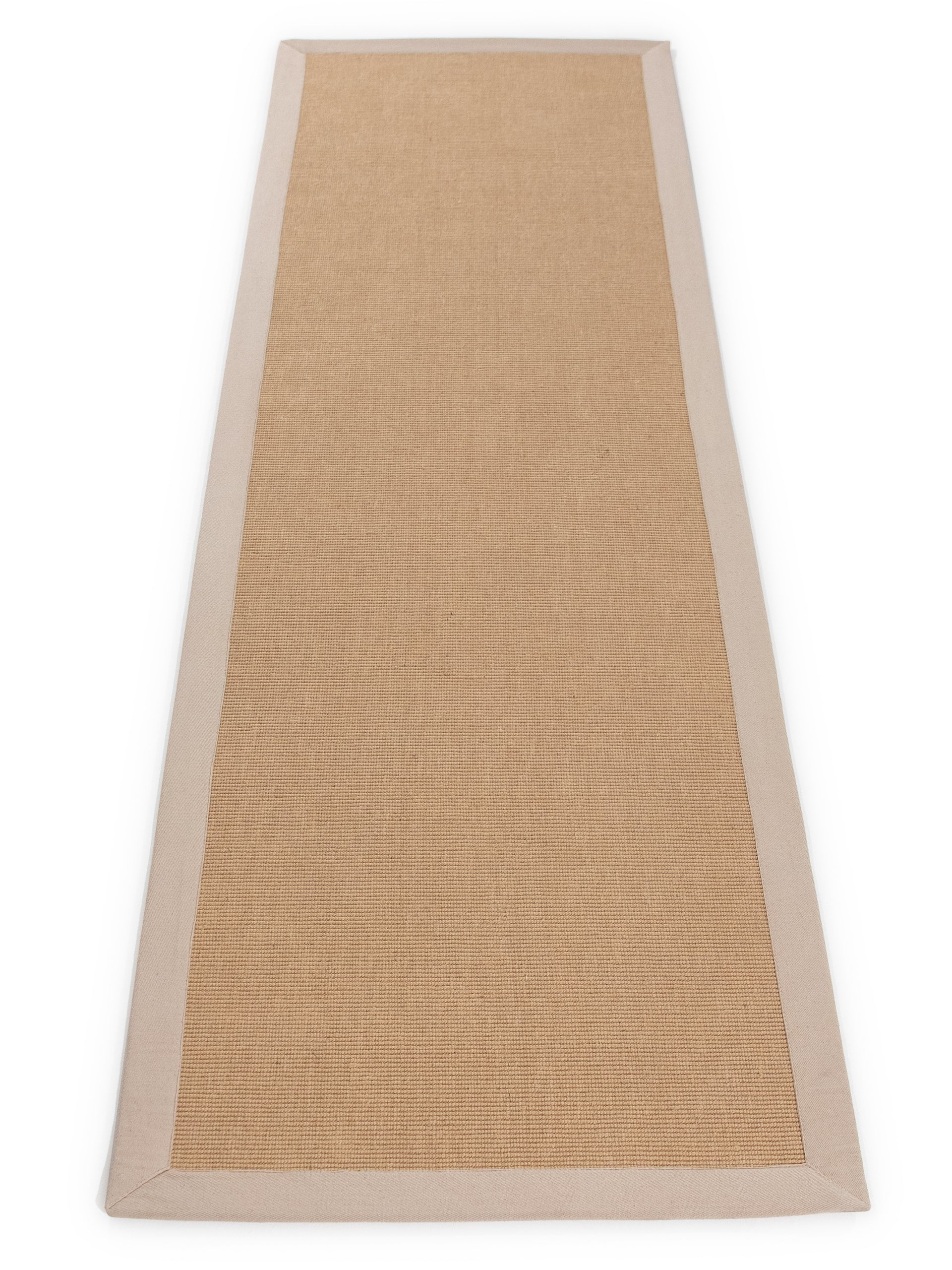
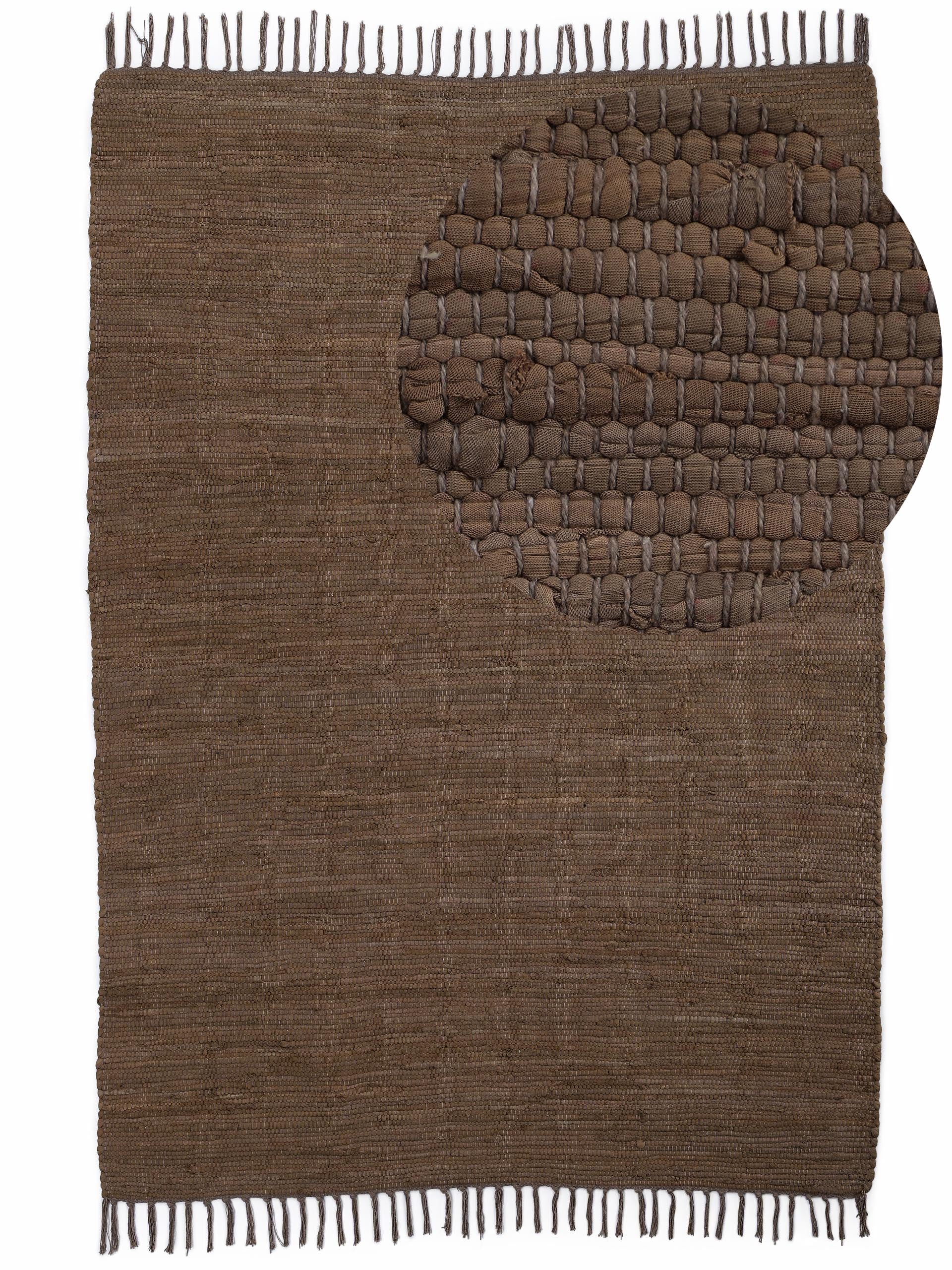
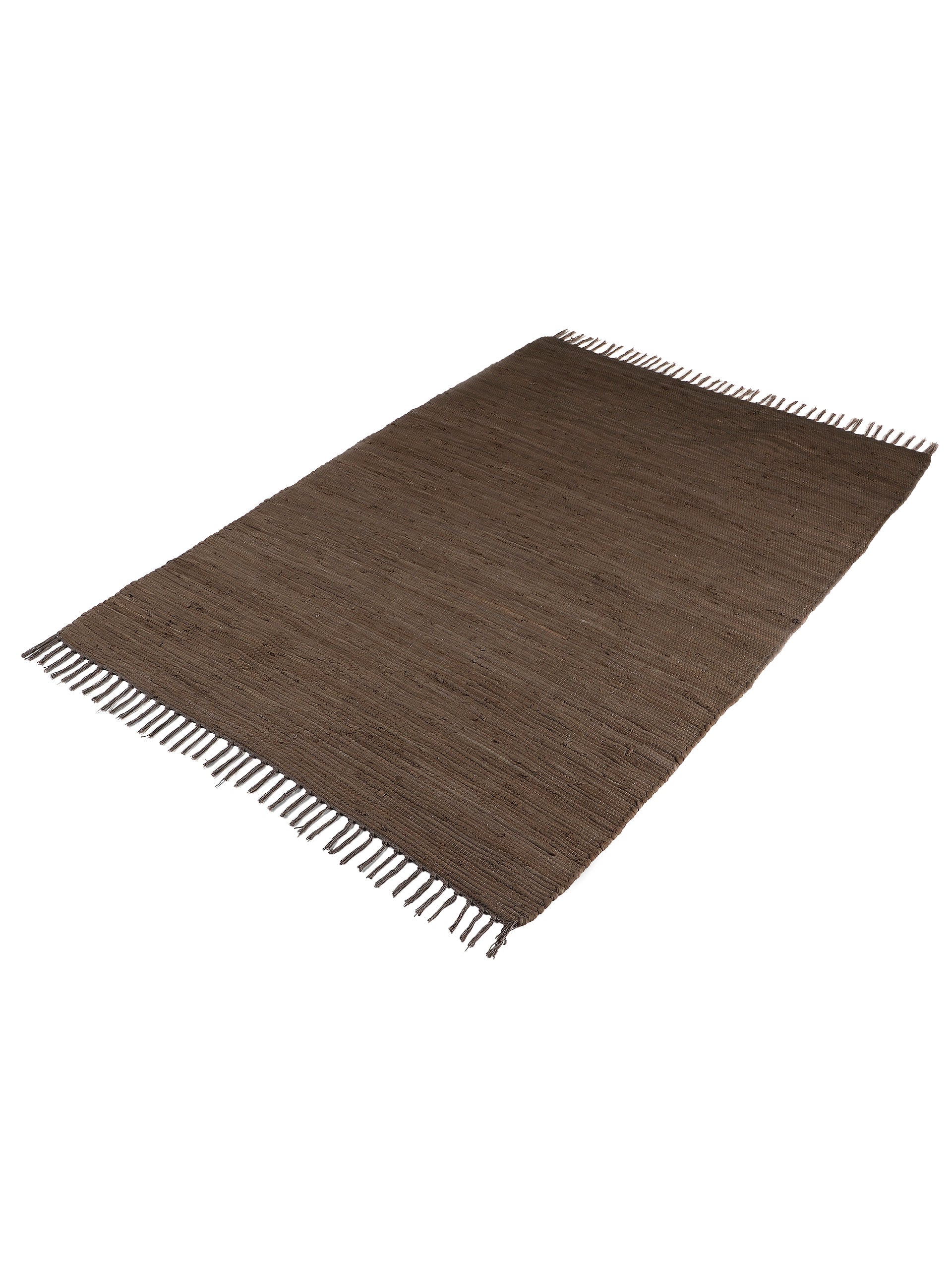
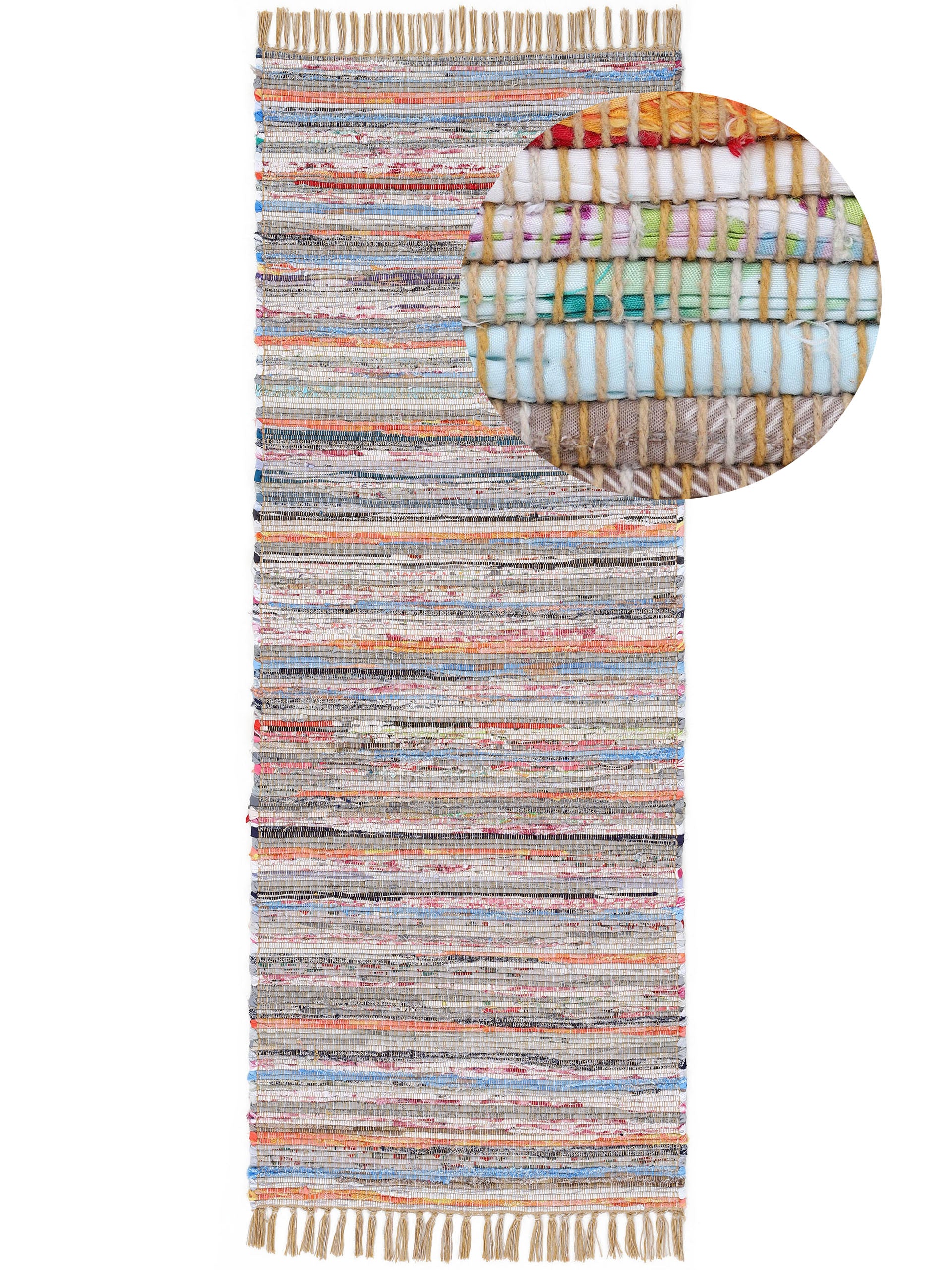
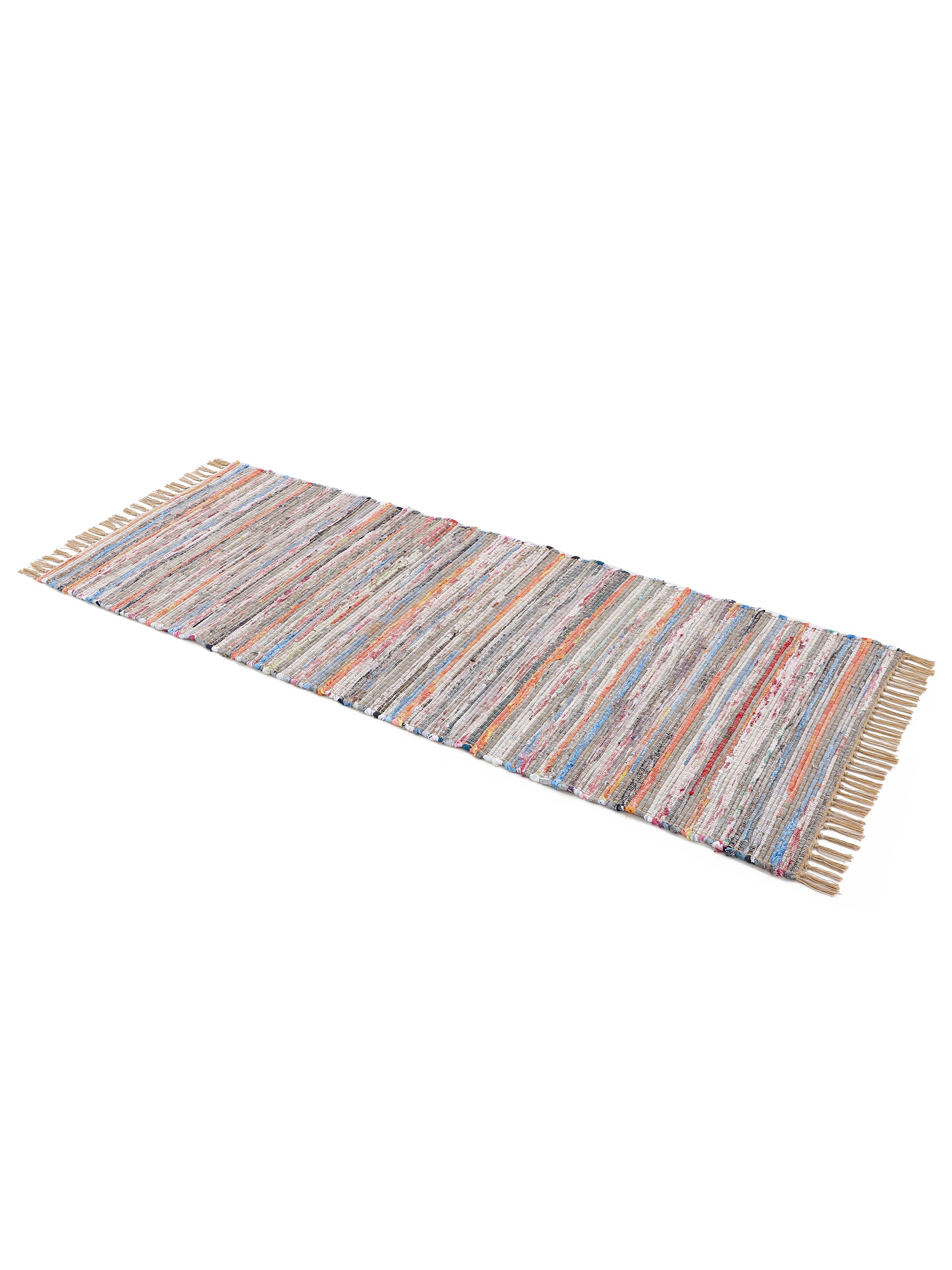
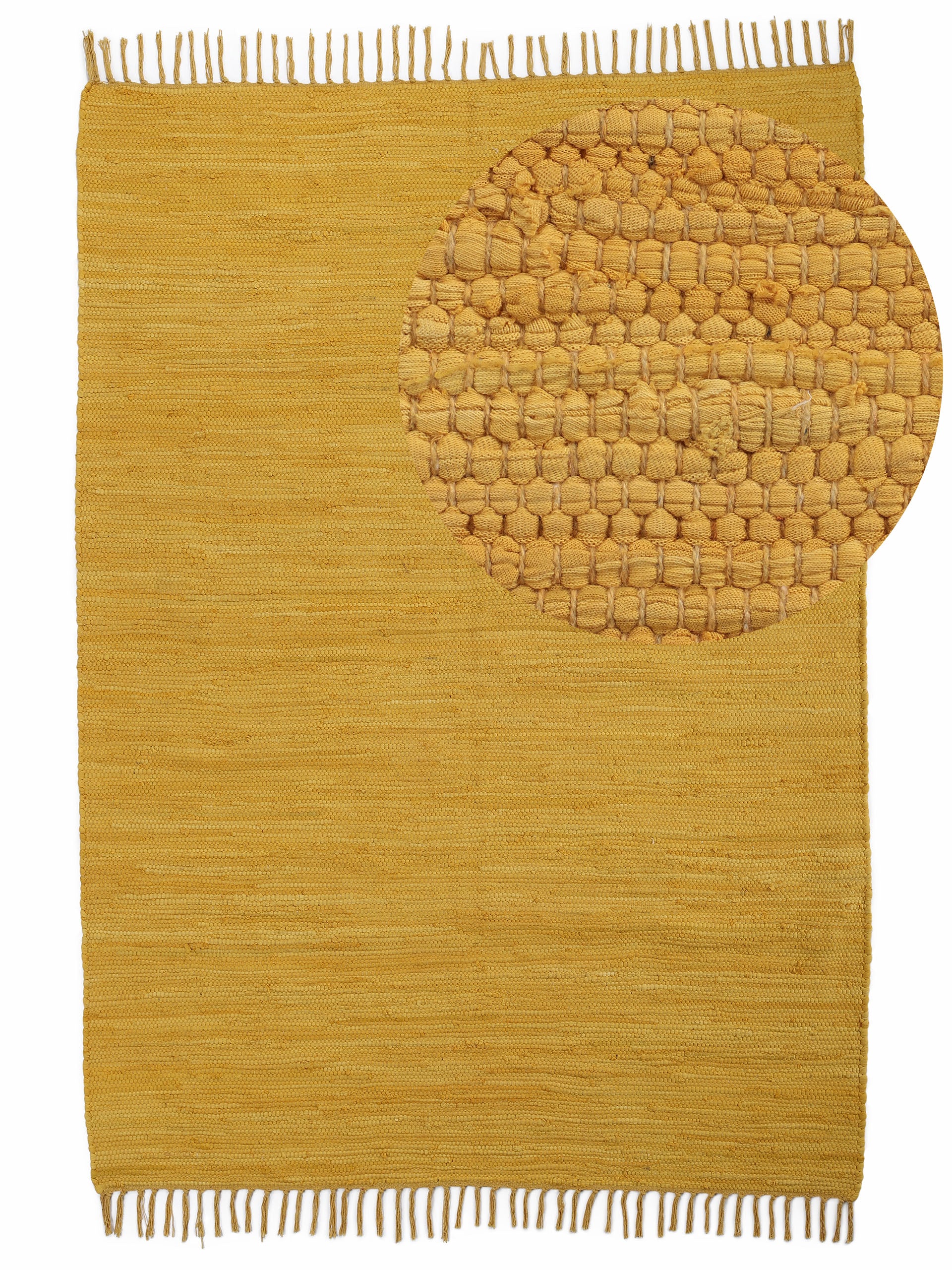
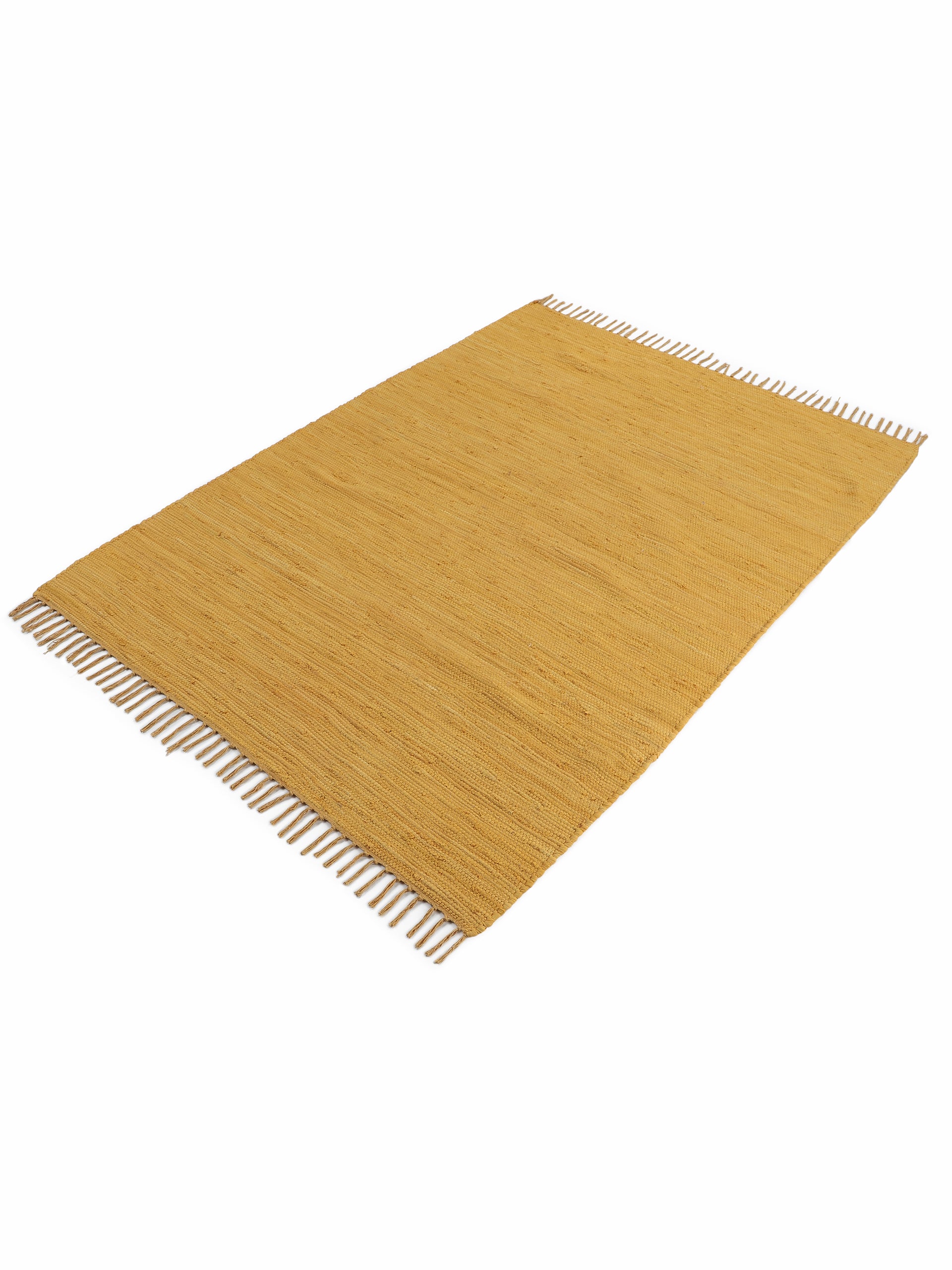
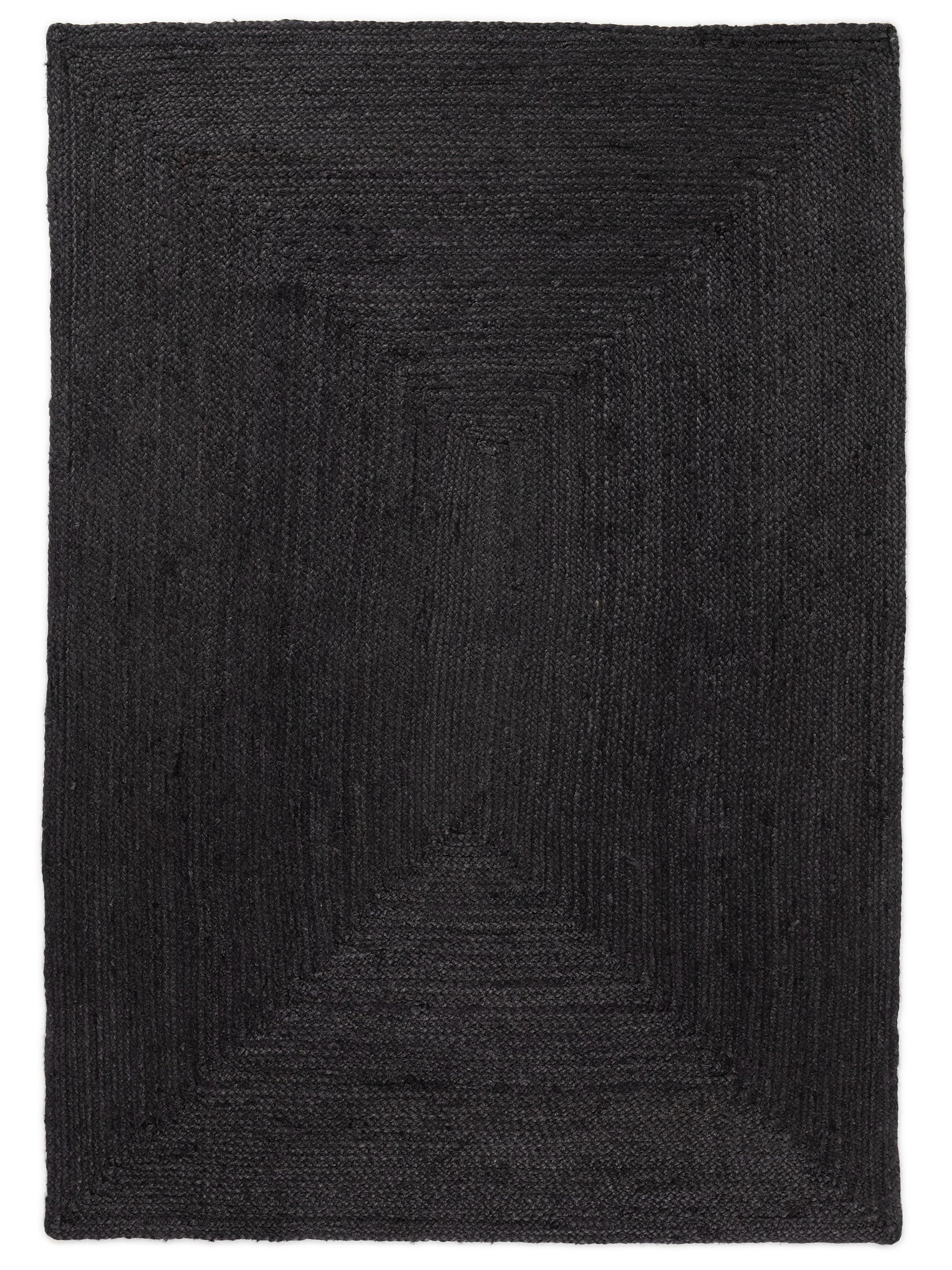
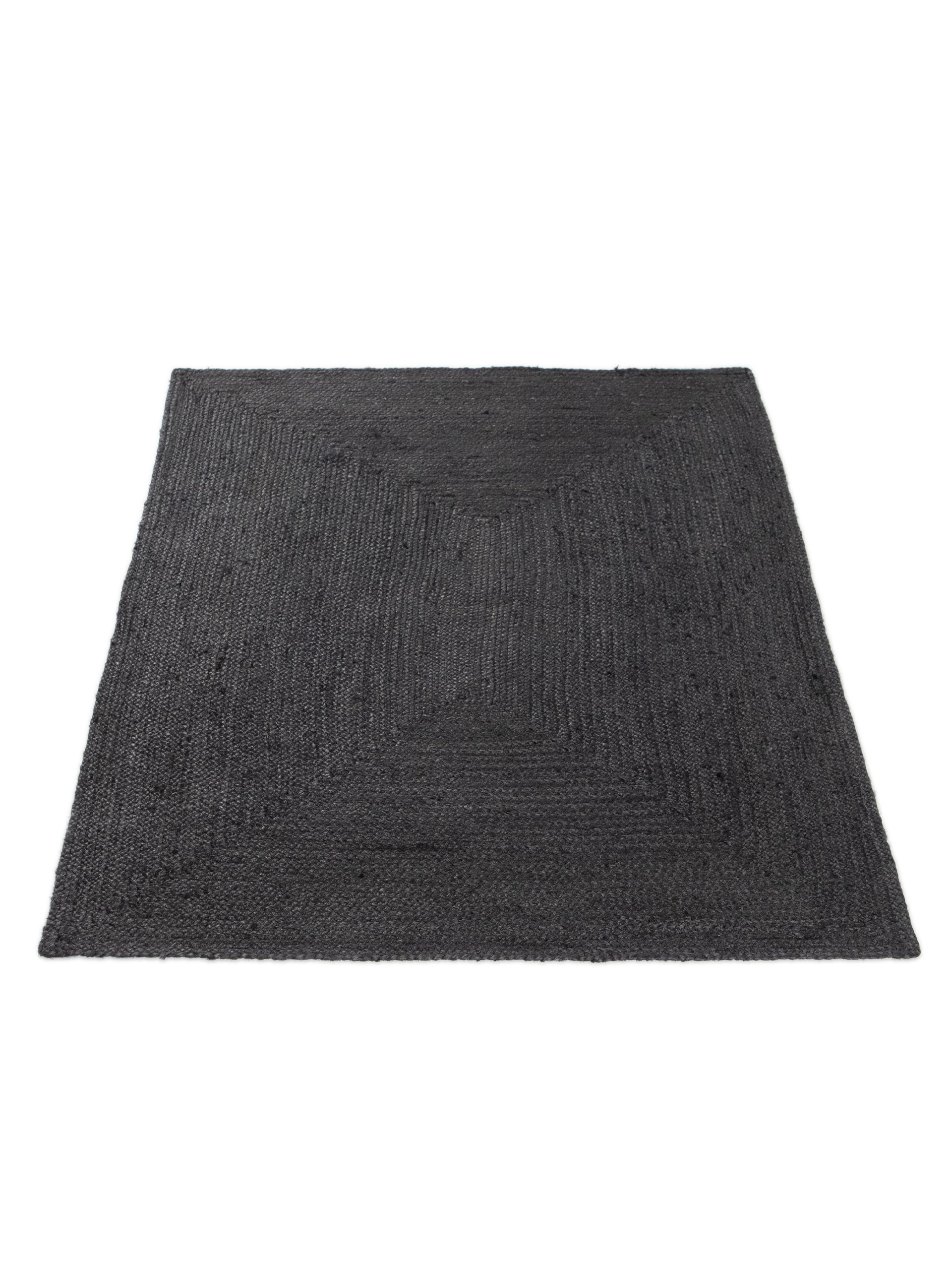
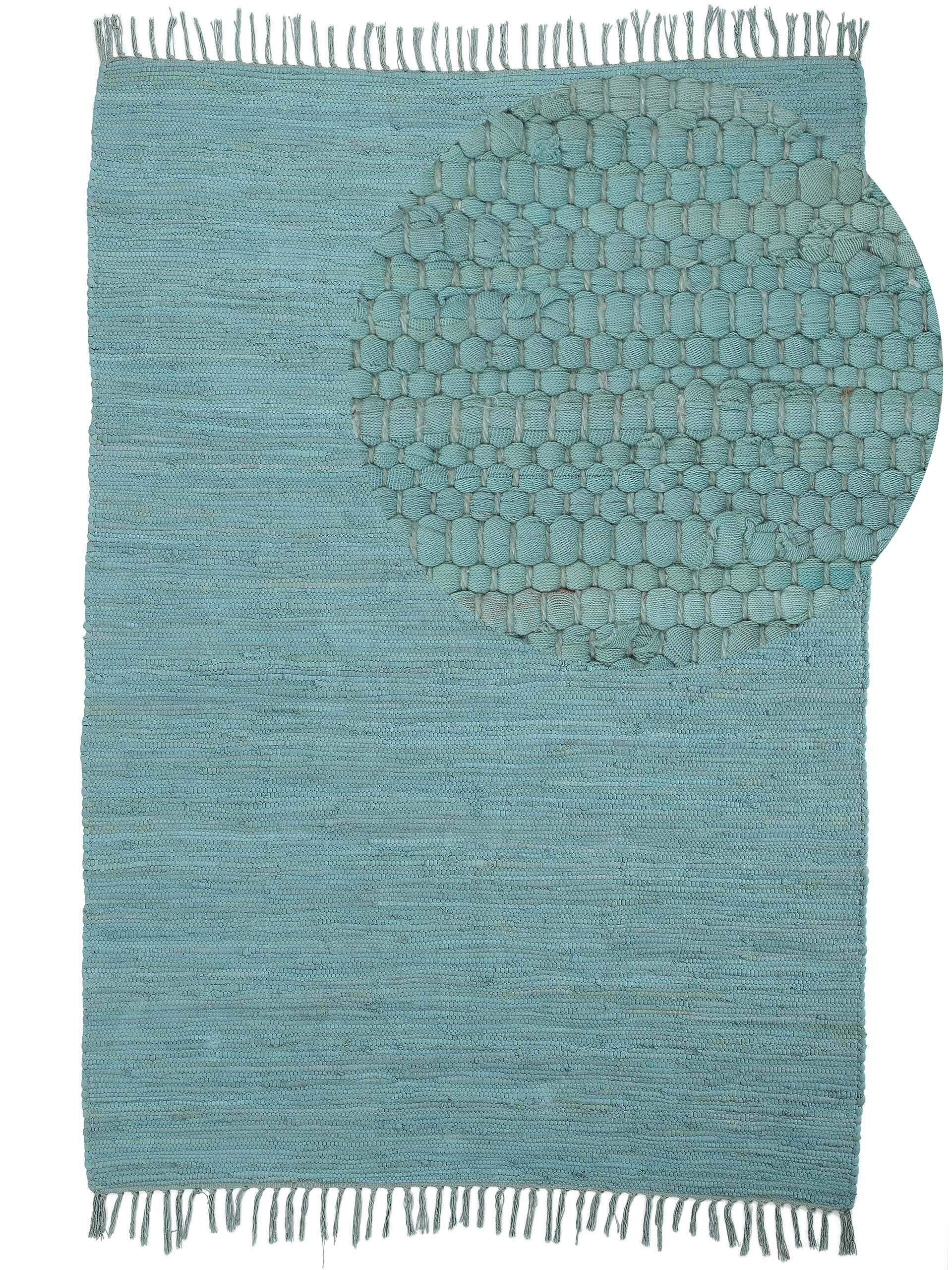
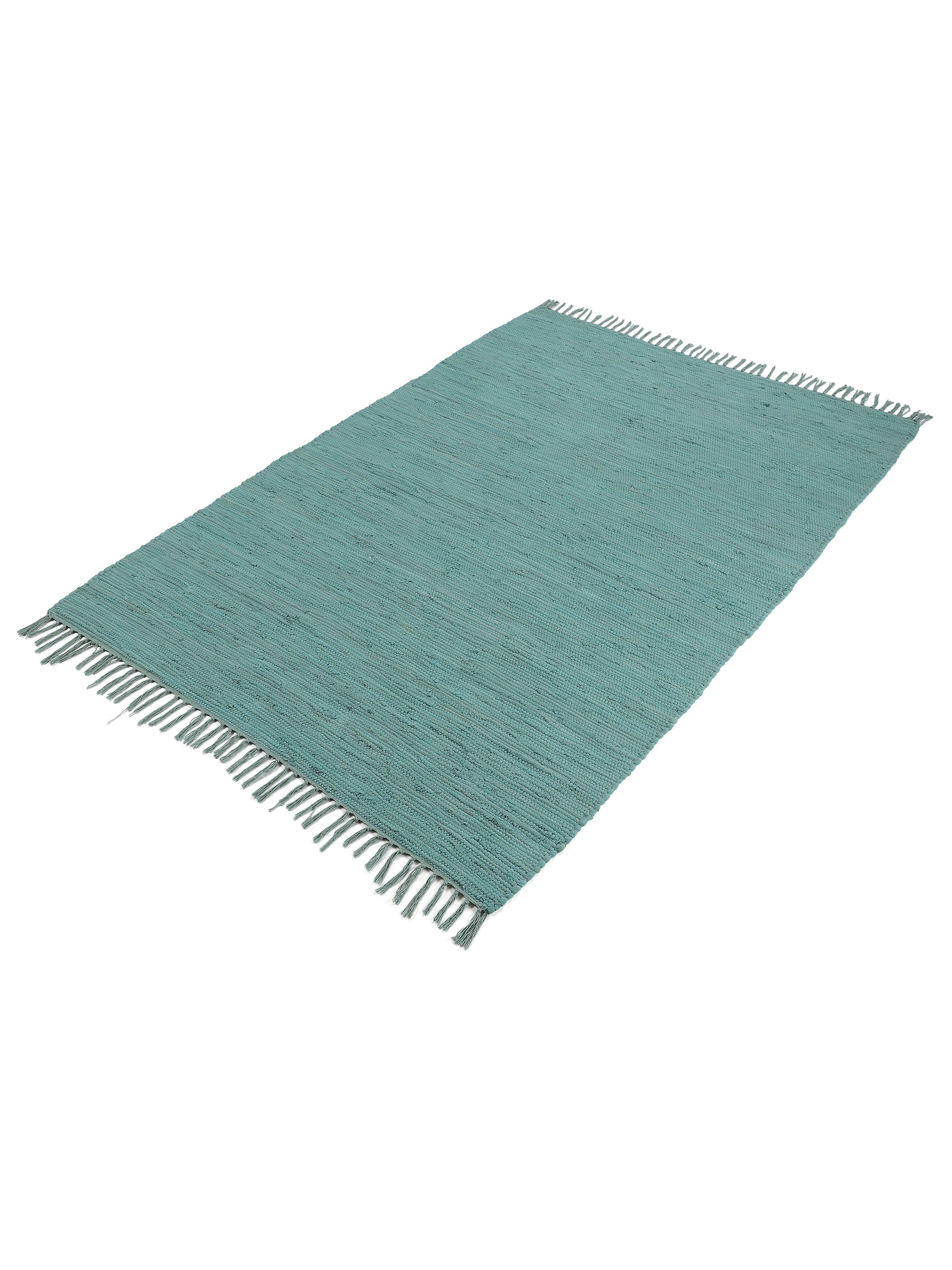
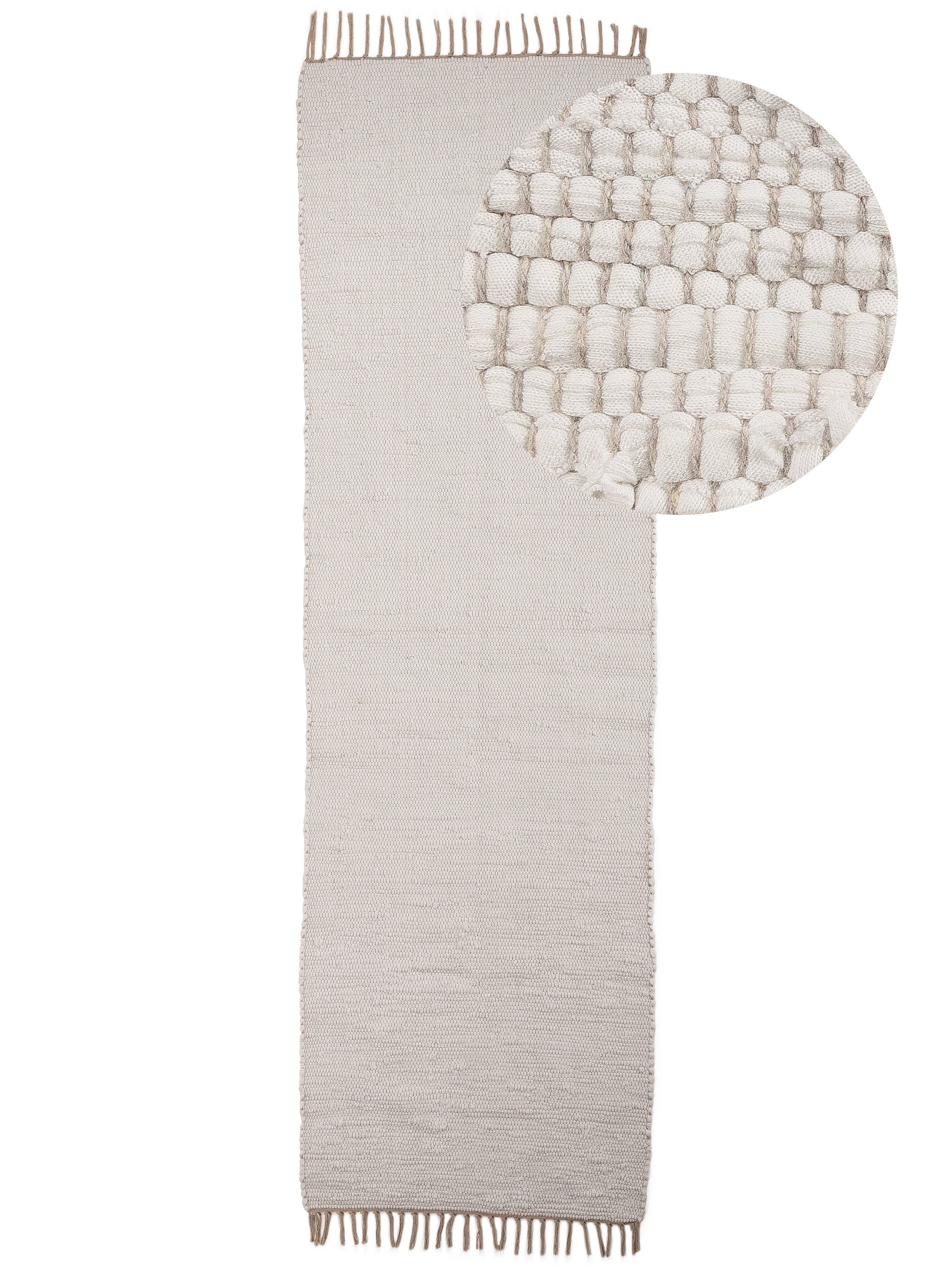
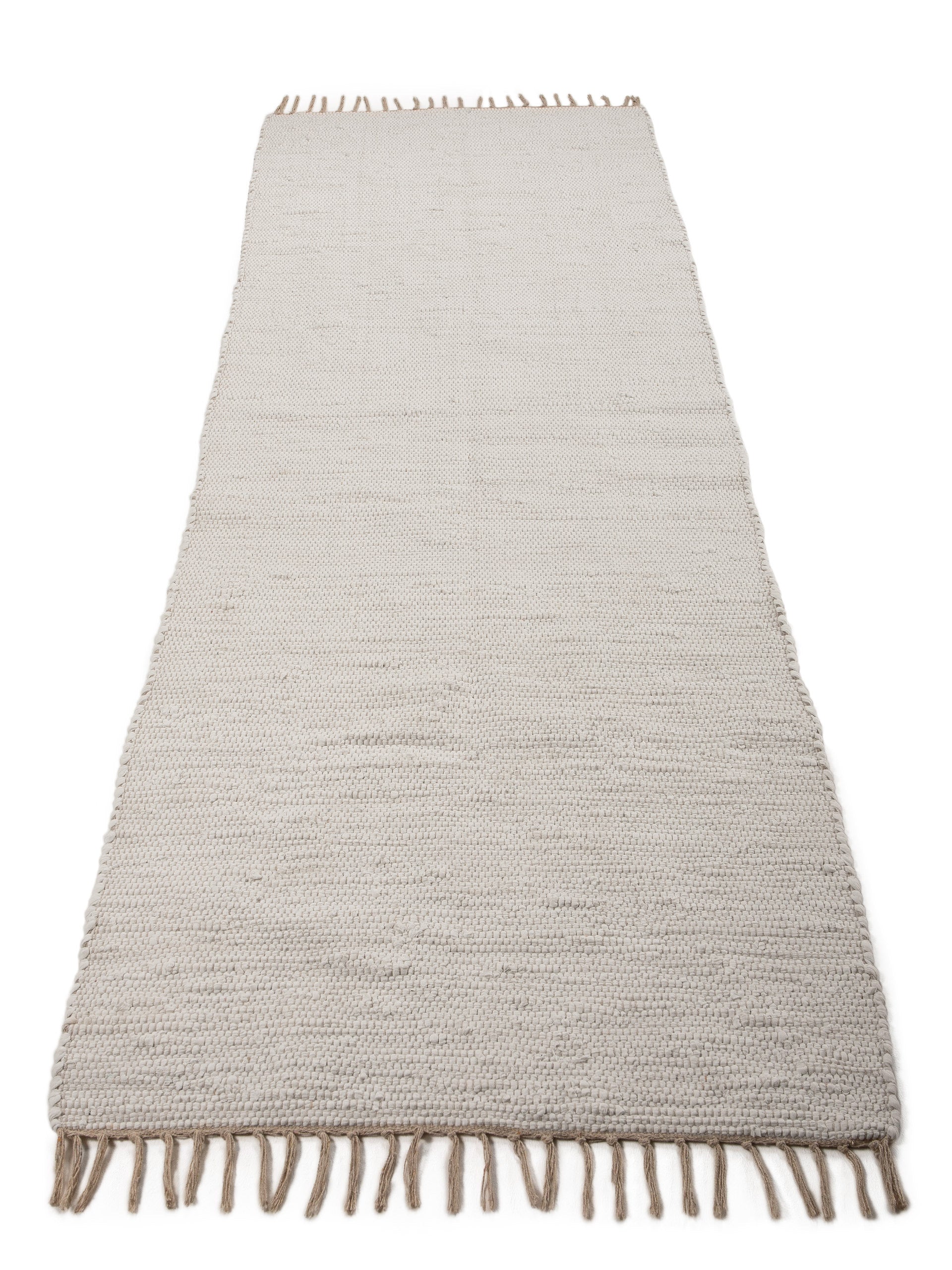
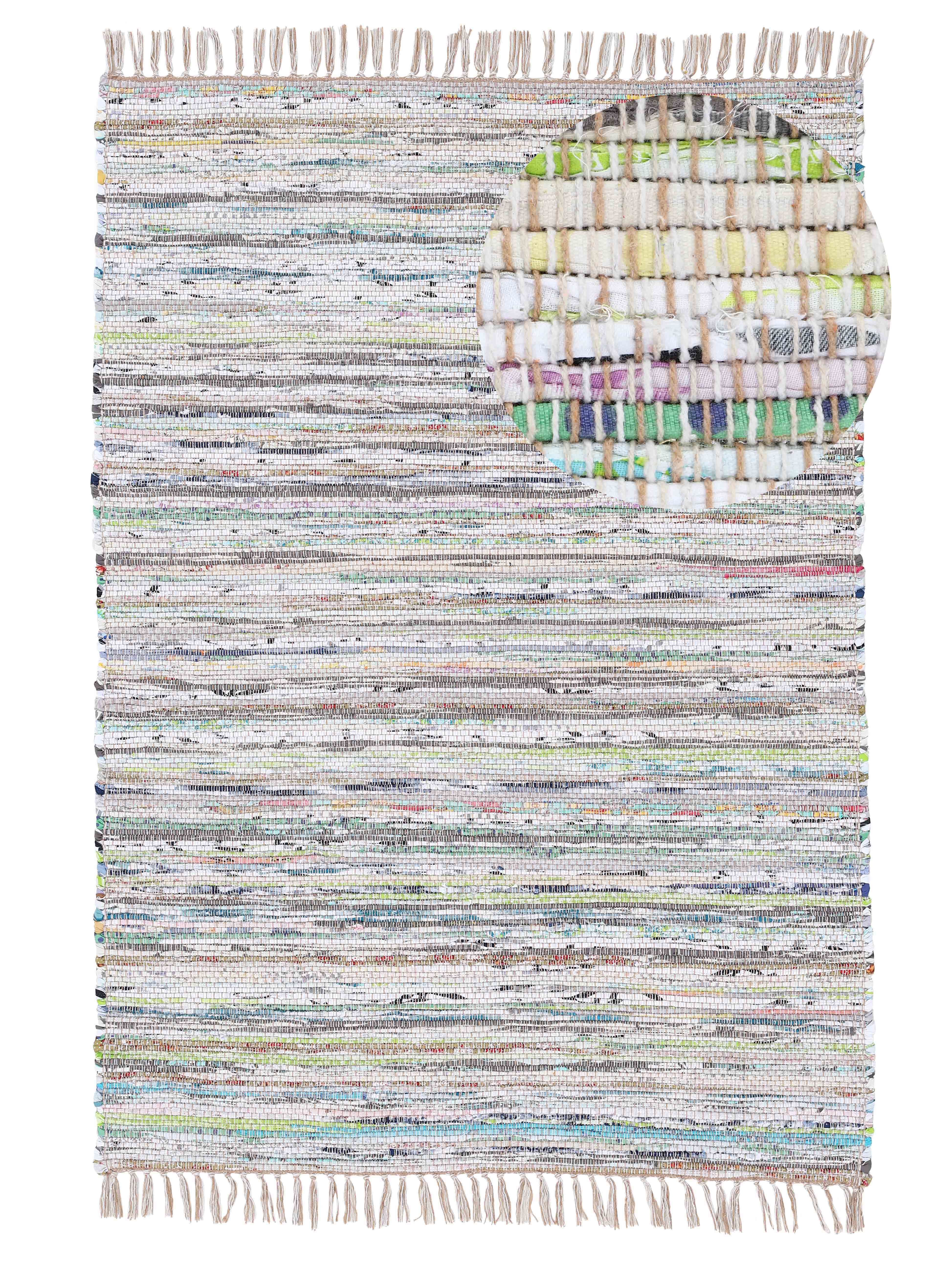
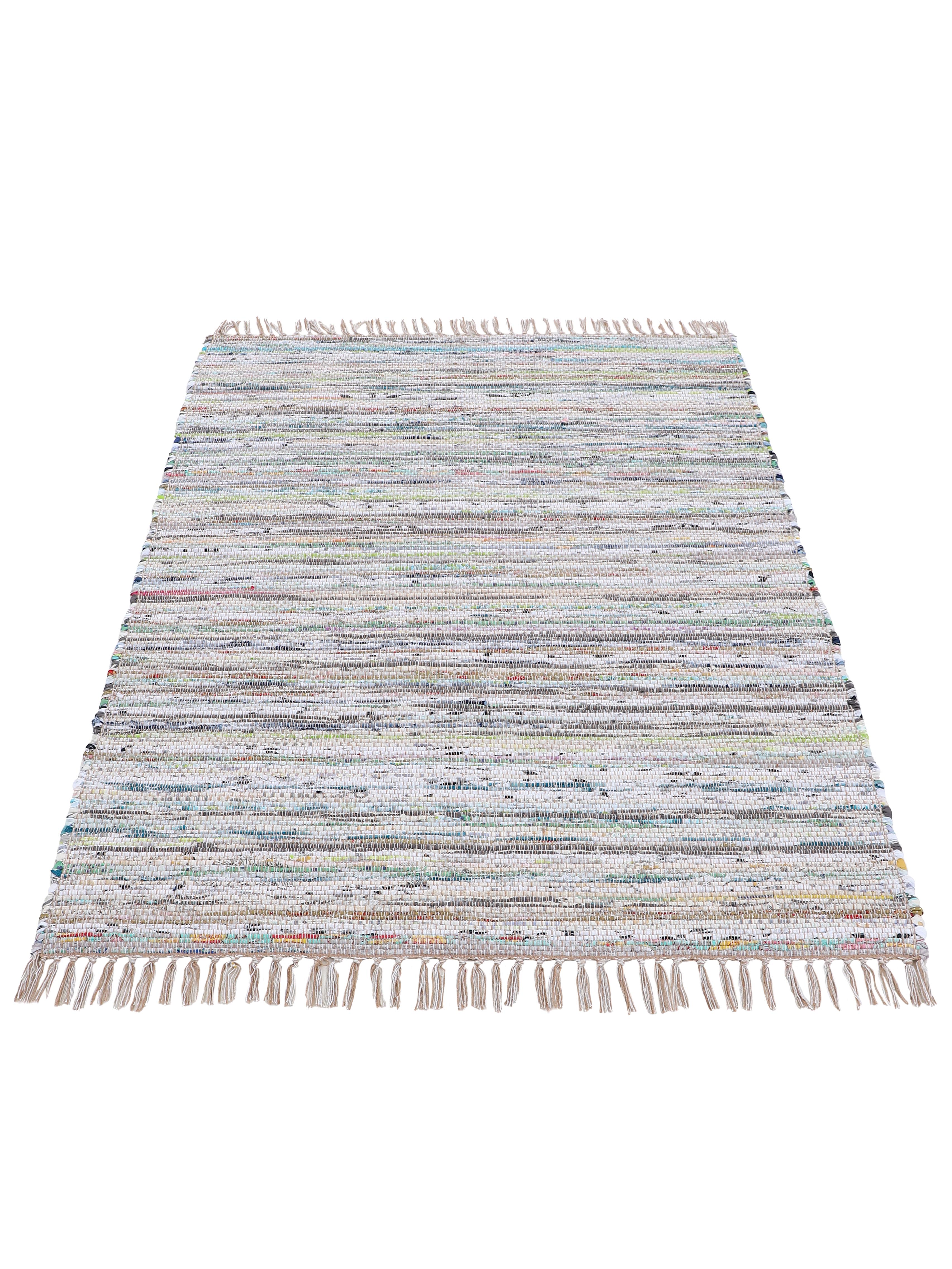
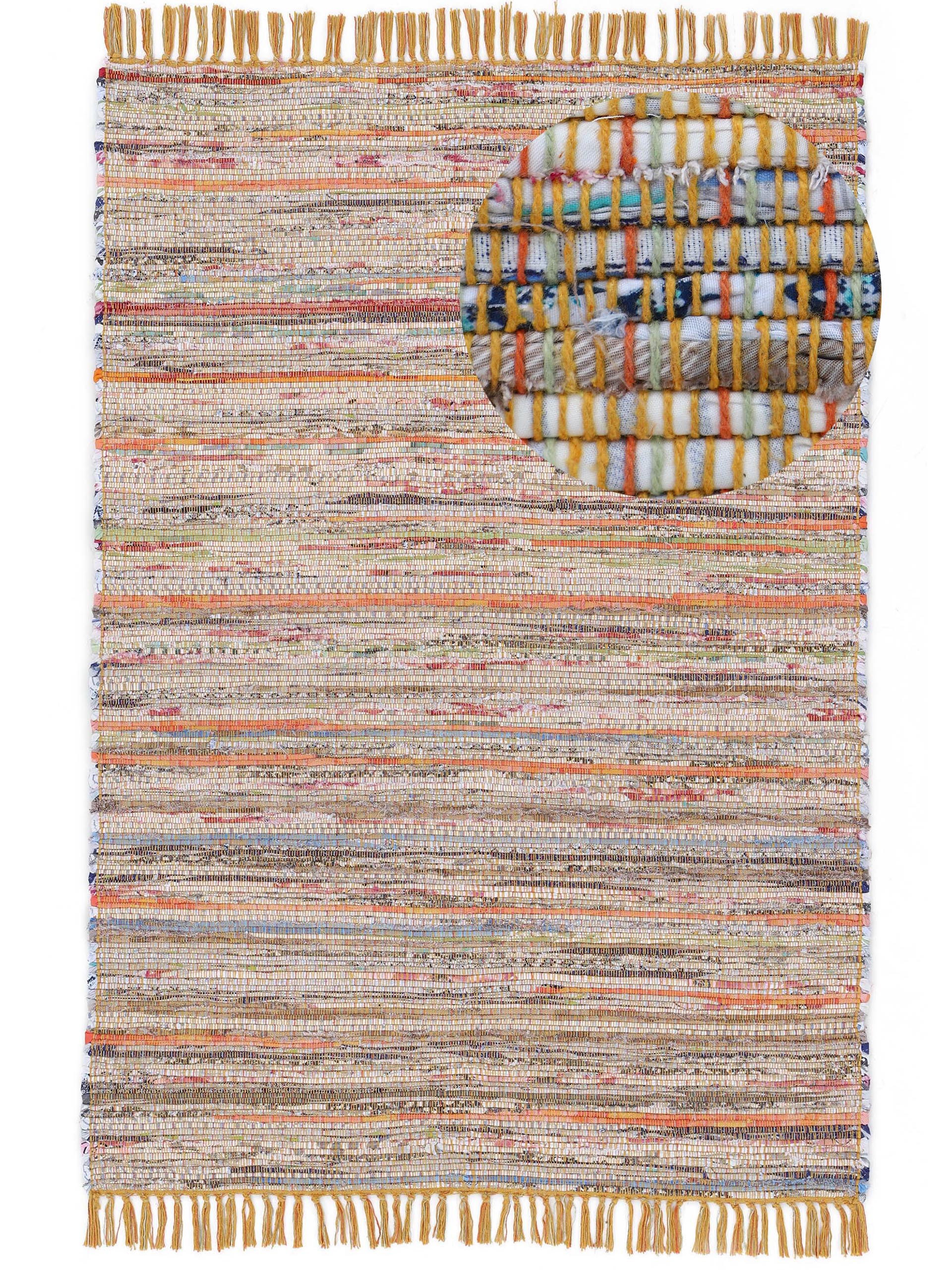
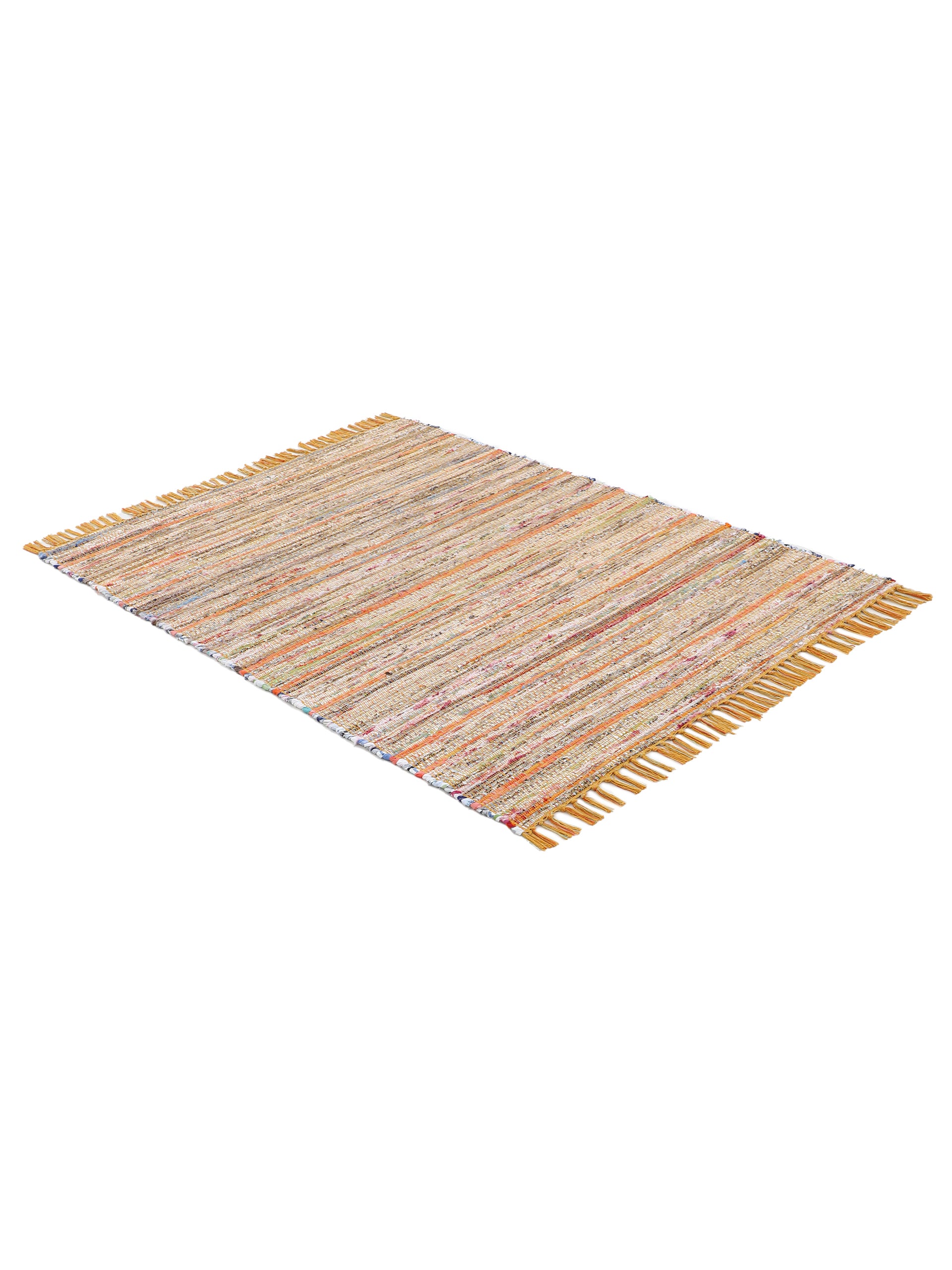
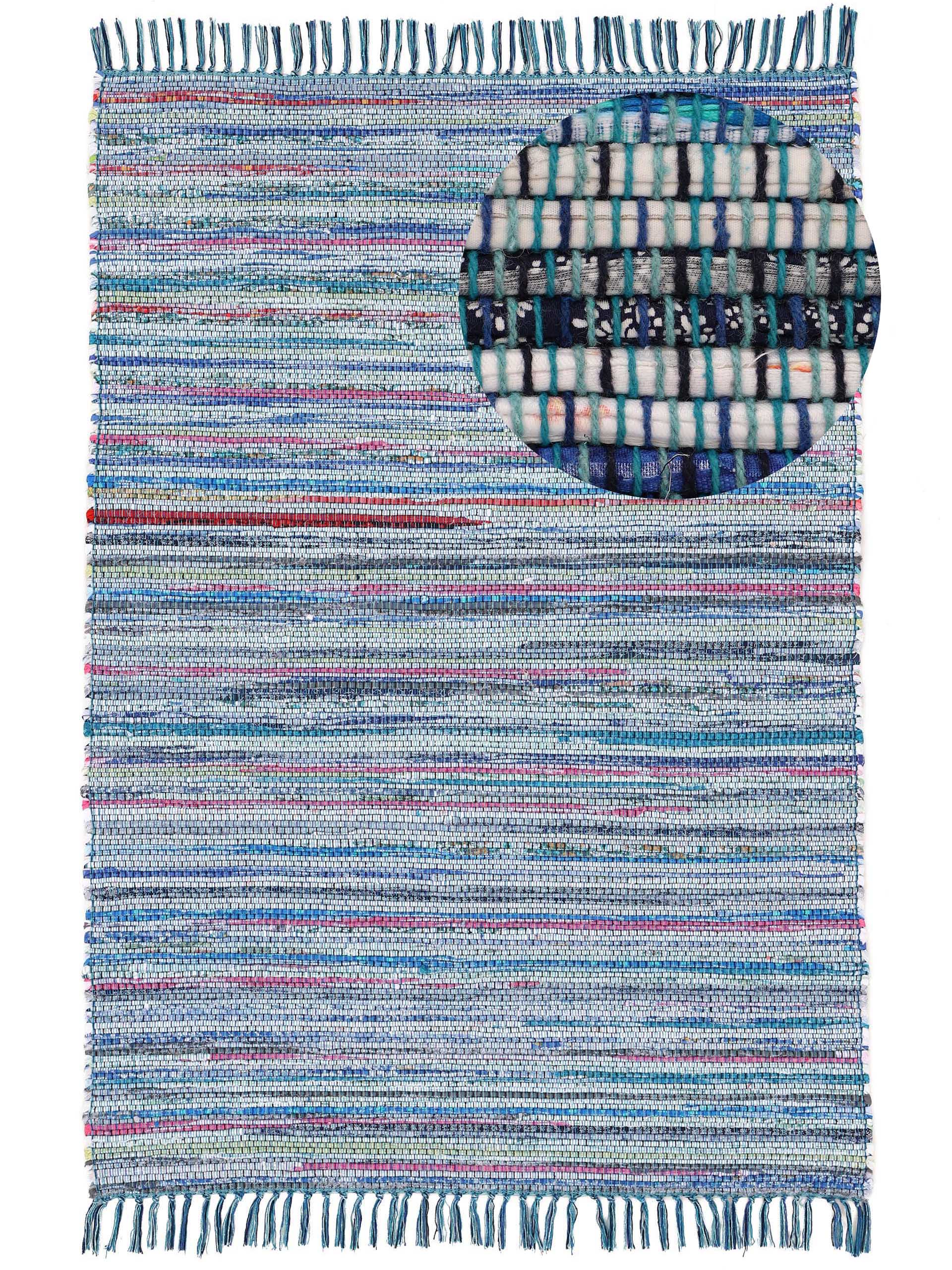
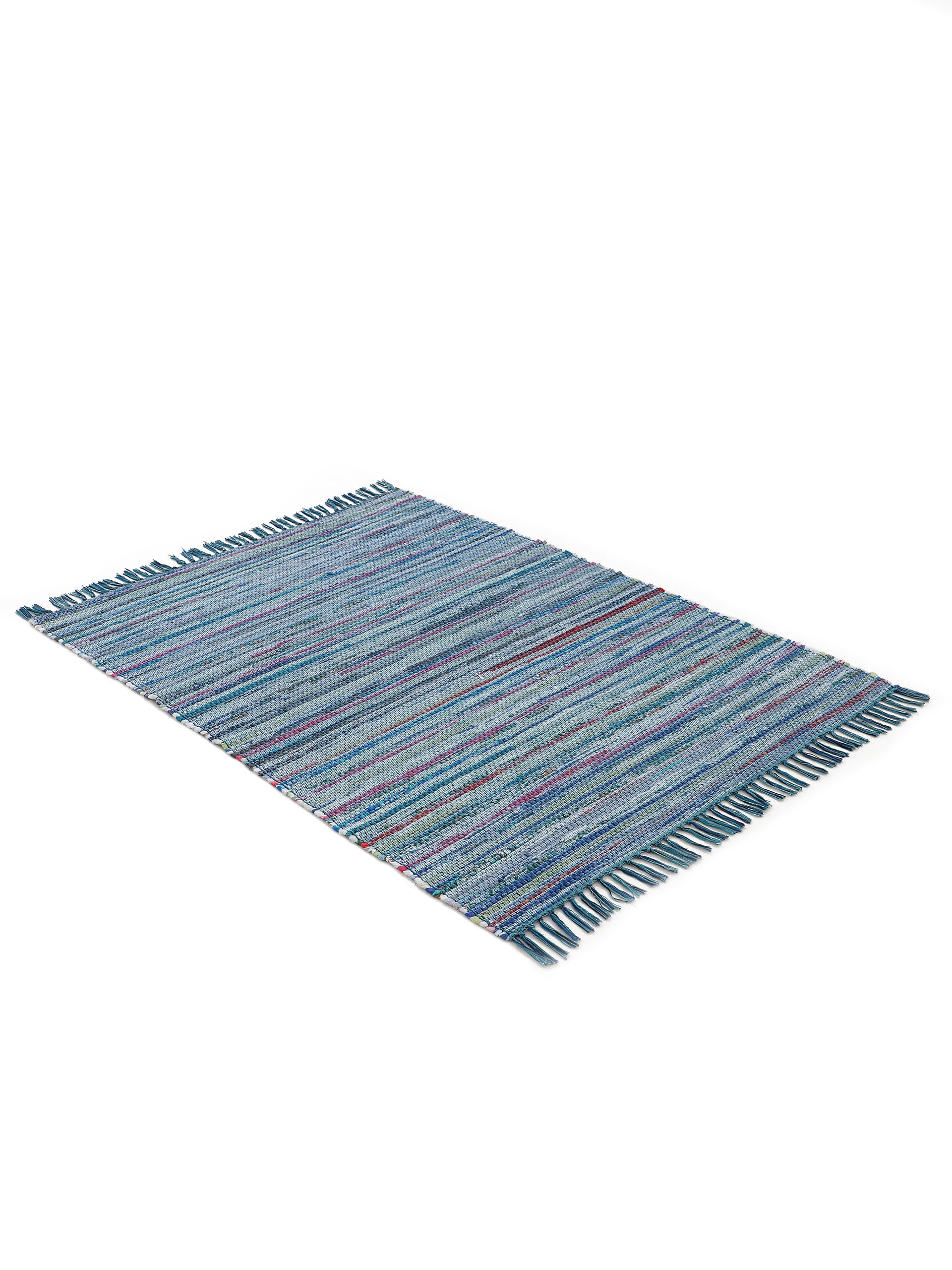
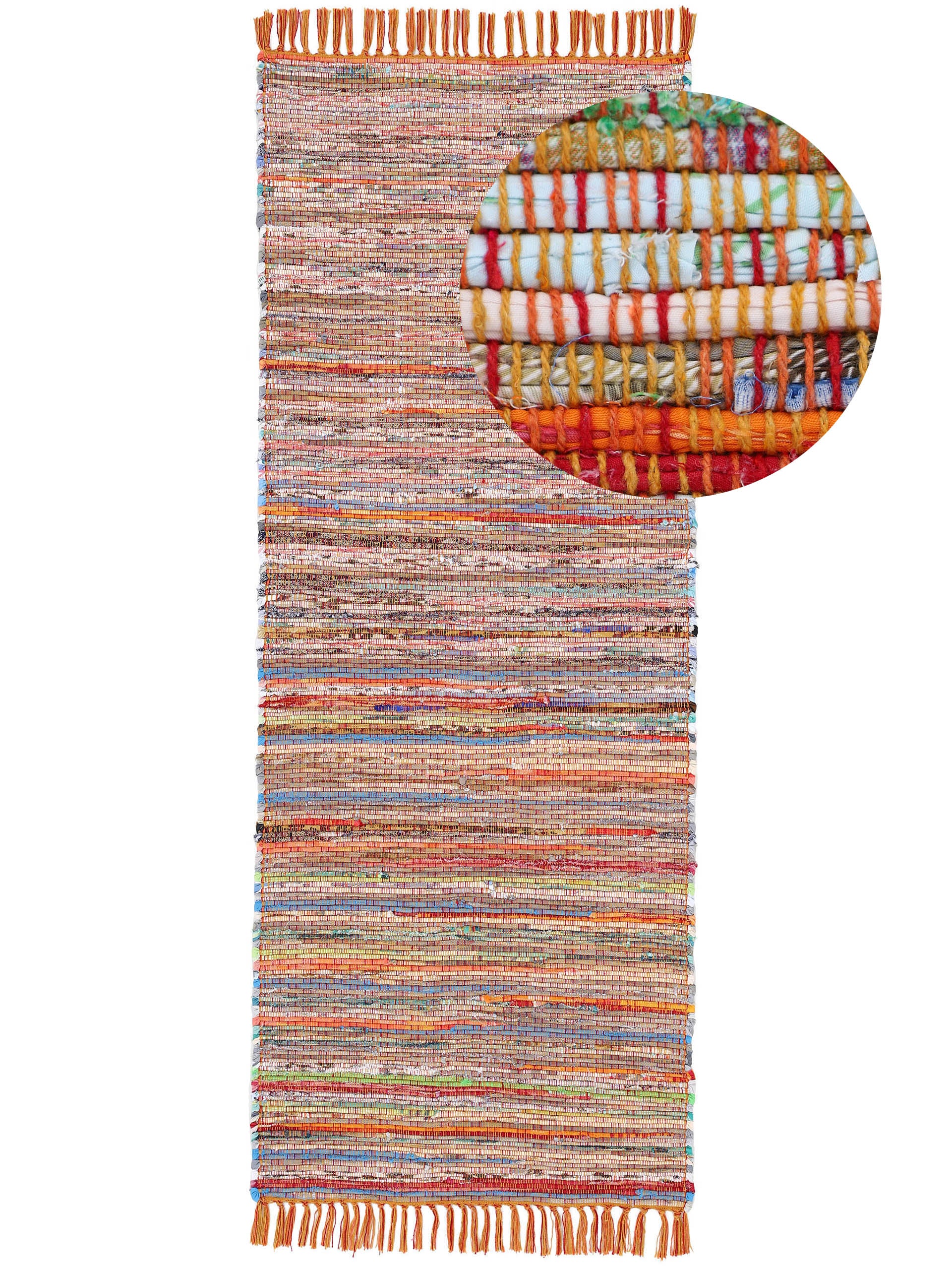
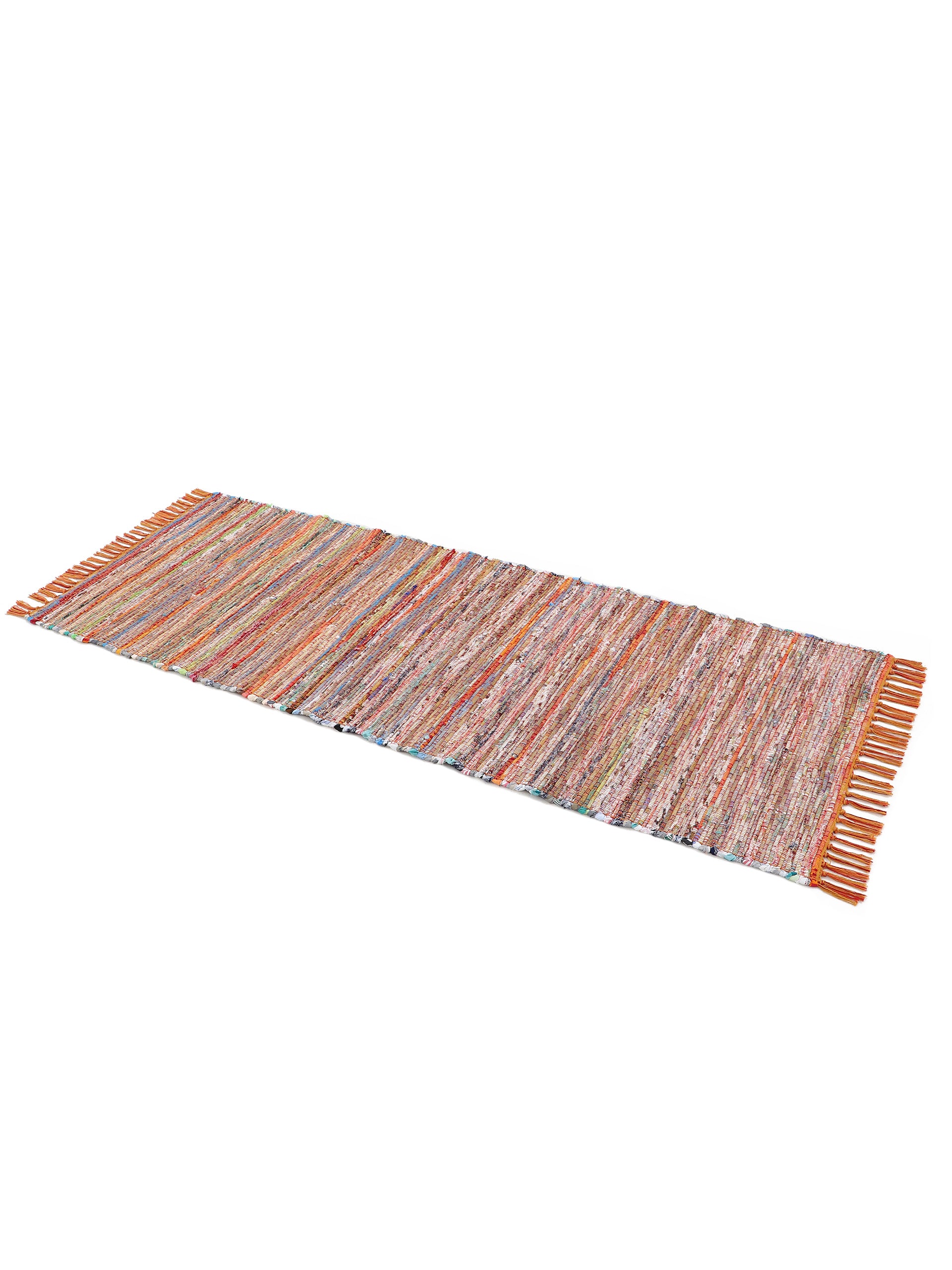
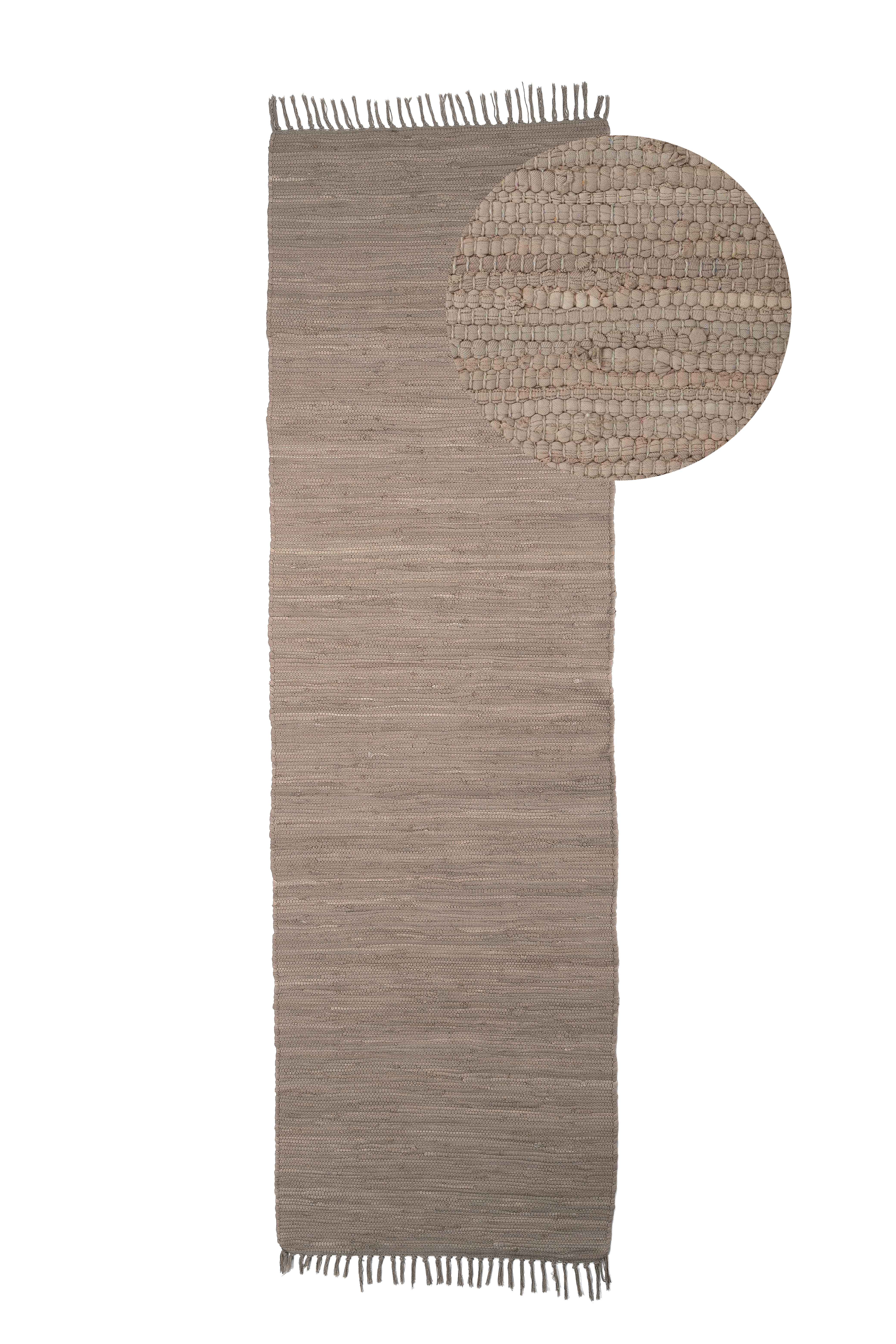
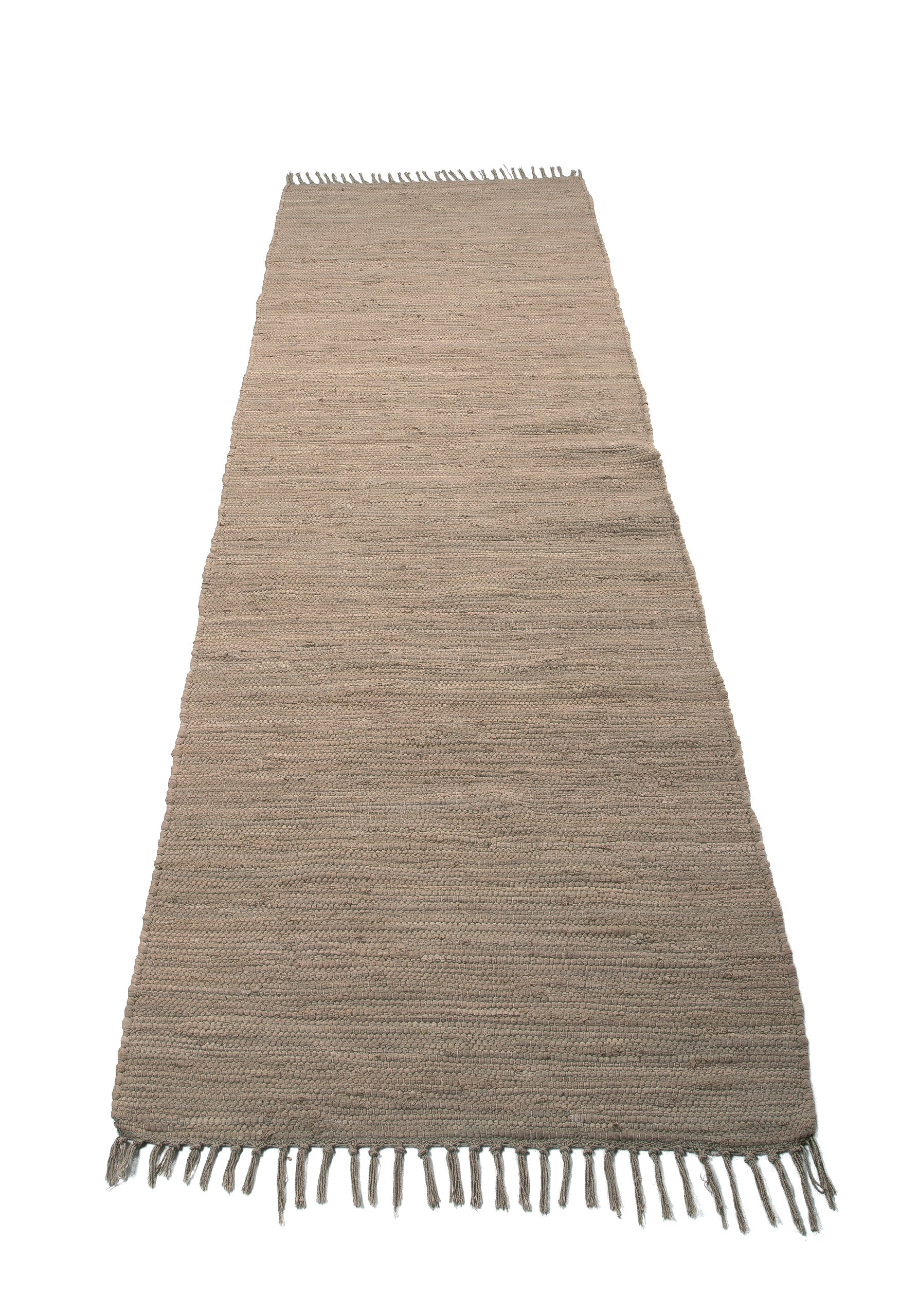
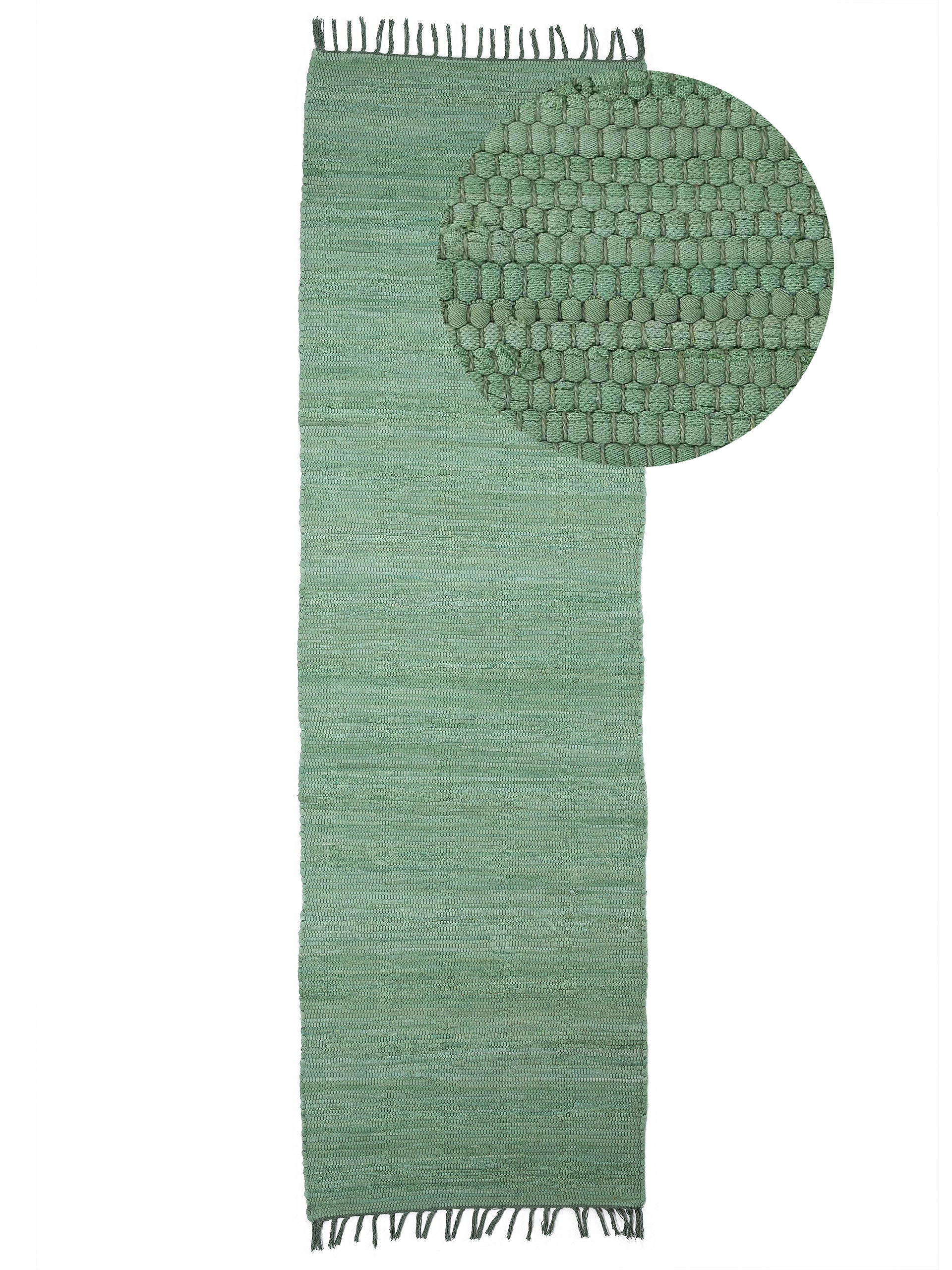
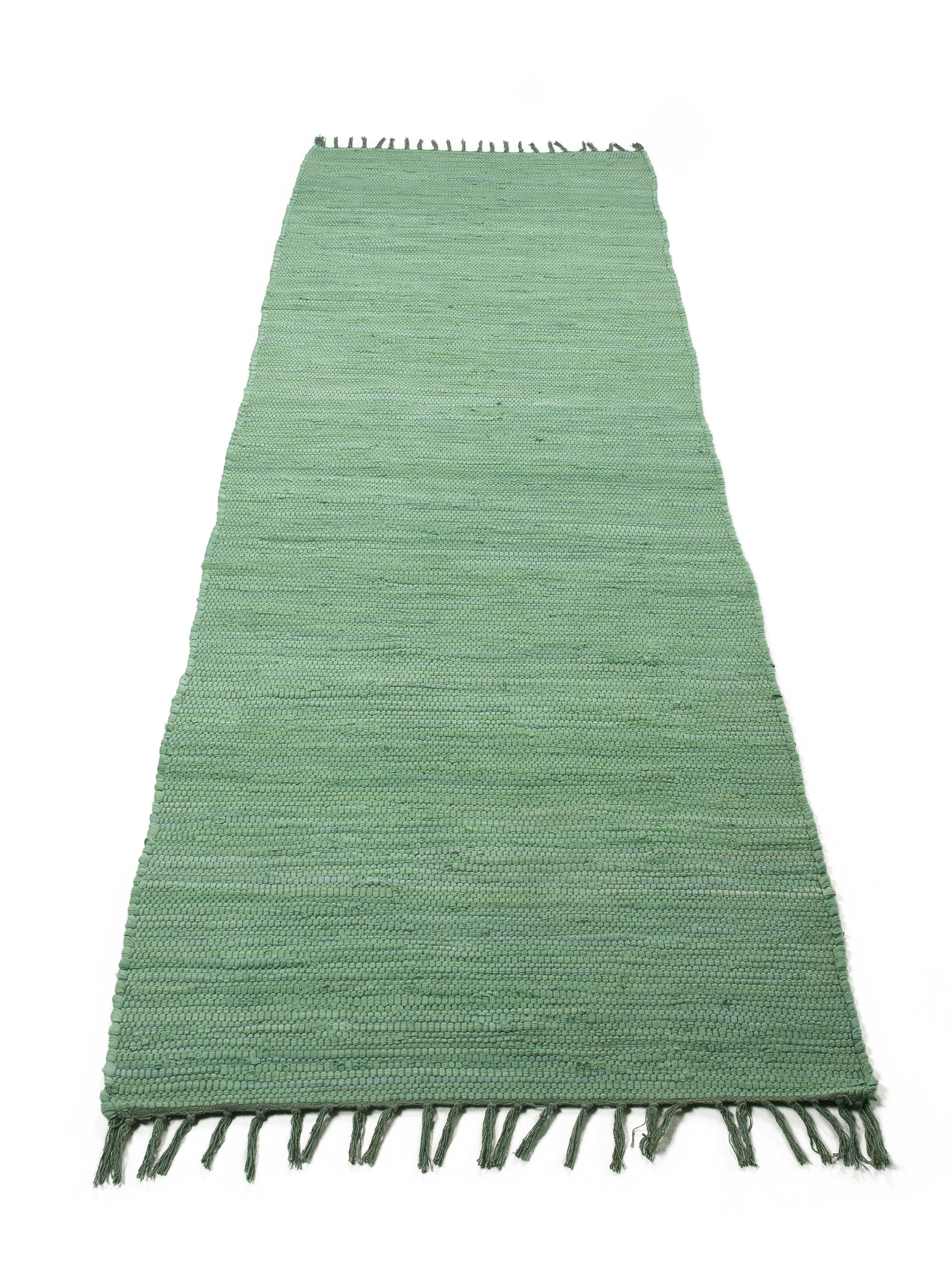
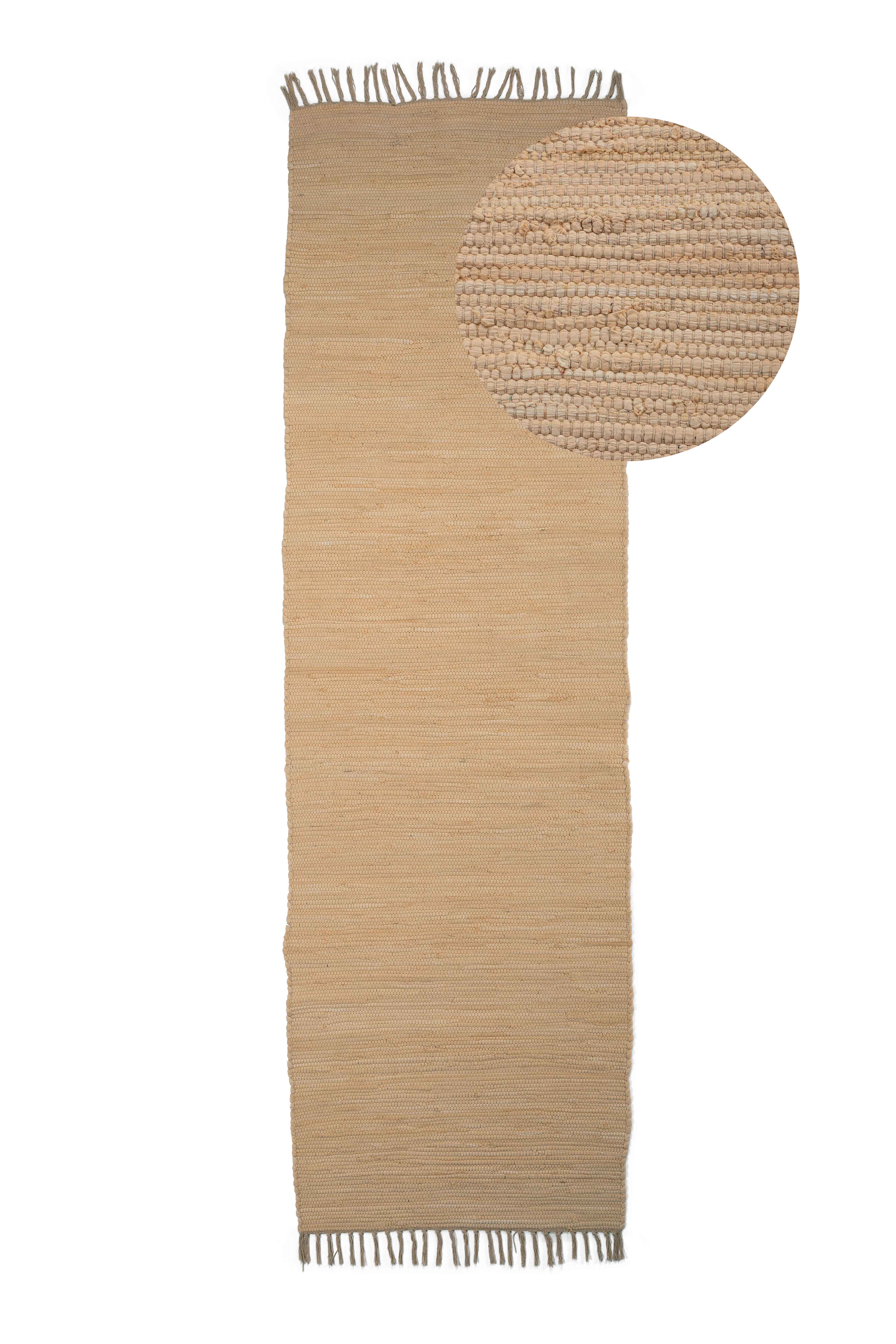
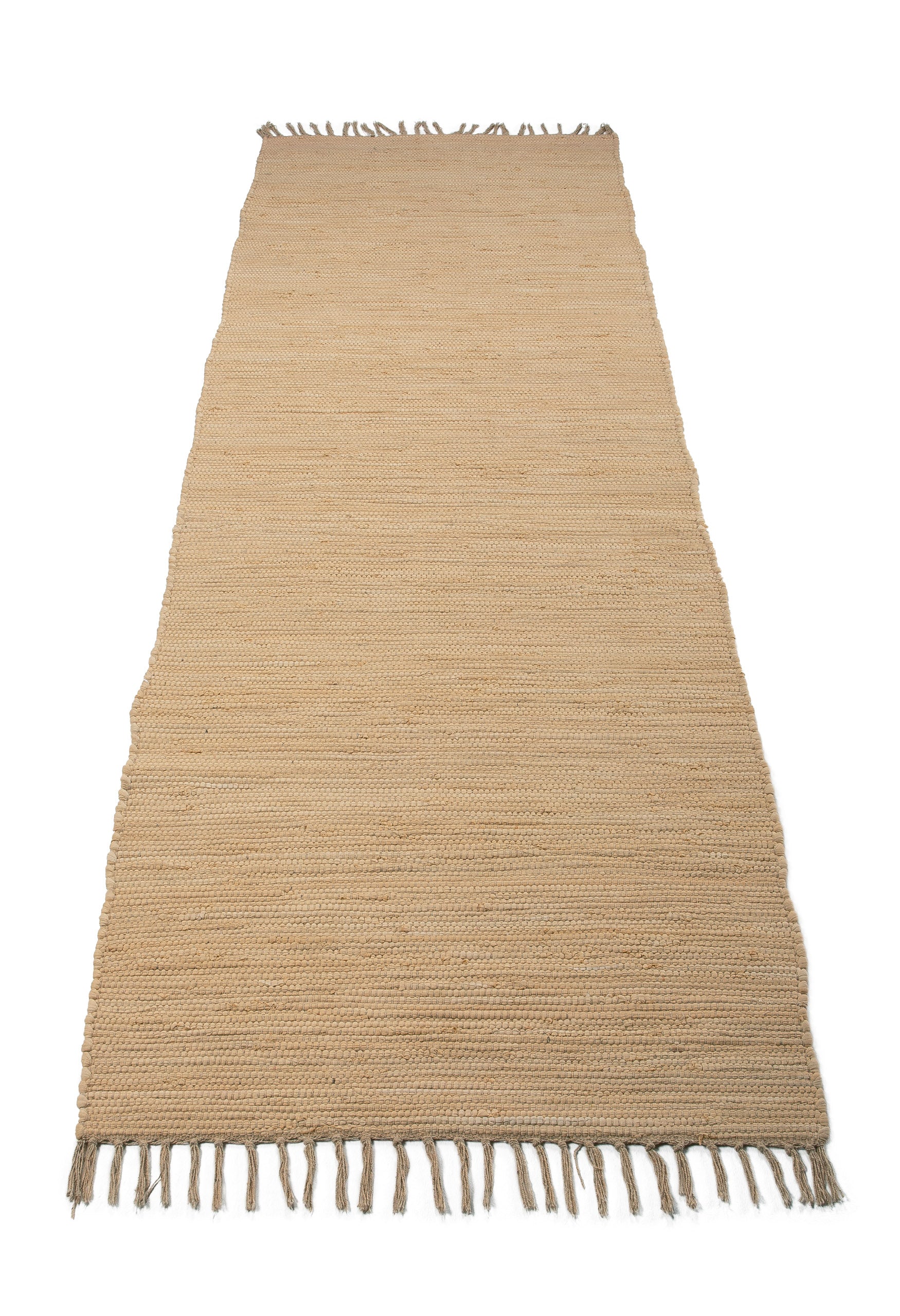
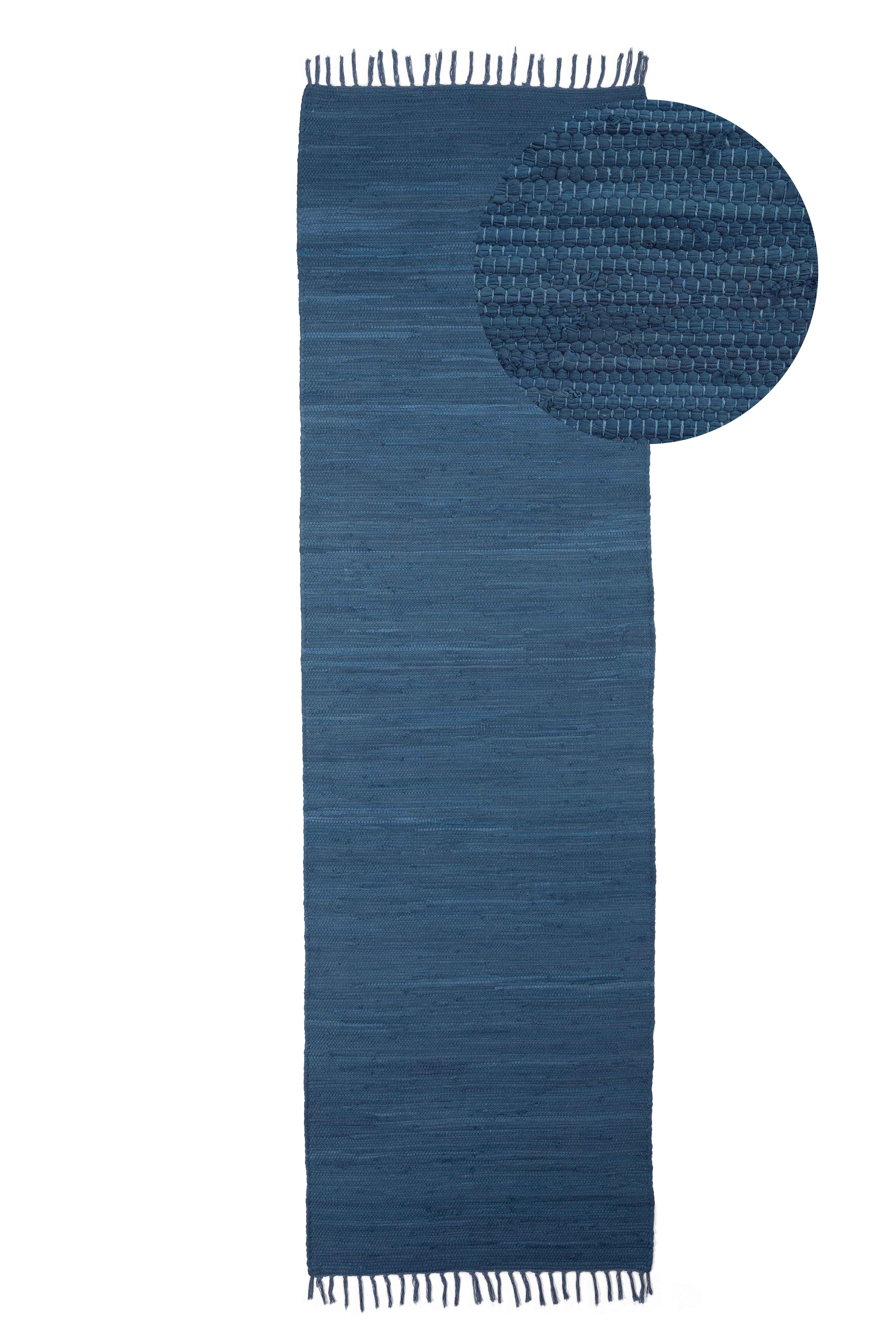
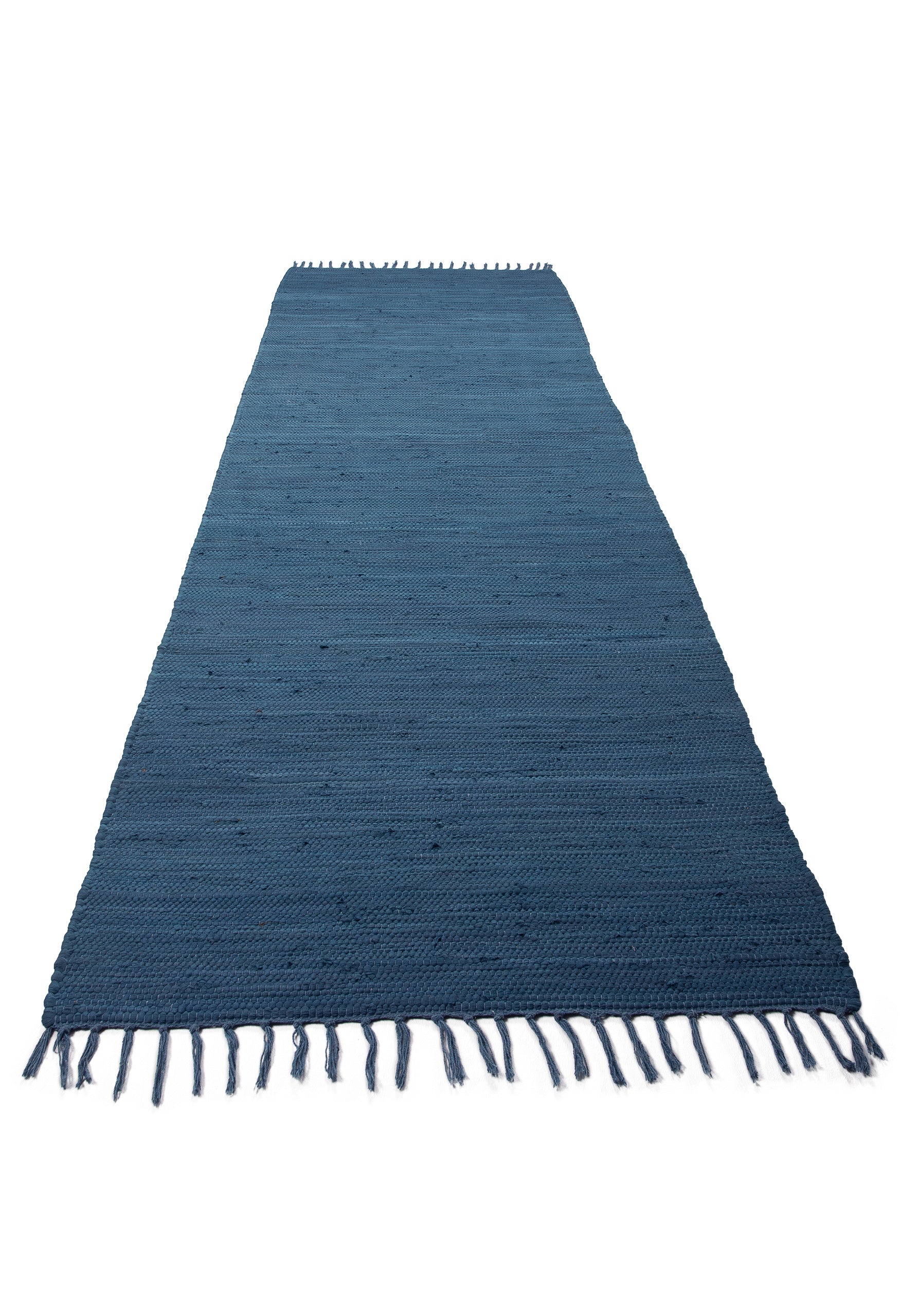
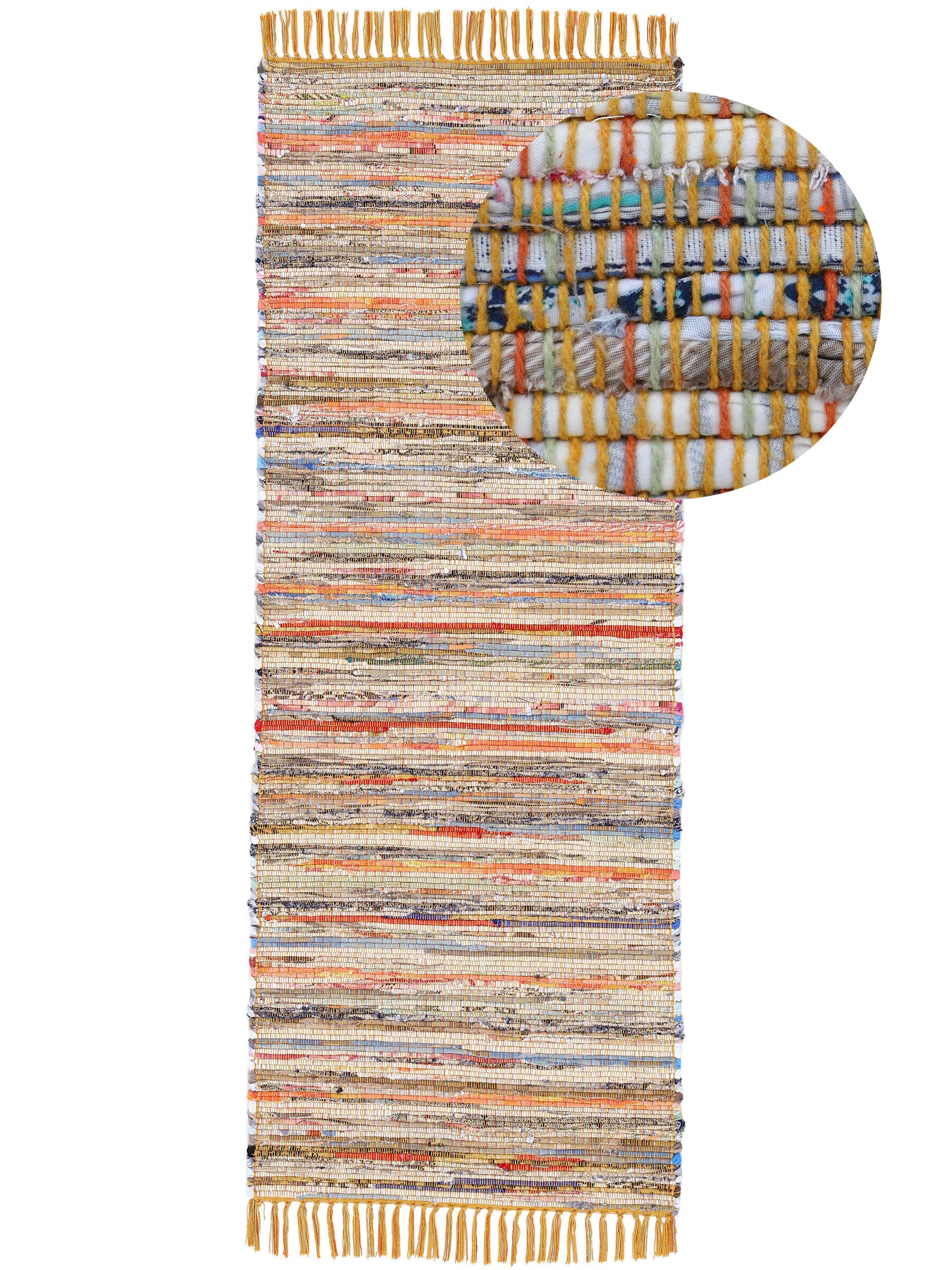
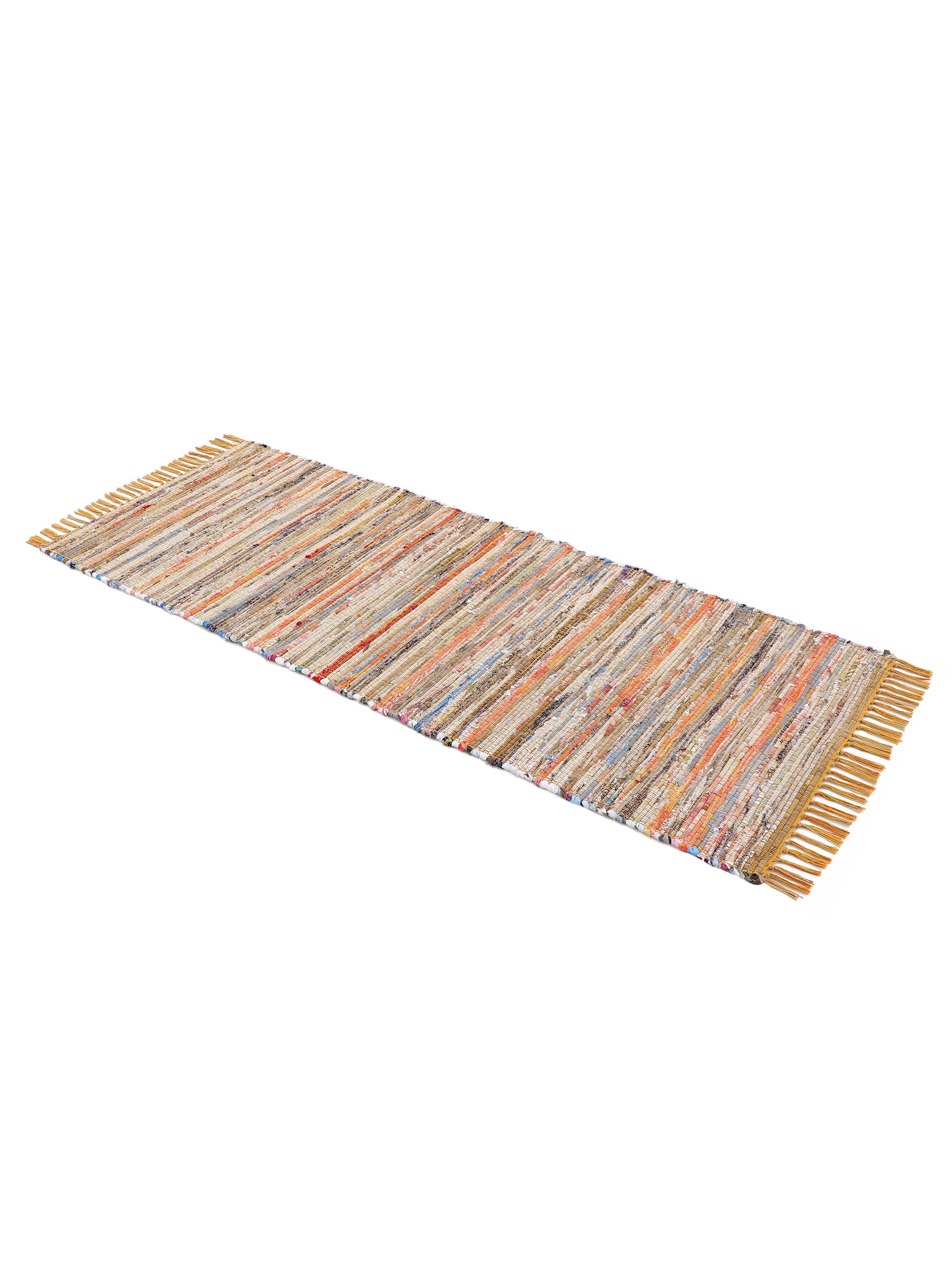
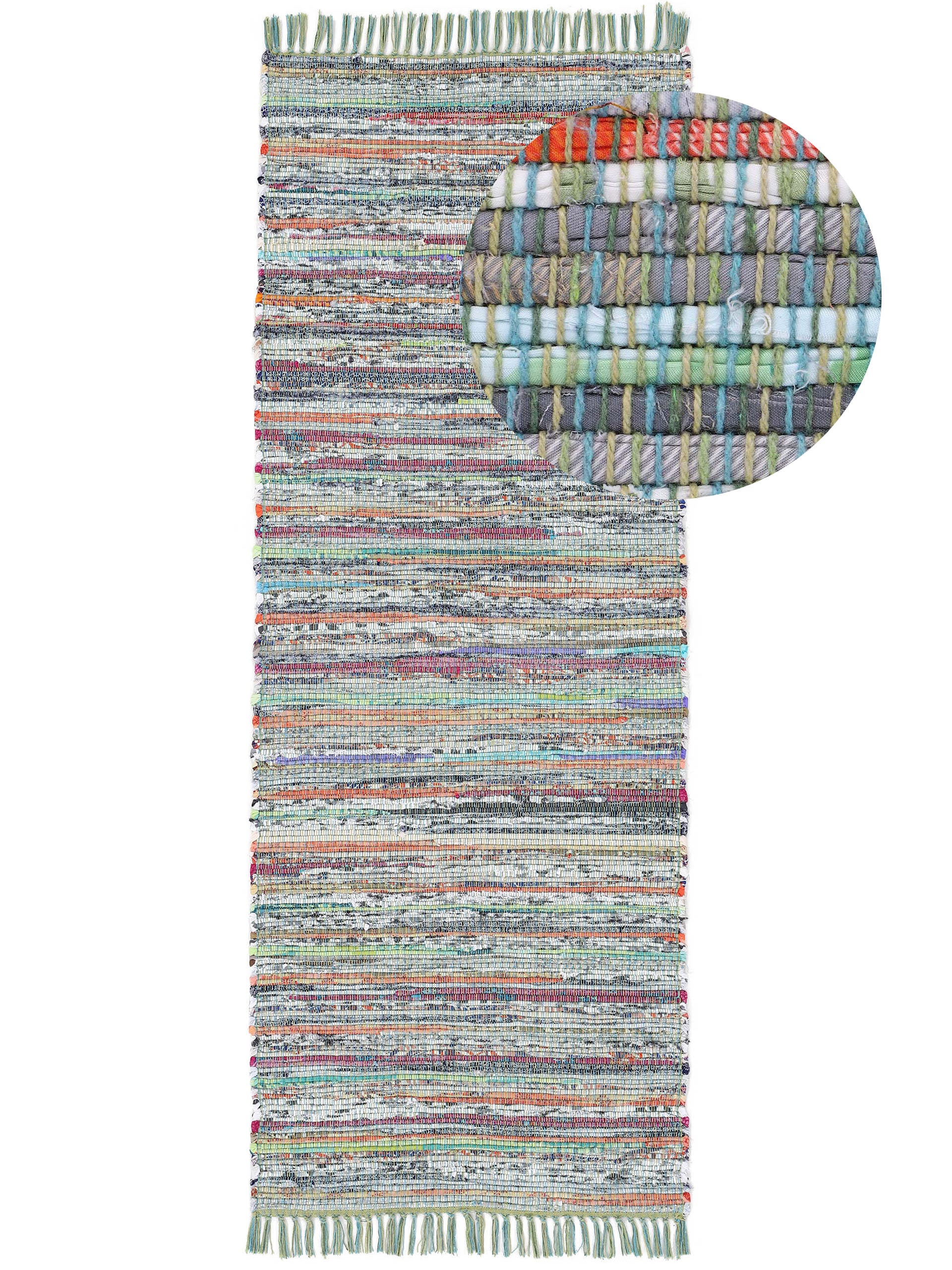
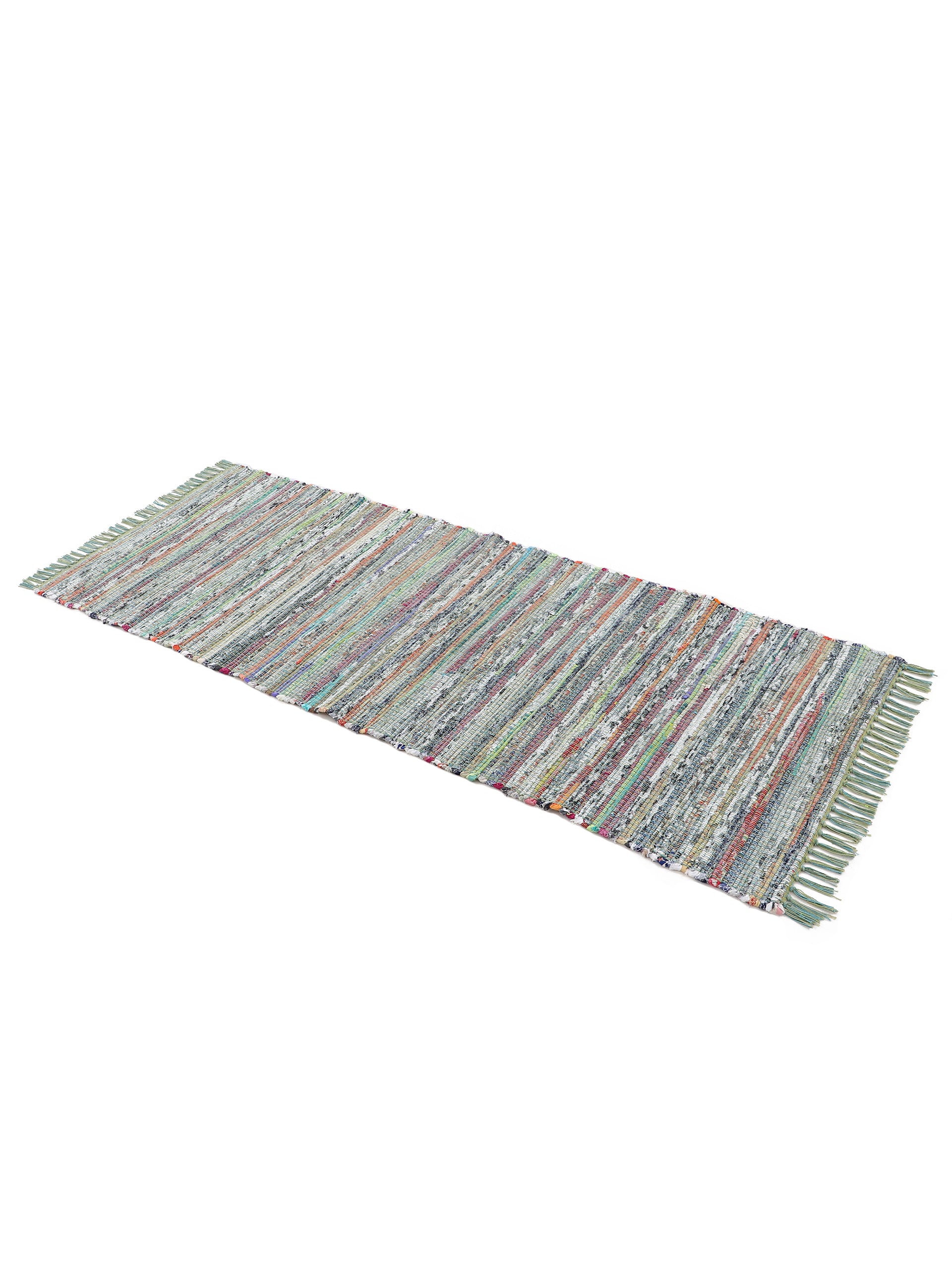
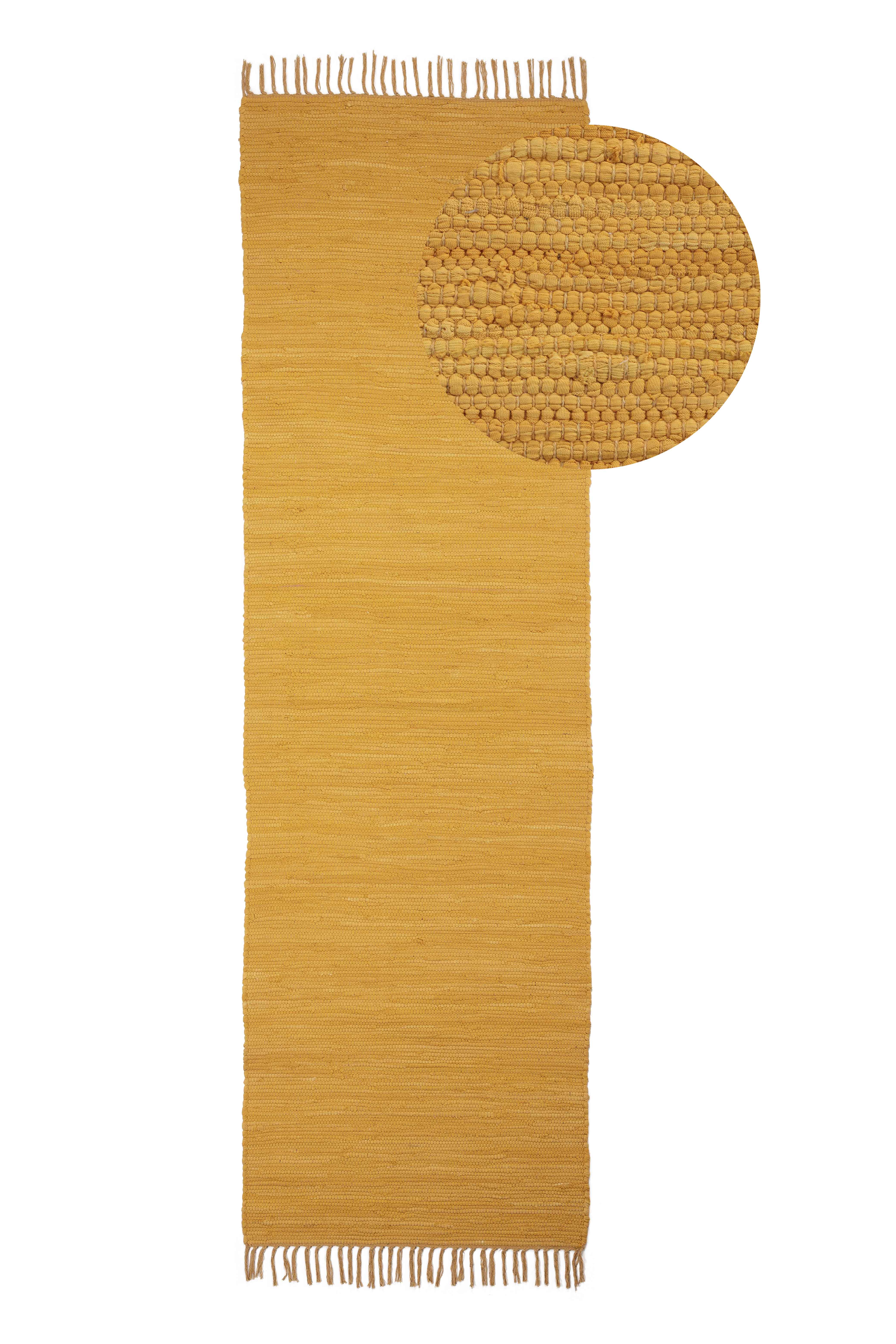
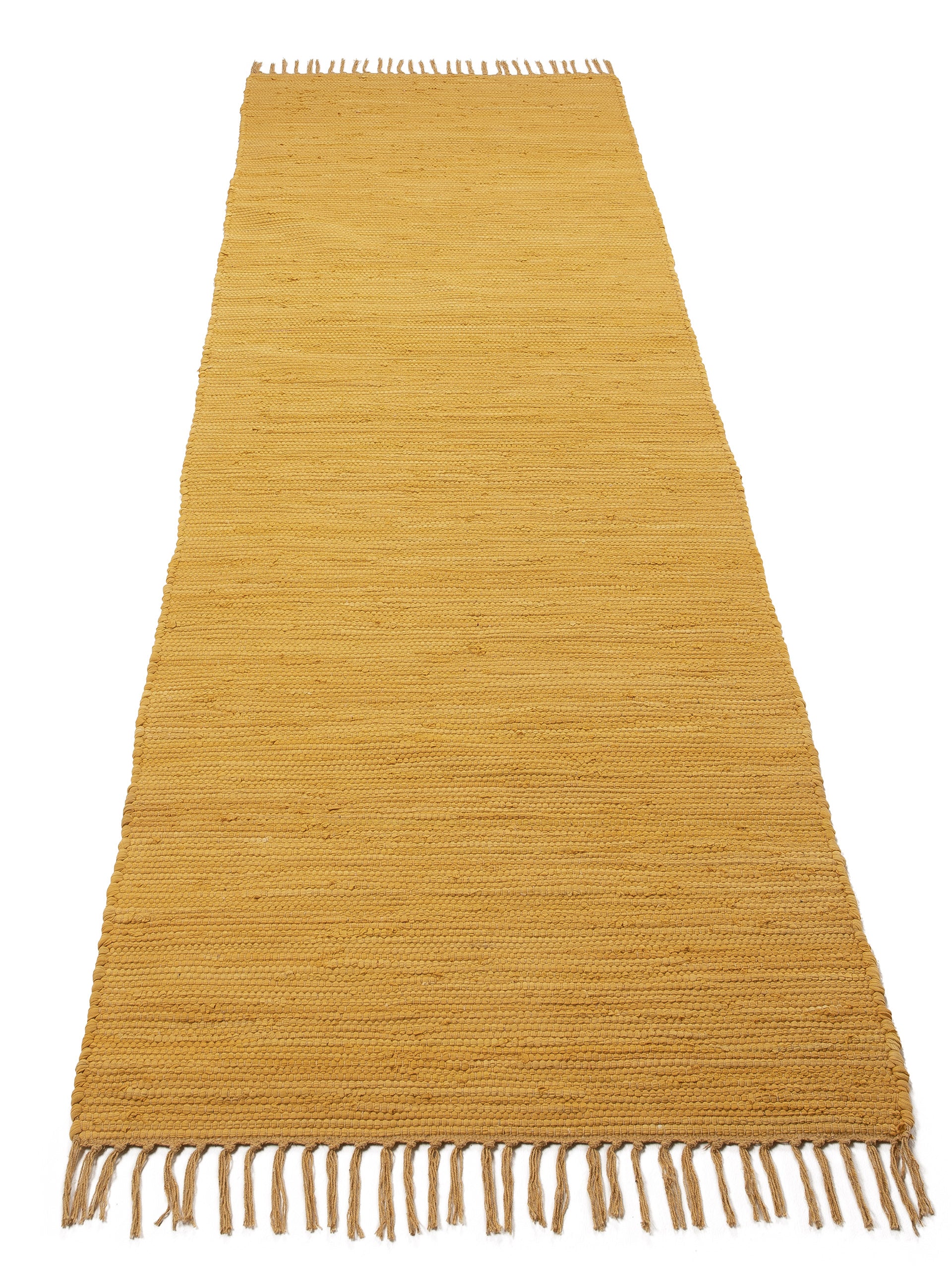
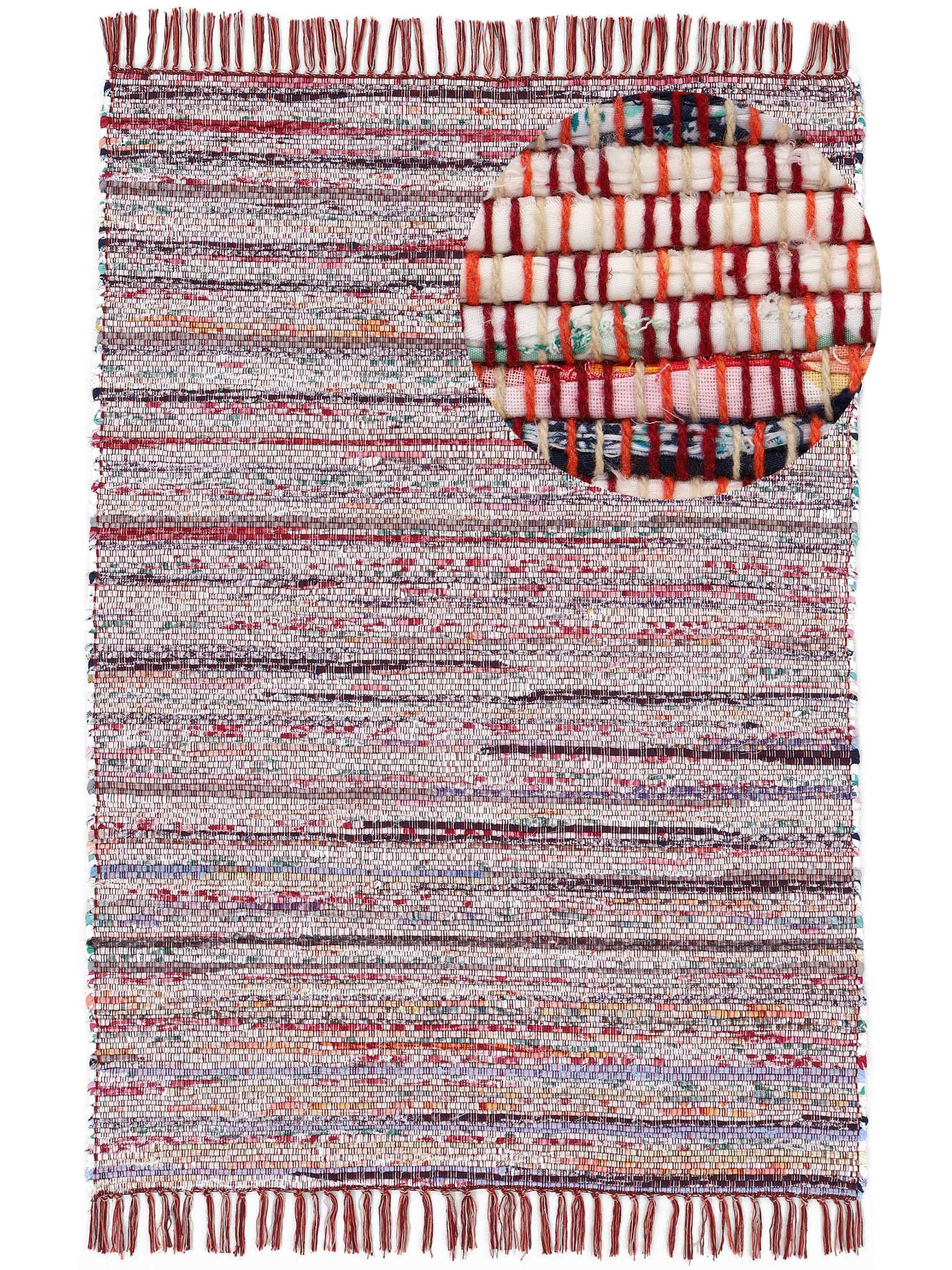
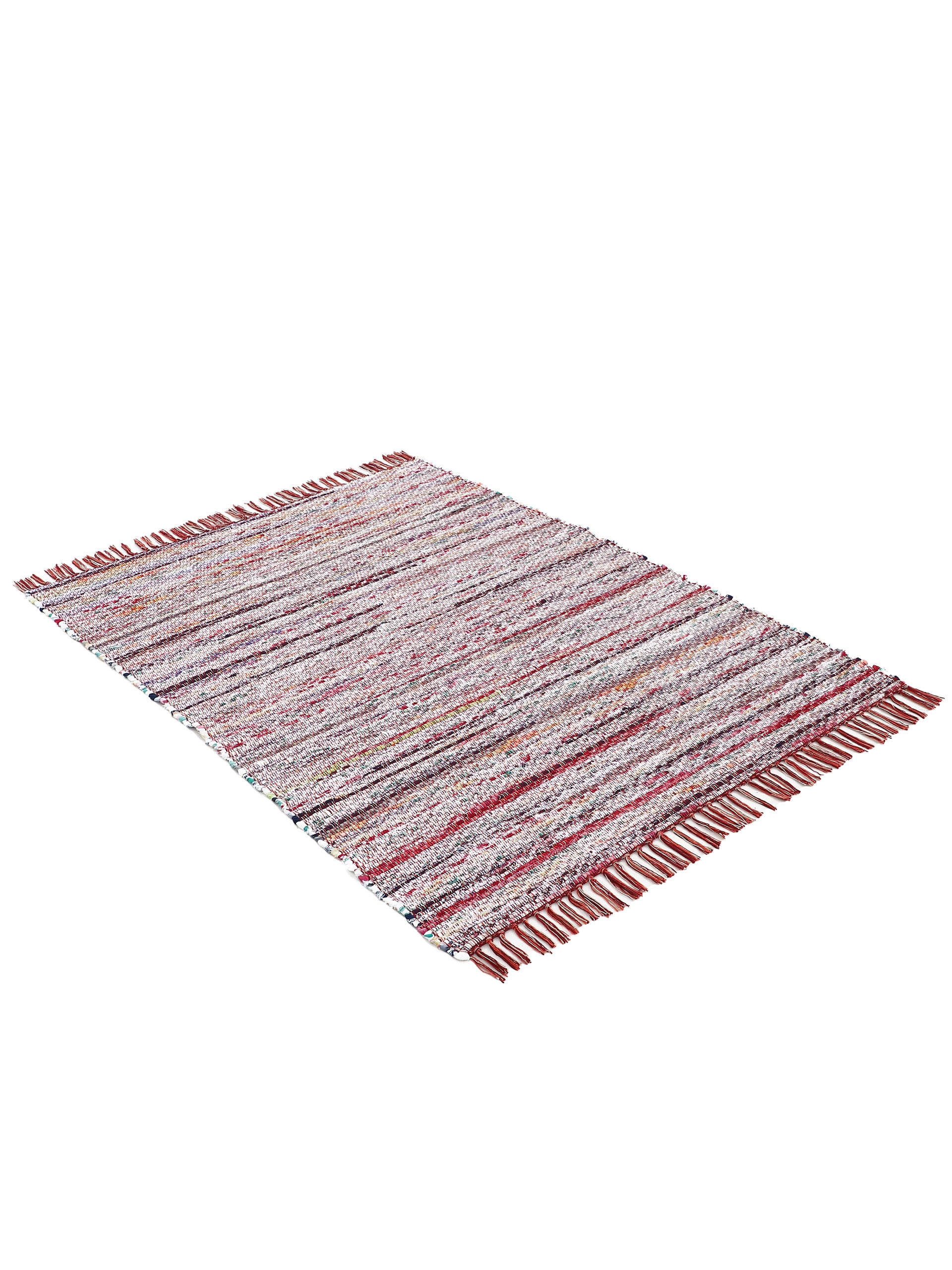
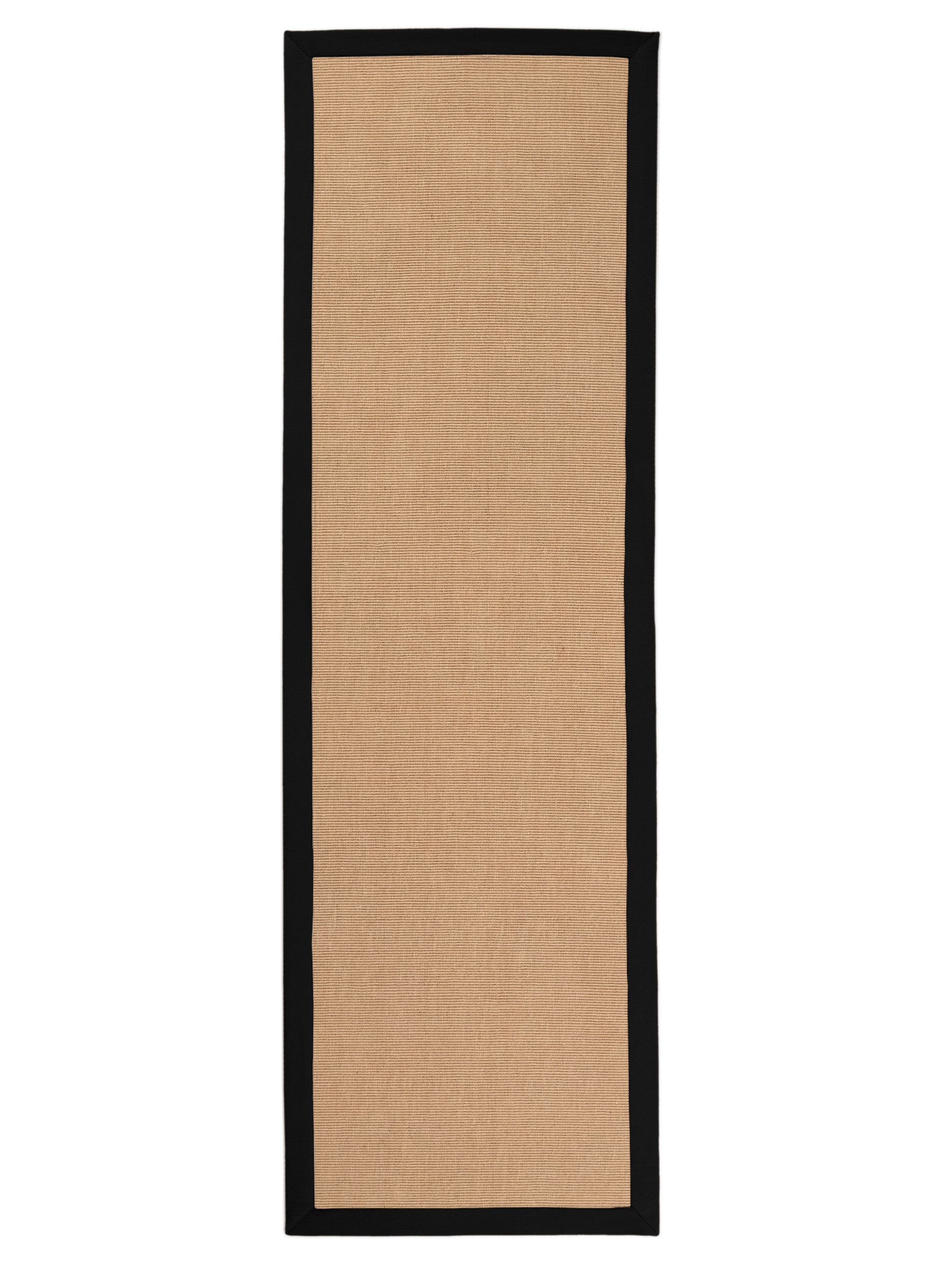
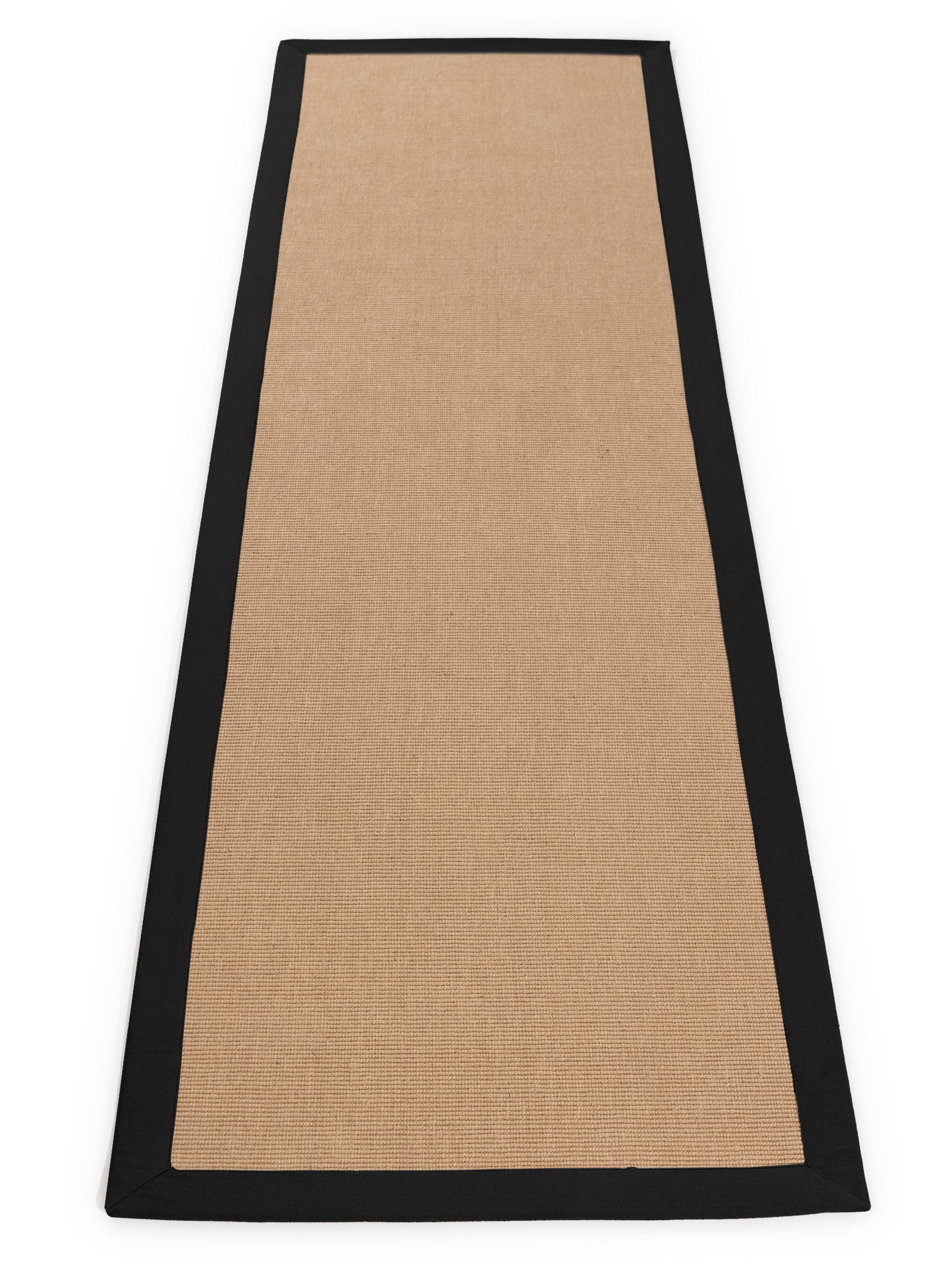
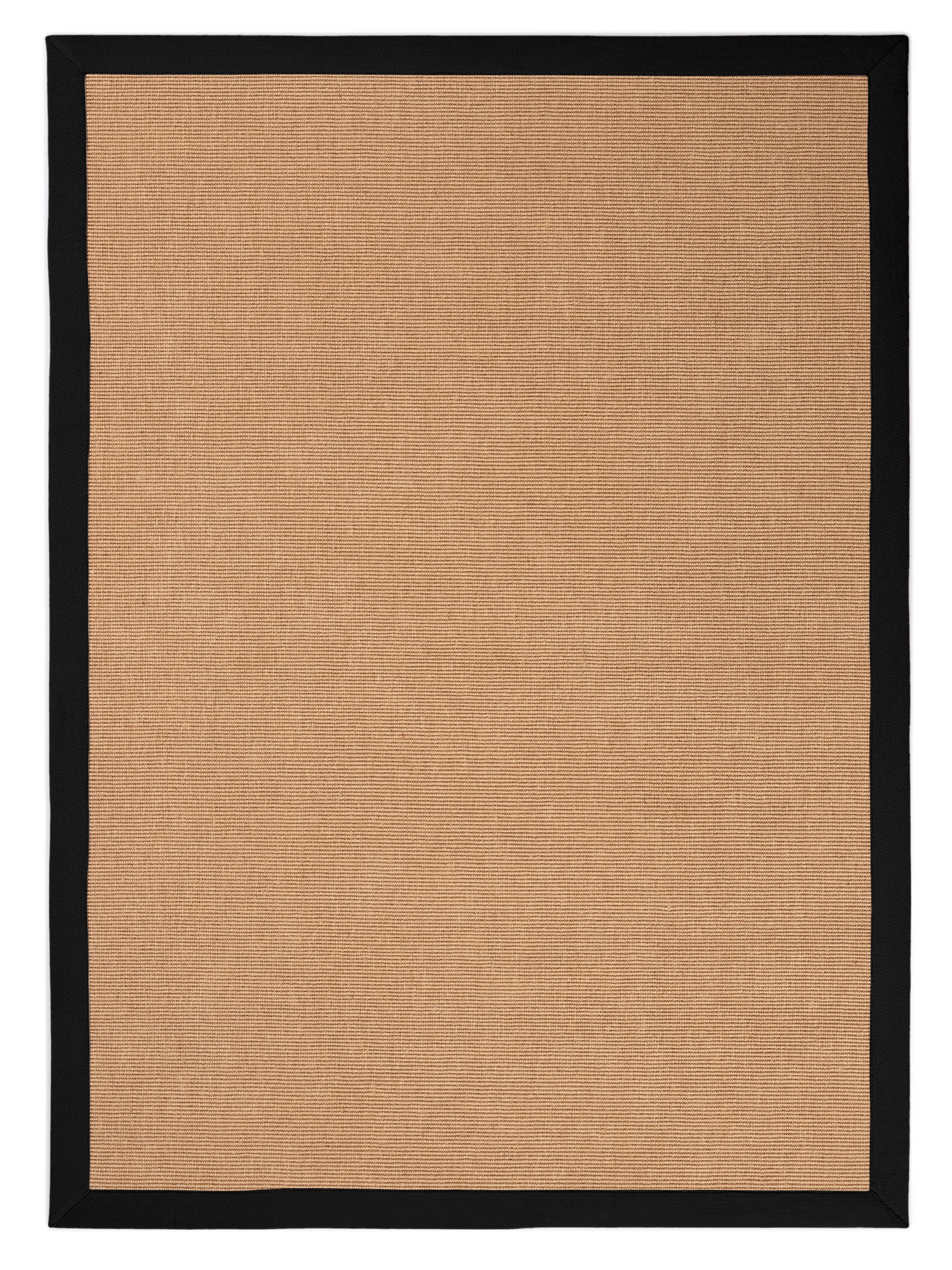
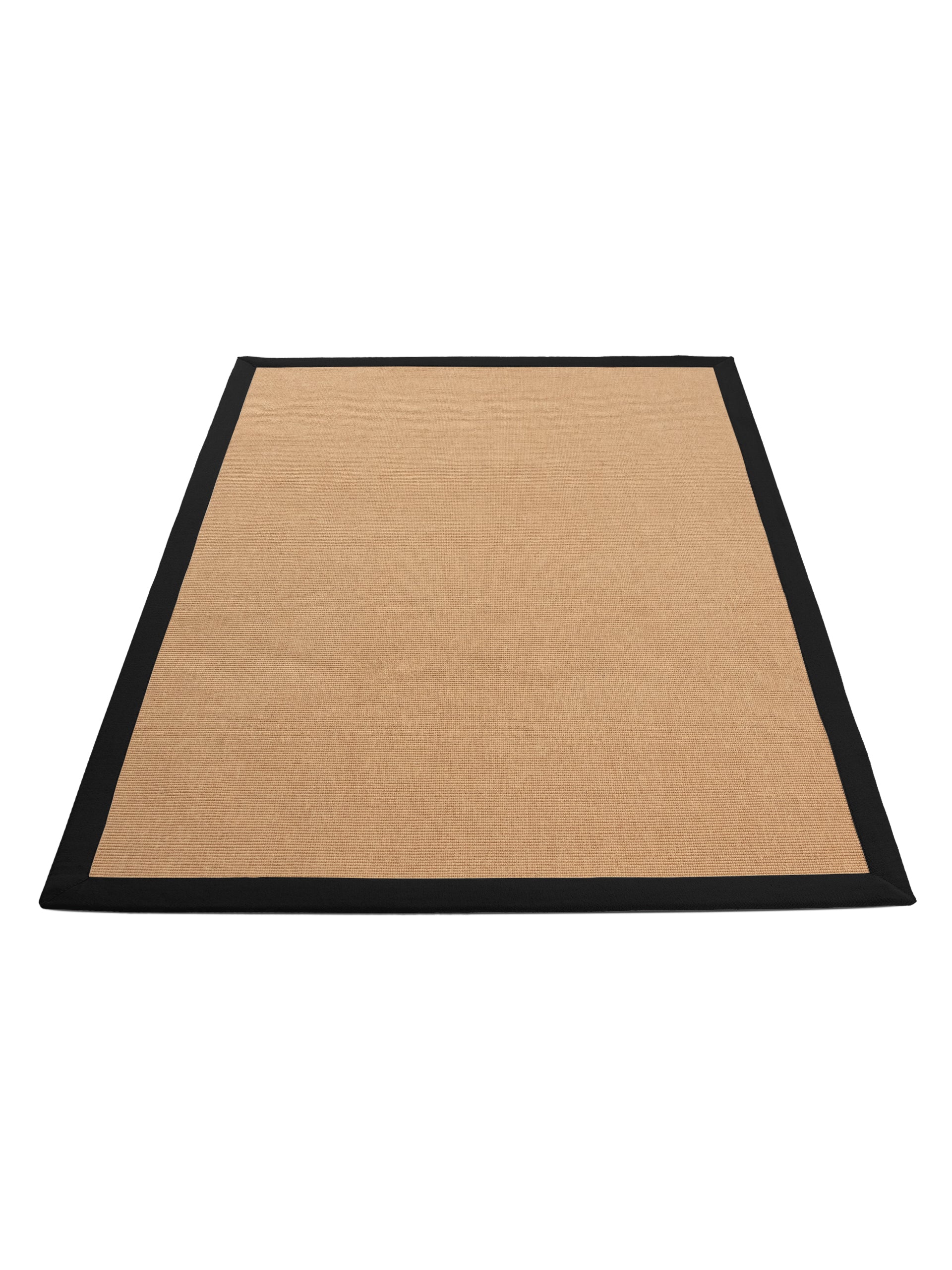
Barely any height. Hardly any kilim in this selection stands taller, and that is exactly what makes a flat weave rug so easy to live with. There is no pile standing up. Warp and weft lie tightly into one another, so the surface stays smooth and even.
Most of the range is handwoven flatweave in cotton. A few machine-woven flatweave rugs in polypropylene join them, in orange, cream, grey or blue.
How a flat weave rug is made
On a pile rug, knotted or tufted fibres stand upright and your foot sinks in slightly. In a flat weave the pattern comes purely from the threads woven into it. That is why many pieces look almost the same on the front and the back. The most familiar form is the kilim, and our kilim rugs show a wider choice.
You notice the benefit when you vacuum and whenever chairs get pulled out. Nothing snags. Flat woven rugs are also light. You can roll one up, carry it to the loft on your own and swap it for a brighter piece in summer.
Handwoven cotton and machine-woven designs
The range splits into two groups:
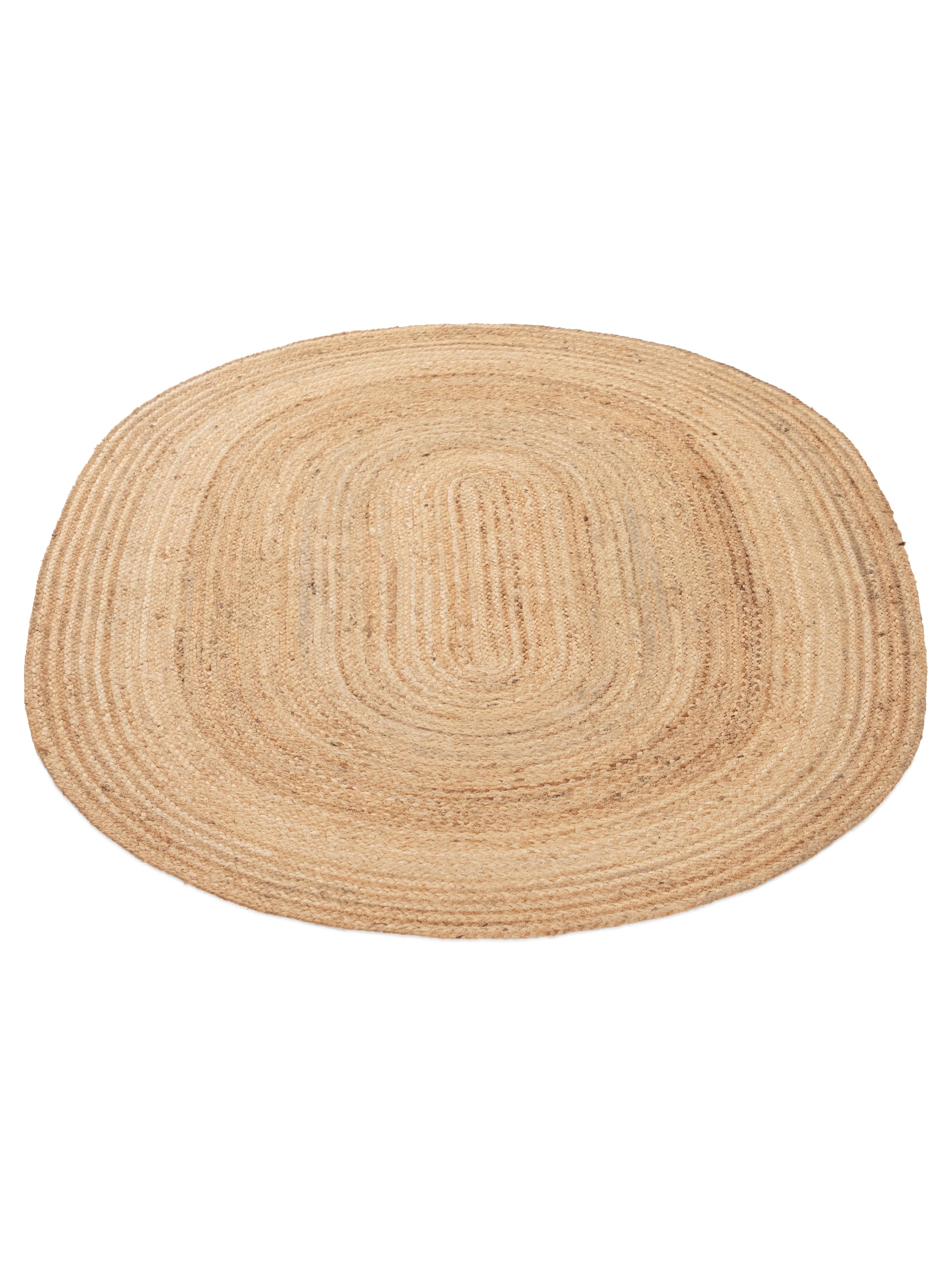
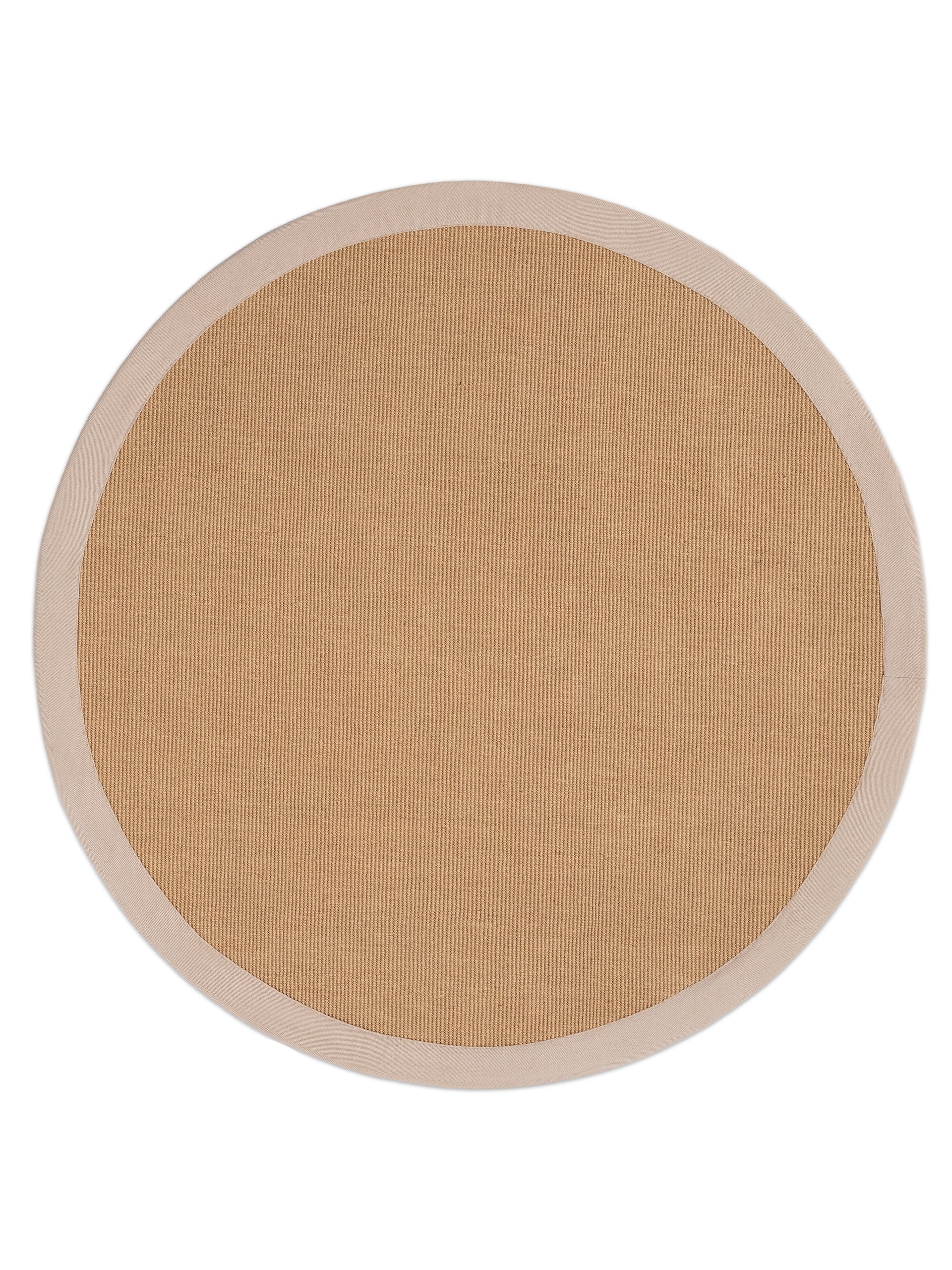
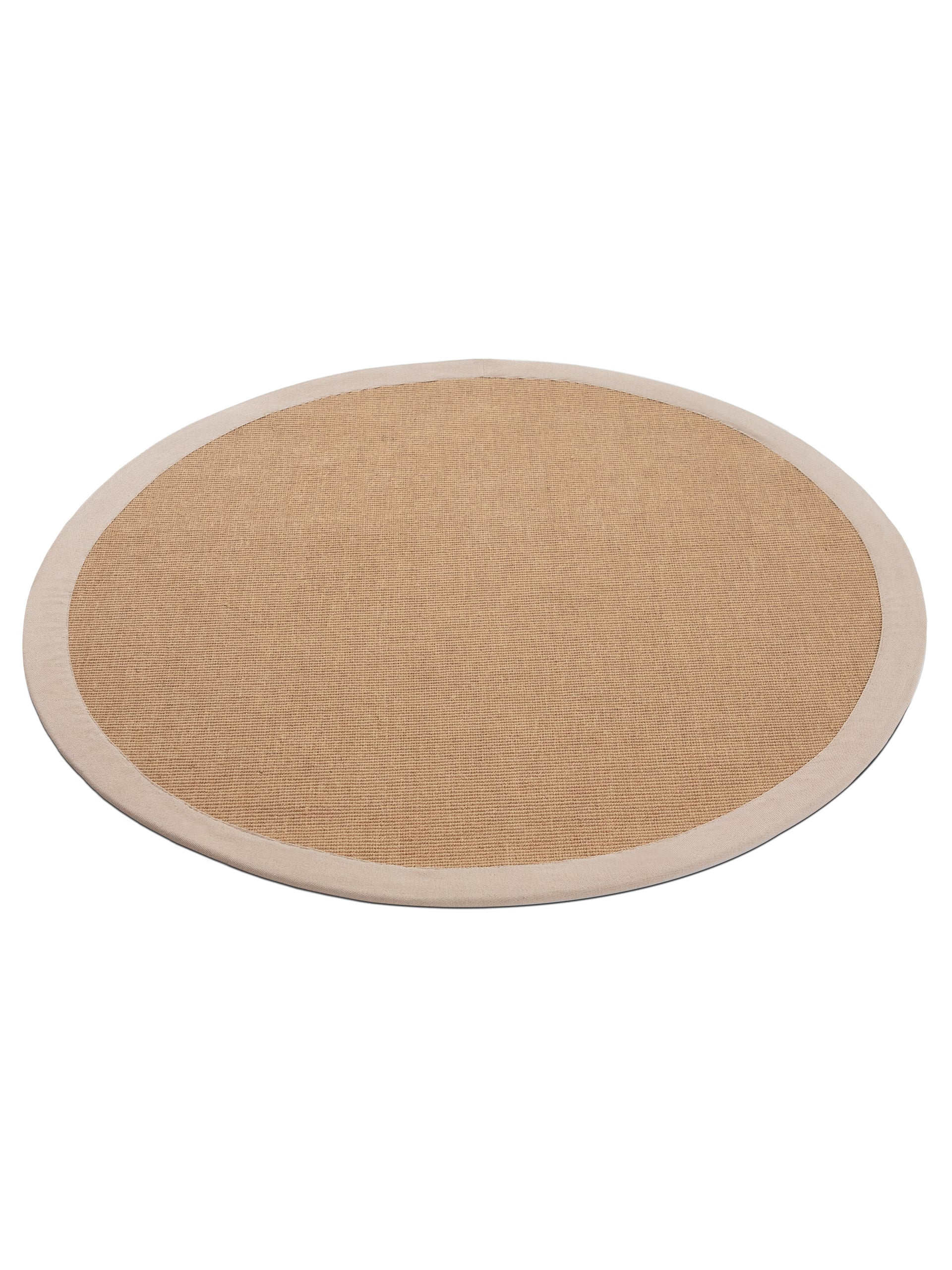
- Handwoven: cotton, partly recycled, very flat. Rectangular, round and as runners, from 40 x 60 cm to 300 x 400 cm, with runners up to 80 x 500 cm. Mostly beige and light shades, plain or patterned.
- Machine-woven: polypropylene without pile, rectangular only, from 80 x 150 cm to 200 x 290 cm. Stronger colours such as orange and blue, plus grey and cream.
Cotton takes dye well. It feels dry underfoot. One design is woven from recycled cotton, the others from 100 % cotton. To compare more designs in this fibre, browse every cotton rug we carry. A handwoven jute rug feels rougher and more rustic by comparison.
Chindi is a weave made from strips of fabric. It looks a little like a rag rug, only calmer.
Under the table, in the hall, by the sofa
Under a dining table the low height really pays off, because chairs slide over the edge instead of catching on it, and if you allow about 60 cm all round they stay on the weave even when pushed right back. In a hallway, doors usually open freely over a flatweave runner, and roughly 15 cm of floor showing at each end looks tidy.
In the lounge a kilim looks lighter than a thick shaggy rug. Suitable formats for the seating area are among our rugs for the living room, while a round rug in another material suits a round table. Like clean lines? A striped rug sits well next to a plain kilim.
Care is simple. Vacuum on a low setting and take it outside for a shake now and then, because dust falls out of the thin weave easily. Dab marks with a damp cloth and a little mild soap, then let the spot dry properly. By the front door most dirt collects at the near end of a runner, so turn it round every few months to spread the wear.
Frequently asked questions
Will a flat weave slide about on tiles?
It is light and can creep on a smooth floor. A non-slip underlay keeps it in place.
Can I wash a kilim?
One plain cotton kilim range is listed as machine washable. For the others, follow the care notes on the product page, which mostly means vacuuming and careful dabbing.
Does the back look like the front?
On handwoven kilims, nearly. Pattern and colour sit in the weave itself, so you can turn the rug over if you need to.
Is there a grey flatweave rug?
Yes. Grey comes in the handwoven cotton kilims and in one machine-woven design.