
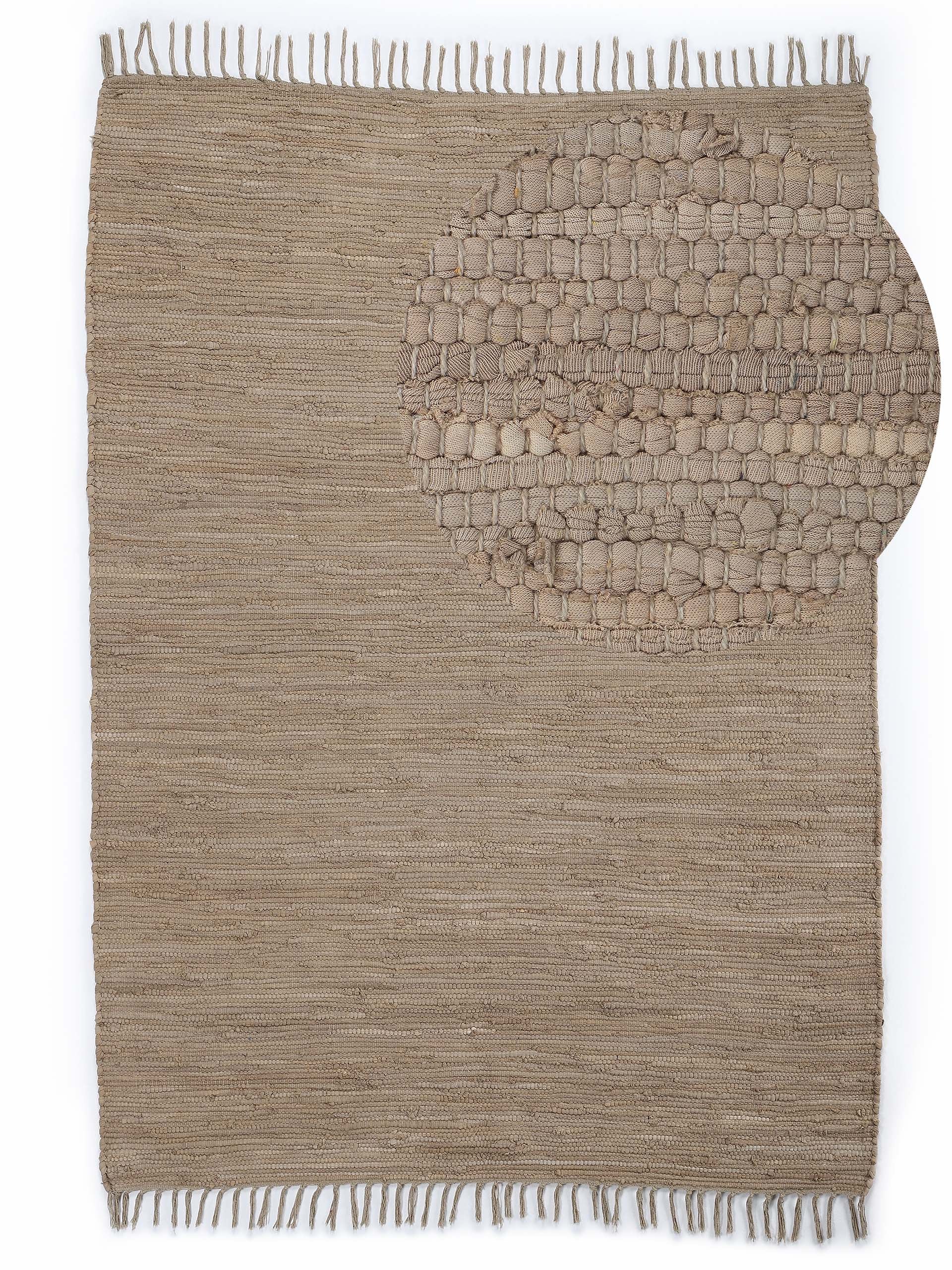
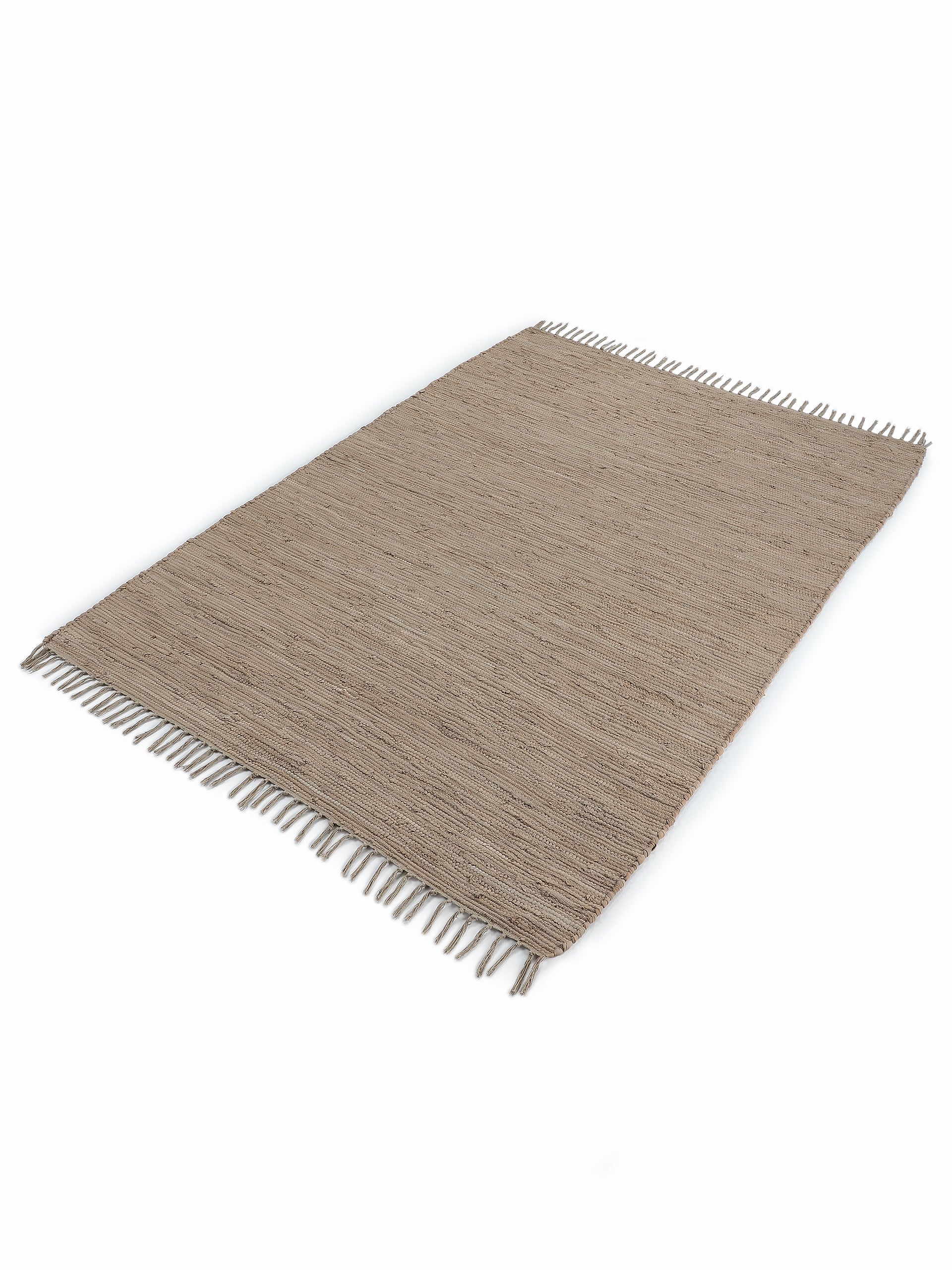
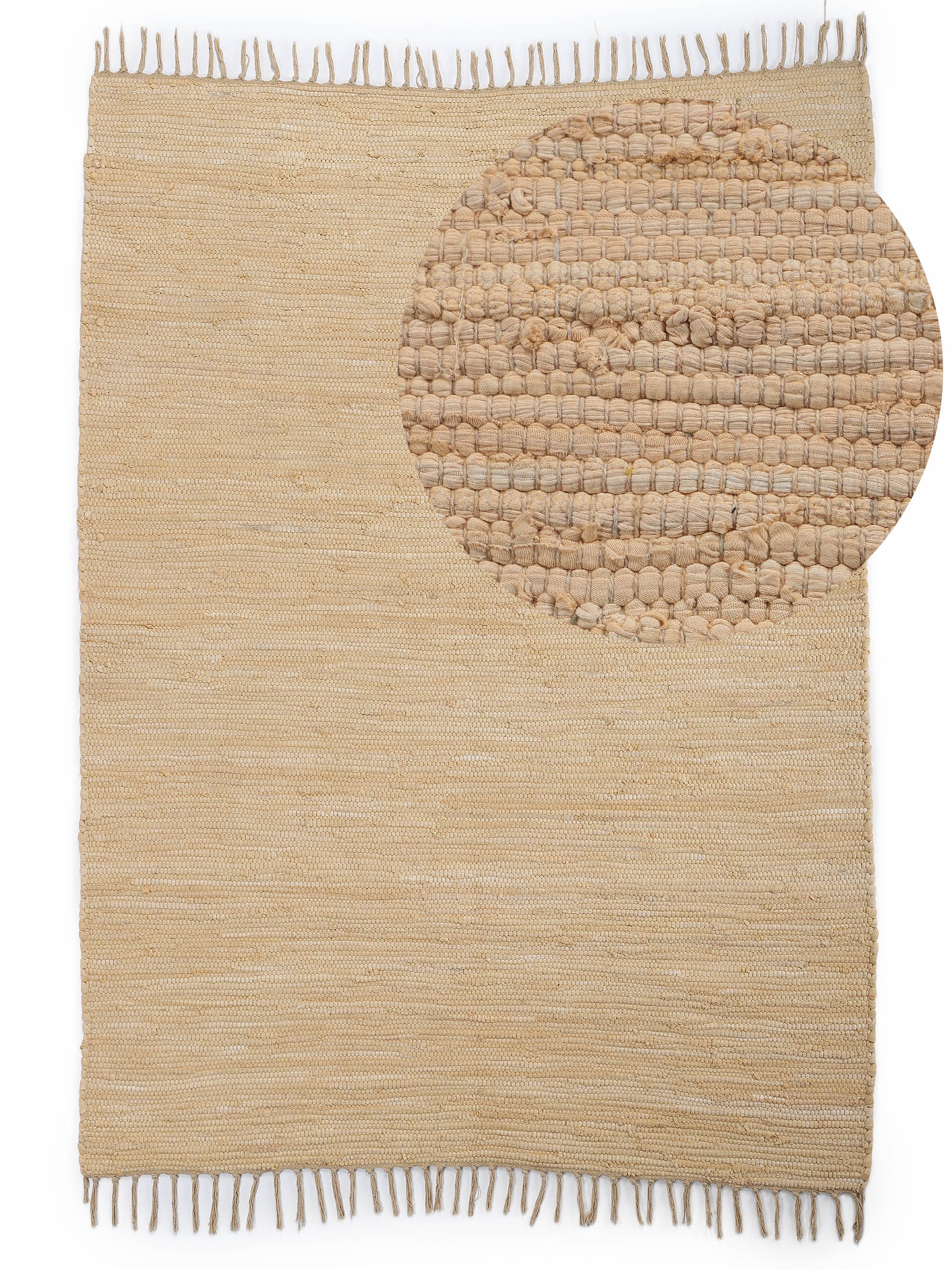
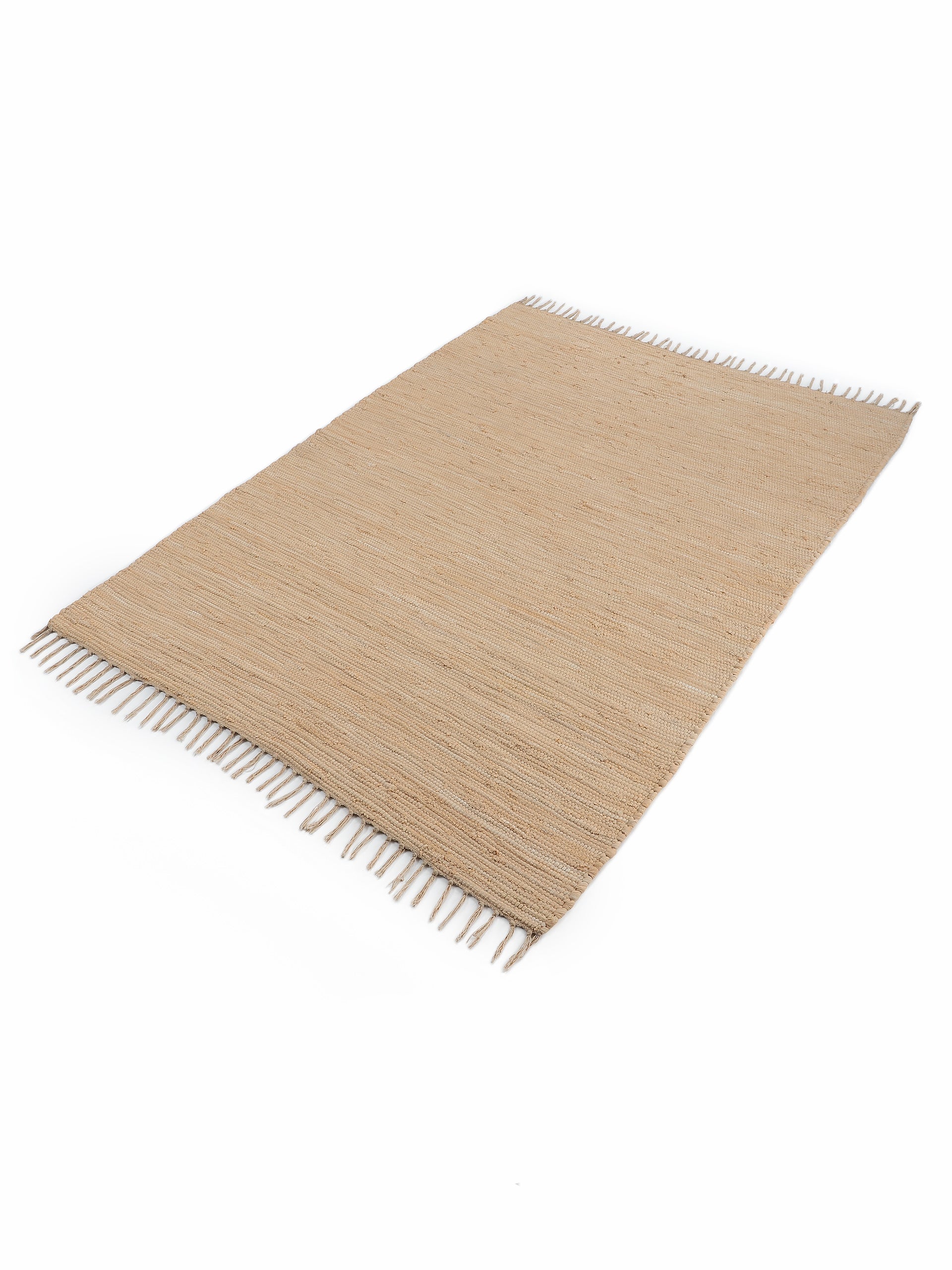
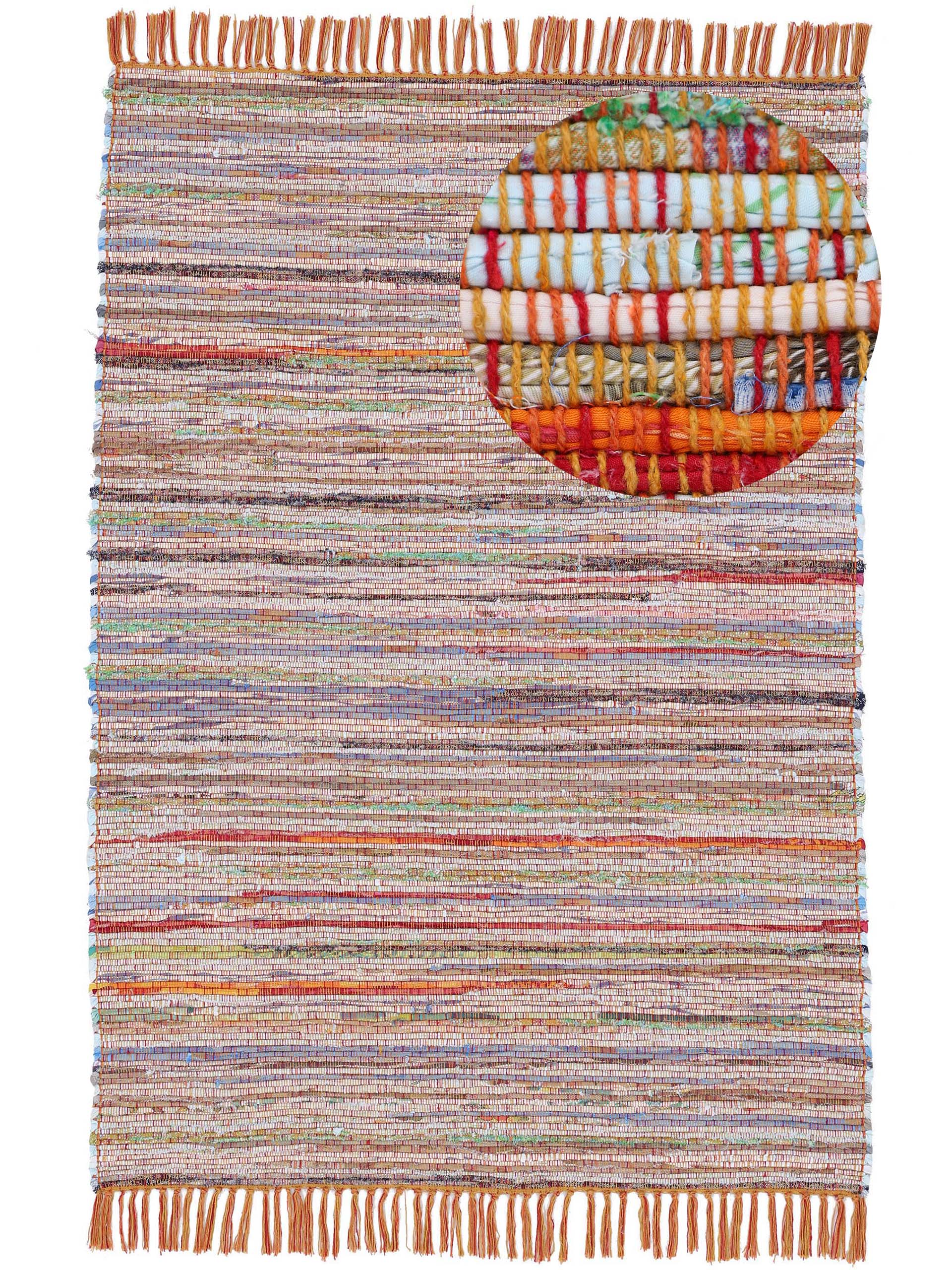
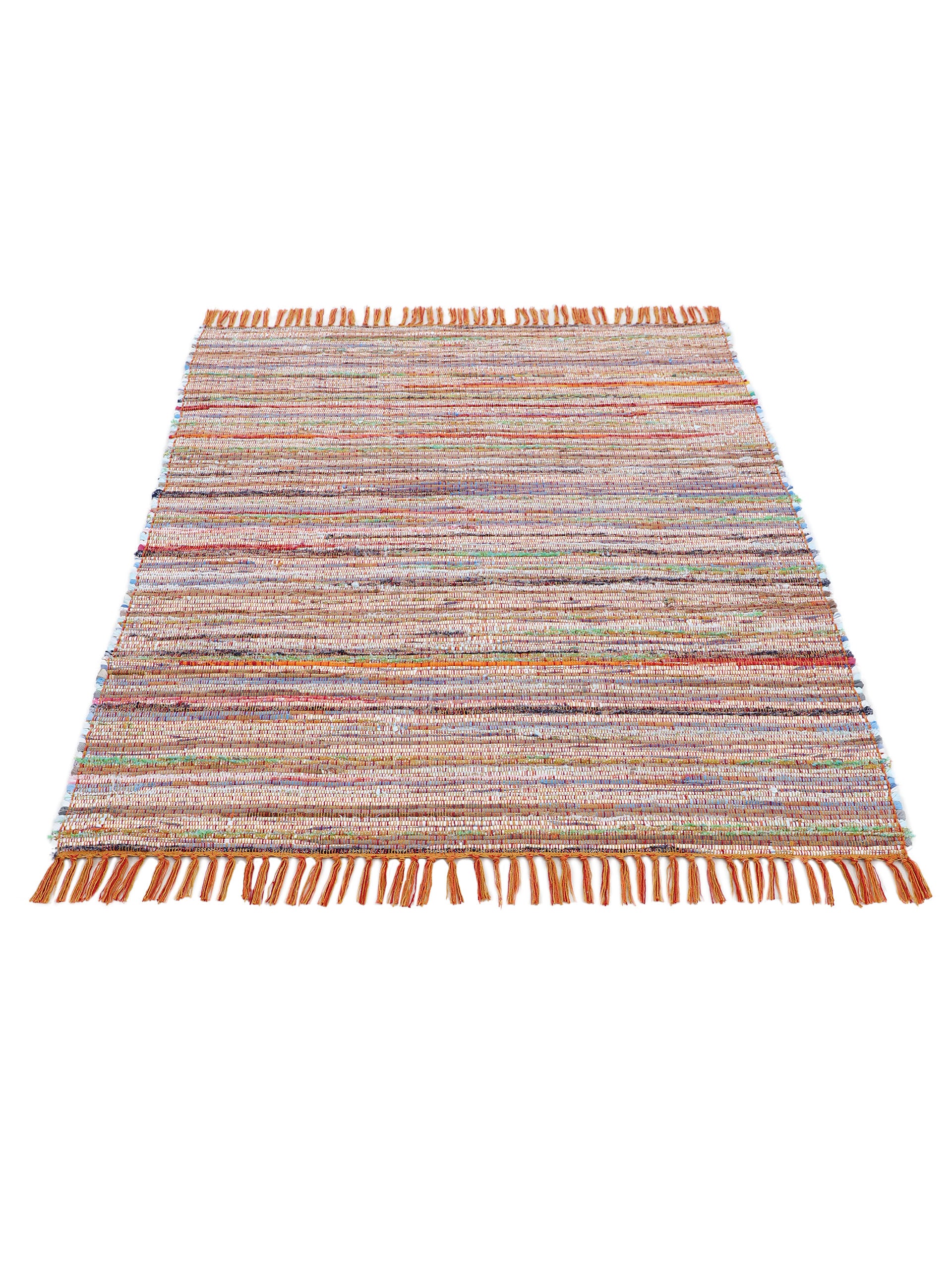
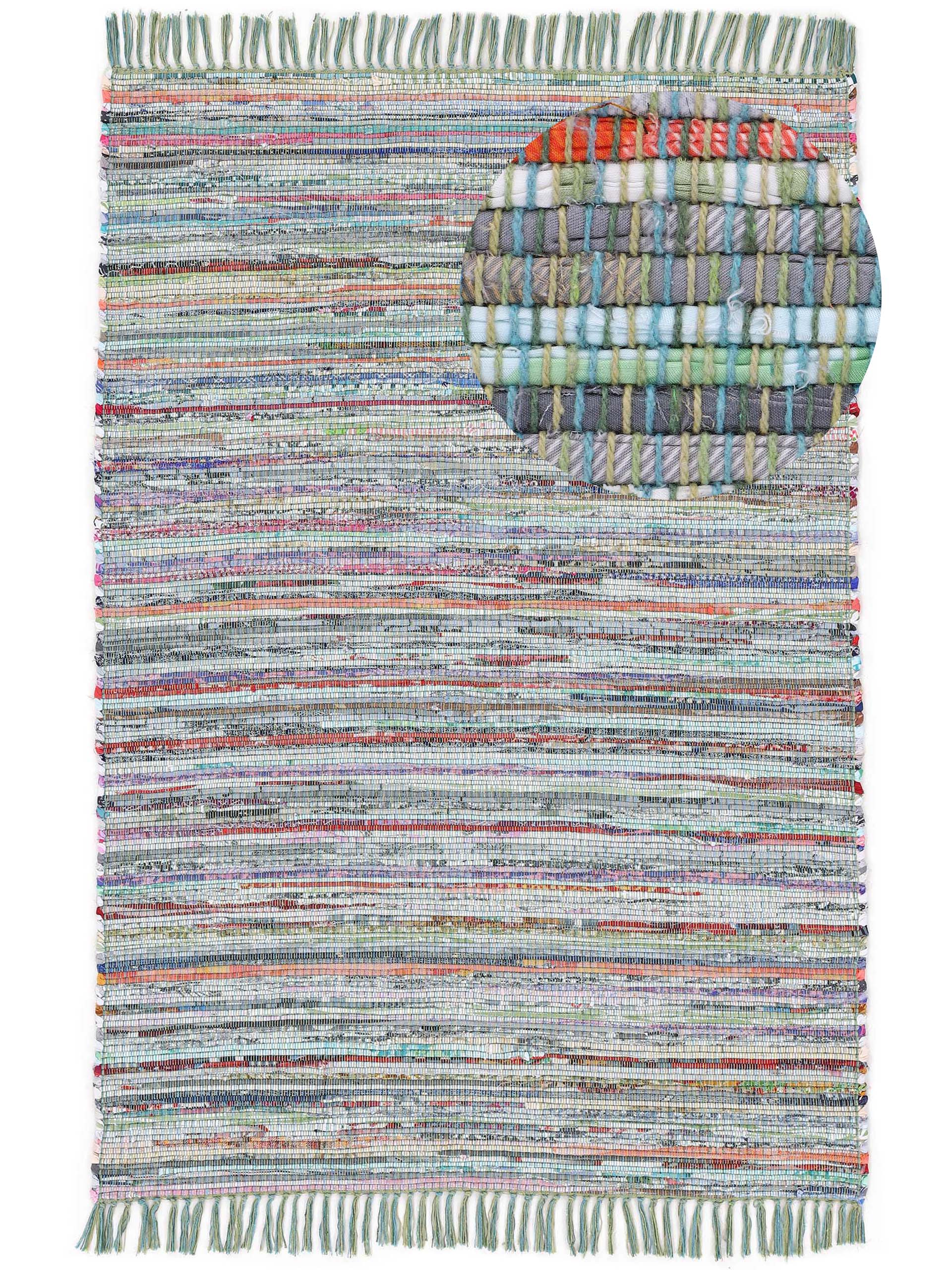
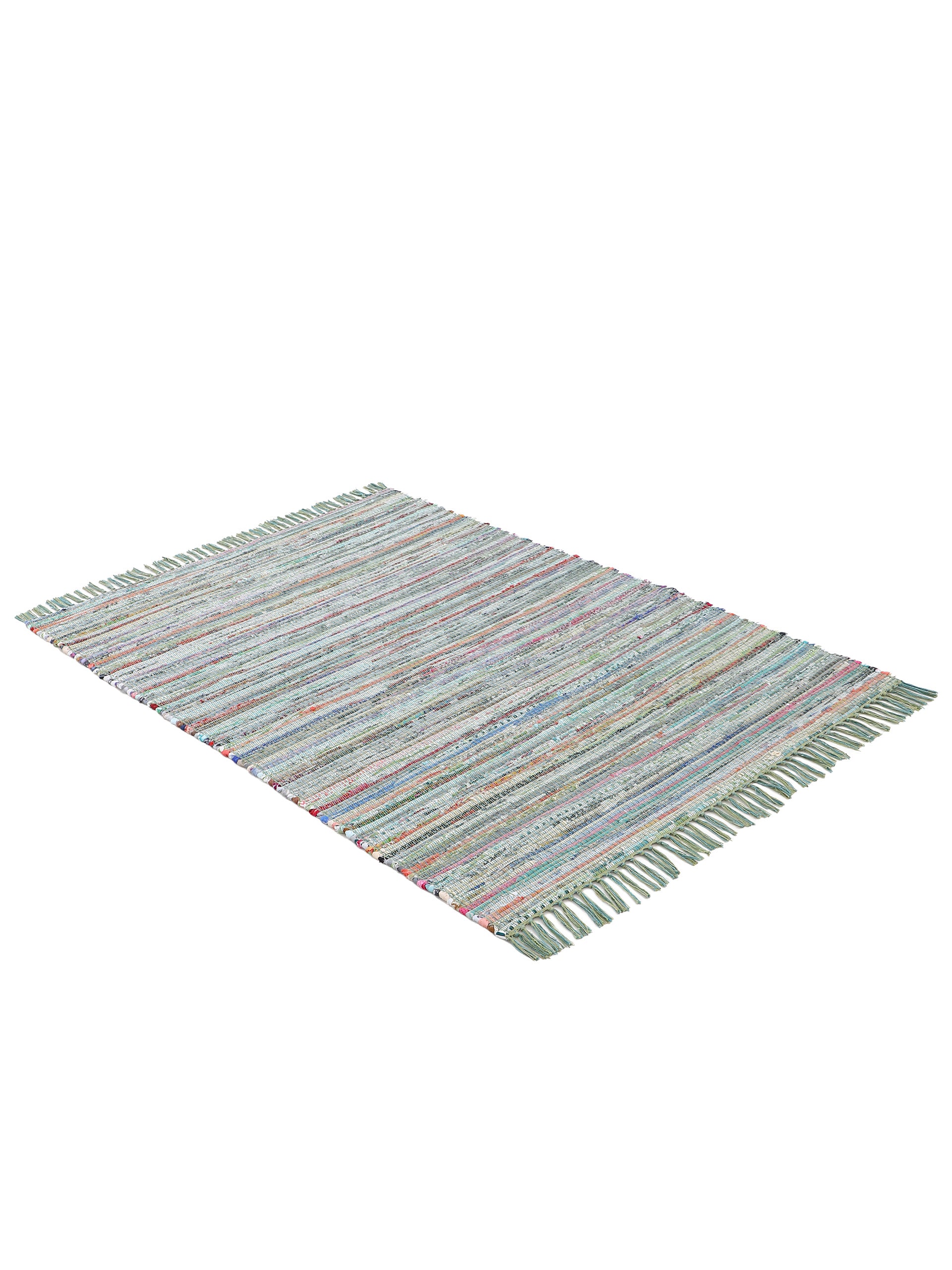
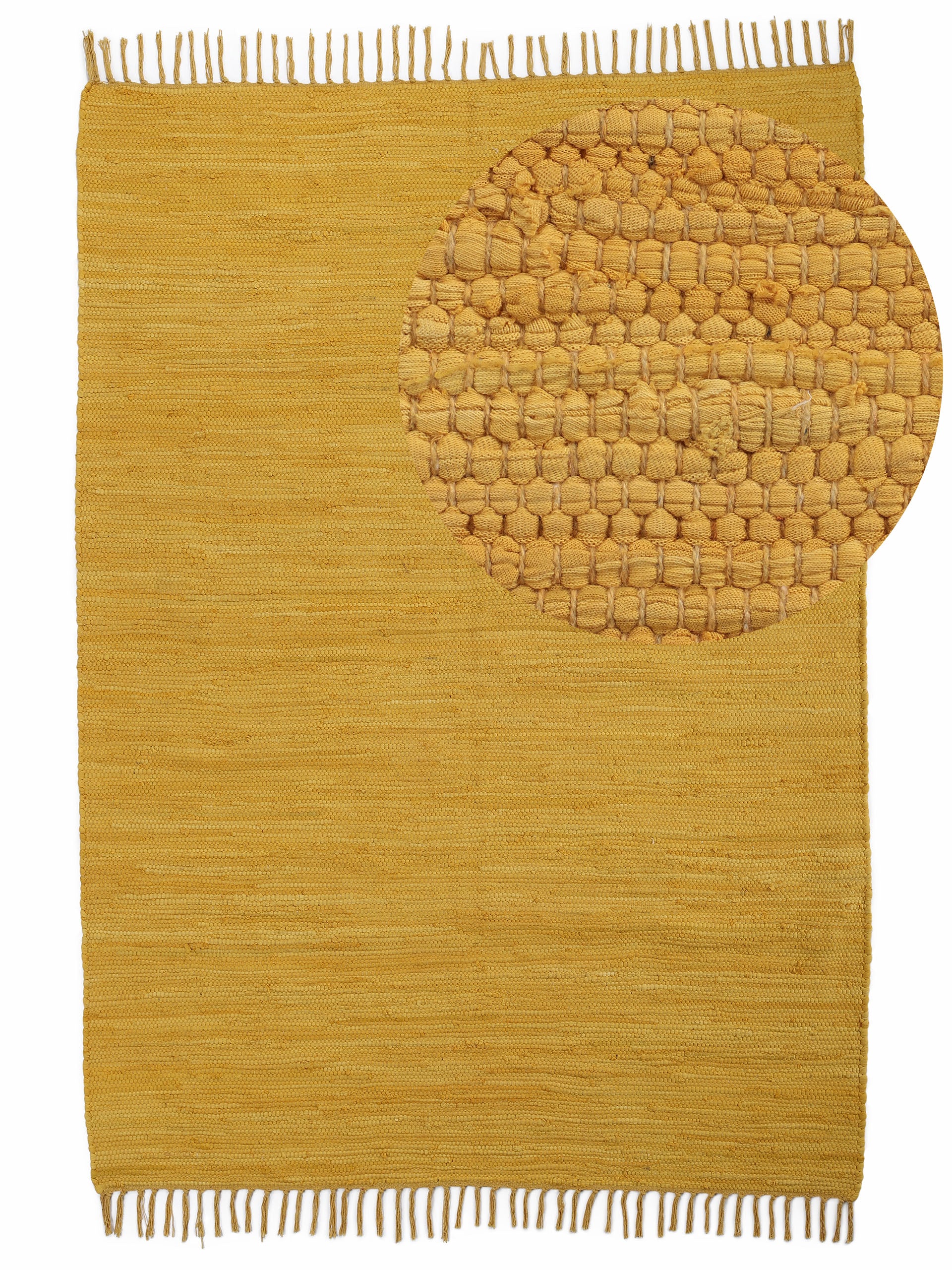
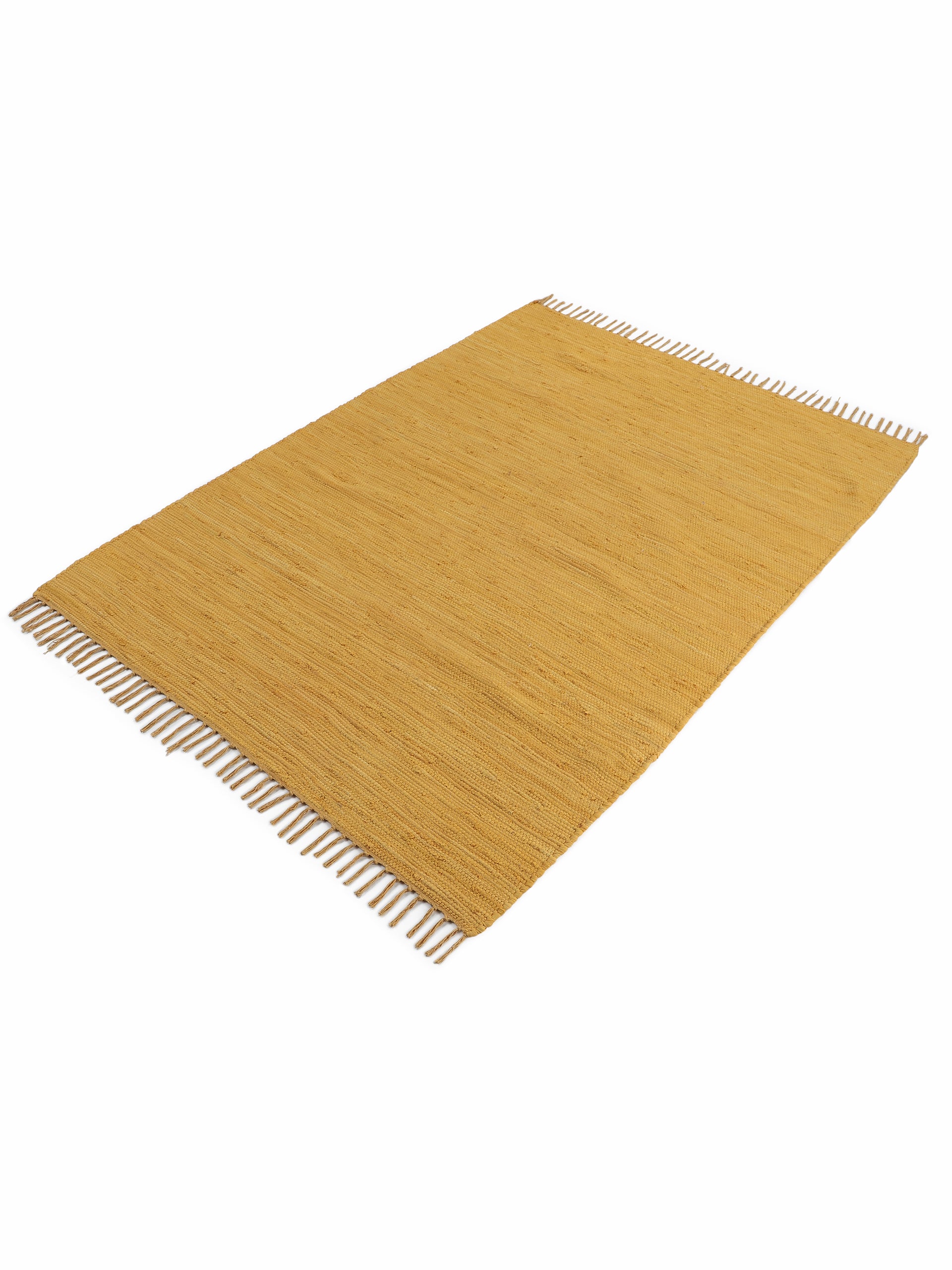
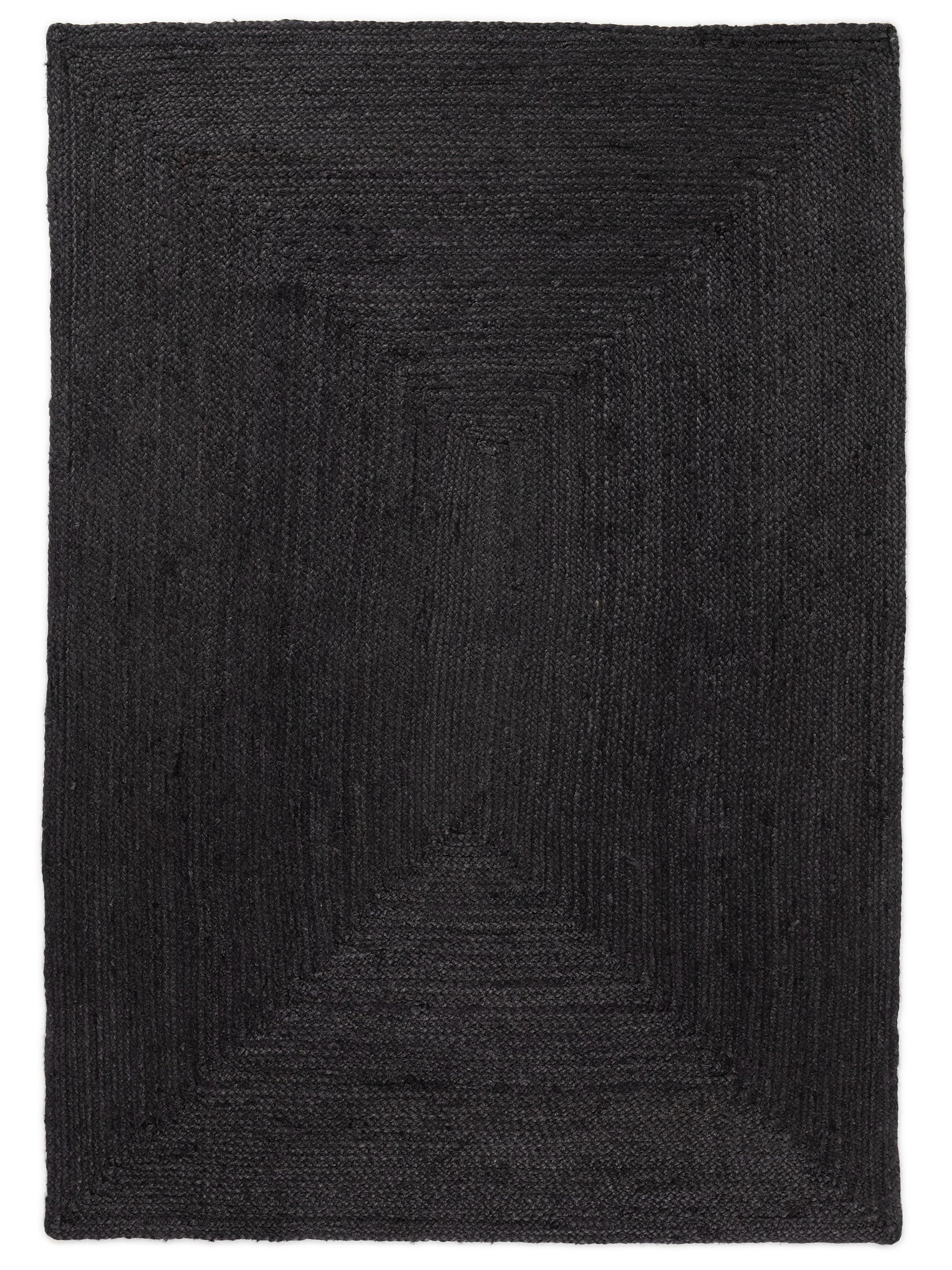
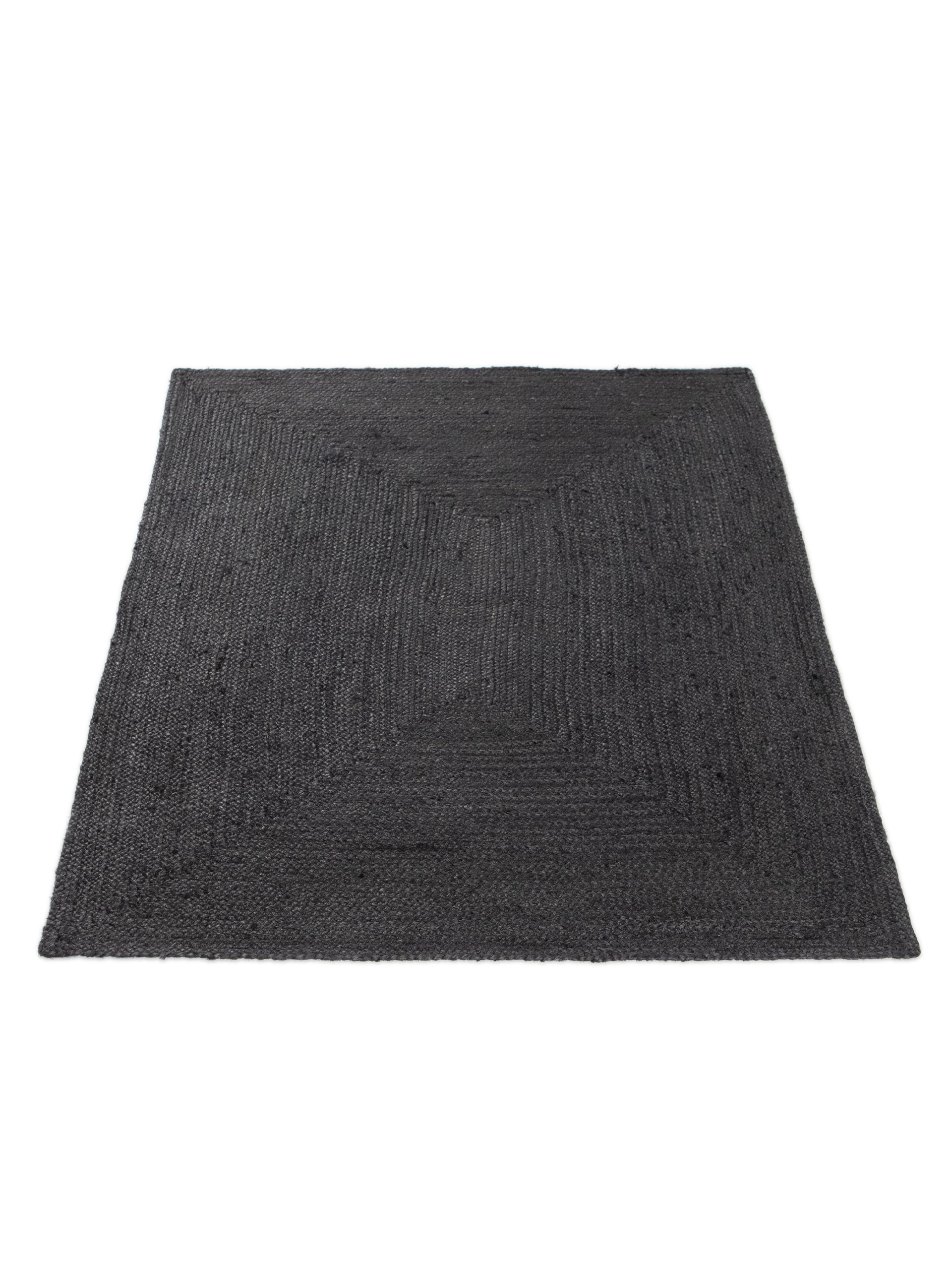
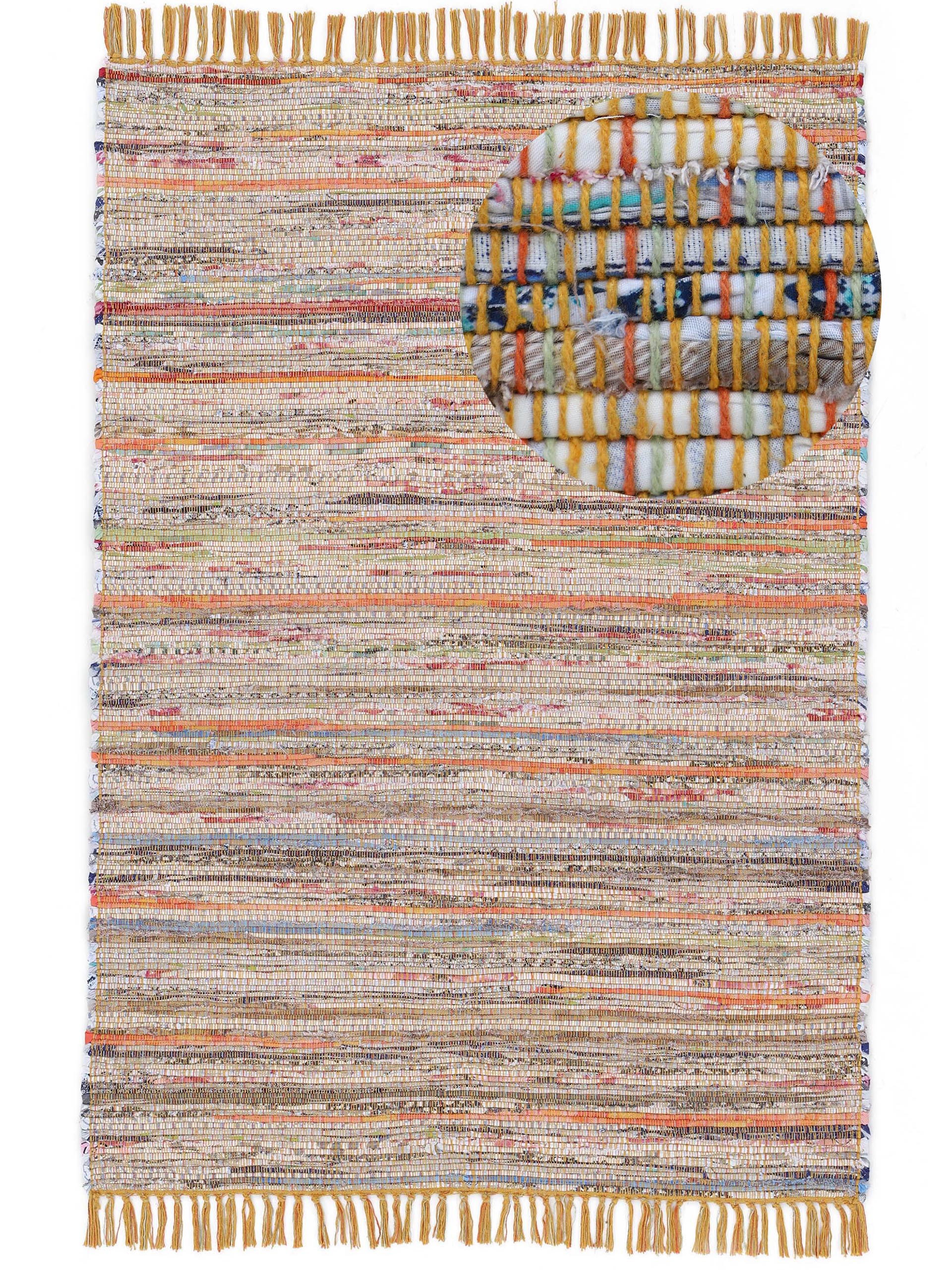
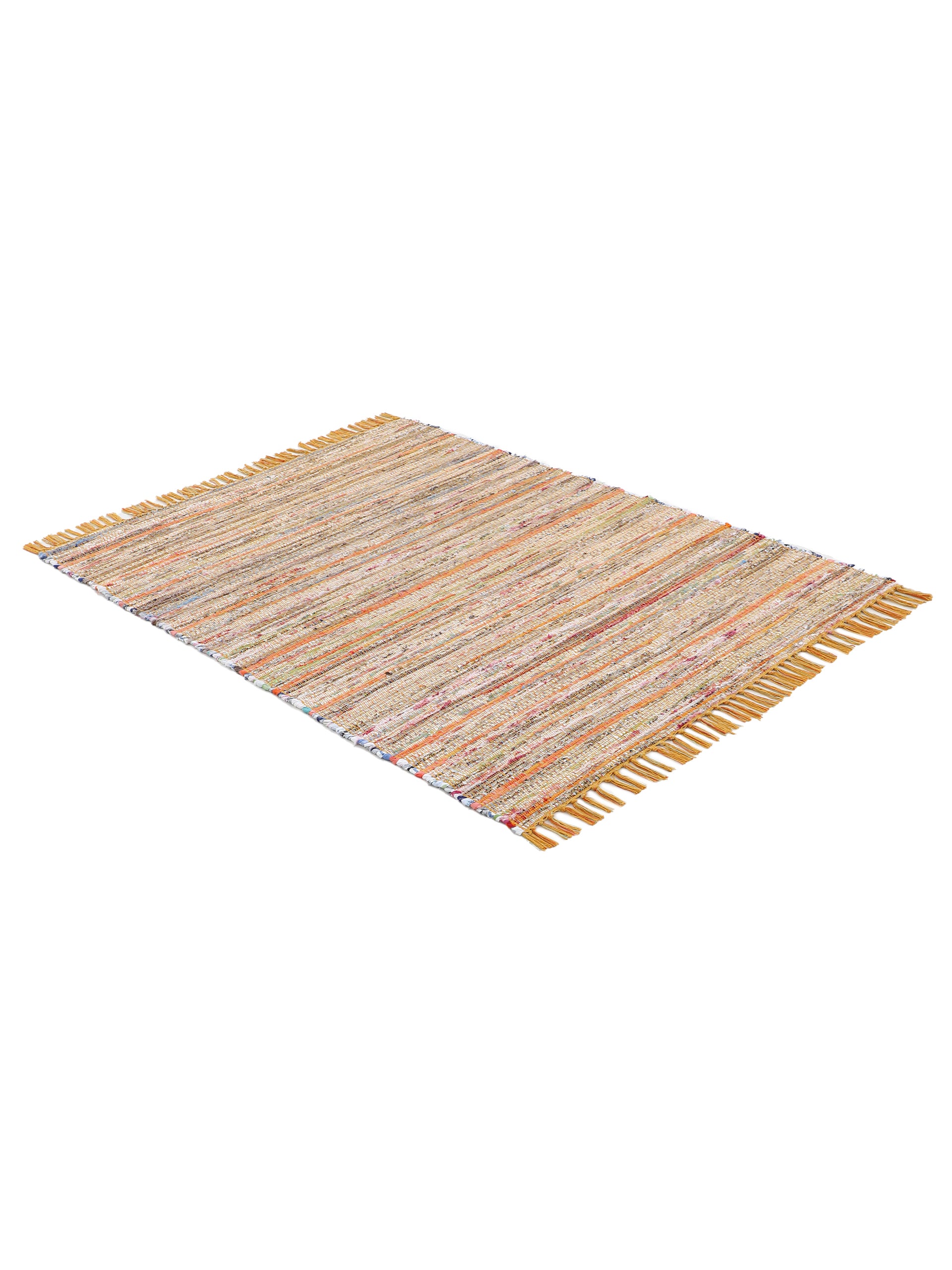
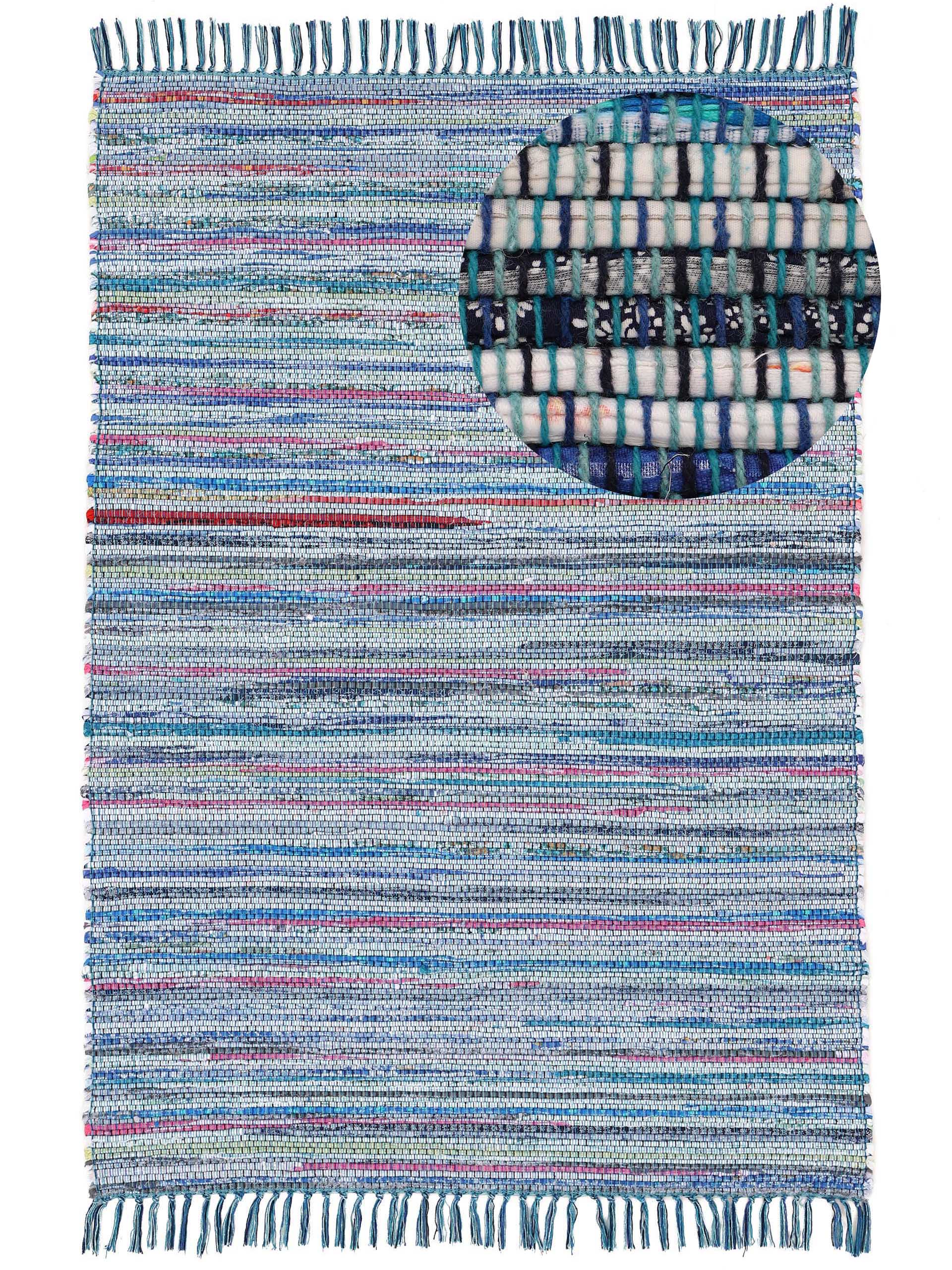
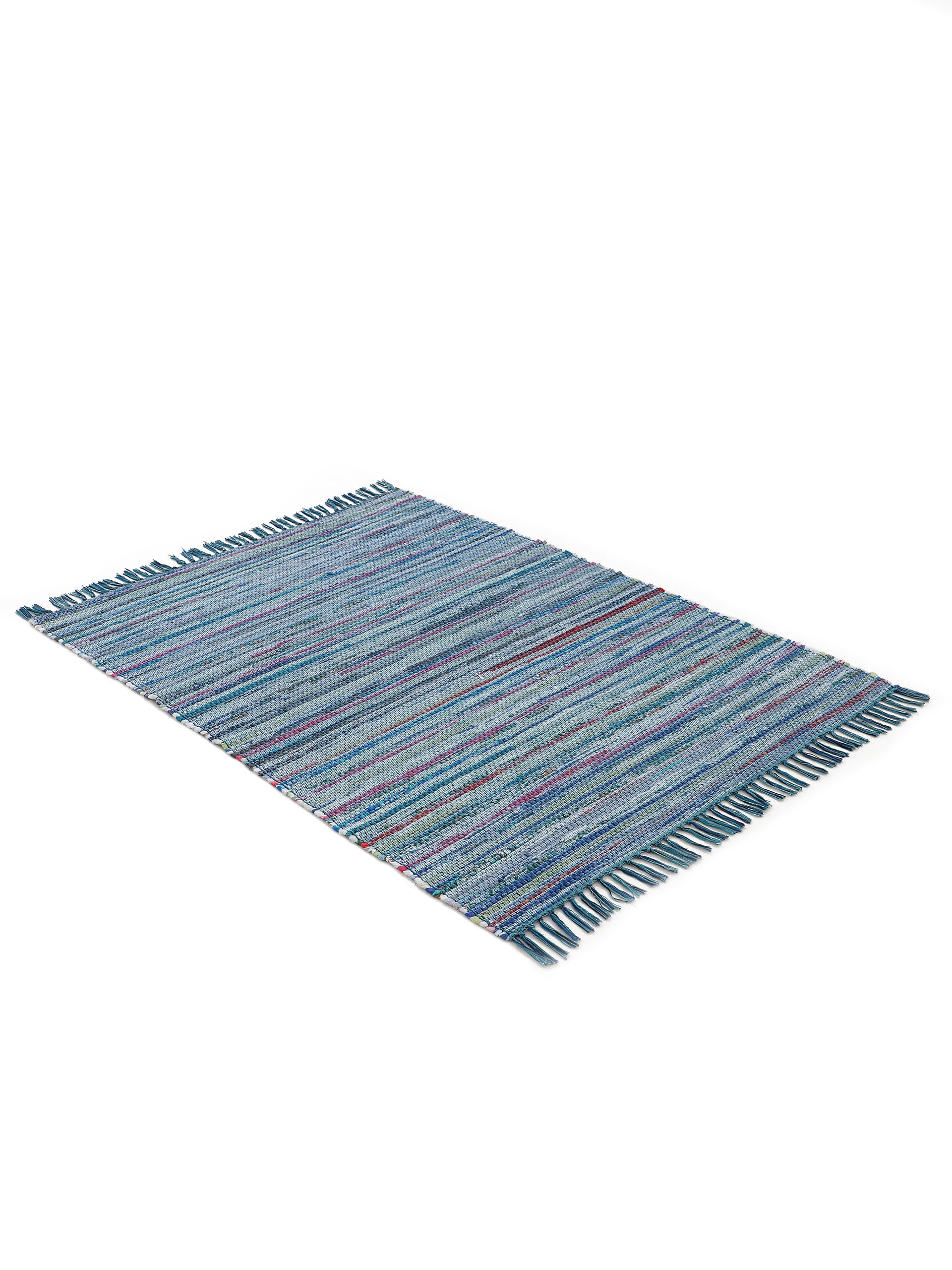
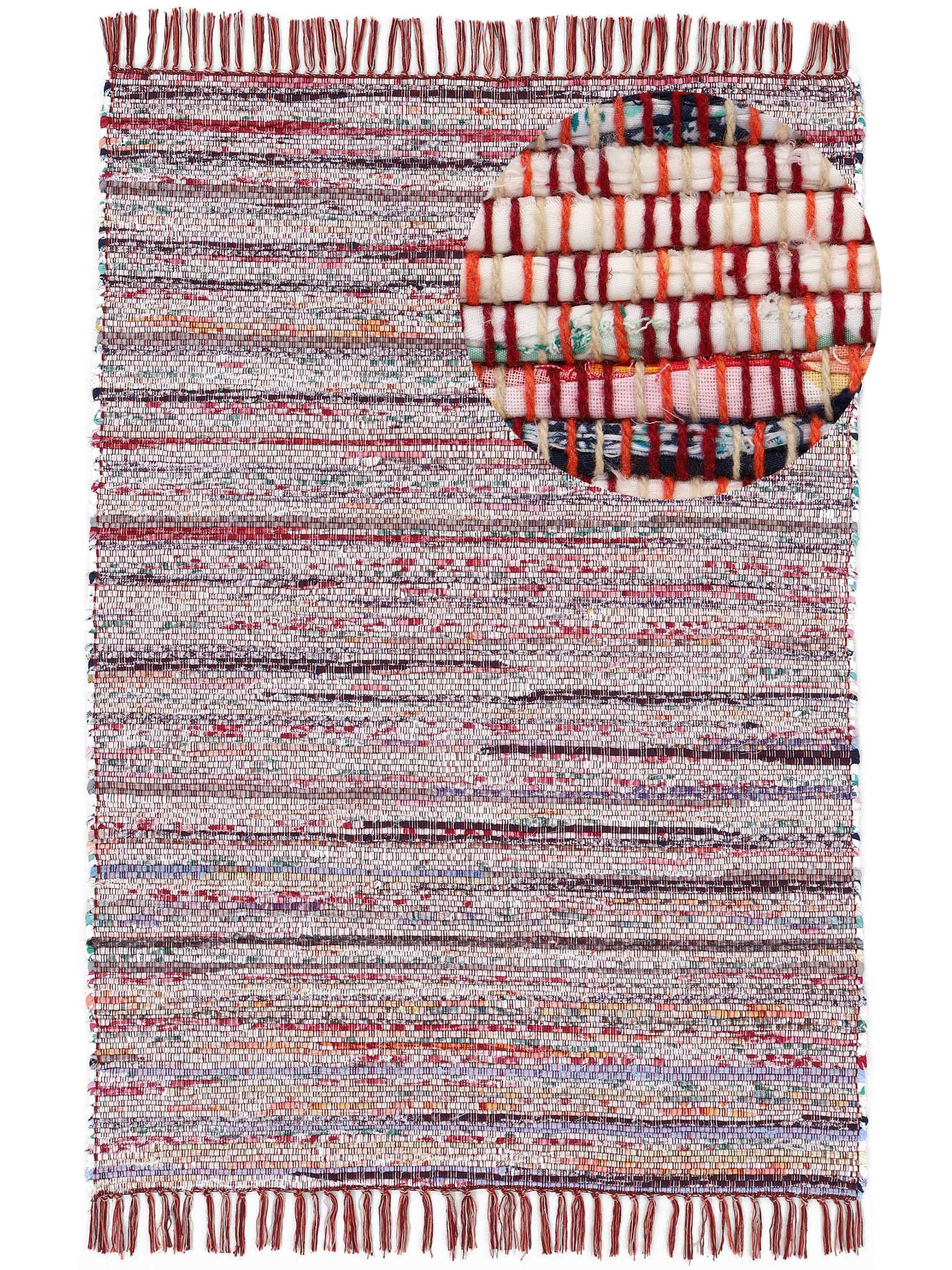
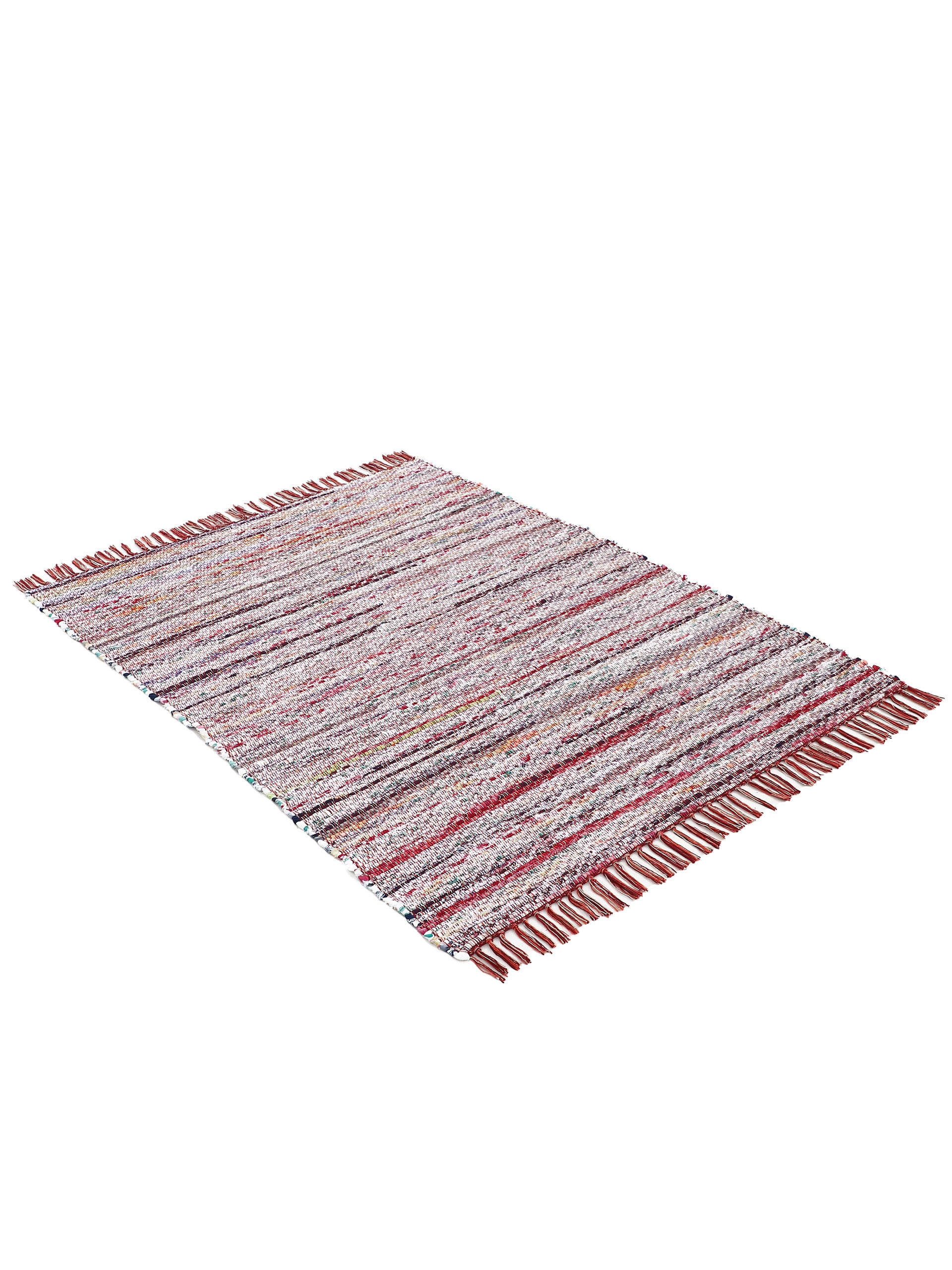
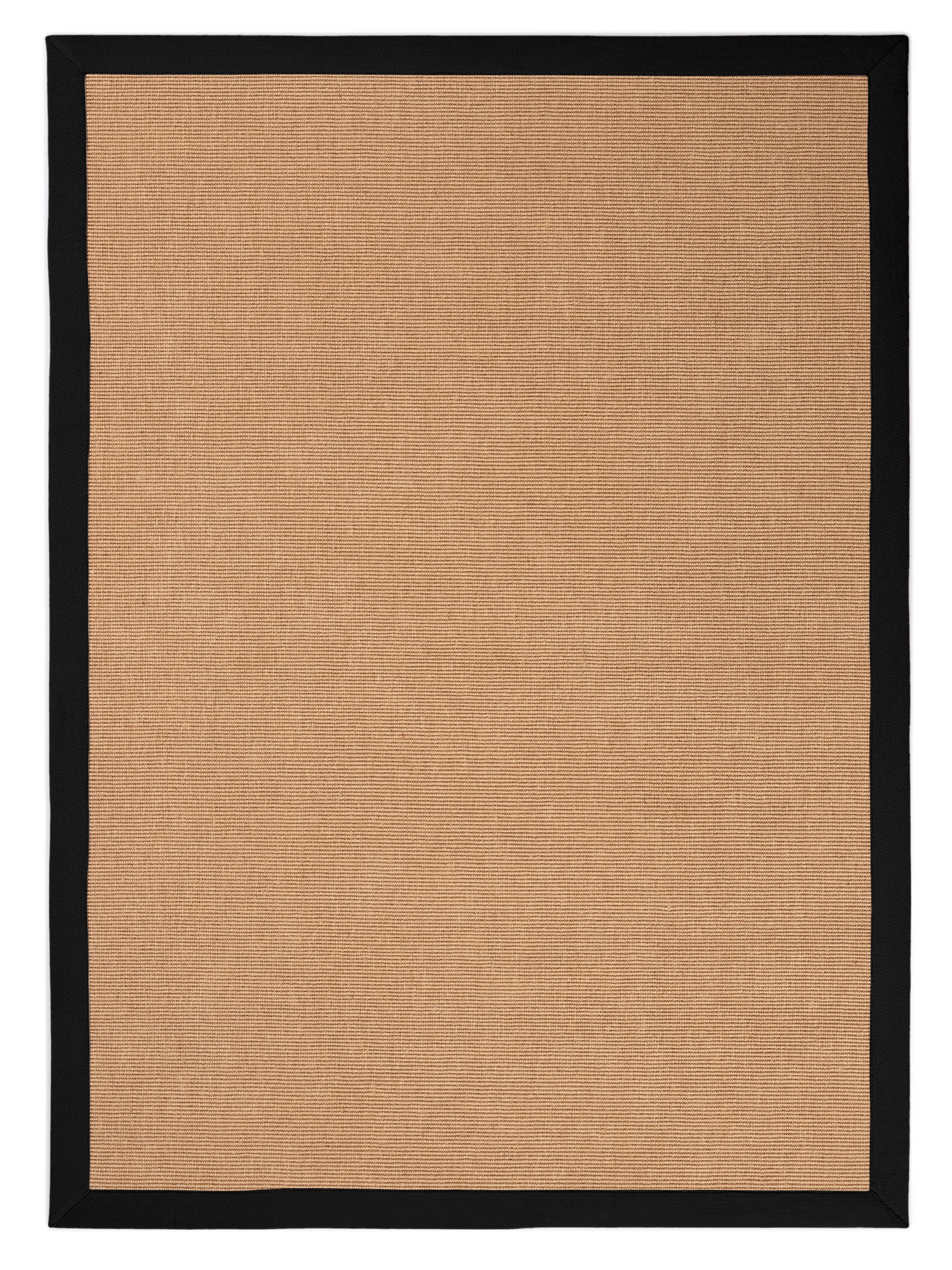
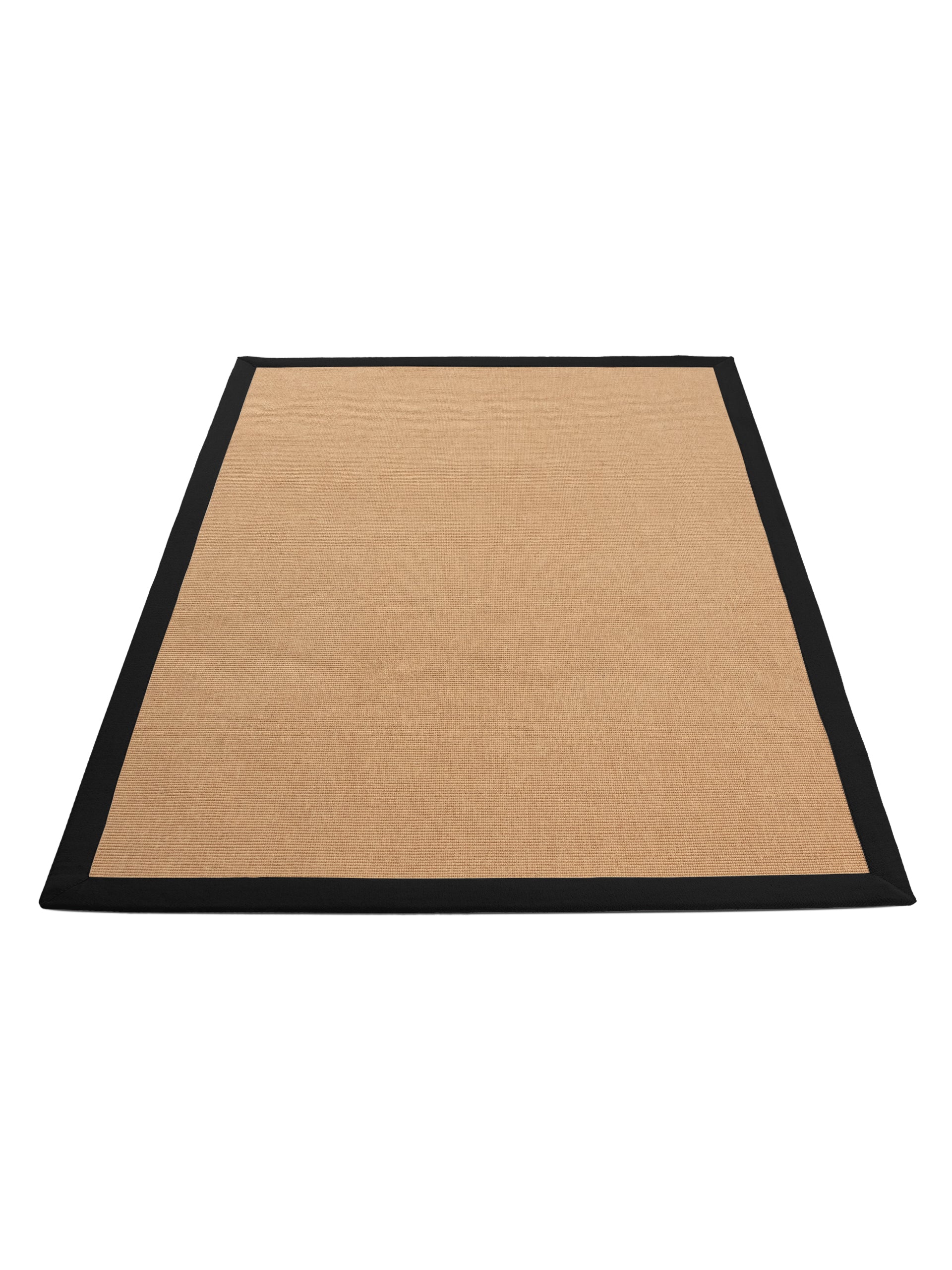
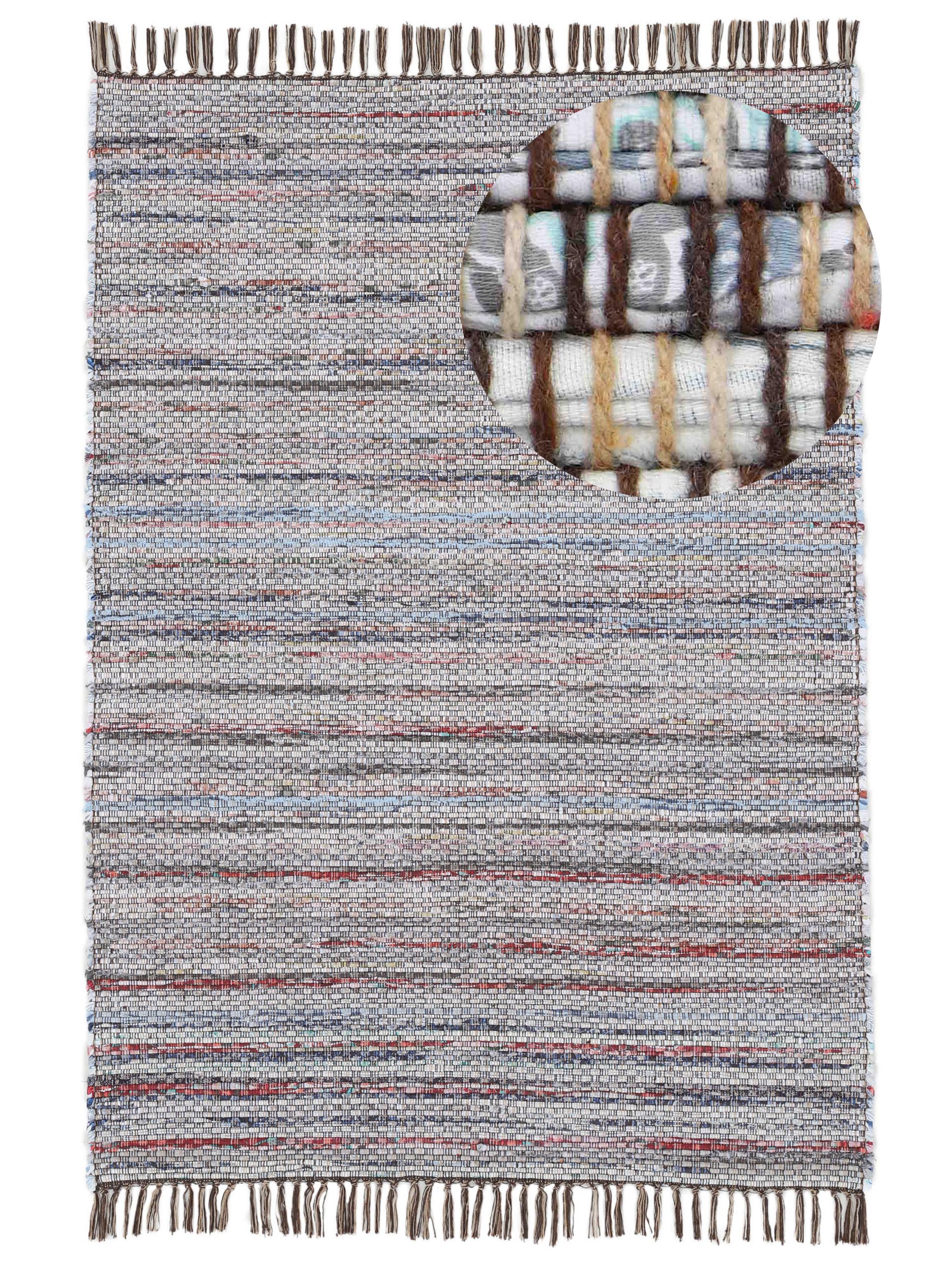
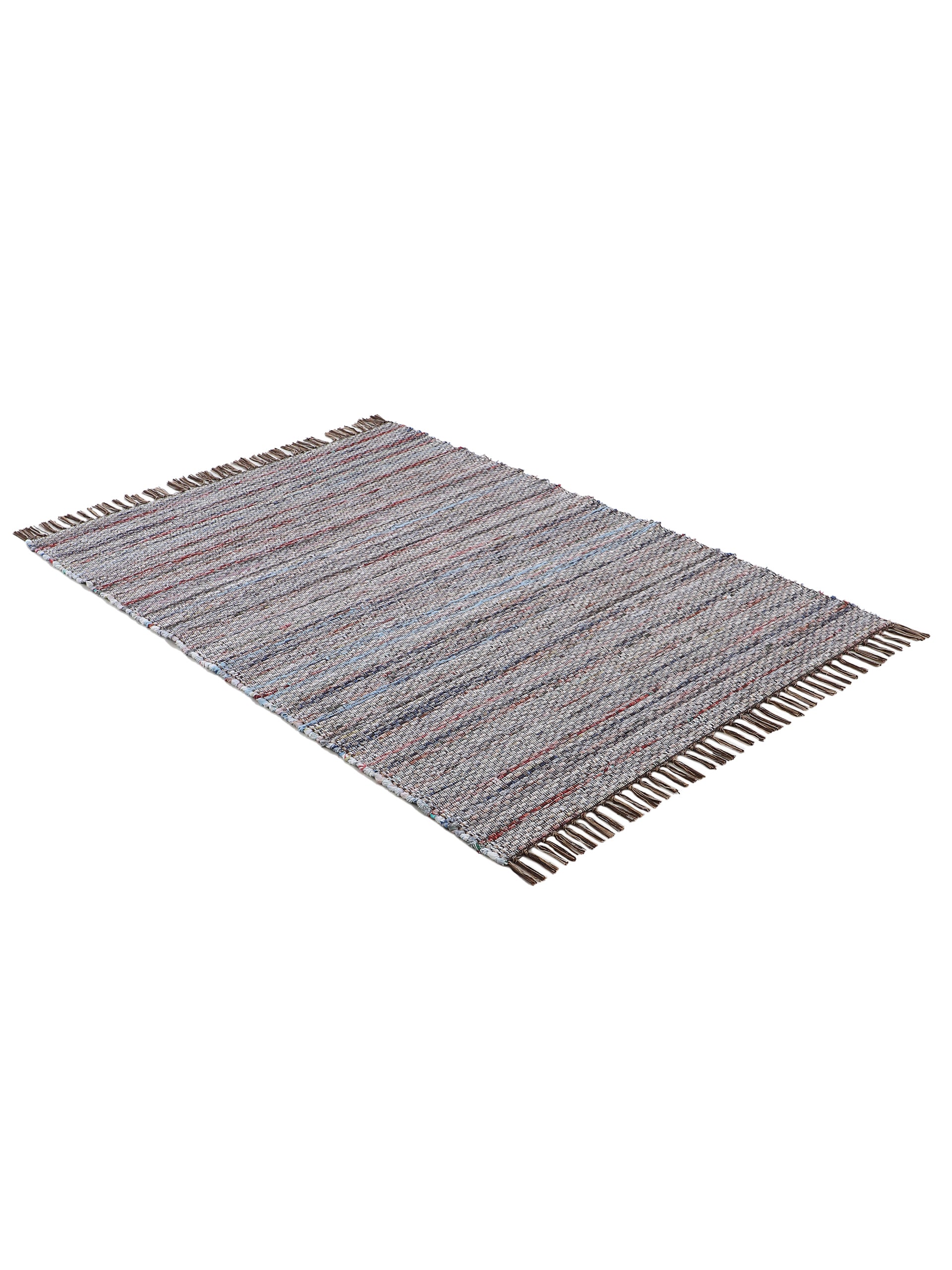
The space in front of the sofa decides how cosy a living room feels. A rug pulls sofa and coffee table together into one island and makes a cool floor warmer underfoot.
Several hundred designs belong to this selection, from small bedside sizes up to 300 x 400 cm, in rectangular, round, square or oval shapes. Synthetic fibre and wool make up the largest share. Jute and cotton follow. Viscose is rarer.
So where do you start? With the sofa, because its width sets the size. Then comes the feel underfoot, and only after that the colour.
How Big Should a Living Room Rug Be?
Wider than the sofa. Allow 20 to 30 cm extra on each side, and make sure at least the front sofa feet stand on it. A rug that is too small looks lost. A few rules of thumb follow from that.
A two-seater up to 180 cm suits a 160 x 230 cm rug. That size also works when the room is small and you want floor to show all round.
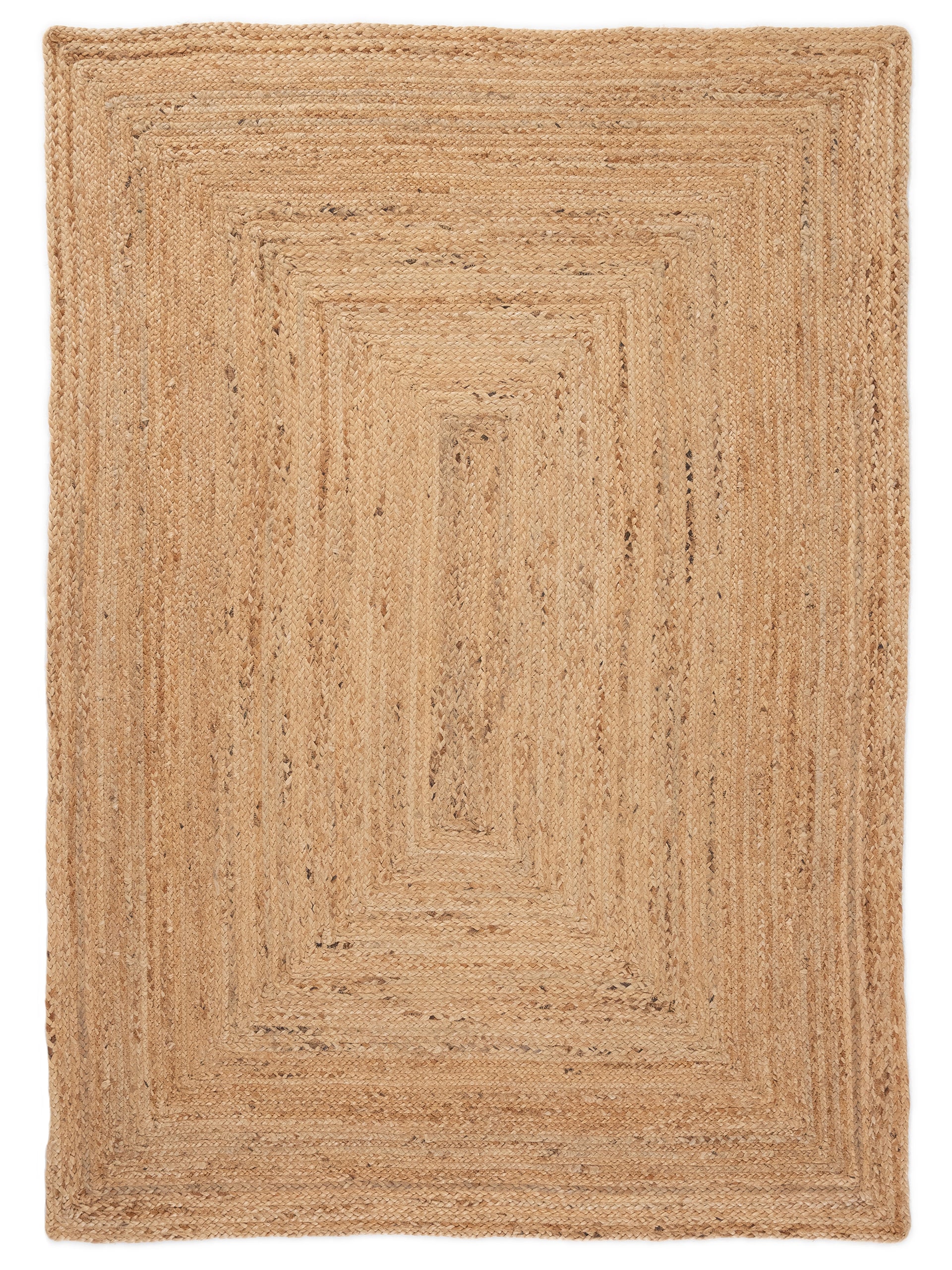
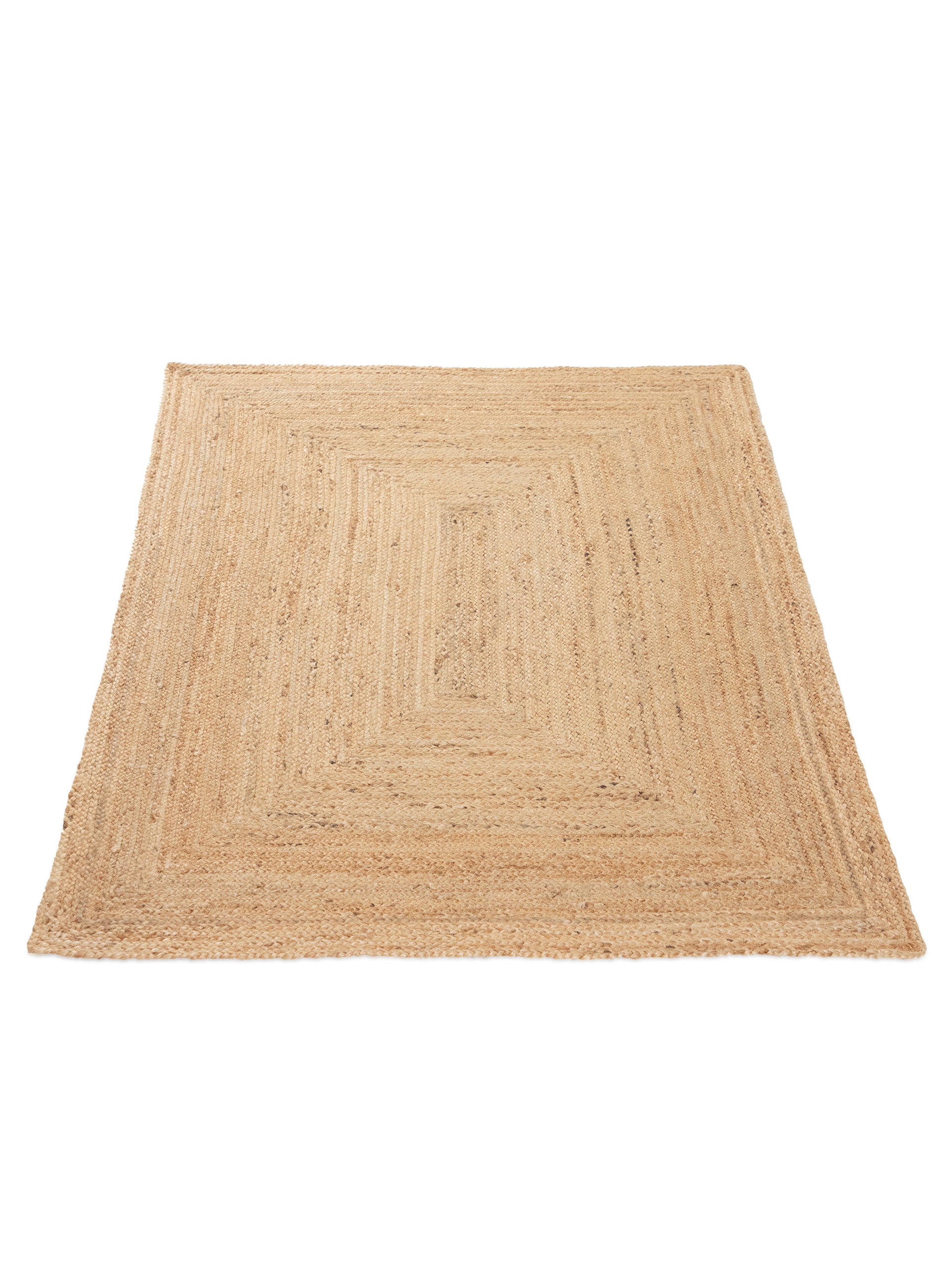
Three-seater up to about 2.40 m? Then the classic comes into play. A living room rug in 200 x 300 cm carries the sofa and coffee table, and often an armchair too. Many designs measure 200 x 290 cm here, a difference you will hardly notice. Every design in this size is on the 200 x 300 cm rug page.
And the corner sofa? Large rugs for the living room in 240 x 340 cm or 300 x 400 cm take in the whole seating corner, so measure carefully before choosing one of these extra large rugs for living room layouts. A reading corner next to the sofa, on the other hand, only needs 120 x 170 cm or a circle of 120 to 160 cm. Not sure? Mark out the area with masking tape before you order. It takes five minutes.
In open-plan layouts, the rug separates the seating area from the dining space. Leave about 60 cm of walkway between its edge and the dining table, because chairs need that much room when they are pulled out and people still want to walk past behind them without stepping over a corner. The table itself has its own dining room rugs, and by an open kitchen a kitchen rug is the better fit.
Material, Colour and Shape
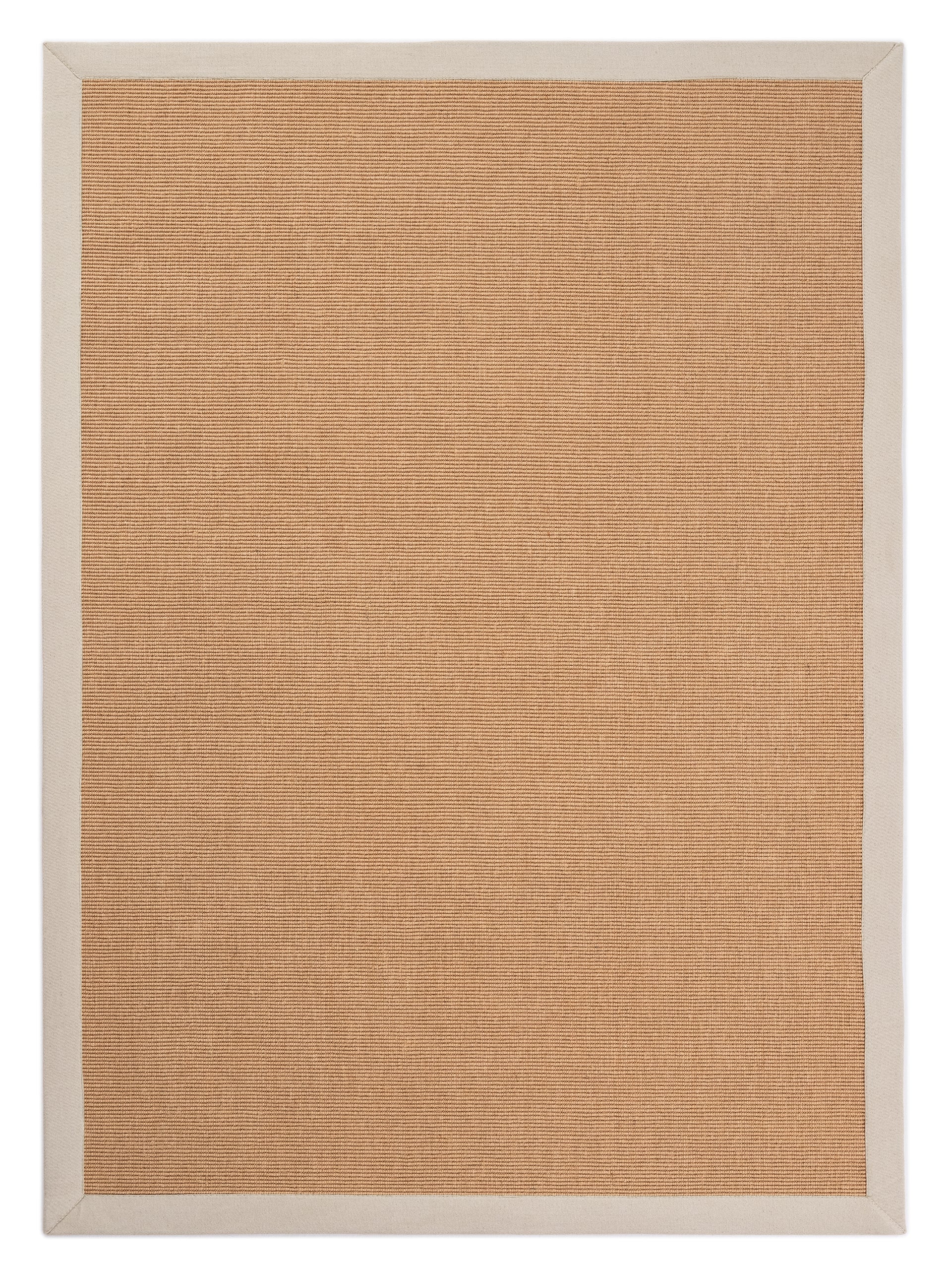
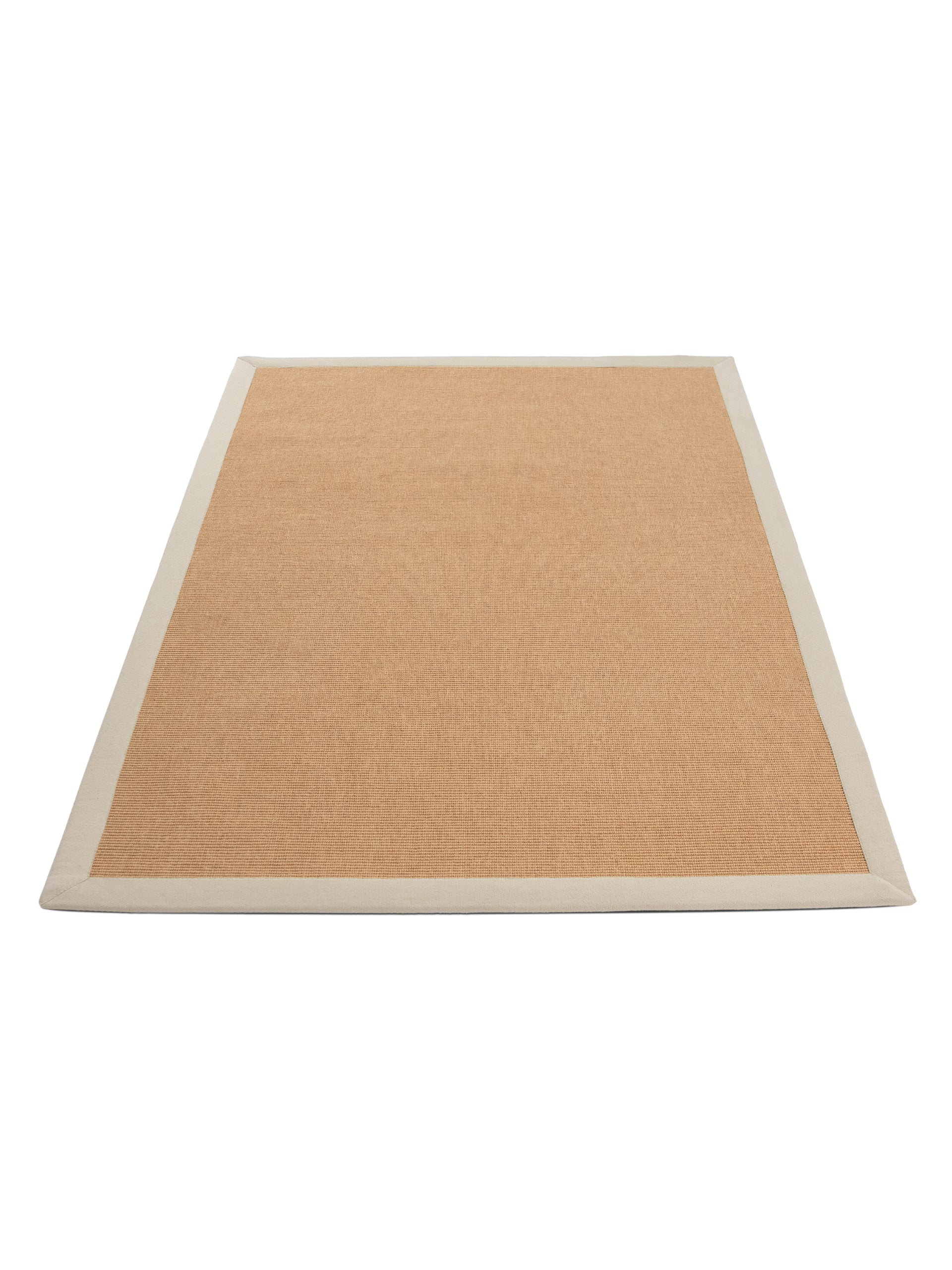
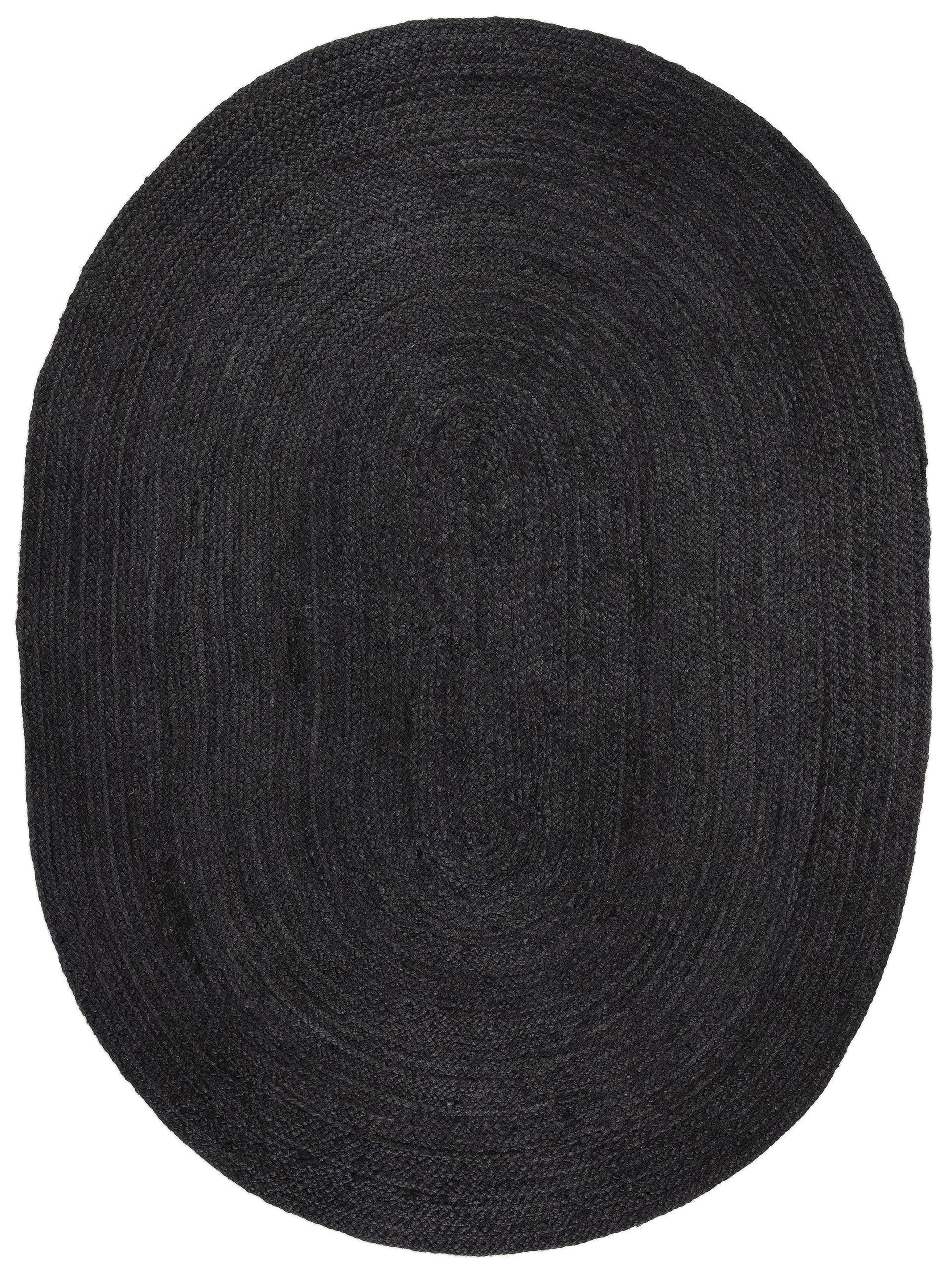
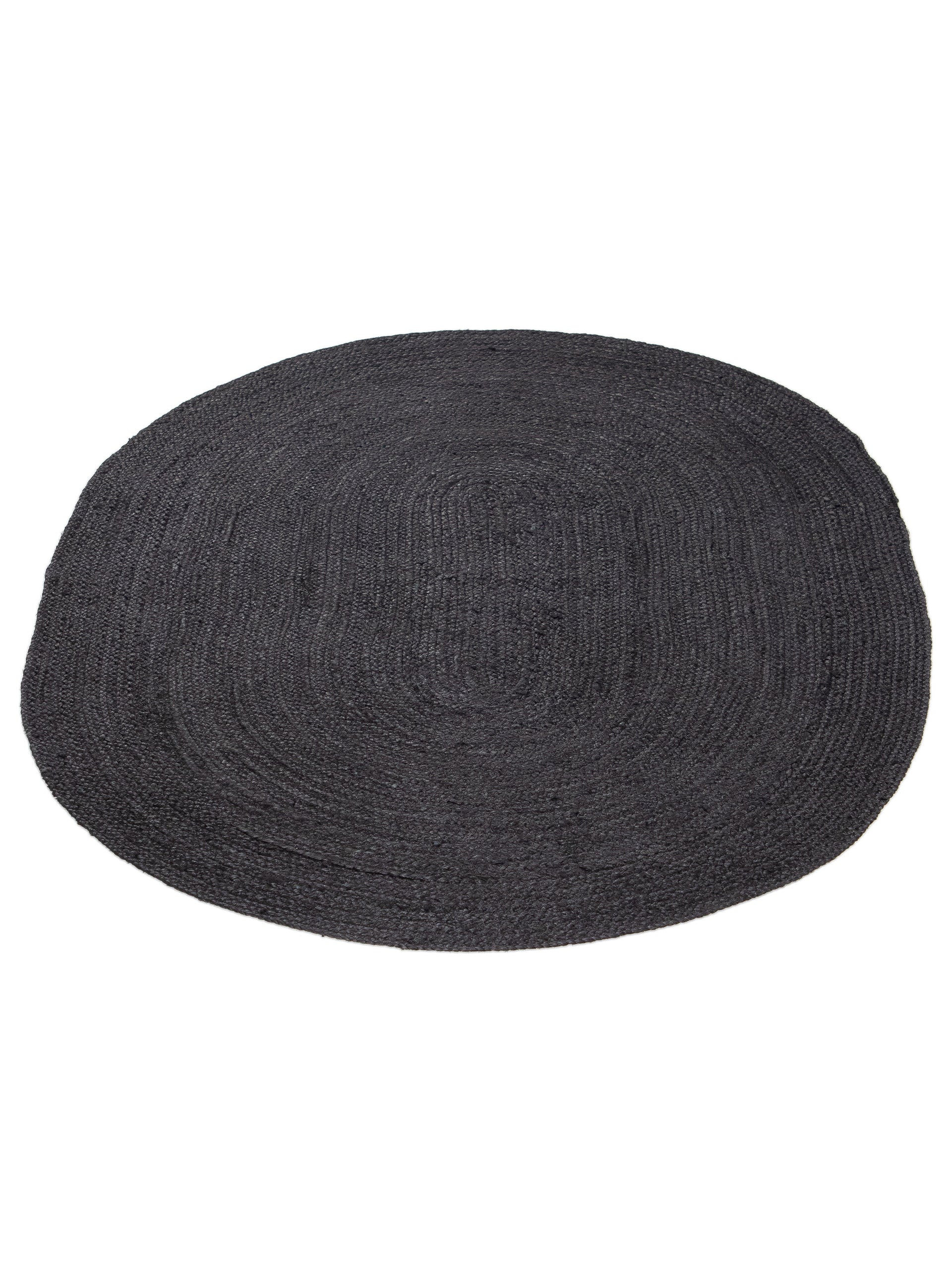
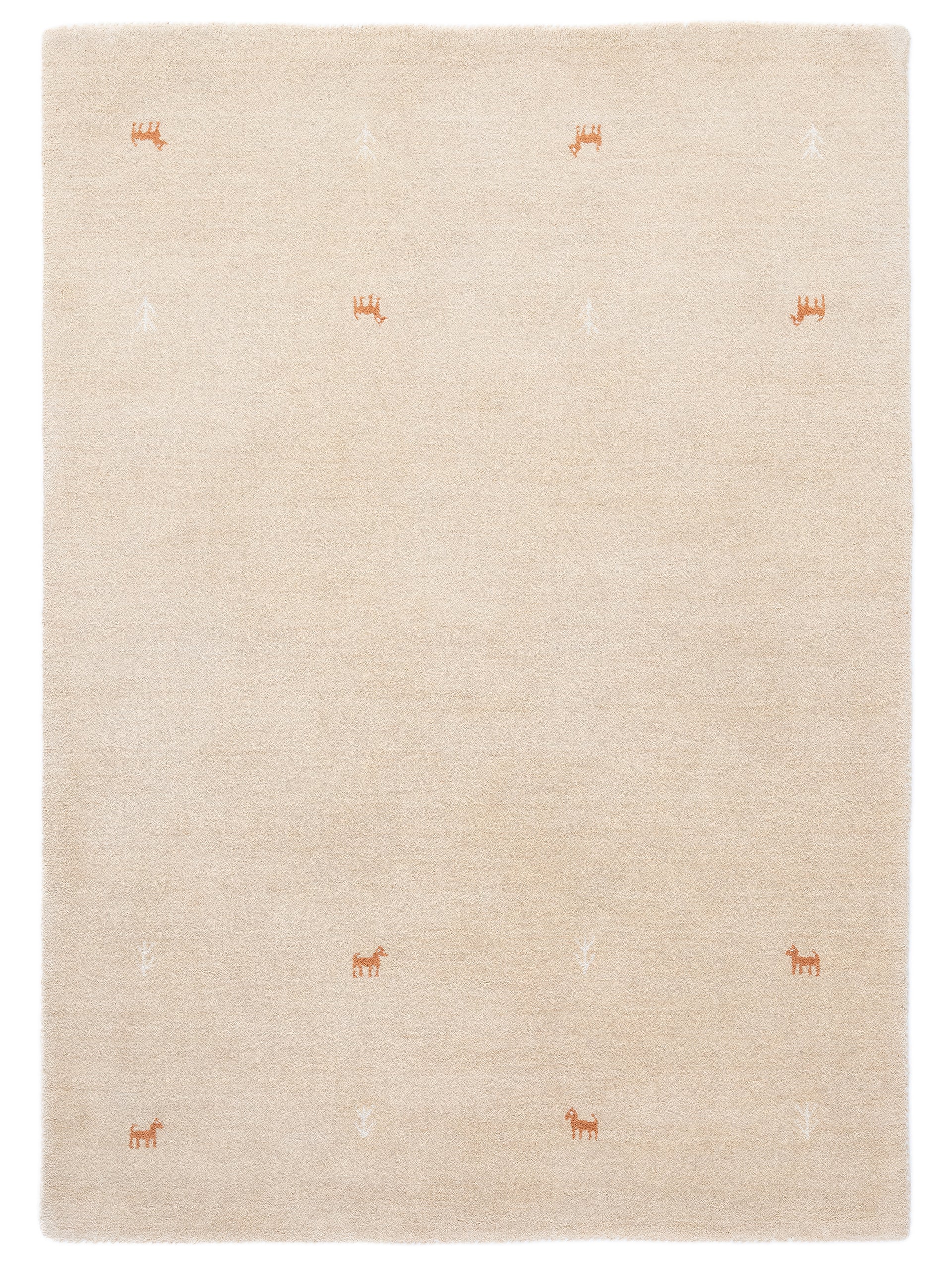
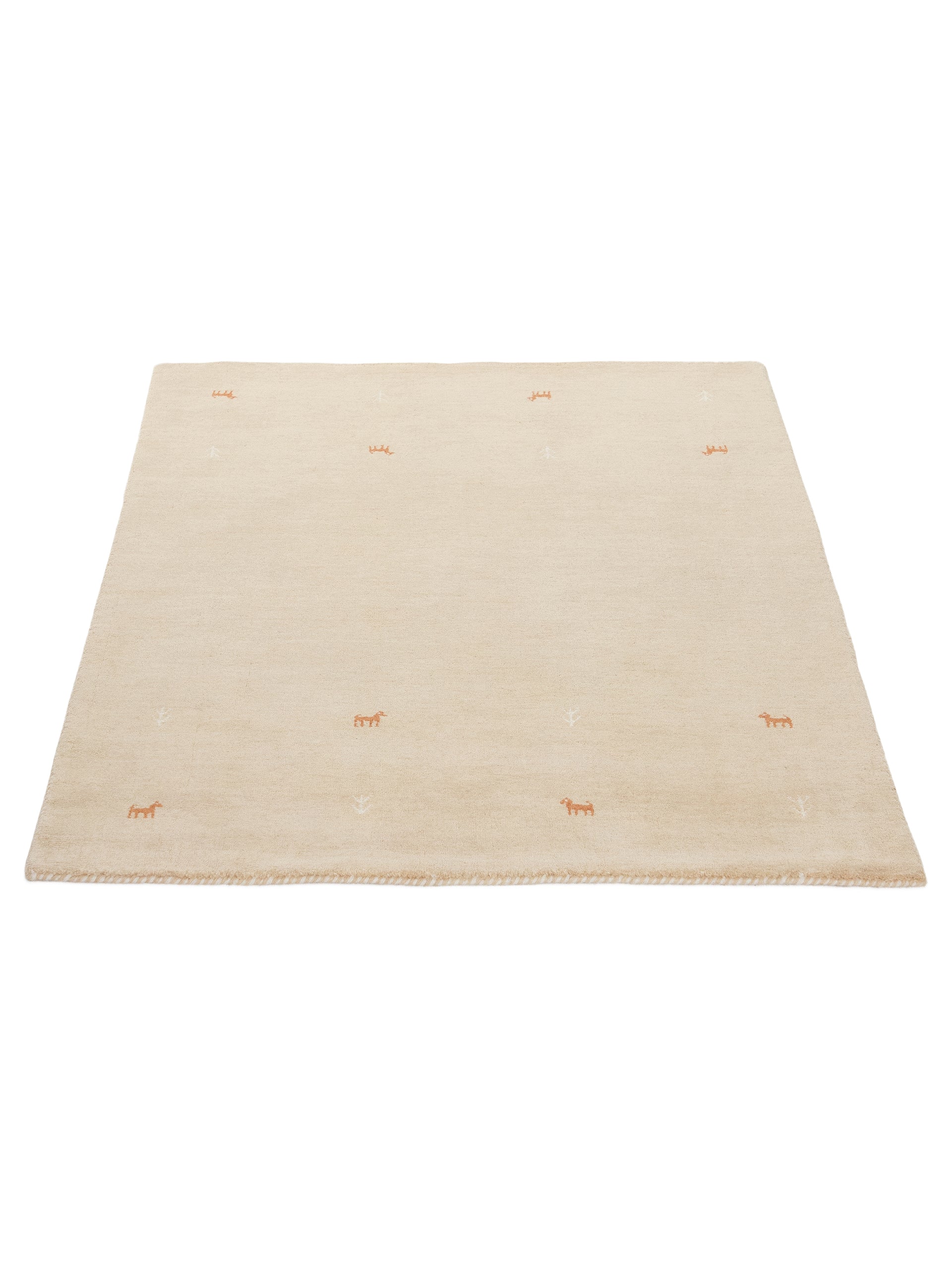
If the rug is a shade lighter or darker than the upholstery, the sofa stands out. Beige is the safe choice, especially with light wood, and plenty of light designs sit in our beige rug range. A sofa in beige or cognac, by contrast, goes well with grey. And black? Strong in bright rooms.
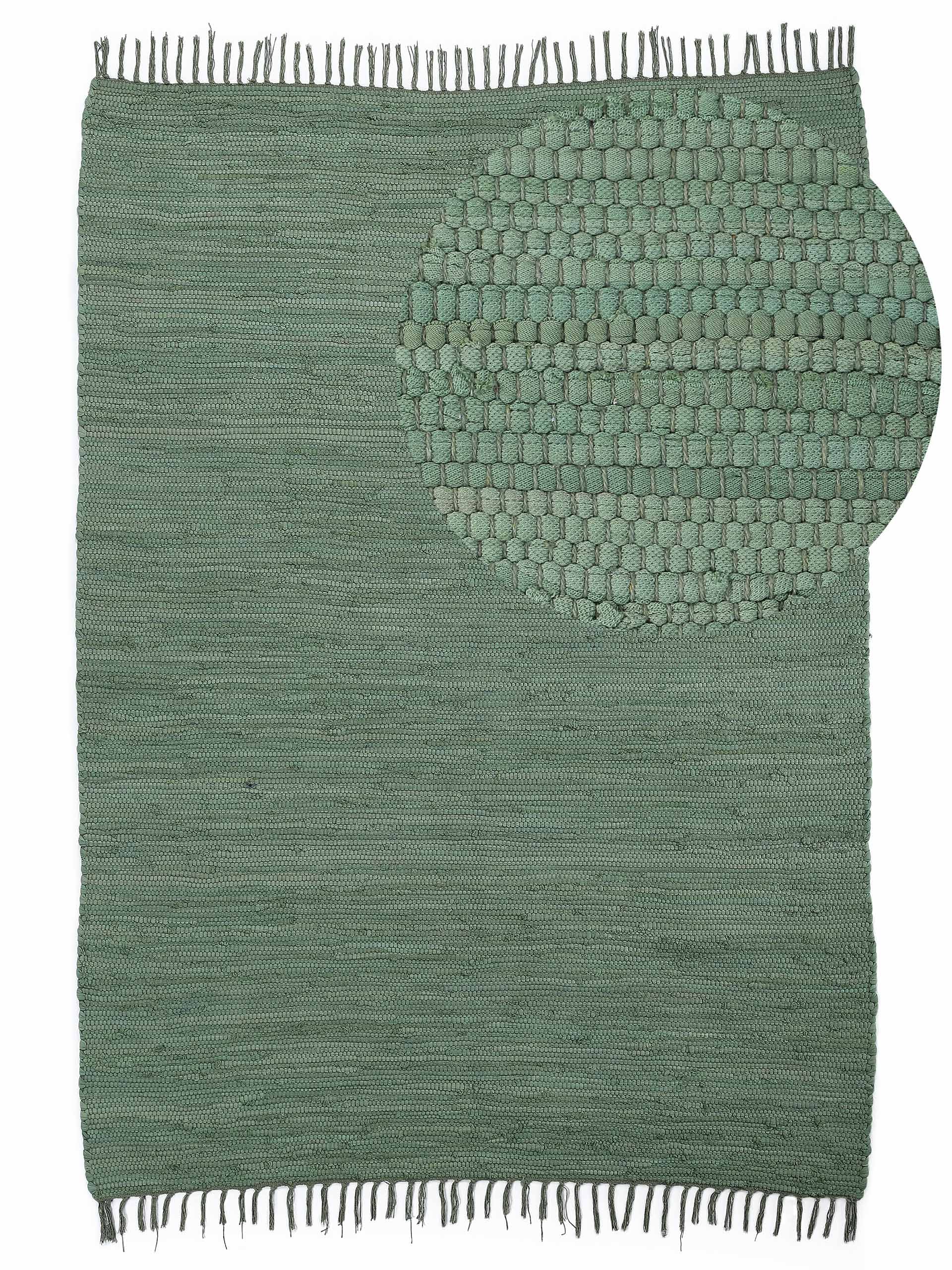
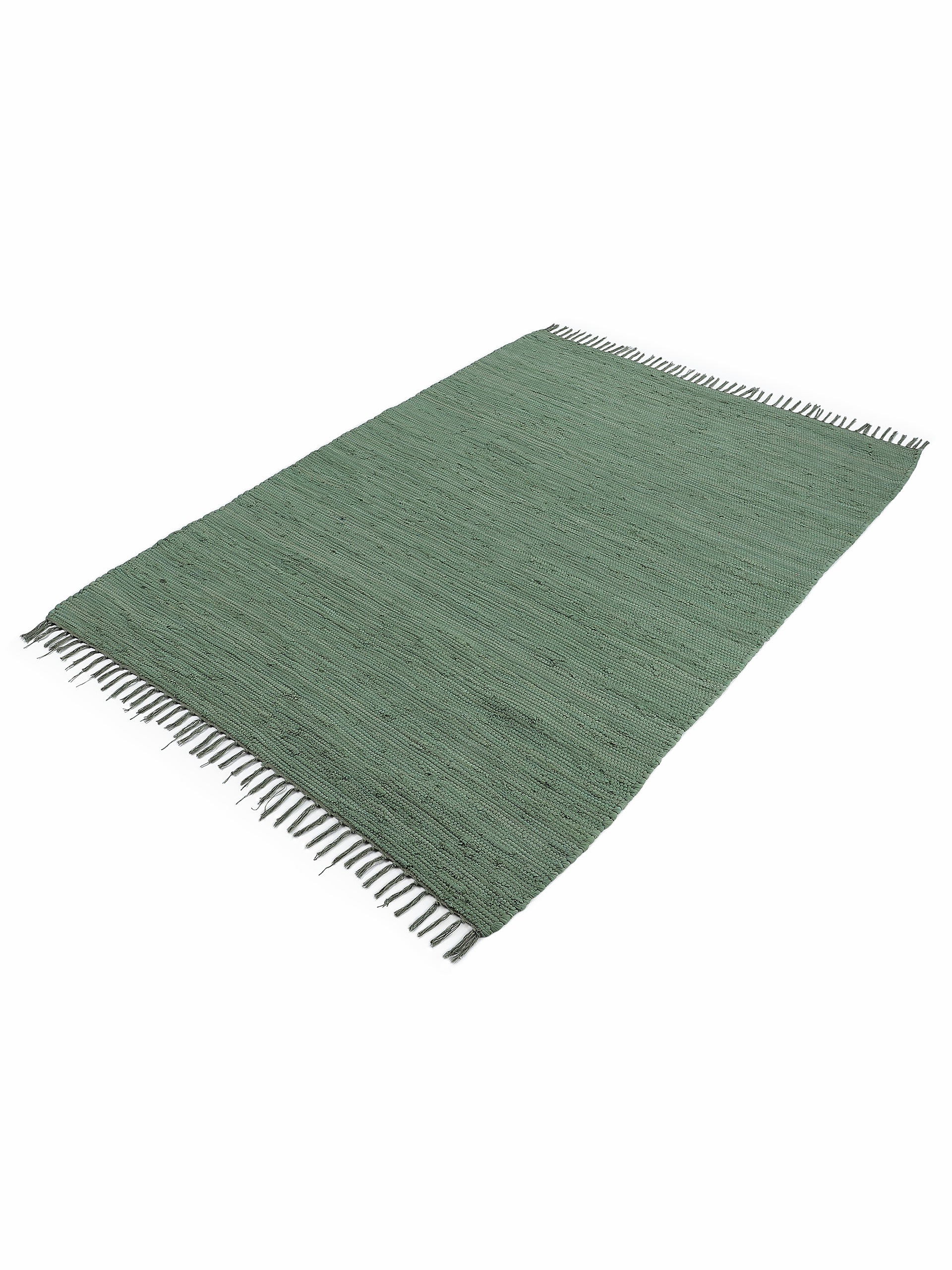
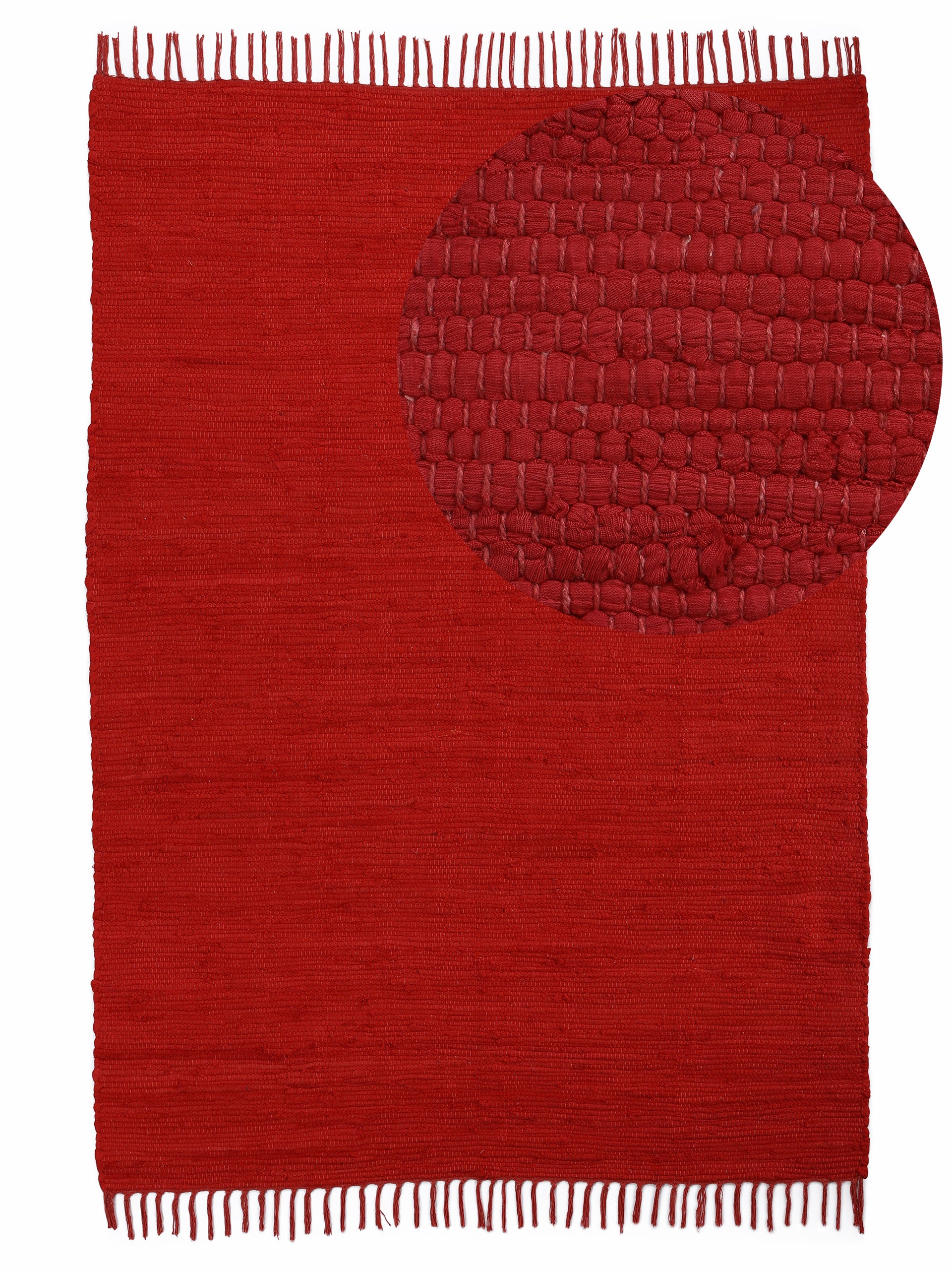
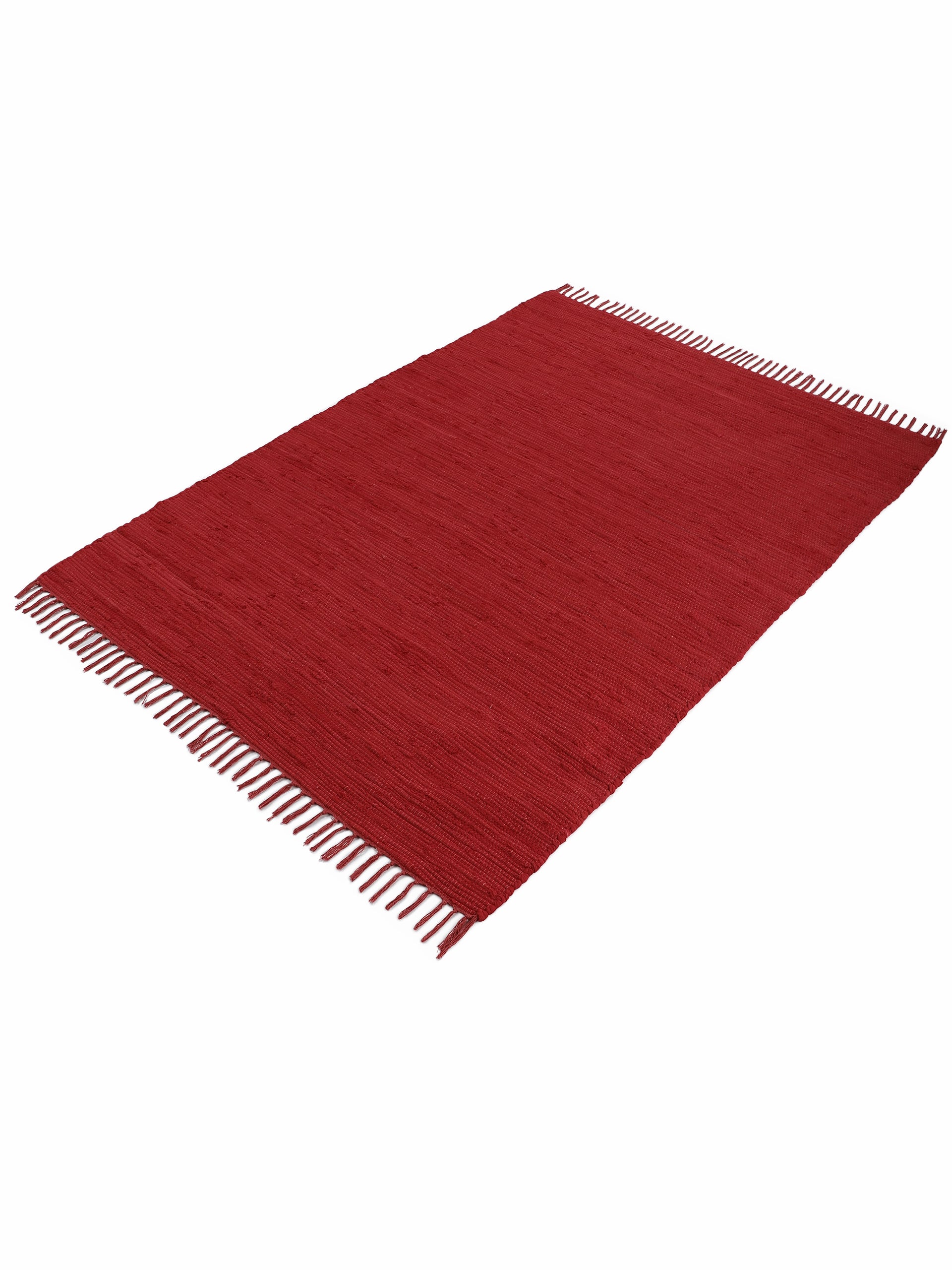
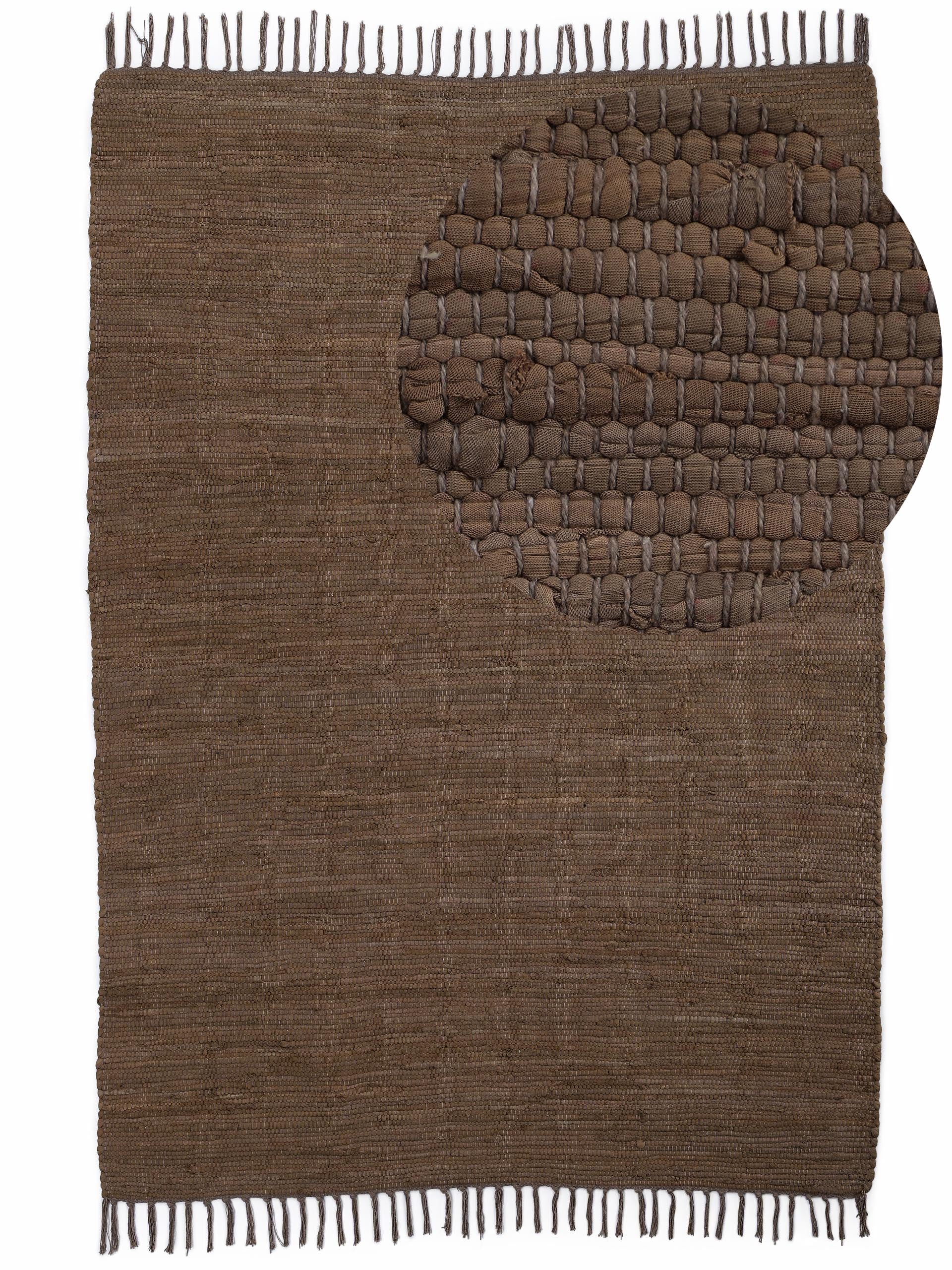
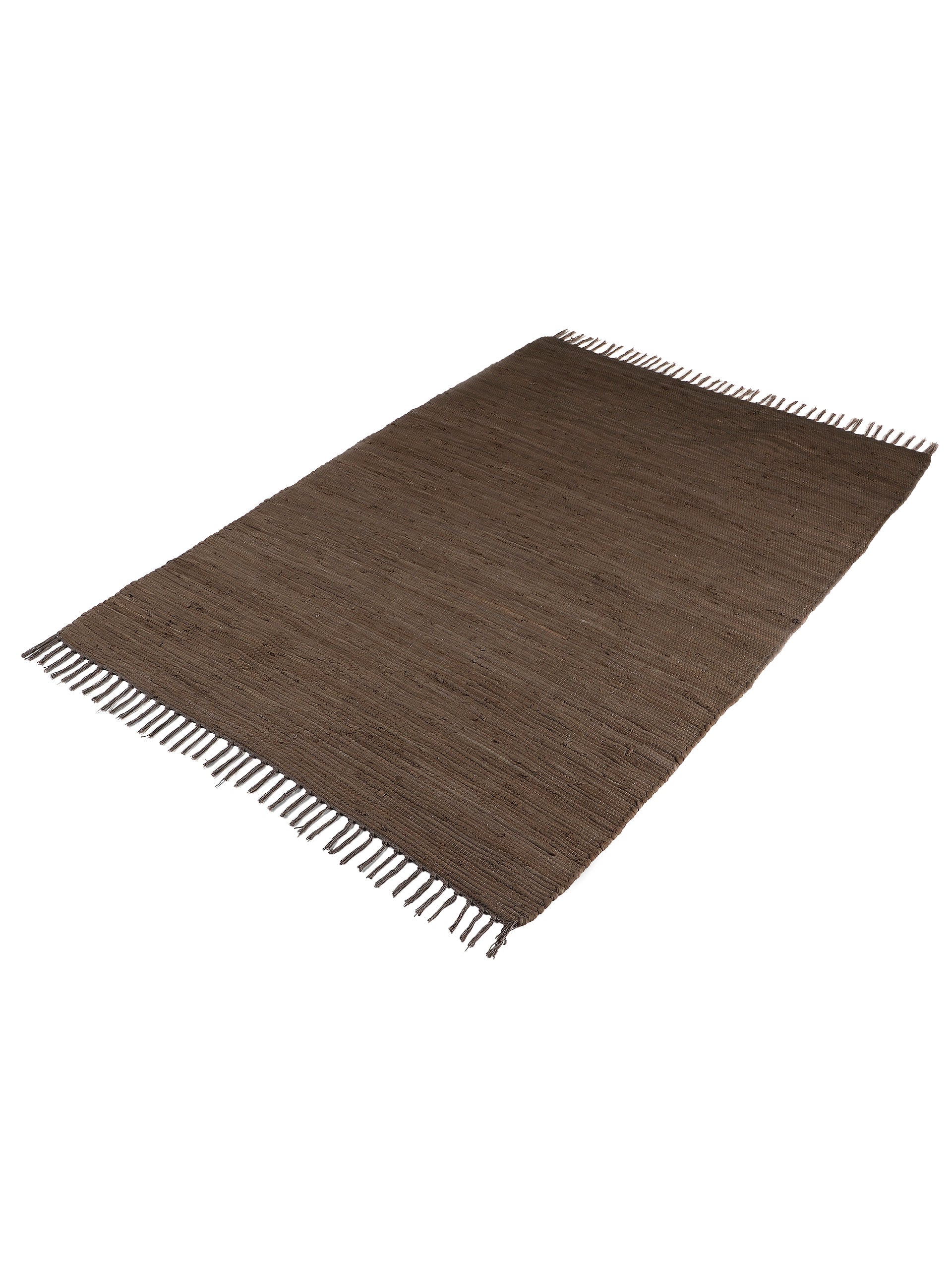
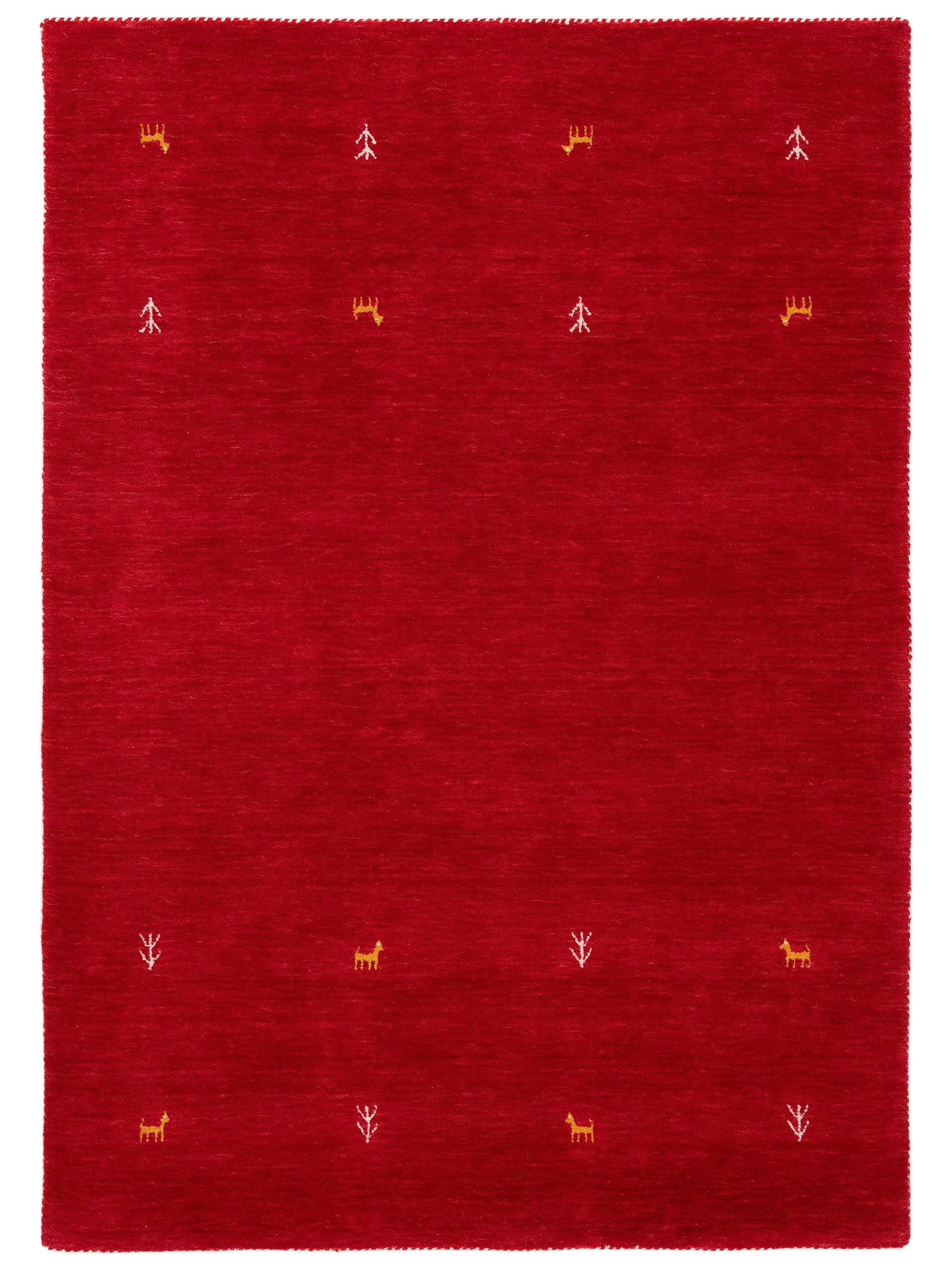
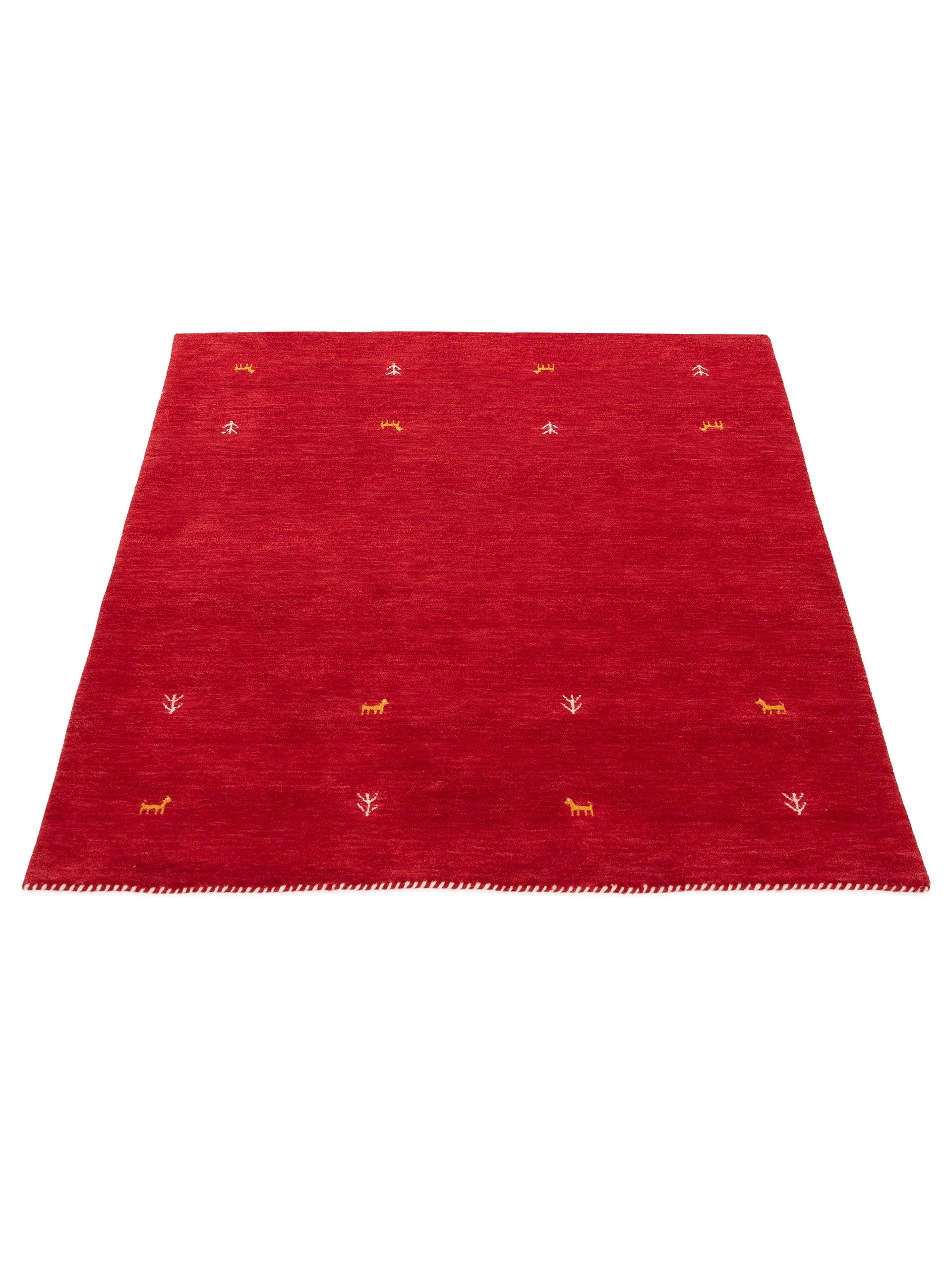
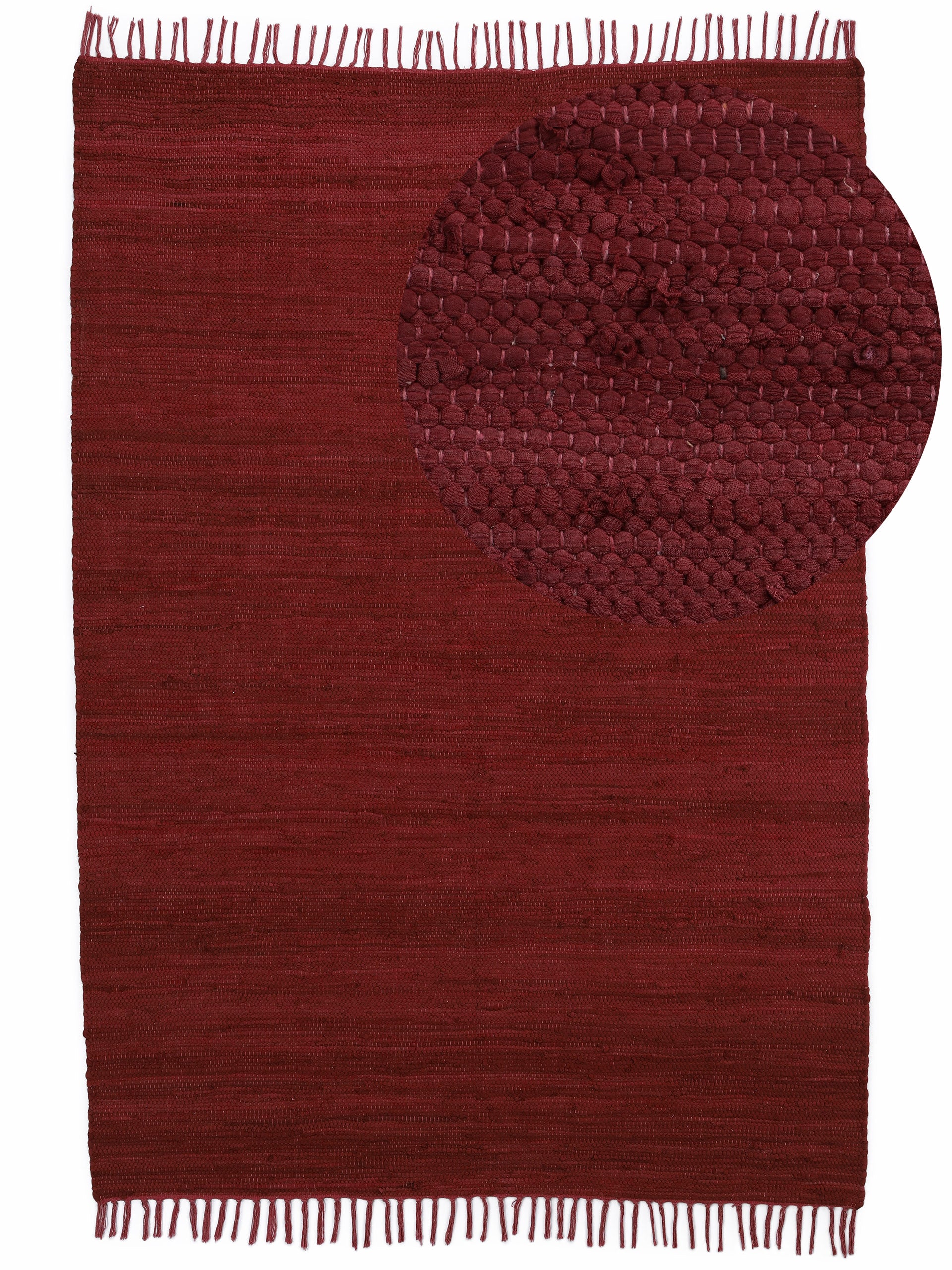
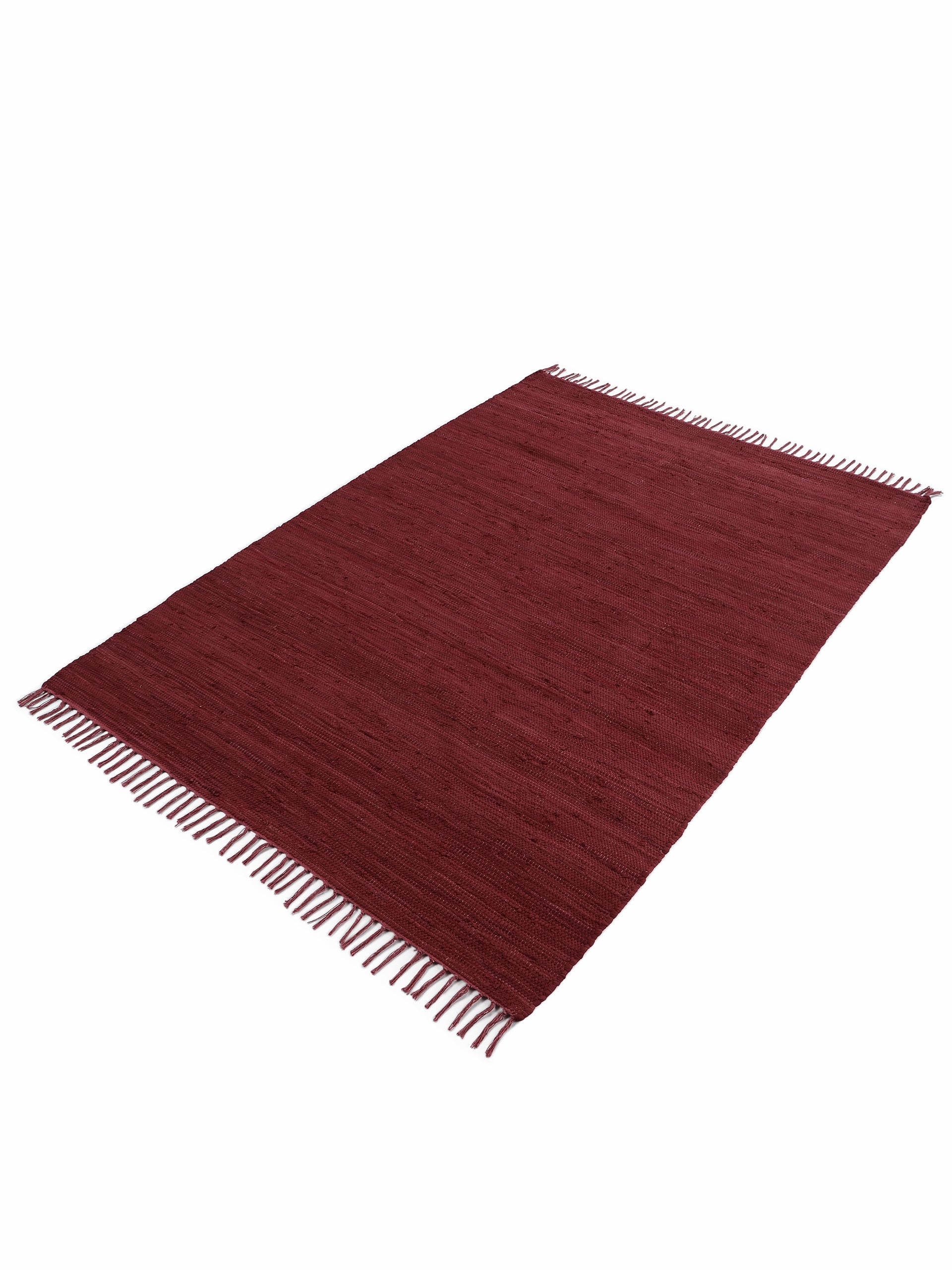
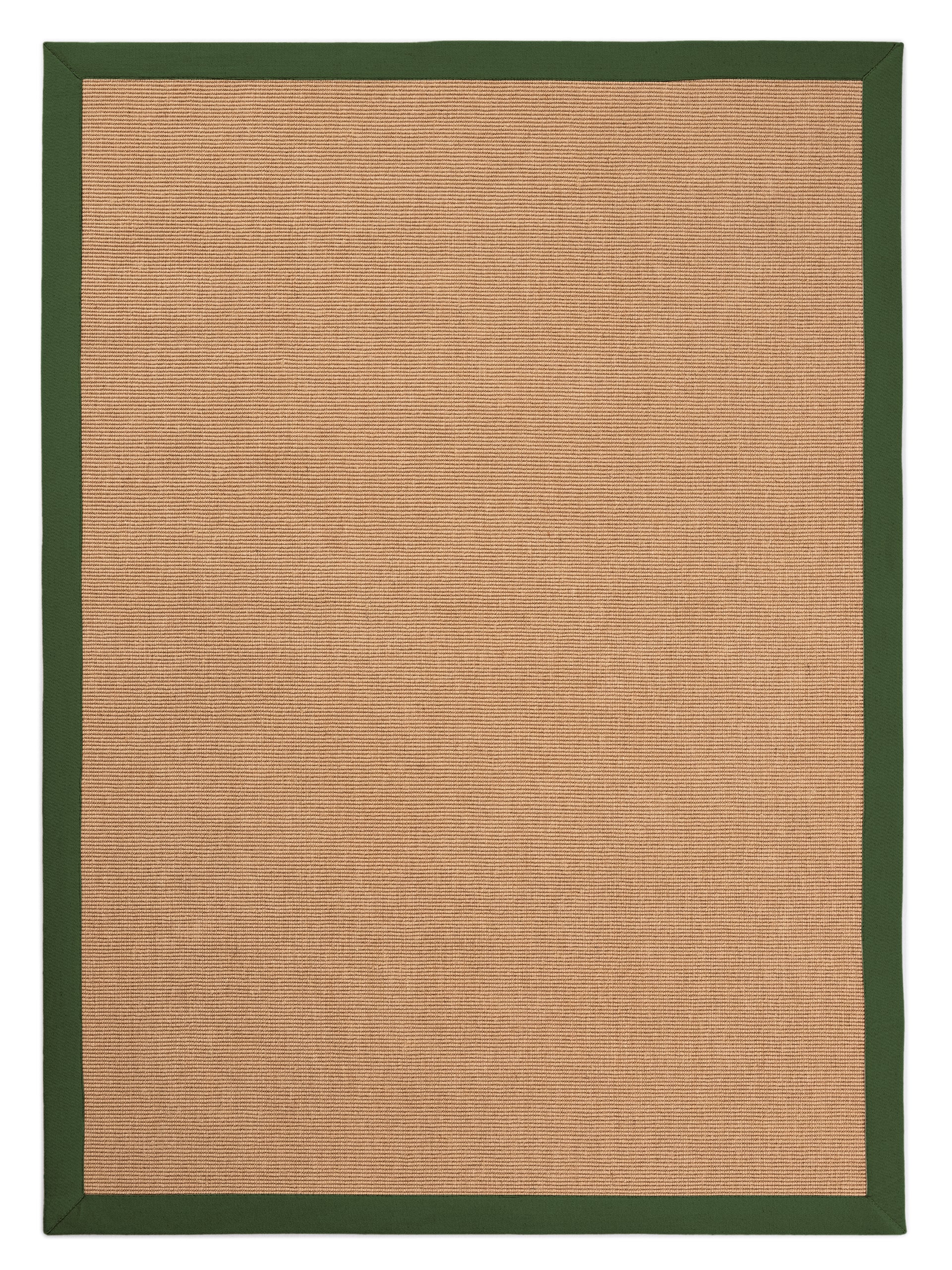
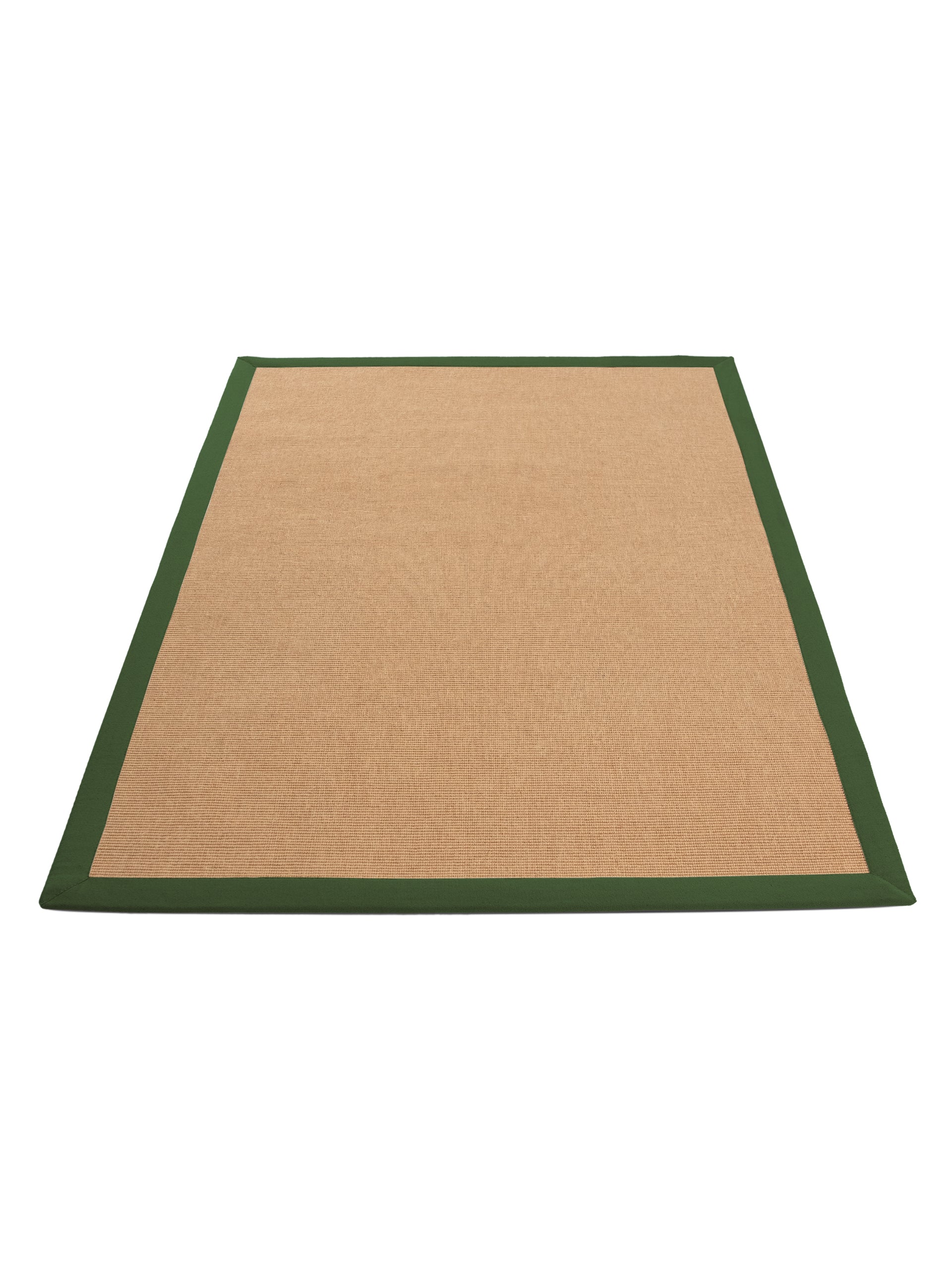
Plain rugs with clean edges look modern. Patterned pieces suit a simple sofa better. Red or green? Both work if the rest stays calm. Lots of plants? Green rugs for the living room bring nature down to the floor. Leather and dark wood call for brown, which picks up both materials and links the sofa naturally with the floor. Hand-knotted oriental designs keep things classic, and their patterns go well with wooden furniture.
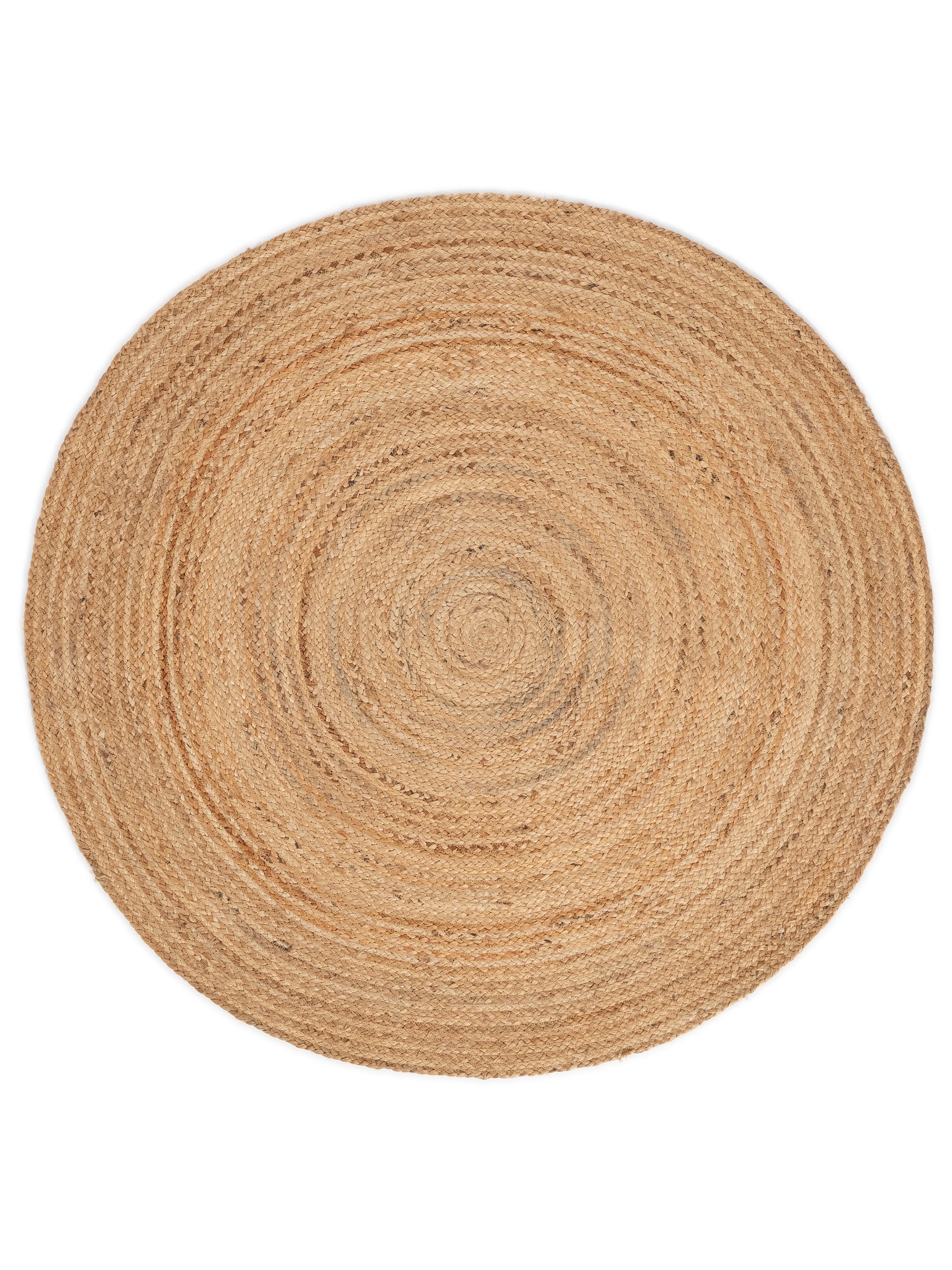
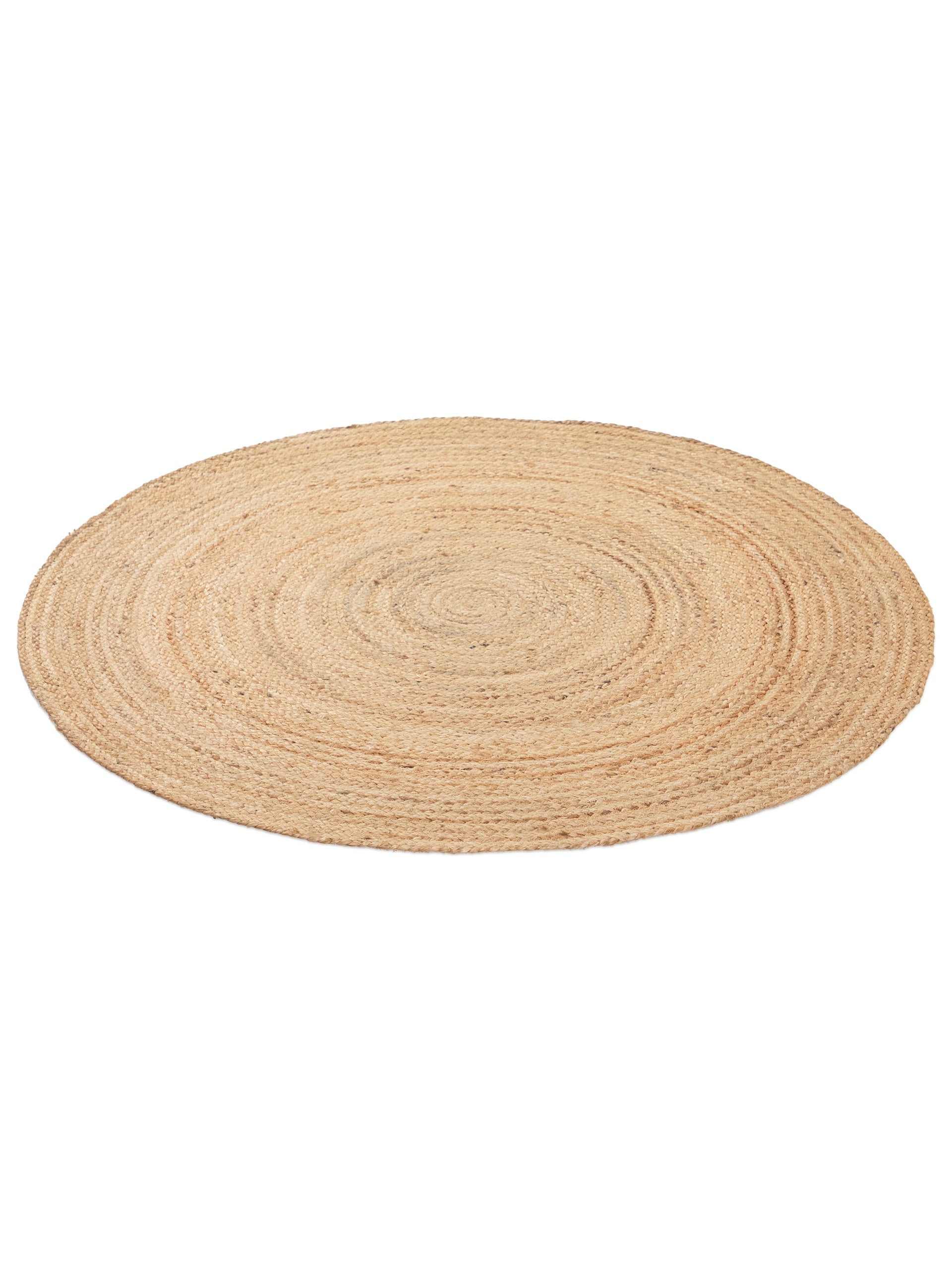
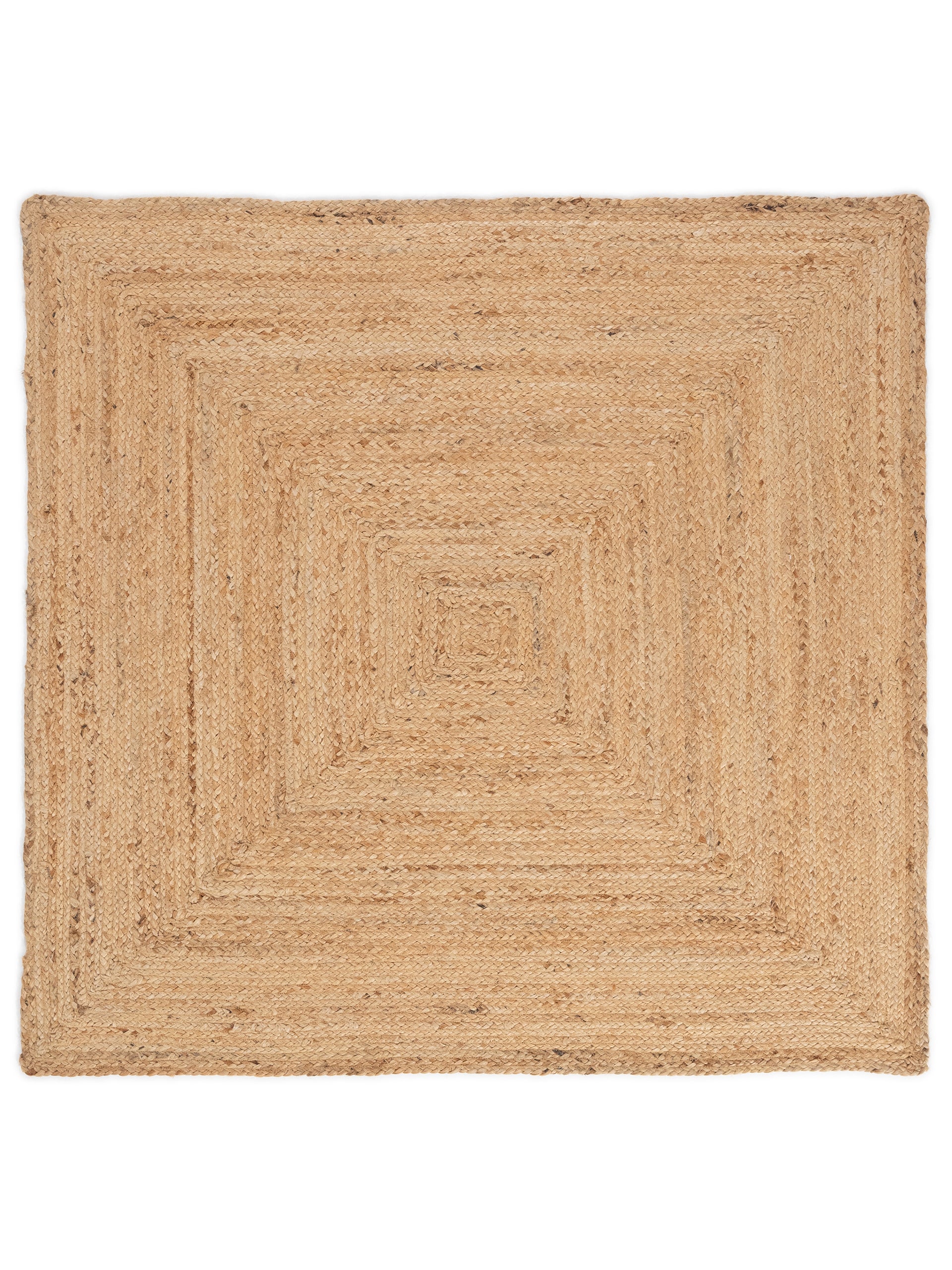
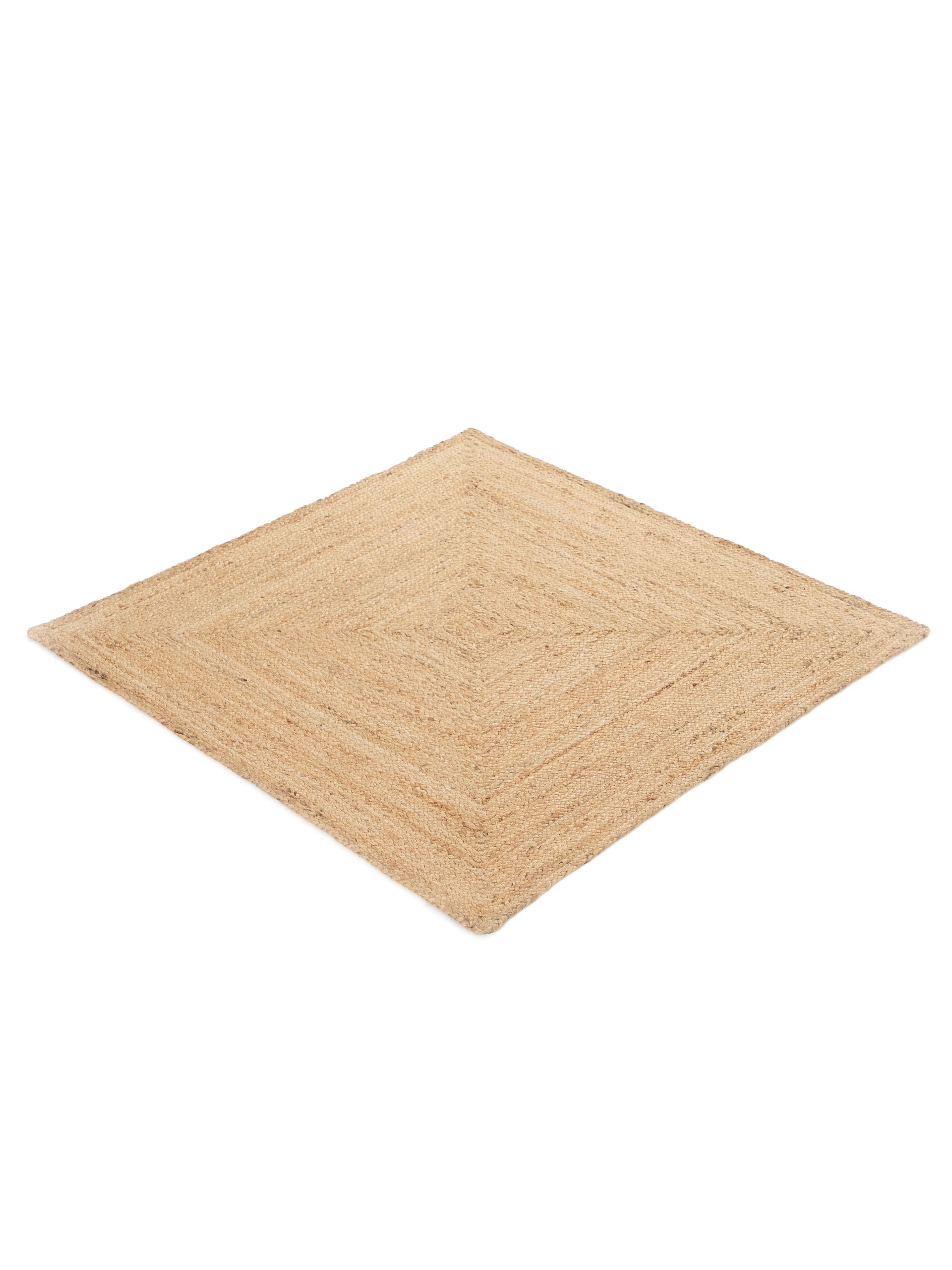
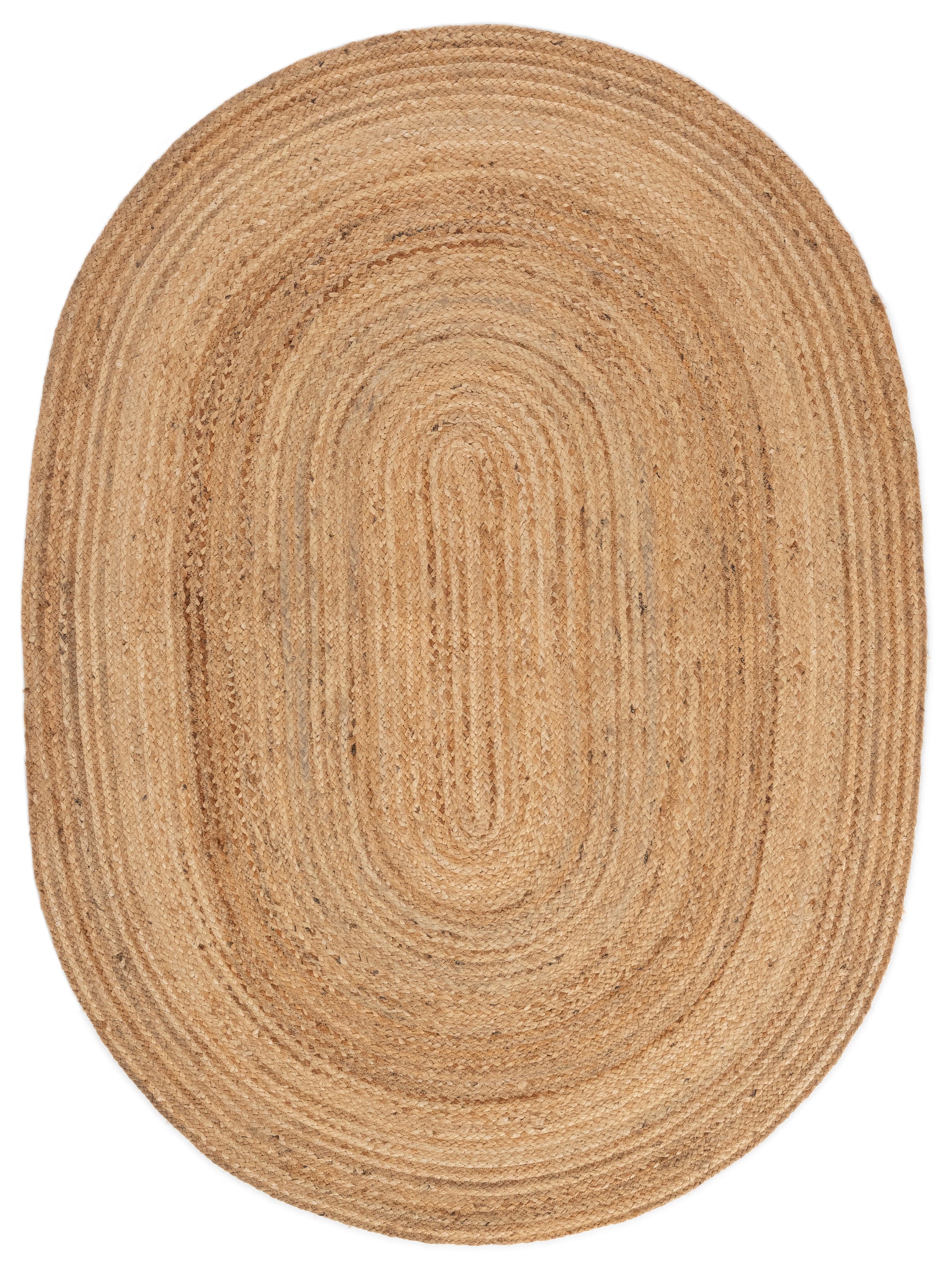
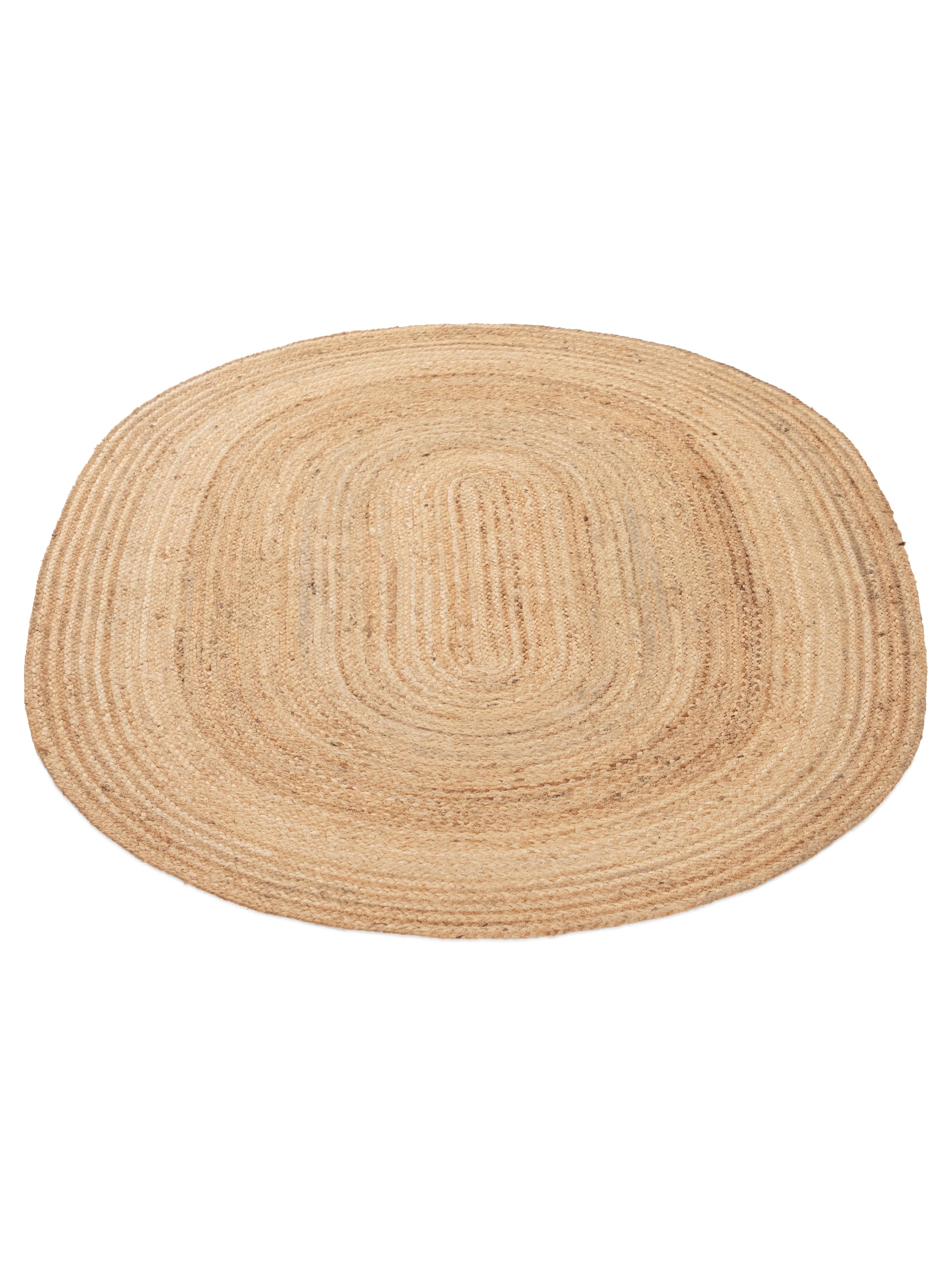
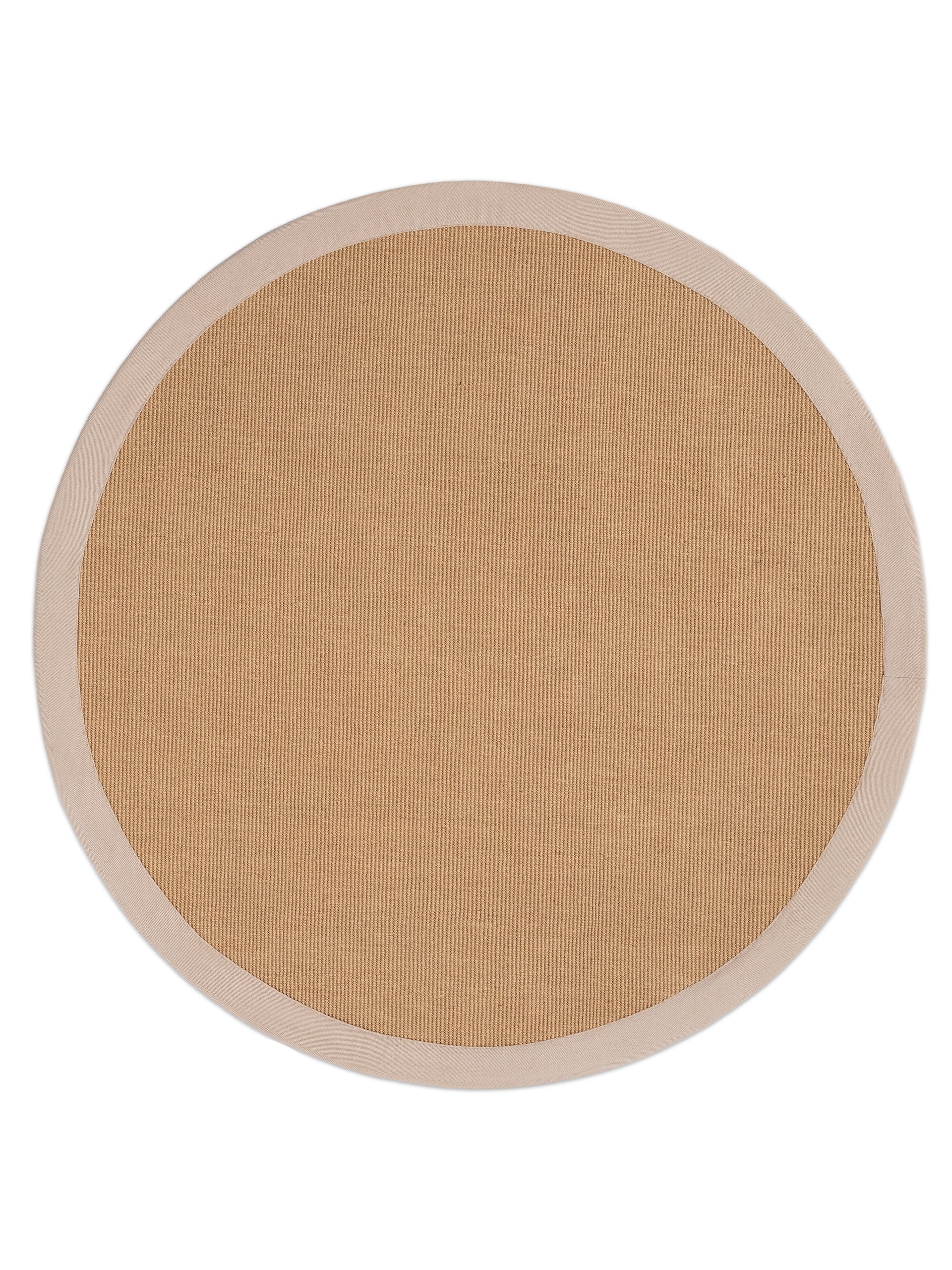
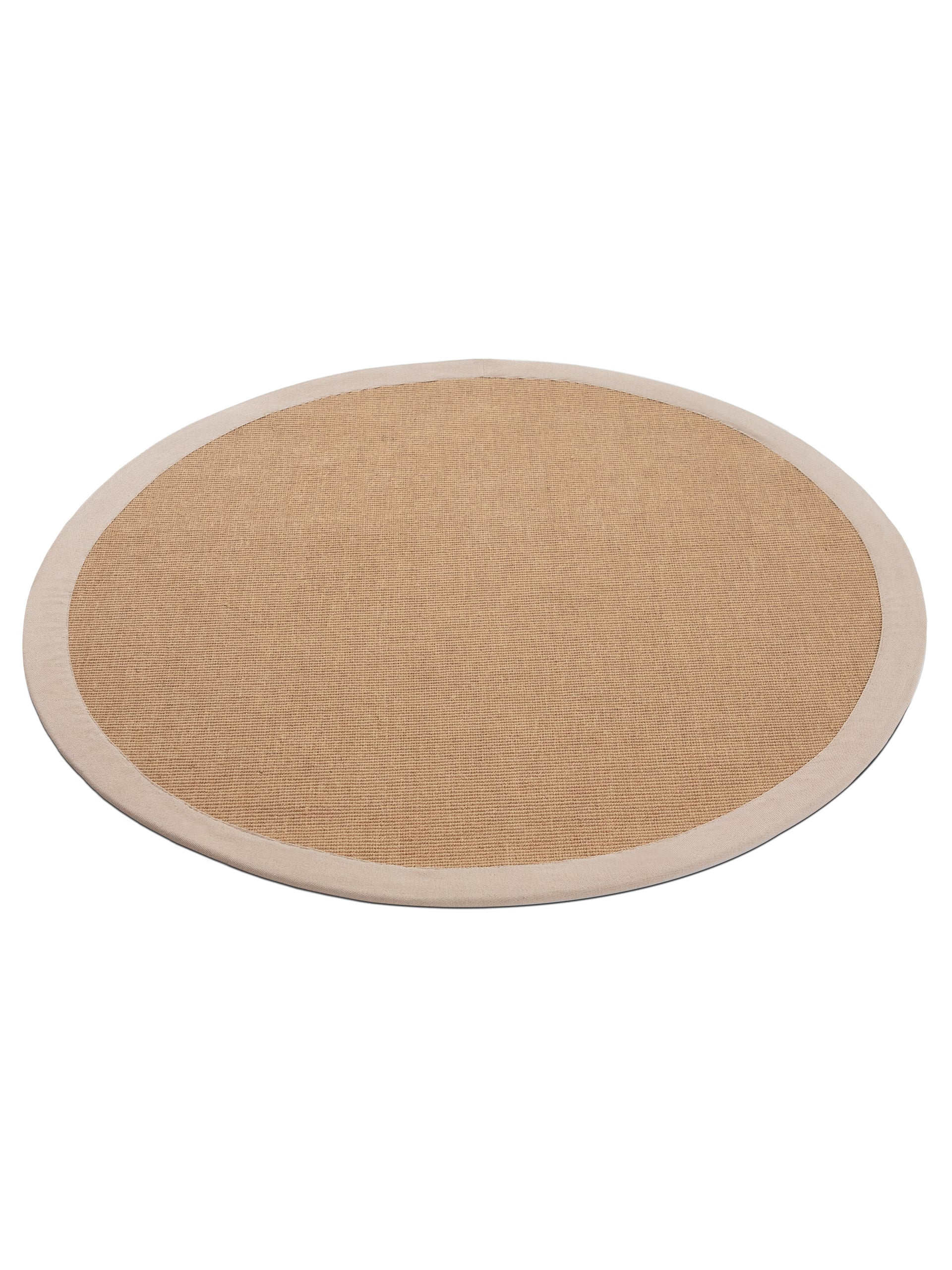
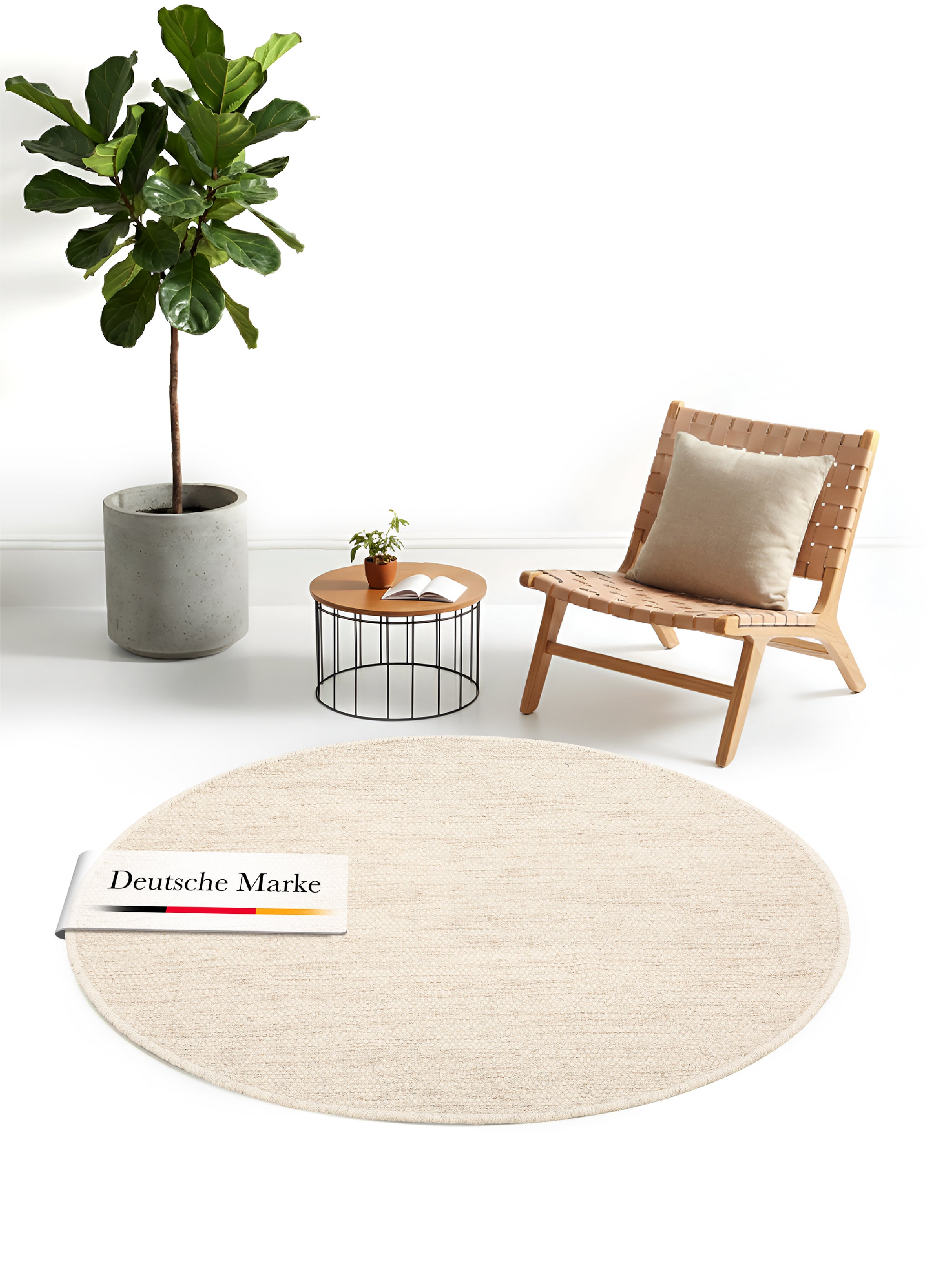
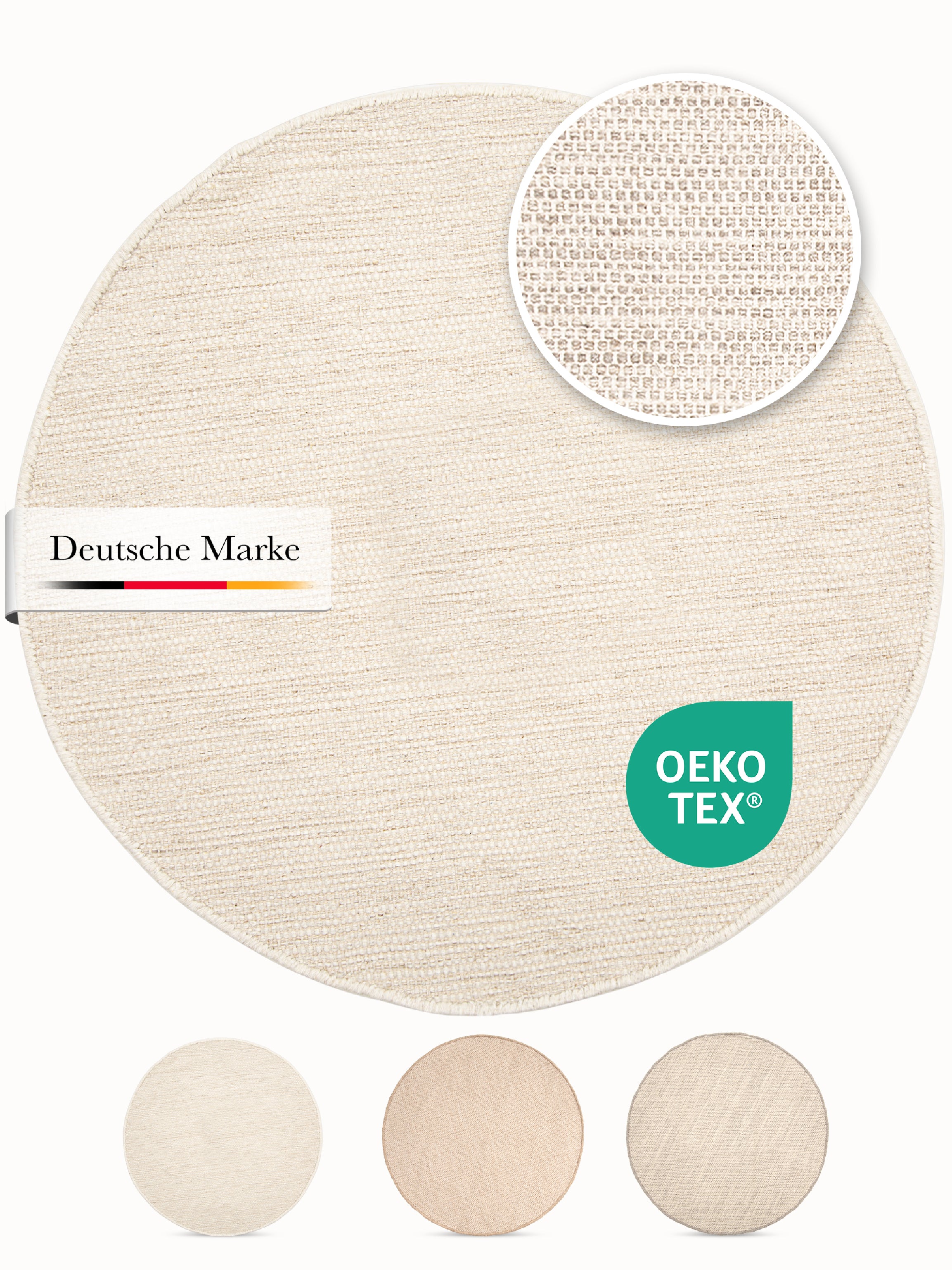
Round lounge rugs break up all the straight lines from the shelves to the window. One sits nicely under a round coffee table or in a reading corner, while square designs suit seating groups with sides of equal length.
How it feels depends on the material and the pile height:
- Wool: handwoven gabbeh styles with a fuller pile. Wool is springy, so marks from the coffee table recover over time.
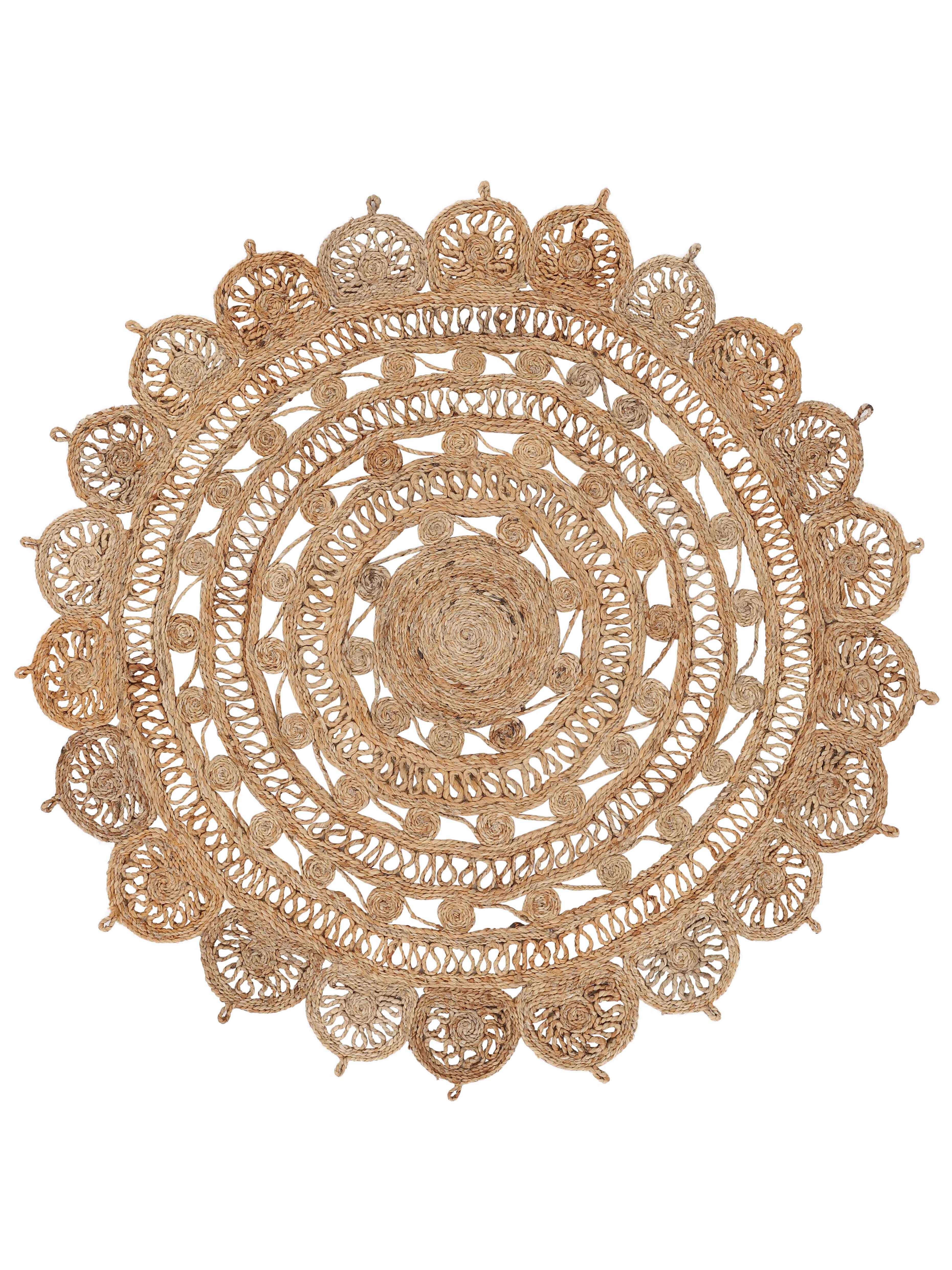
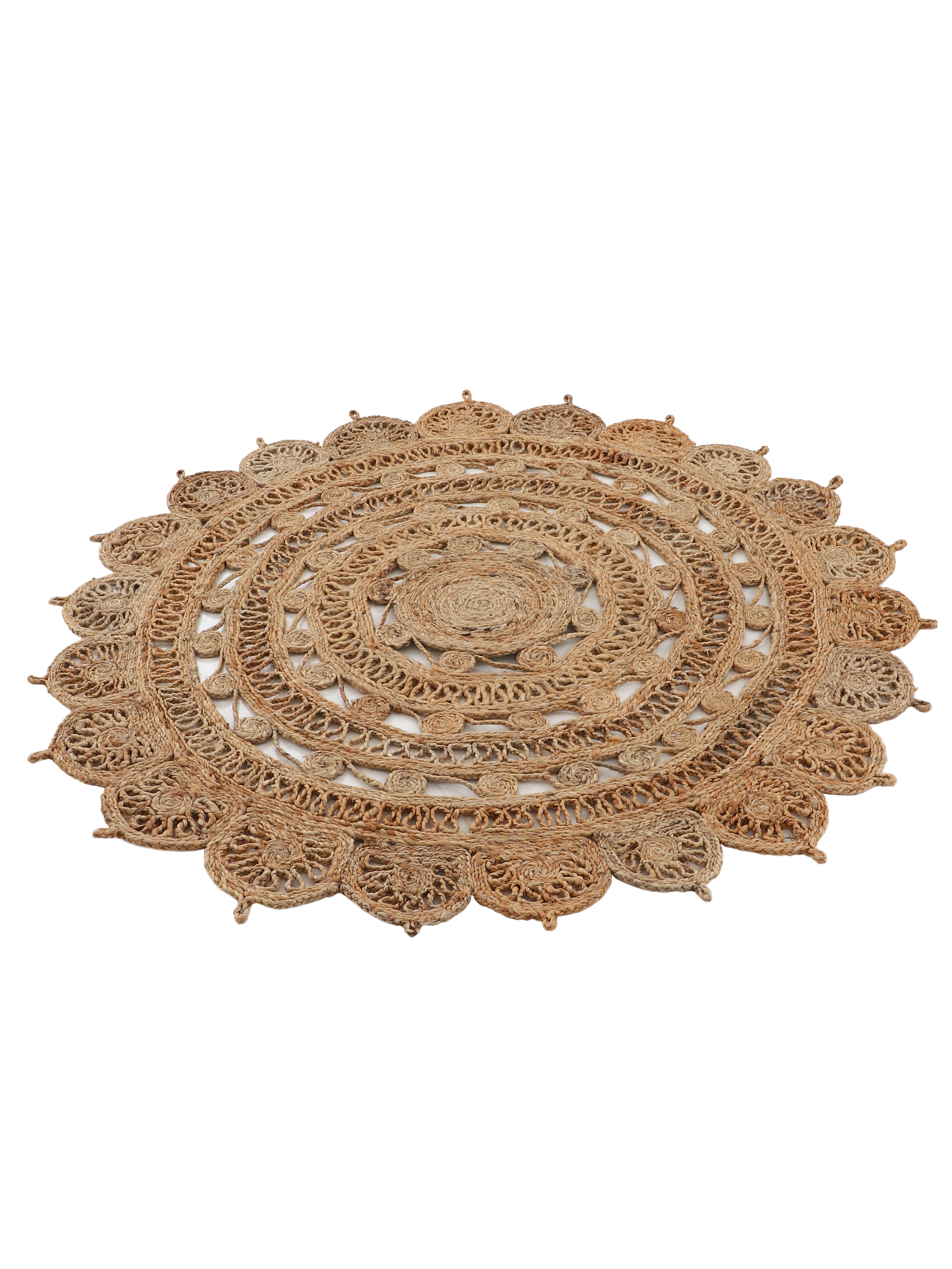
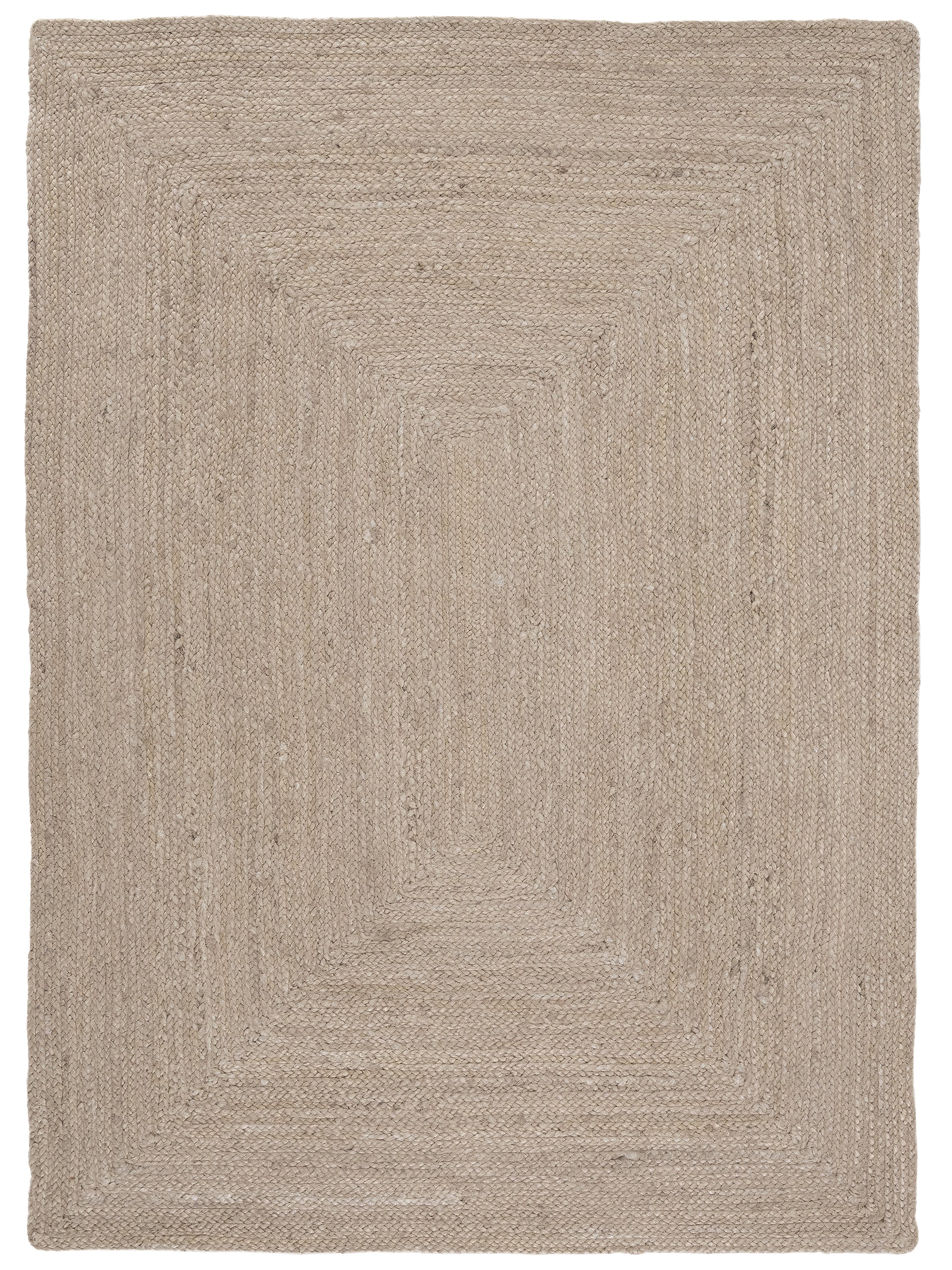
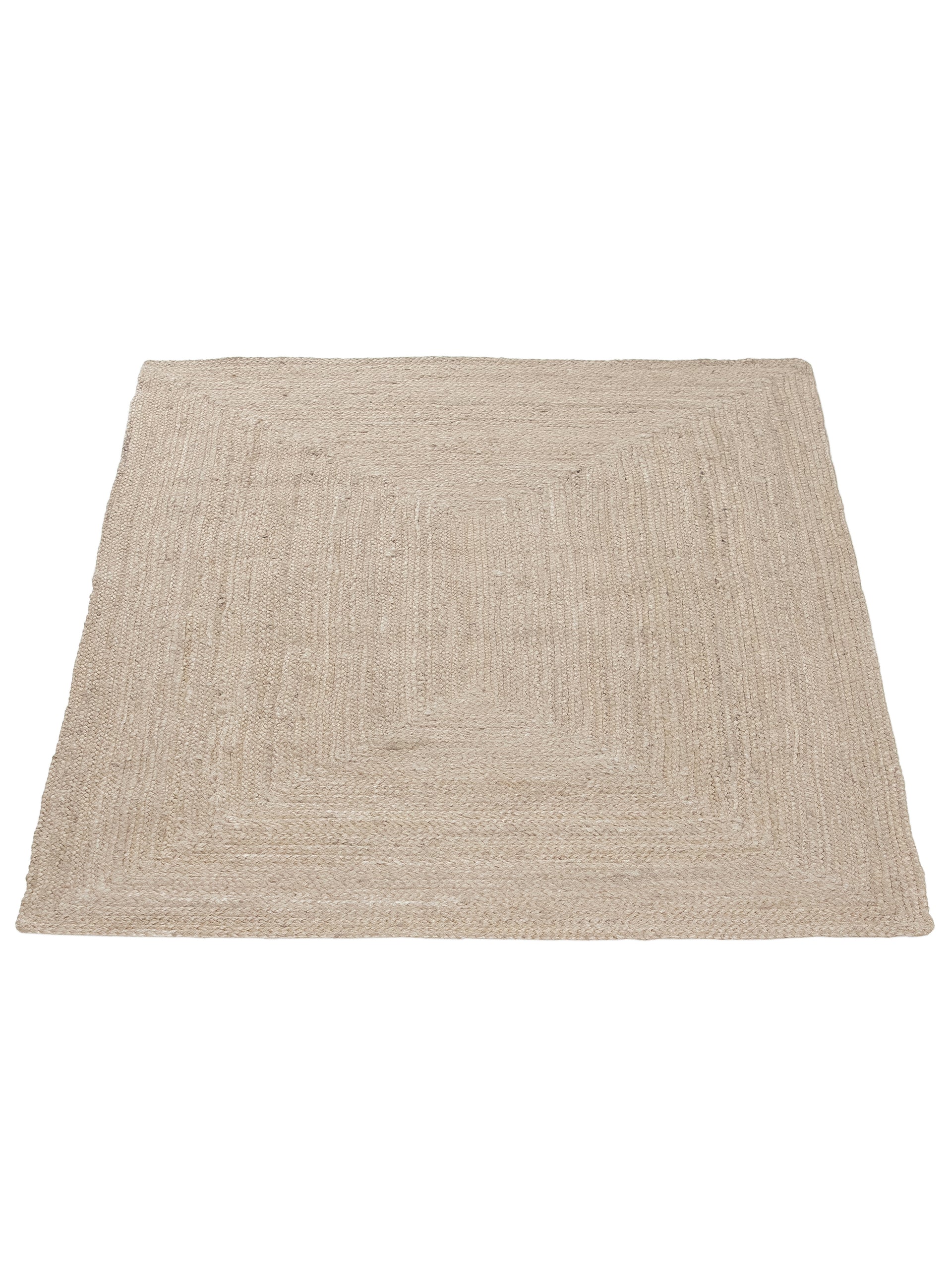
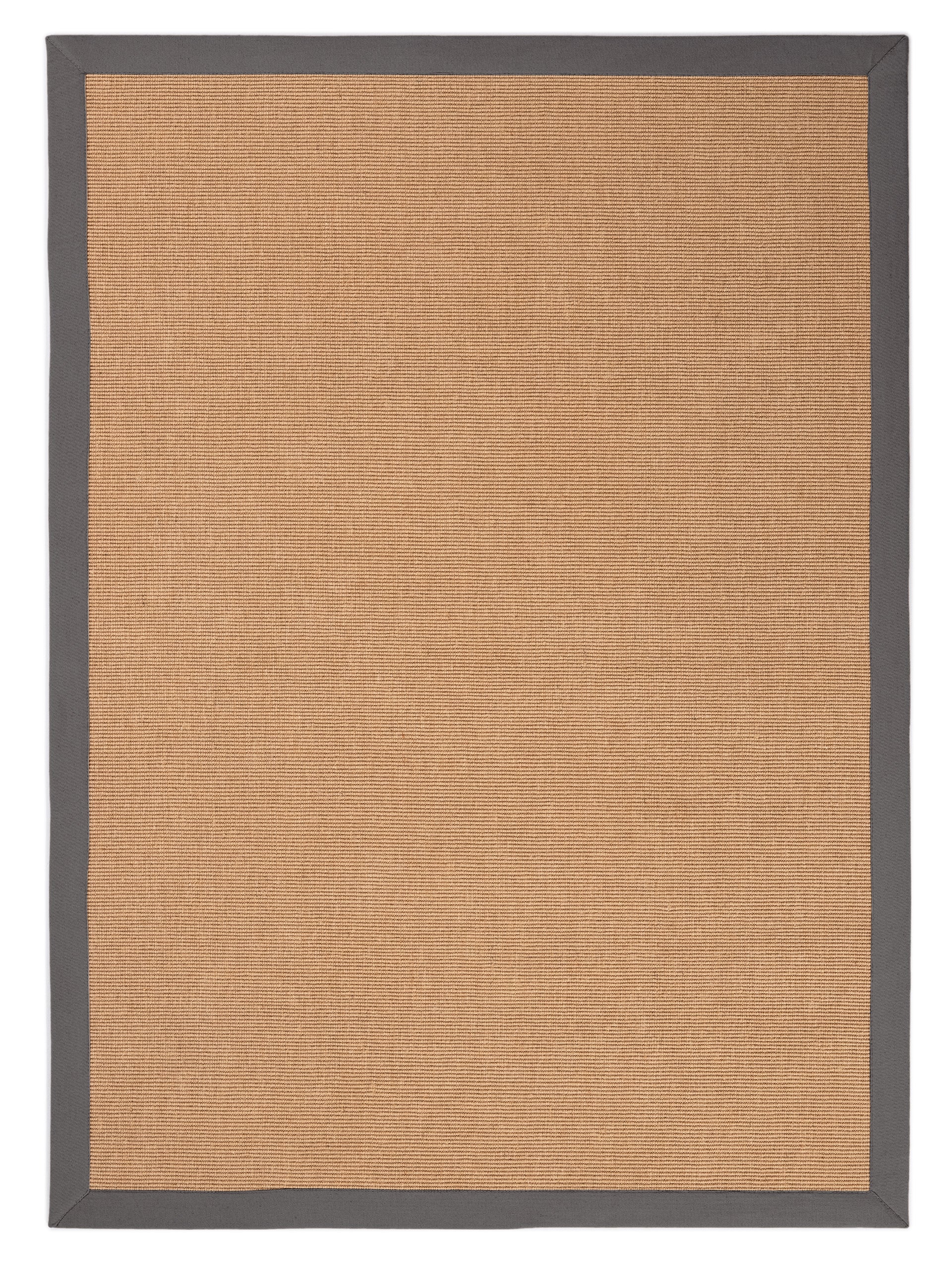
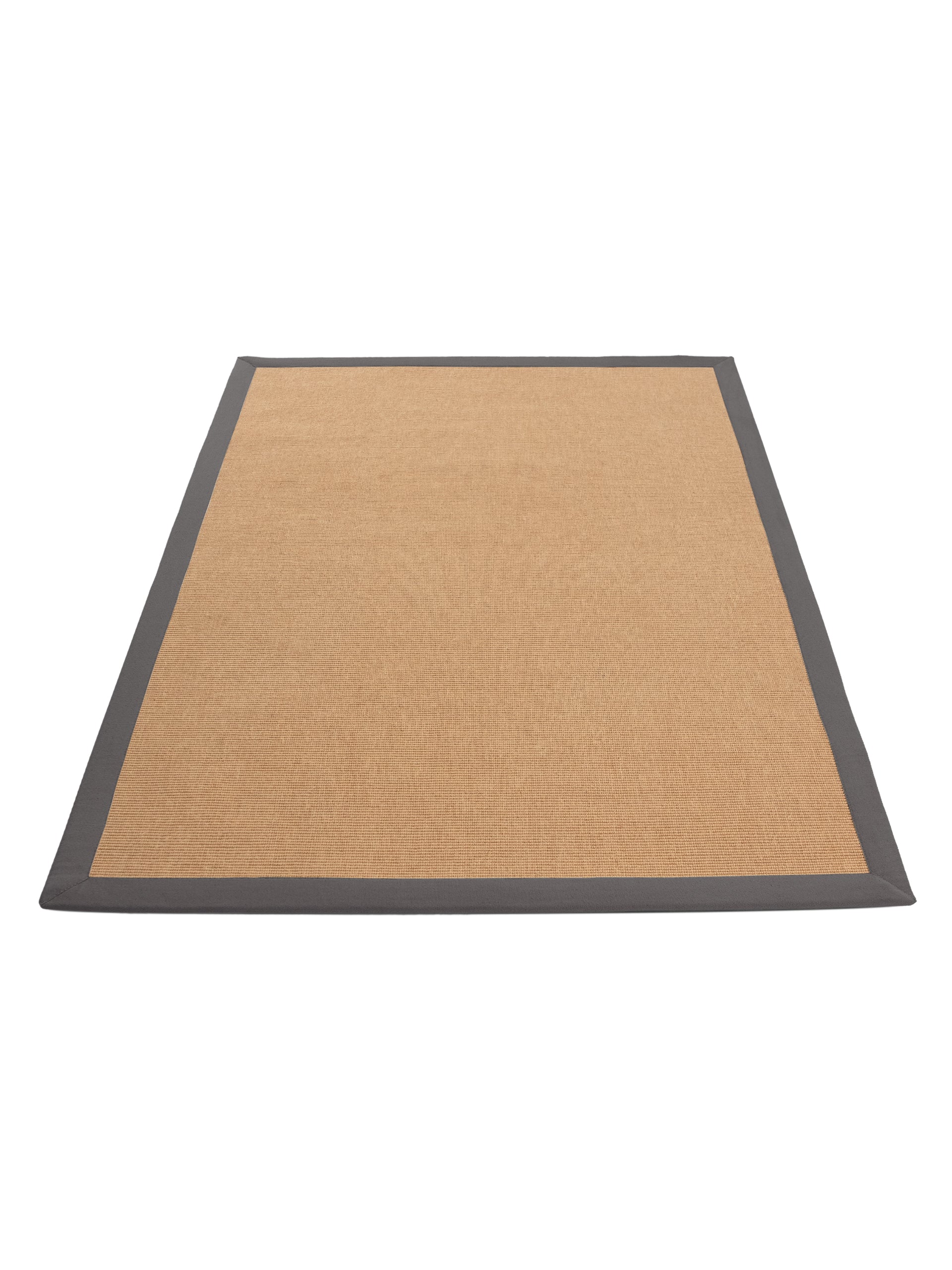
- Jute: short pile with visible texture. It feels a little rough and can't cope with wet.
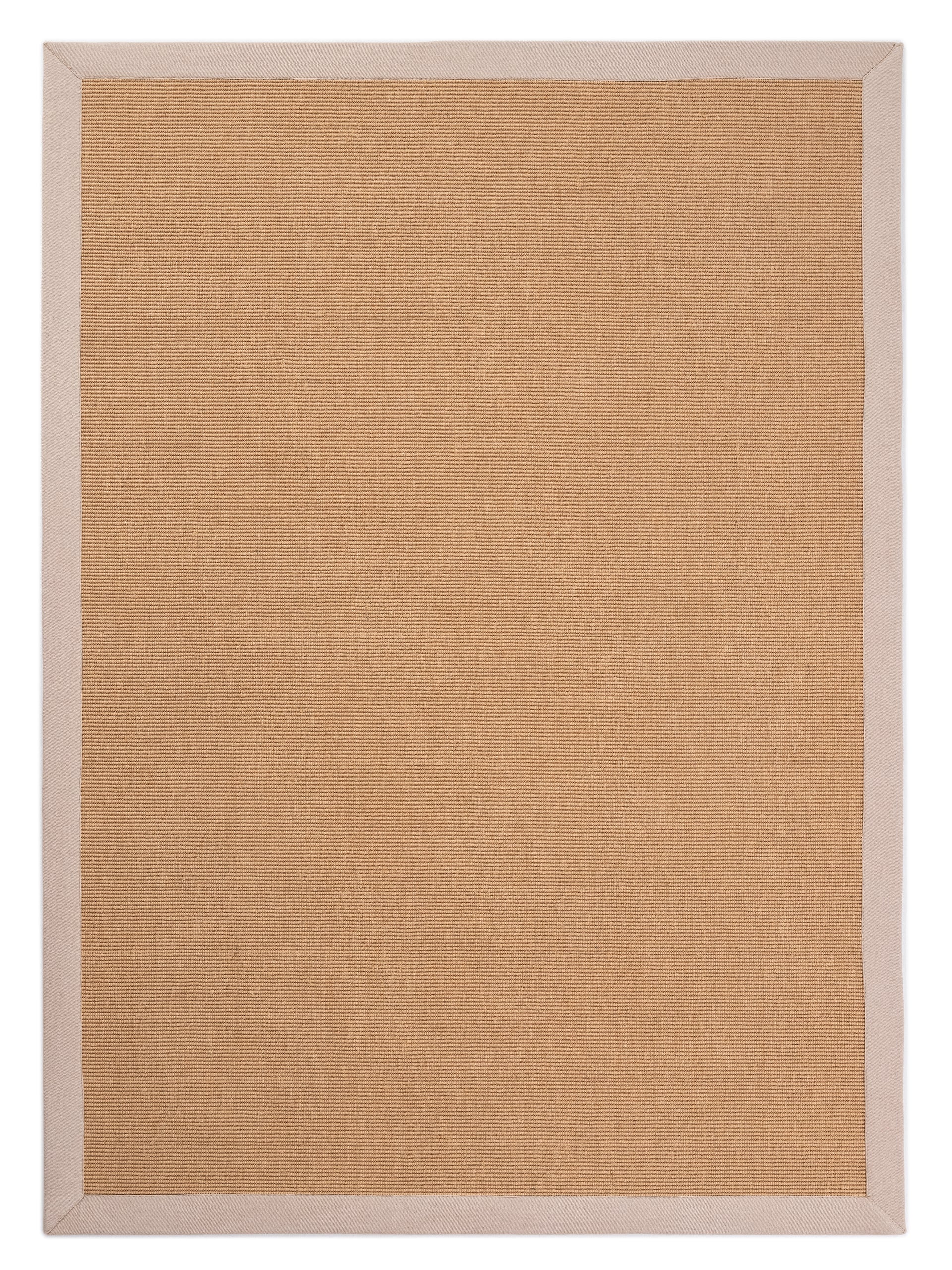
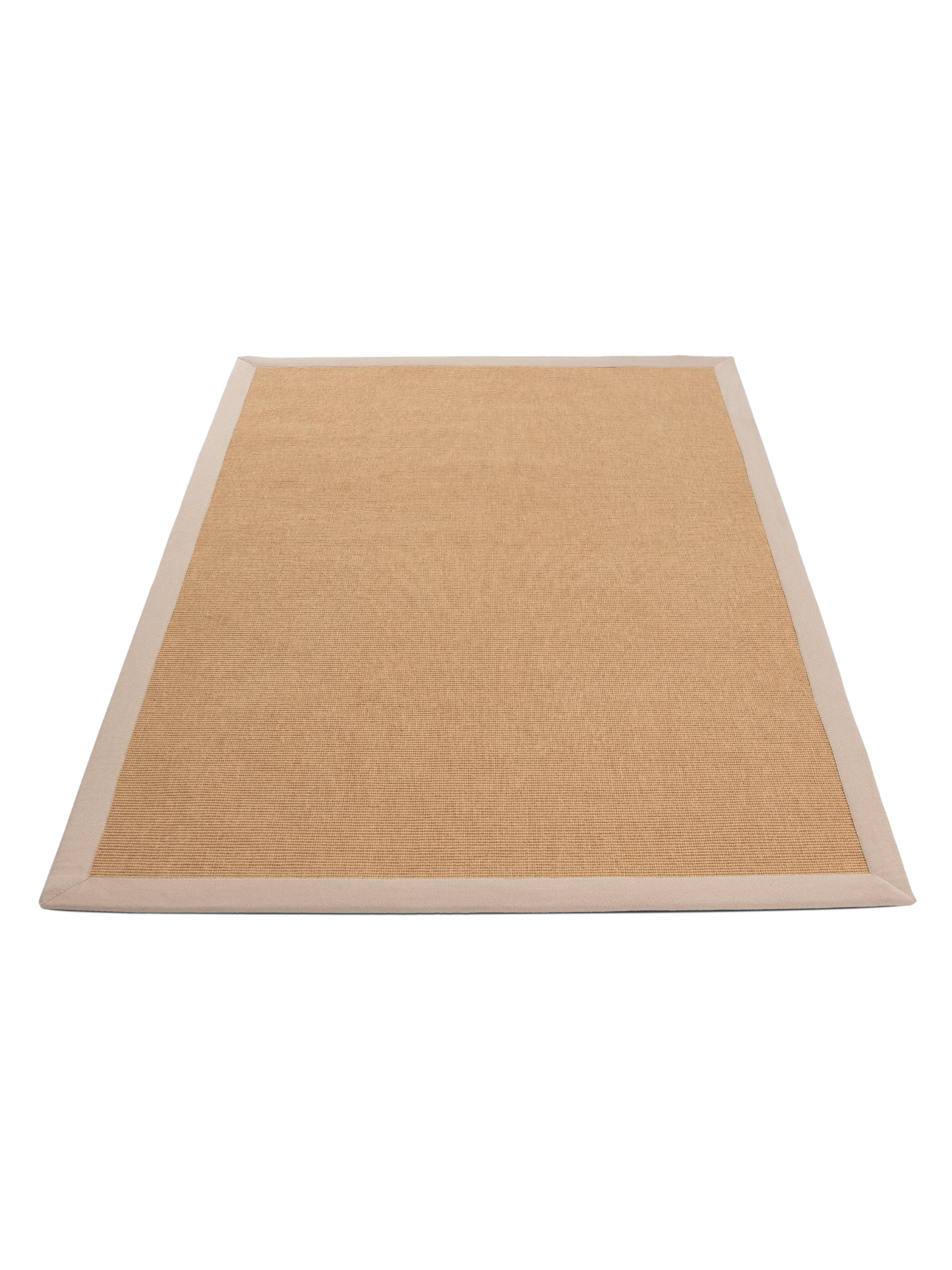
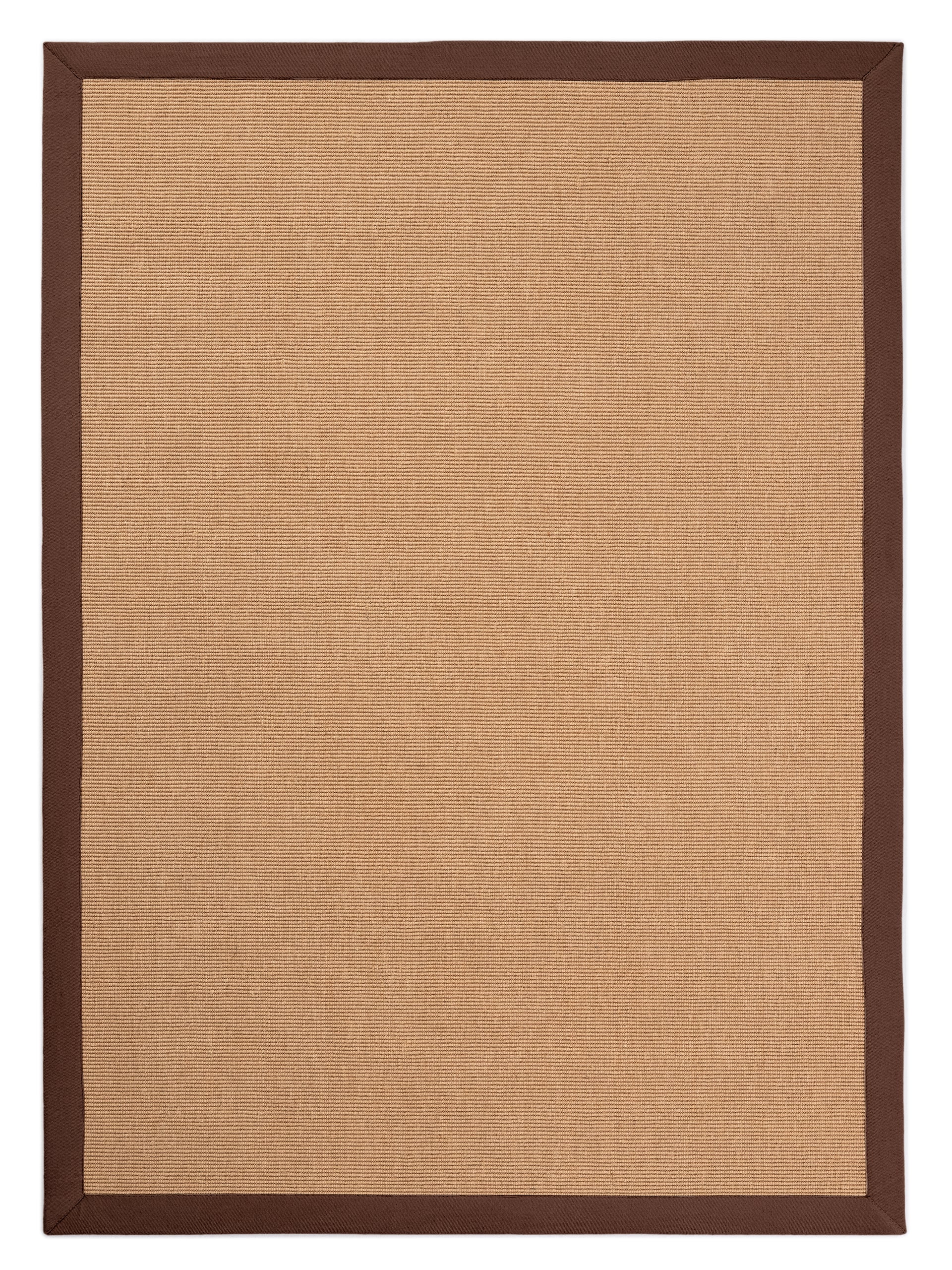
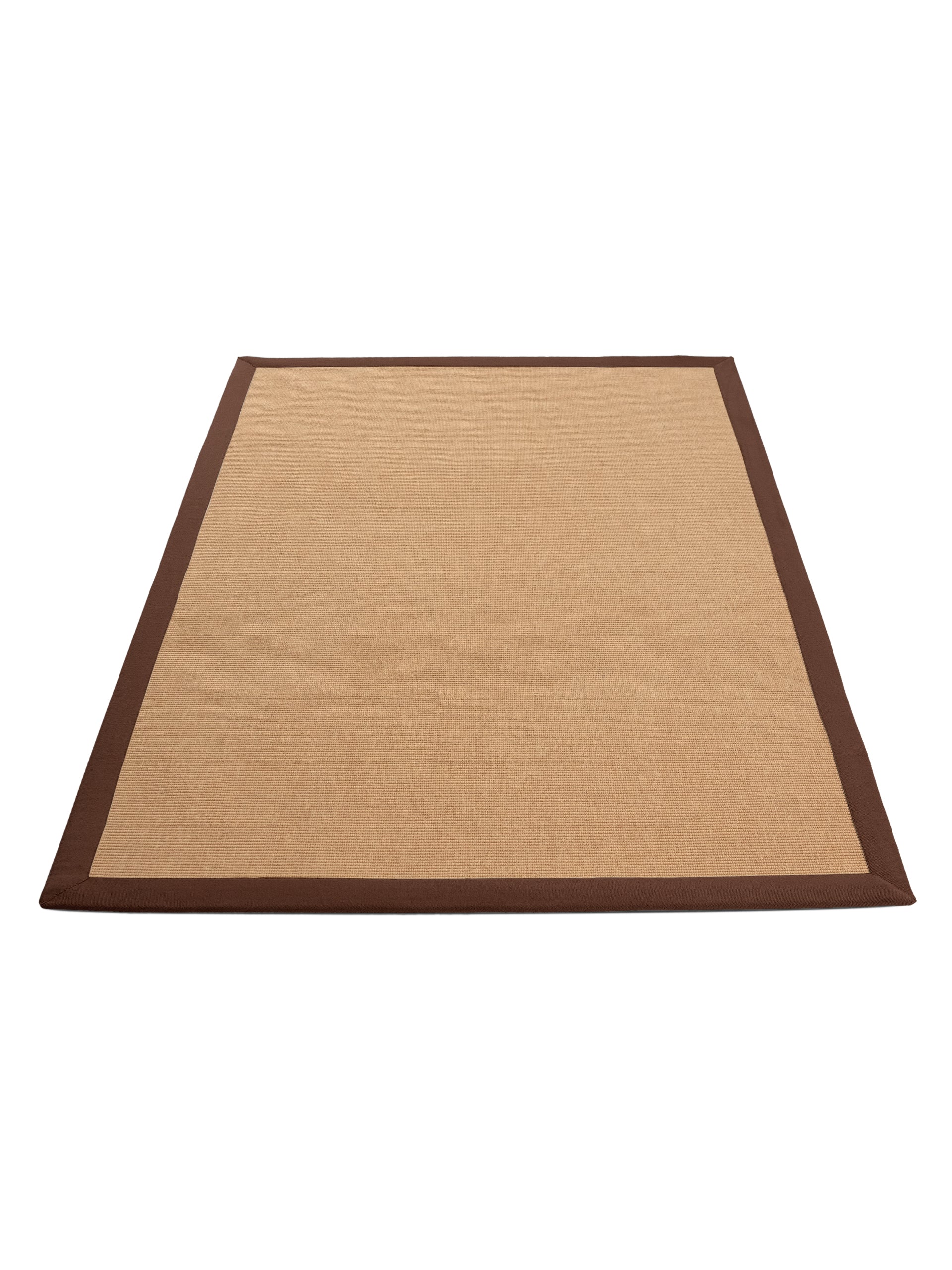
- Jute with cotton: the sisal-look blend of 80% jute and 20% cotton is a little softer than pure jute.
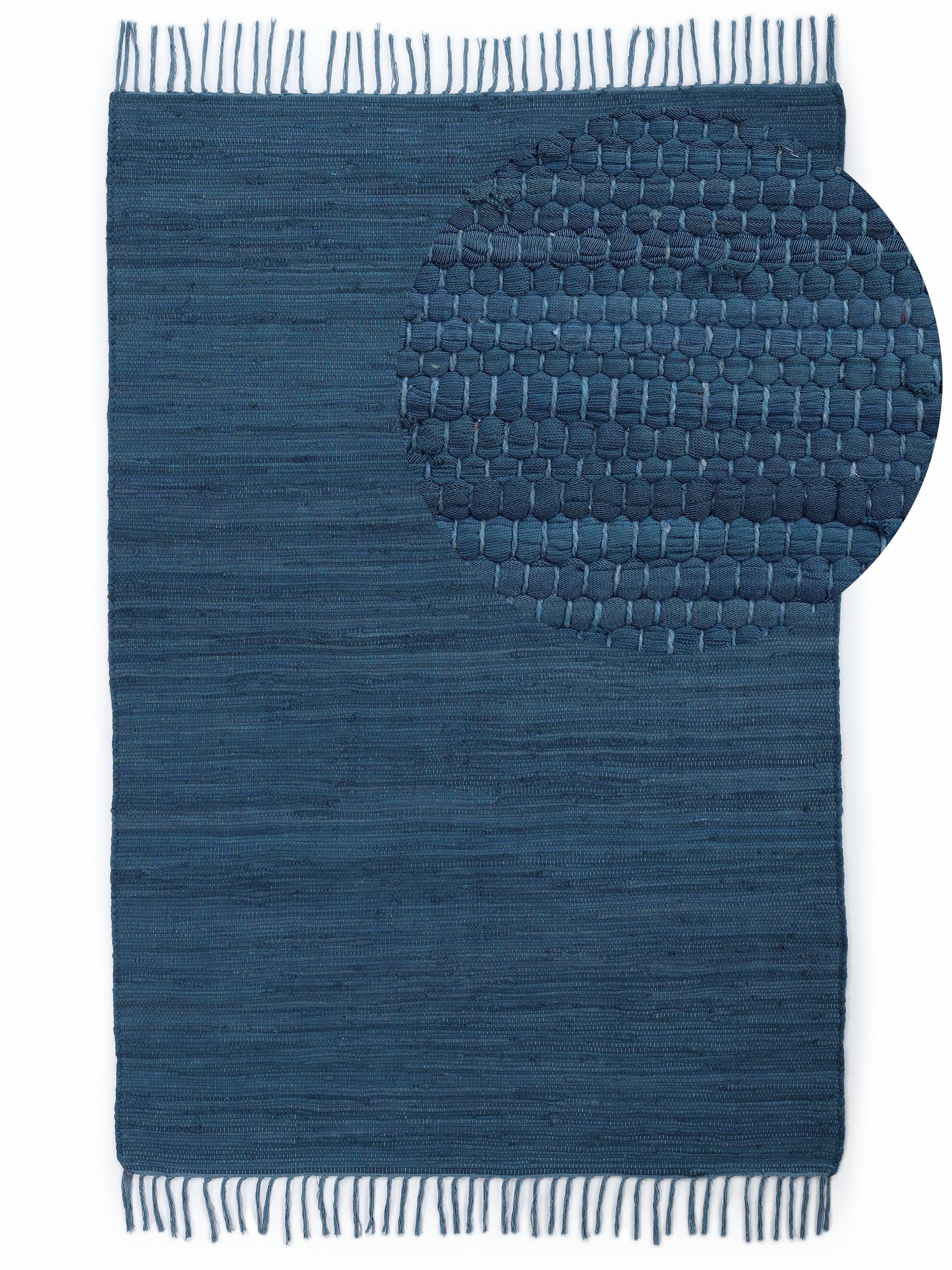
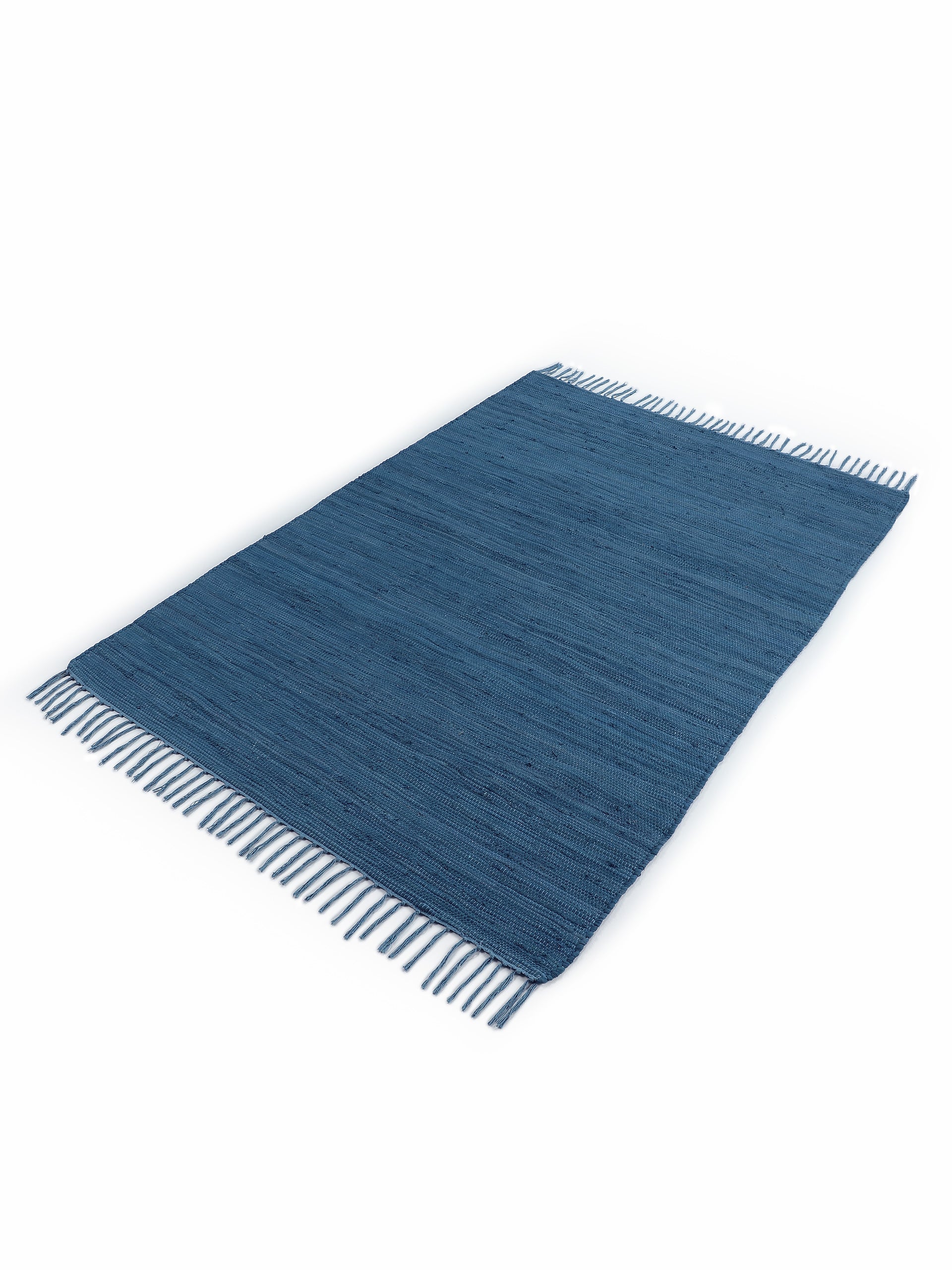
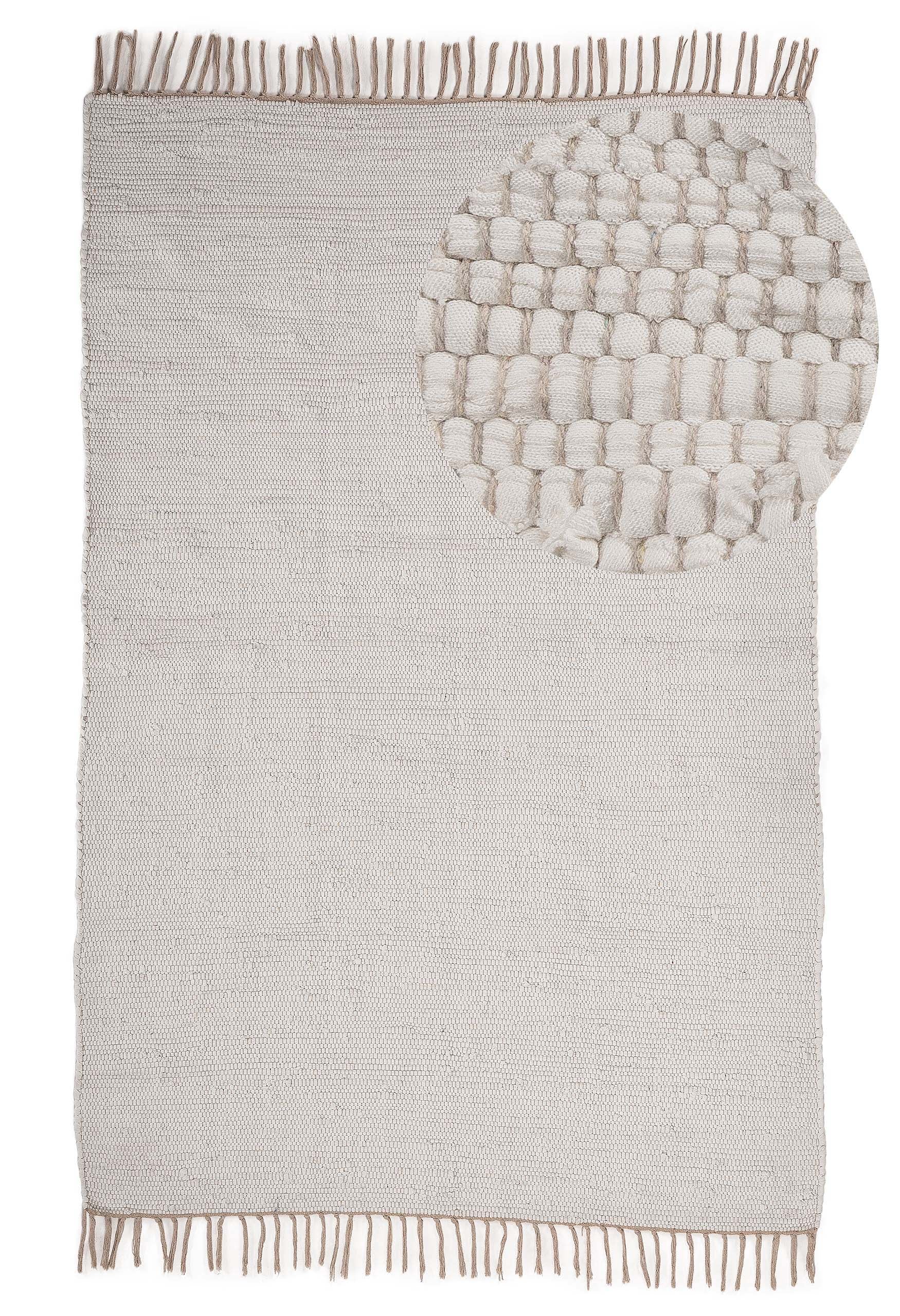
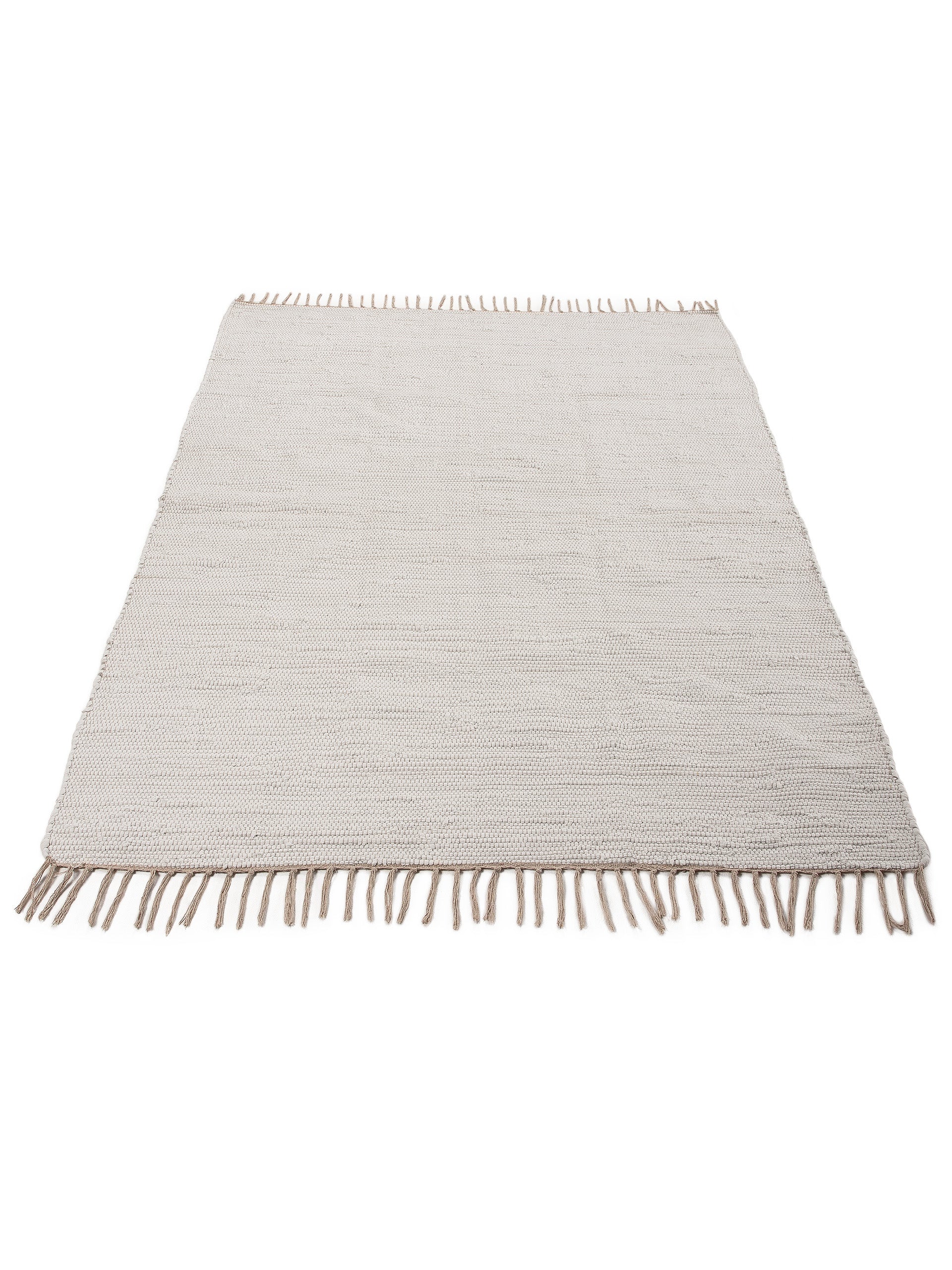
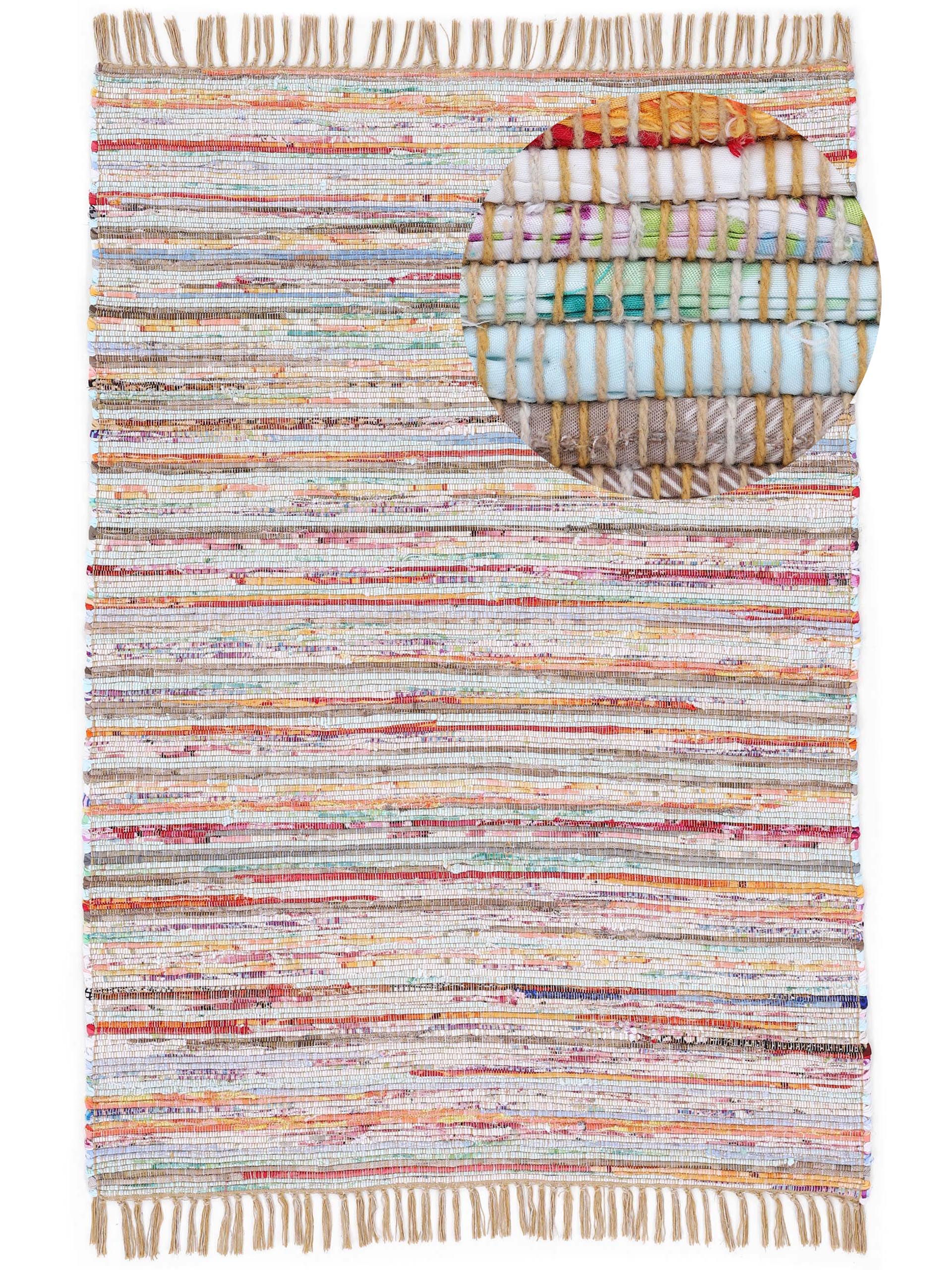
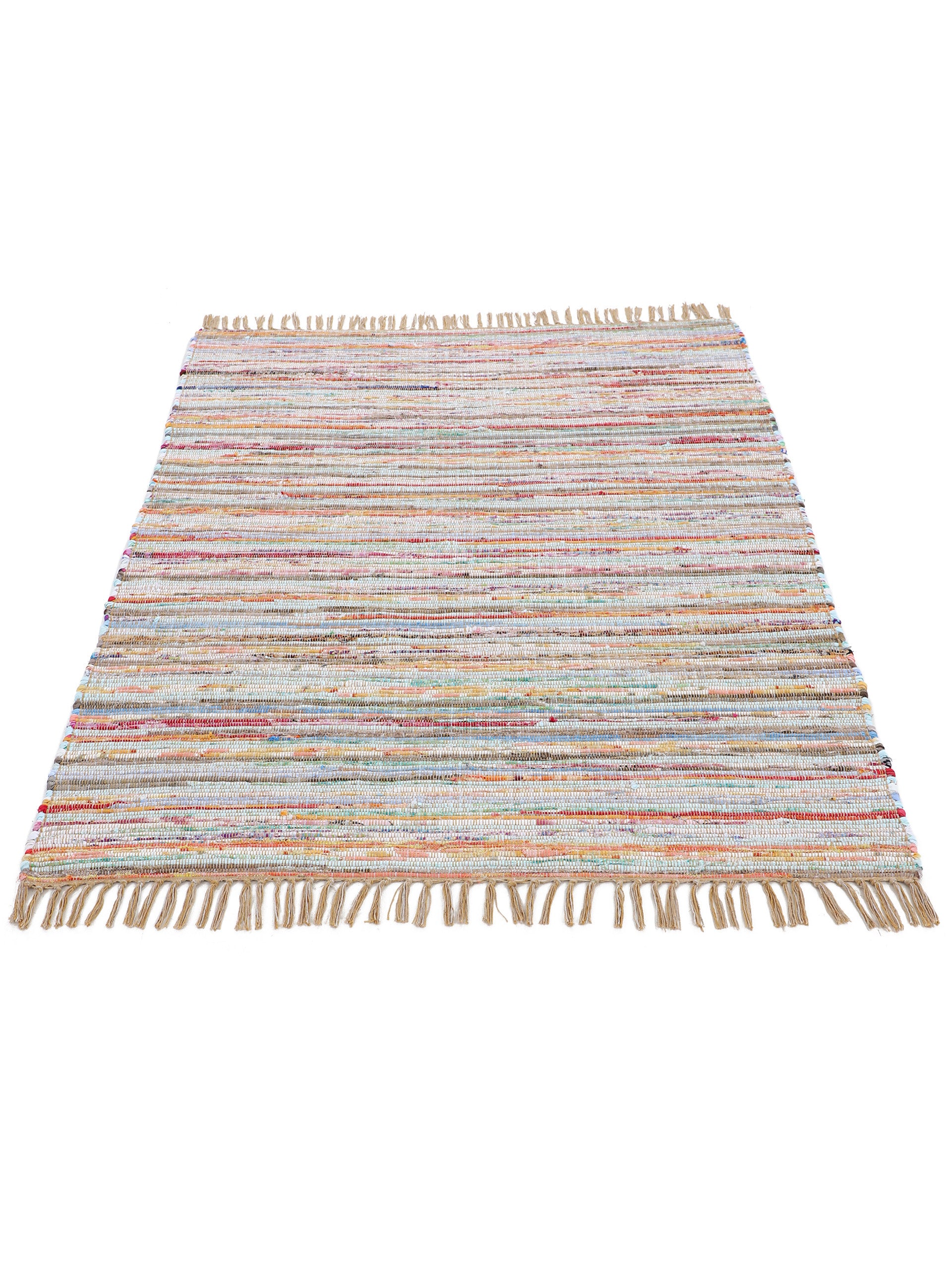
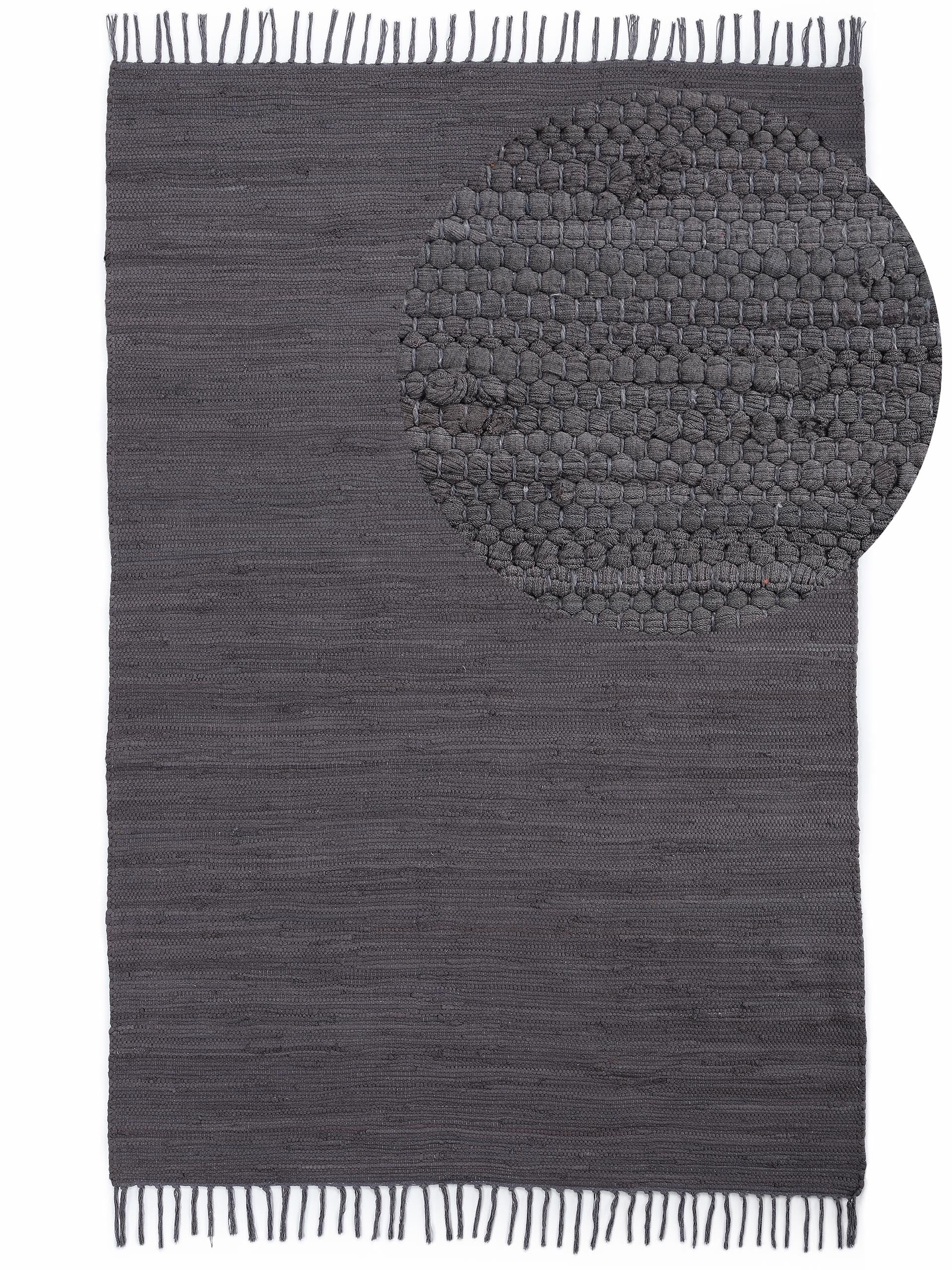
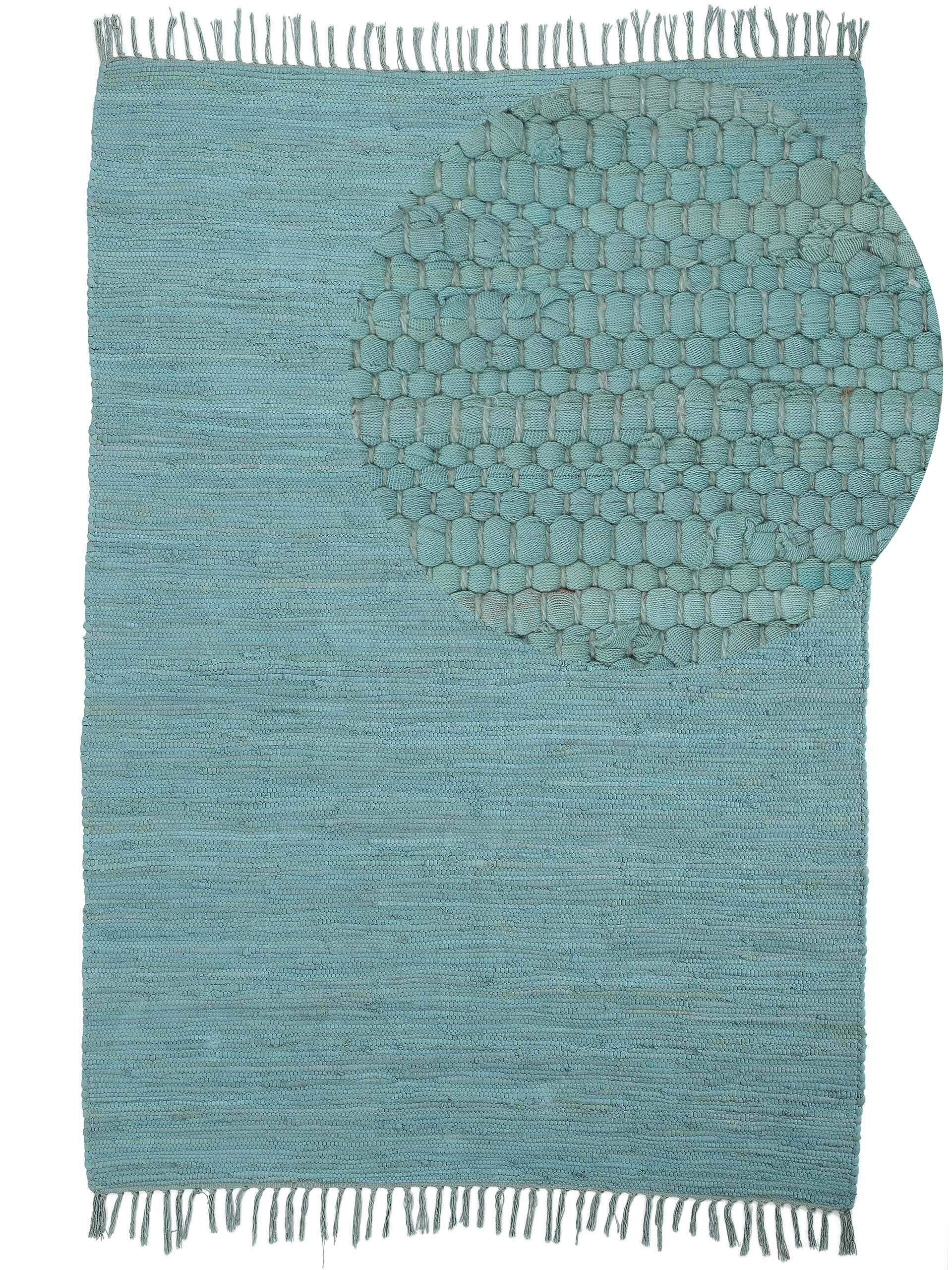
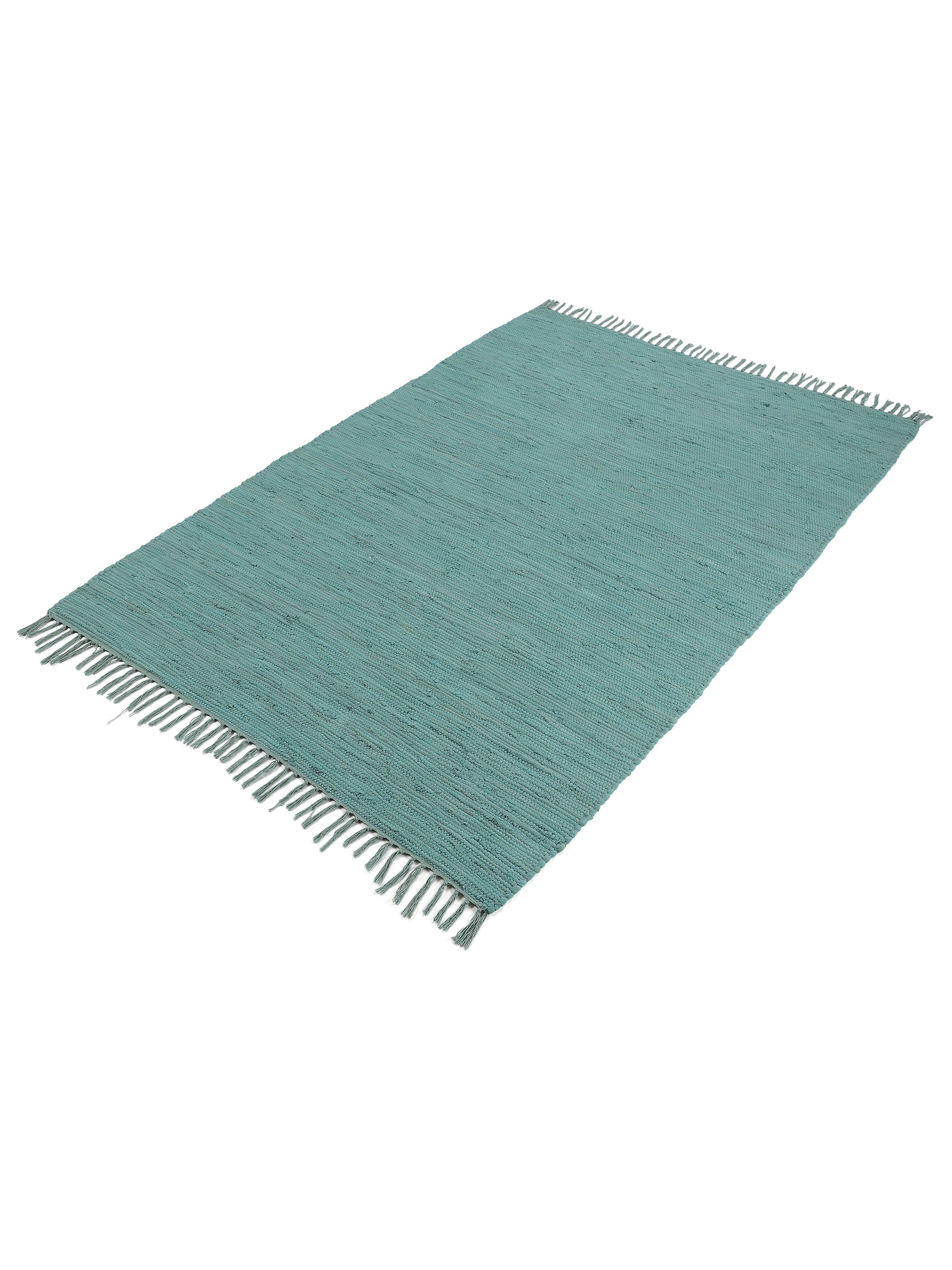
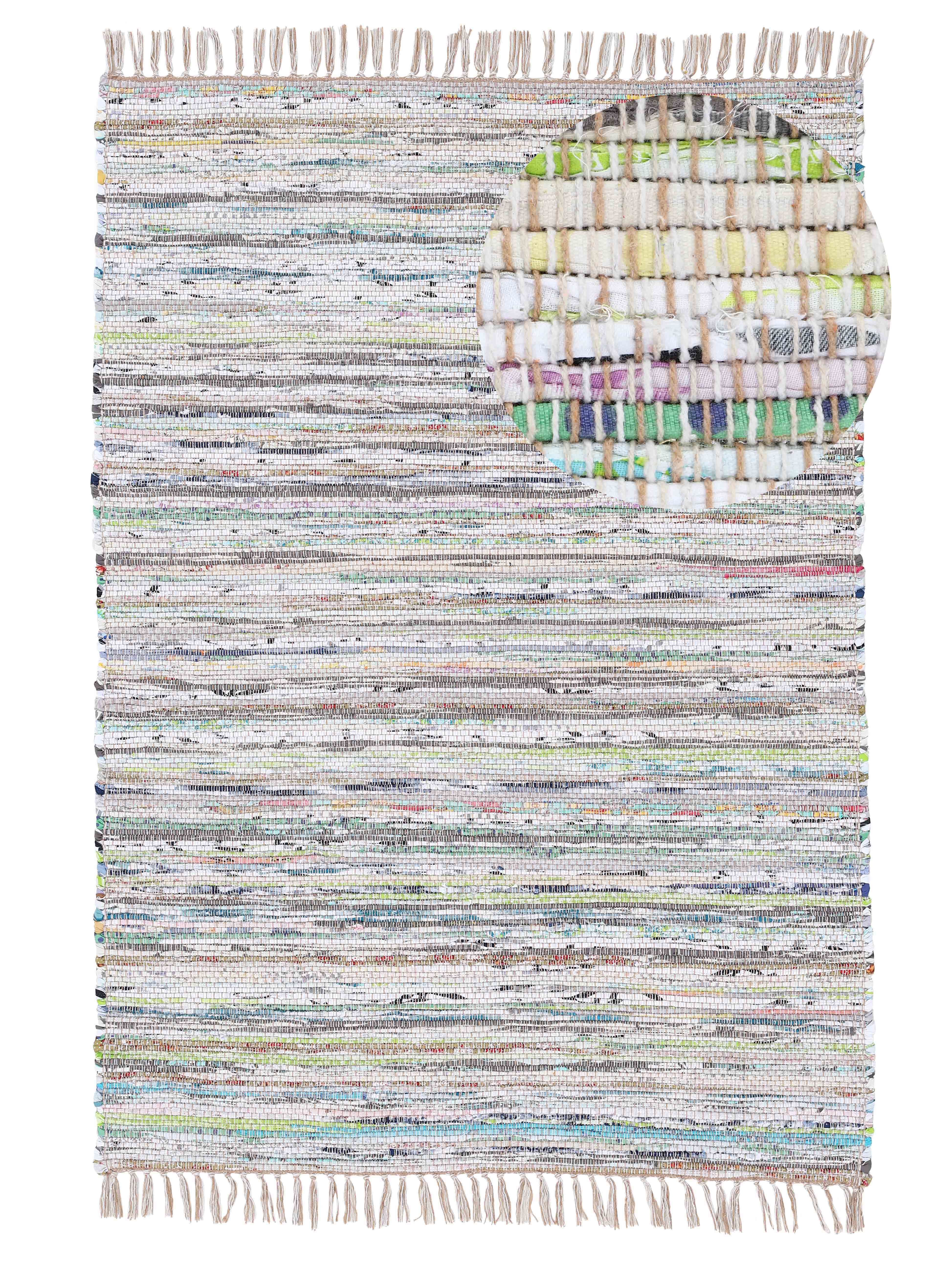
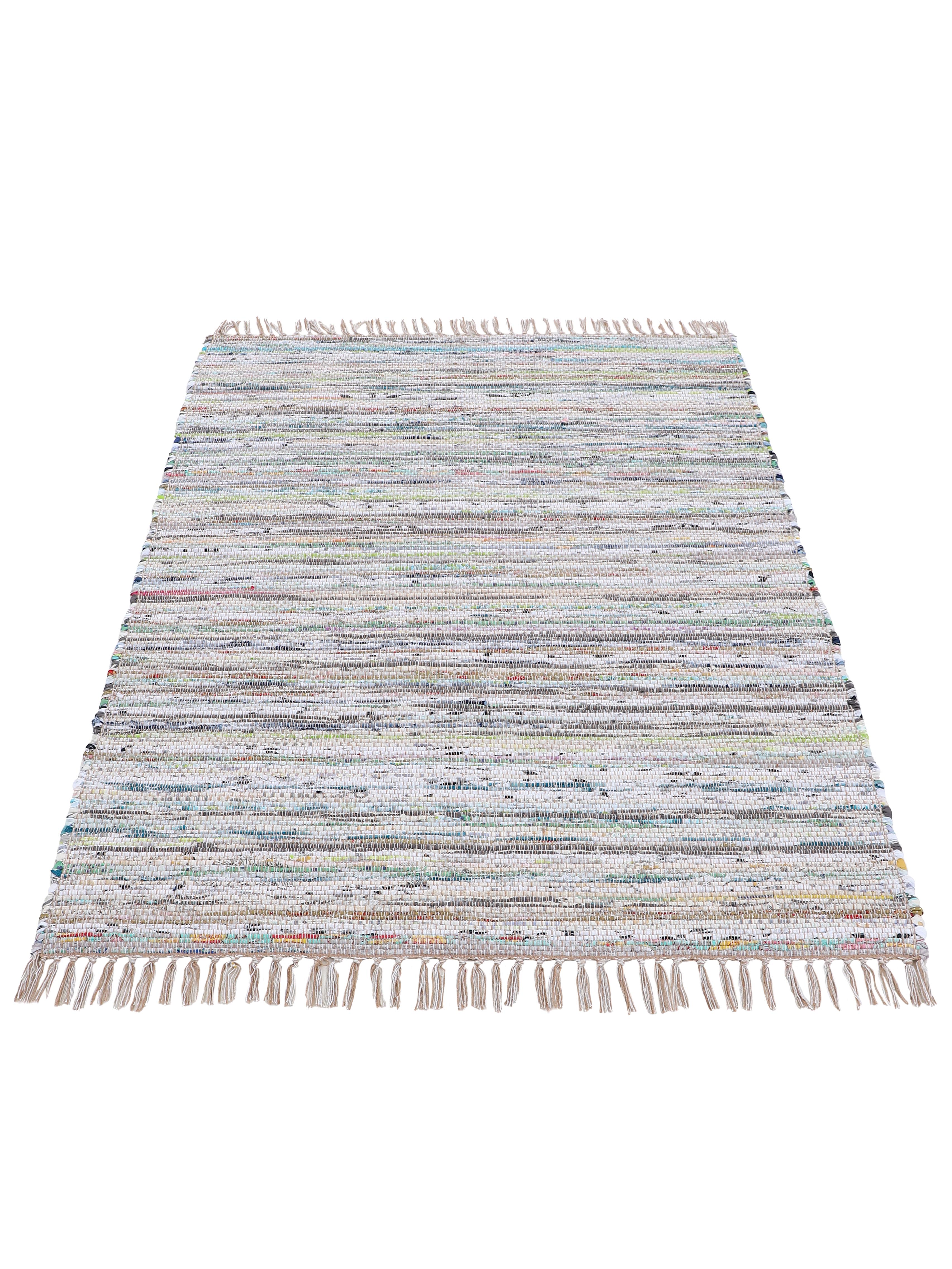
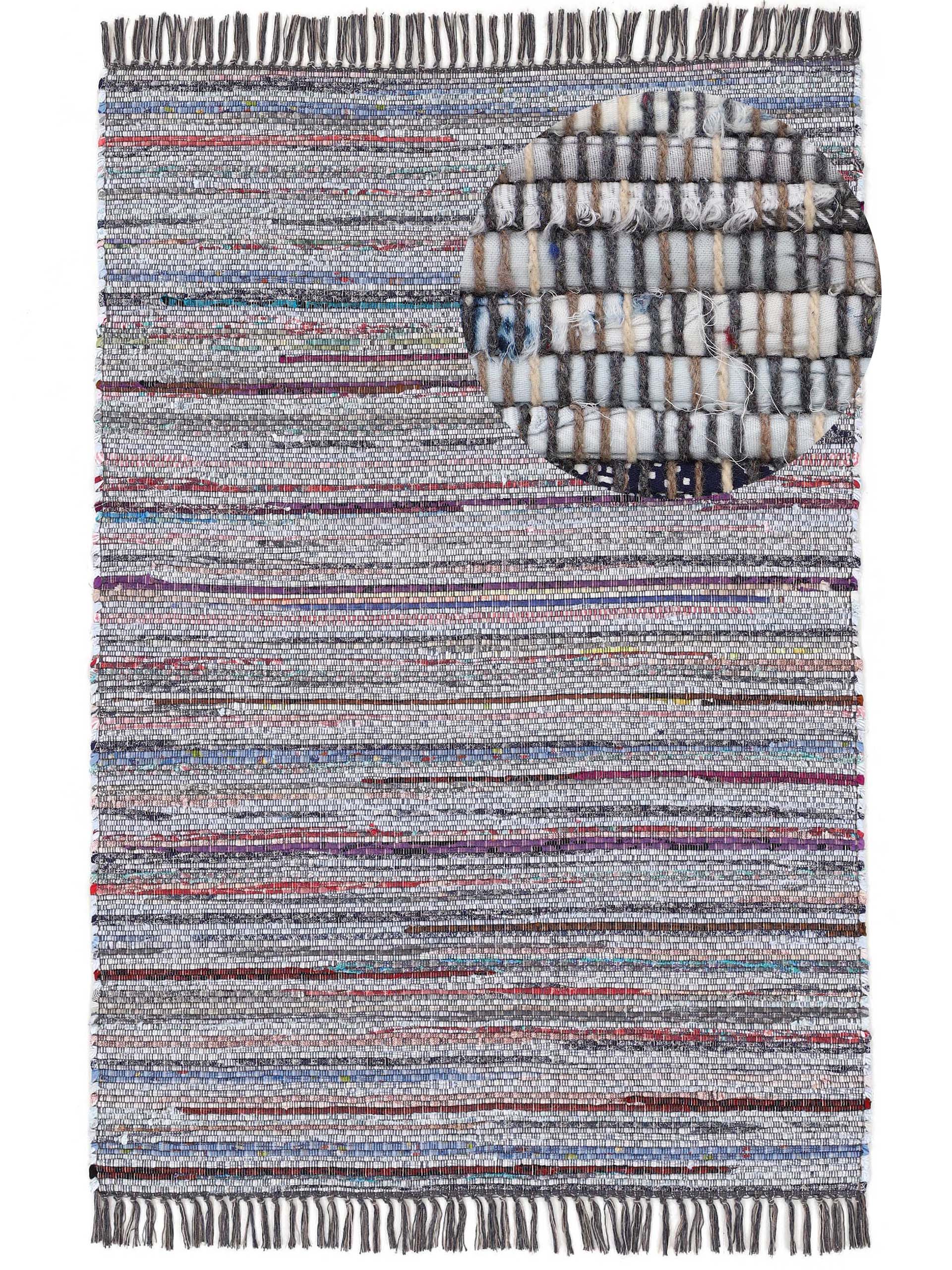
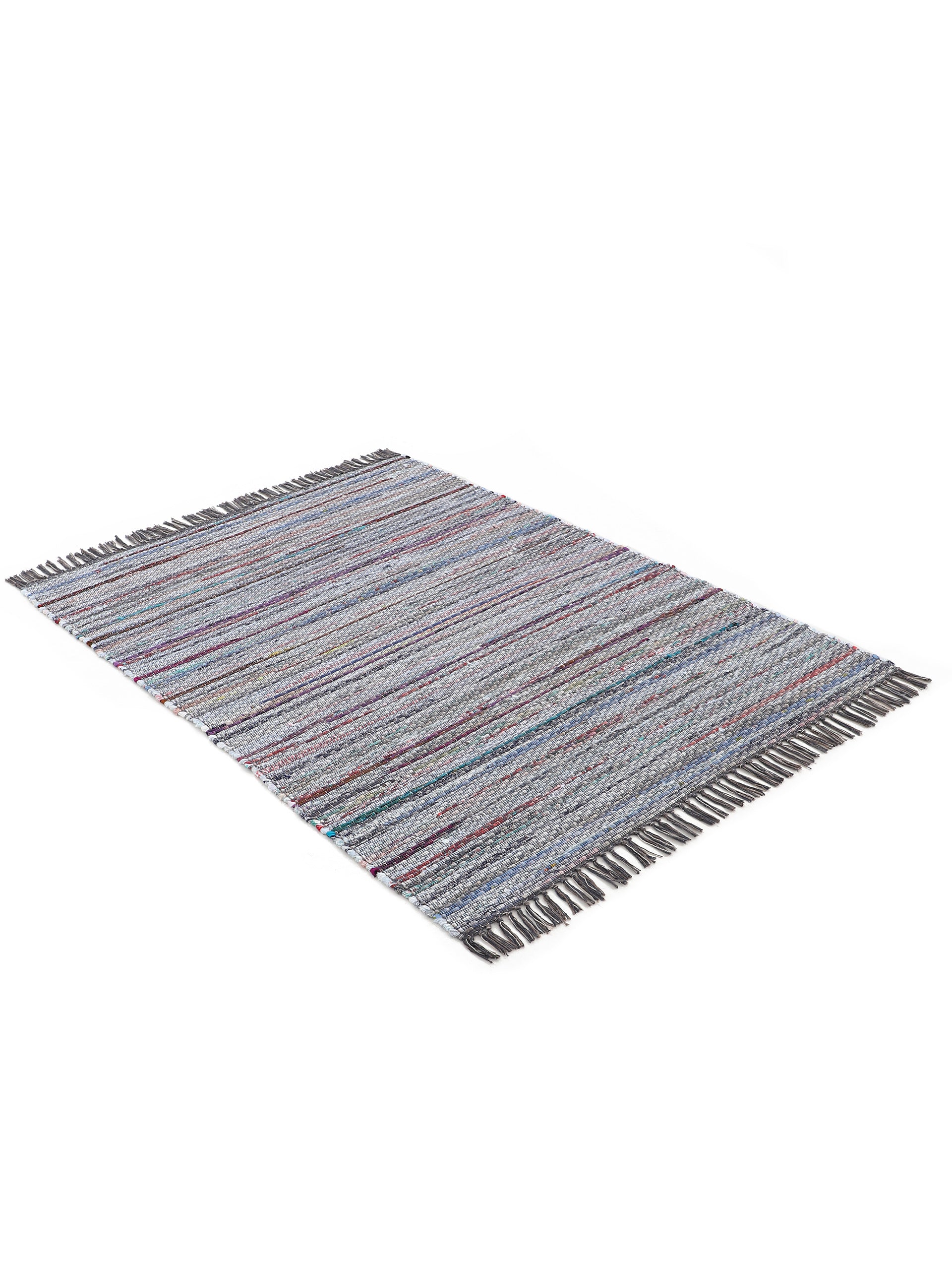
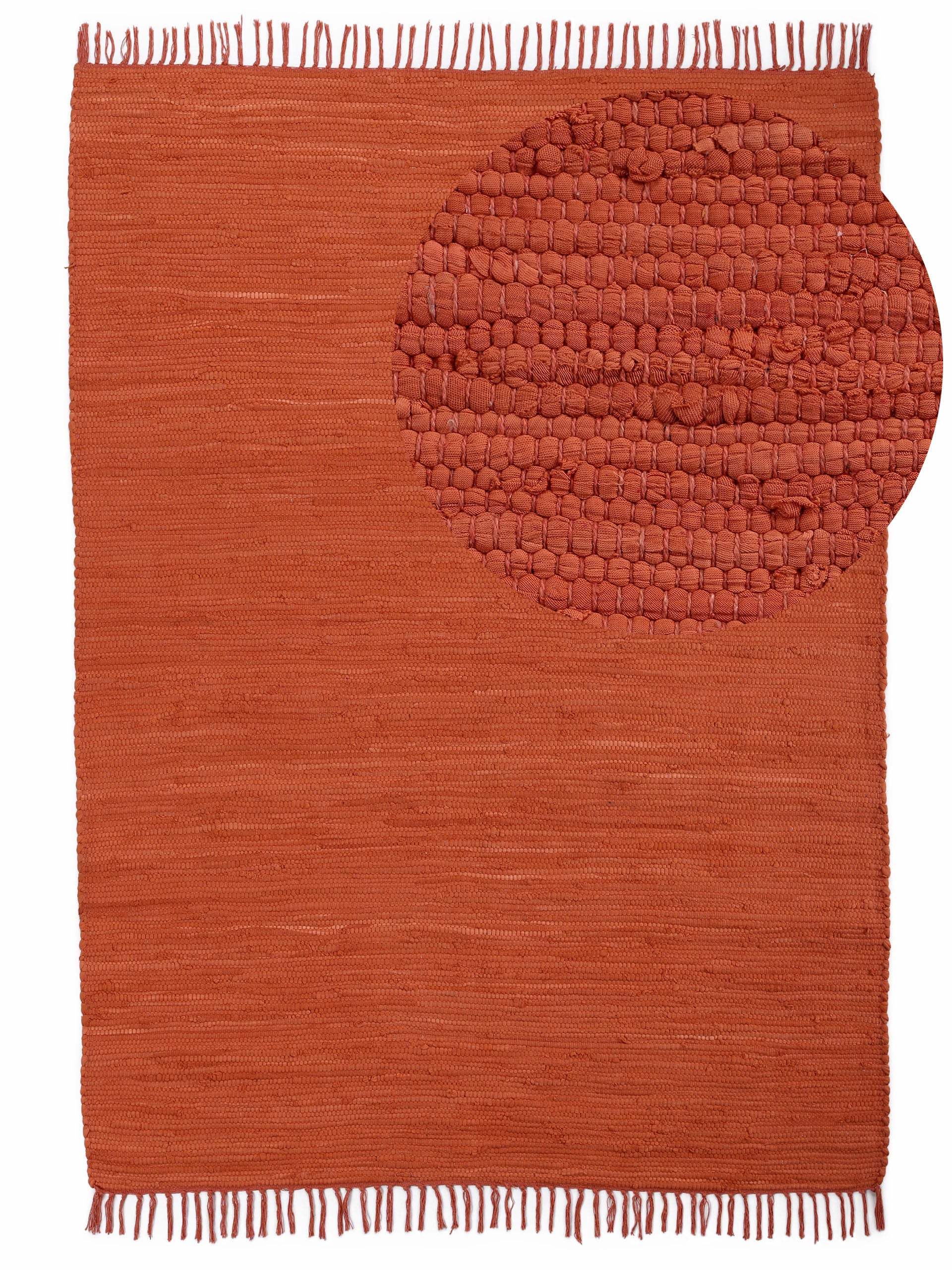
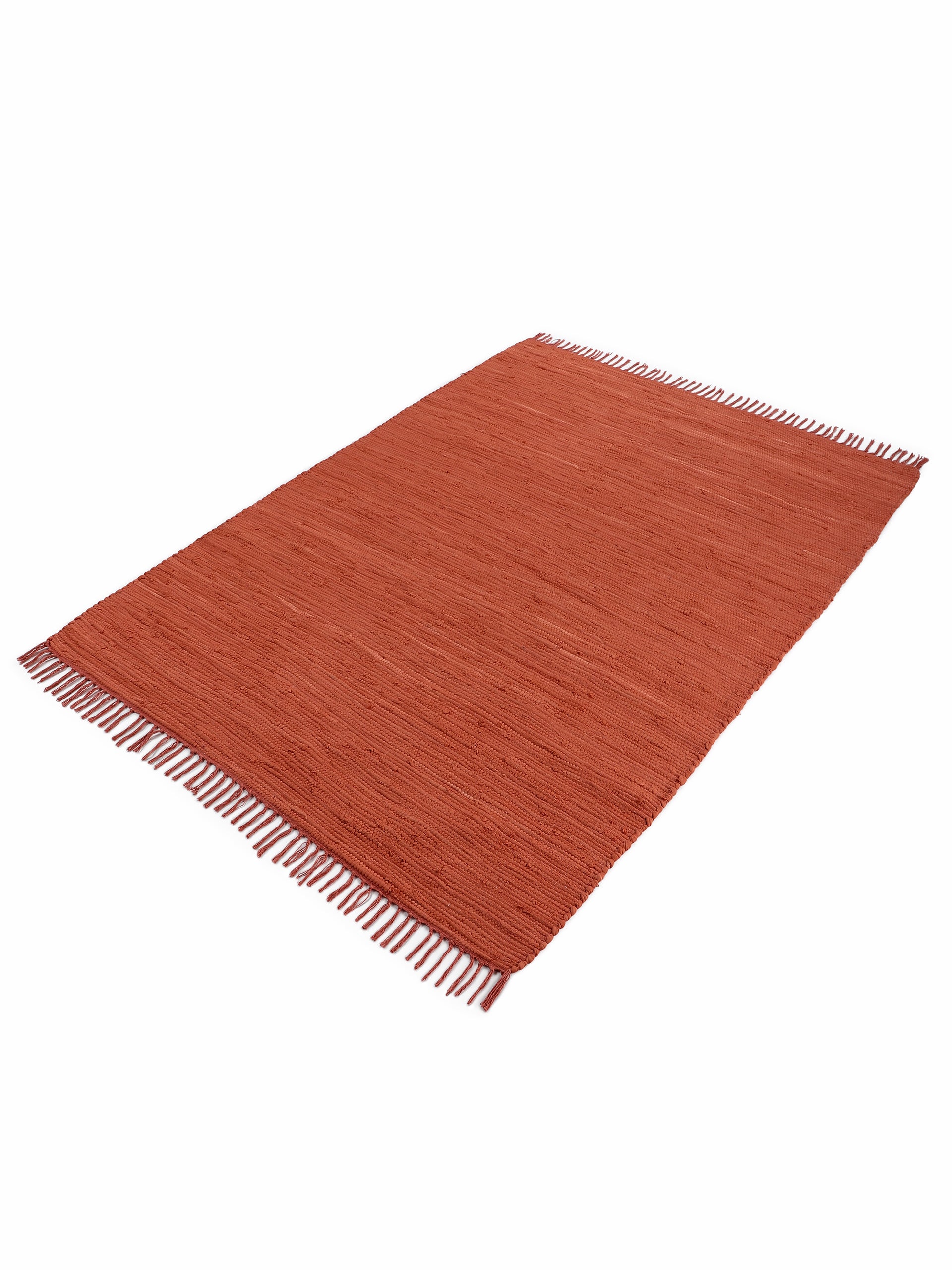
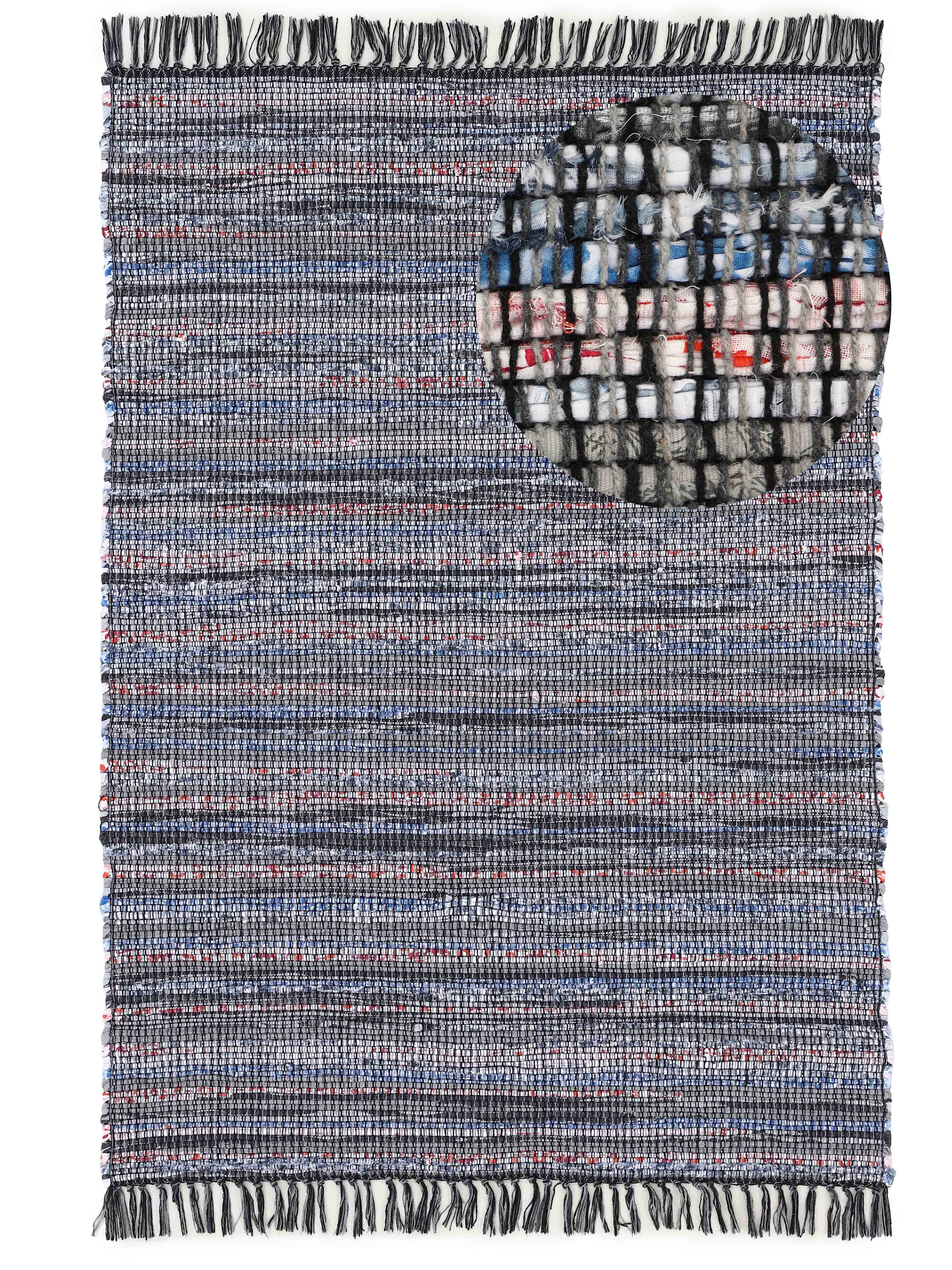
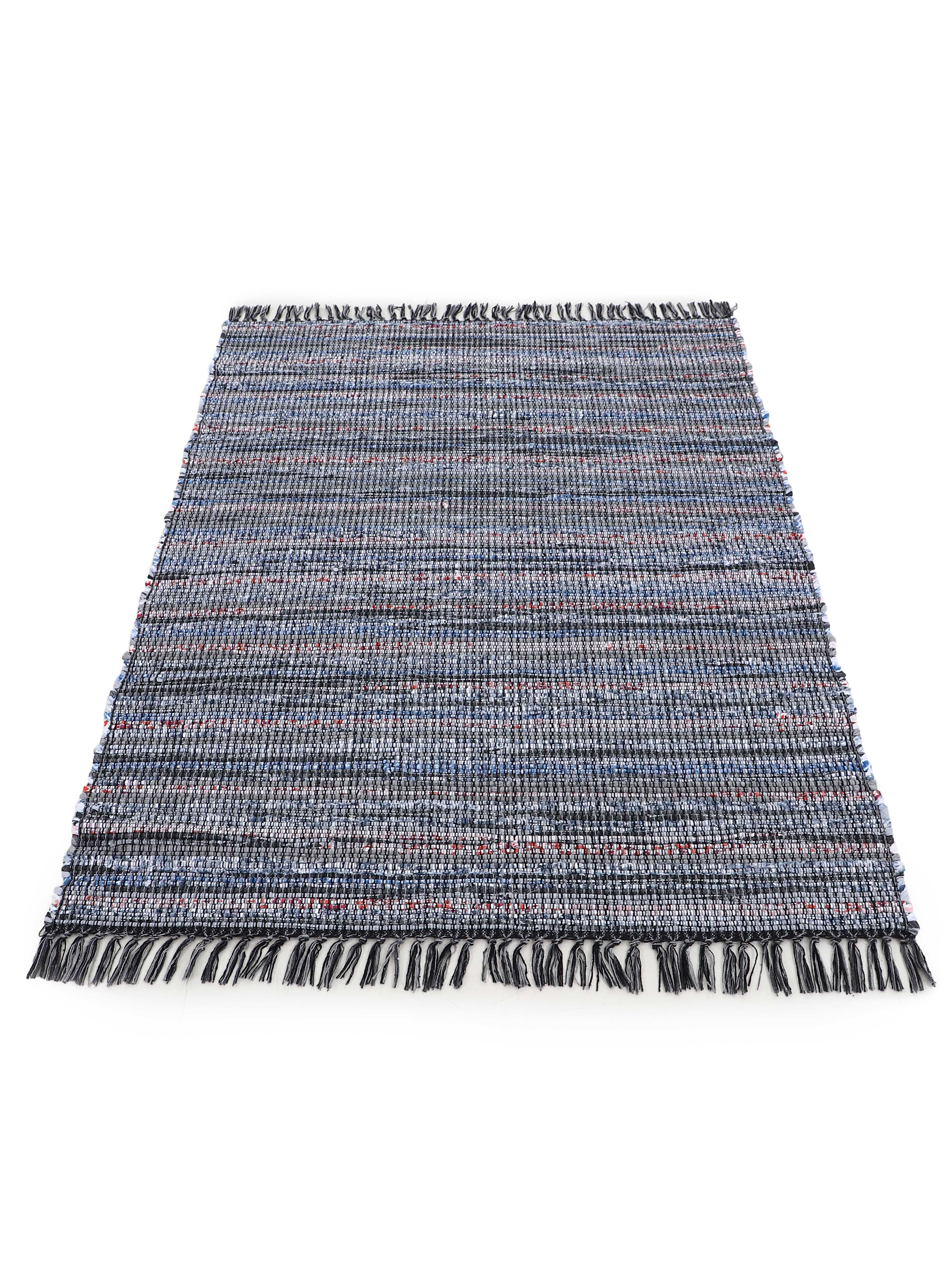
- Cotton: very flat kilims, easy to take outside and shake.
- Viscose: shimmers as the light changes, soft but more delicate than wool.
- Synthetic fibre: deep shaggy high pile feels very soft, while short synthetic pile stays easy to care for.
High pile makes the seating area cosy but holds crumbs deeper down. If the rug lies on a path between door and balcony, a shorter pile is more practical. Viscose belongs in a quieter part of the room, since water quickly leaves marks on it and its pile flattens faster than wool or synthetic fibre where people walk a lot.
Frequently asked questions
Do the sofa feet have to stand on the rug?
At least the front ones. Sofa and rug then look like one unit, and the rug moves around less.
Does an underlay help?
On smooth floors, yes. It keeps the rug in place, especially when only the front sofa feet stand on it.
Which rug copes with kids and a dog?
A flat cotton kilim is easy to shake out. With wool, the natural lanolin helps by keeping dirt nearer the surface.
Two rugs in one room, does that work?
Yes, if they share a colour or the material. It then looks calm rather than thrown together.