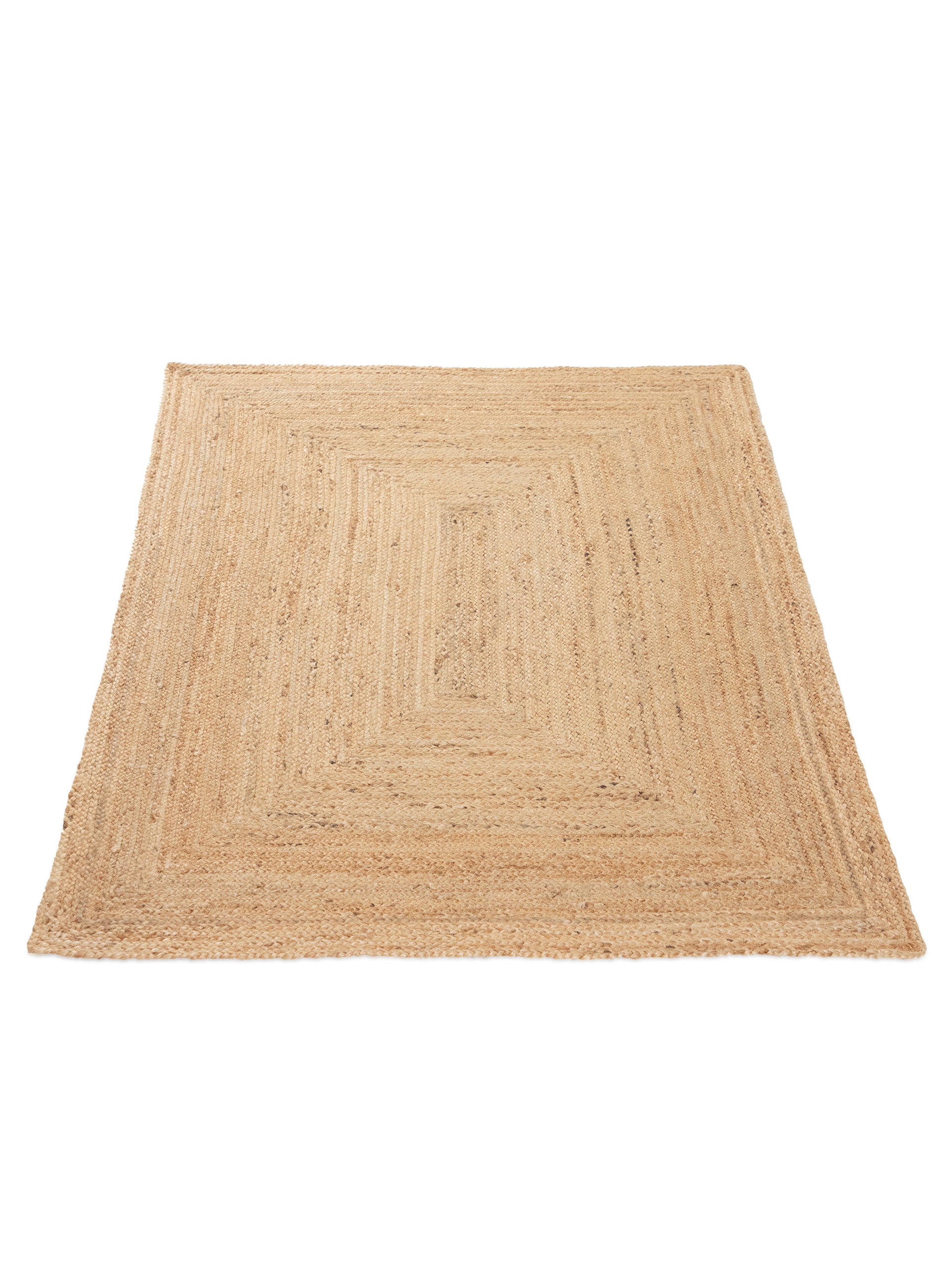
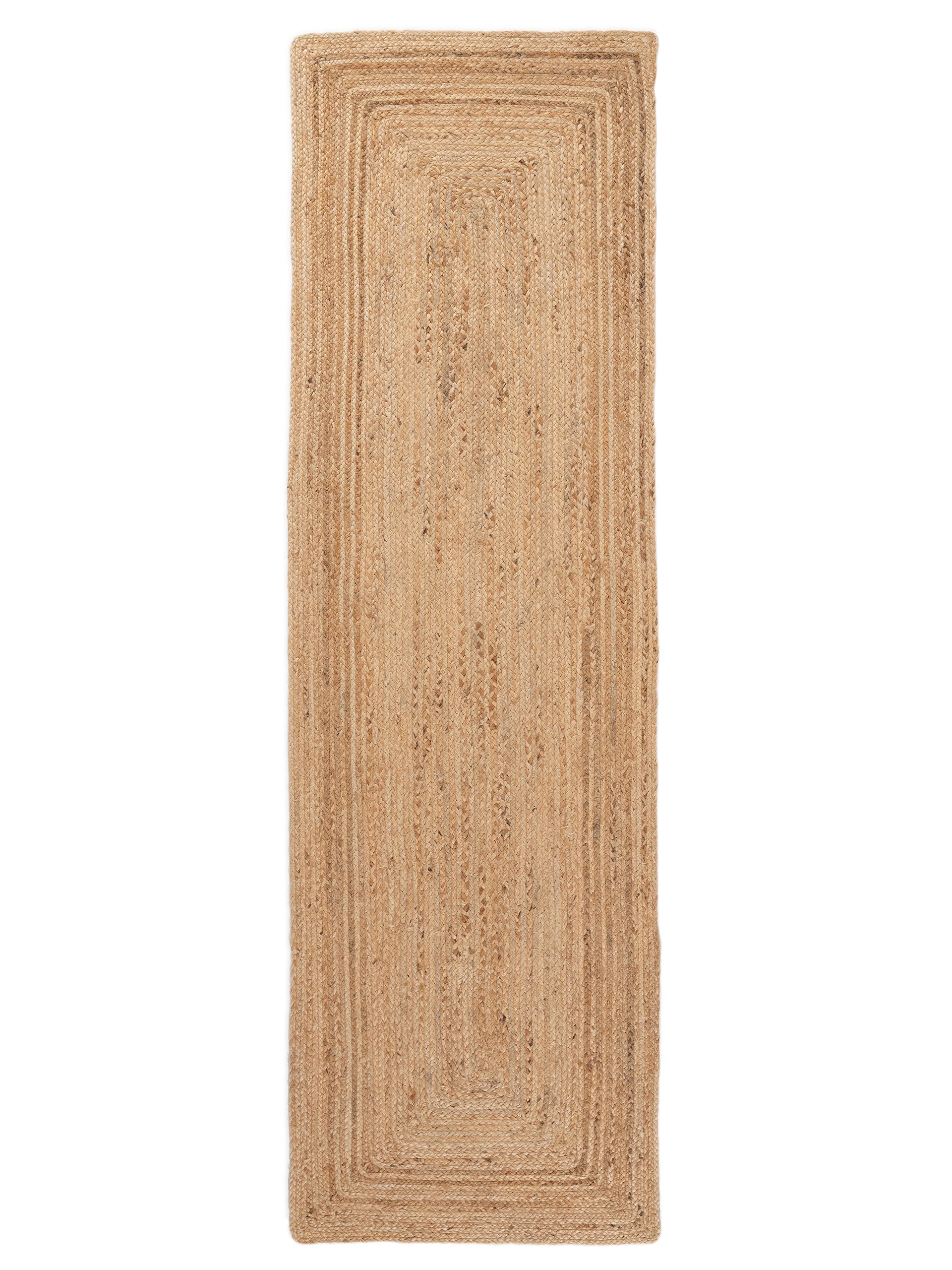
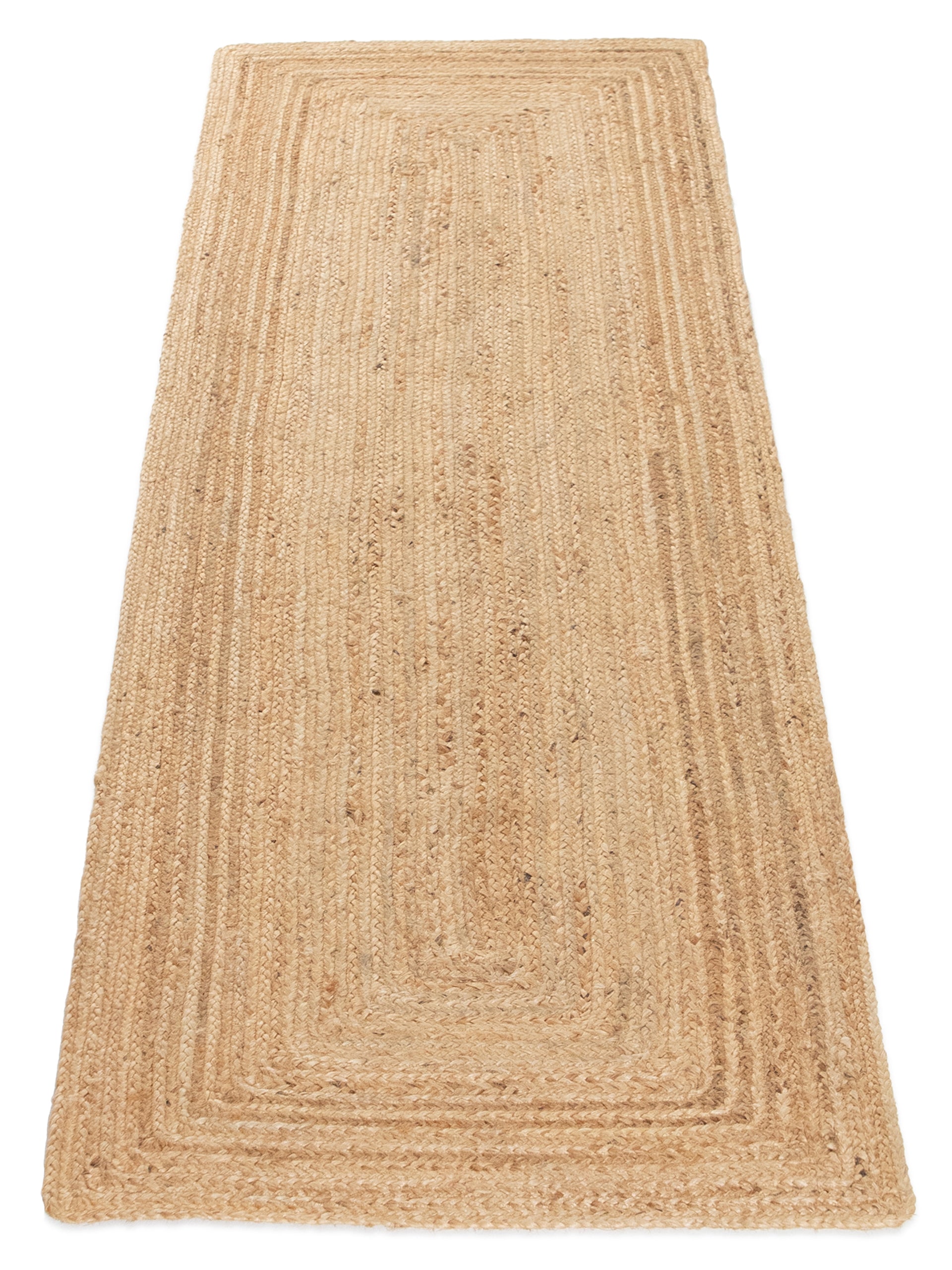
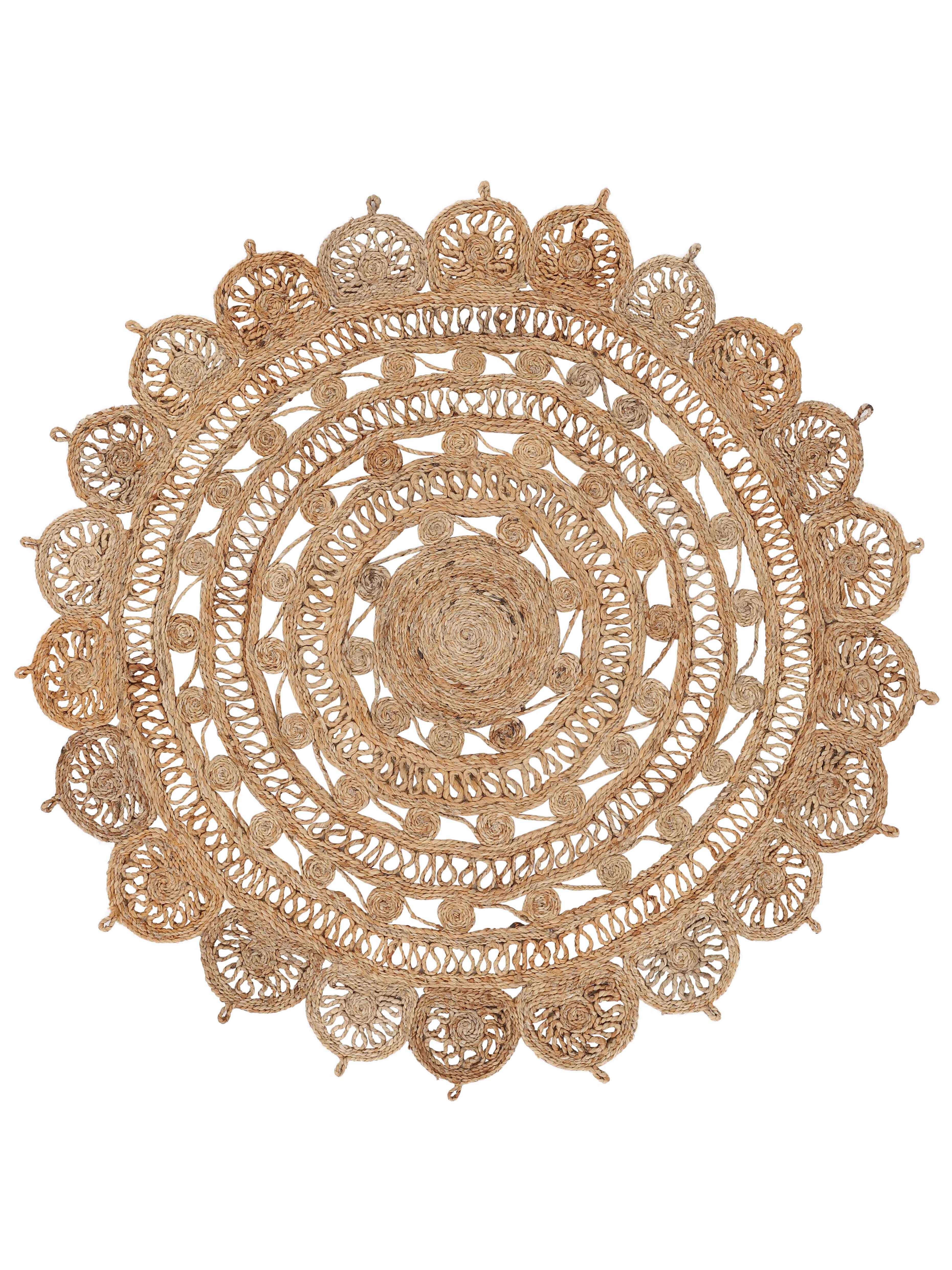
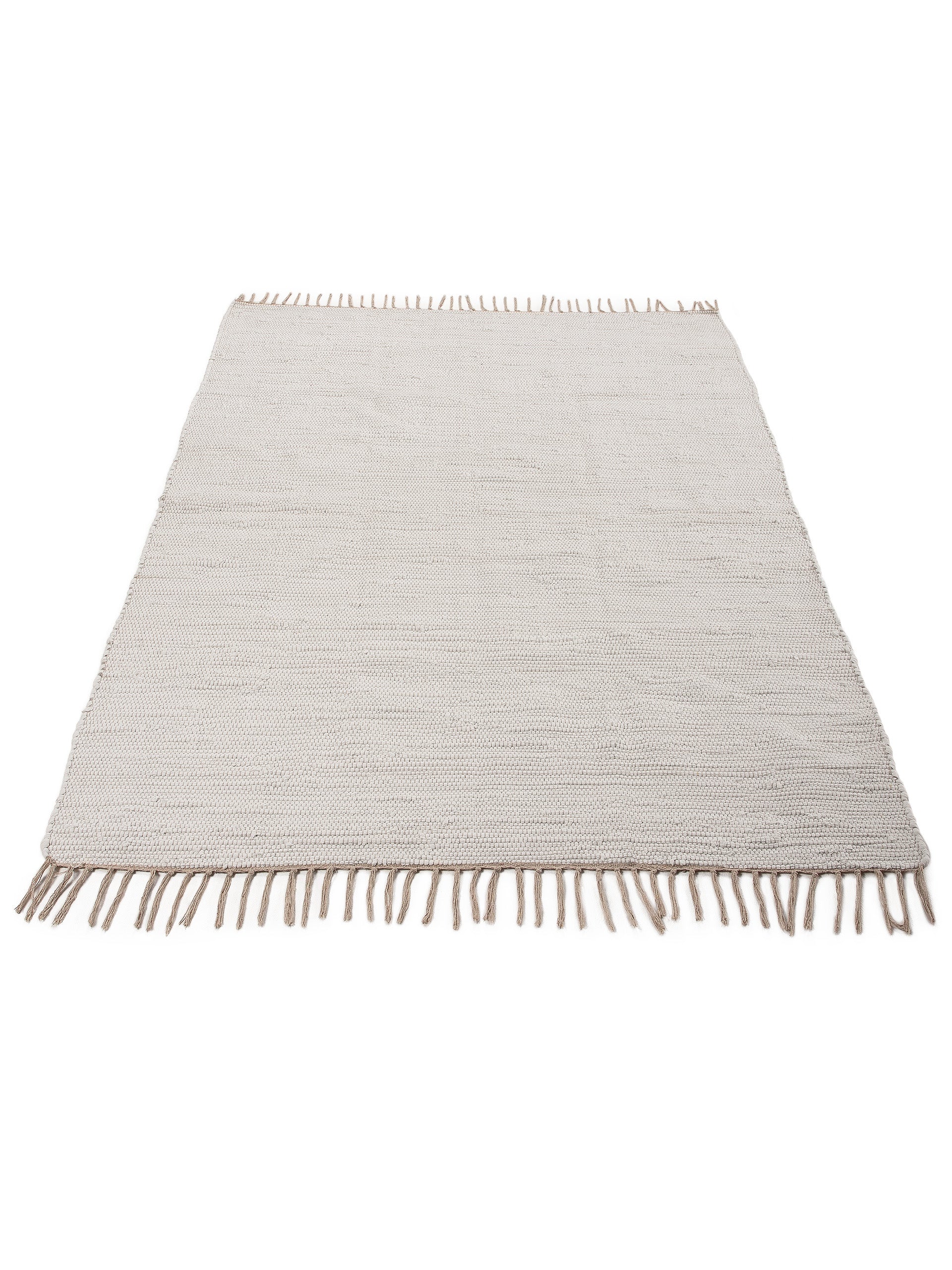
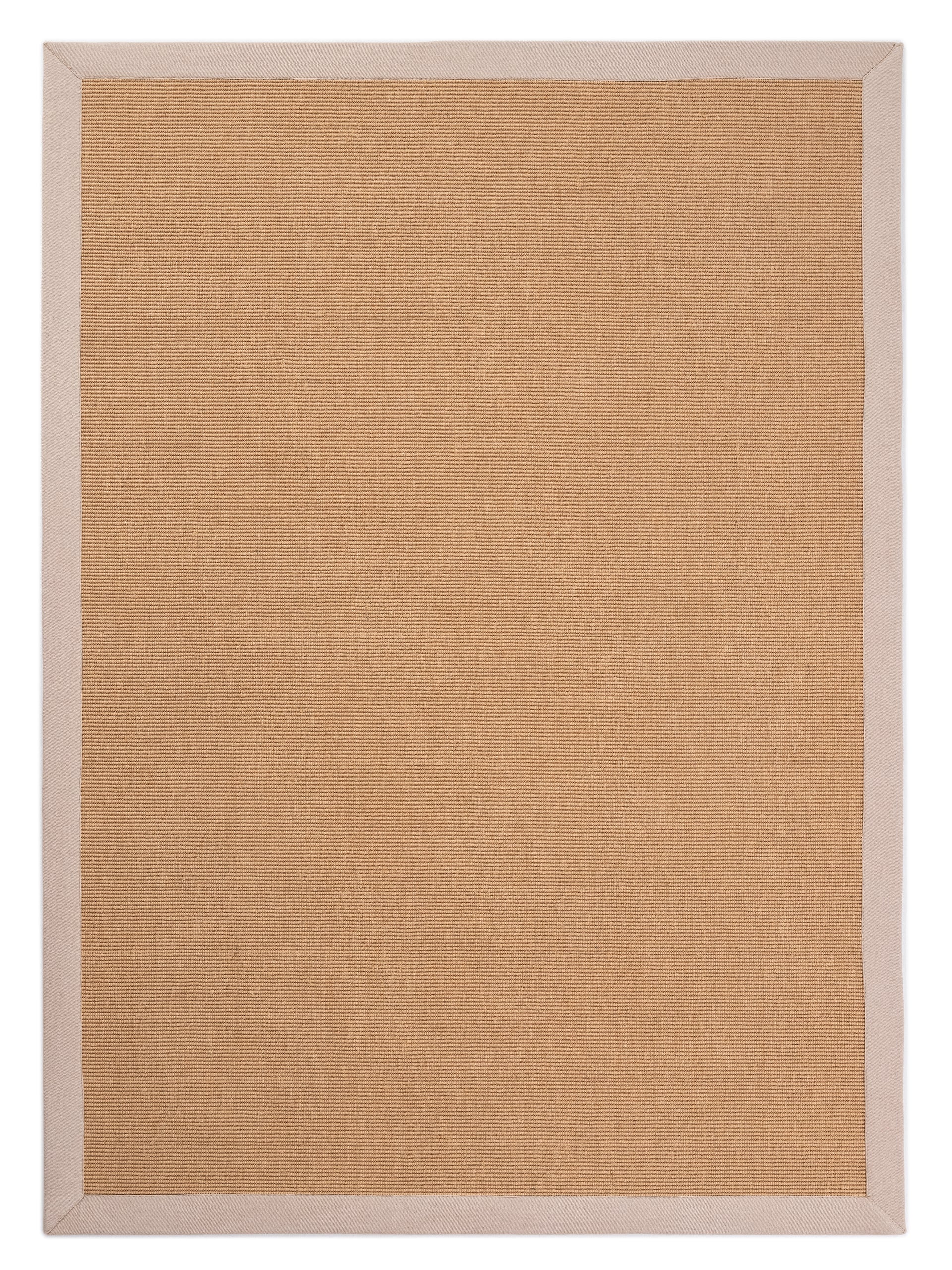
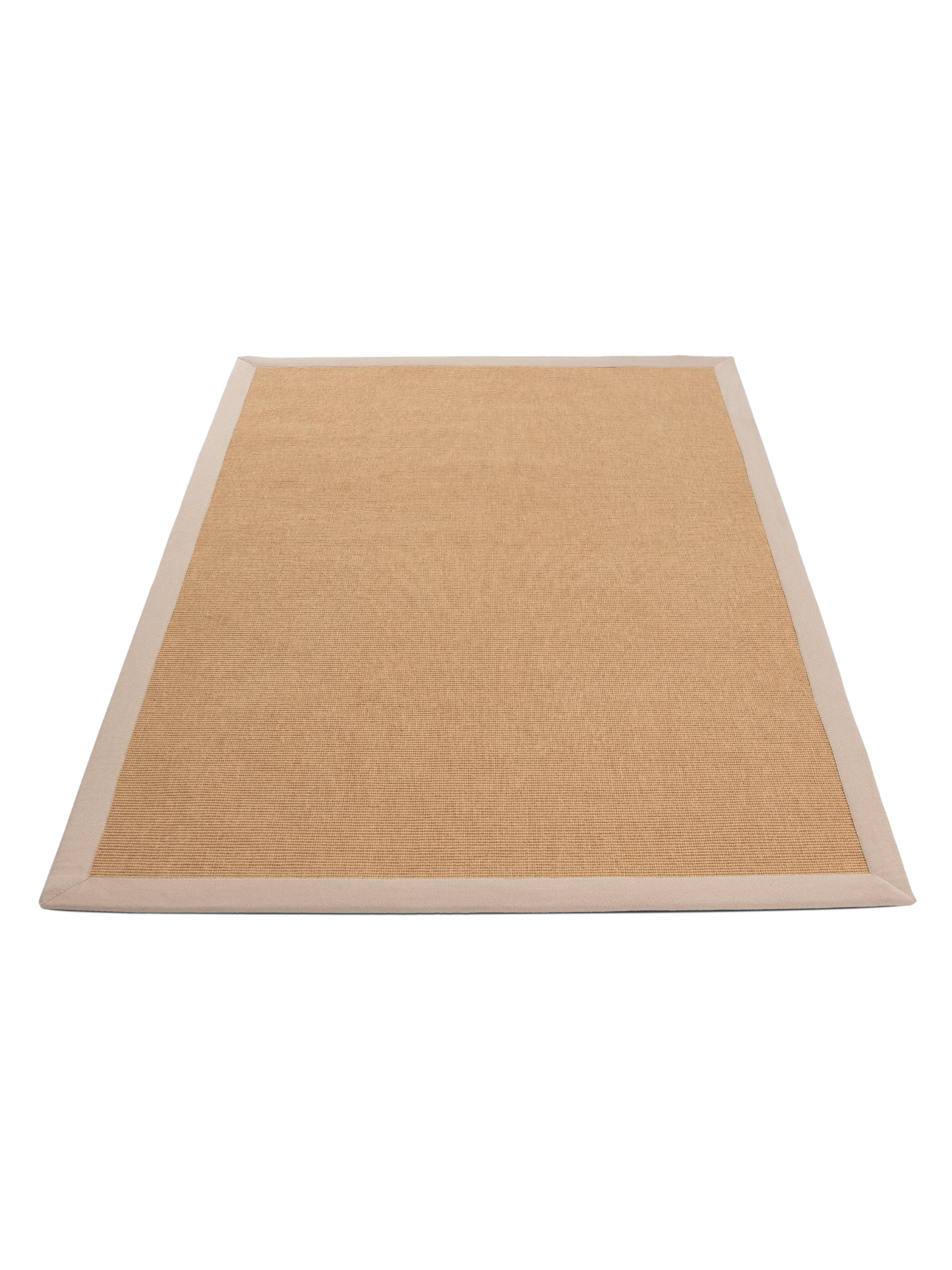
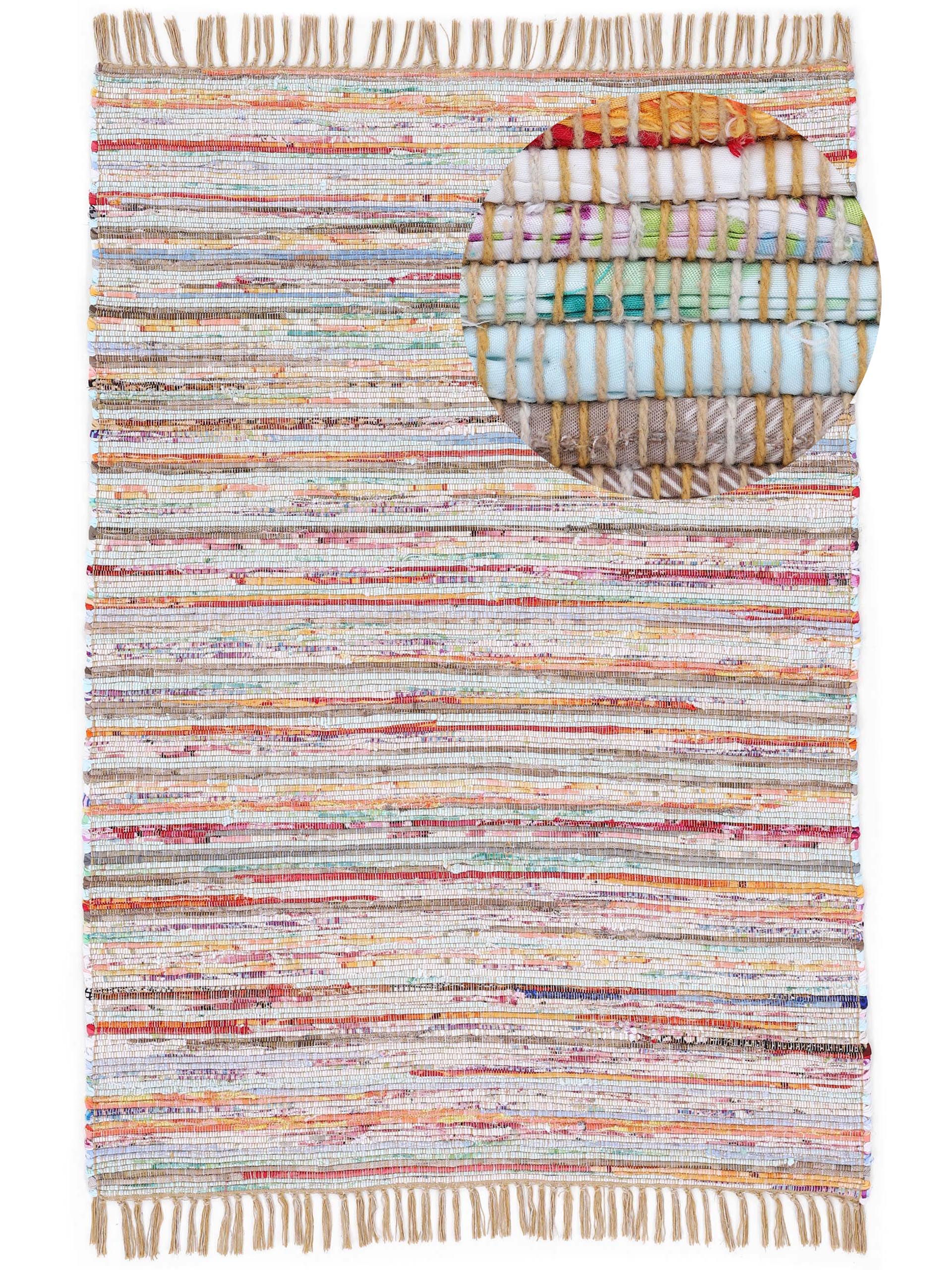
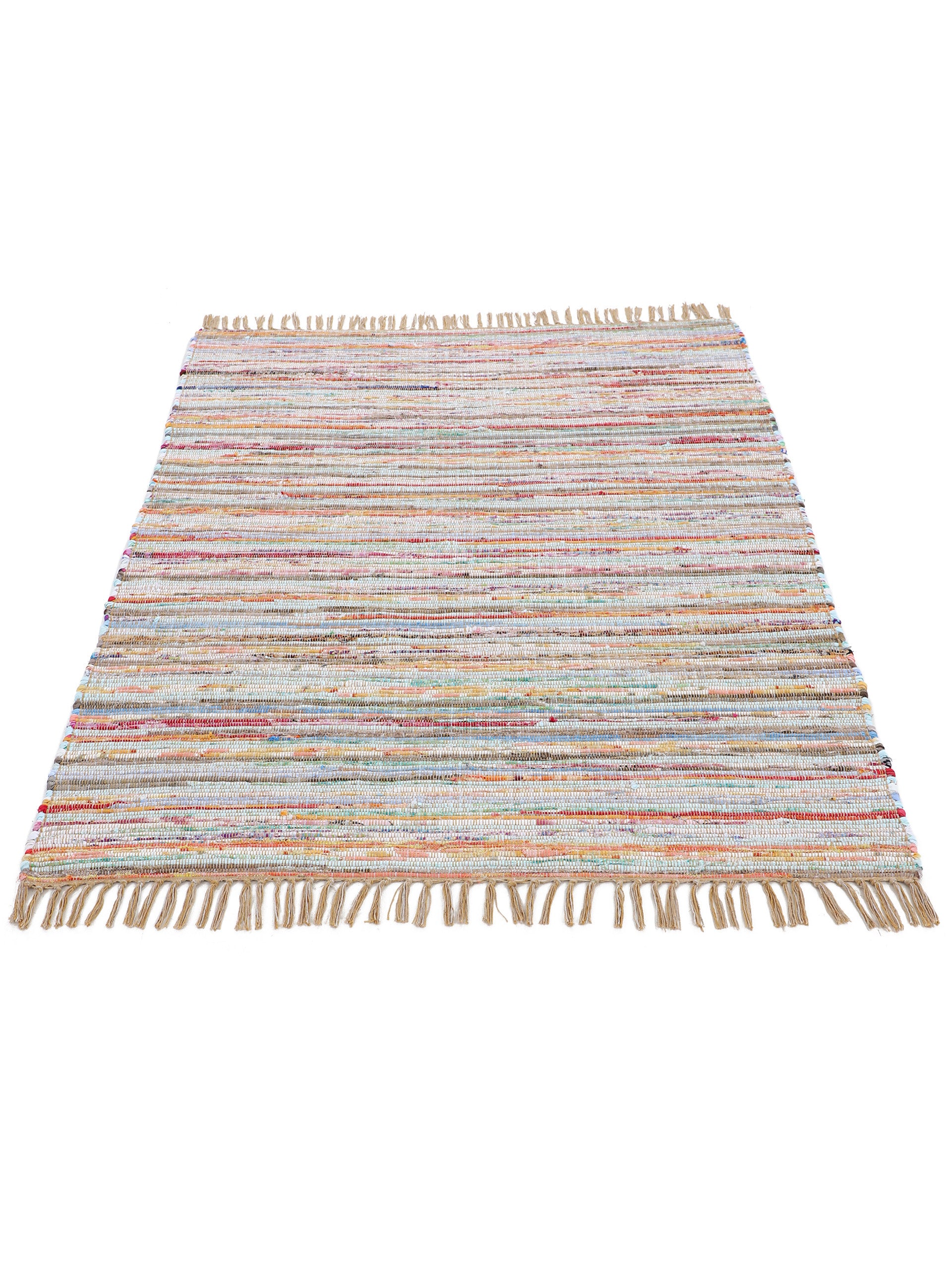
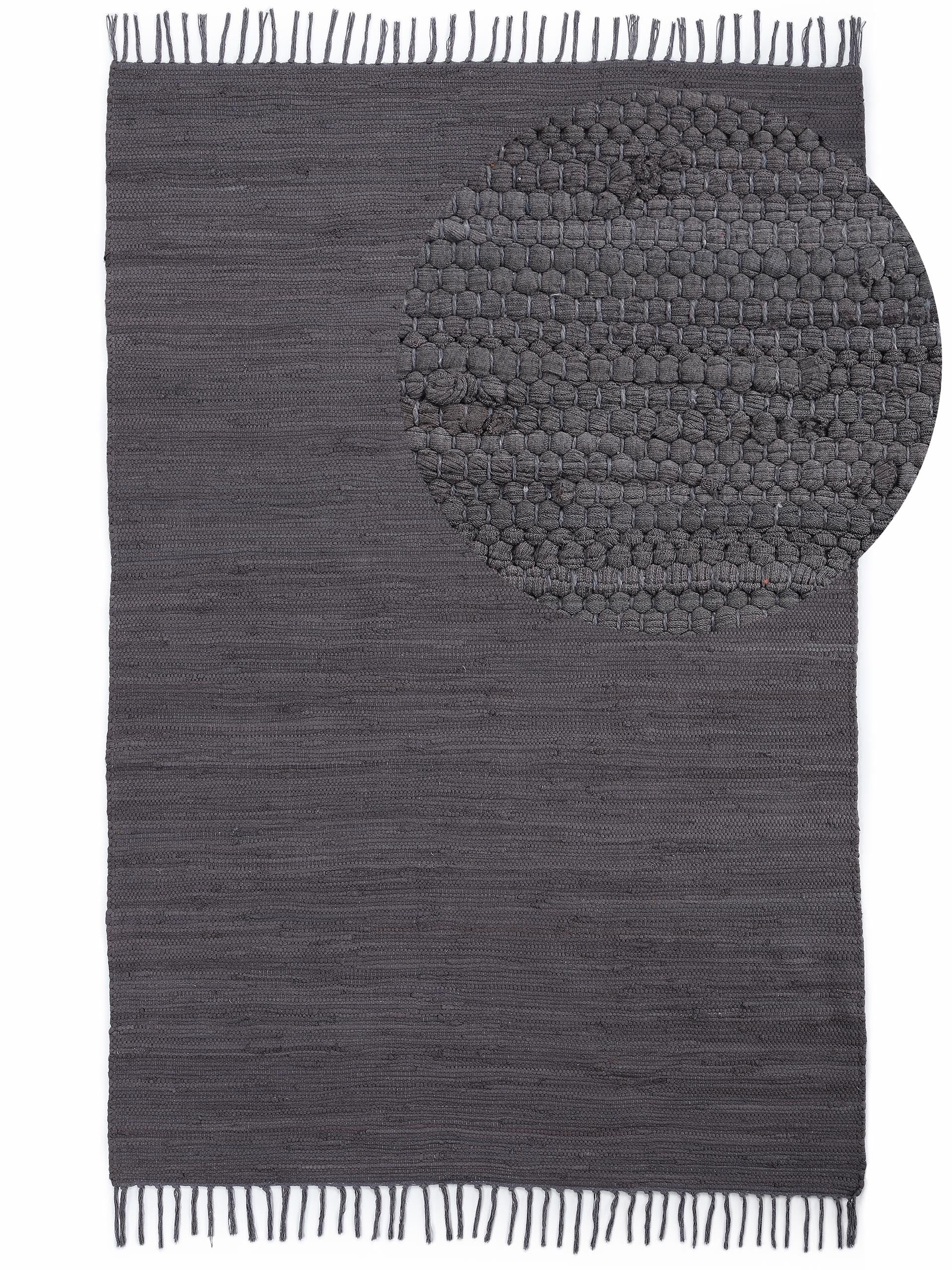
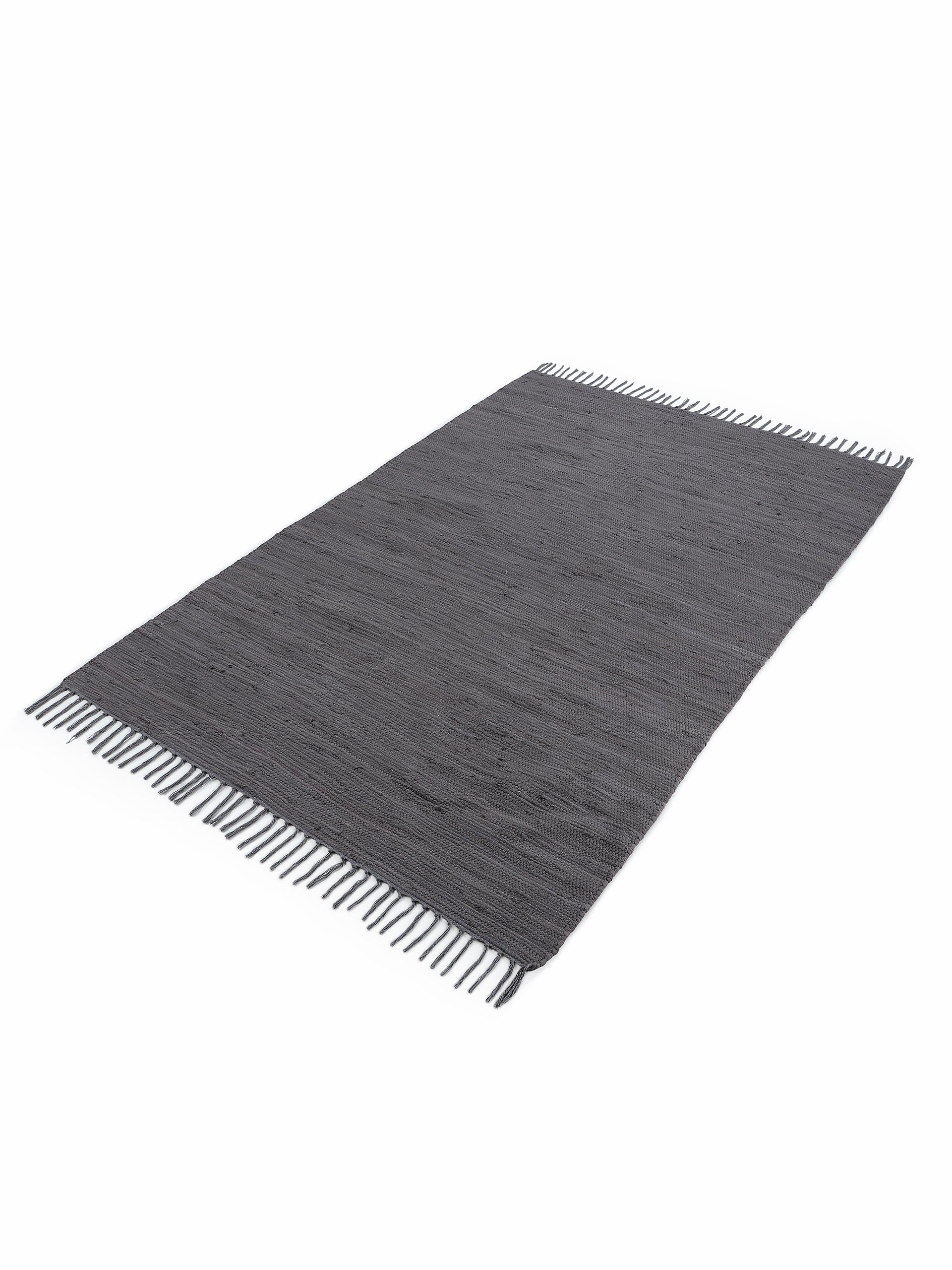
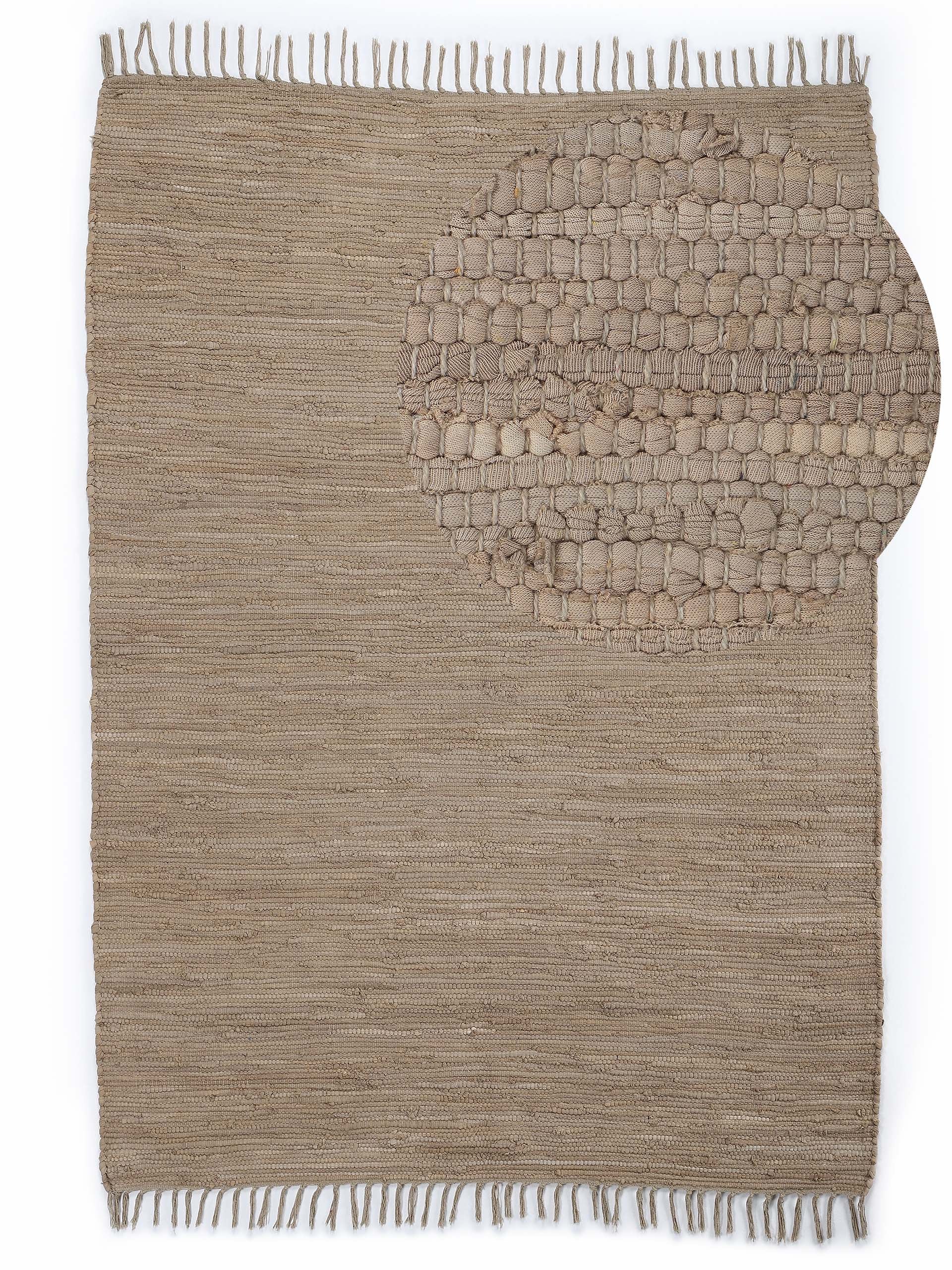
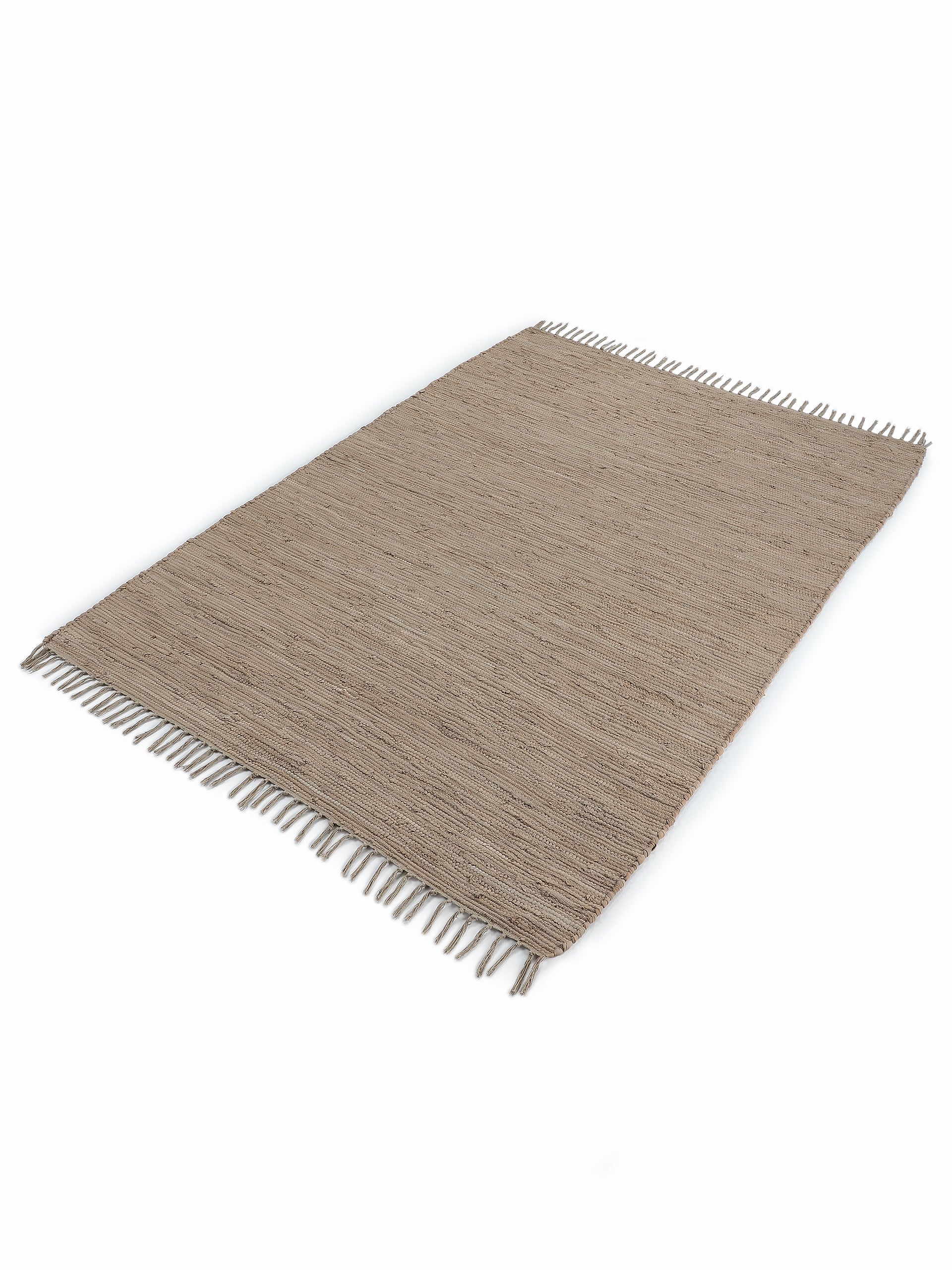
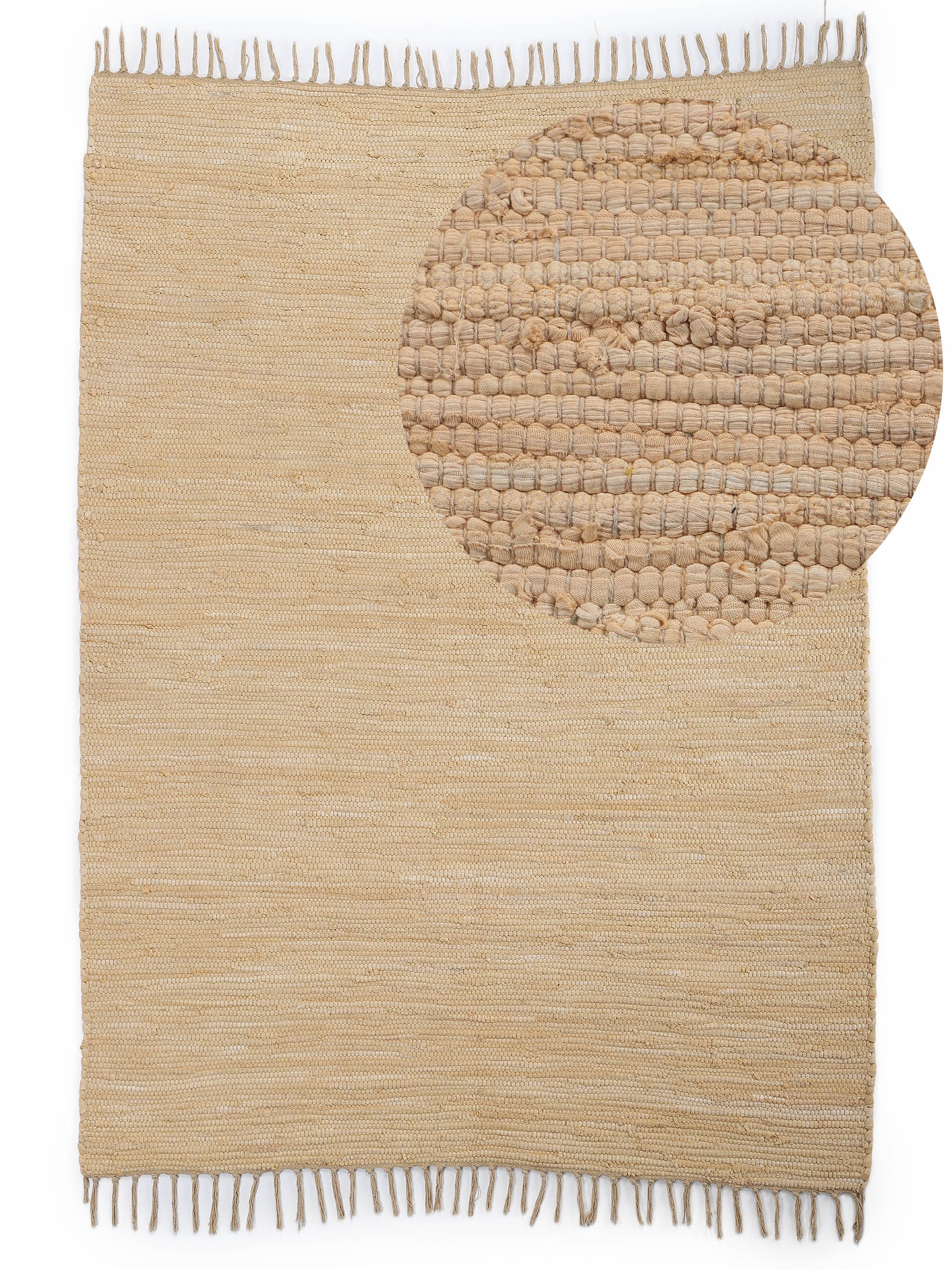
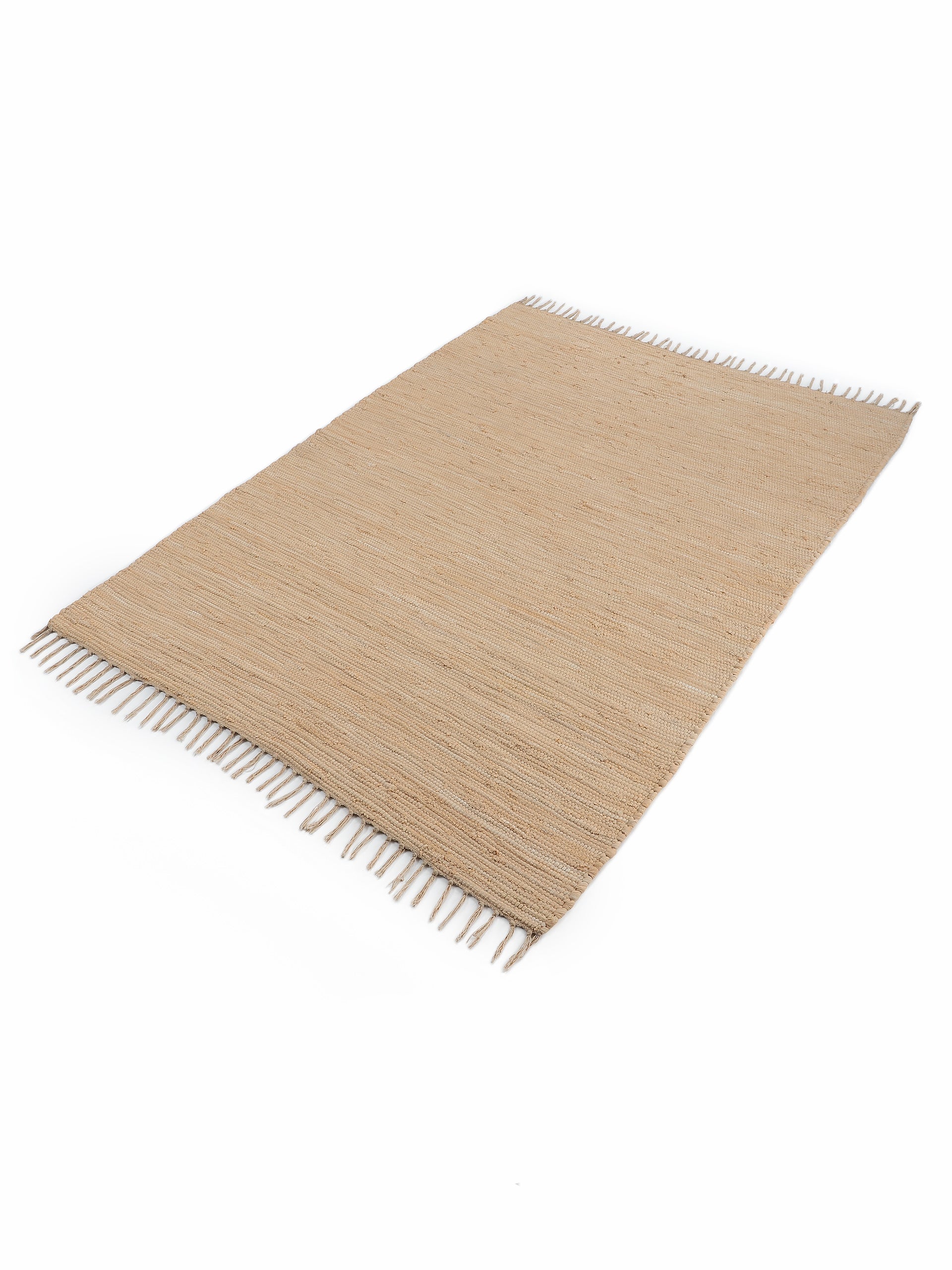
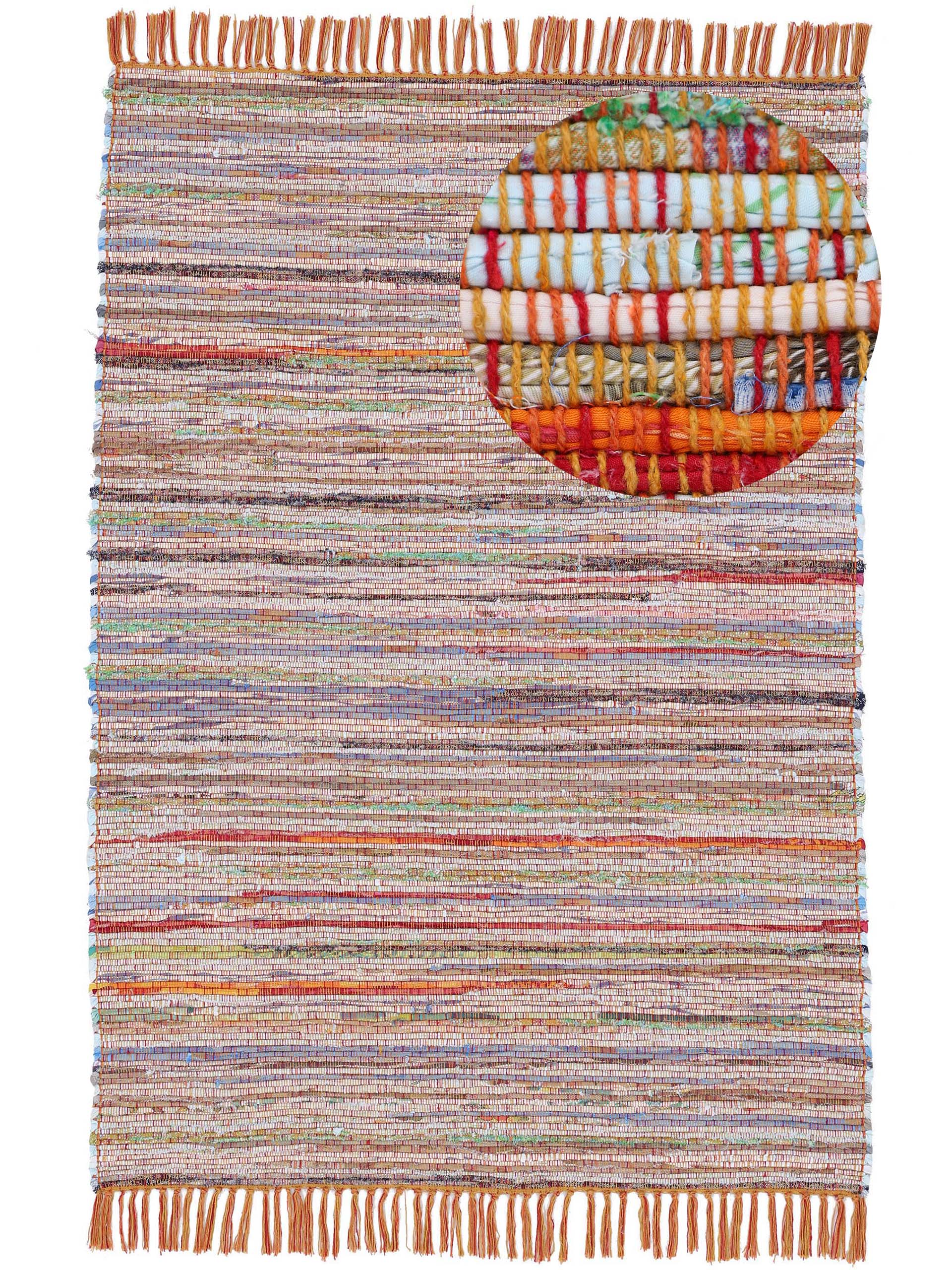
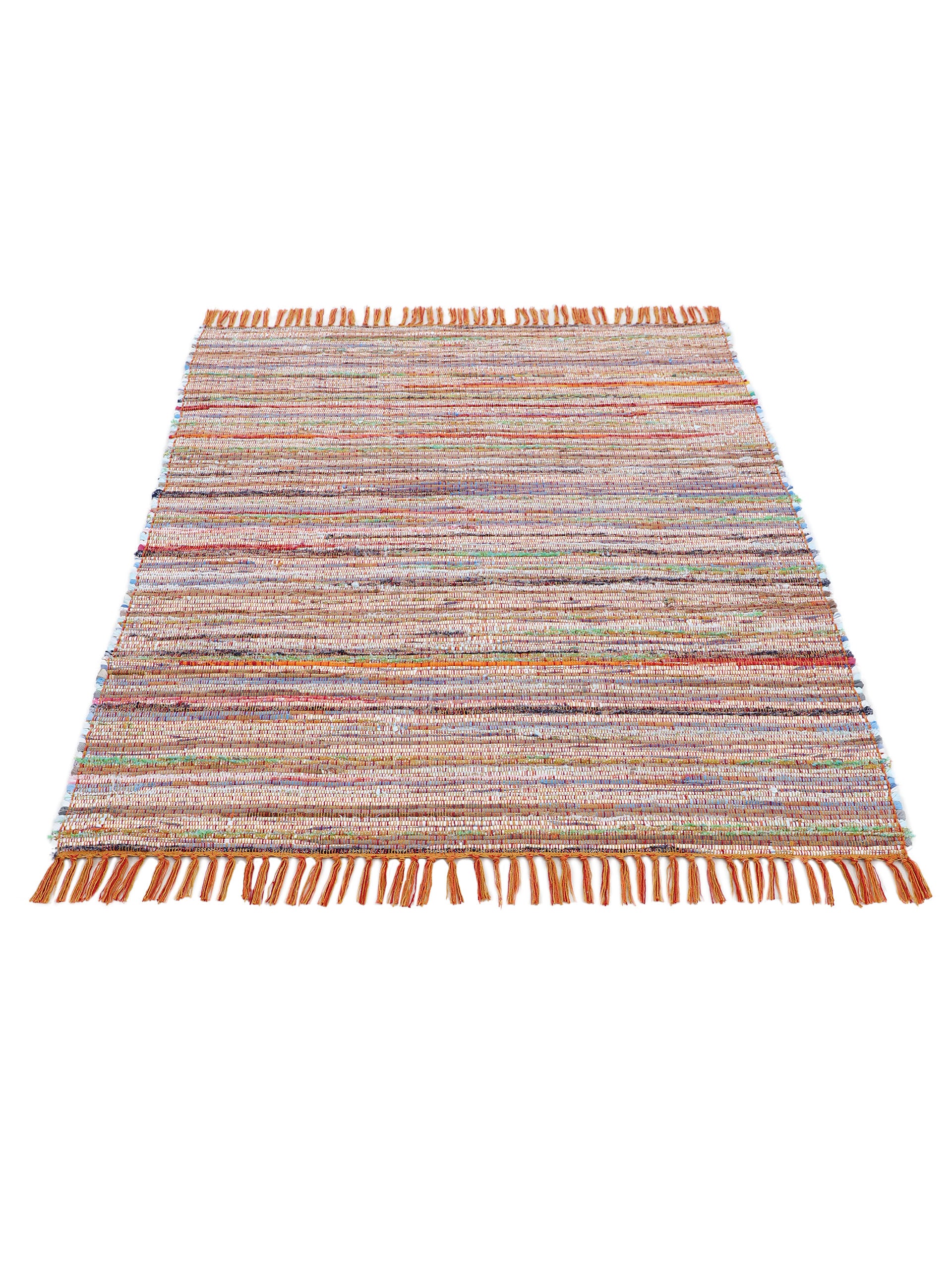
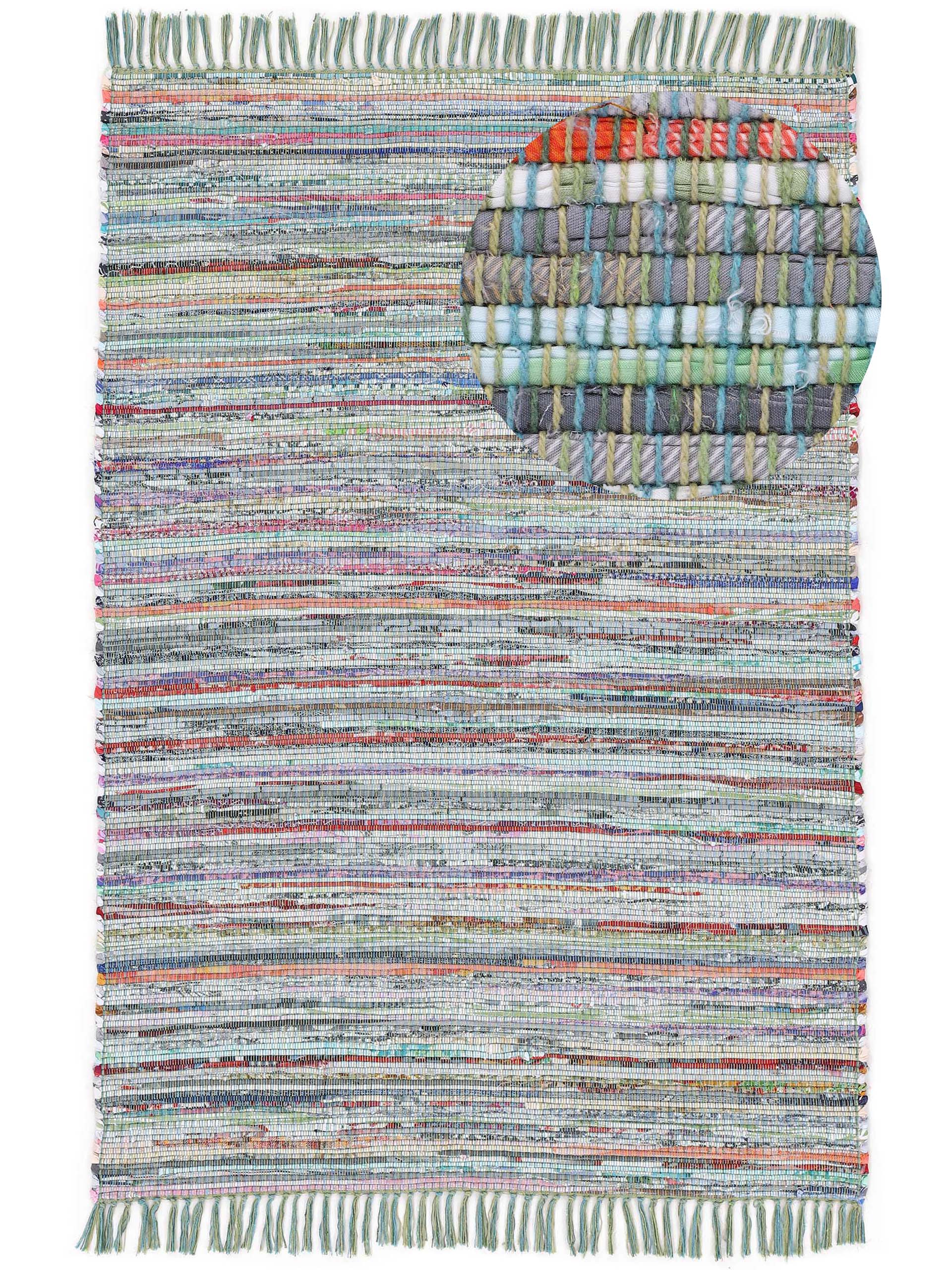
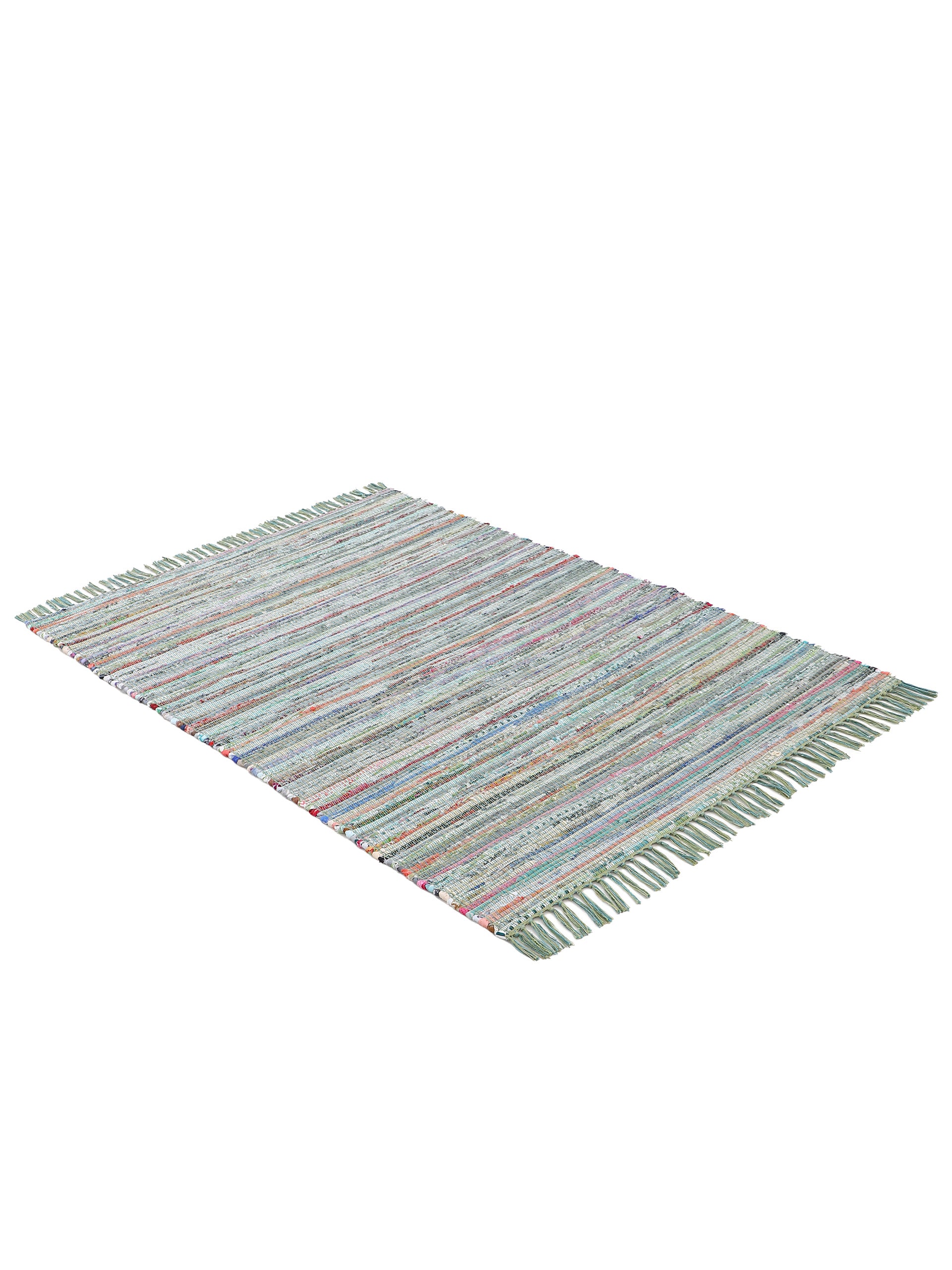
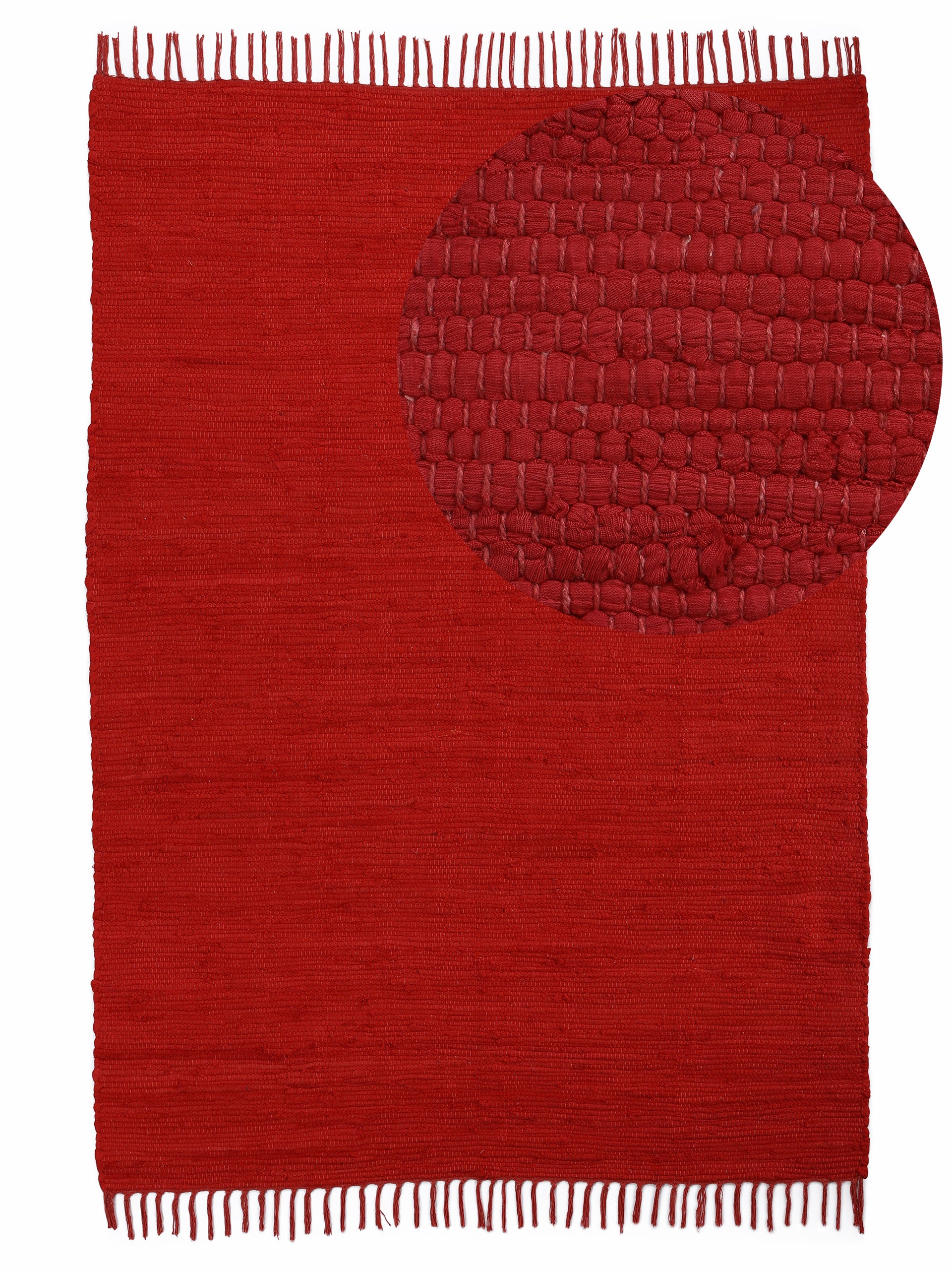
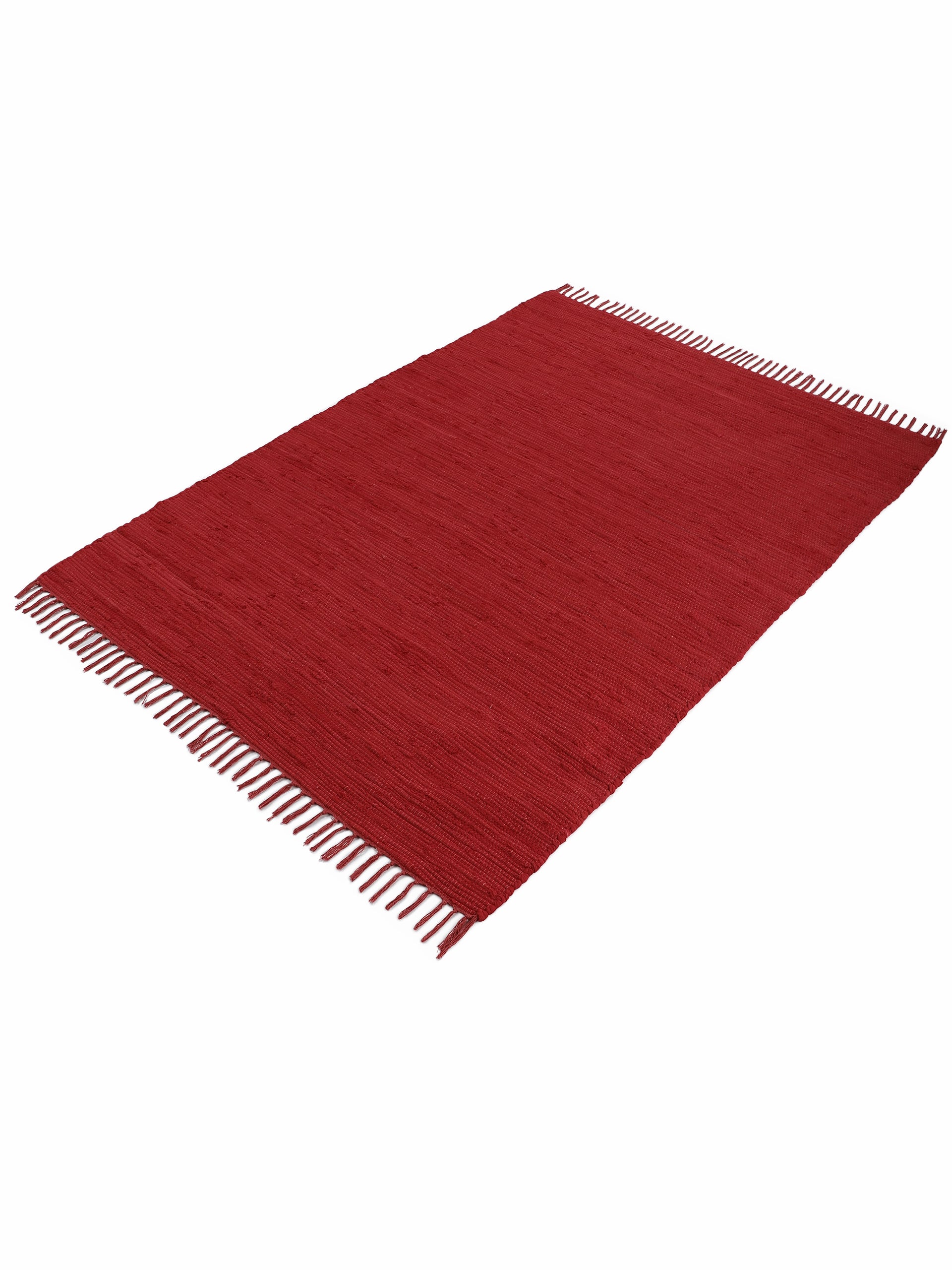
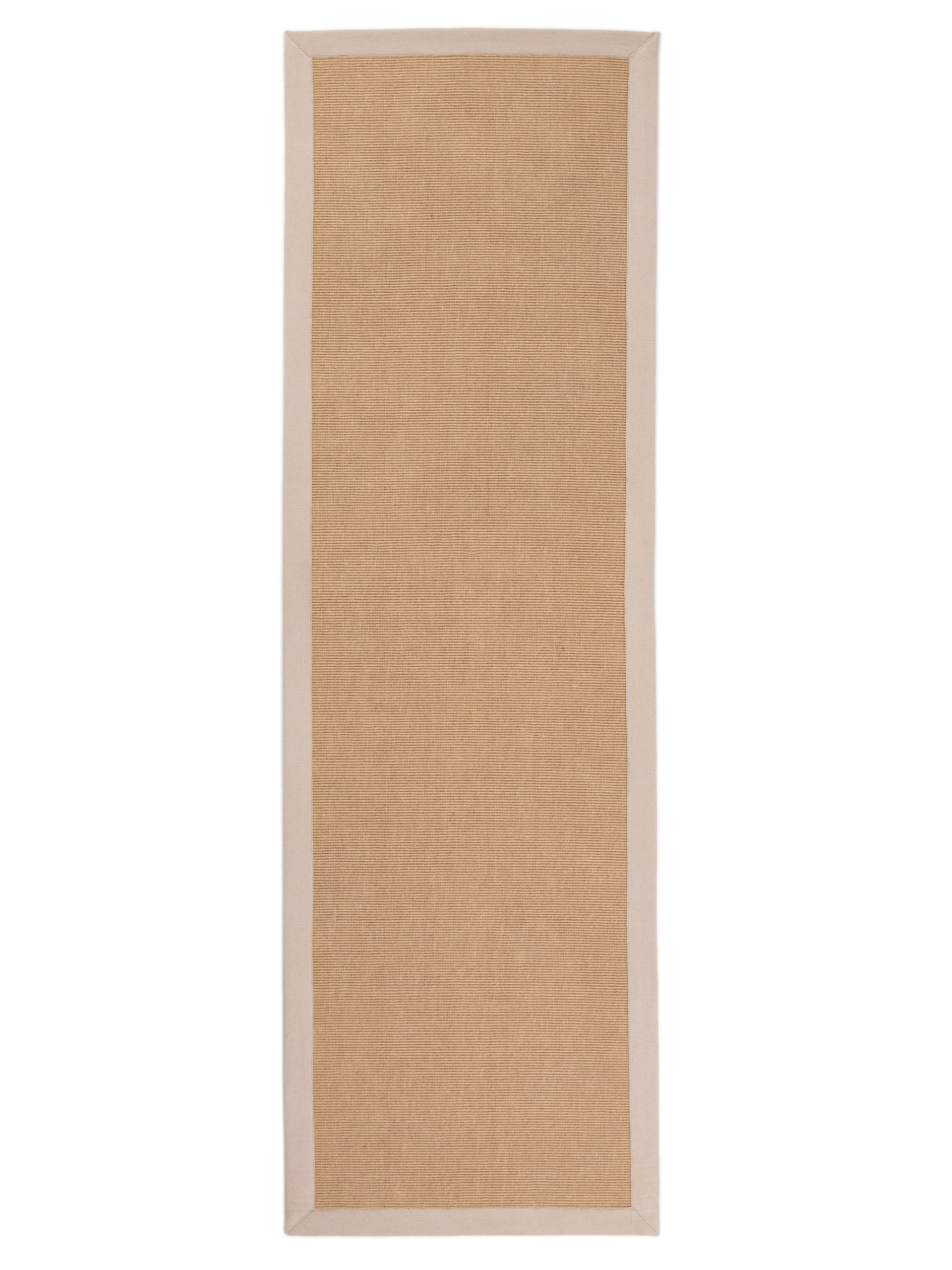
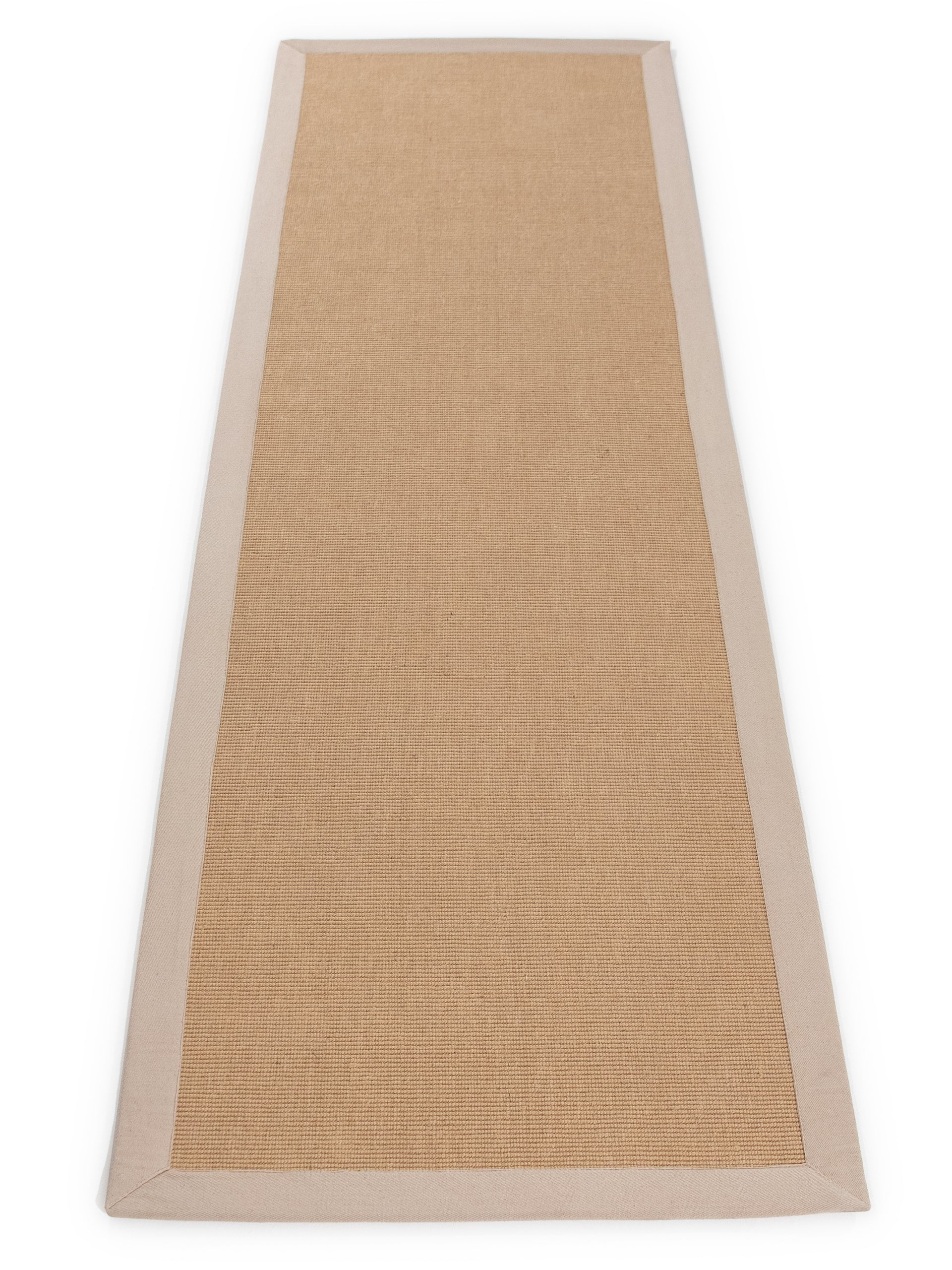
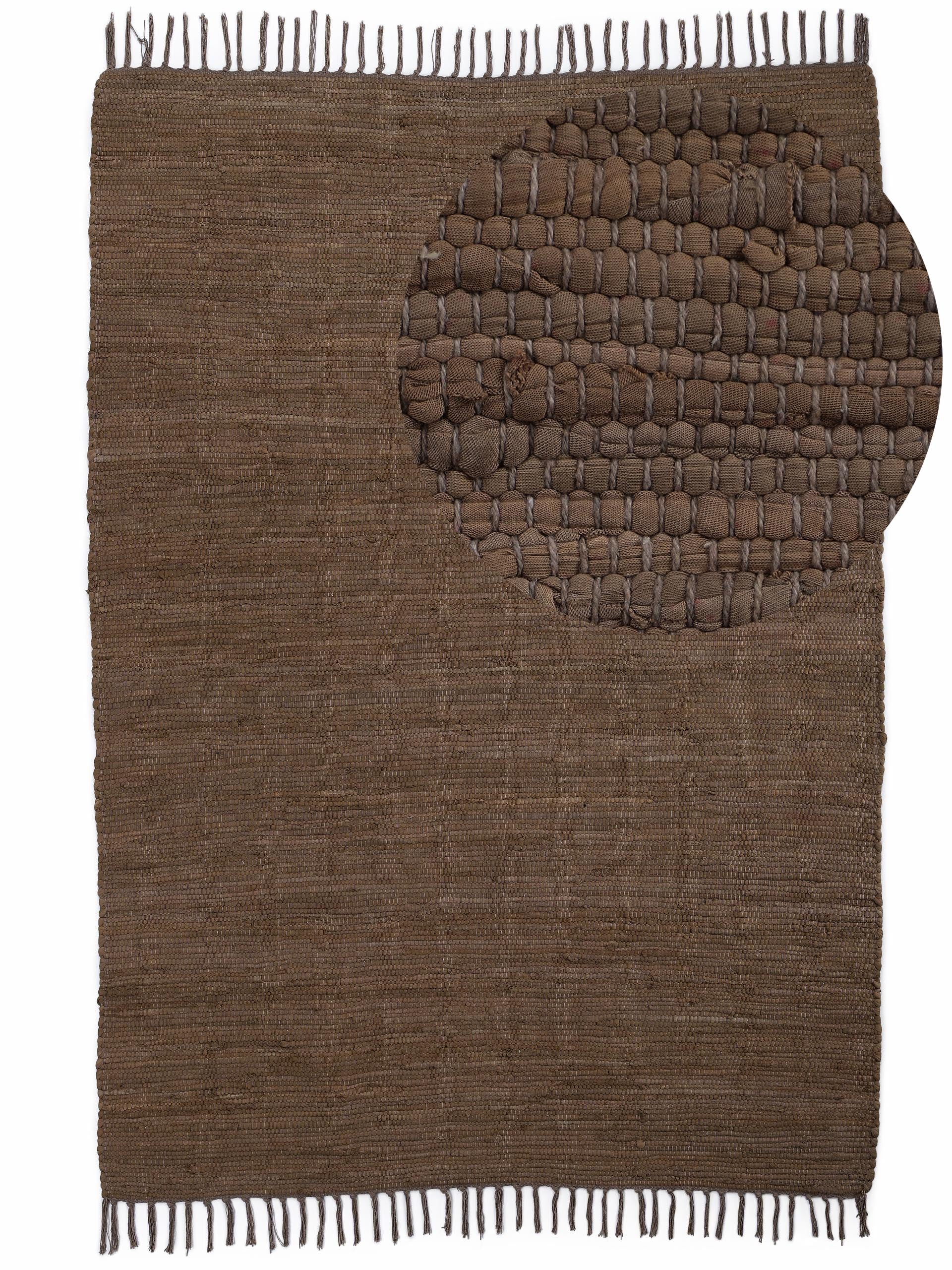
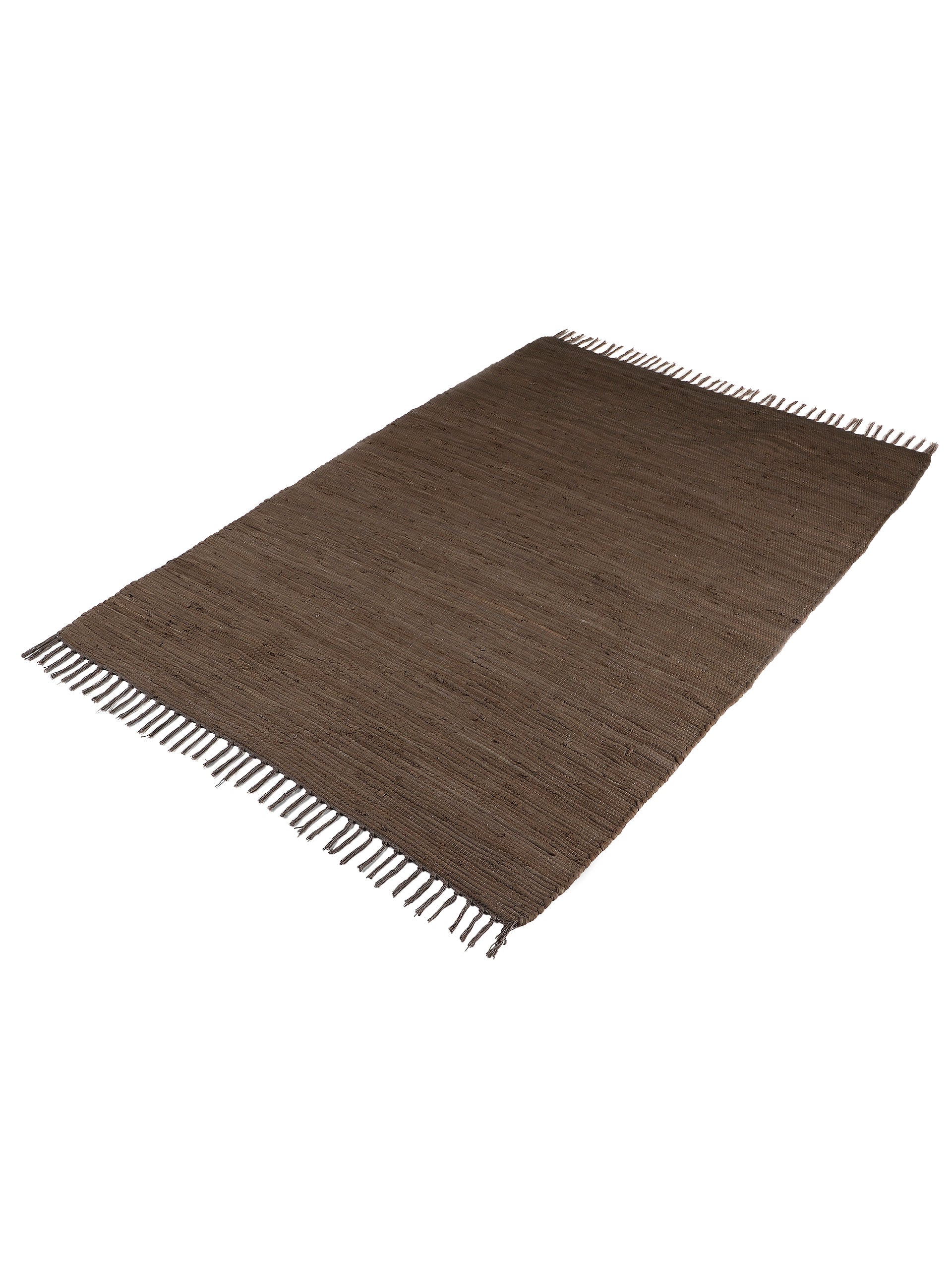
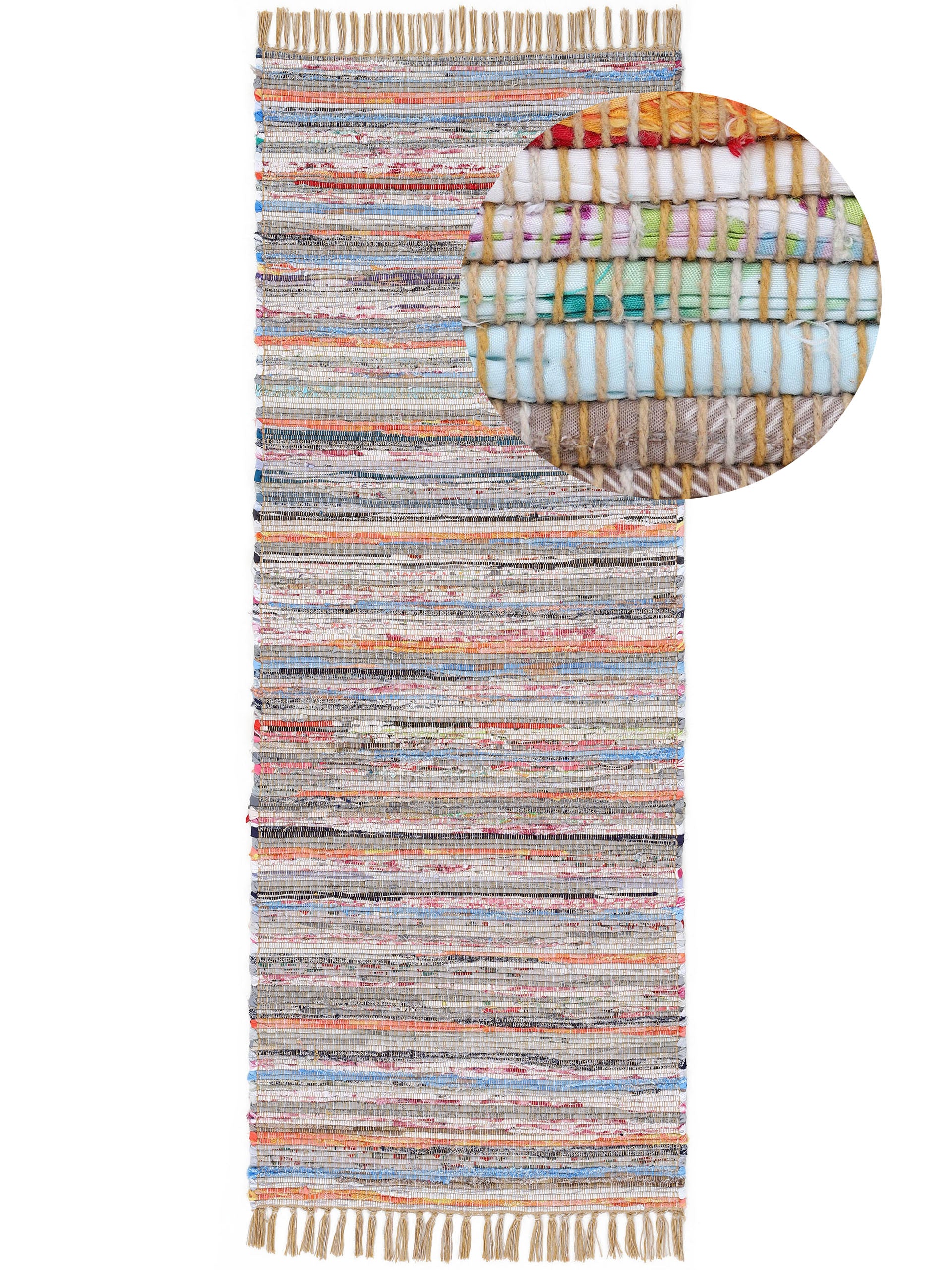
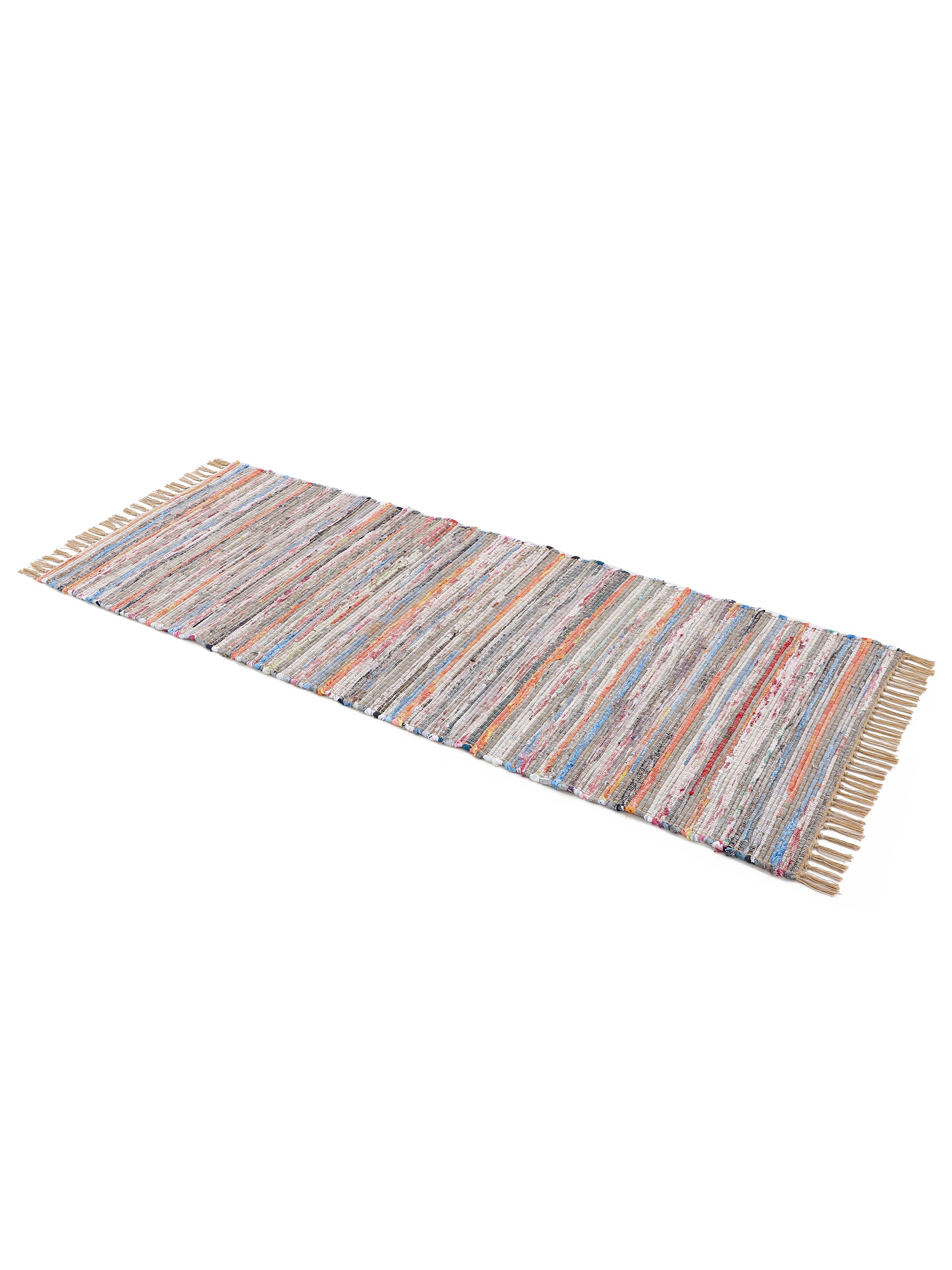
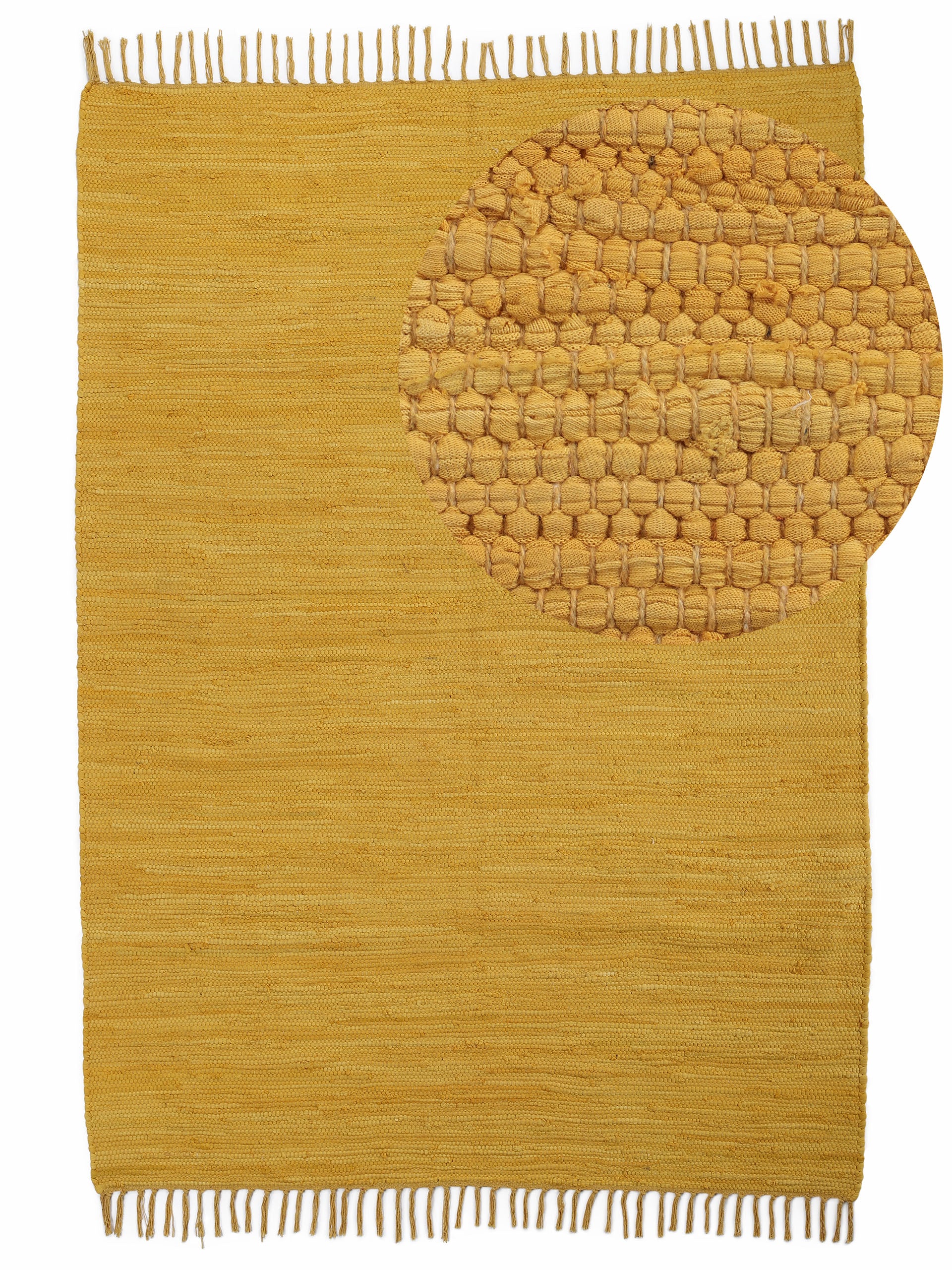
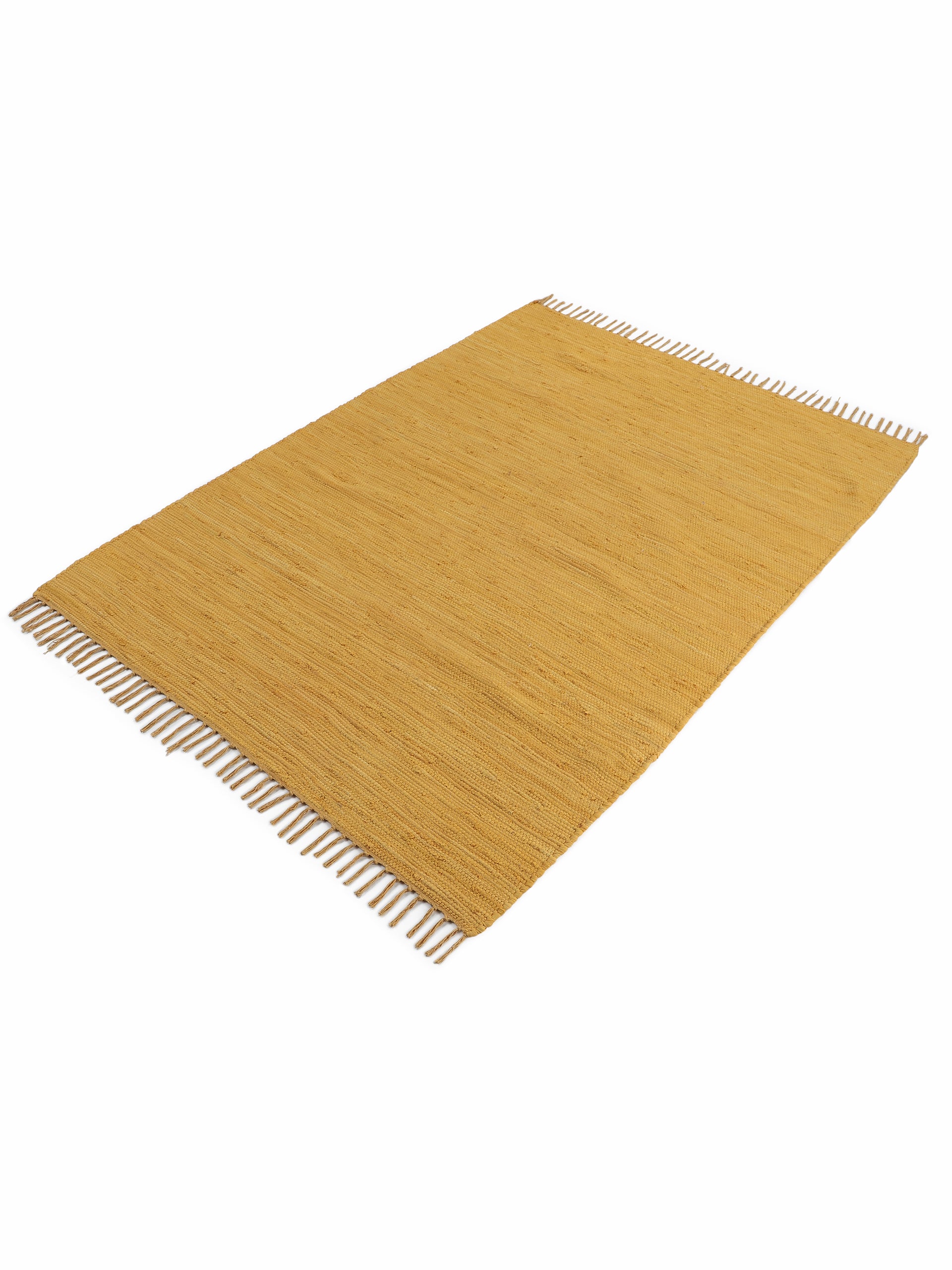
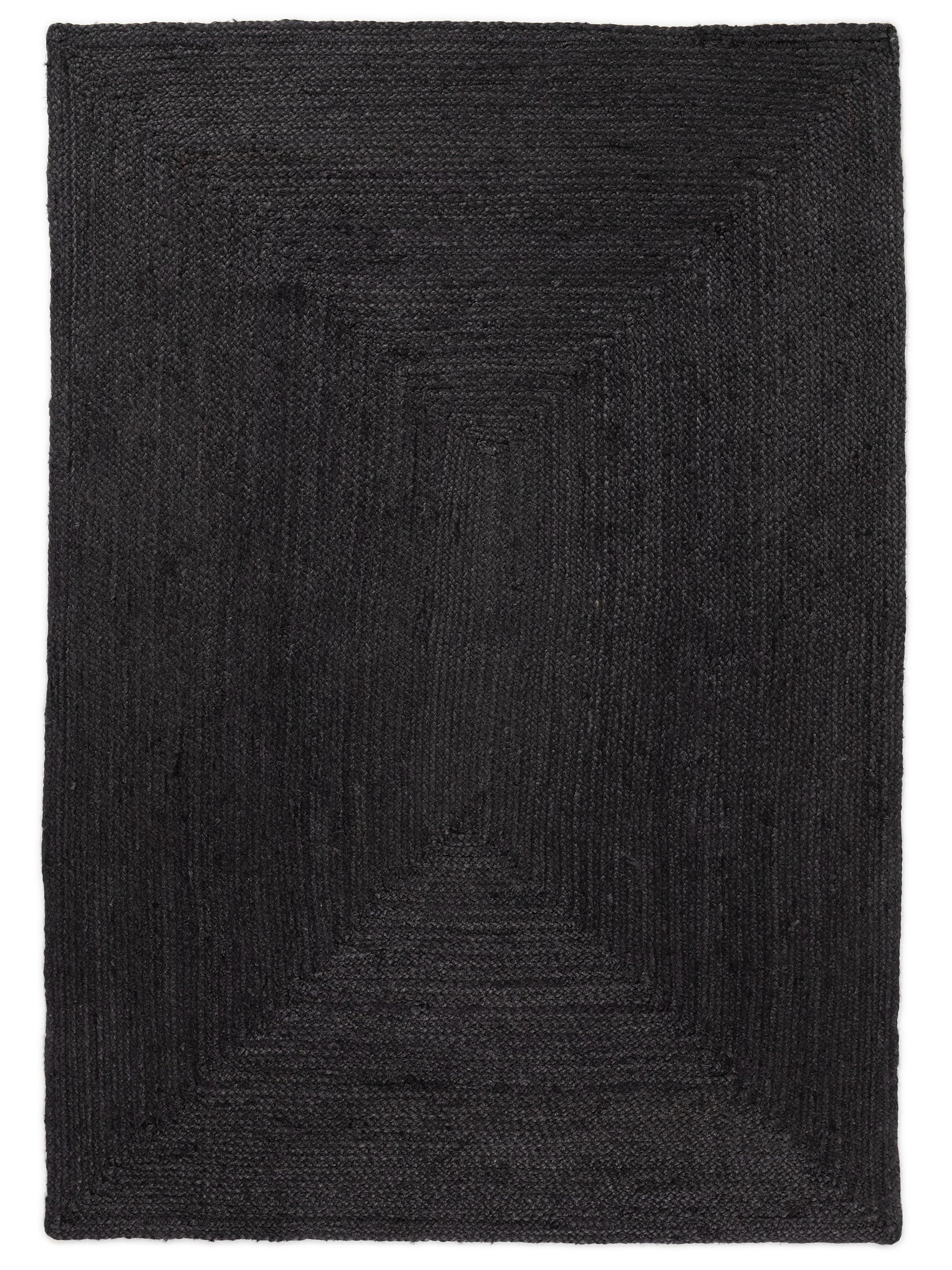
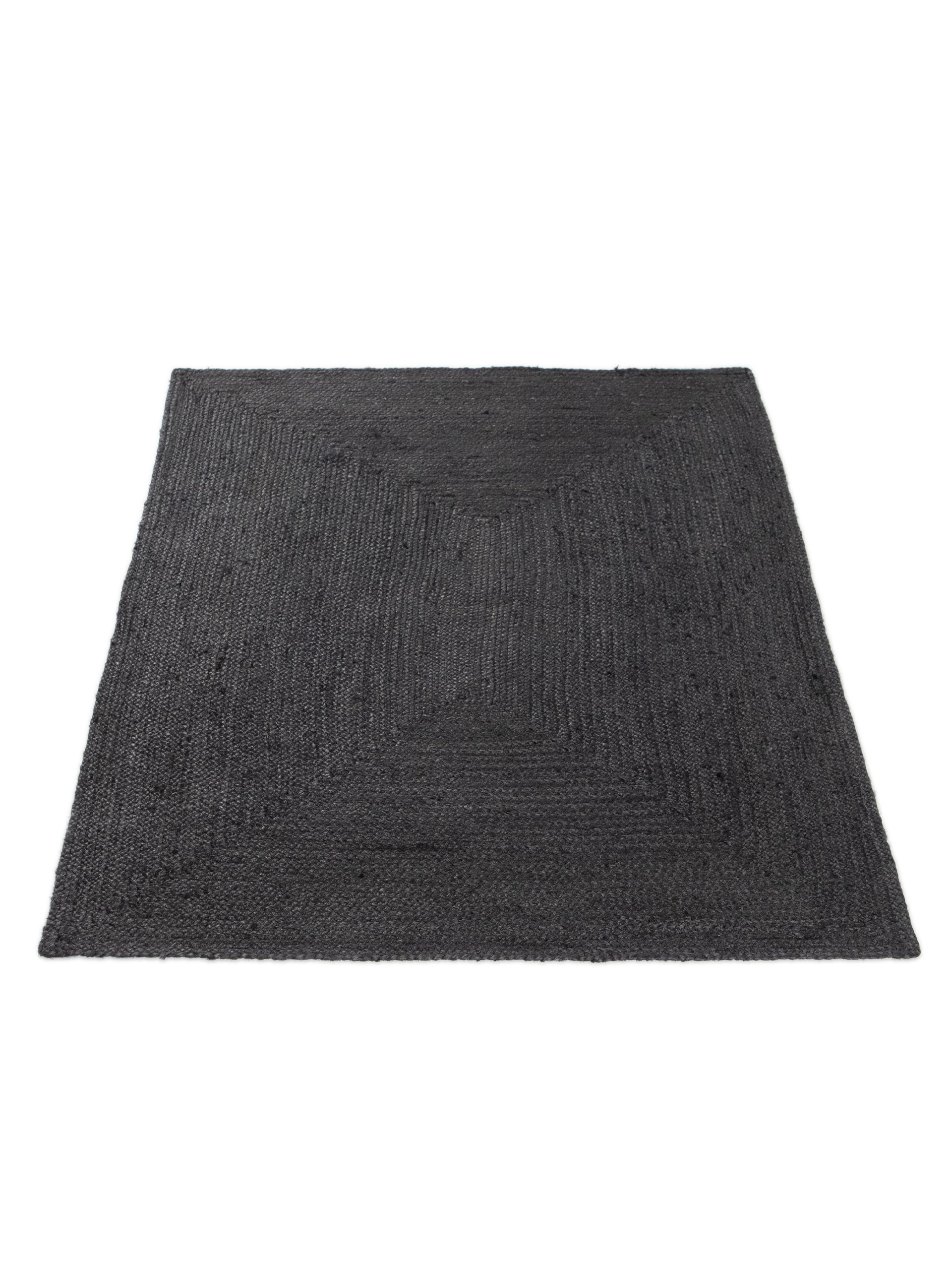
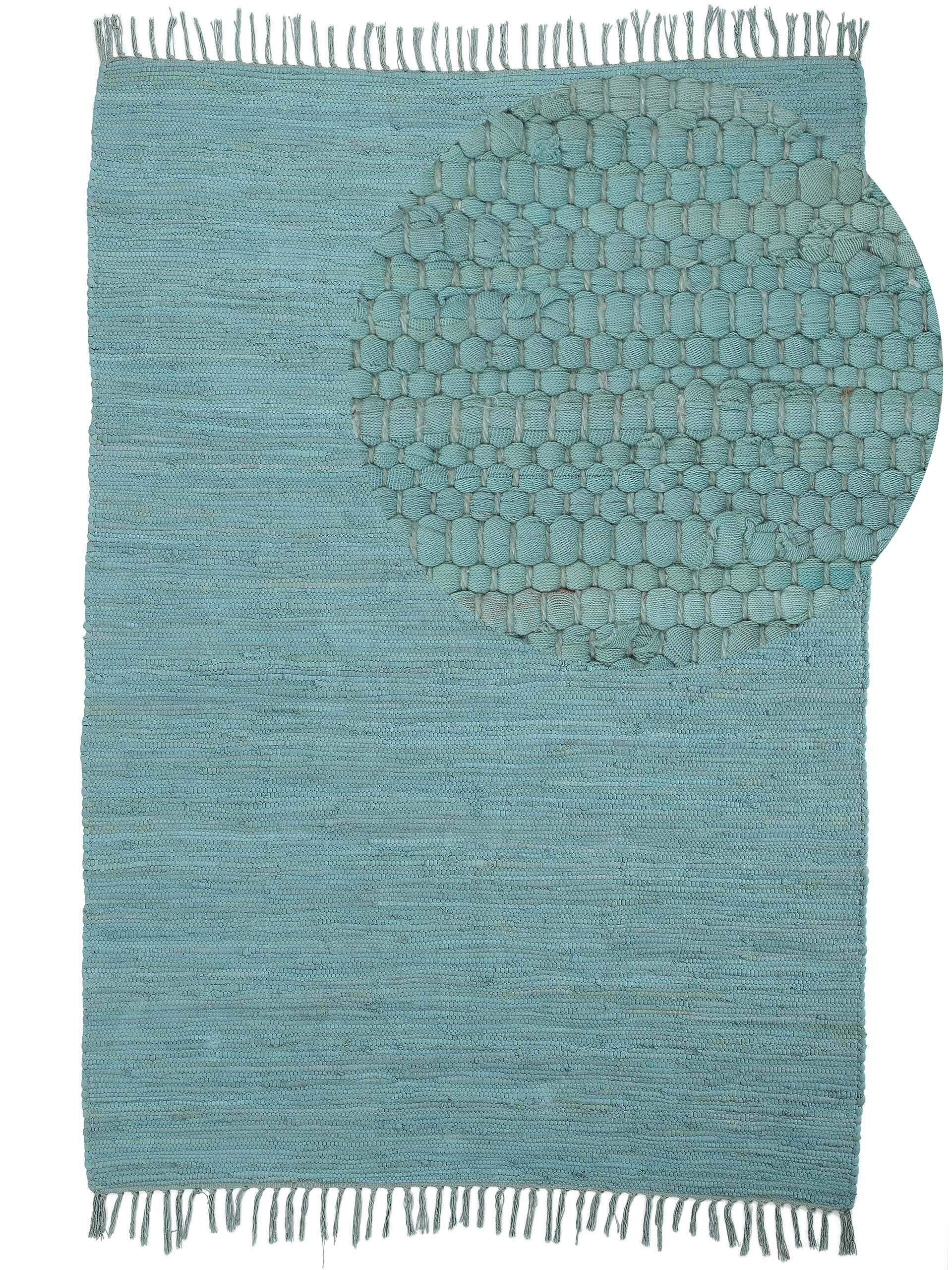
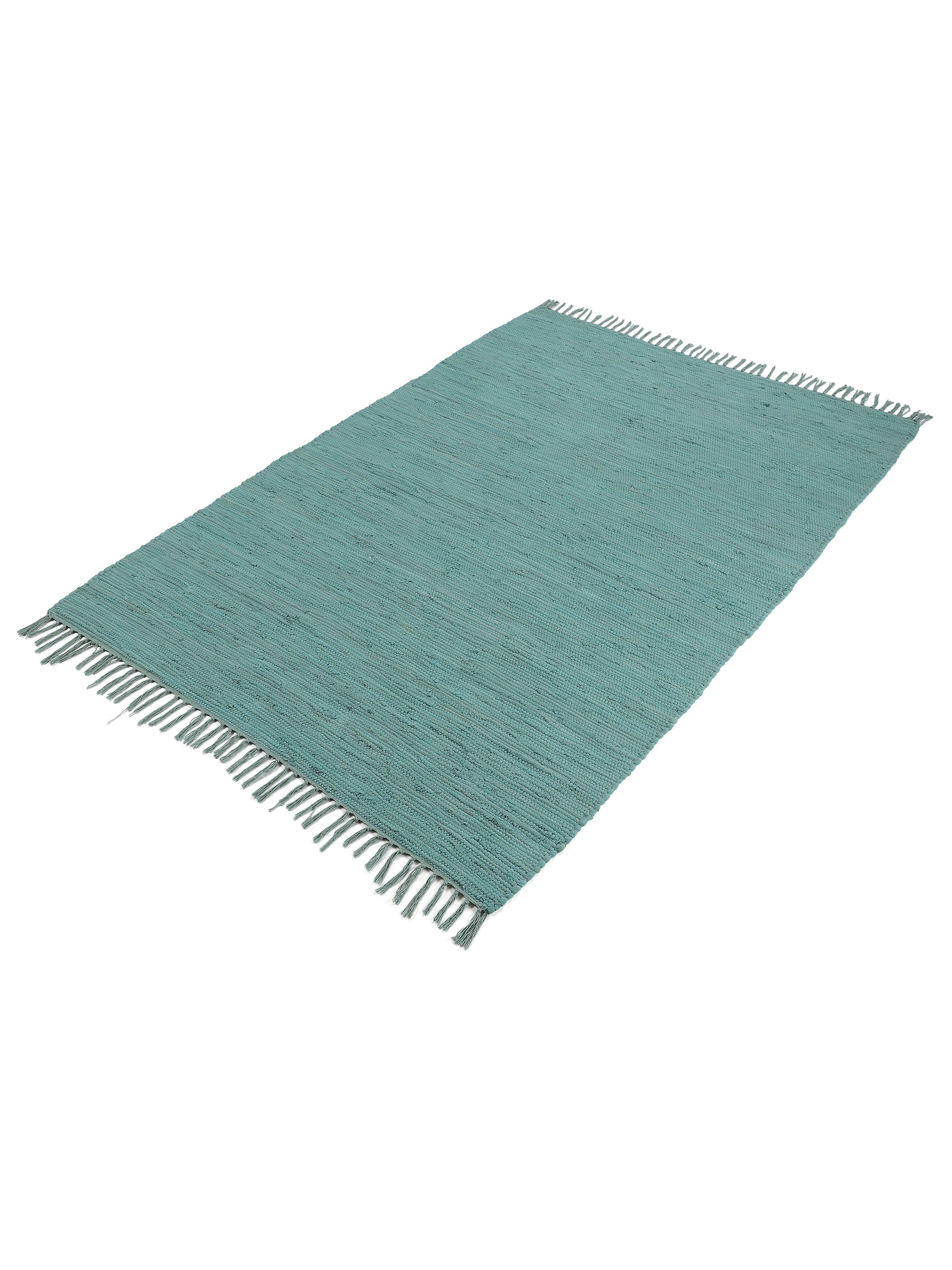
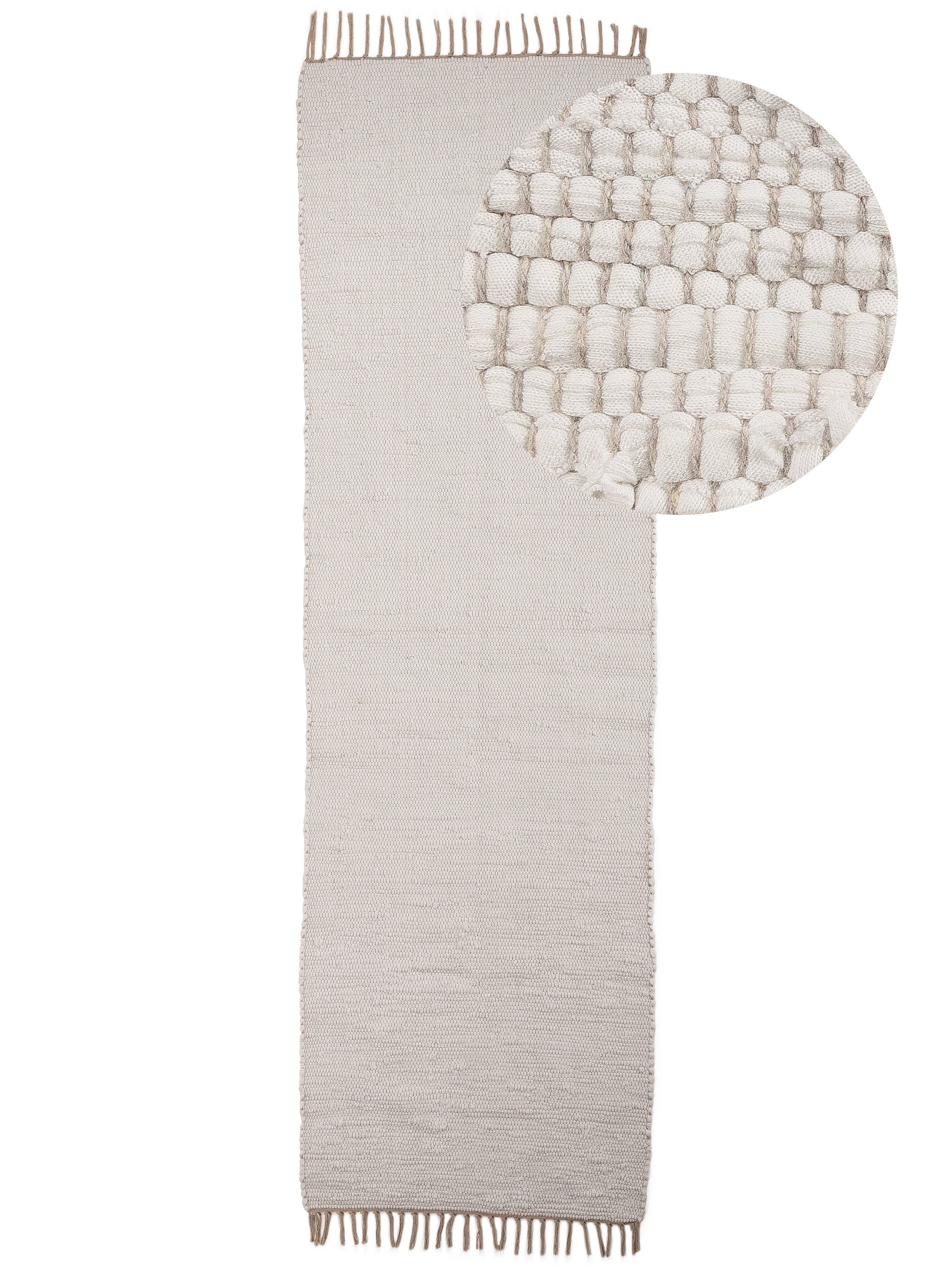
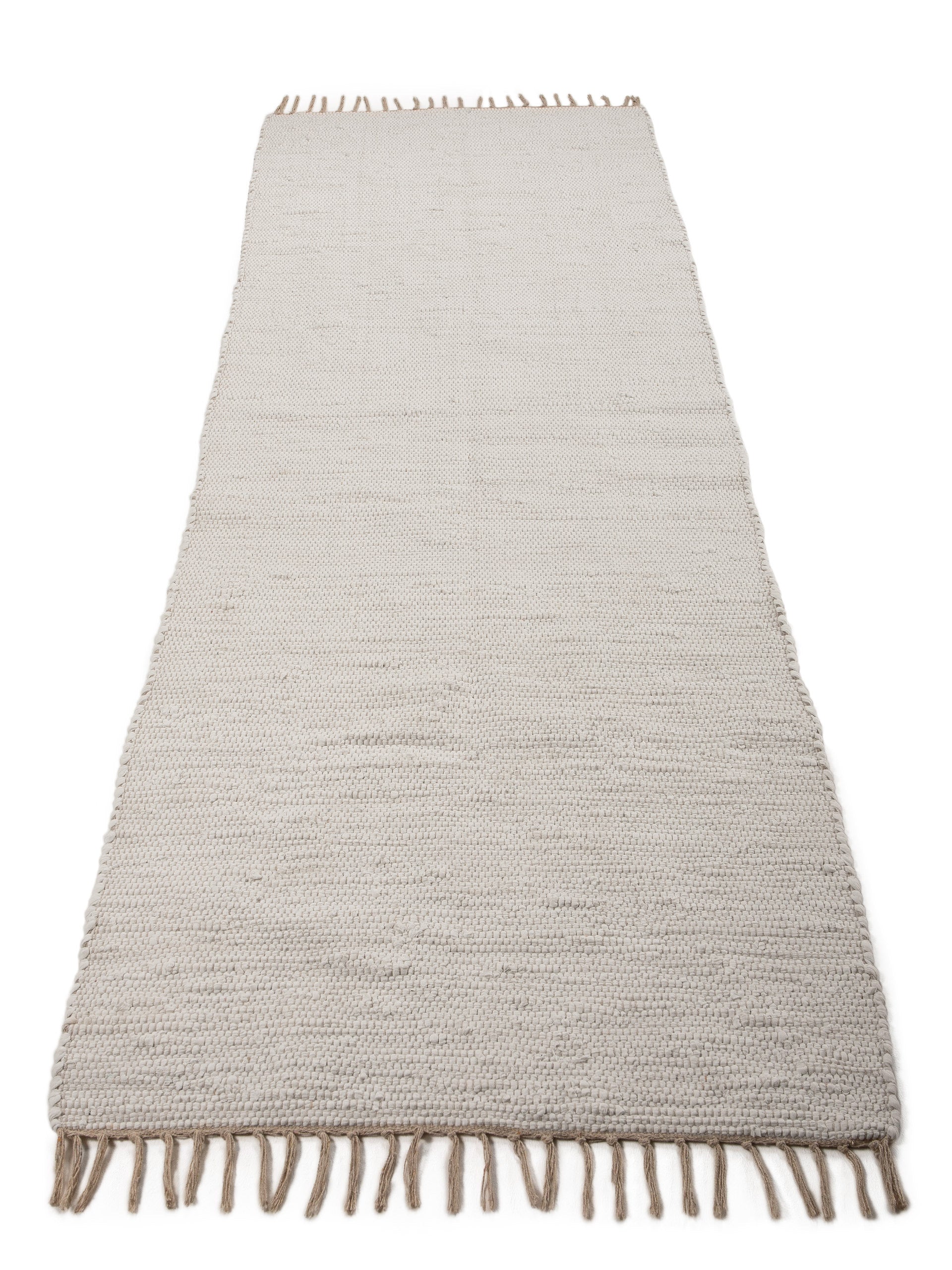
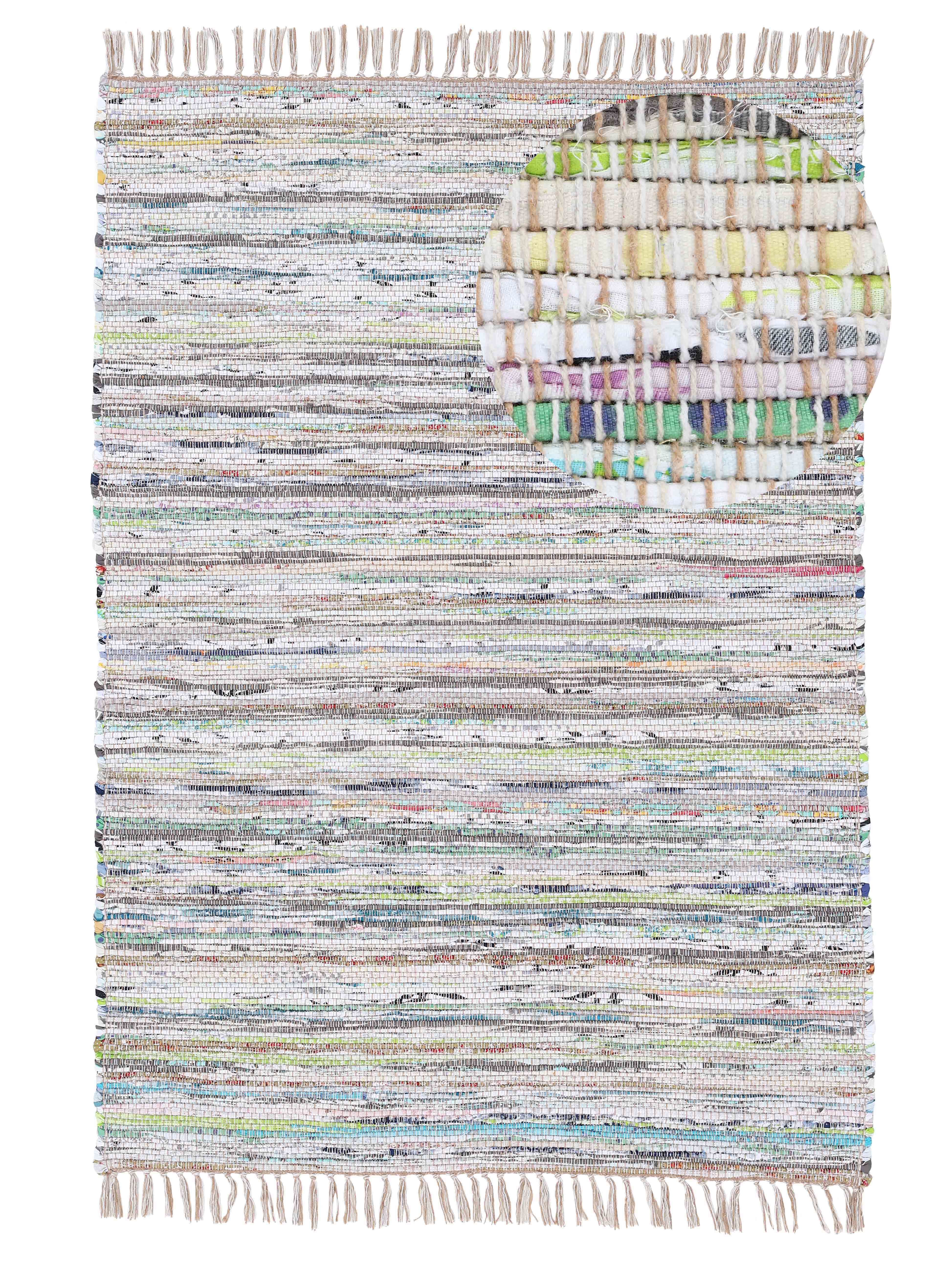
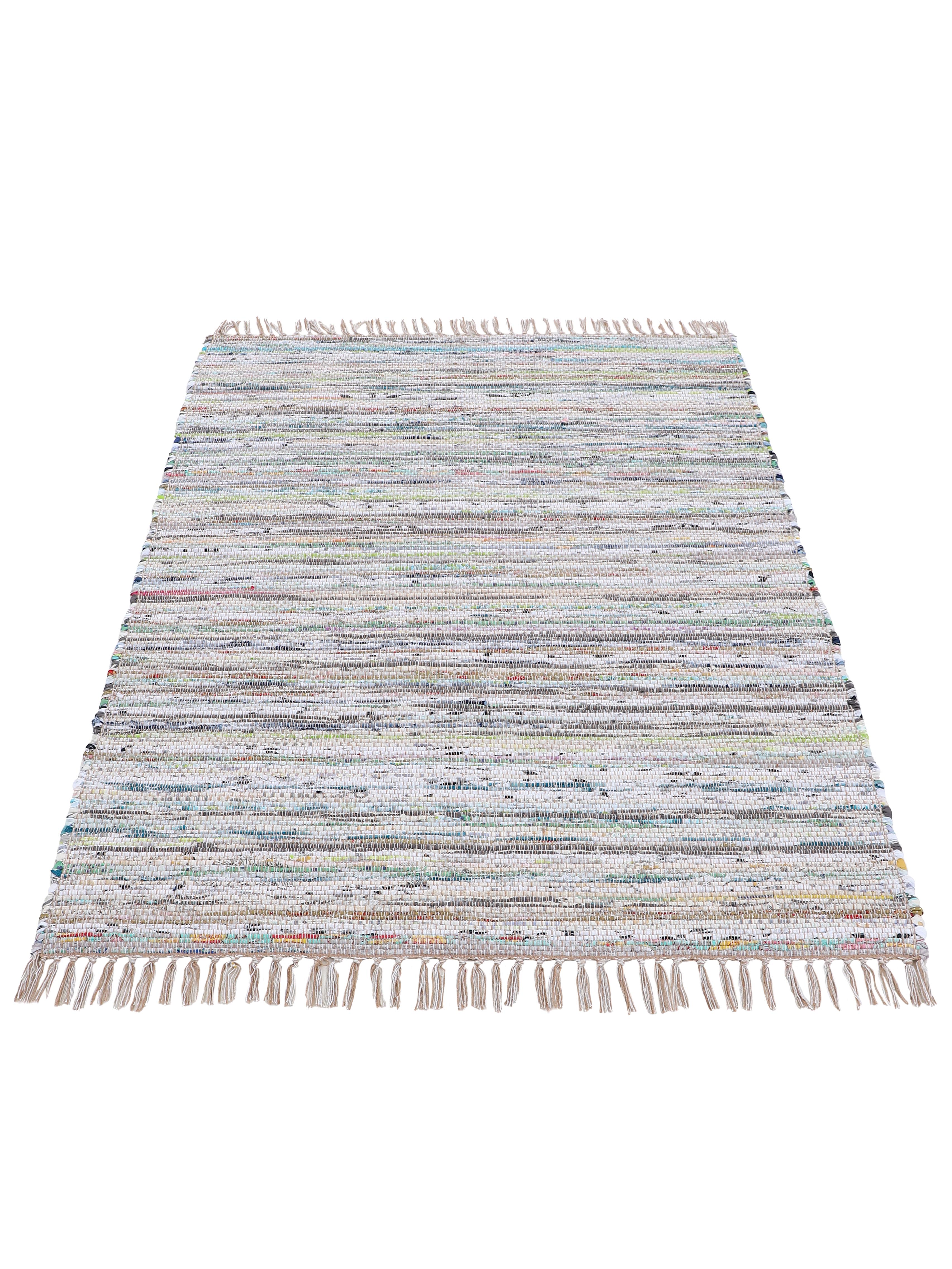
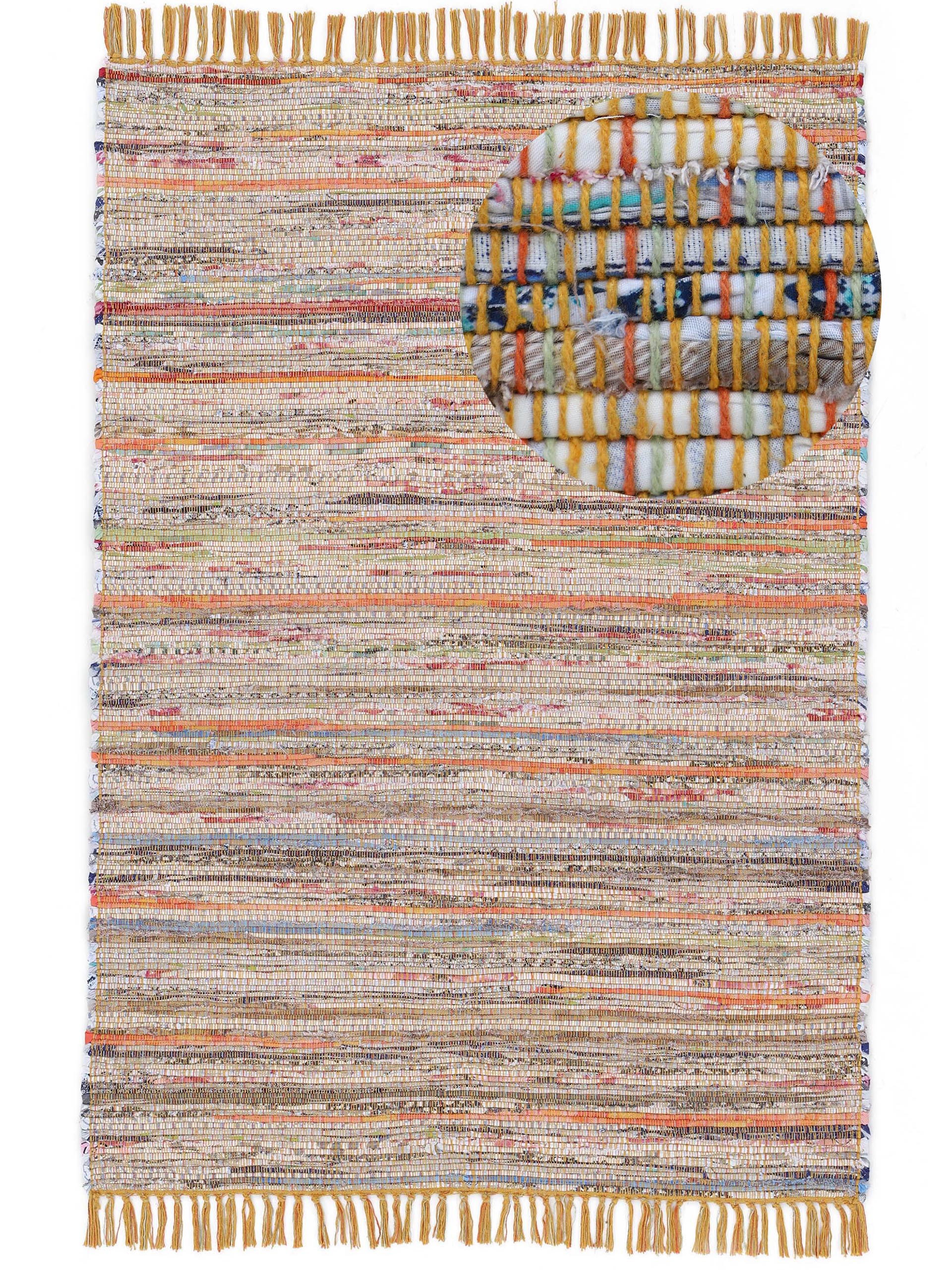
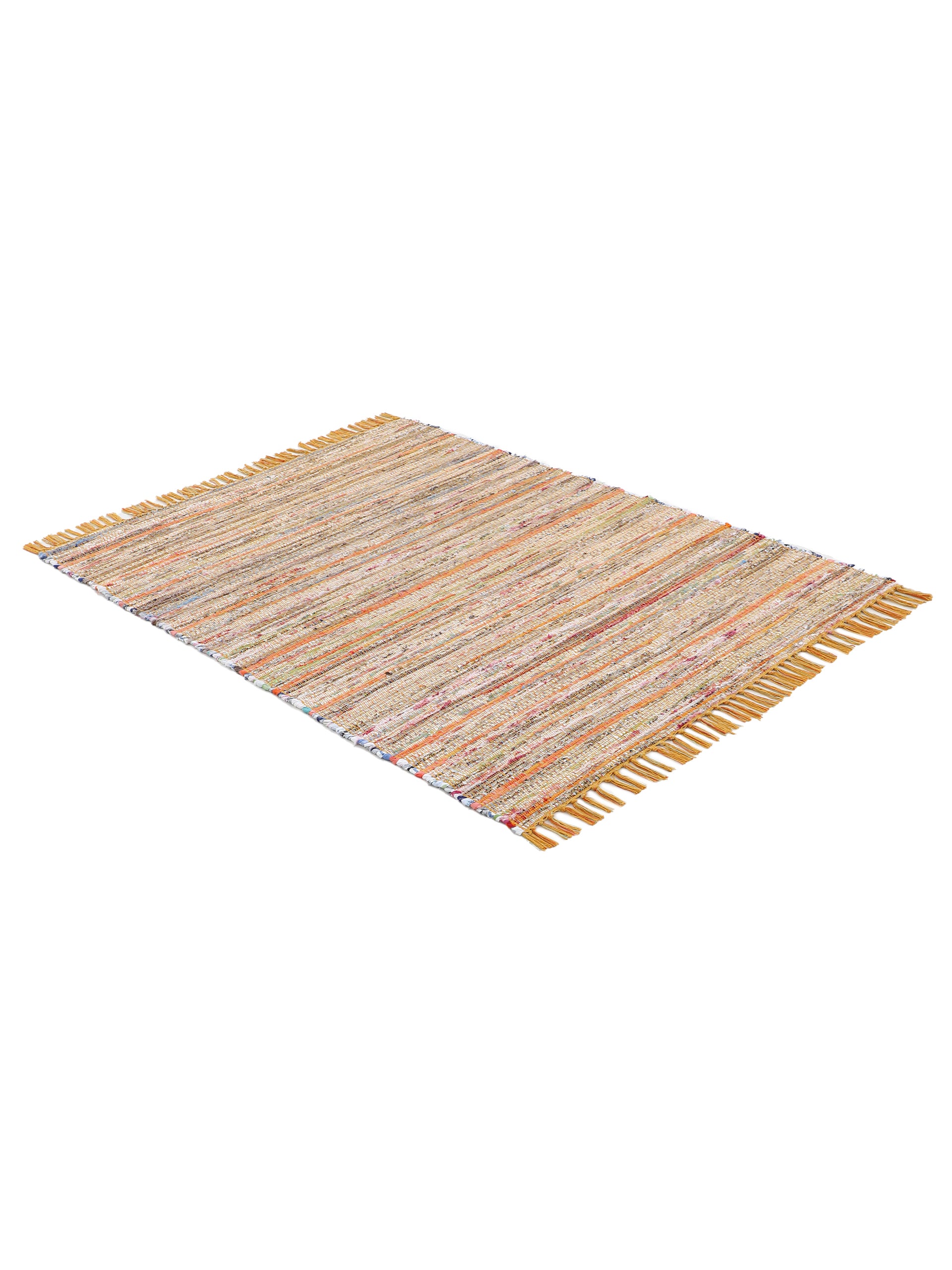
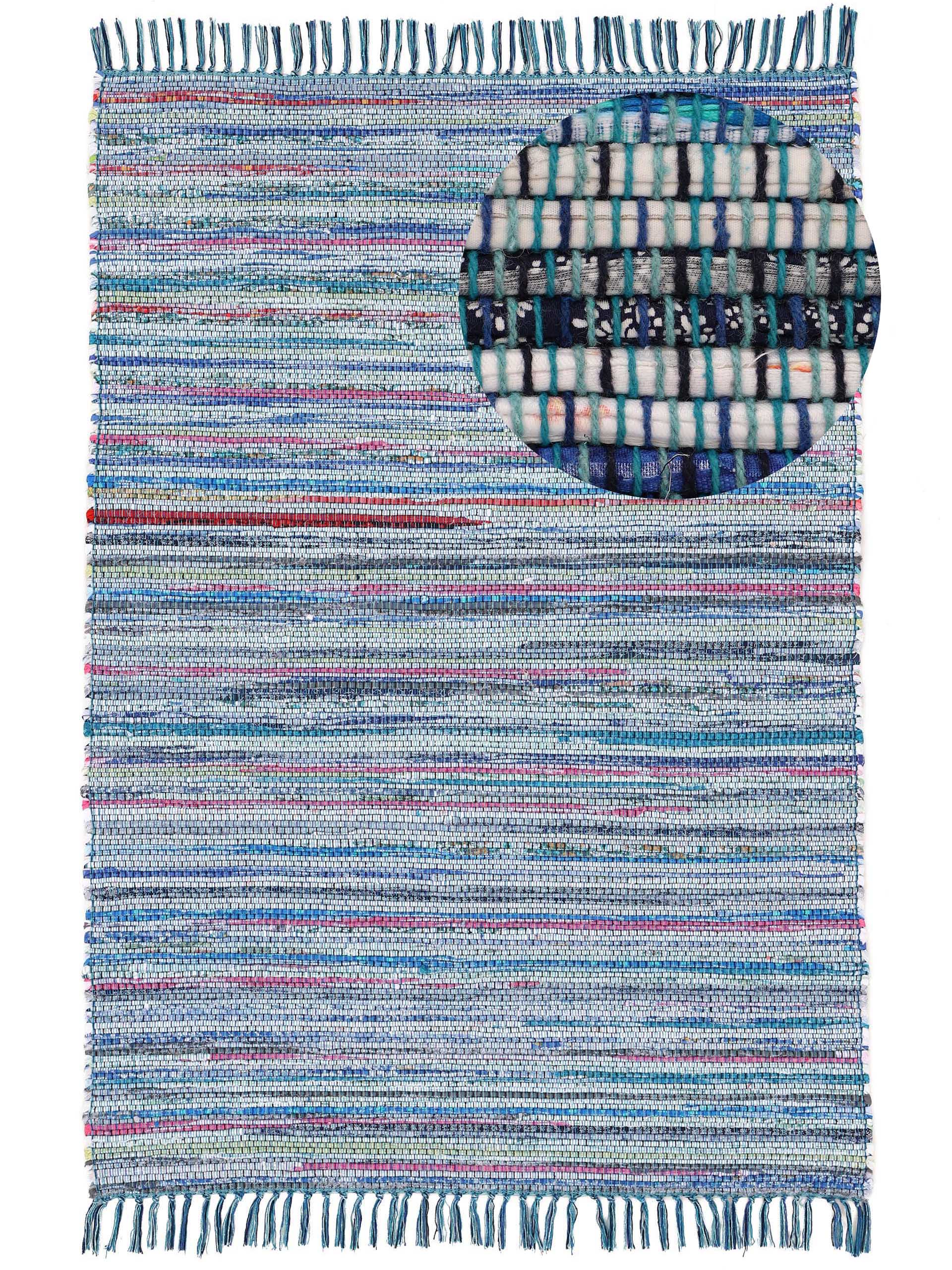
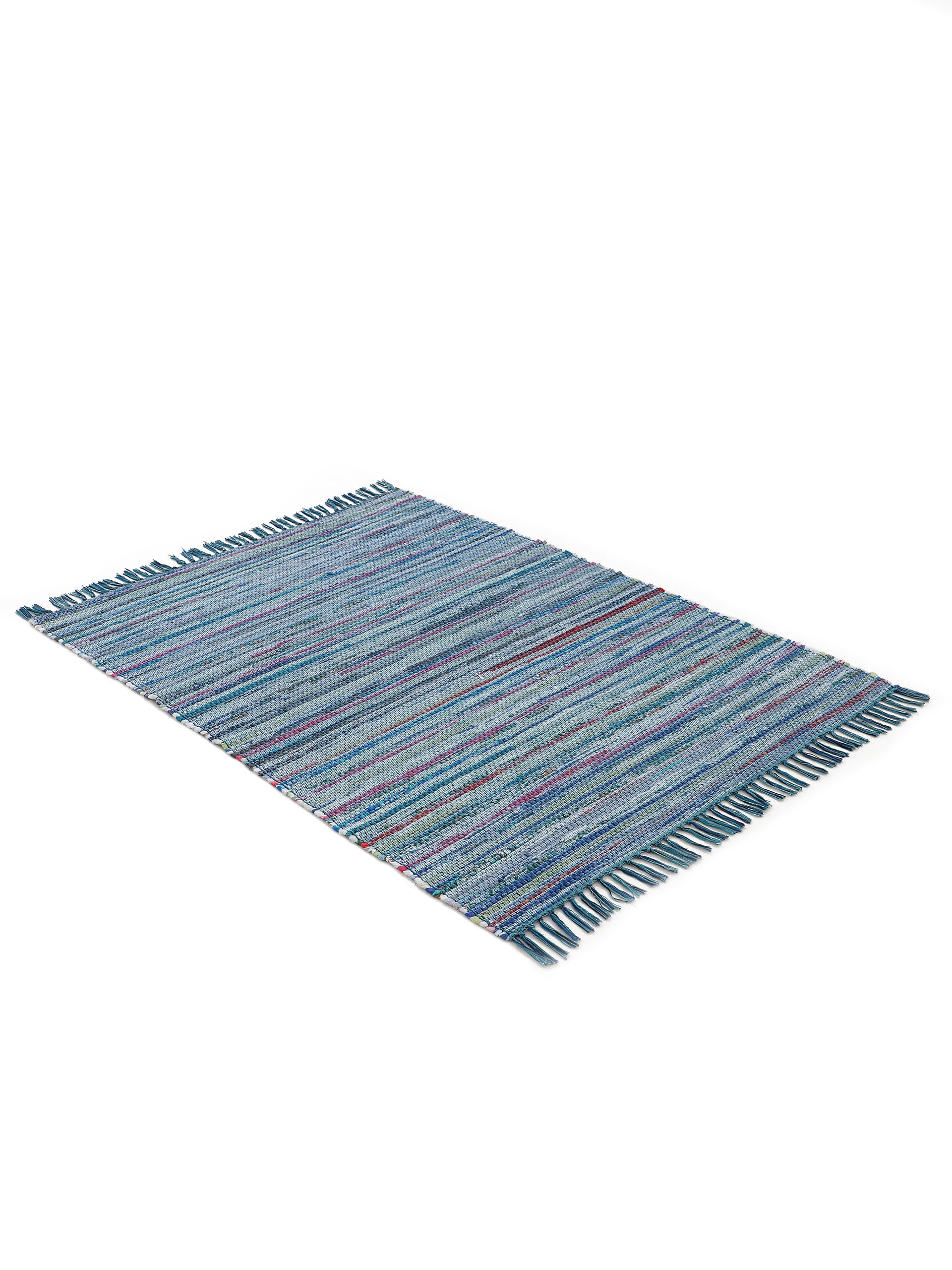
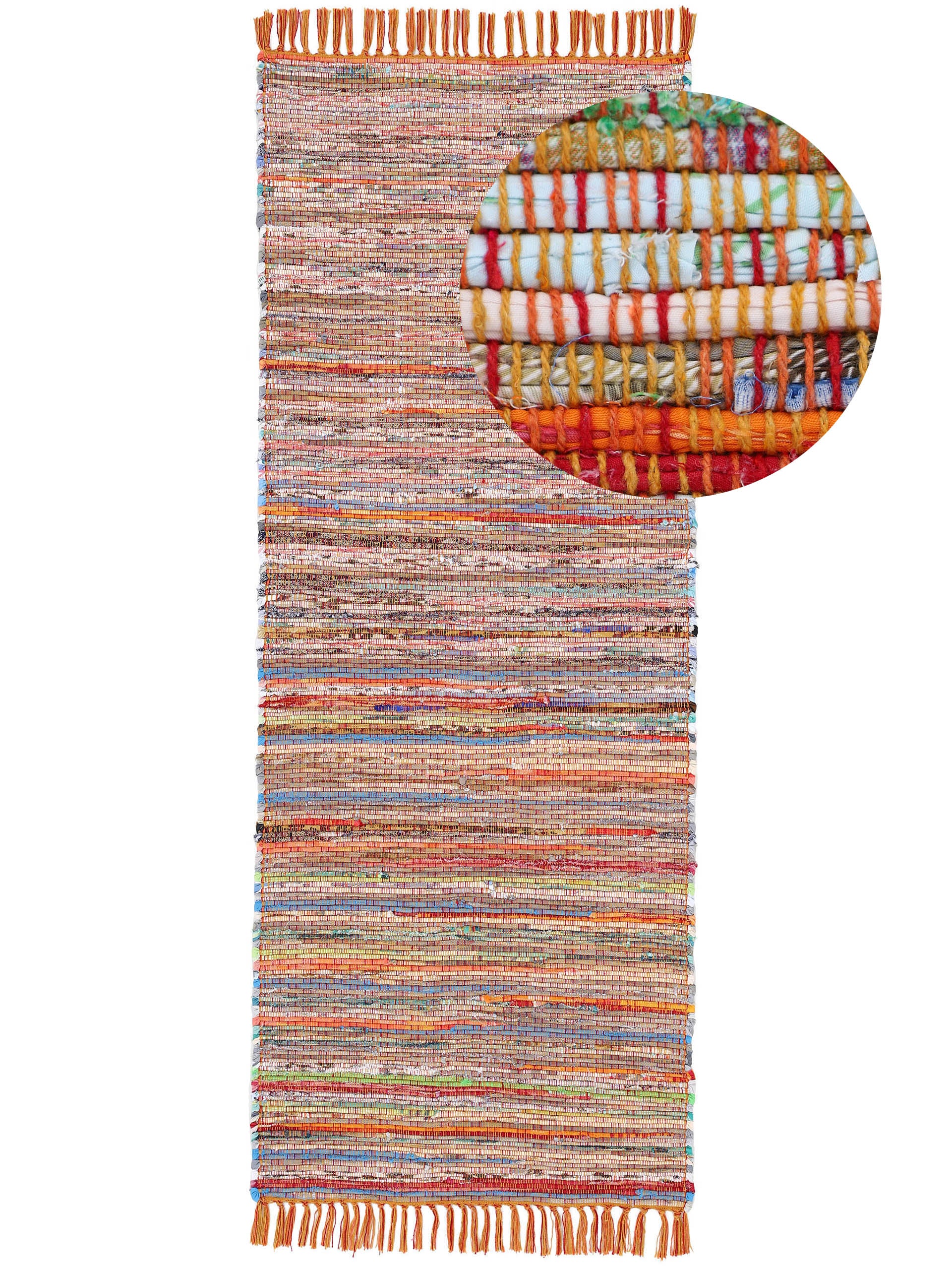
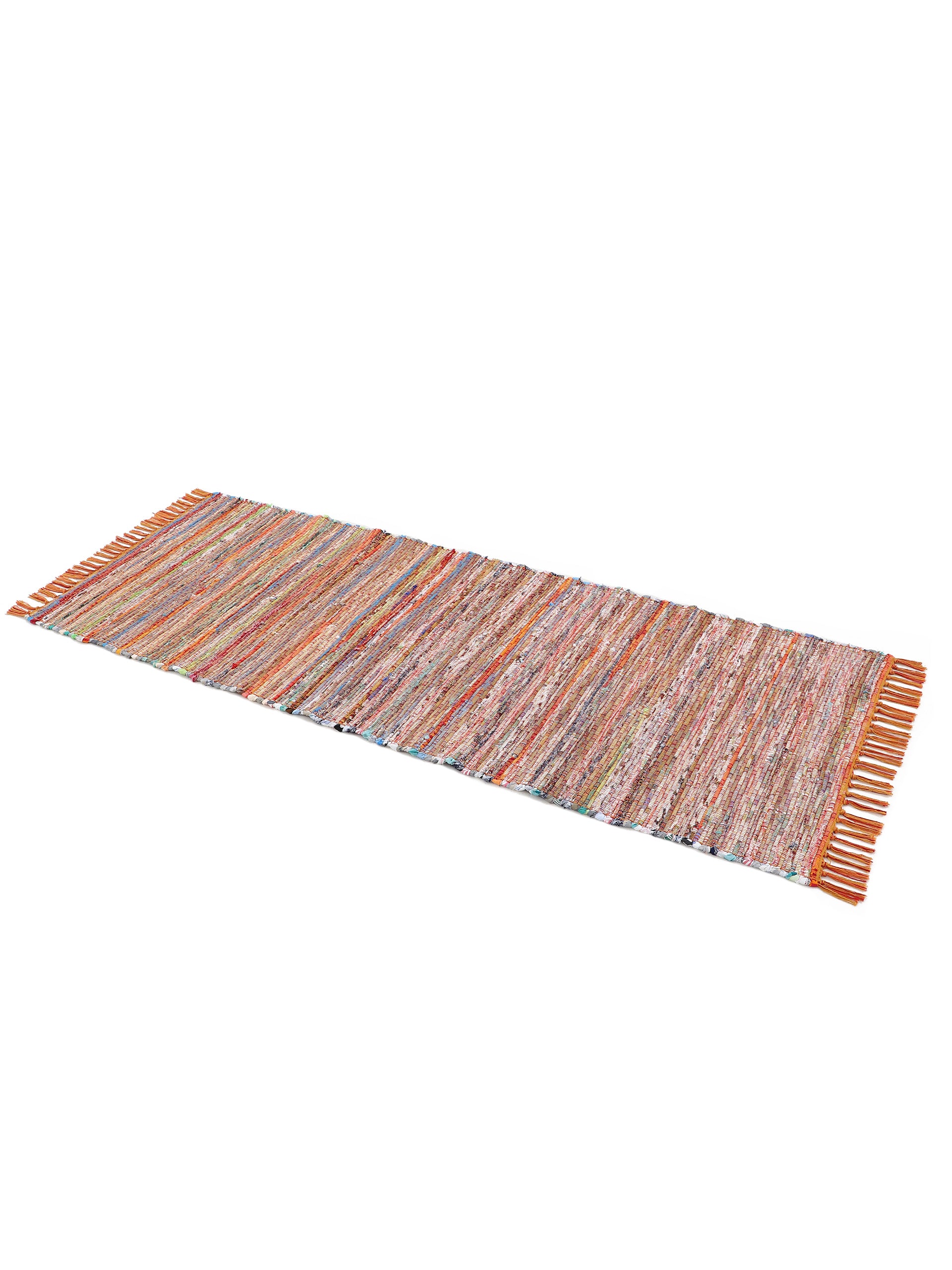
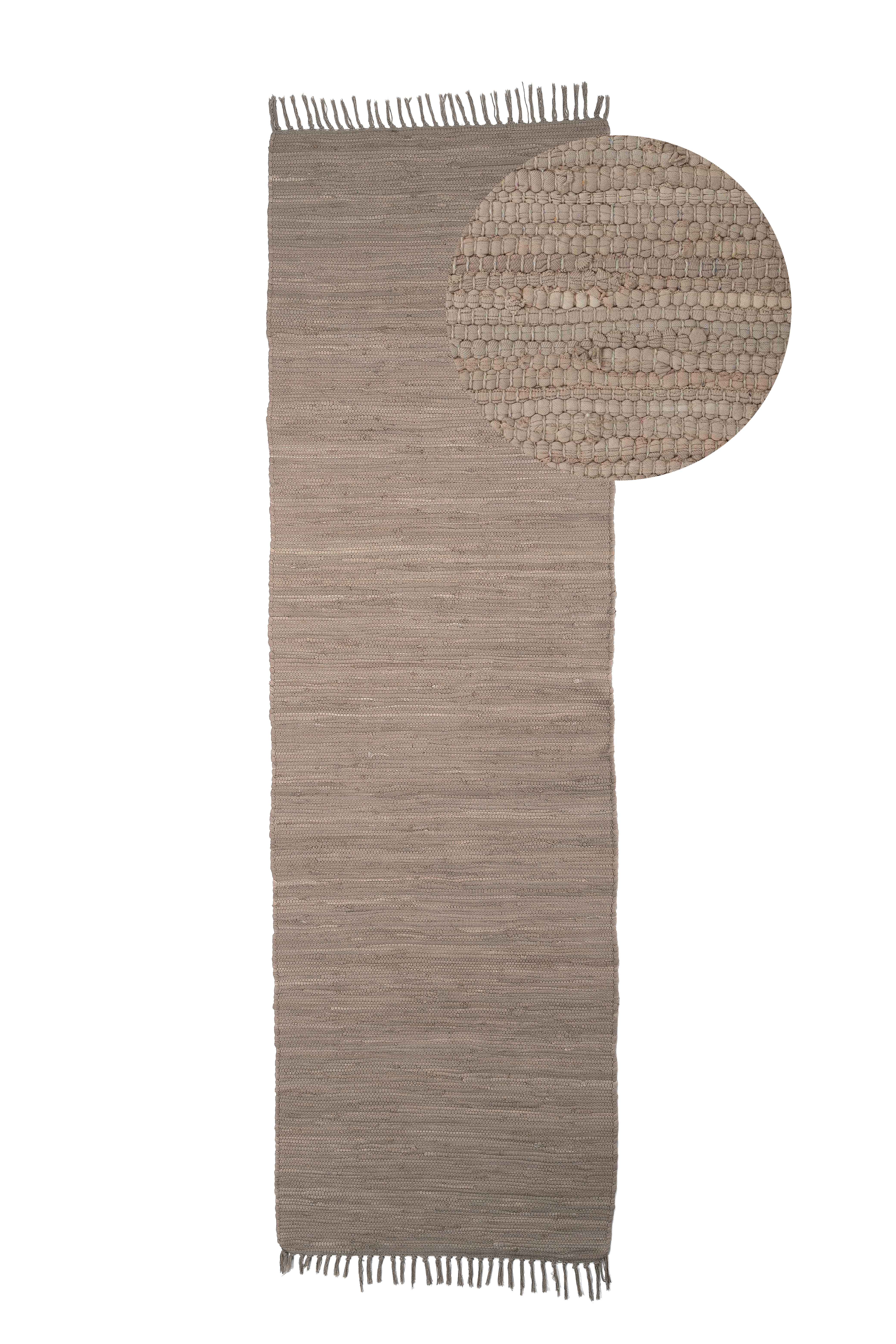
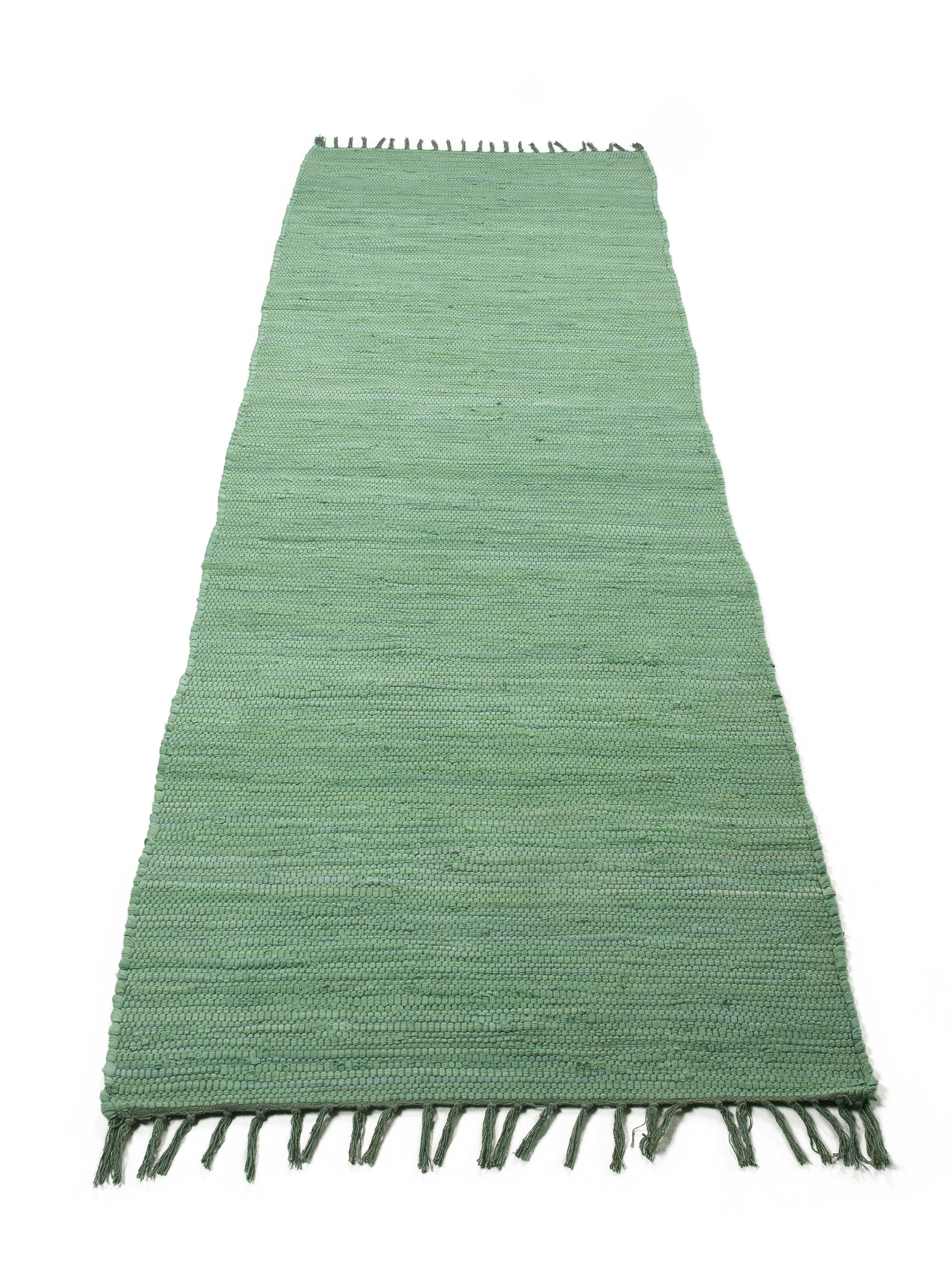
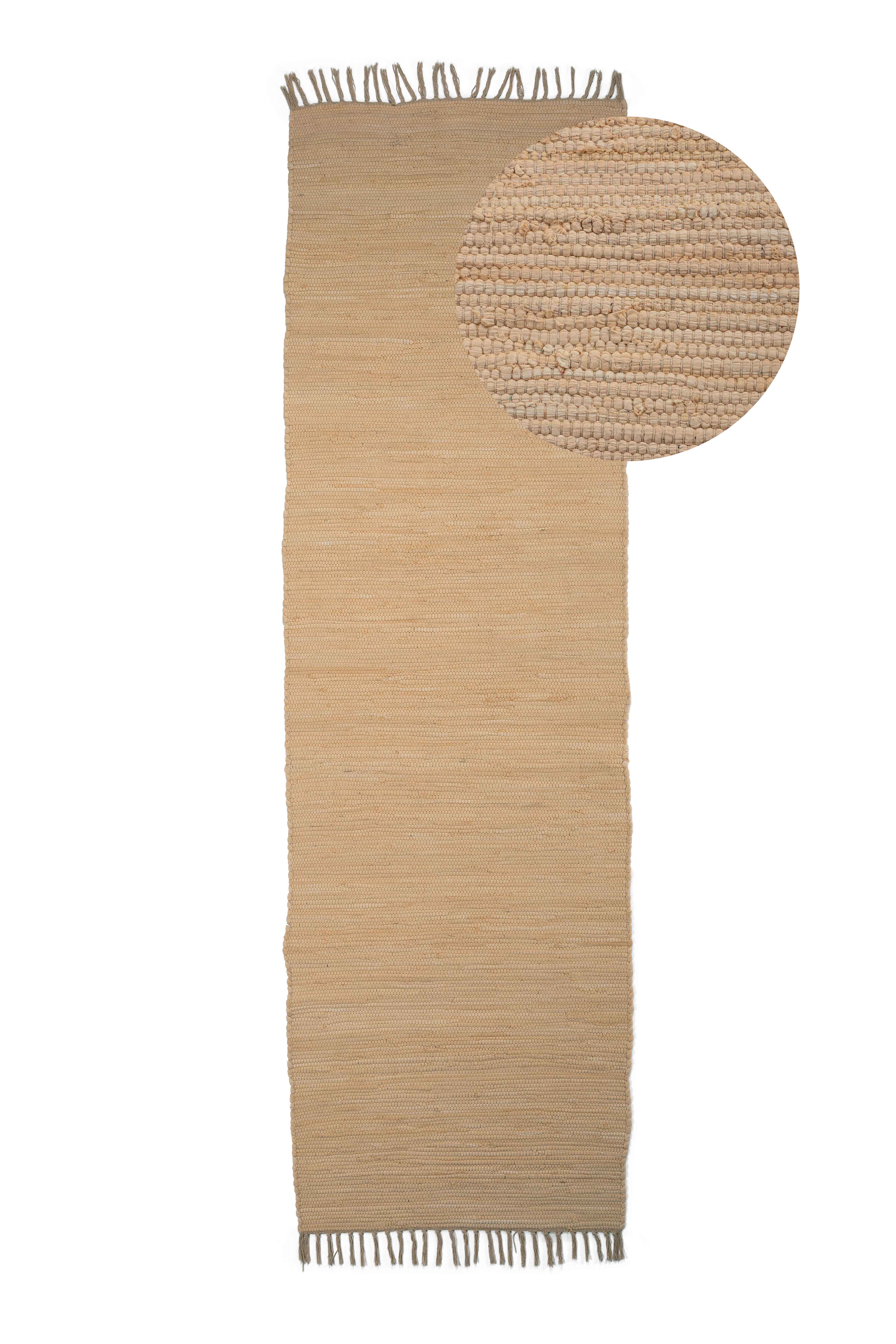
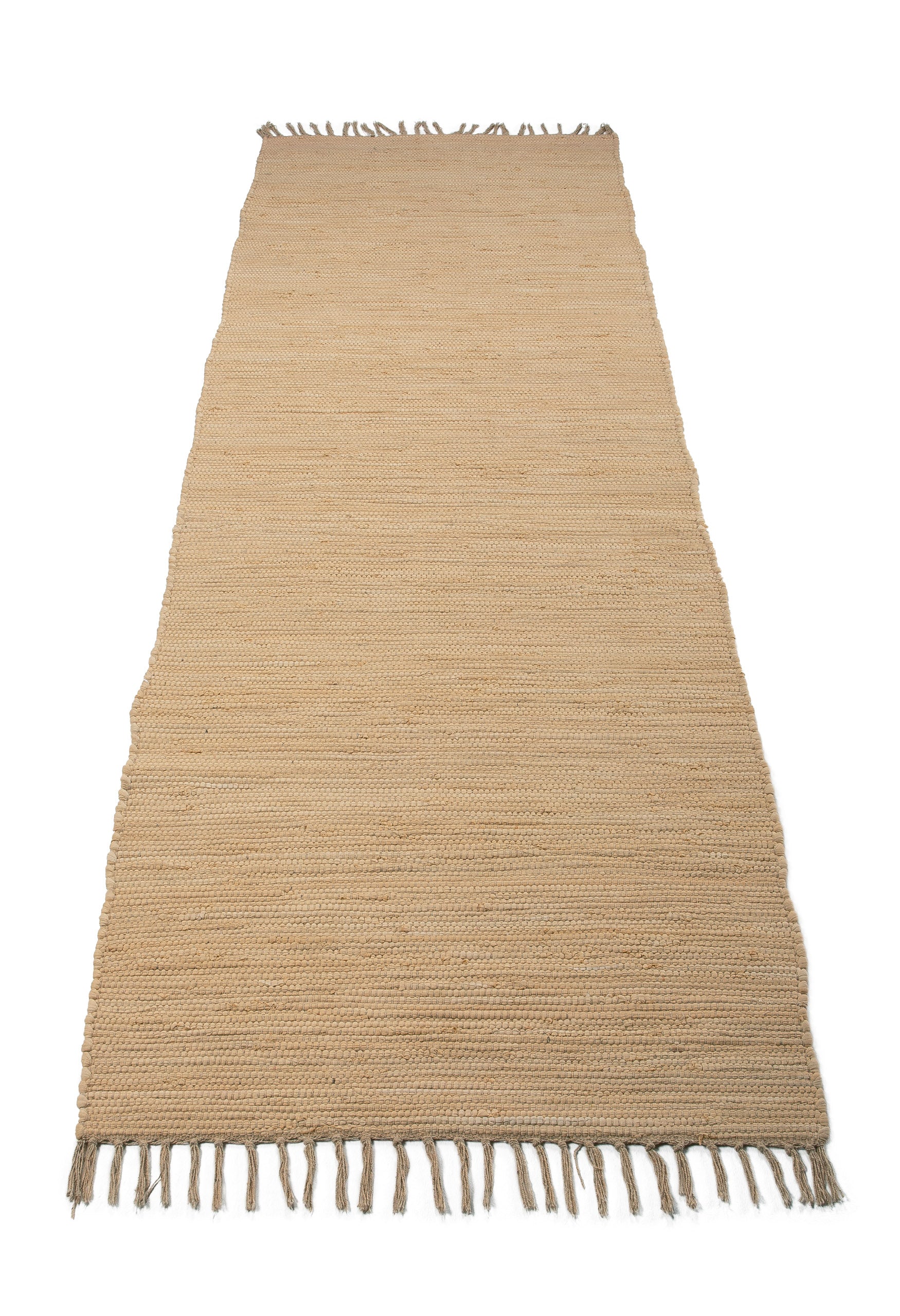
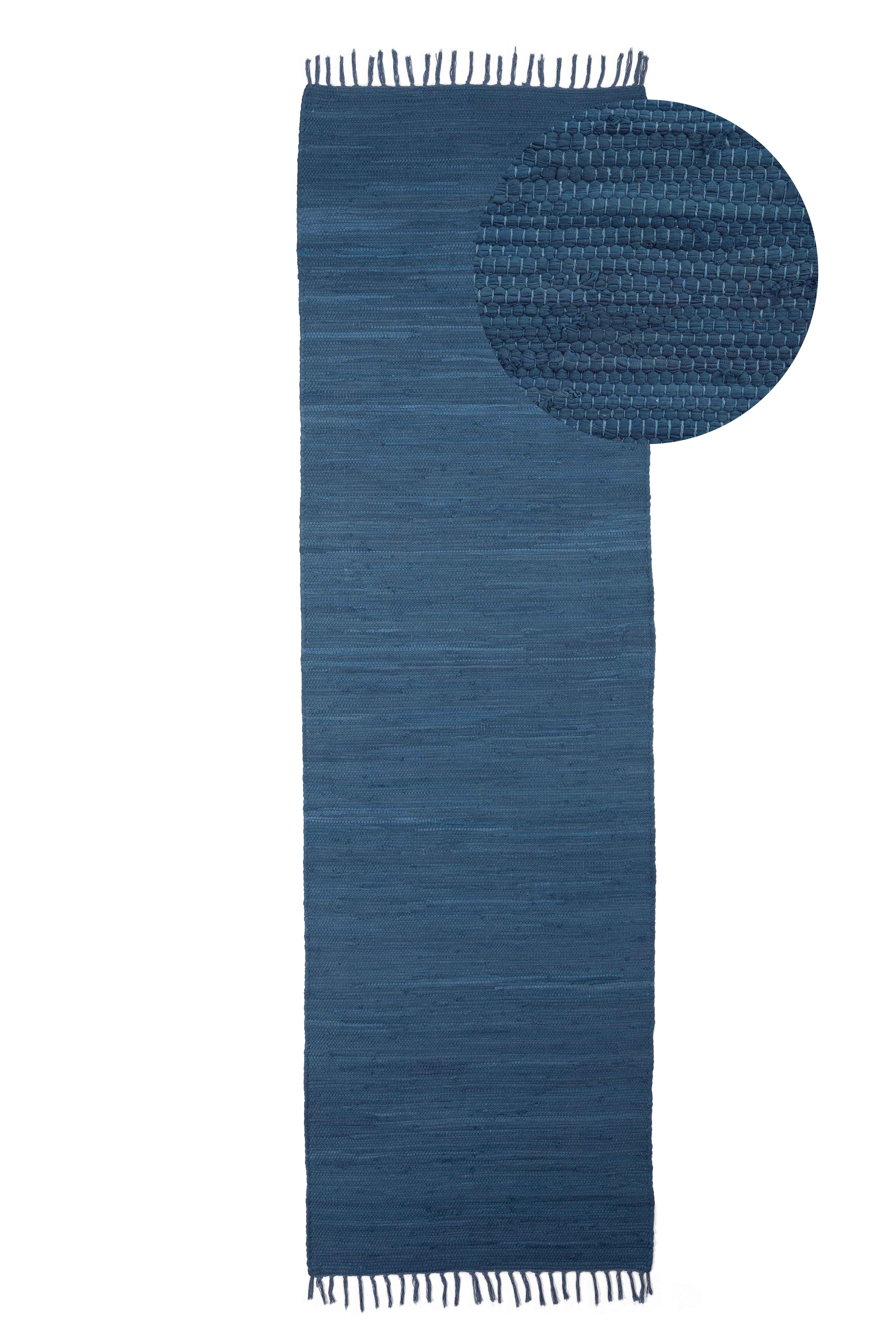
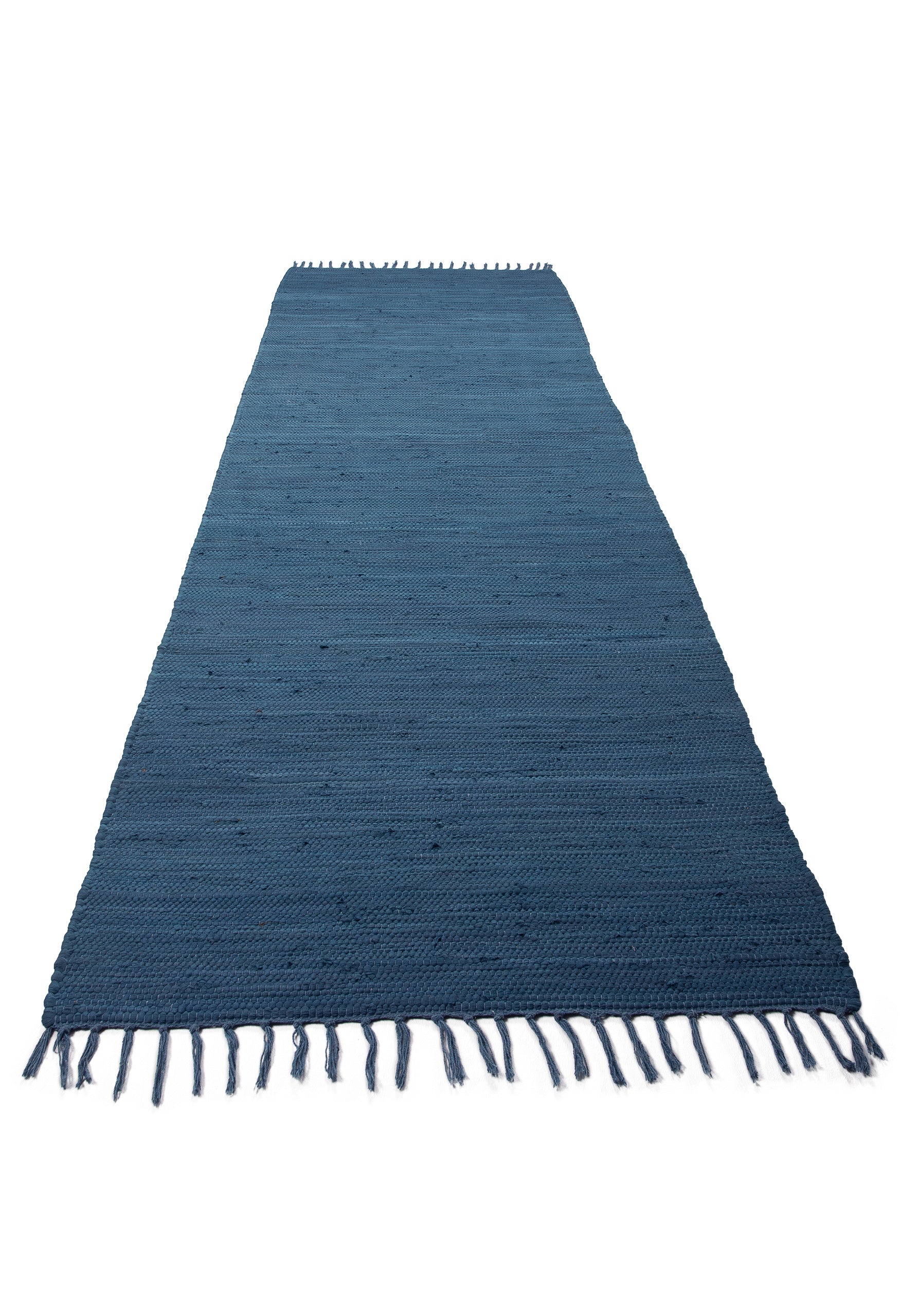
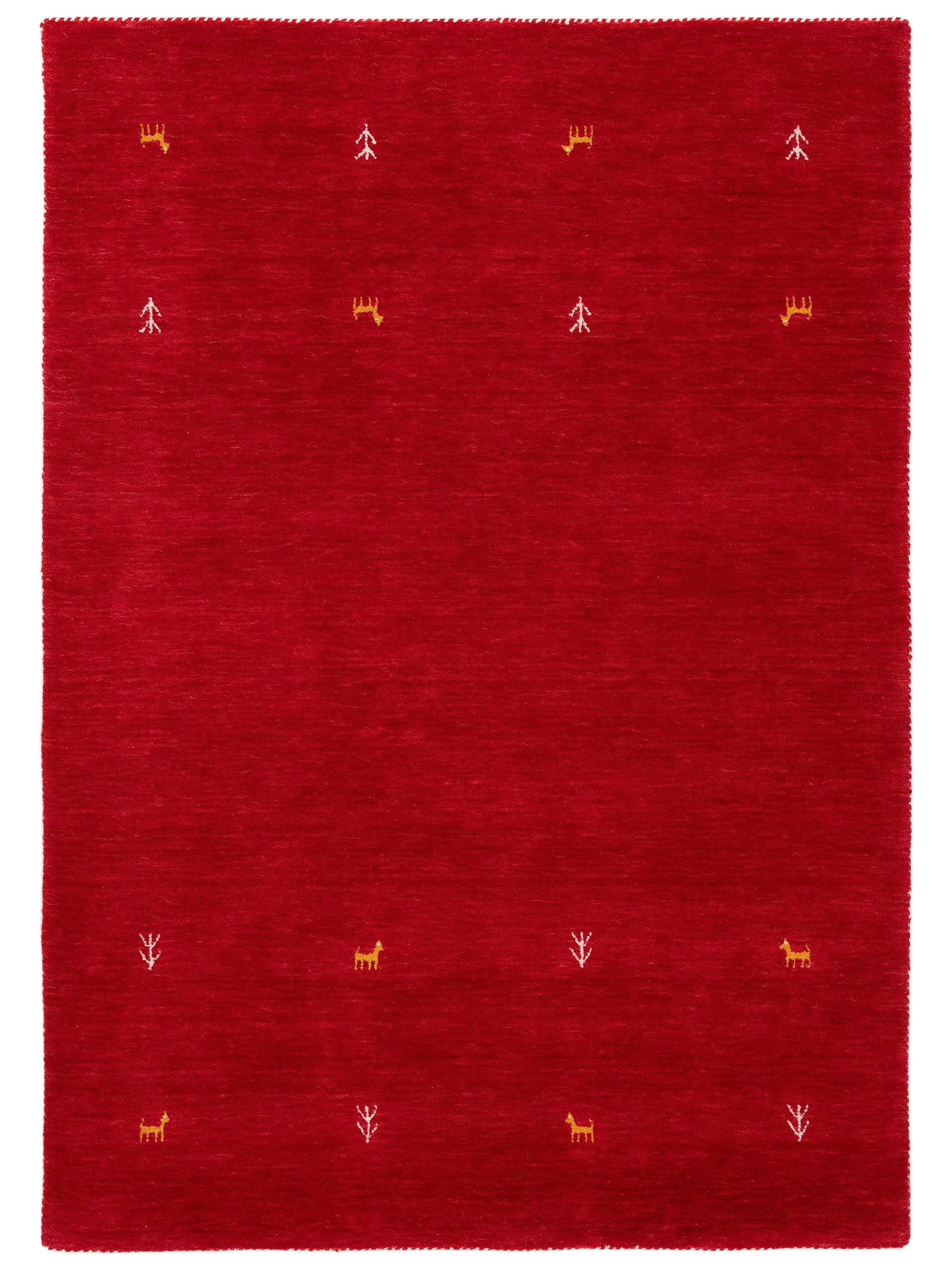
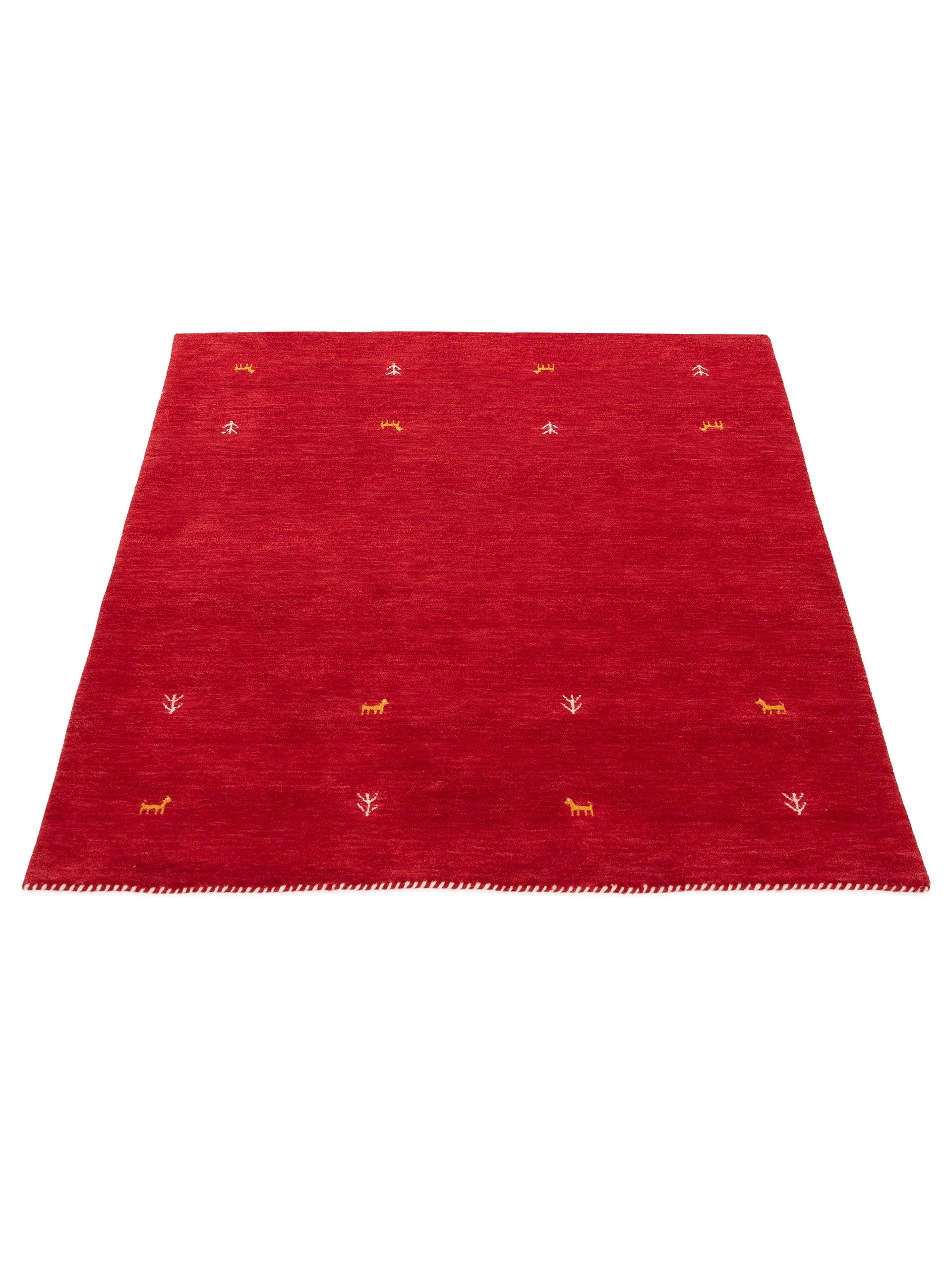
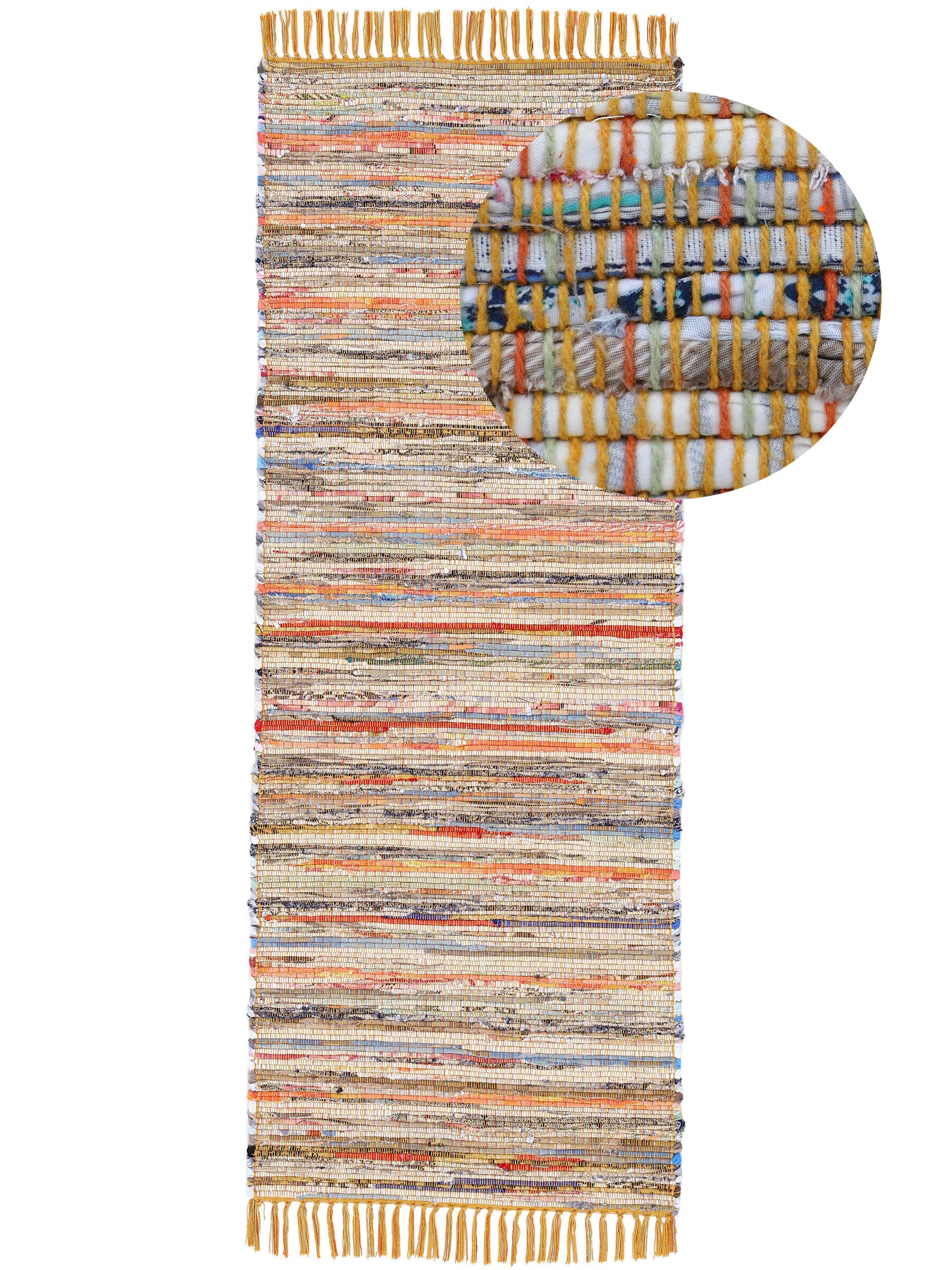
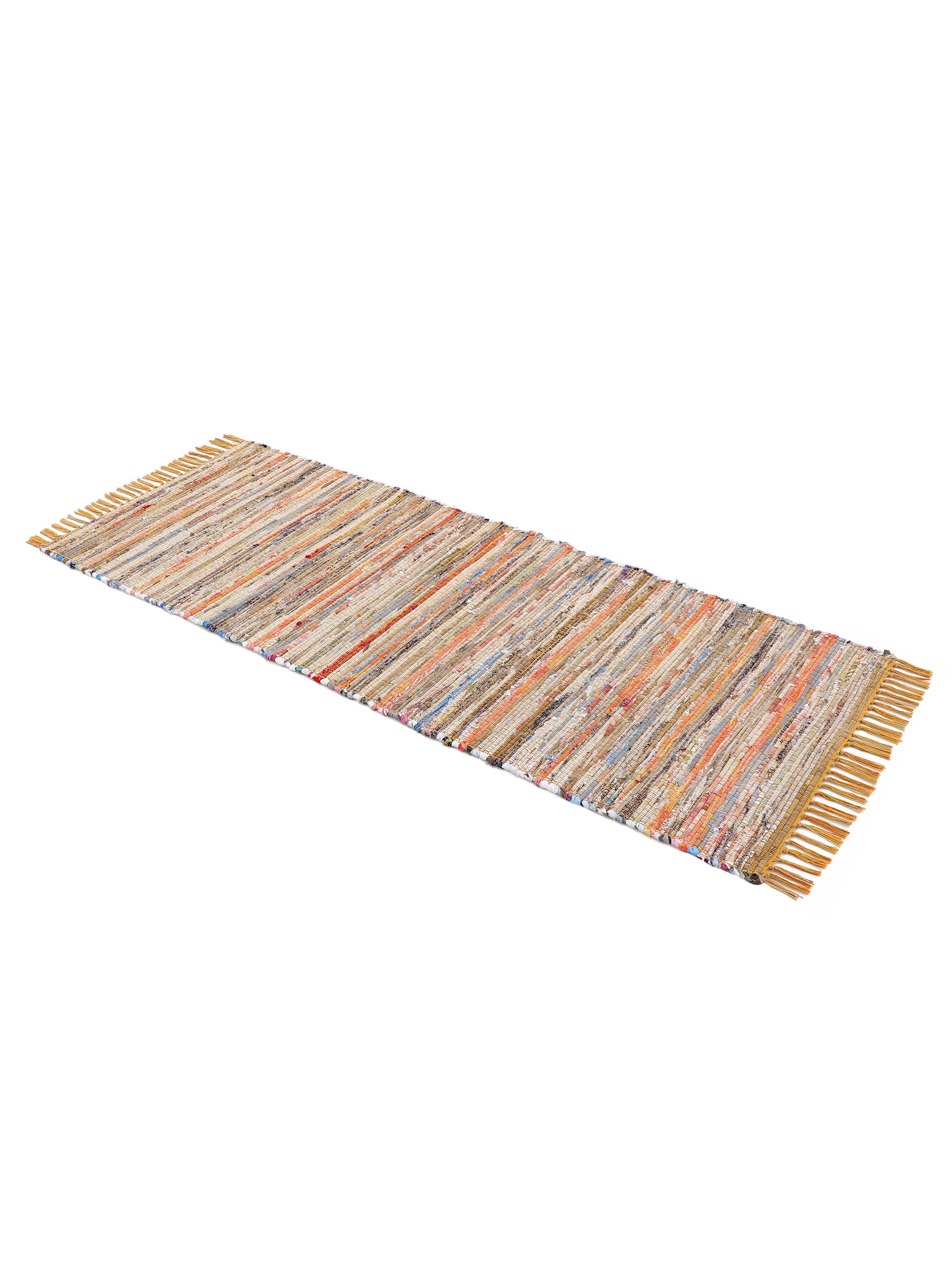
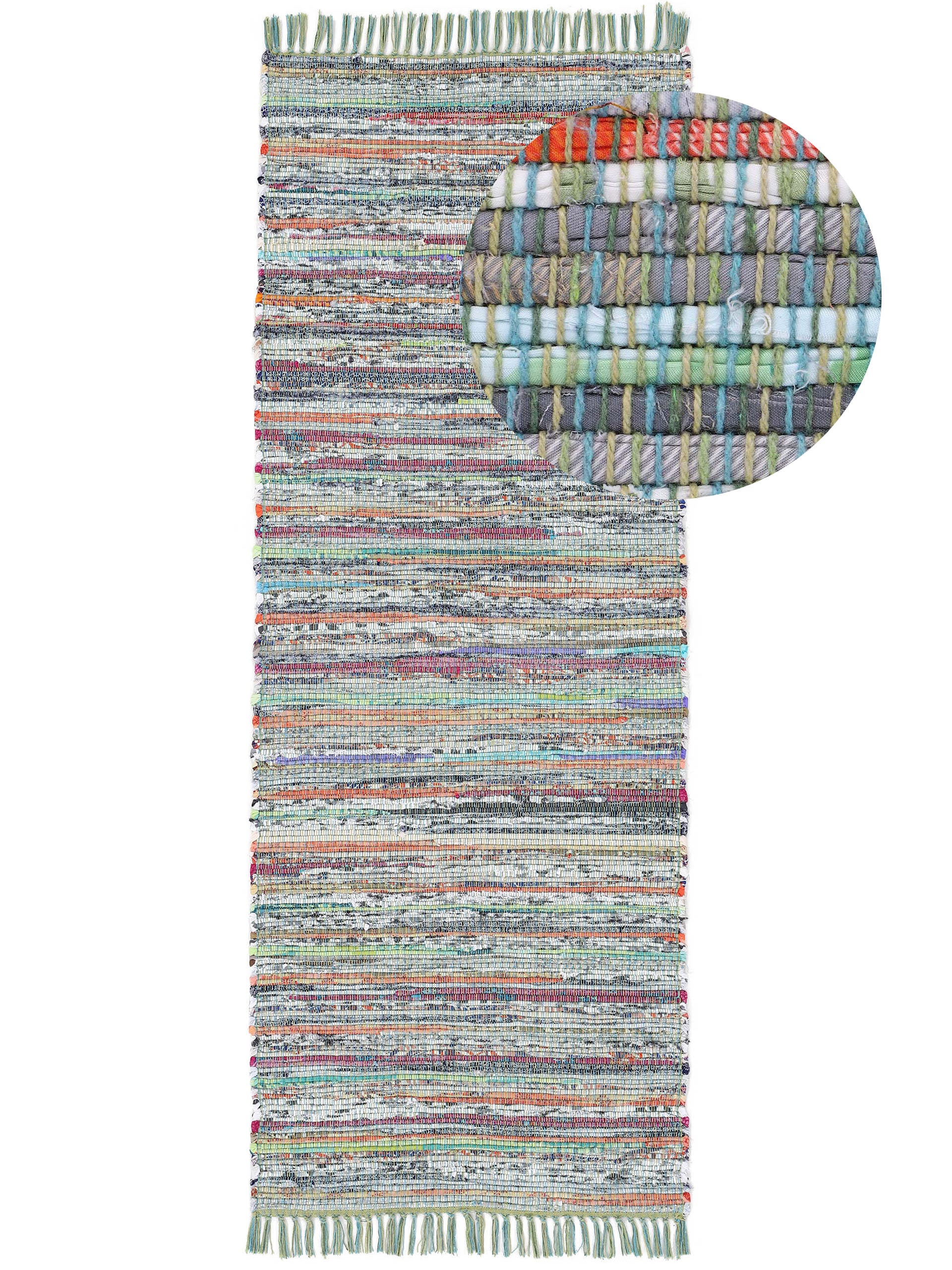
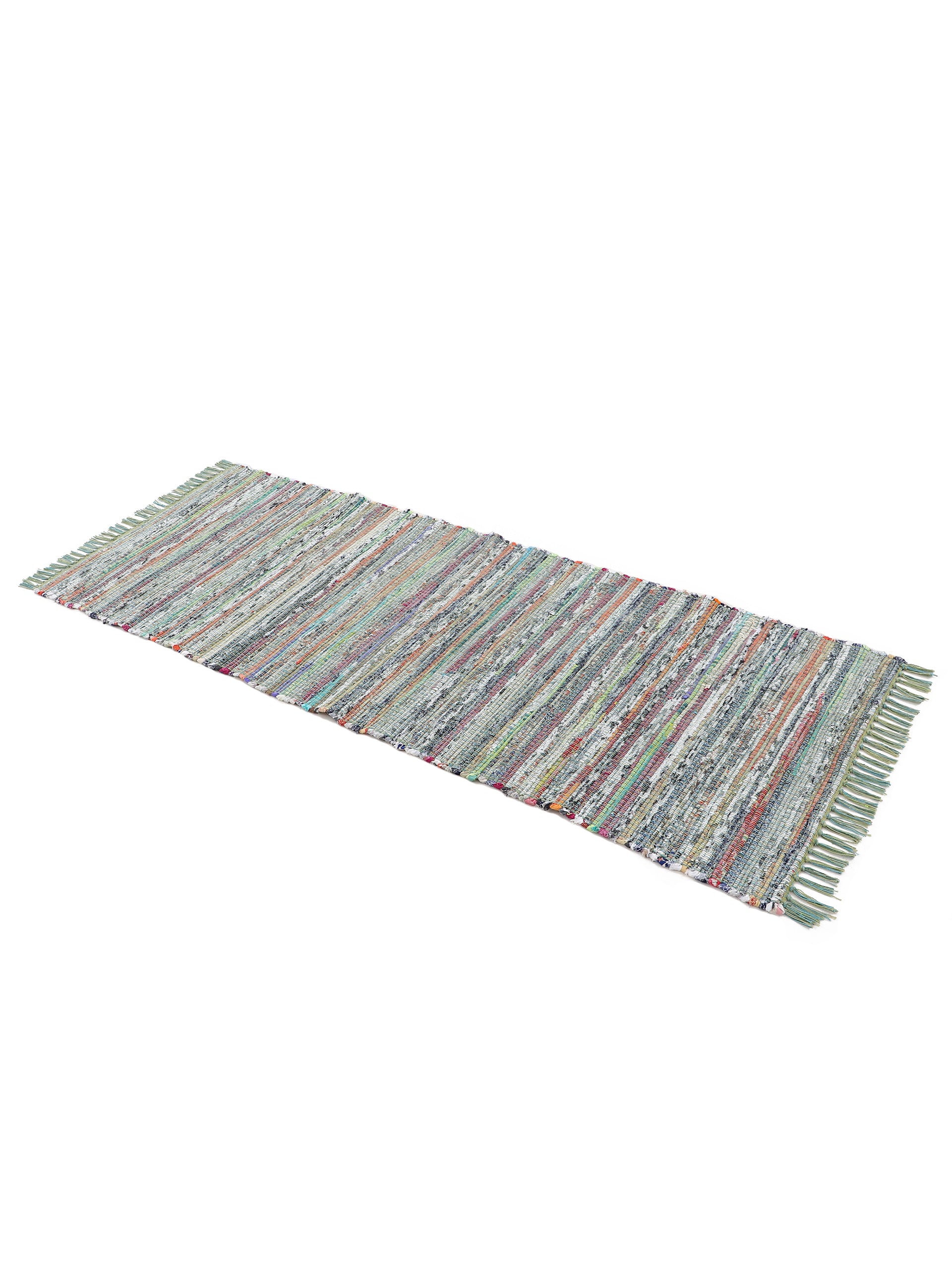
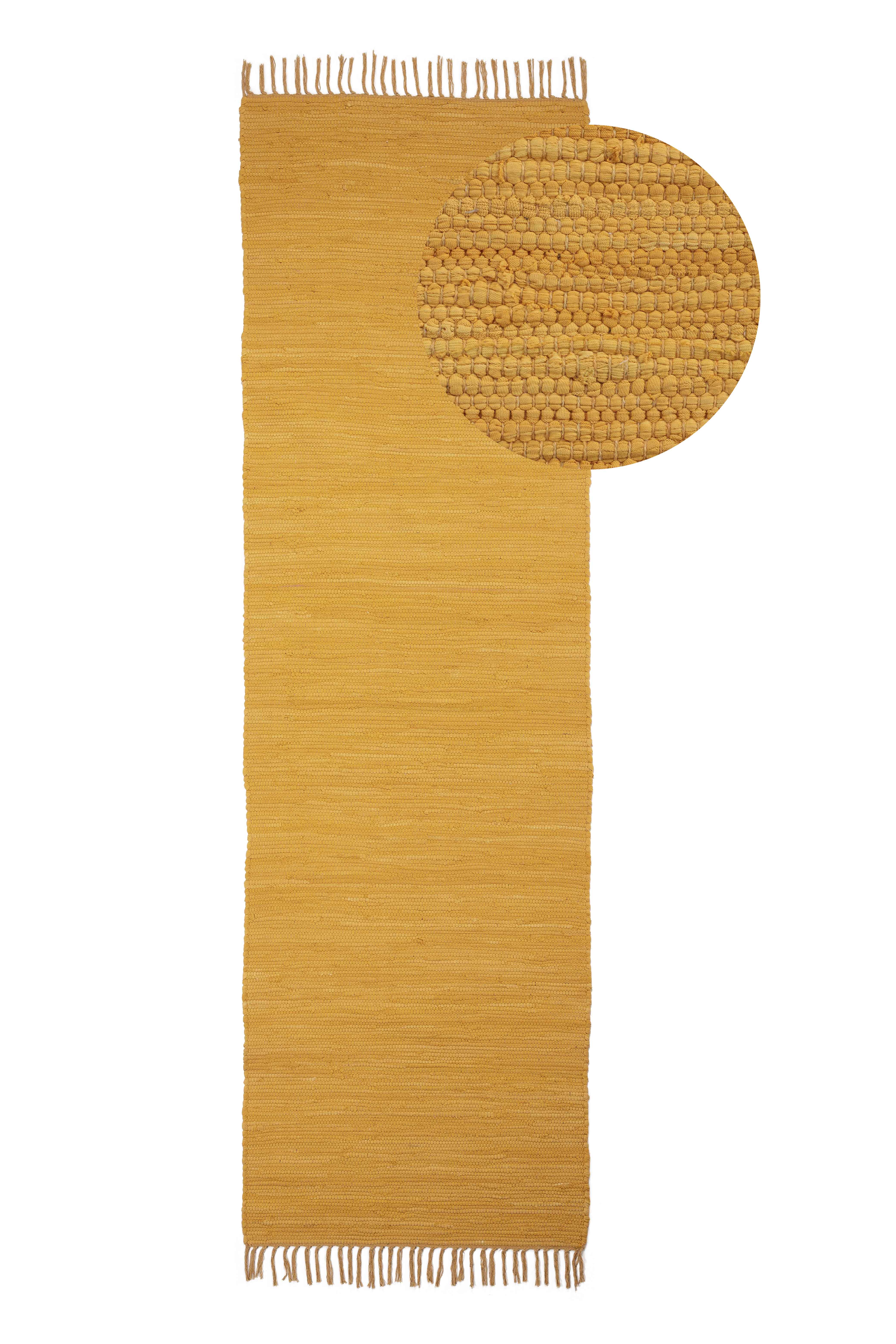
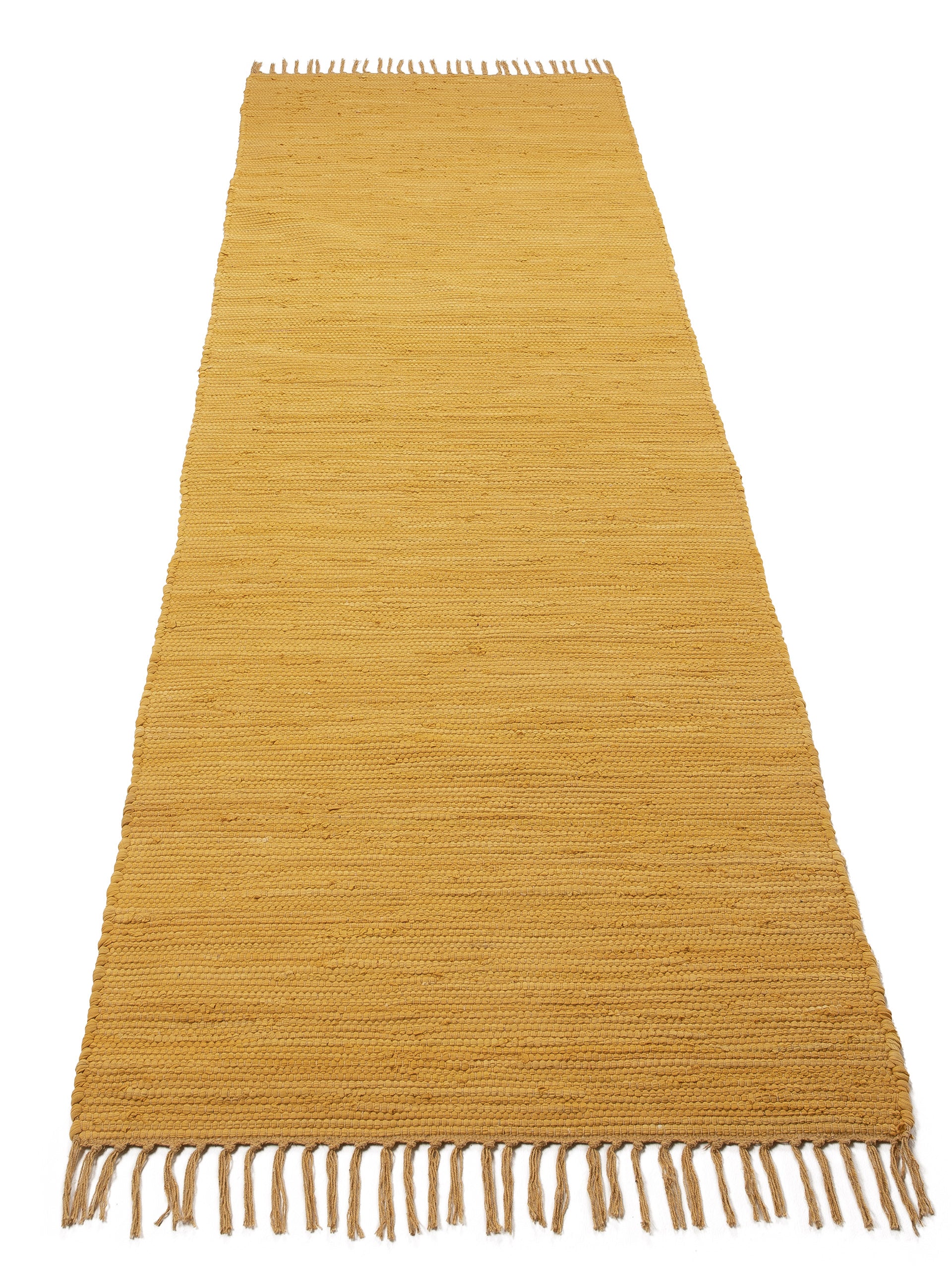
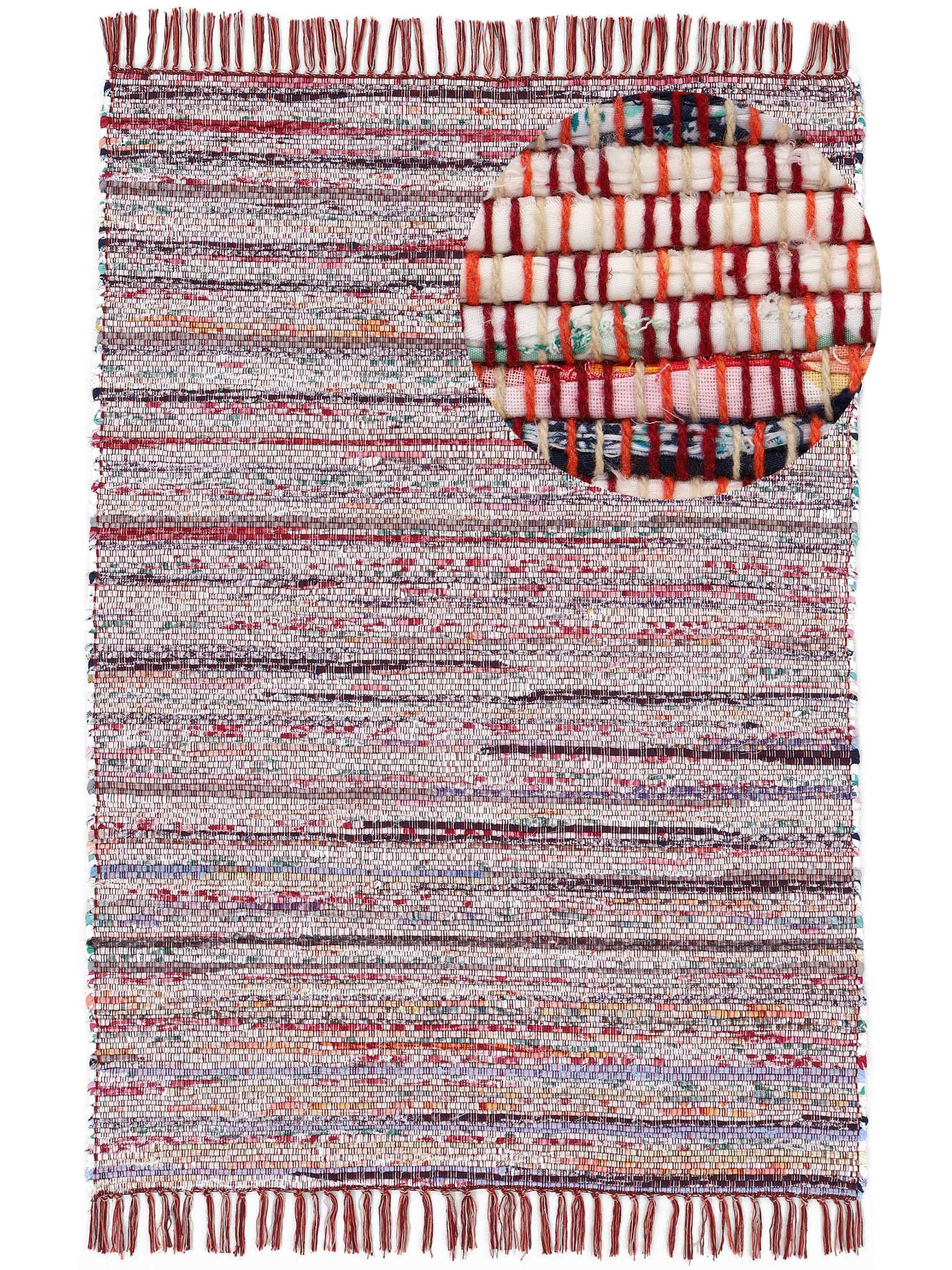
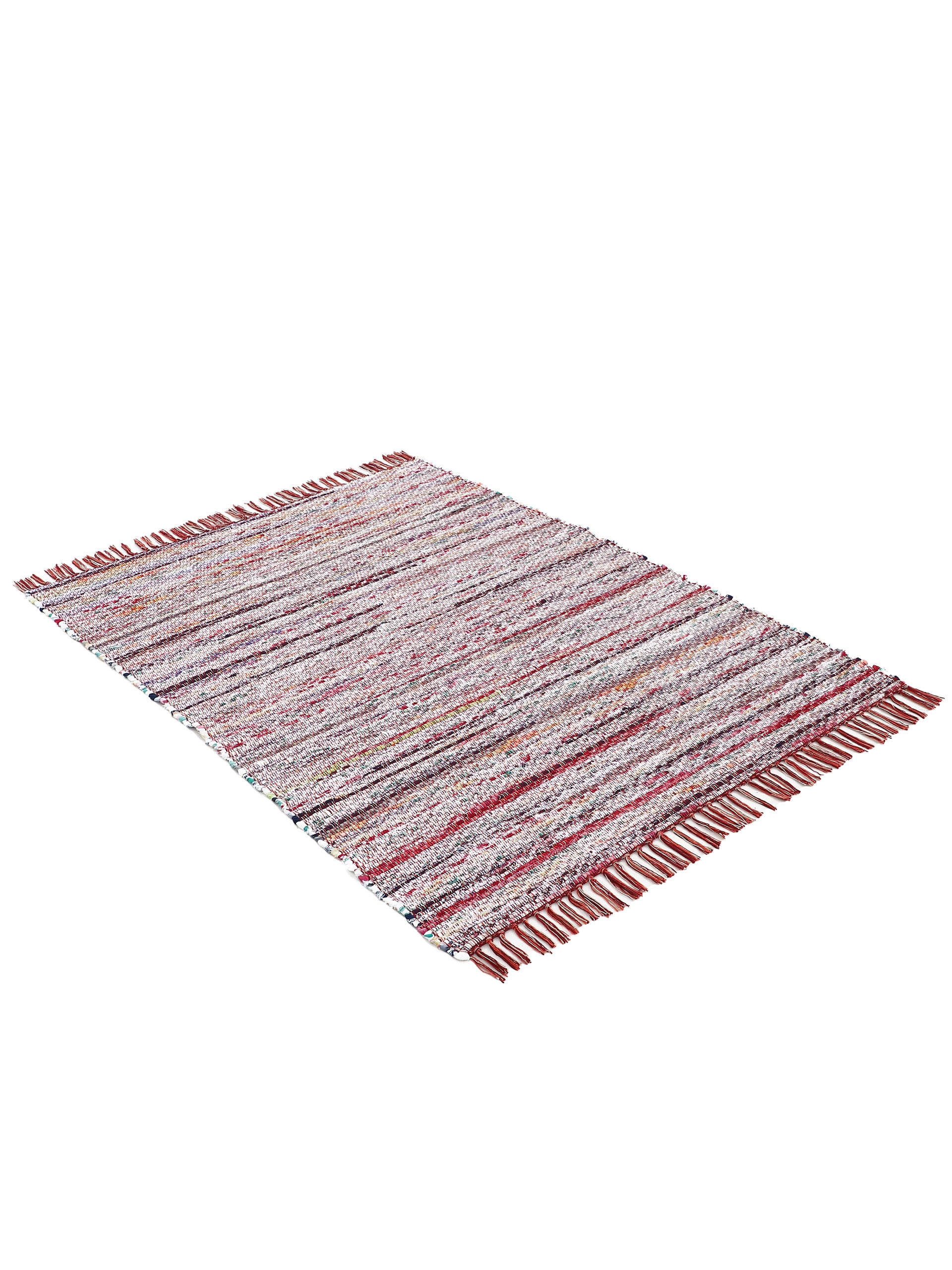
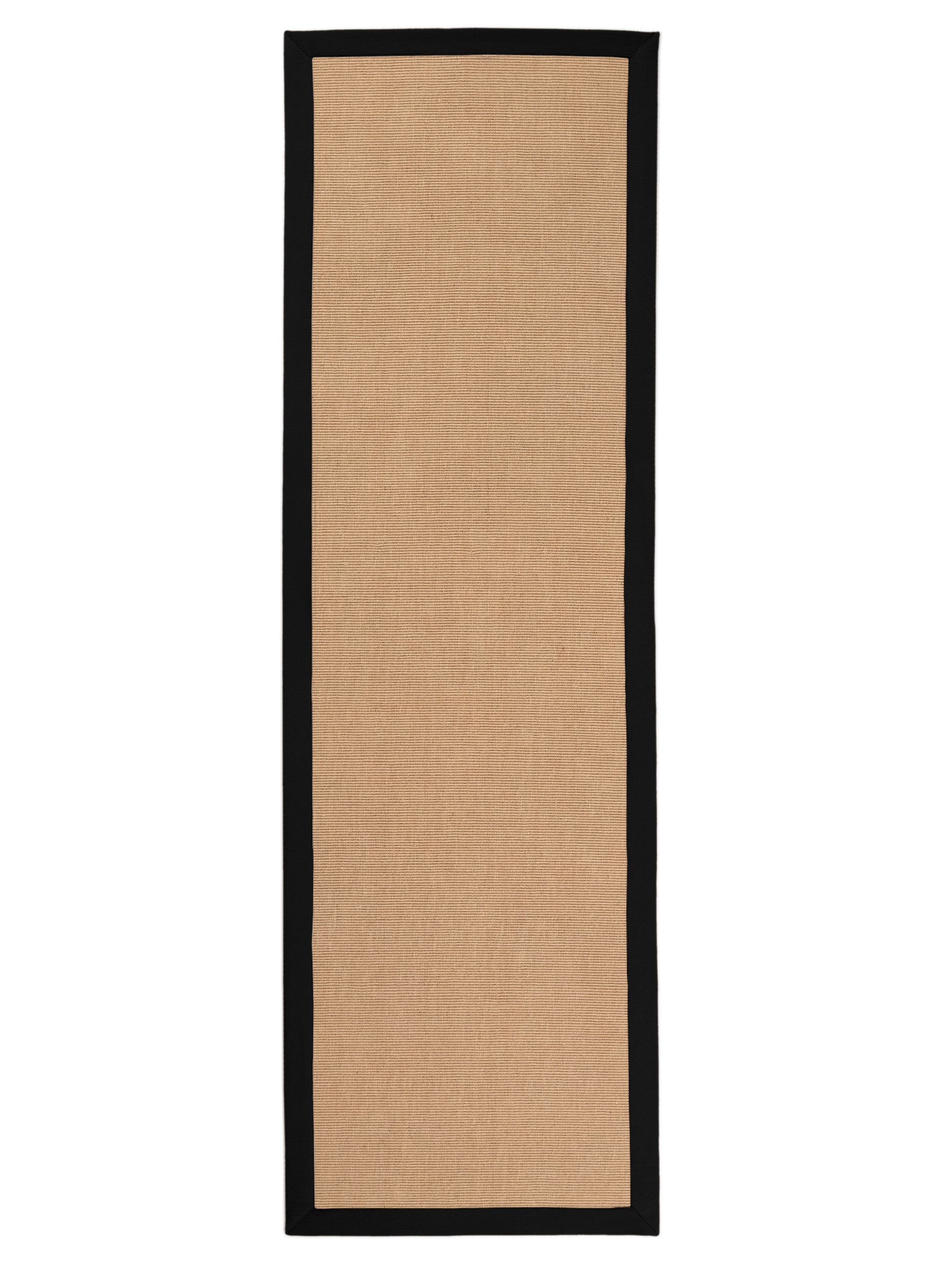
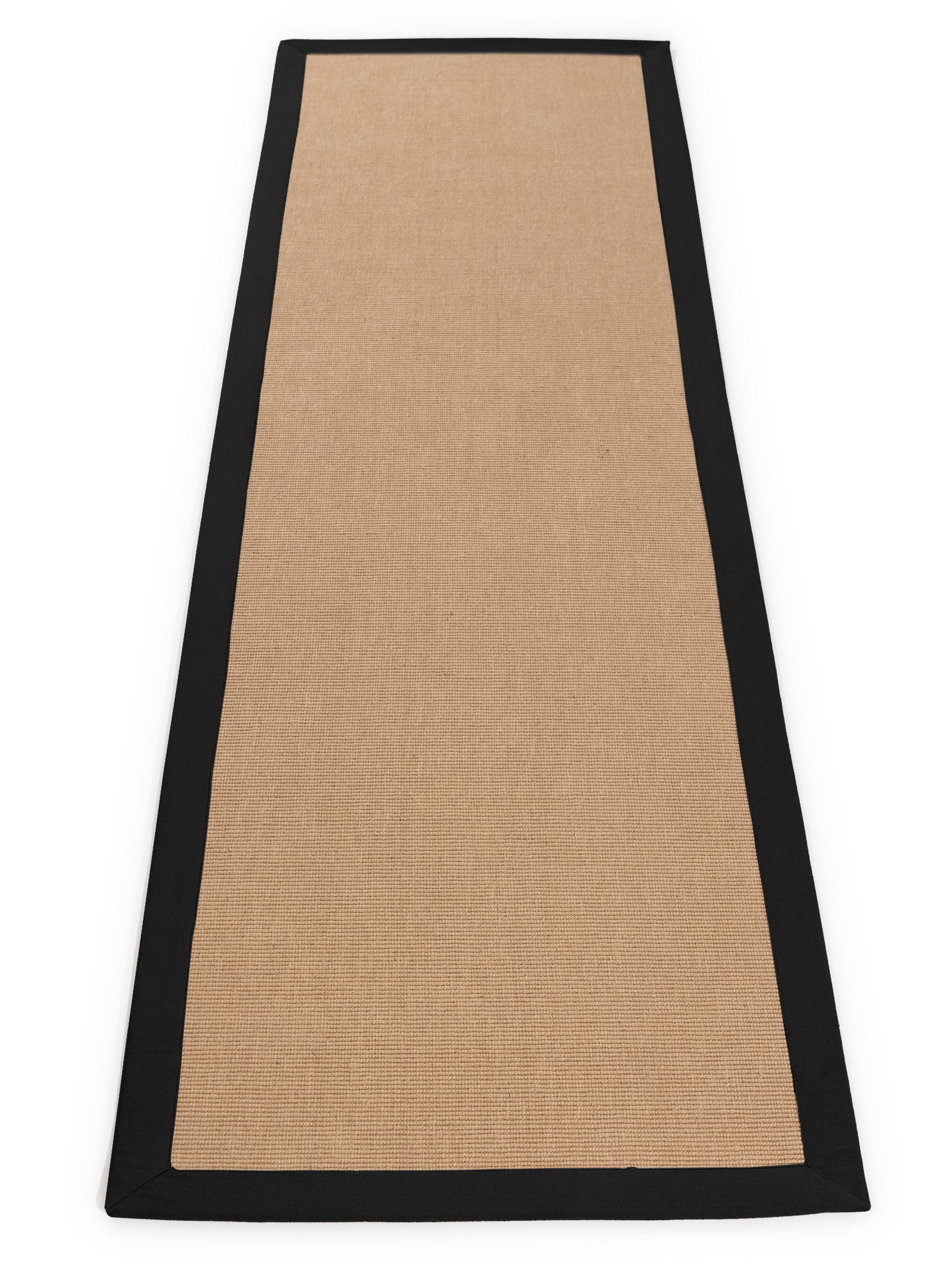
Warp threads run lengthways, weft threads cross them, and every row is beaten down by hand. That is how a hand woven rug comes about, and it is how every piece on this page was made. The fibres range from wool and jute to cotton and viscose. Some lie as flat as a kilim. Others have a fuller pile.
Because people beat the rows and not a machine, colour and texture vary slightly from one rug to the next. That is intended. You can see how it was made, and no two rows are quite identical.
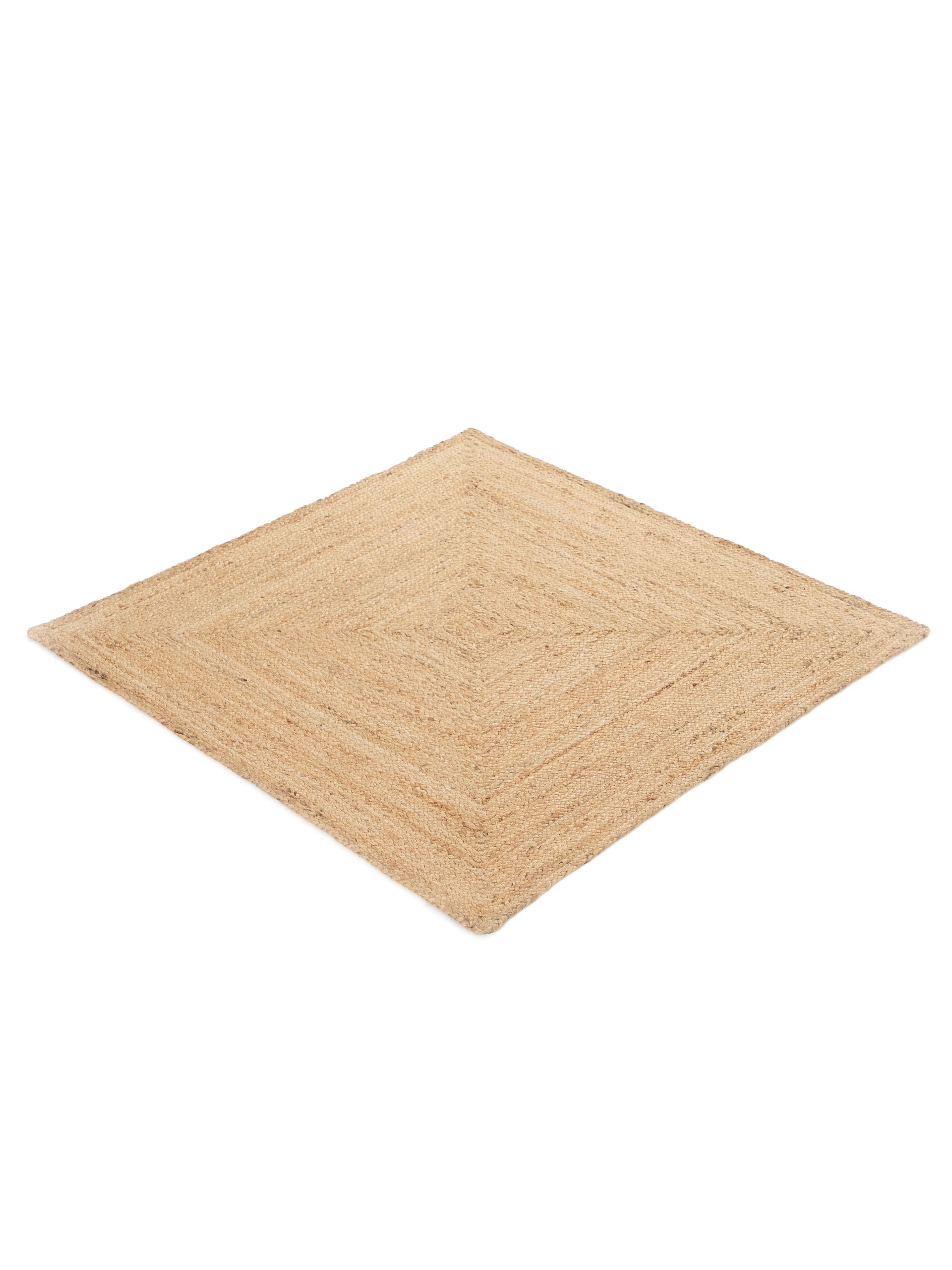
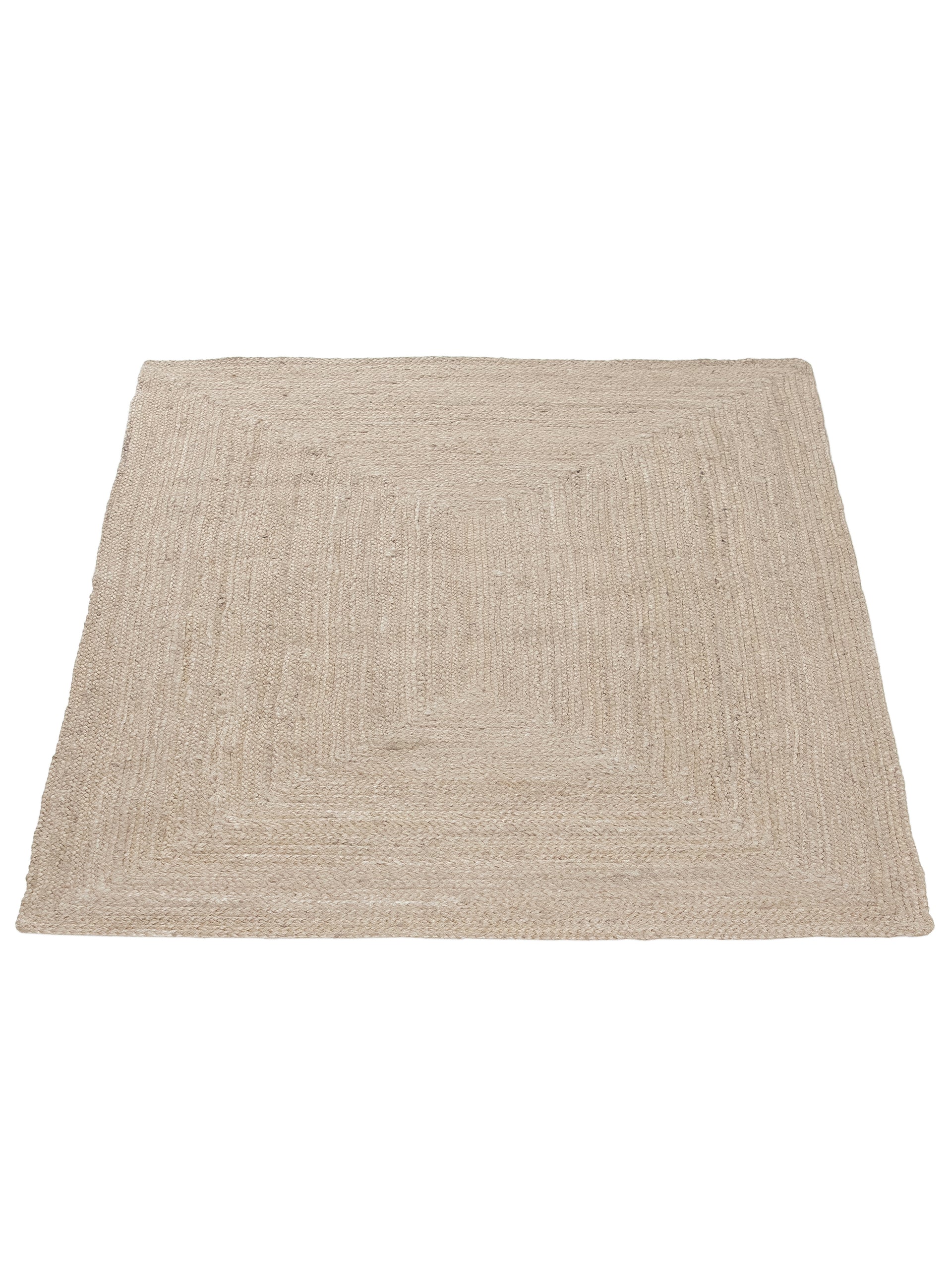
Shapes go well beyond the rectangle. There are runners for long hallways, round and oval rugs, and a handful of squares too.
How Is a Handwoven Rug Made?
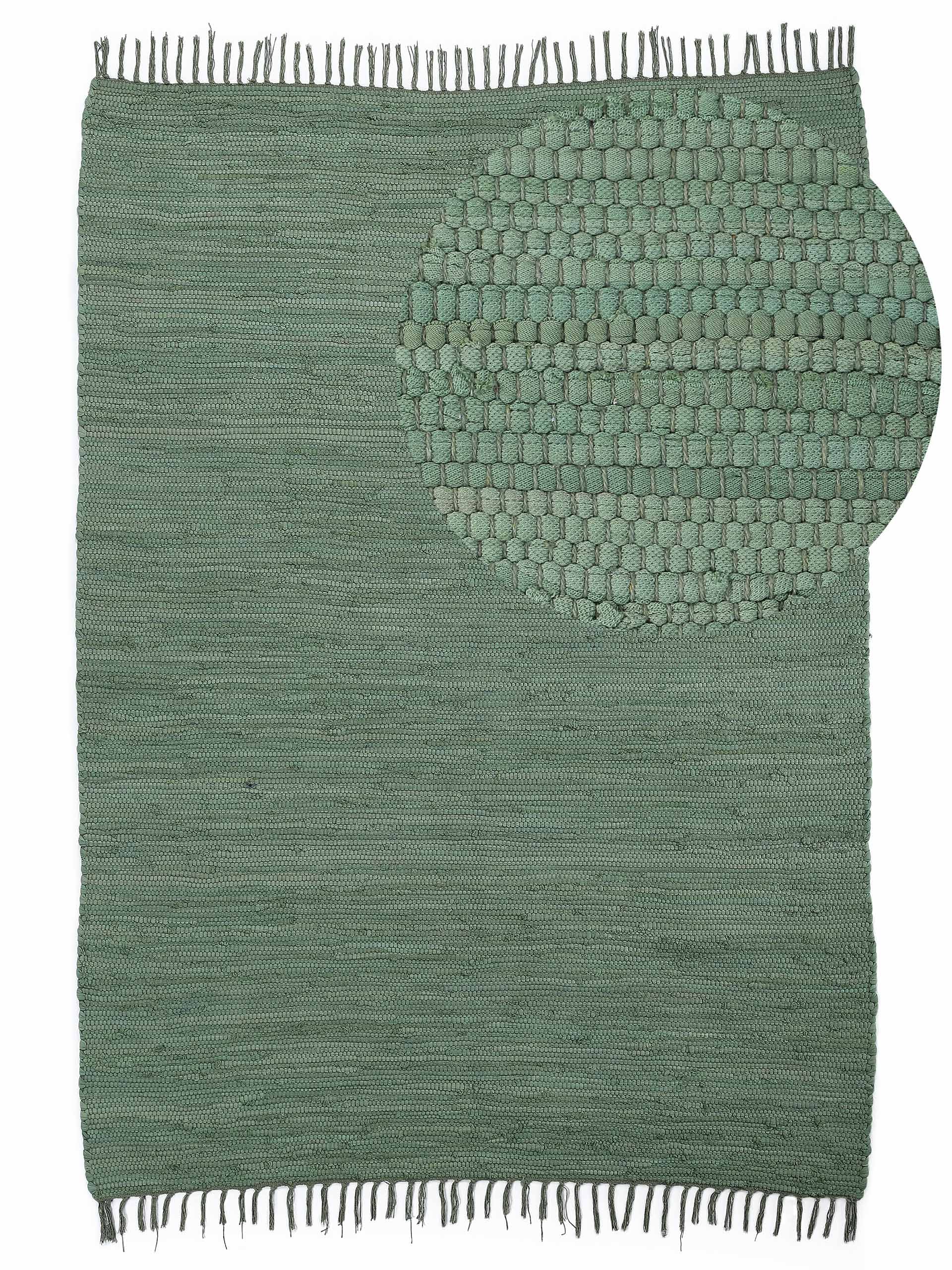
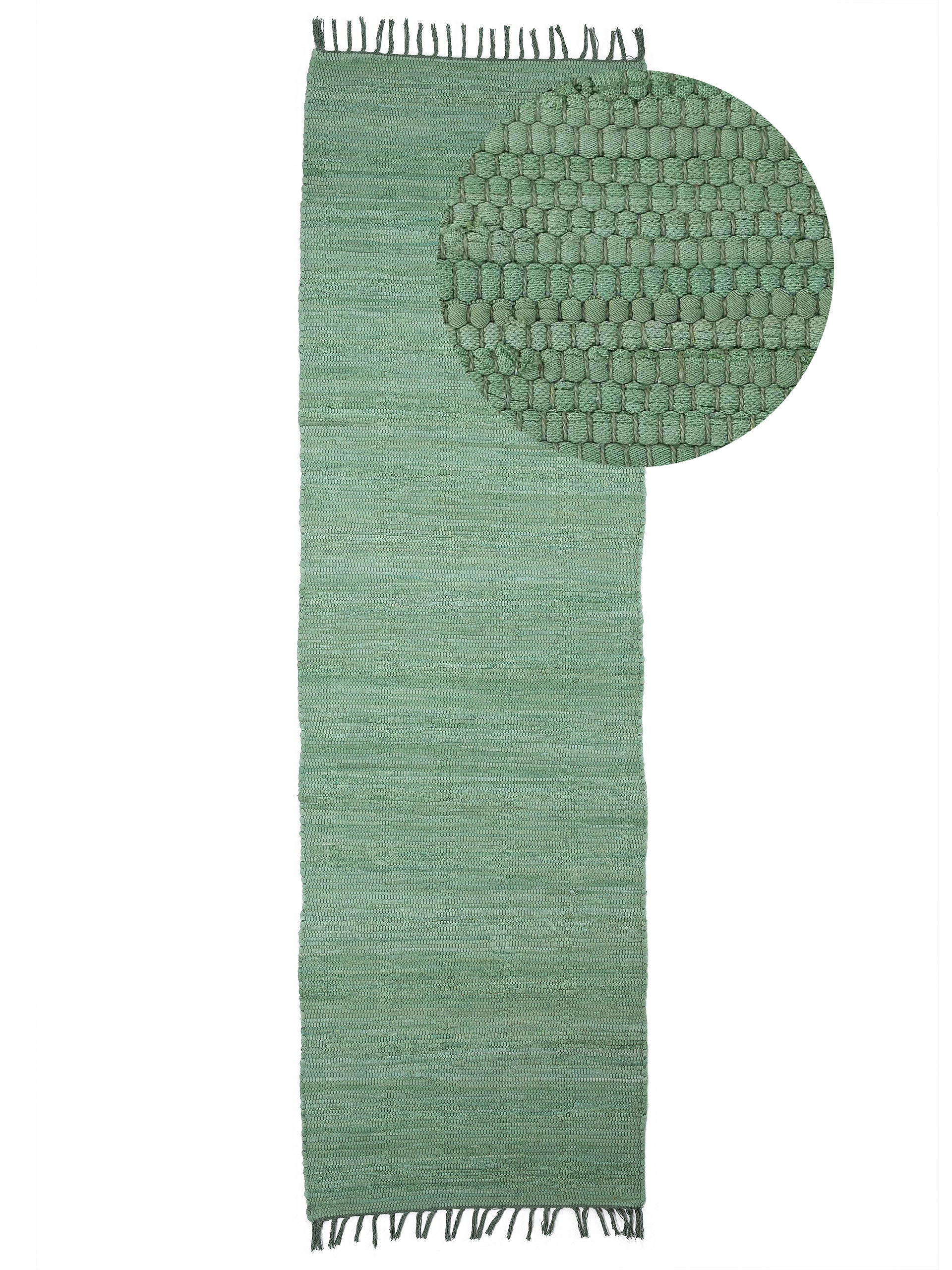
Two sets of threads cross on the loom. The warp is stretched tight while the weft passes through it. Depending on the technique, the result stays flat like a kilim or gets a soft pile, as with a gabbeh.
Two other methods are worth knowing. Knotting is one. Each knot is tied individually. With tufting, a tool shoots the yarn into a backing fabric, and you will find that dense, even pile among our hand-tufted rugs.
Fibres, Pile and Room Sizes
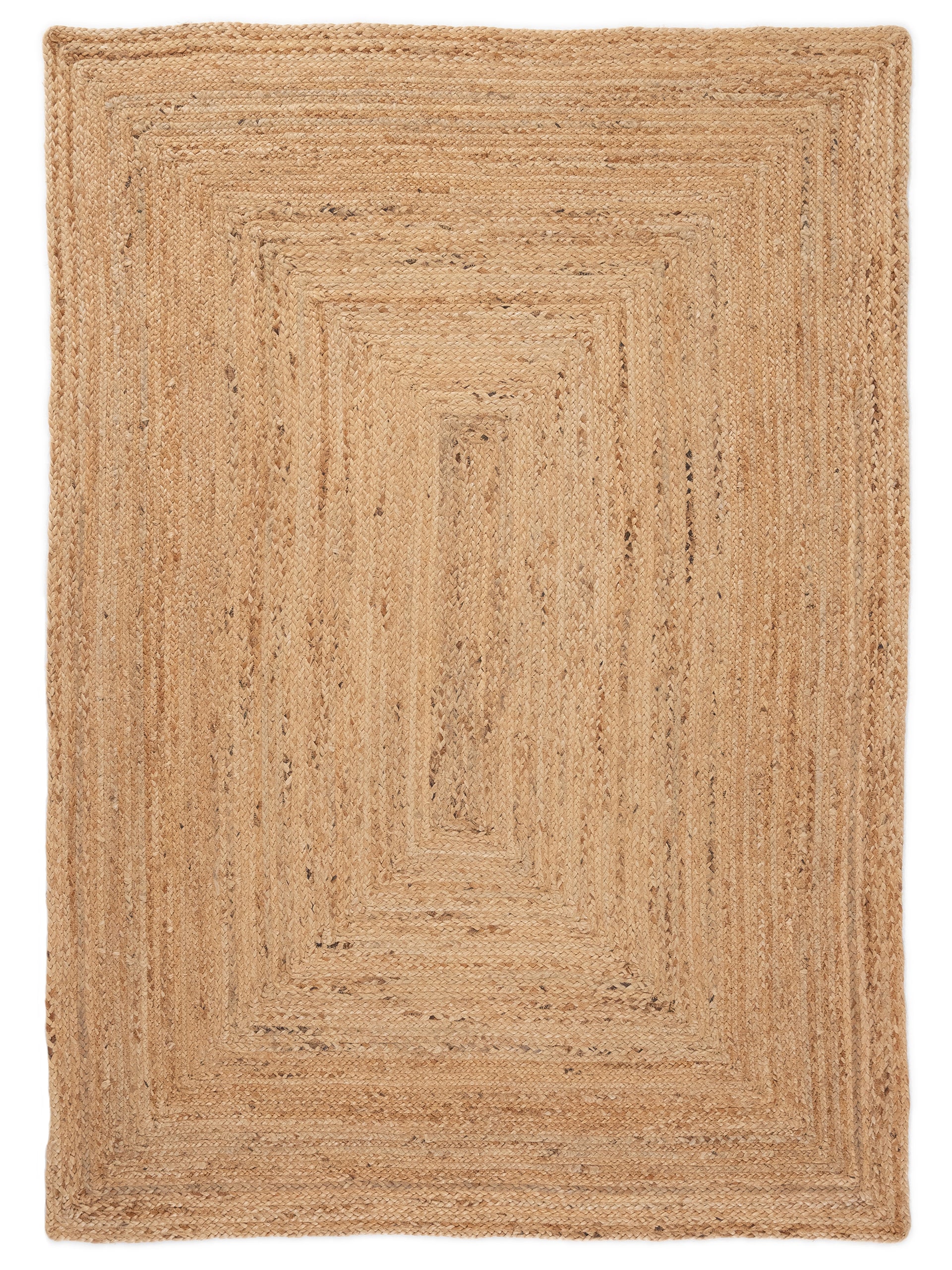
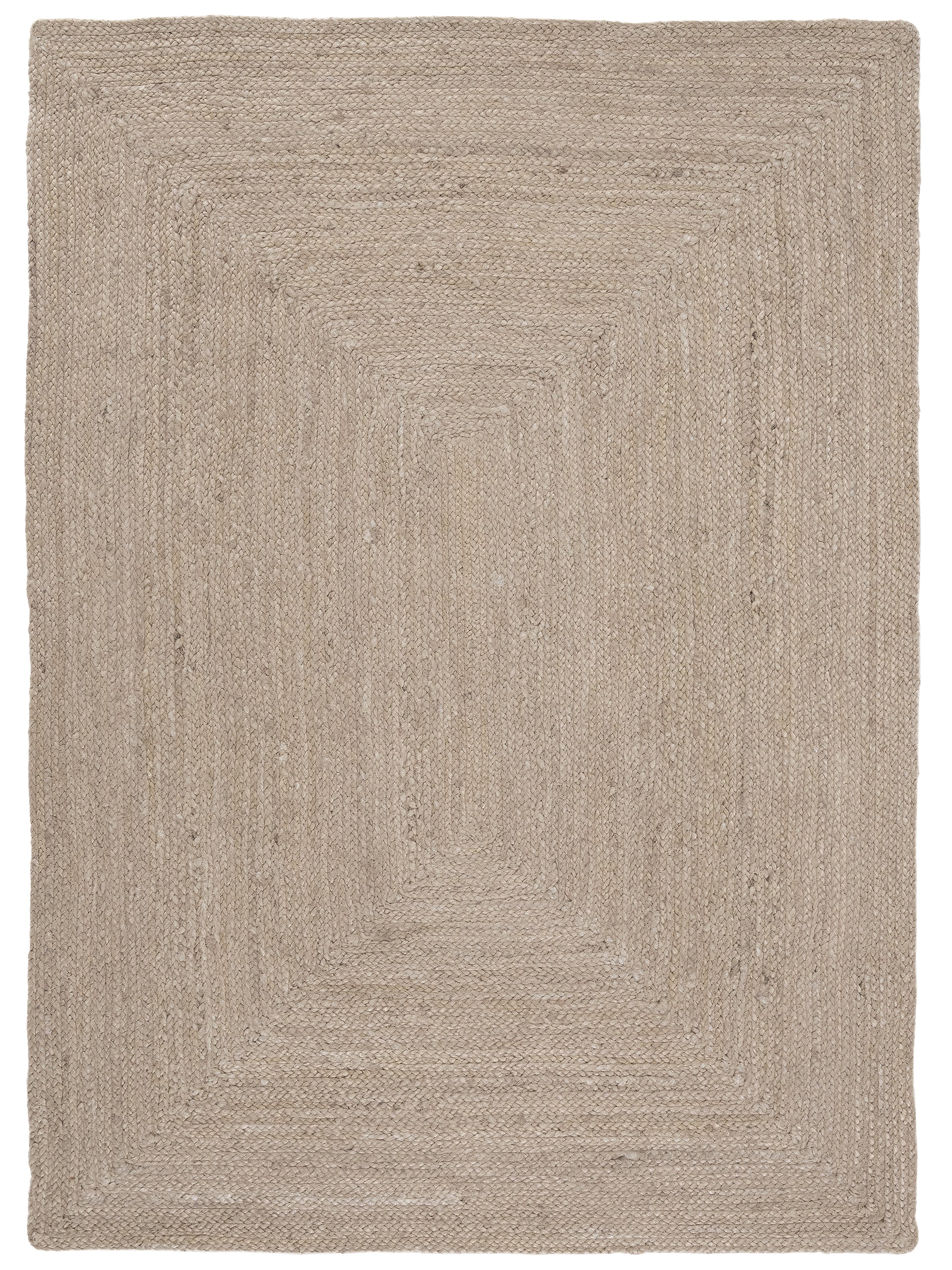
Rectangles run from small bedside rugs up to 300 x 400 cm. For a seating area, 200 x 290 cm or 240 x 340 cm are common choices, because the sofa and armchairs then stand on the rug with at least their front feet. More options for that room are among the living room rugs.
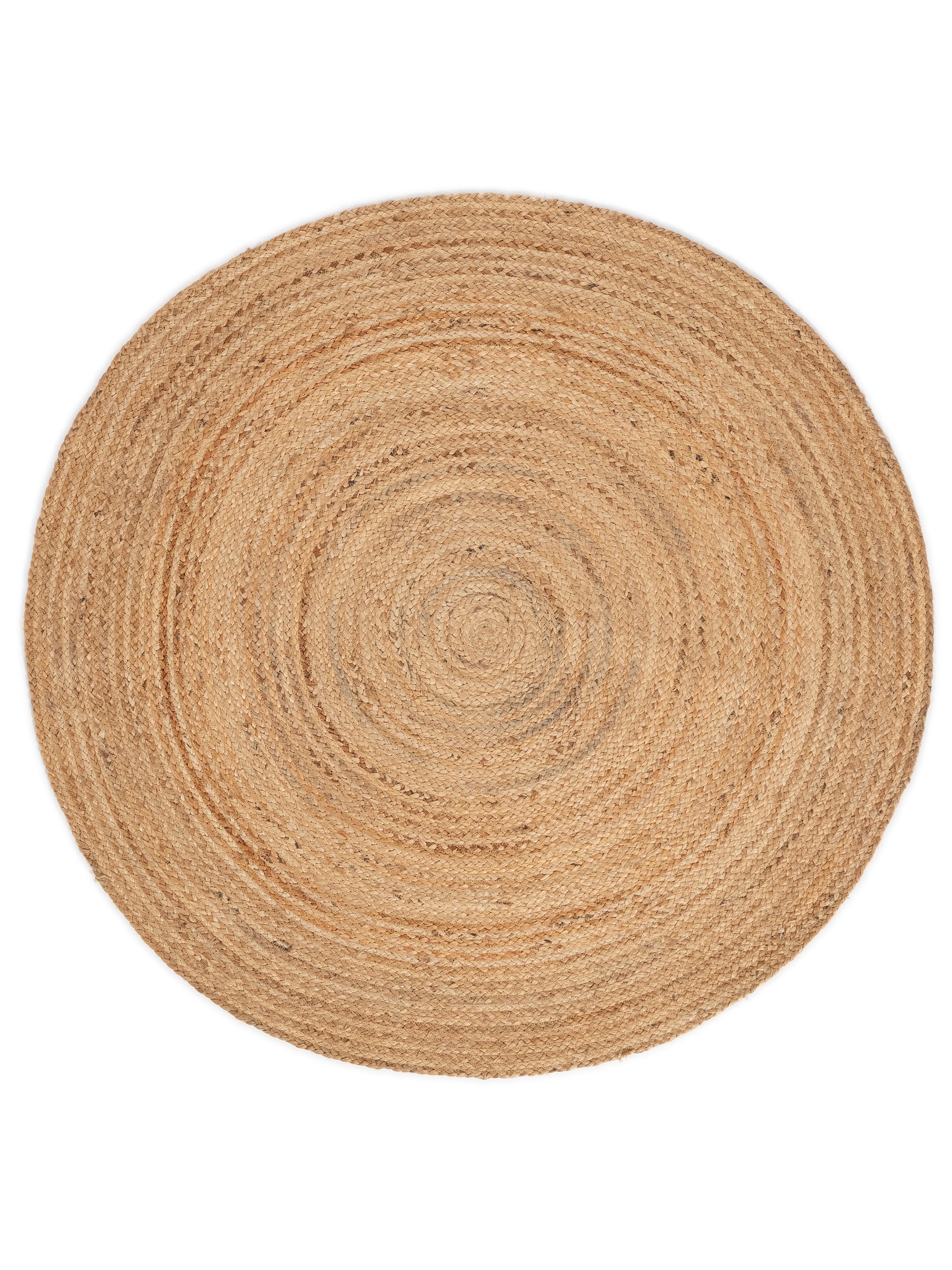
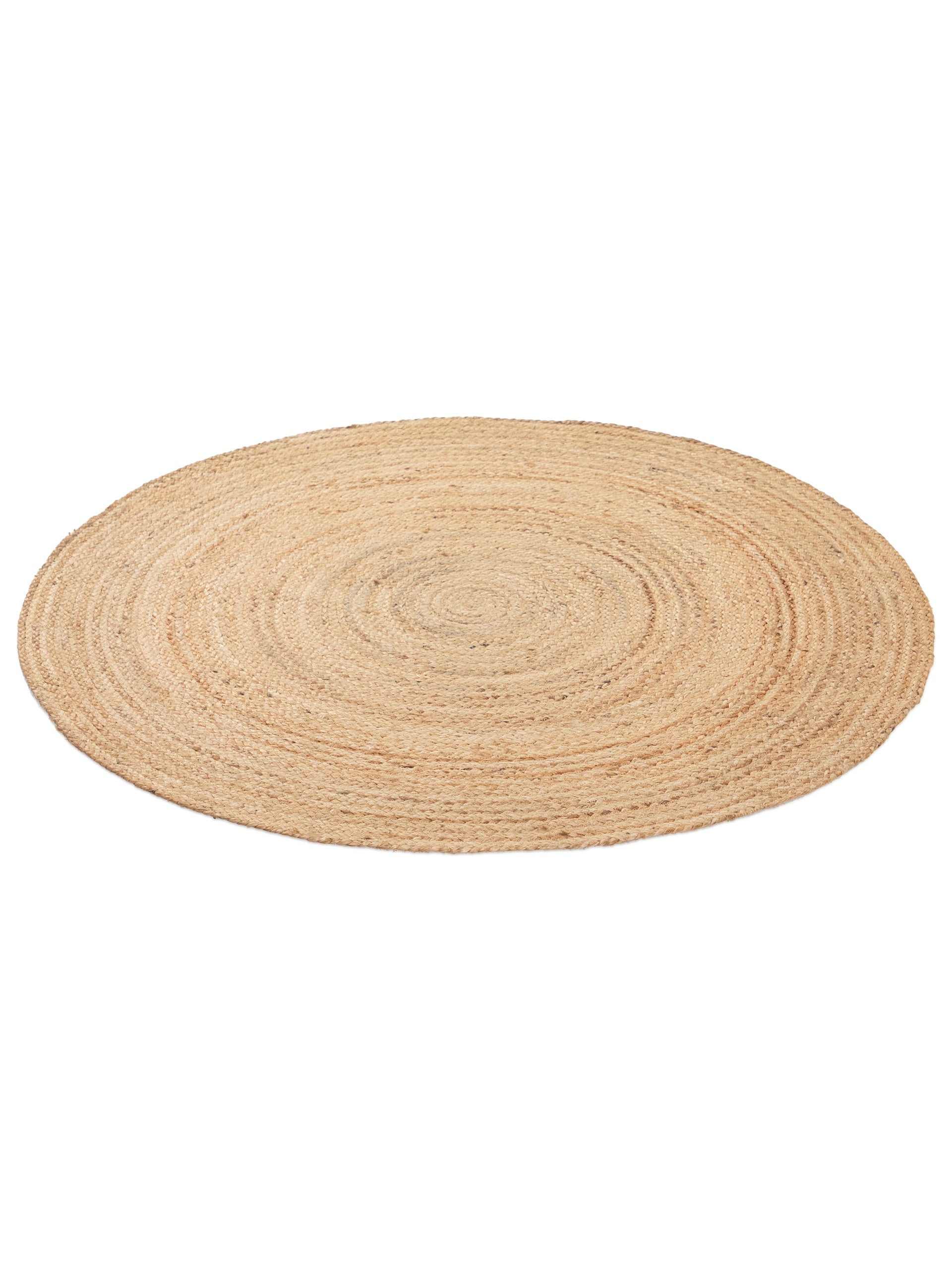
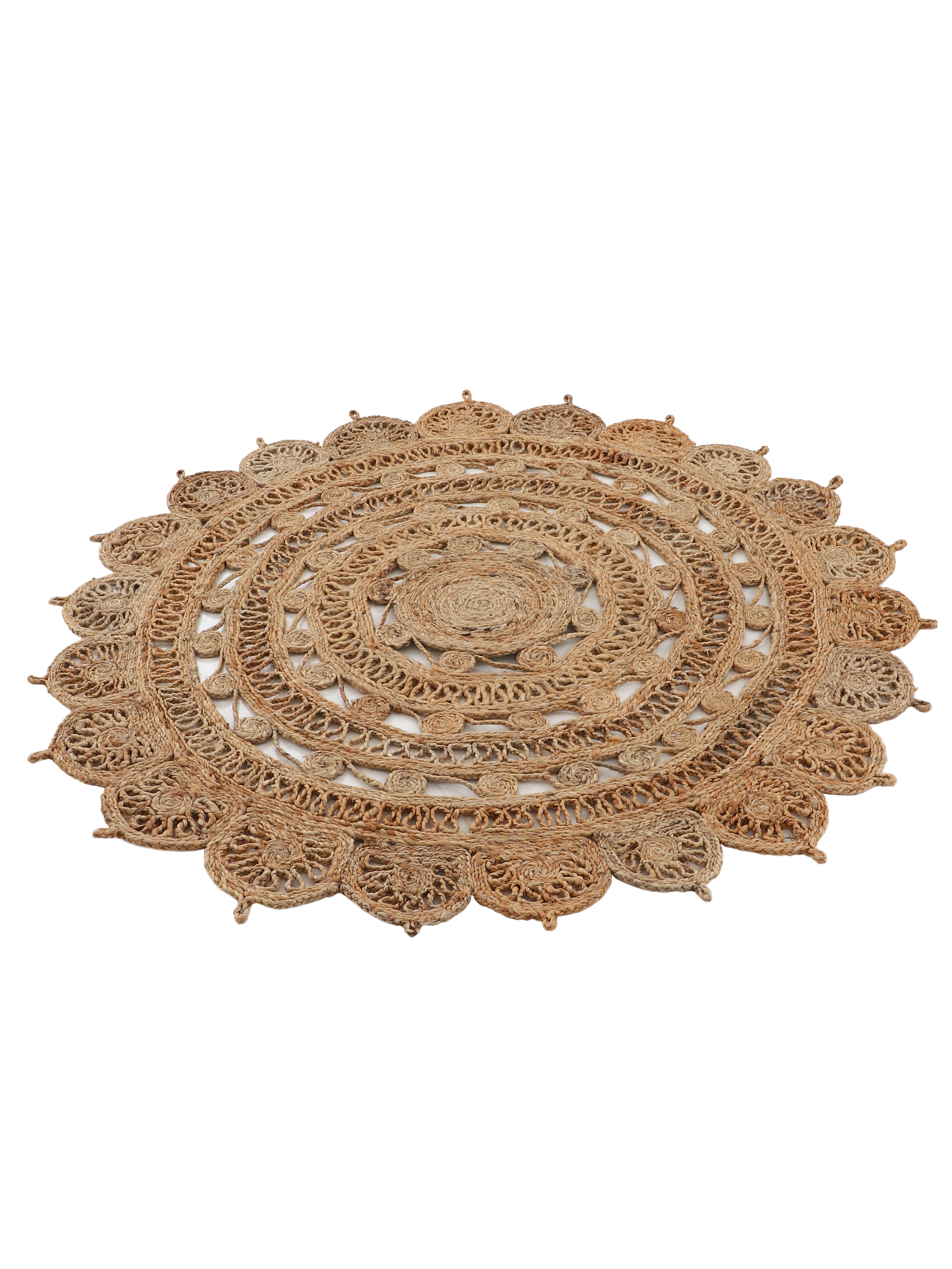
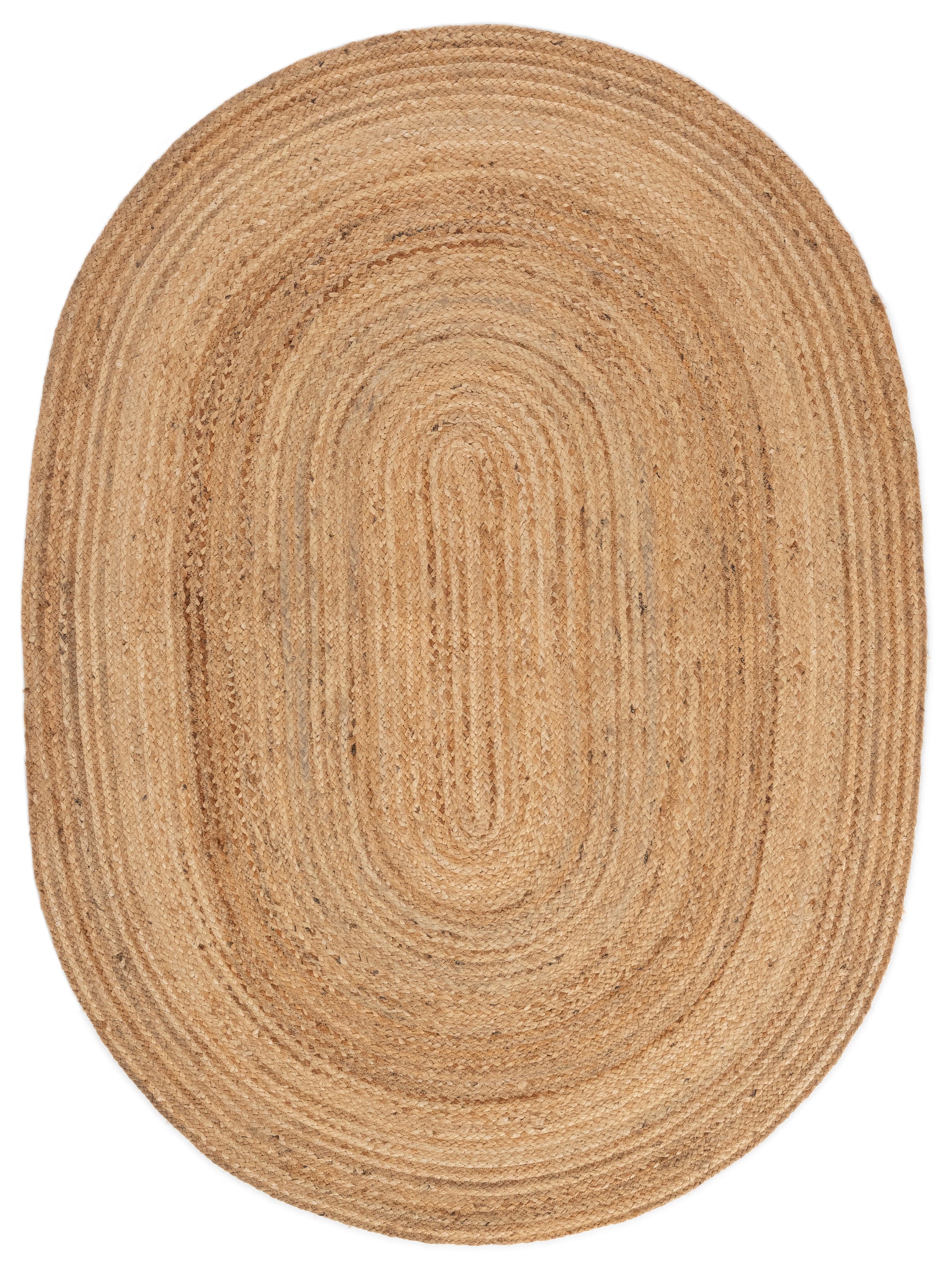
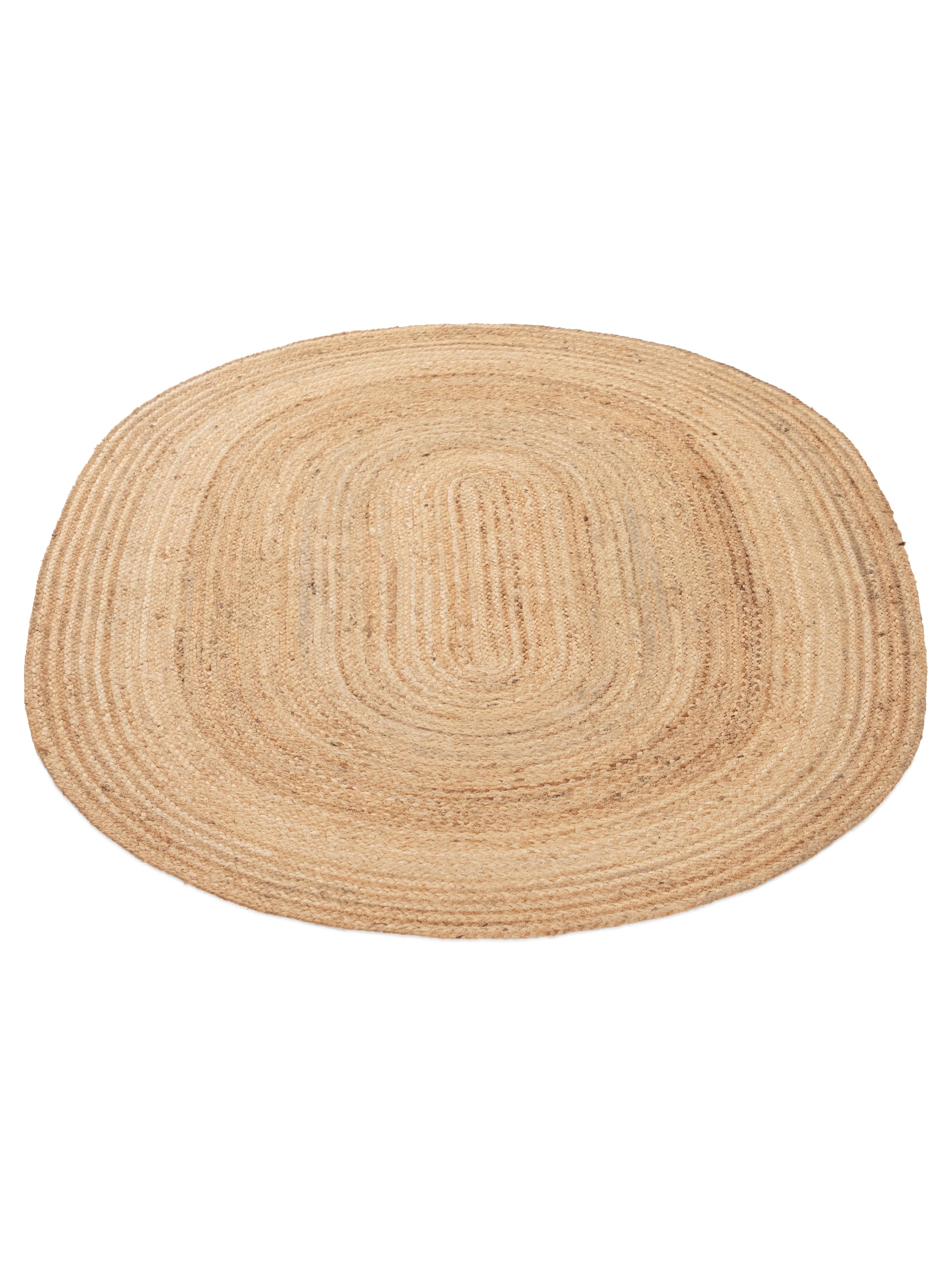
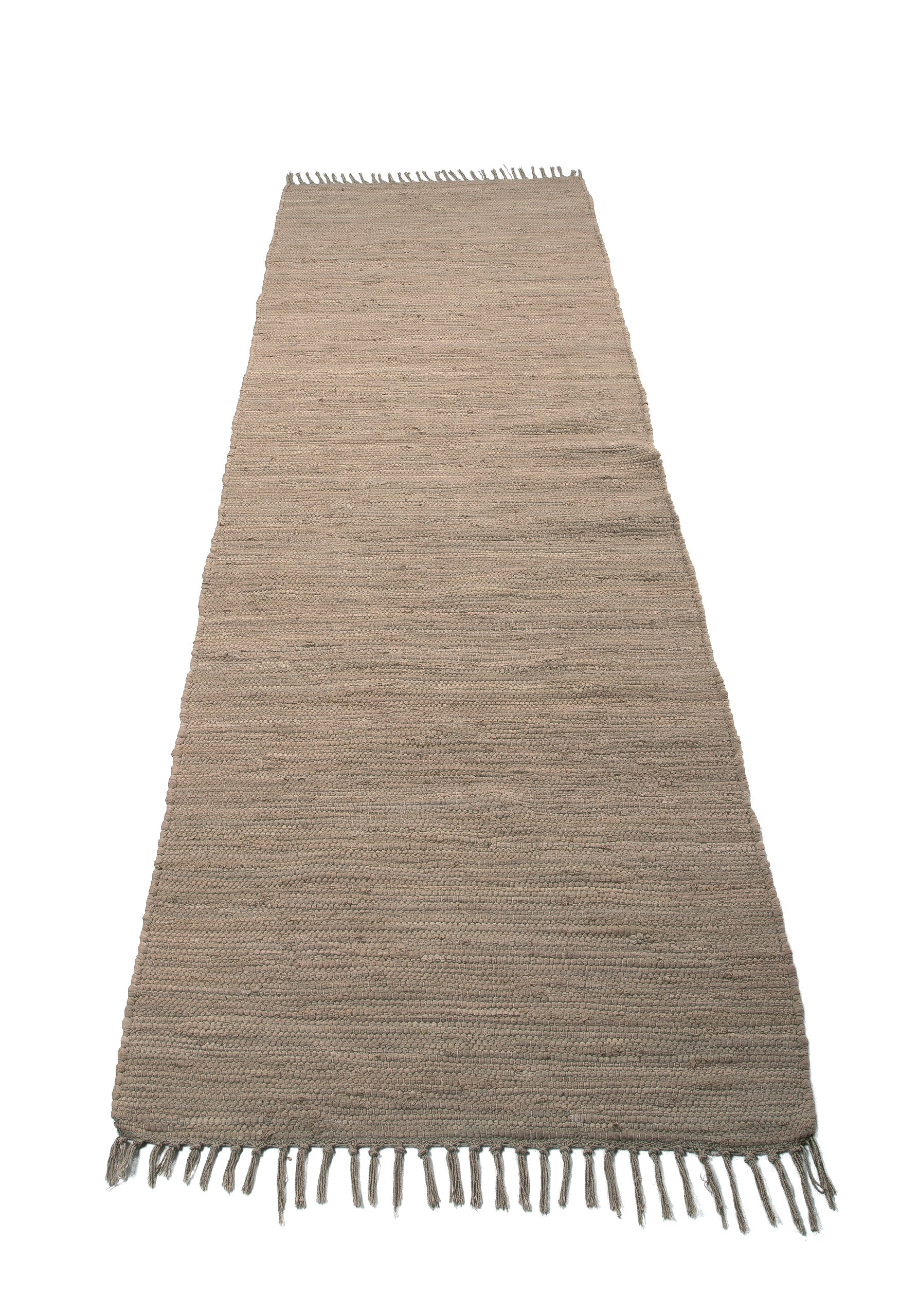
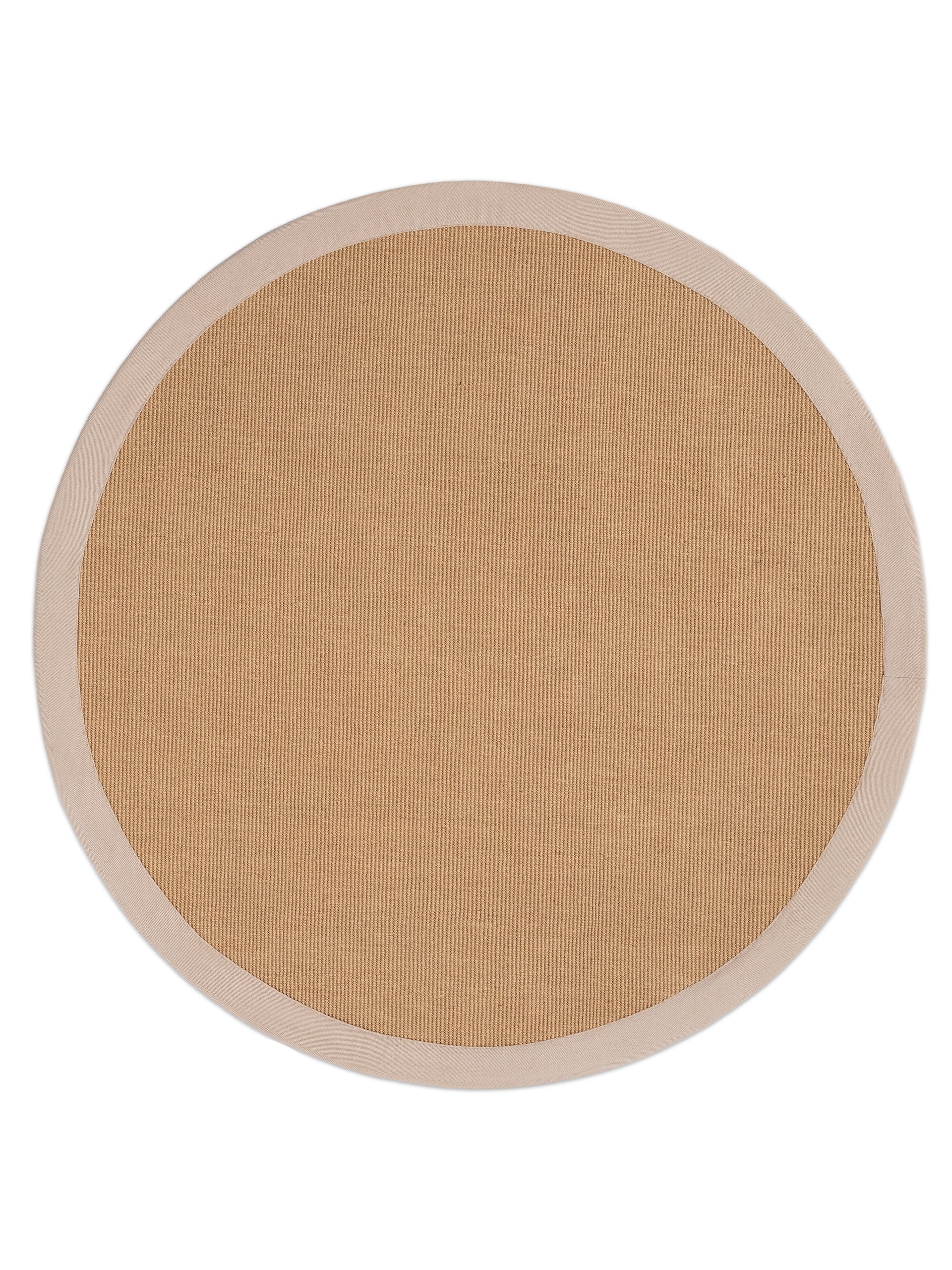
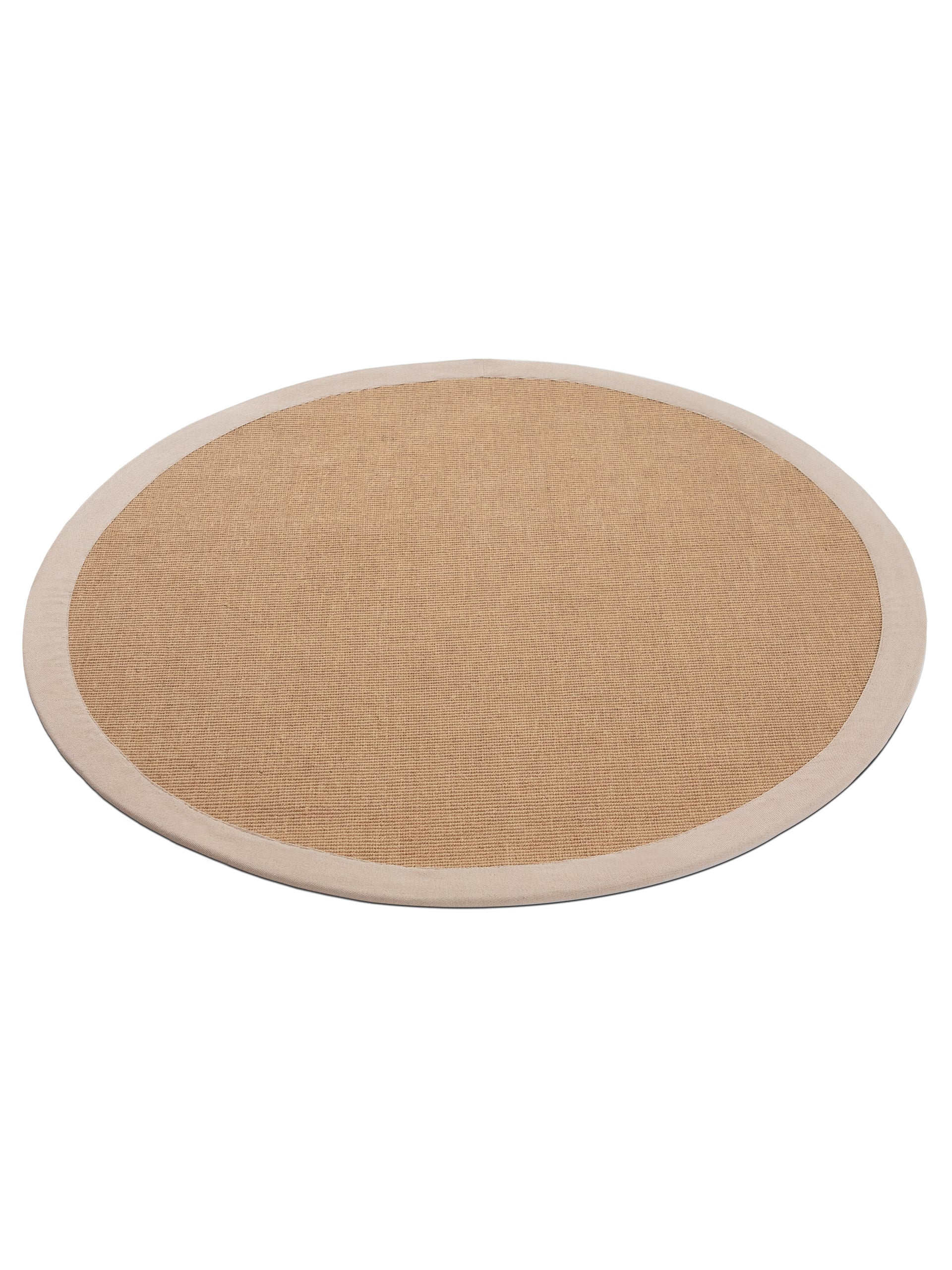
Long hallways need a runner. The handwoven ones go up to 80 x 600 cm. Round versions come in wool and jute or as a flat kilim, from Ø 60 to Ø 300 cm. No corners wanted? Browse our round rugs.
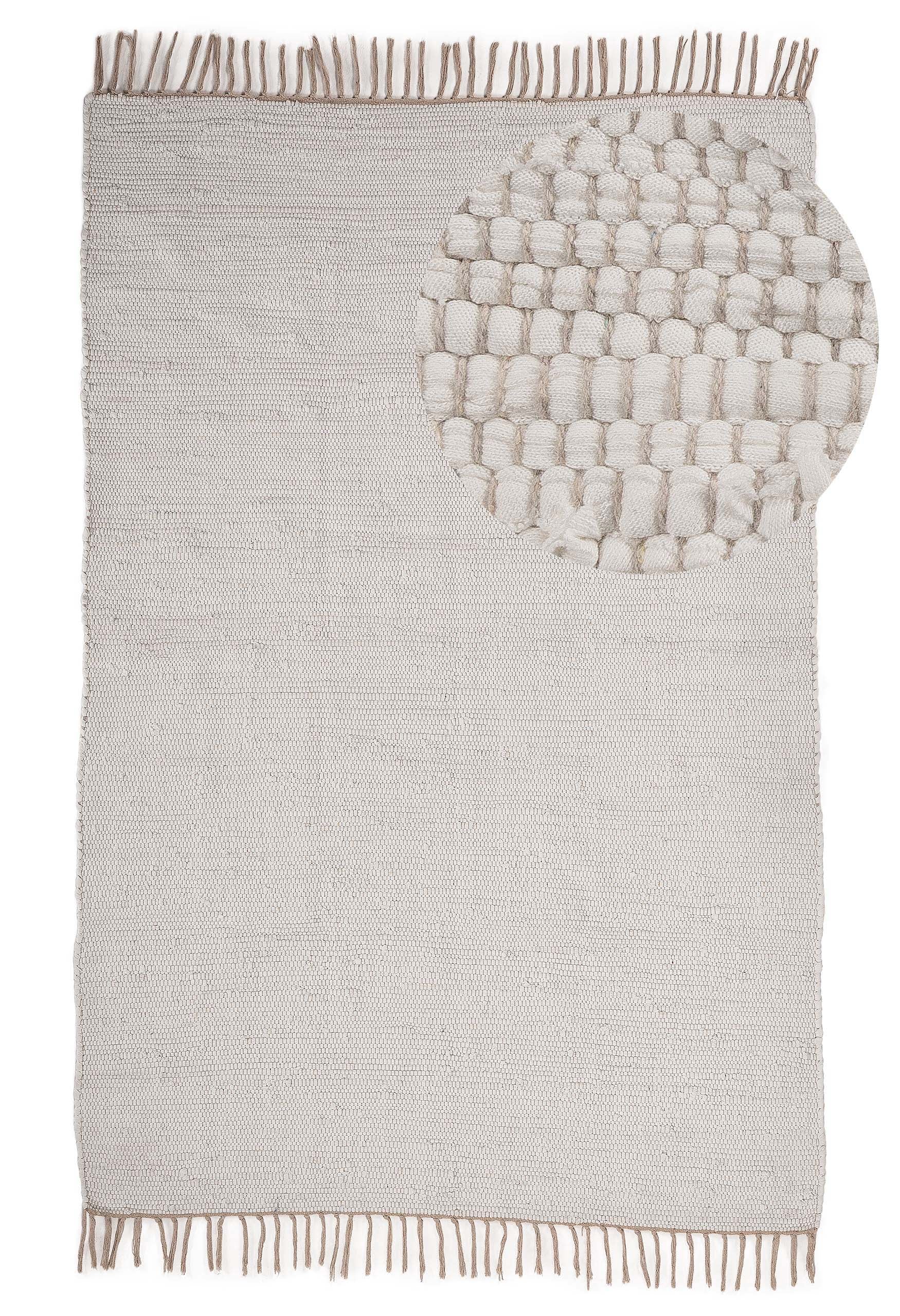
Natural shades dominate. Light designs across every material are collected under beige rugs, while stronger colours tend to be wool or cotton. In a Scandinavian room, a plain cream handwoven wool rug looks calm and soft.
Which fibre suits you depends on the room and on how it should feel underfoot:
- Wool has a fuller pile and is springy, so dents from table legs recover over time.
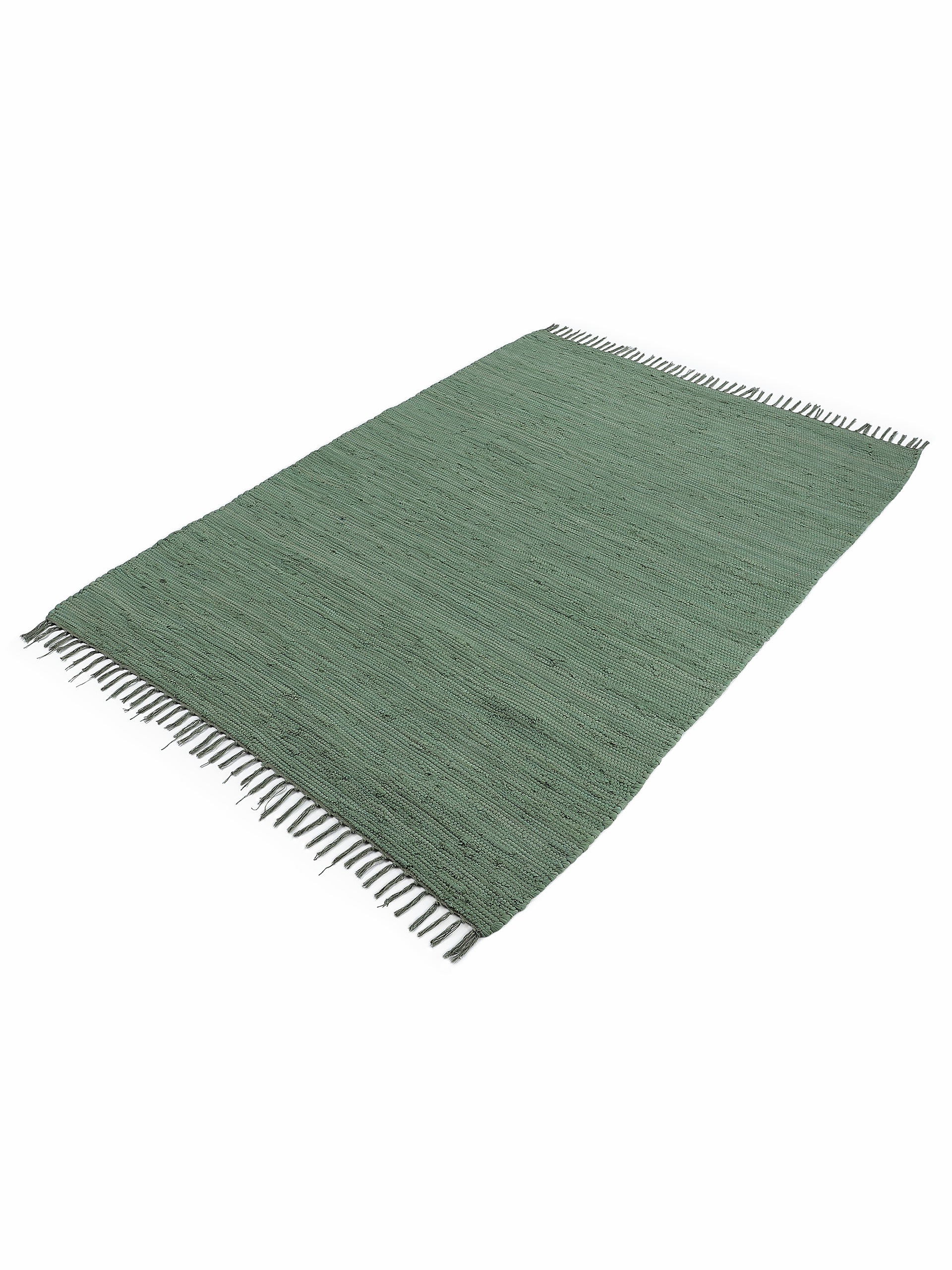
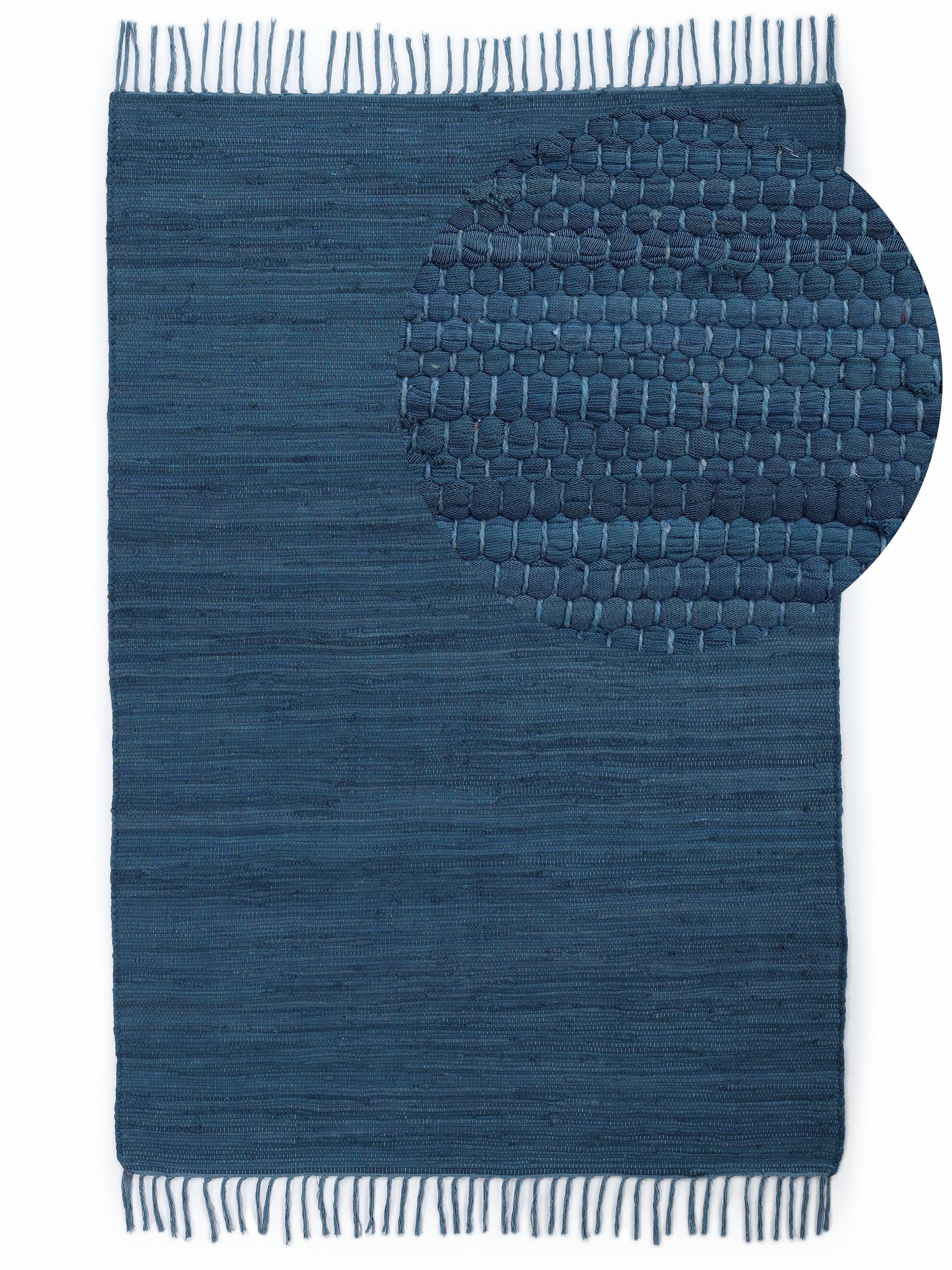
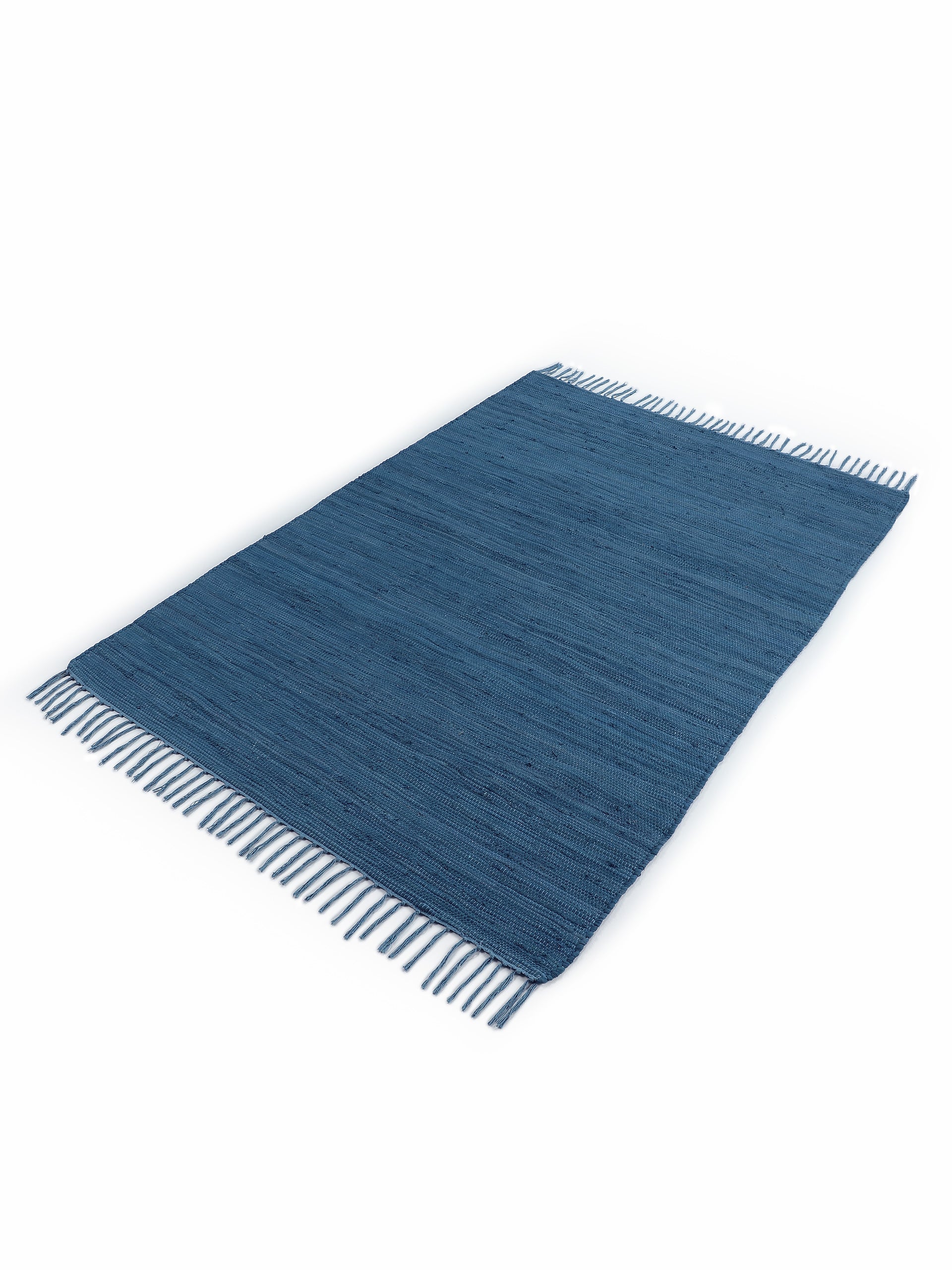
- Cotton kilims stay flat and weigh very little.
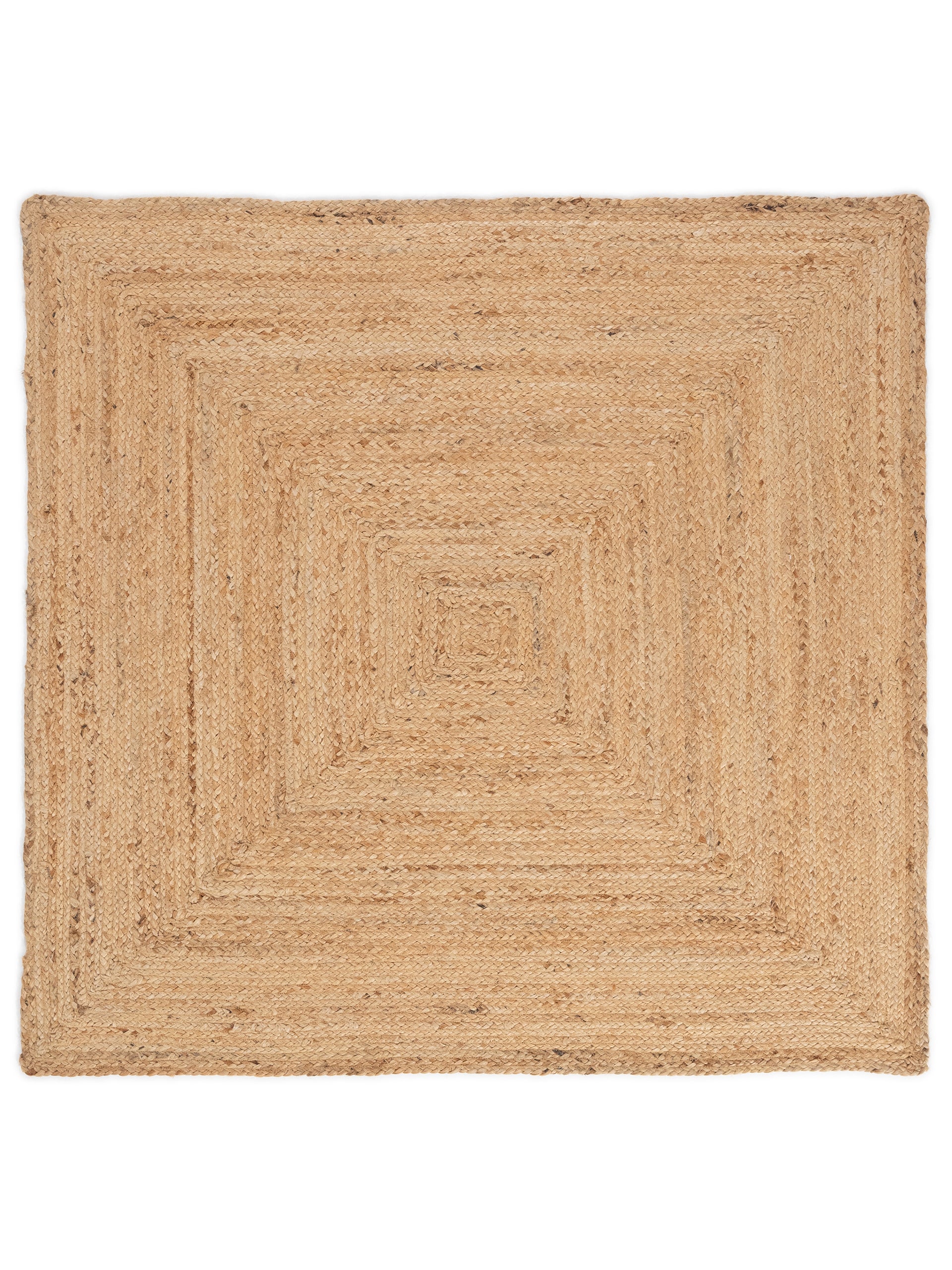
- Jute is firm. Most of these designs have a short pile, feel a little rough to the touch and hardly build up any static.
- Our sisal-look designs blend 80% jute with 20% cotton.
- Viscose has a sheen that shifts with the light. It is soft but more delicate than wool.
For the most cushioning, go for a hand woven wool rug, and the wool rug range has plenty more. The traditional Persian gabbeh, hand woven with a soft wool pile, has its own page under gabbeh rugs. Some cotton kilims are made from 100% recycled cotton, and similar pieces sit under recycled rugs.
Frequently asked questions
Does a handwoven wool rug shed?
At first, yes. Loose fibres come away in the first few weeks, and it eases off after a few rounds with the vacuum.
Is every piece one of a kind?
Not quite. The design is fixed, and so are the material and the size. Because the weaving is done by hand, colour and texture can differ slightly from the photo.
Can I put handwoven jute rugs in the bathroom?
Better not. Jute copes badly with moisture, so keep it away from wet shoes by the front door as well.
Will a flat kilim catch under the door?
Usually not. The cotton kilims lie very flat, so most doors open over them without trouble.