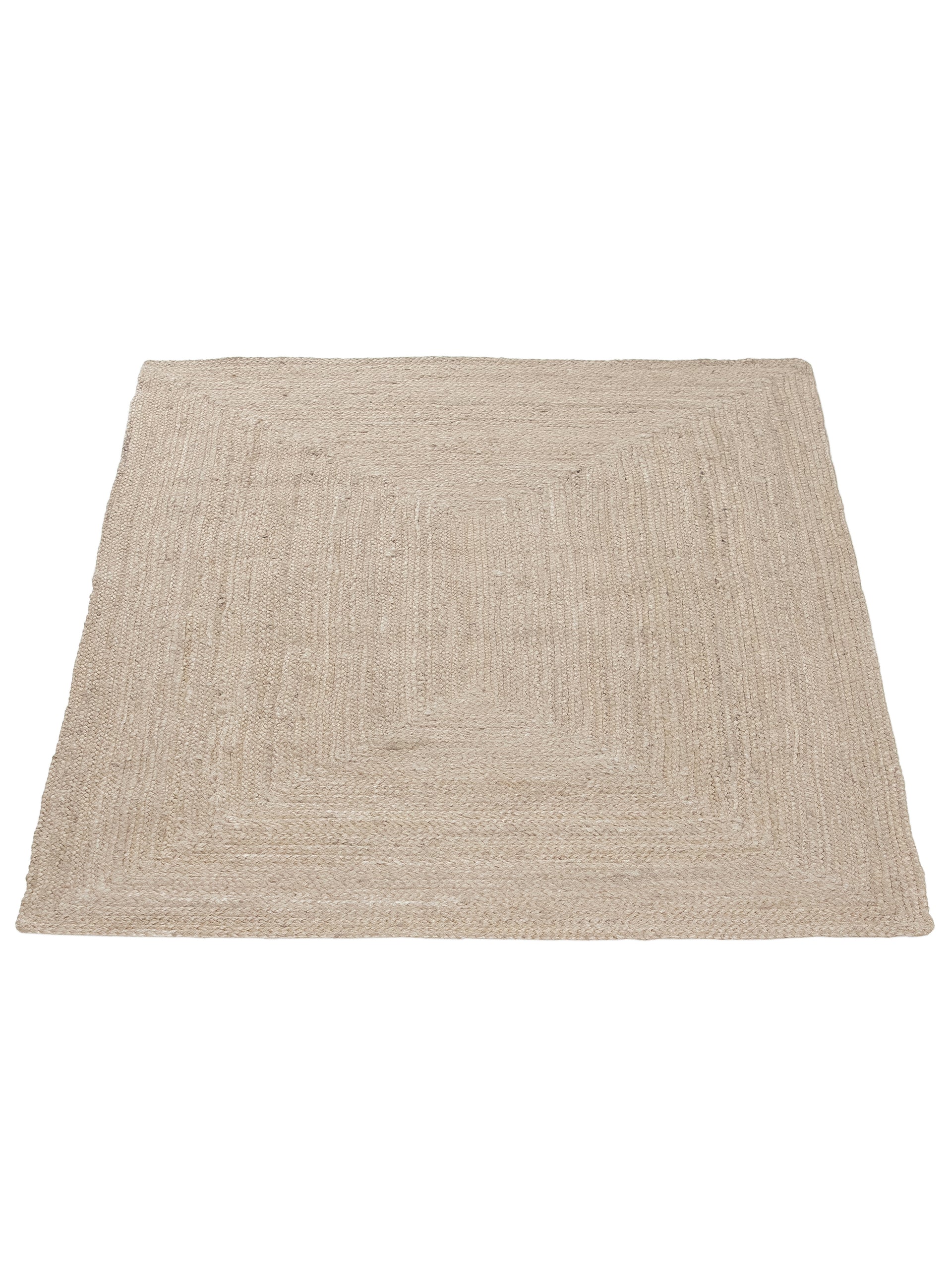
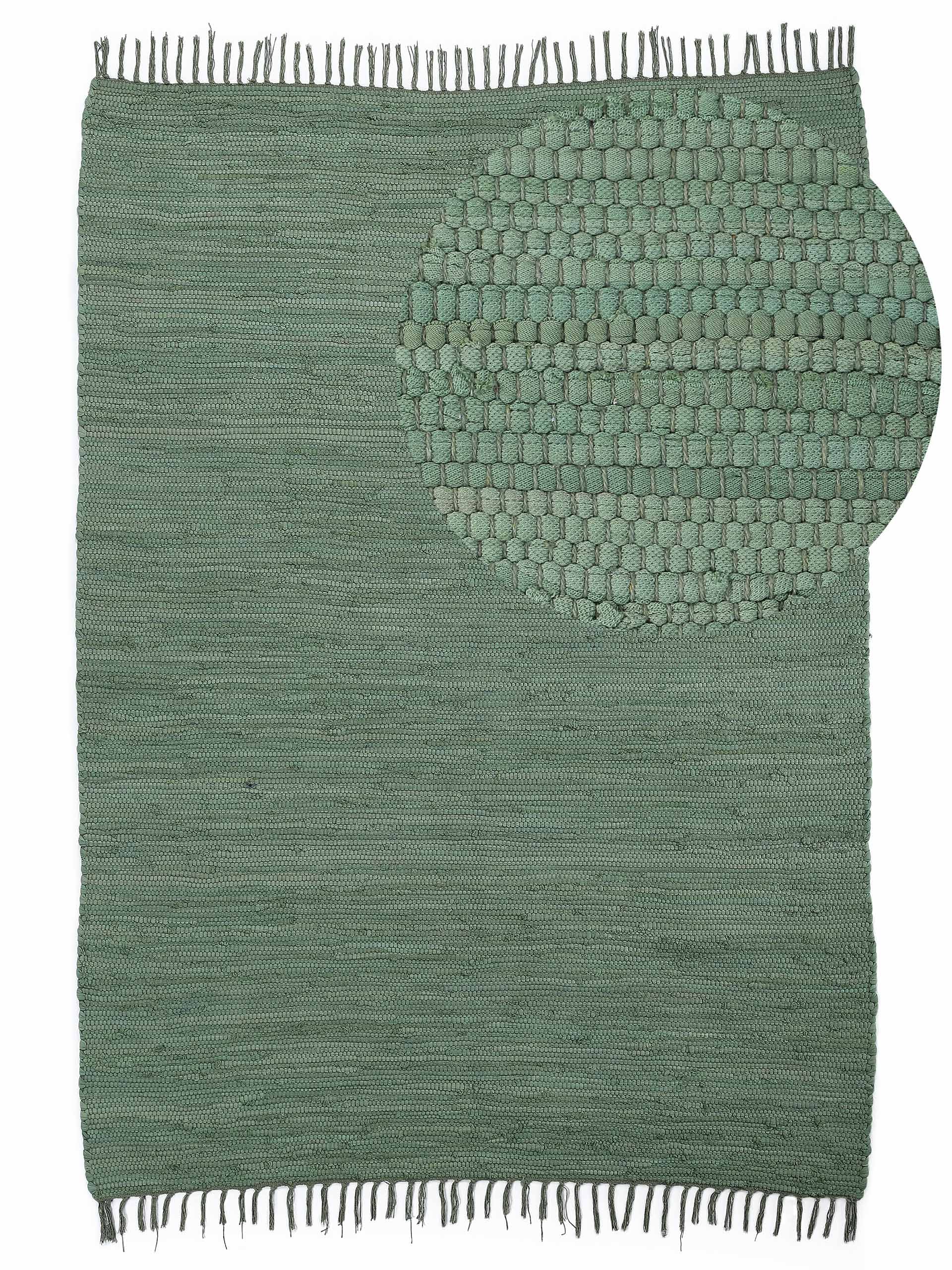
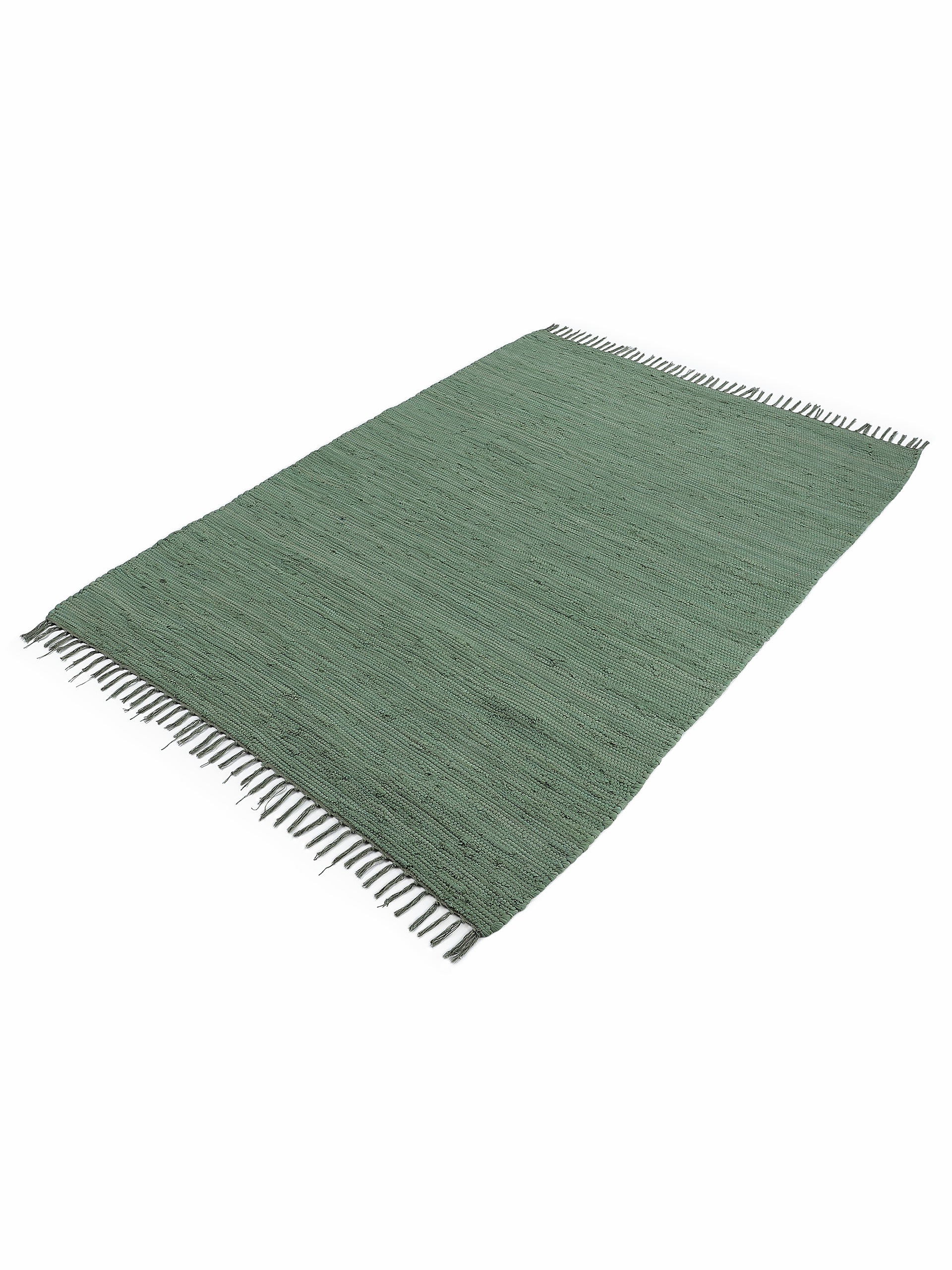
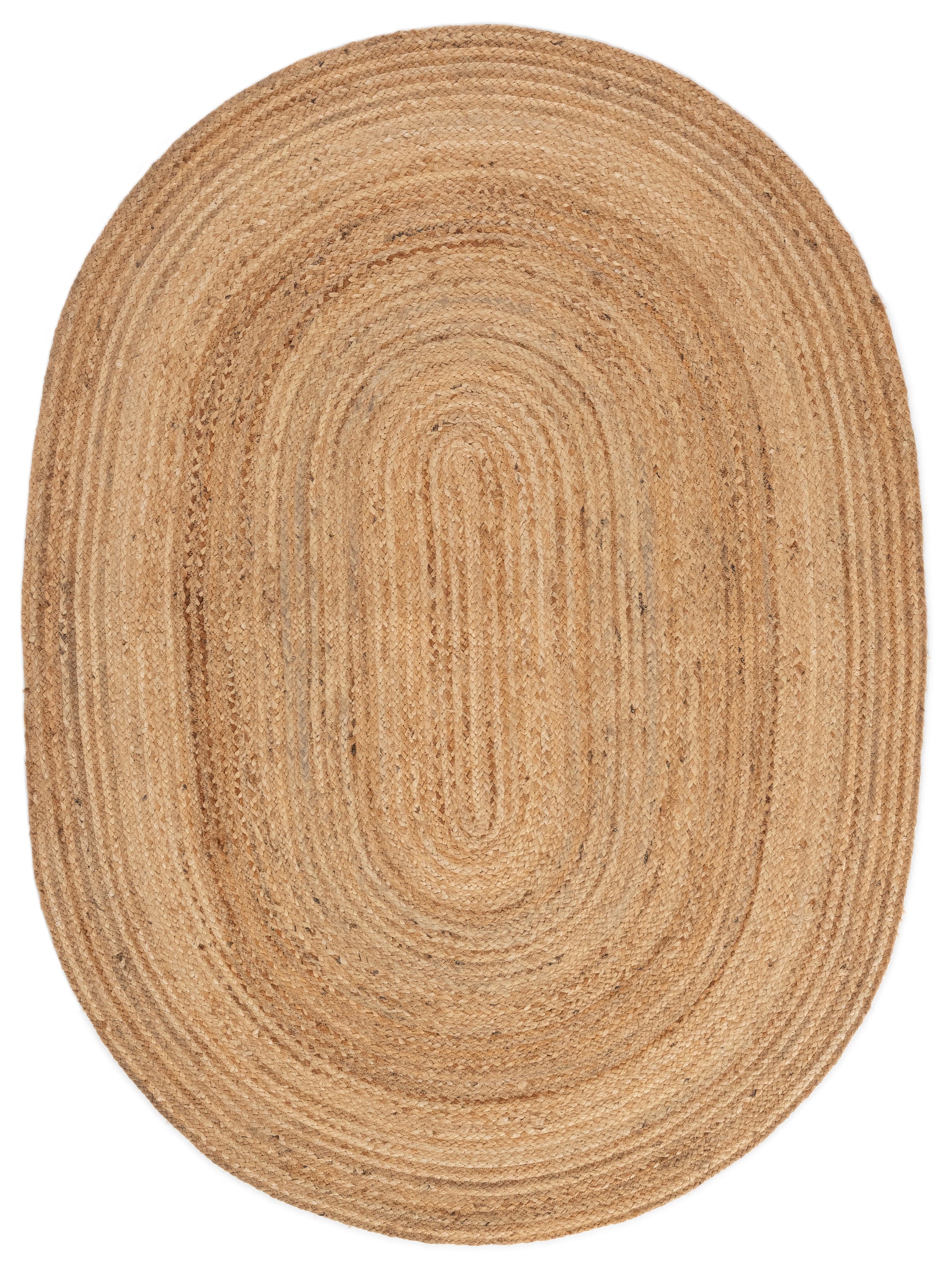
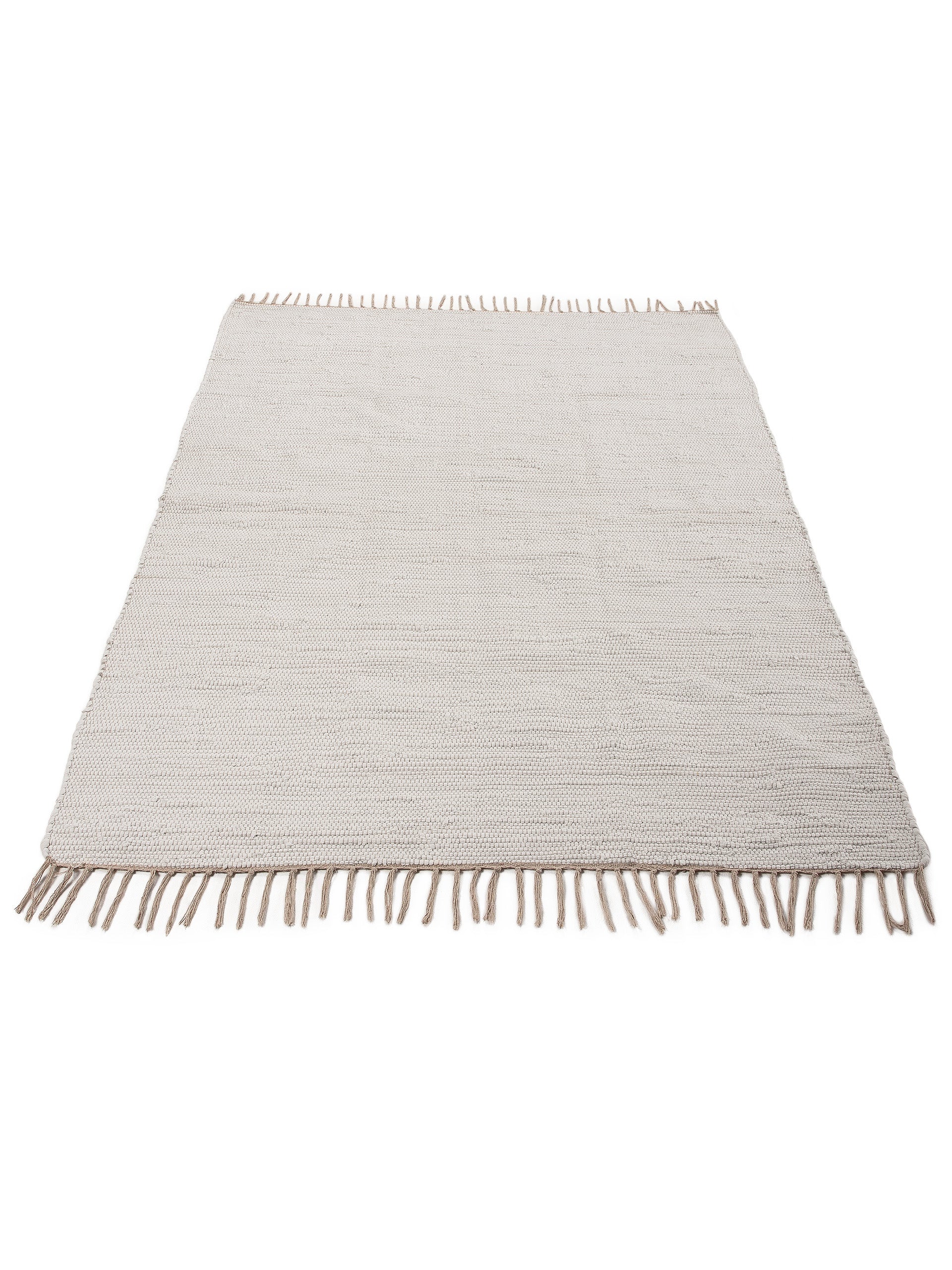
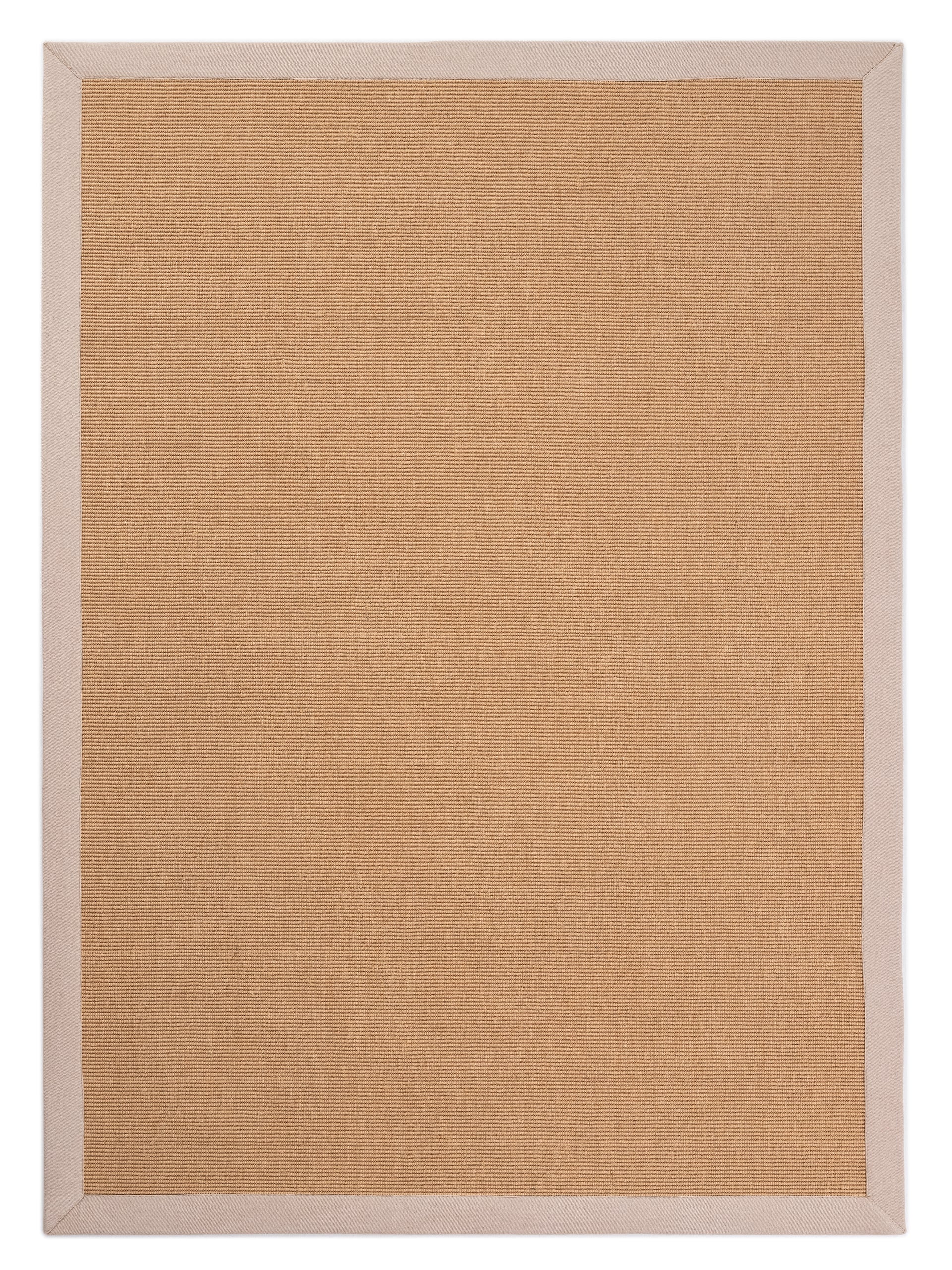
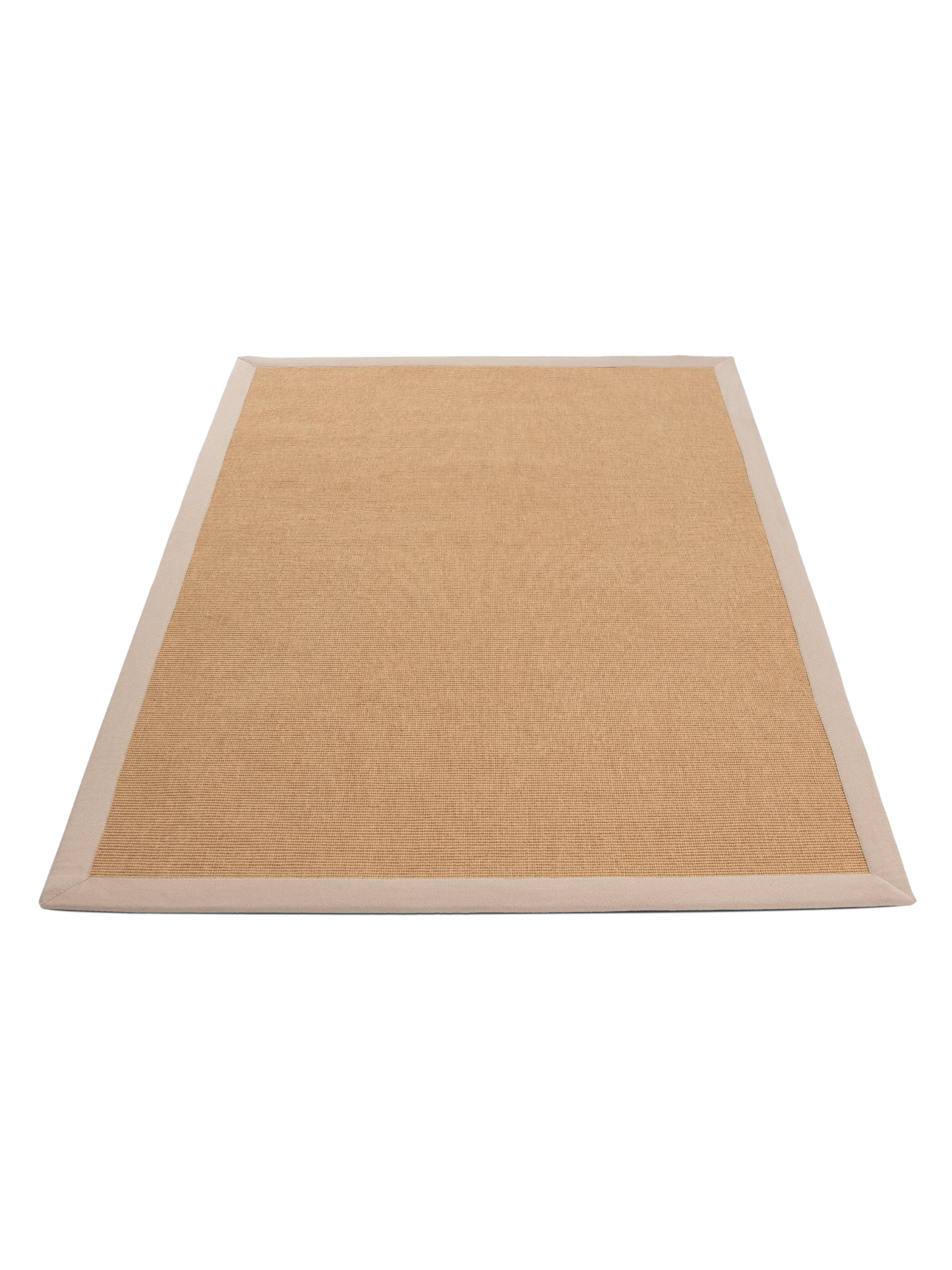
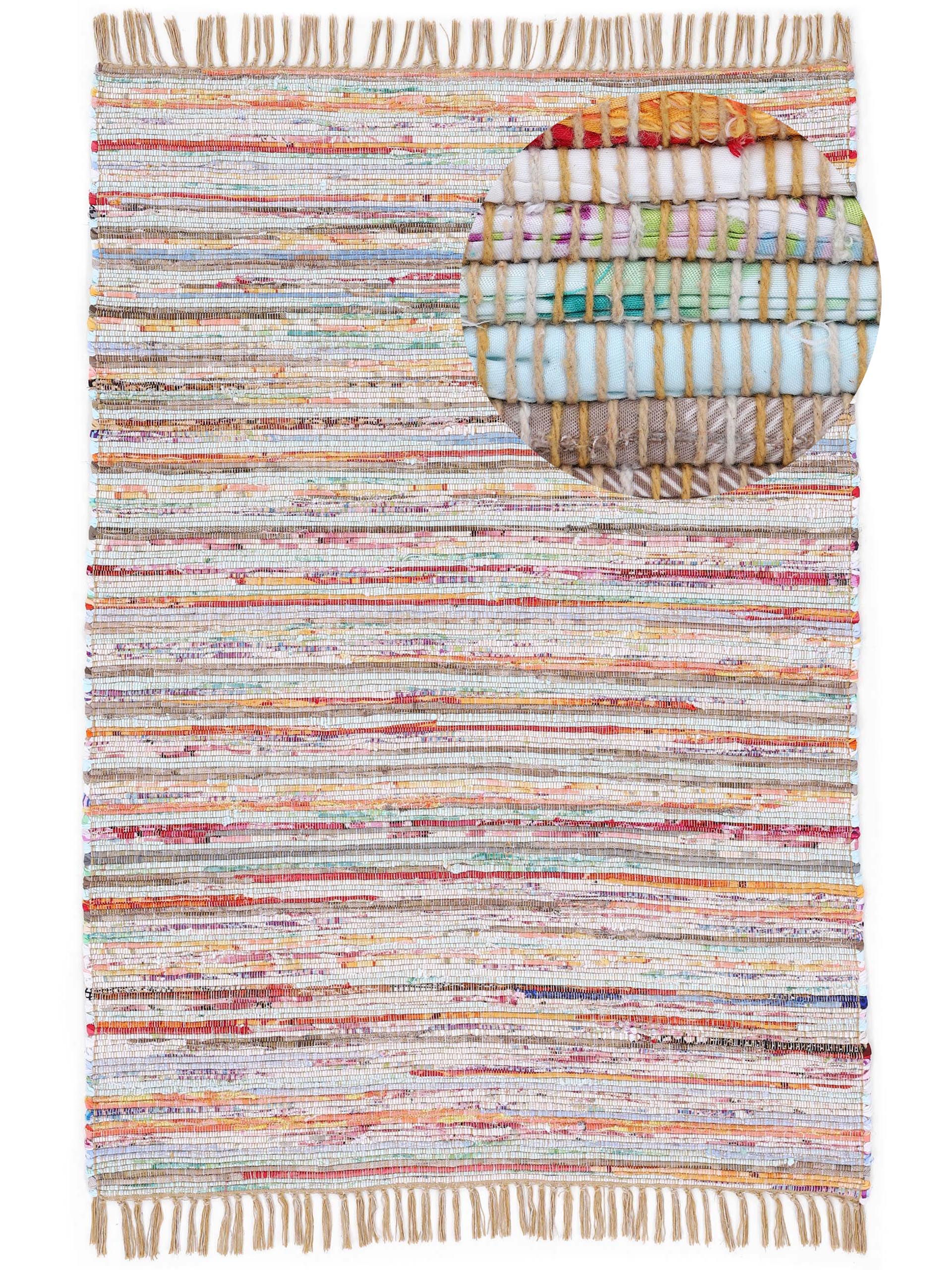
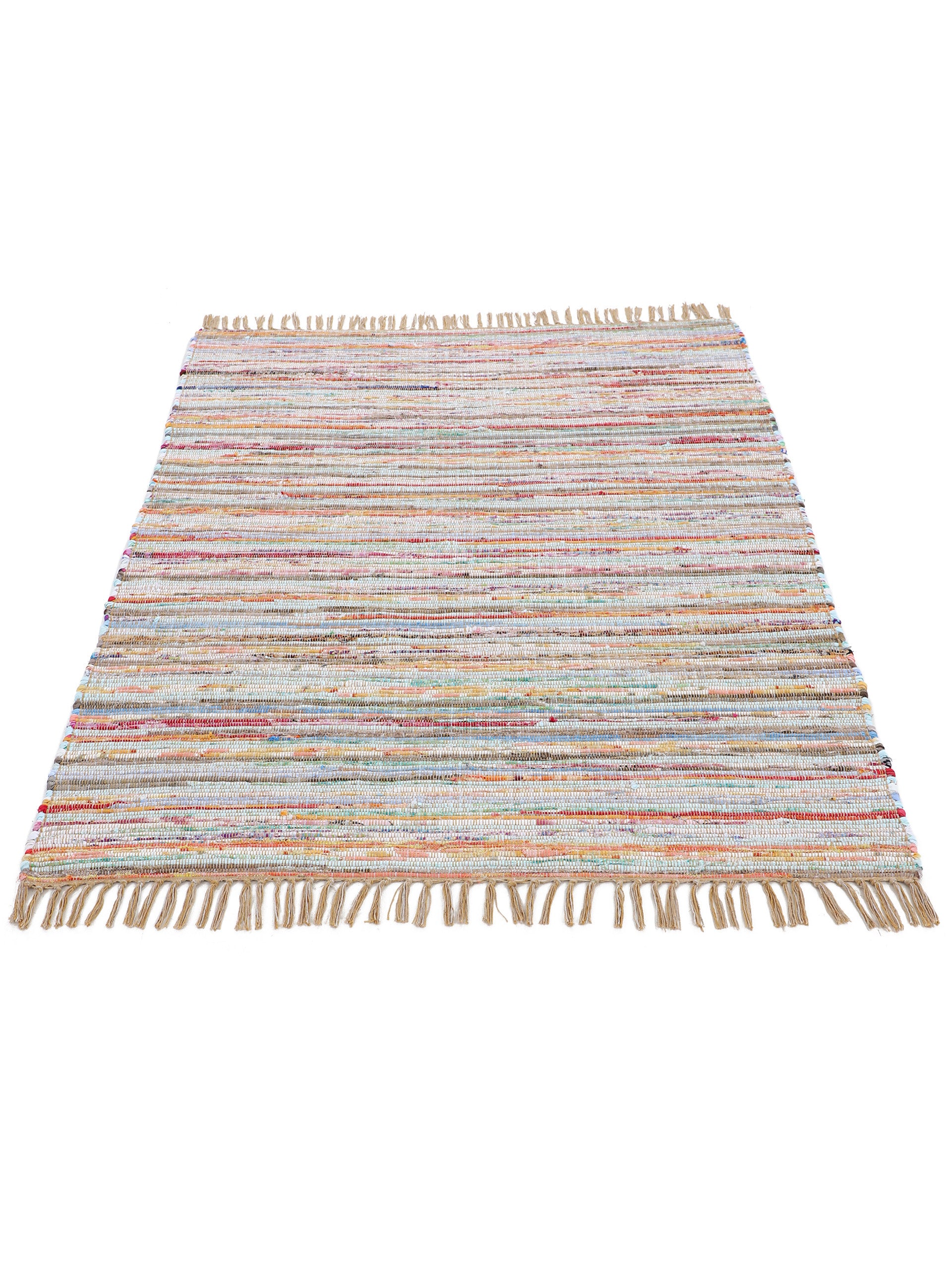
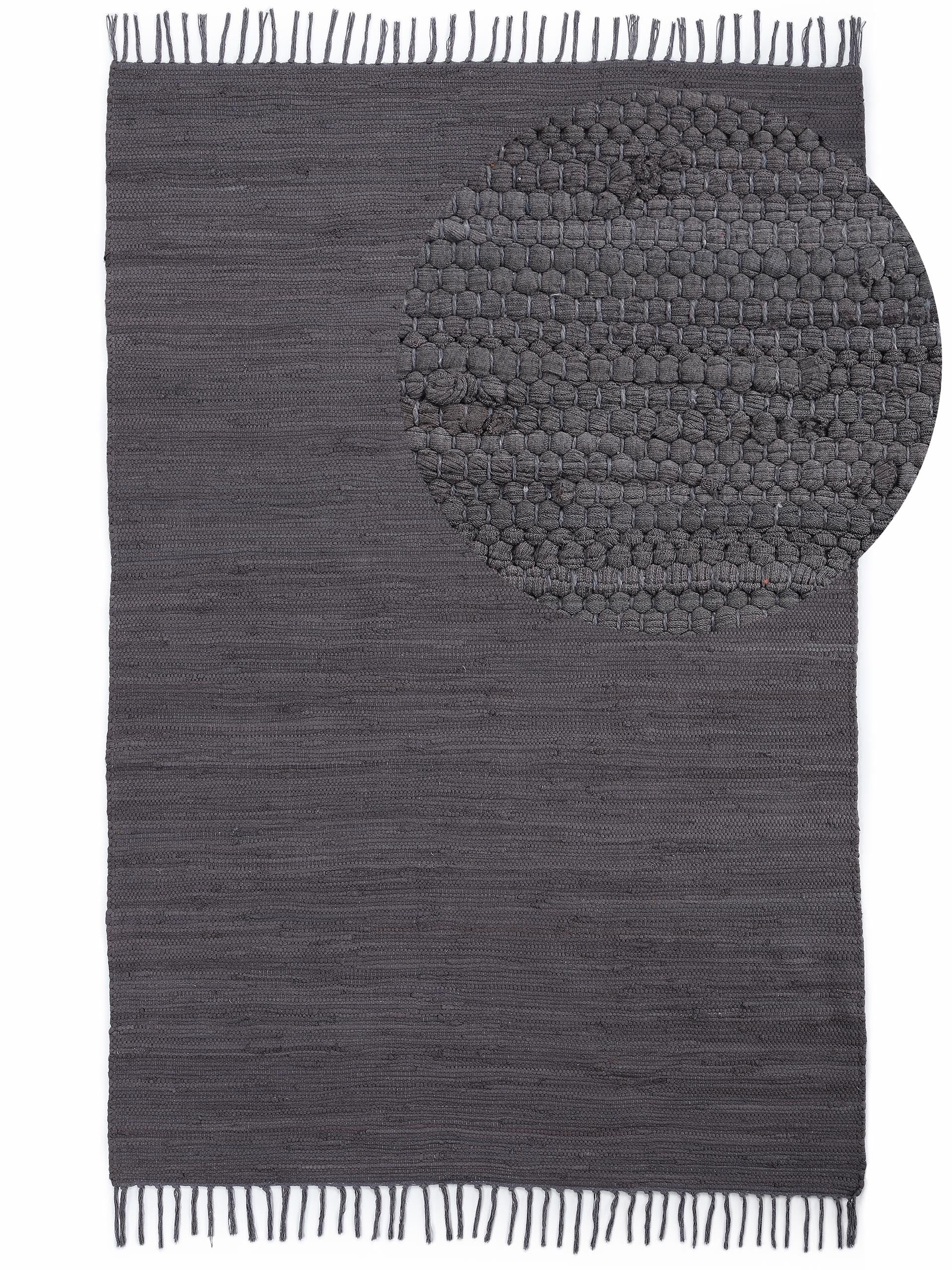
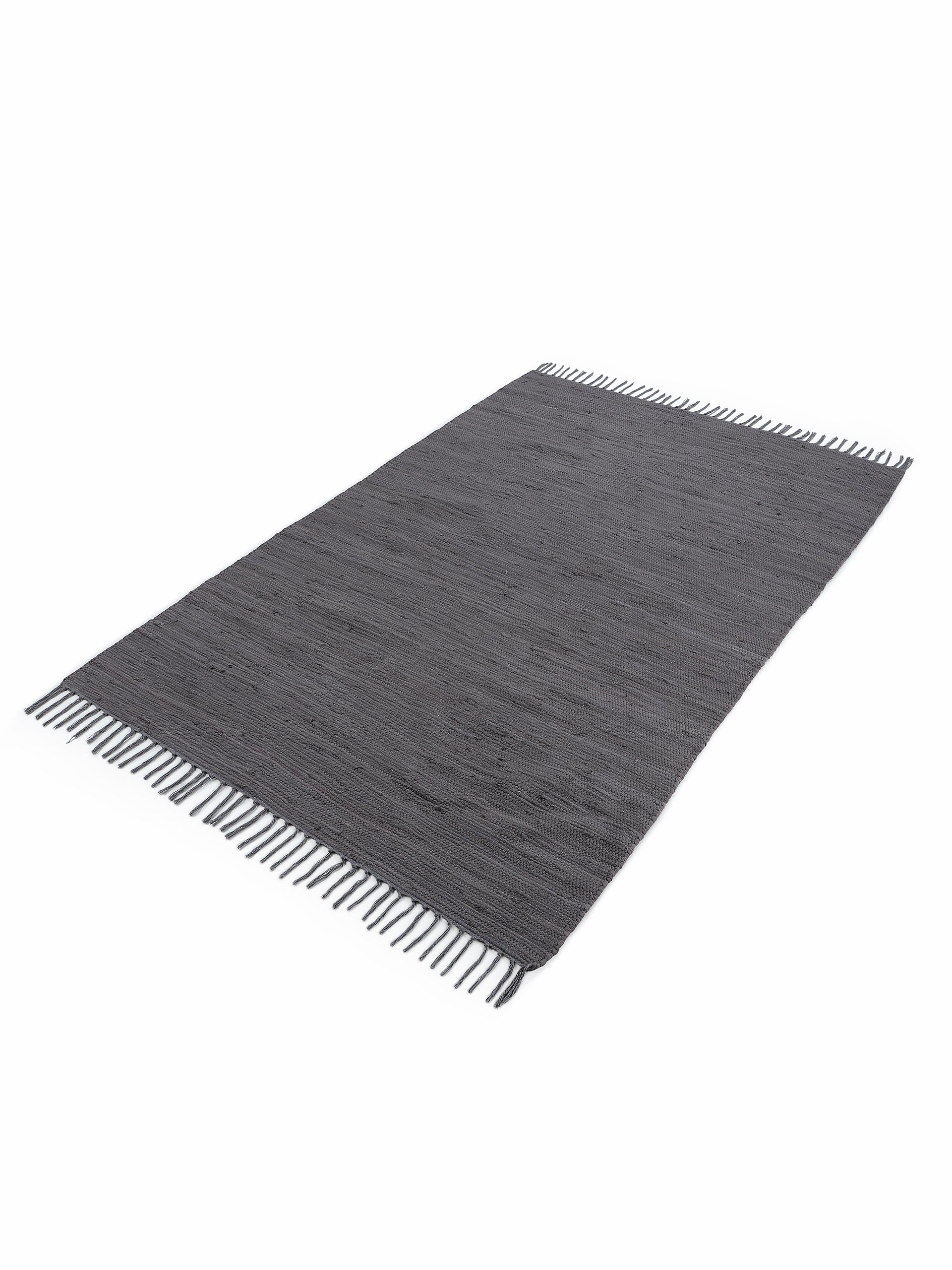
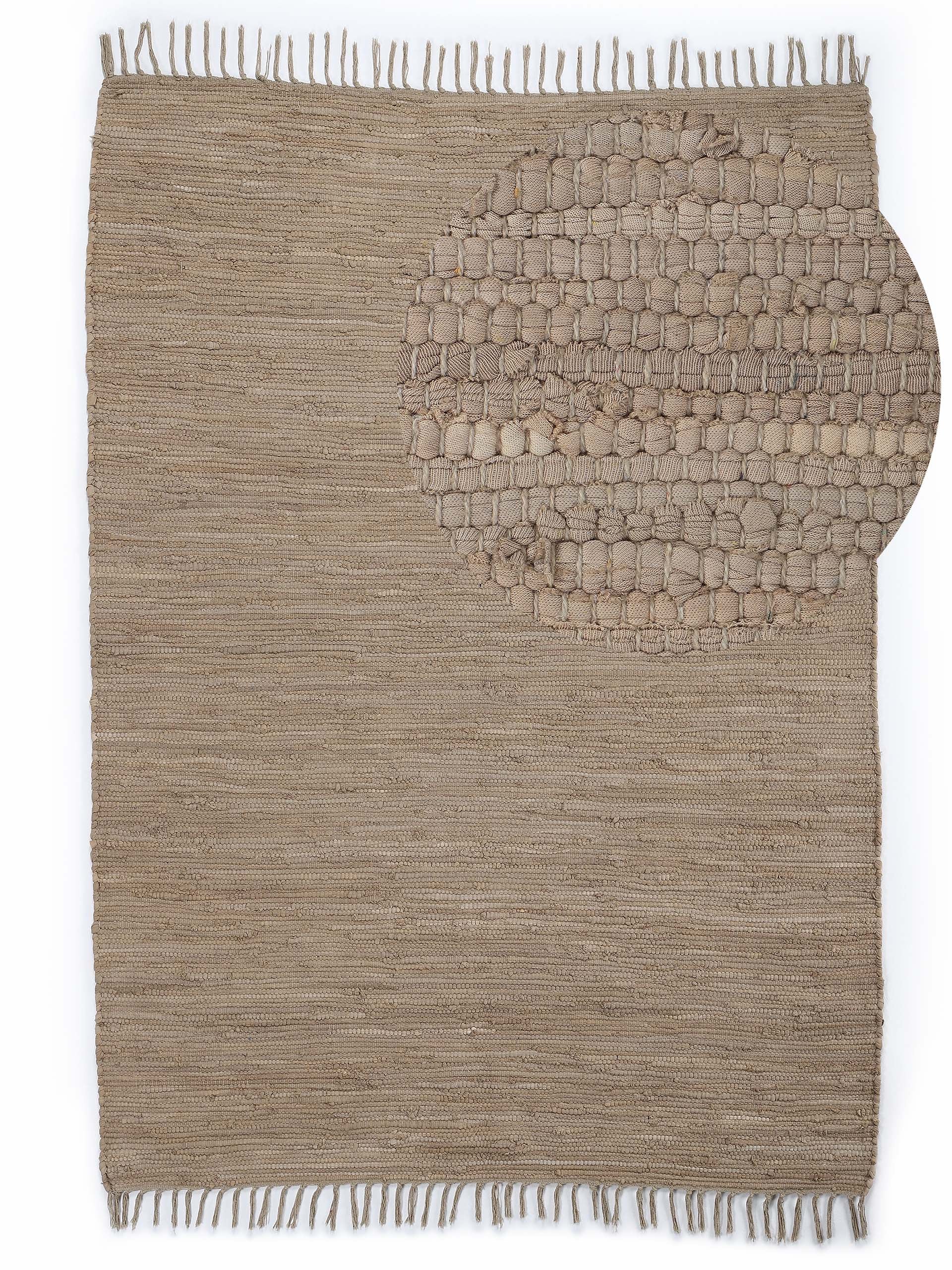
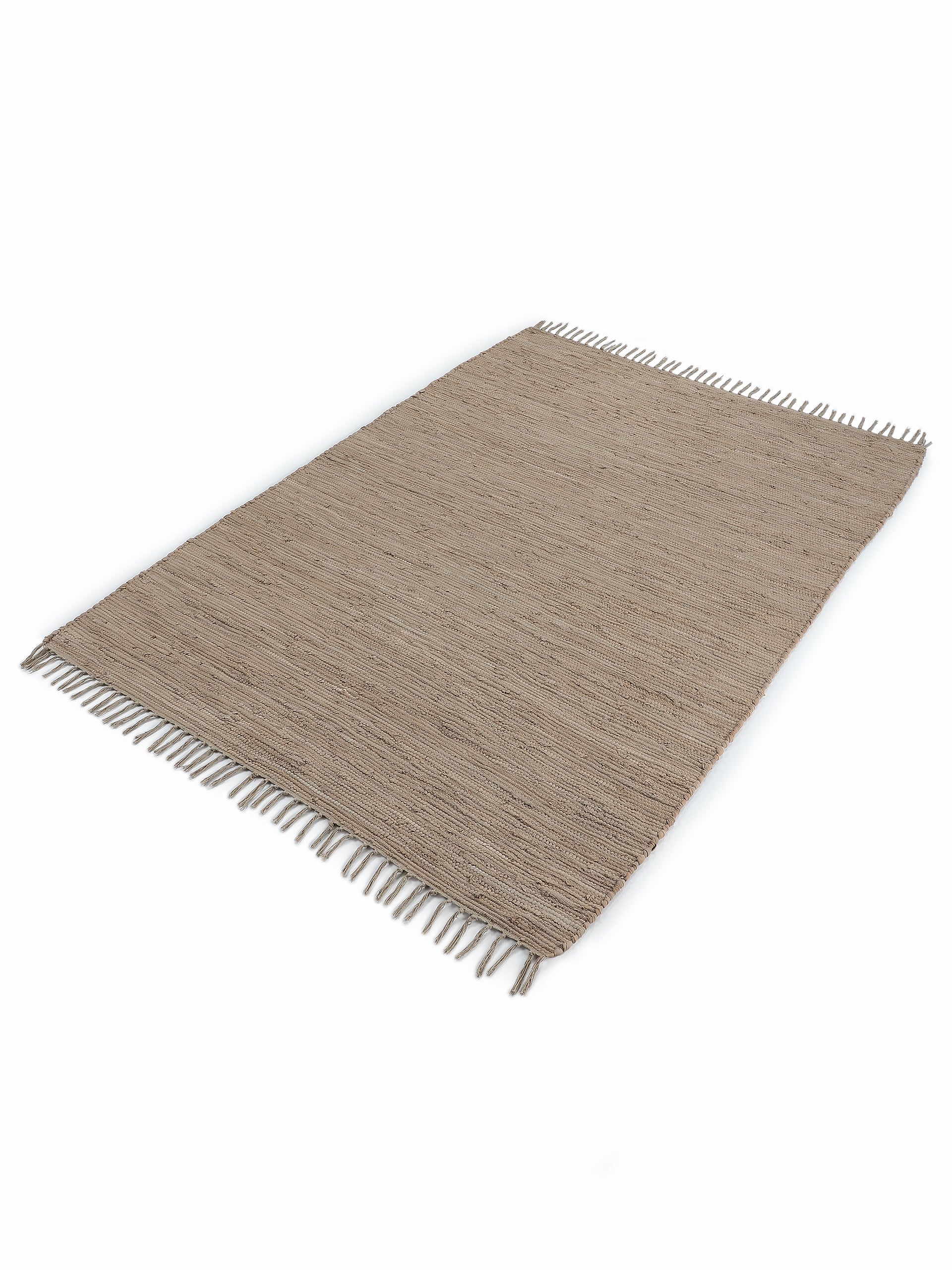
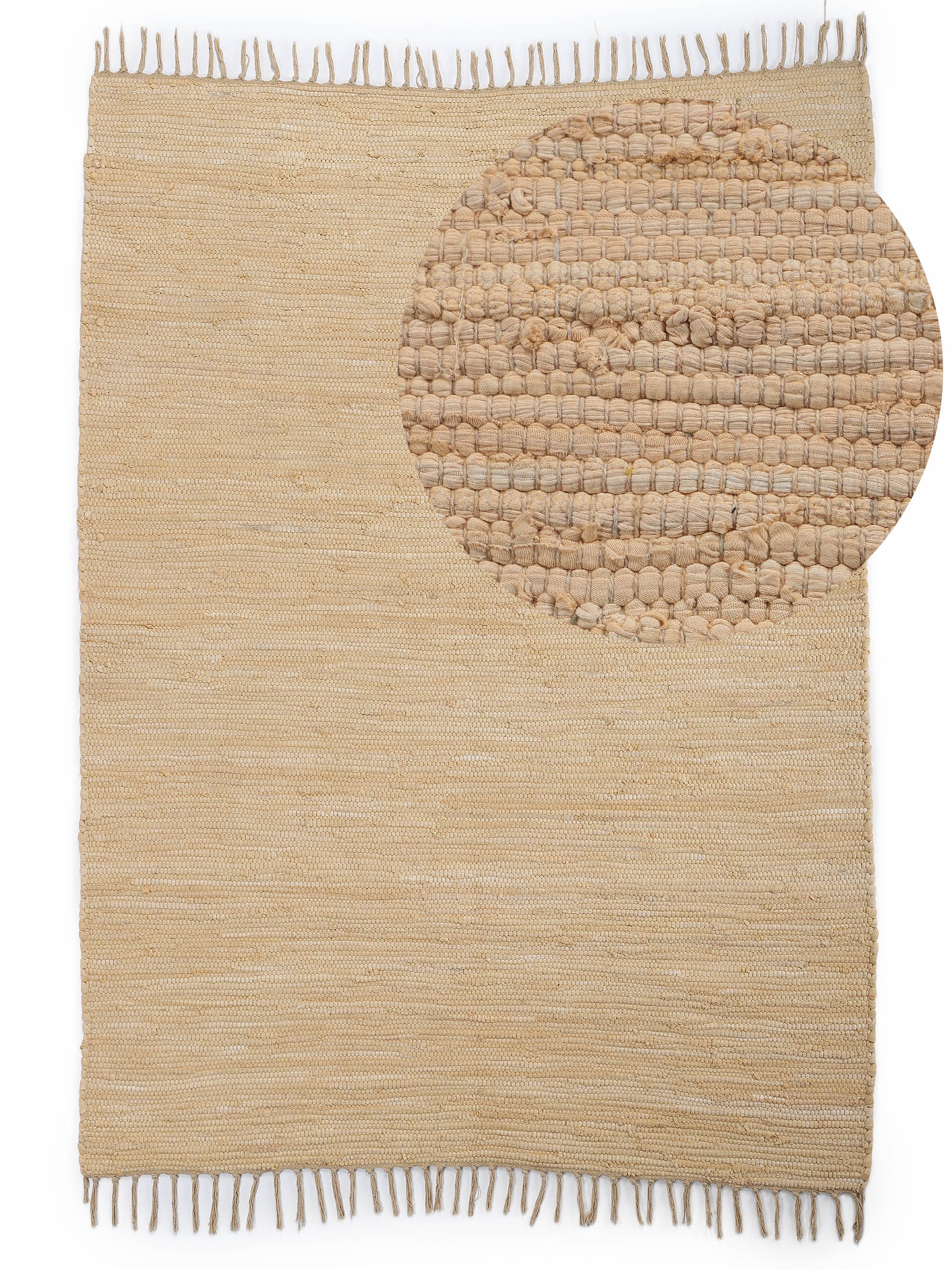
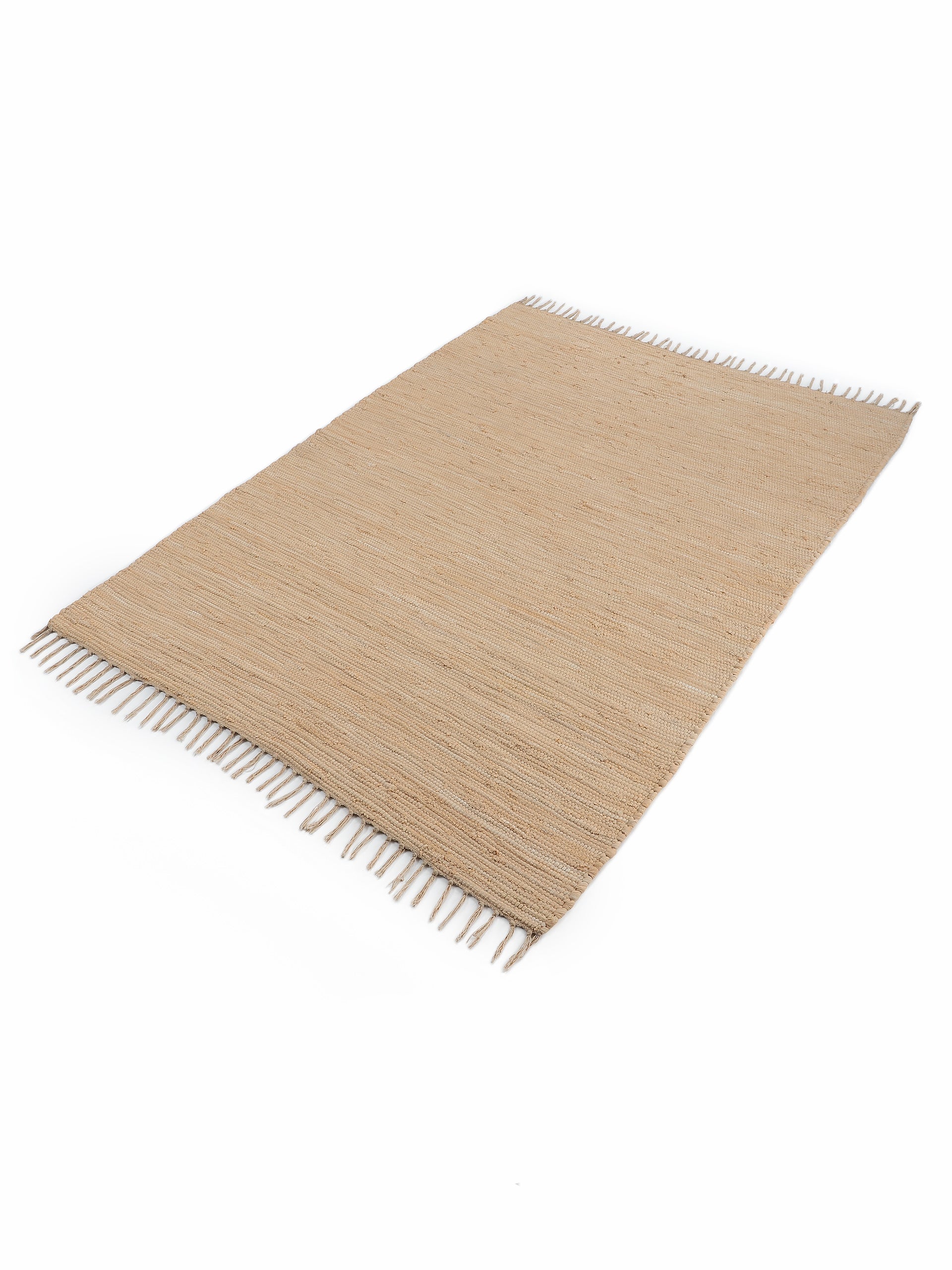
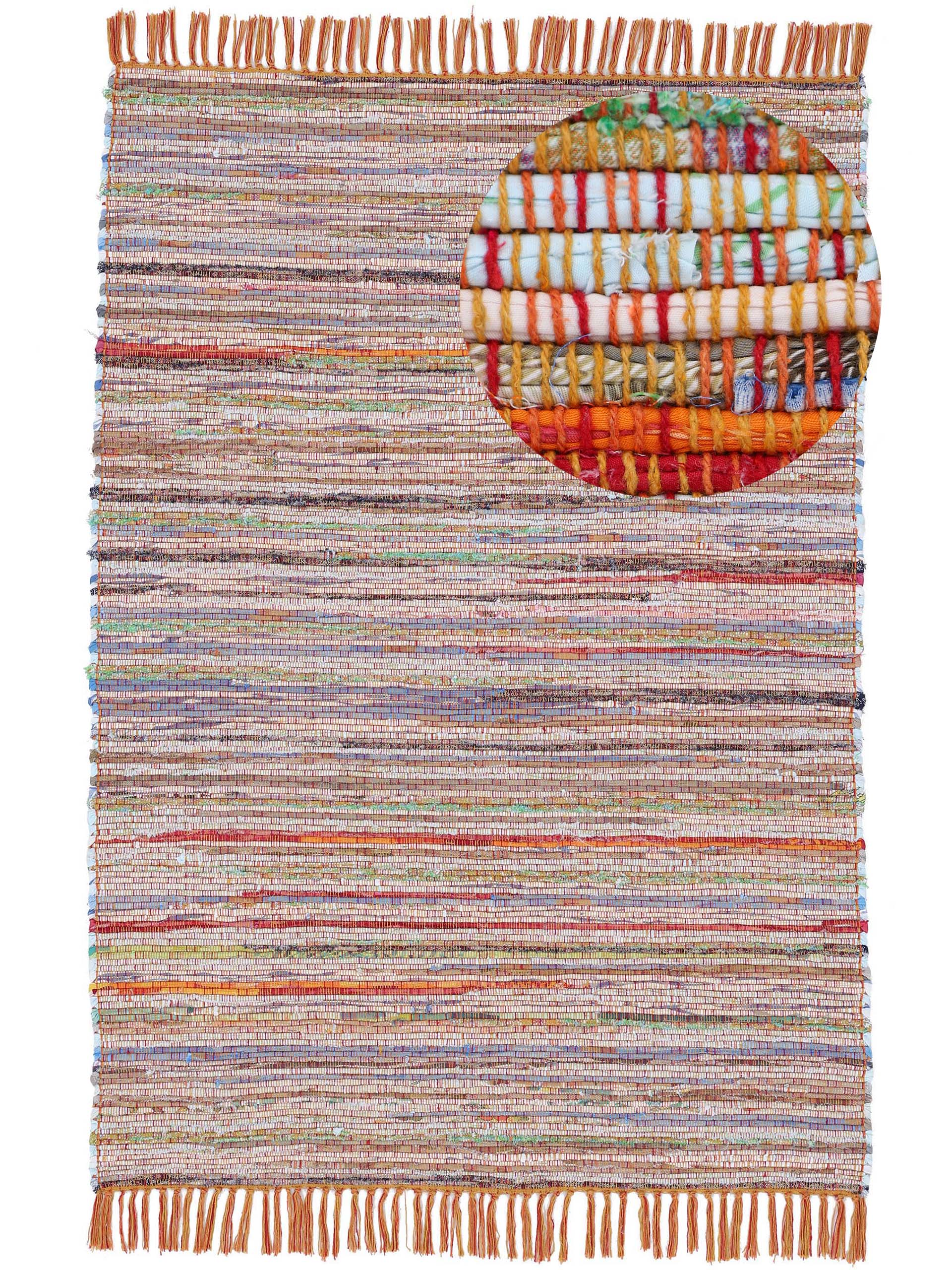
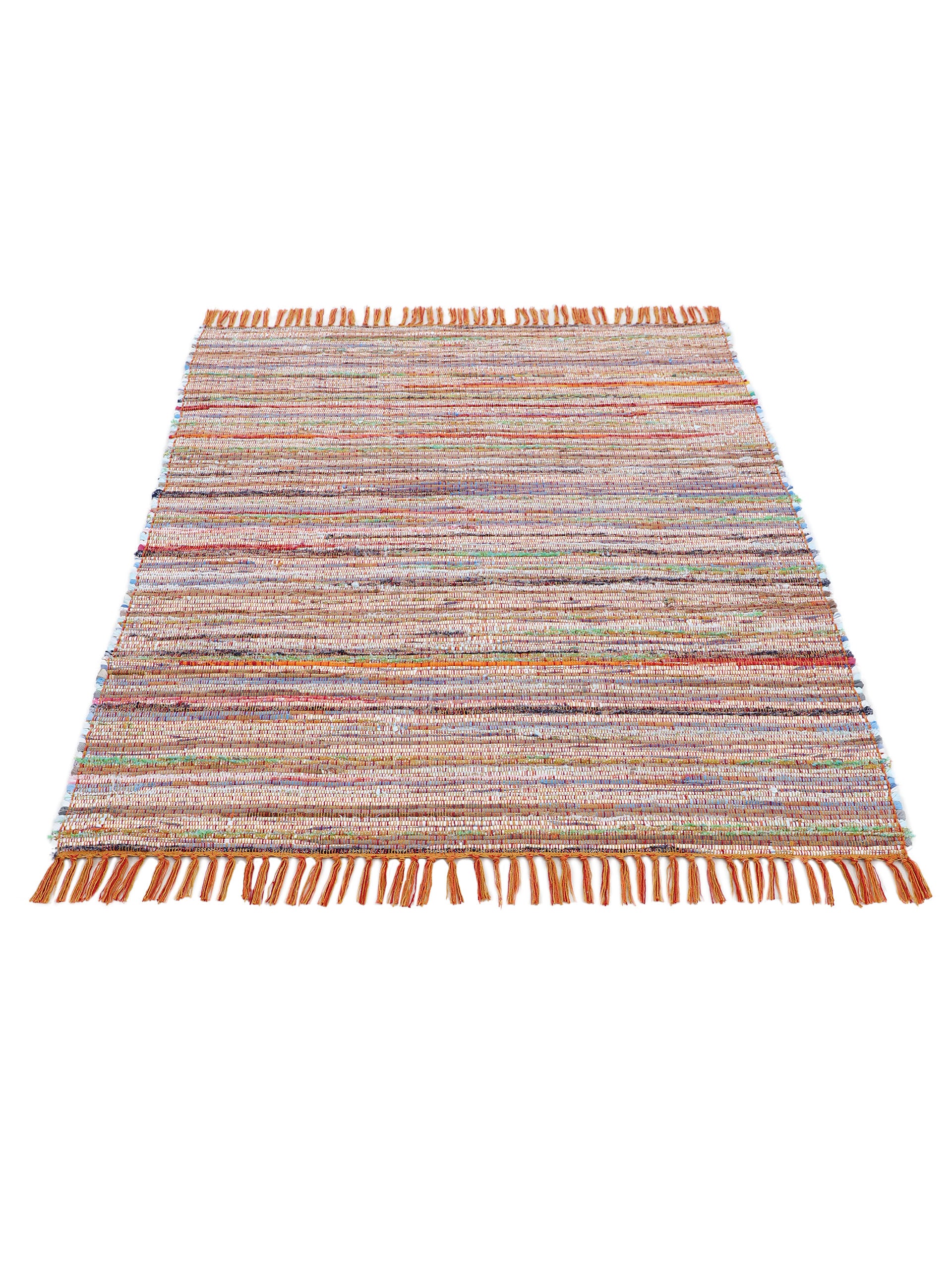
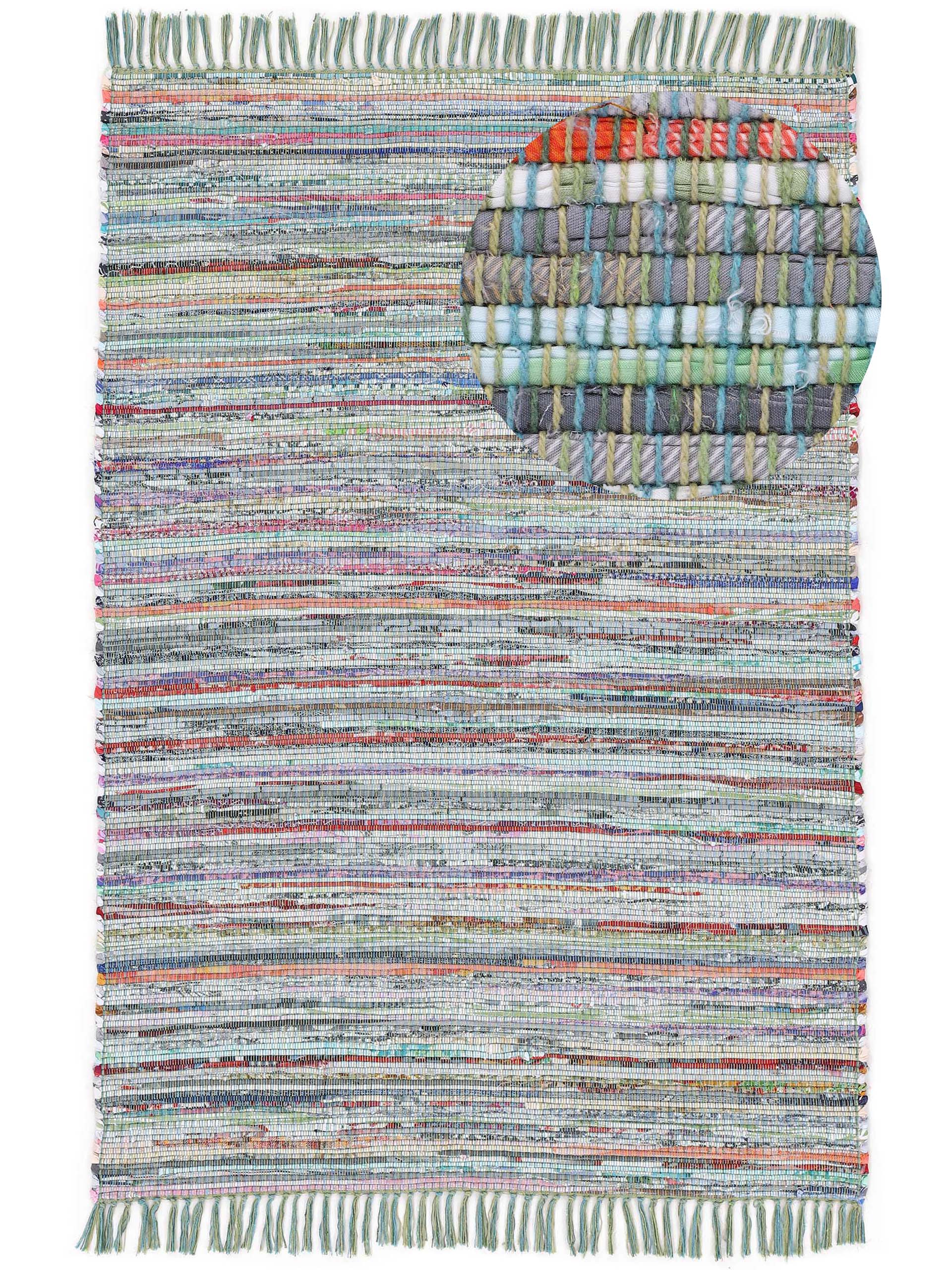
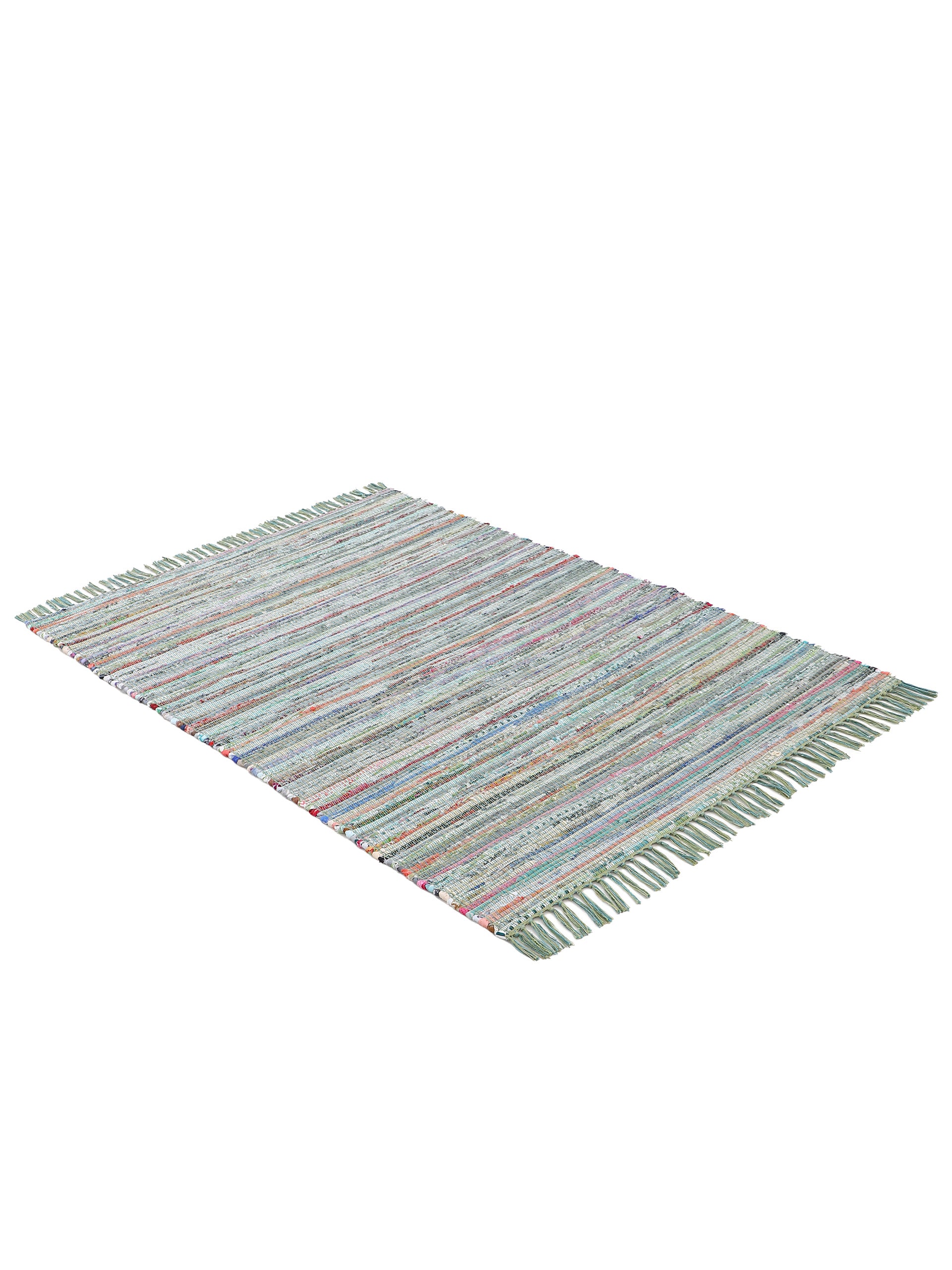
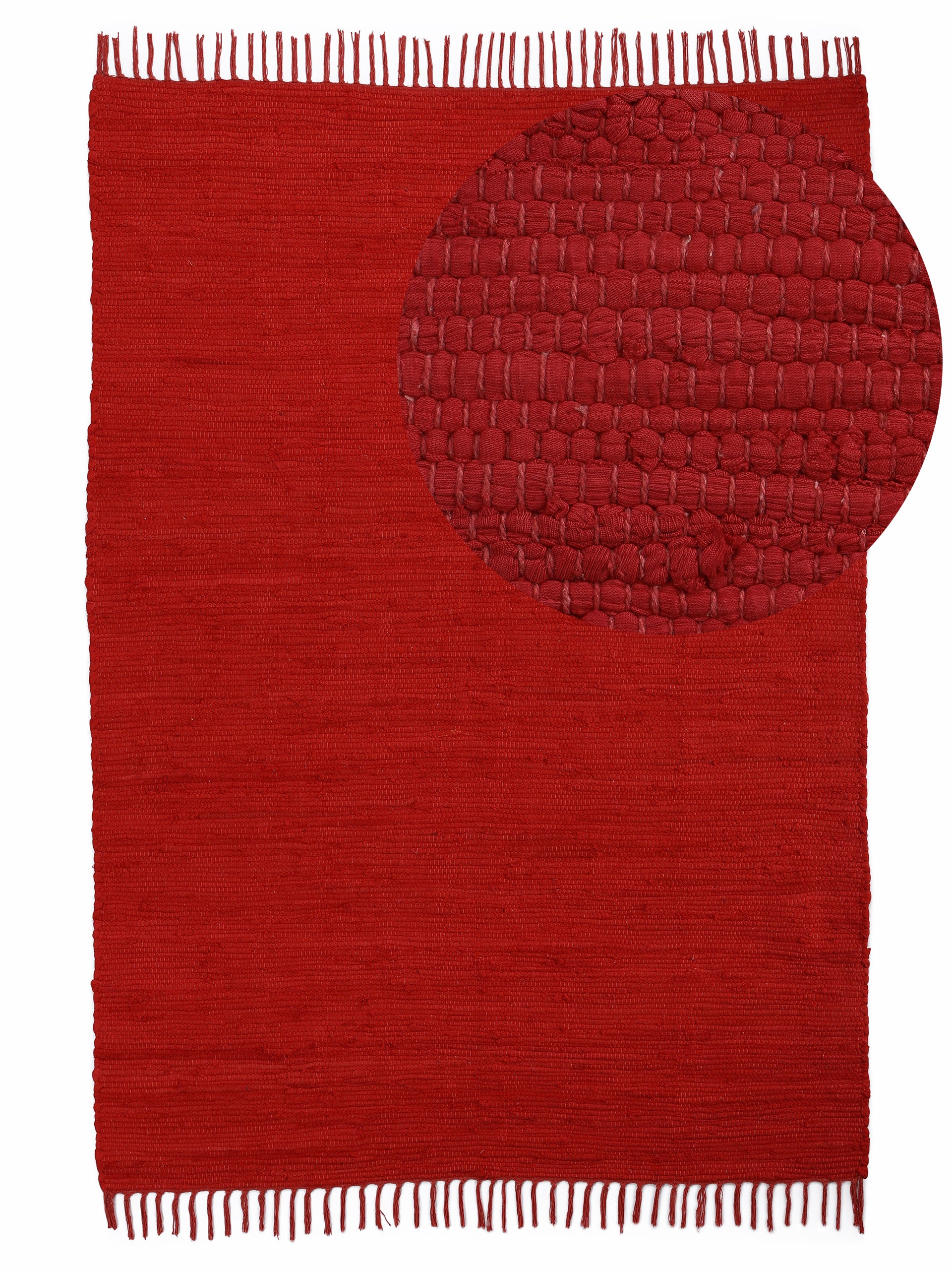
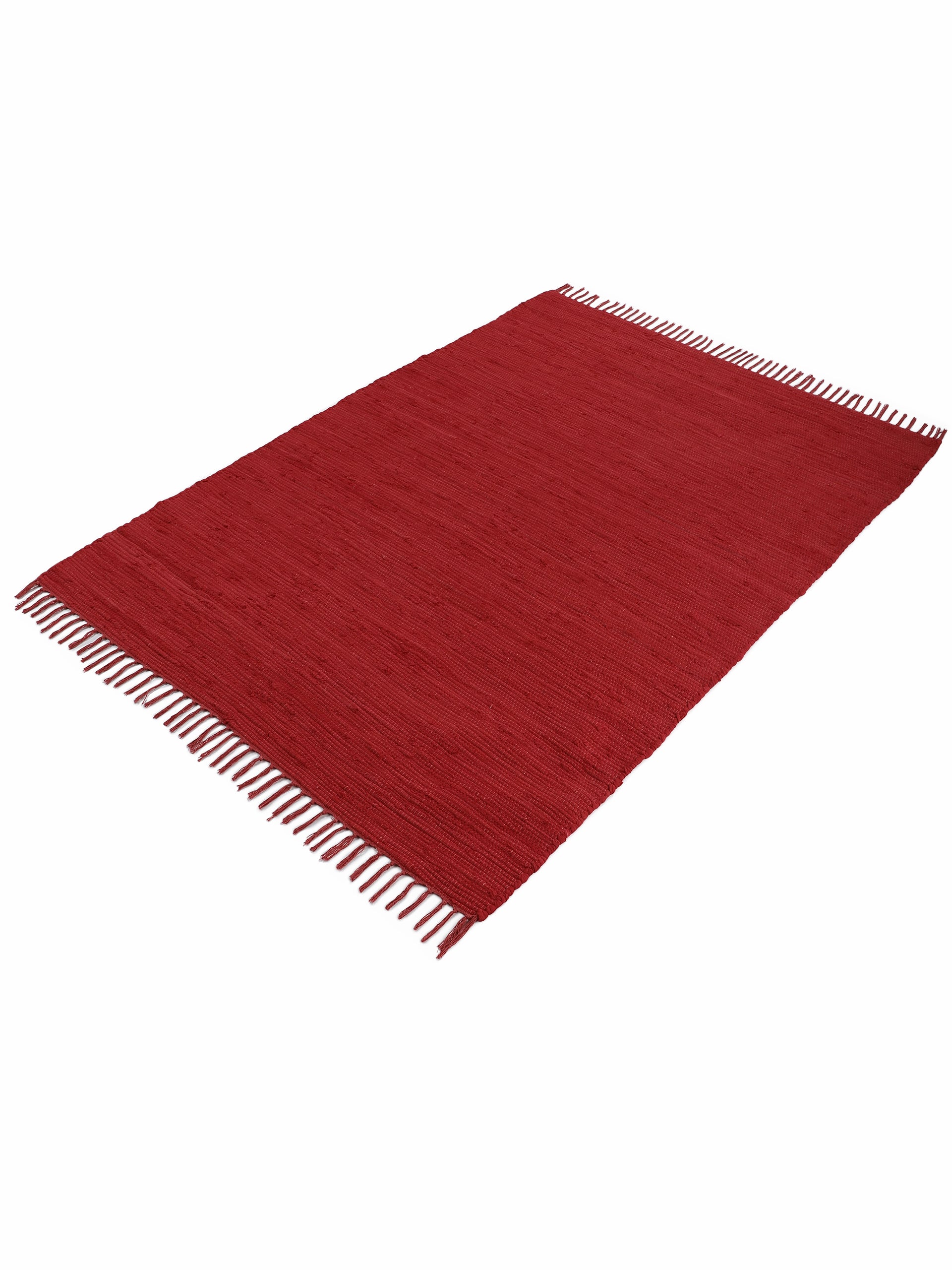
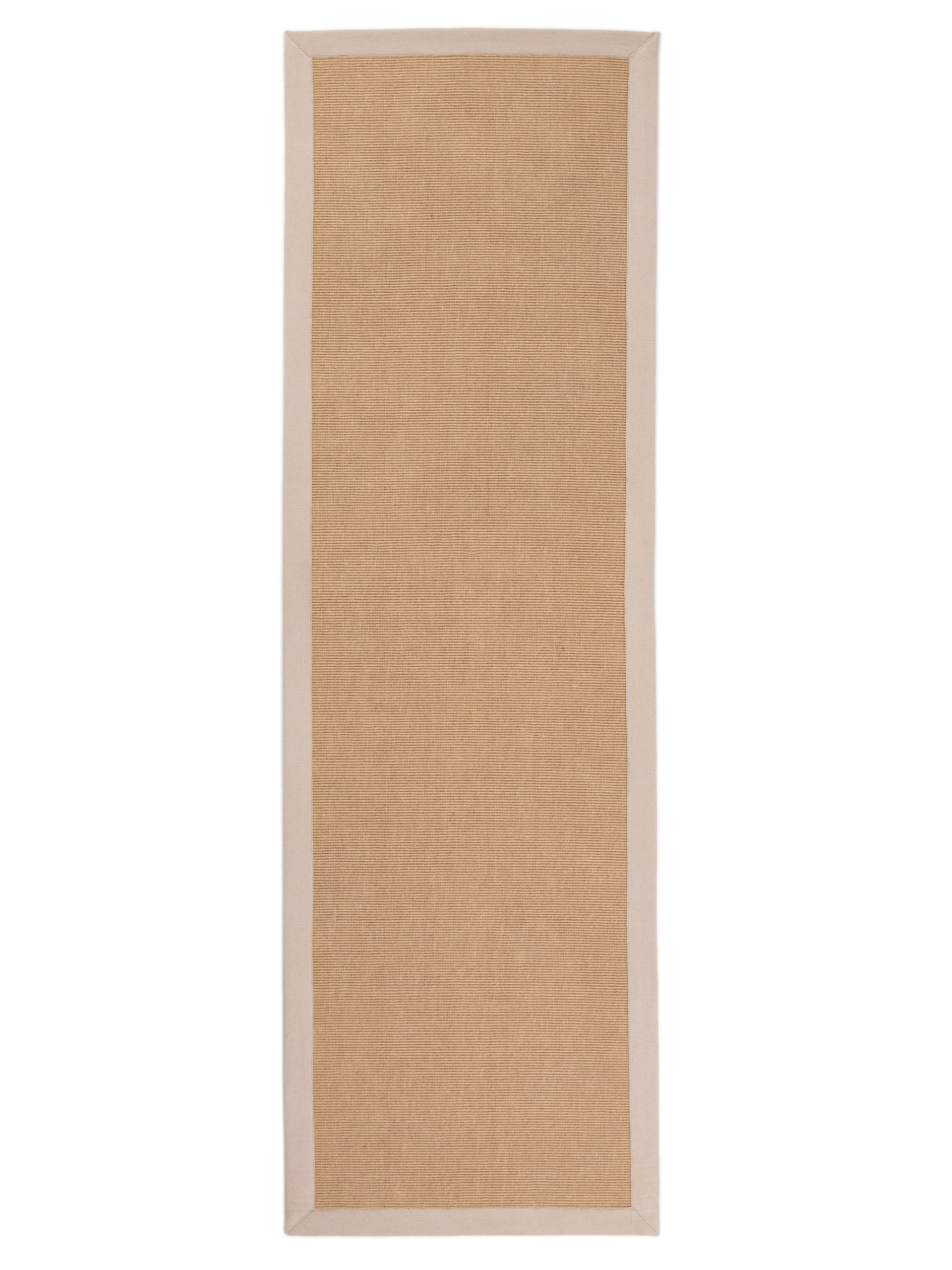
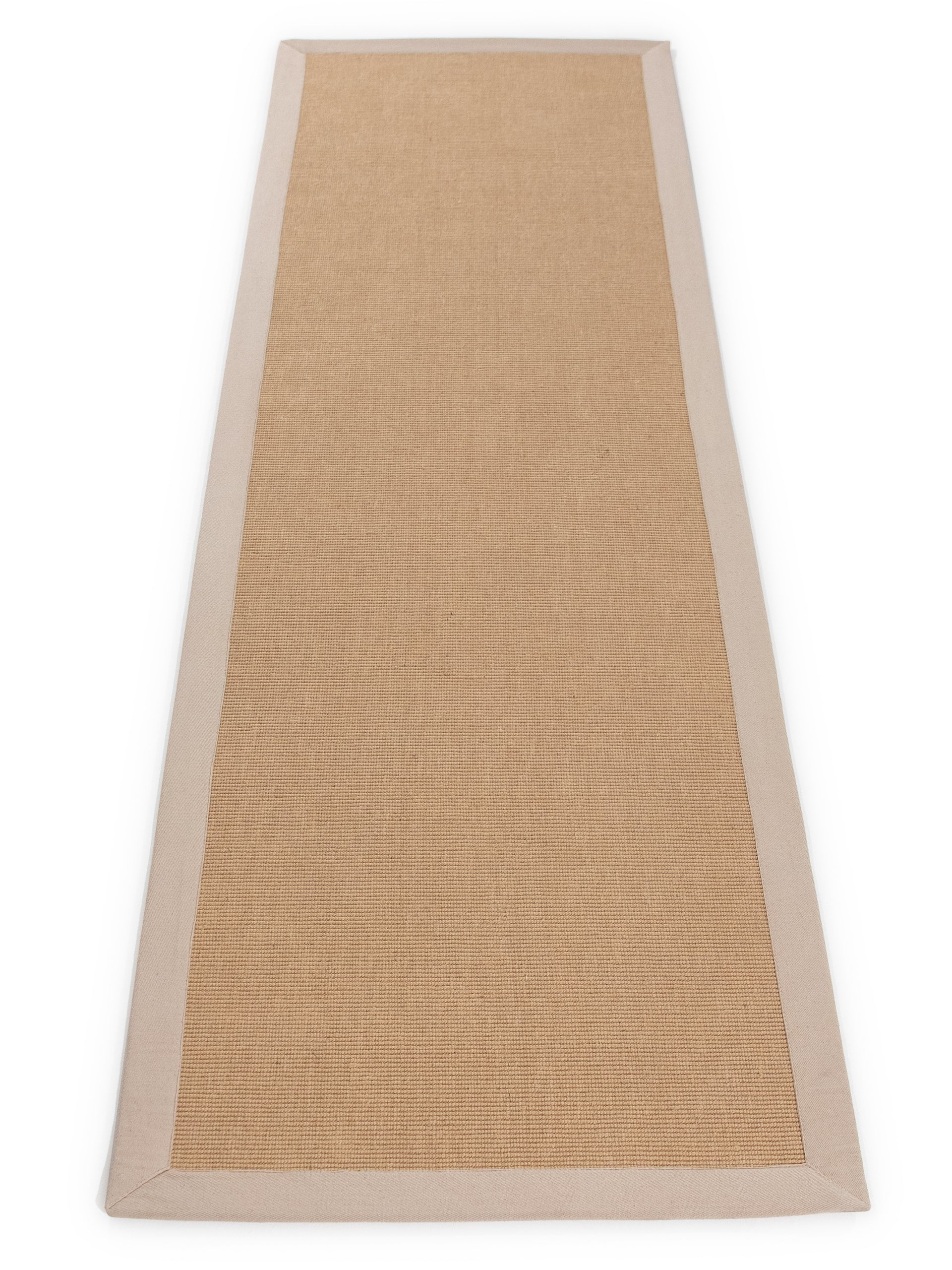
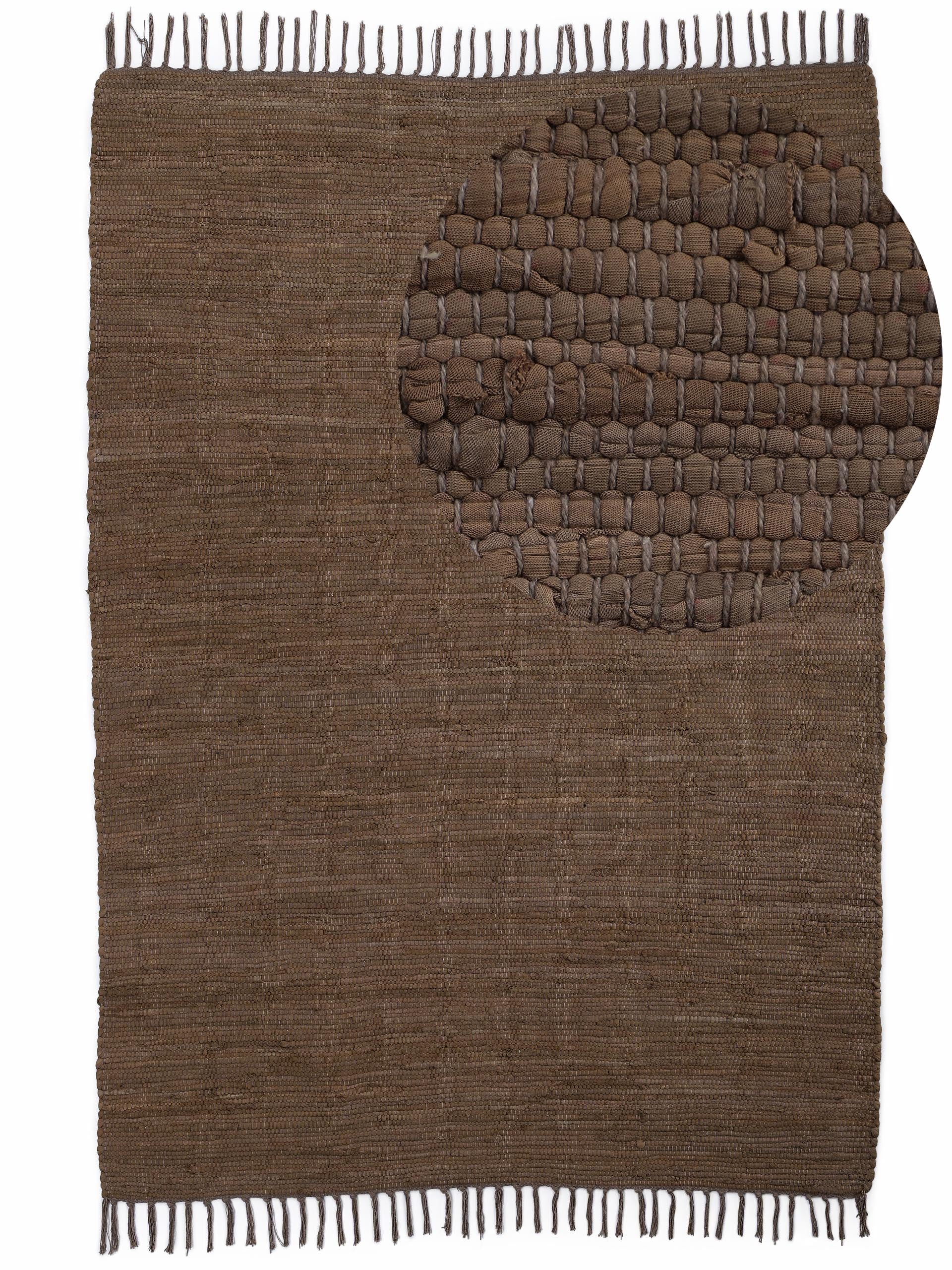
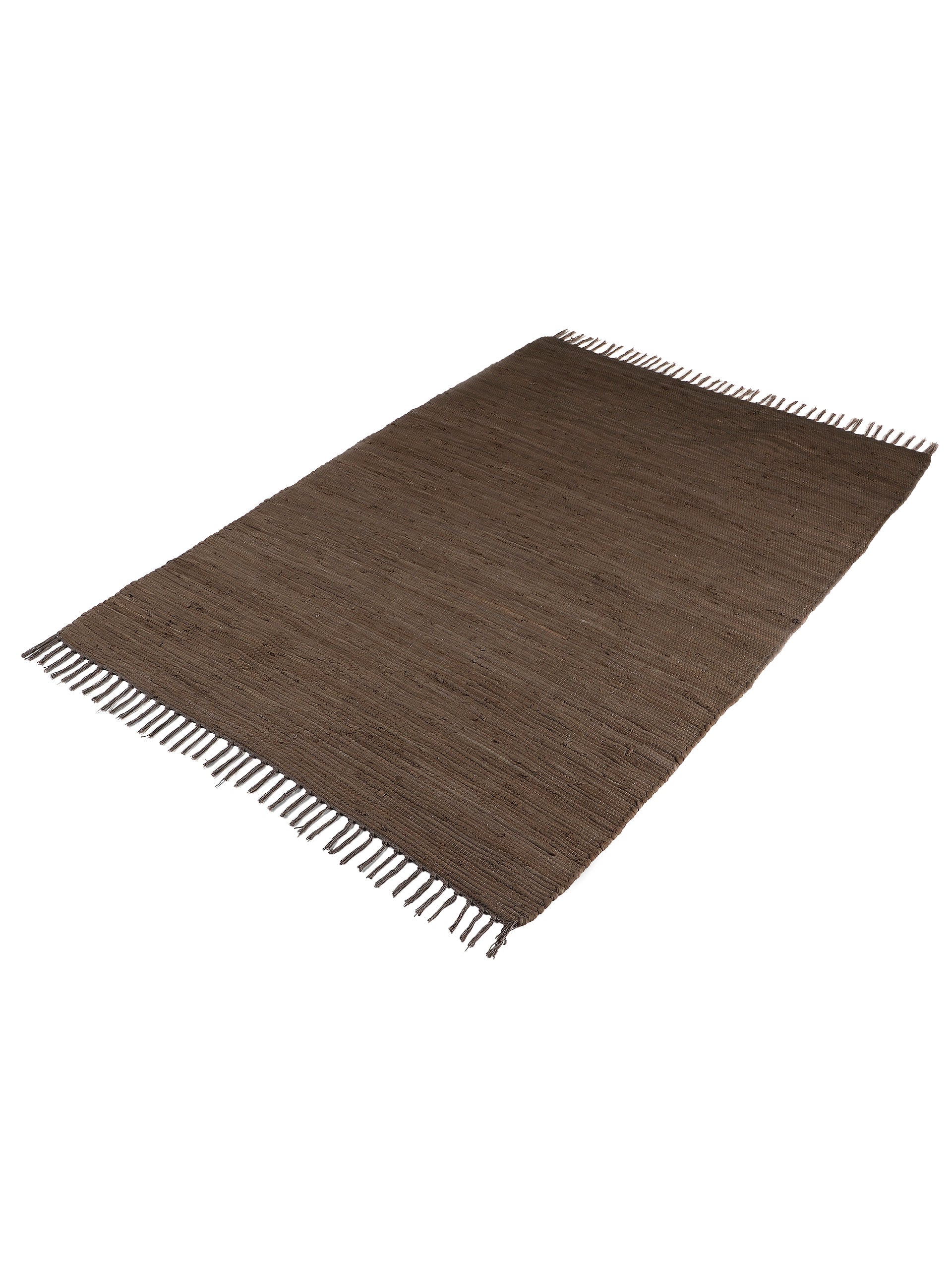
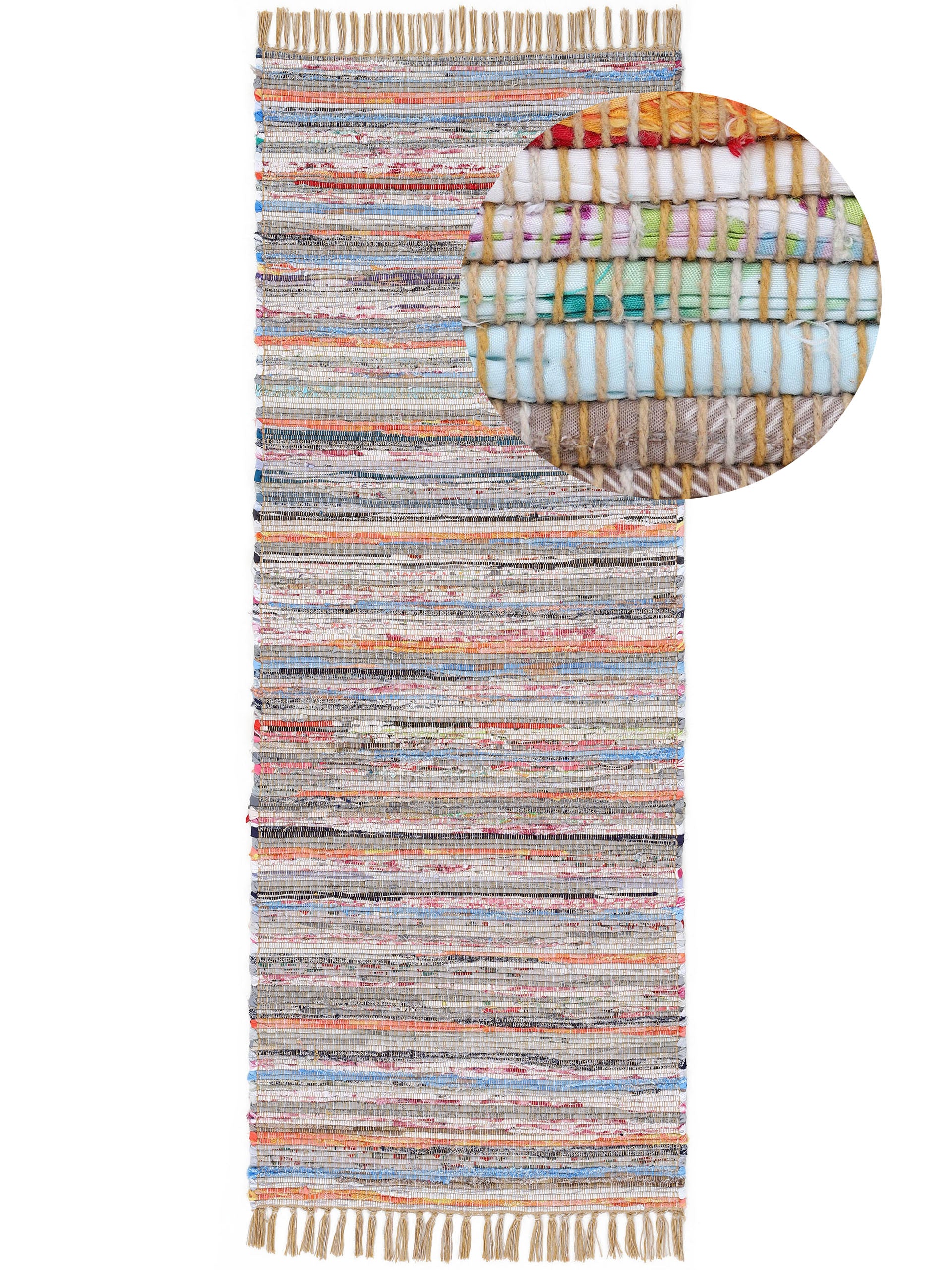
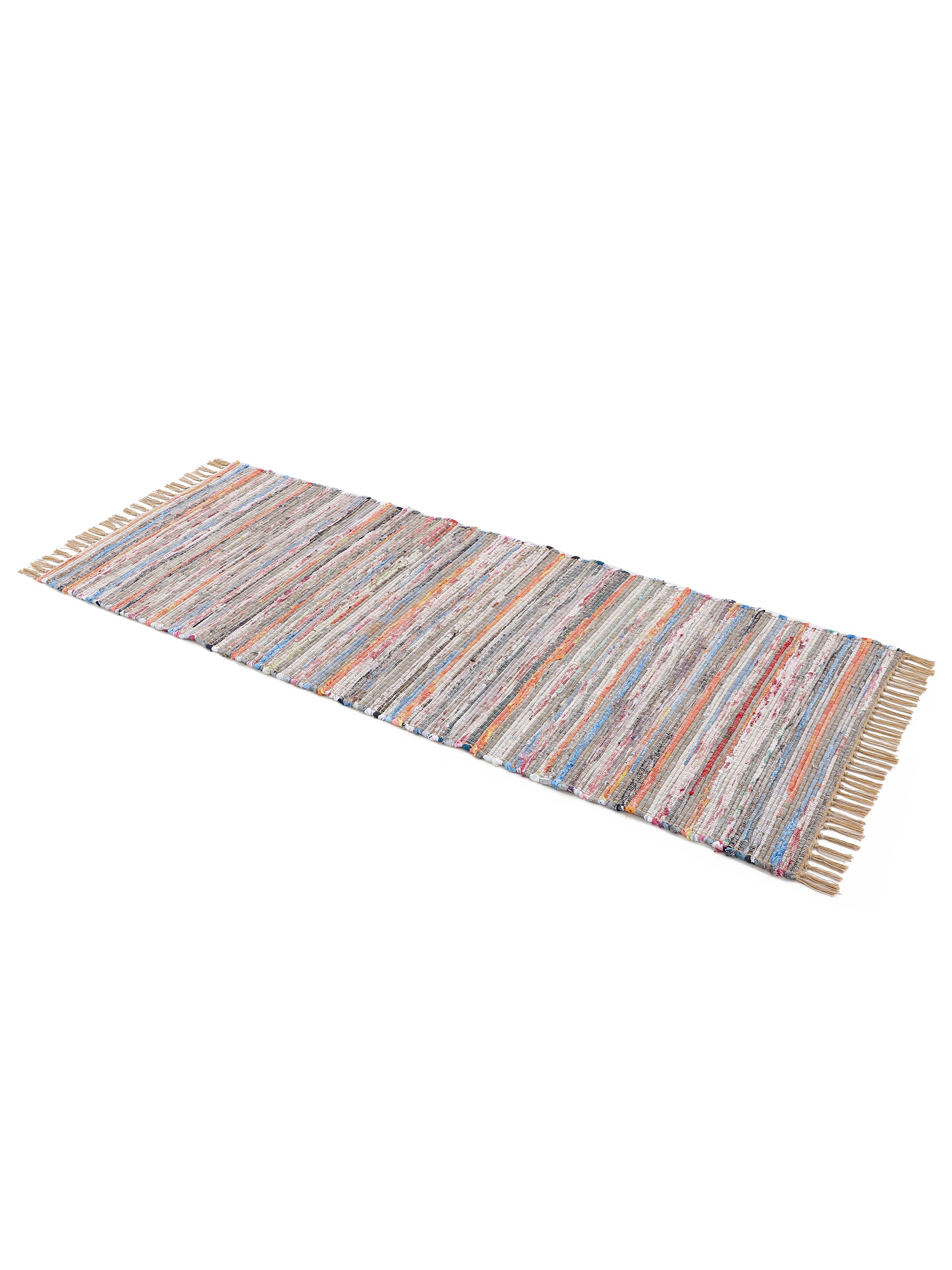
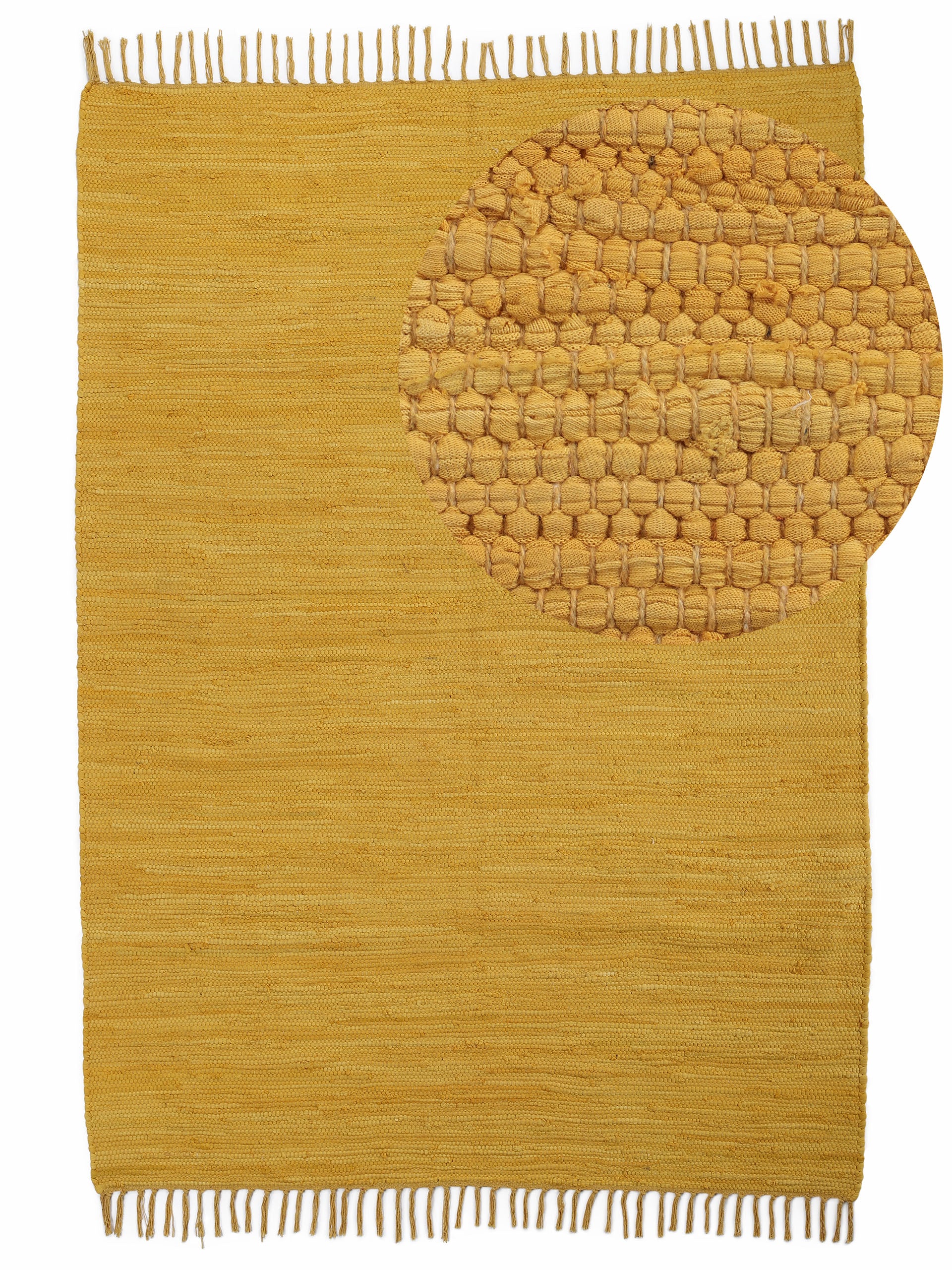
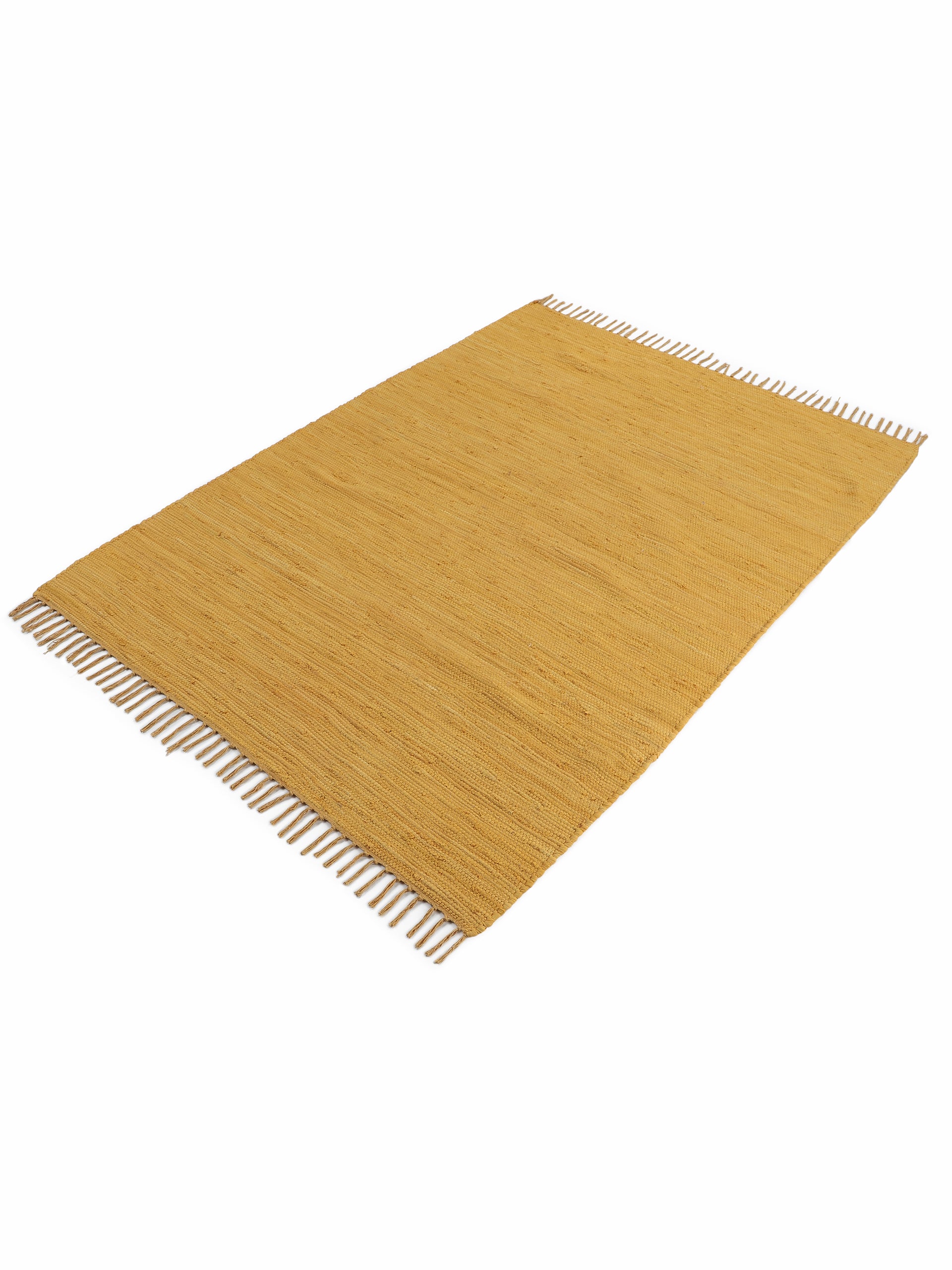
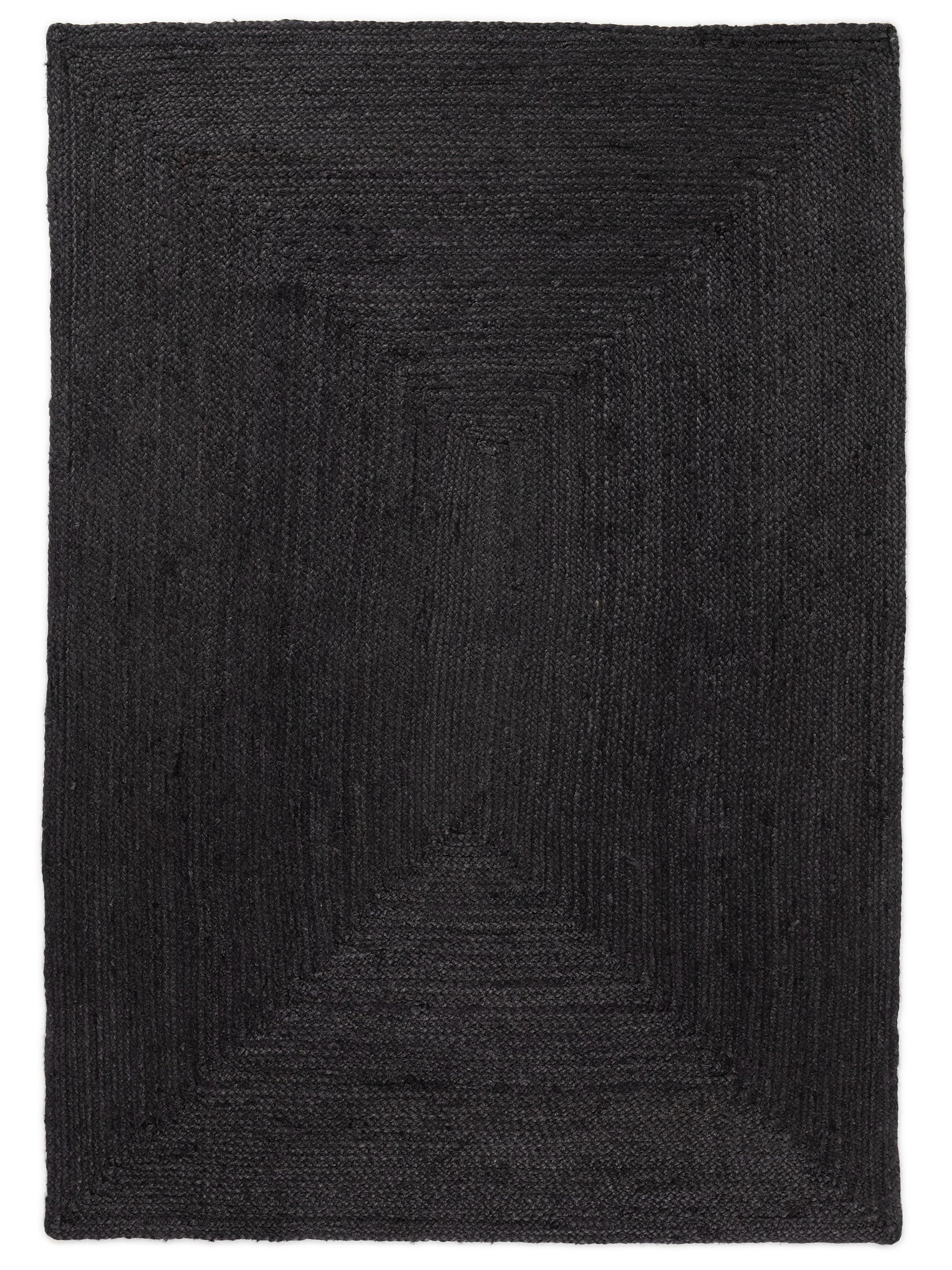
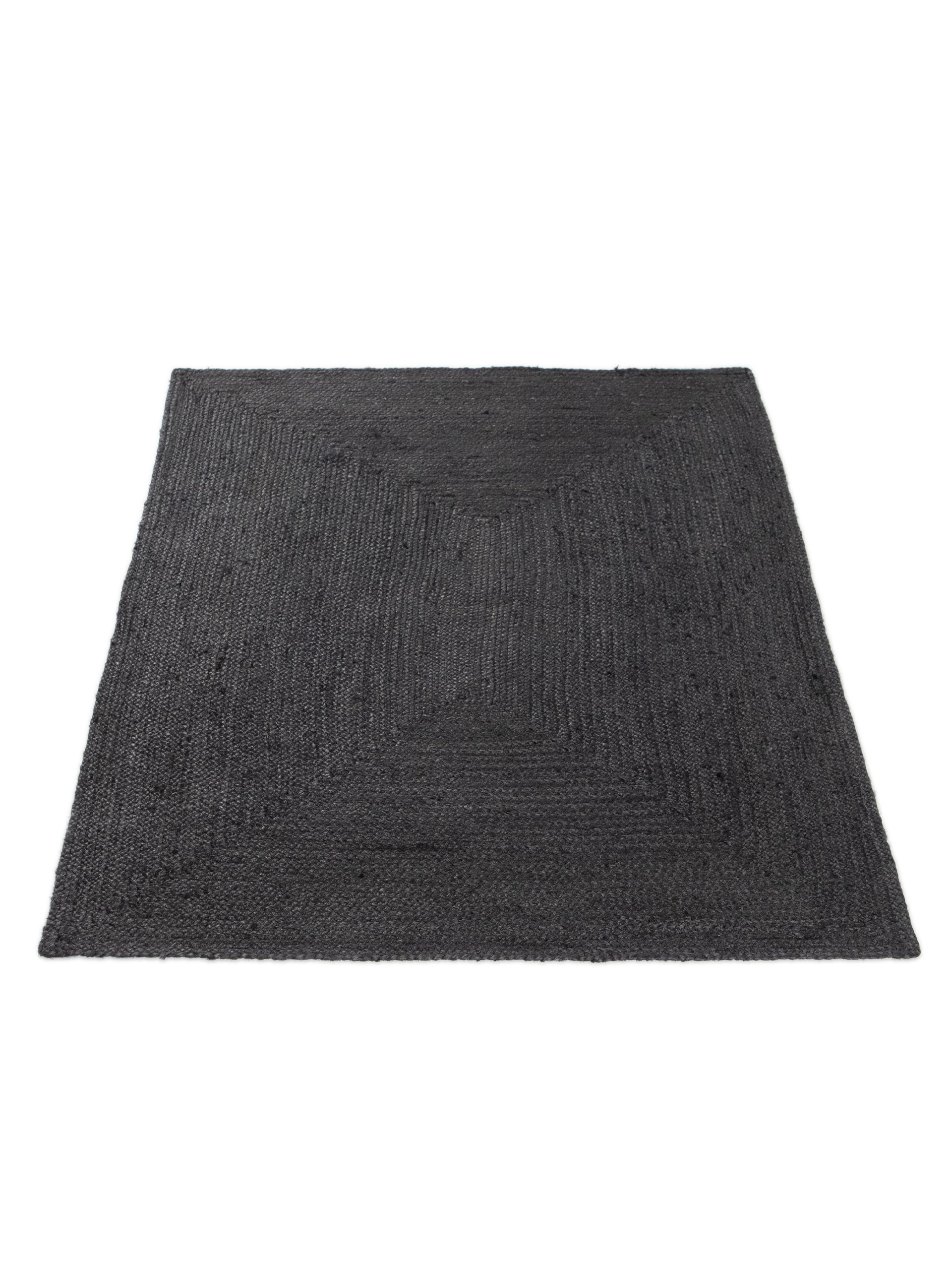
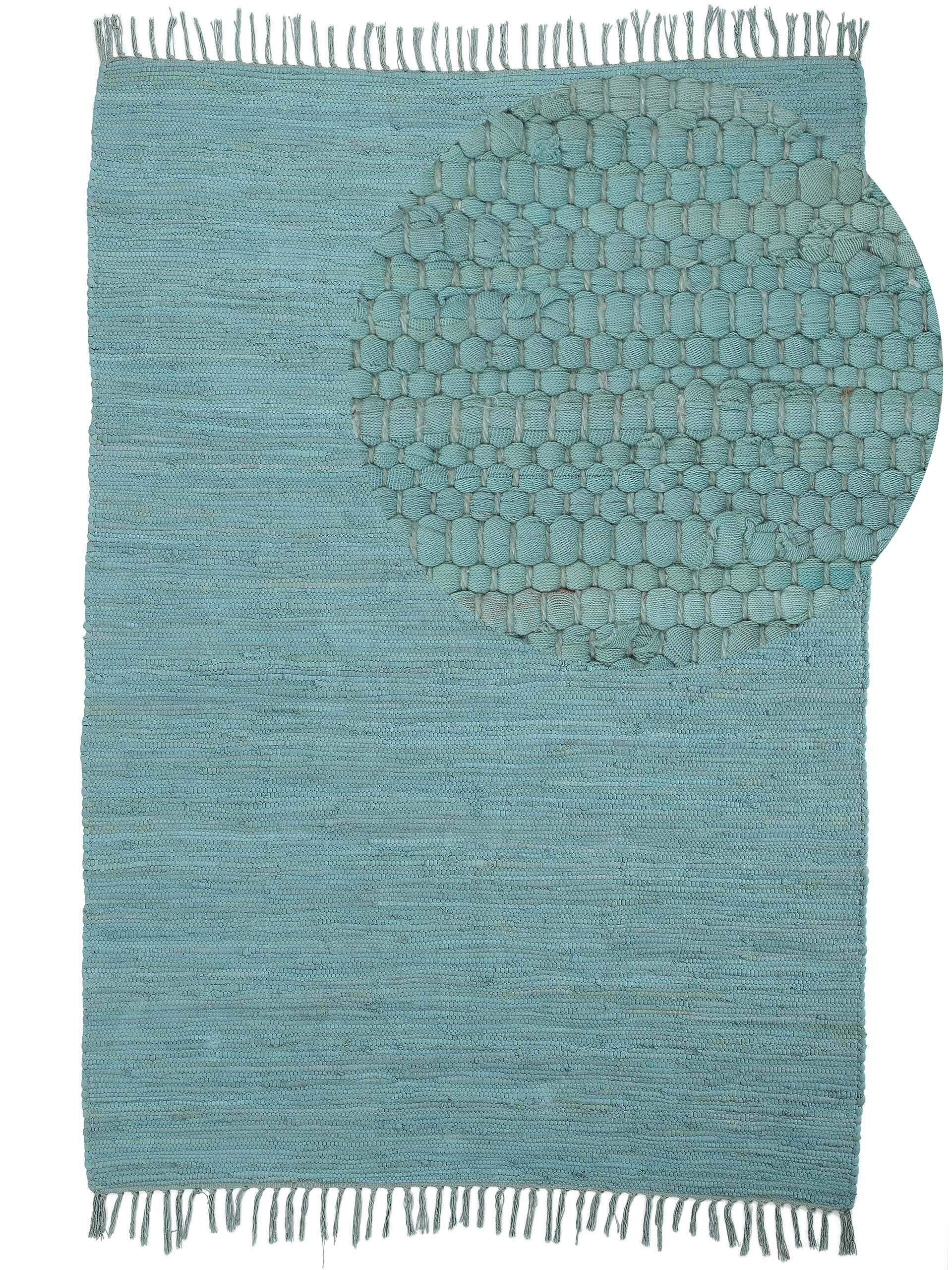
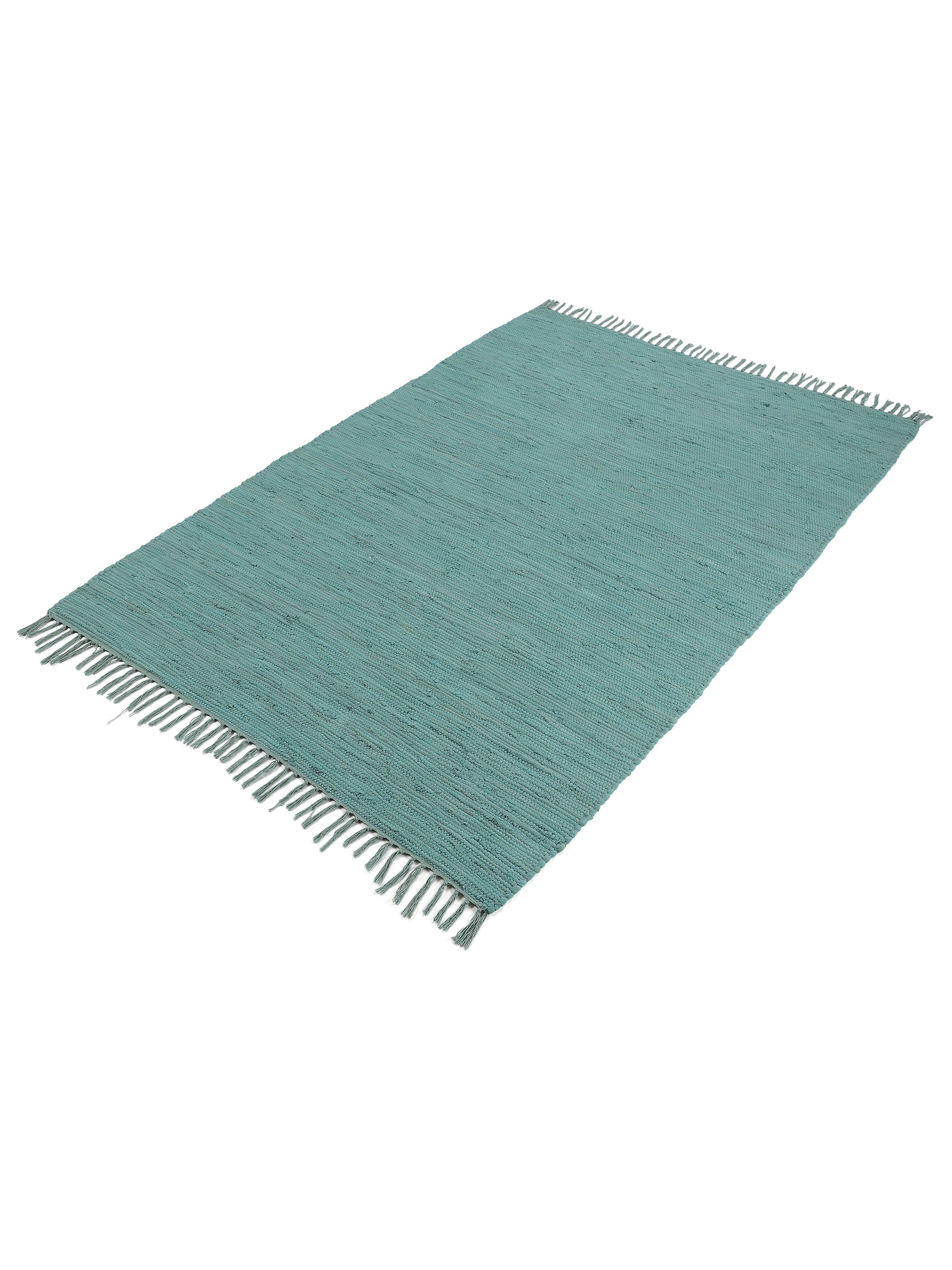
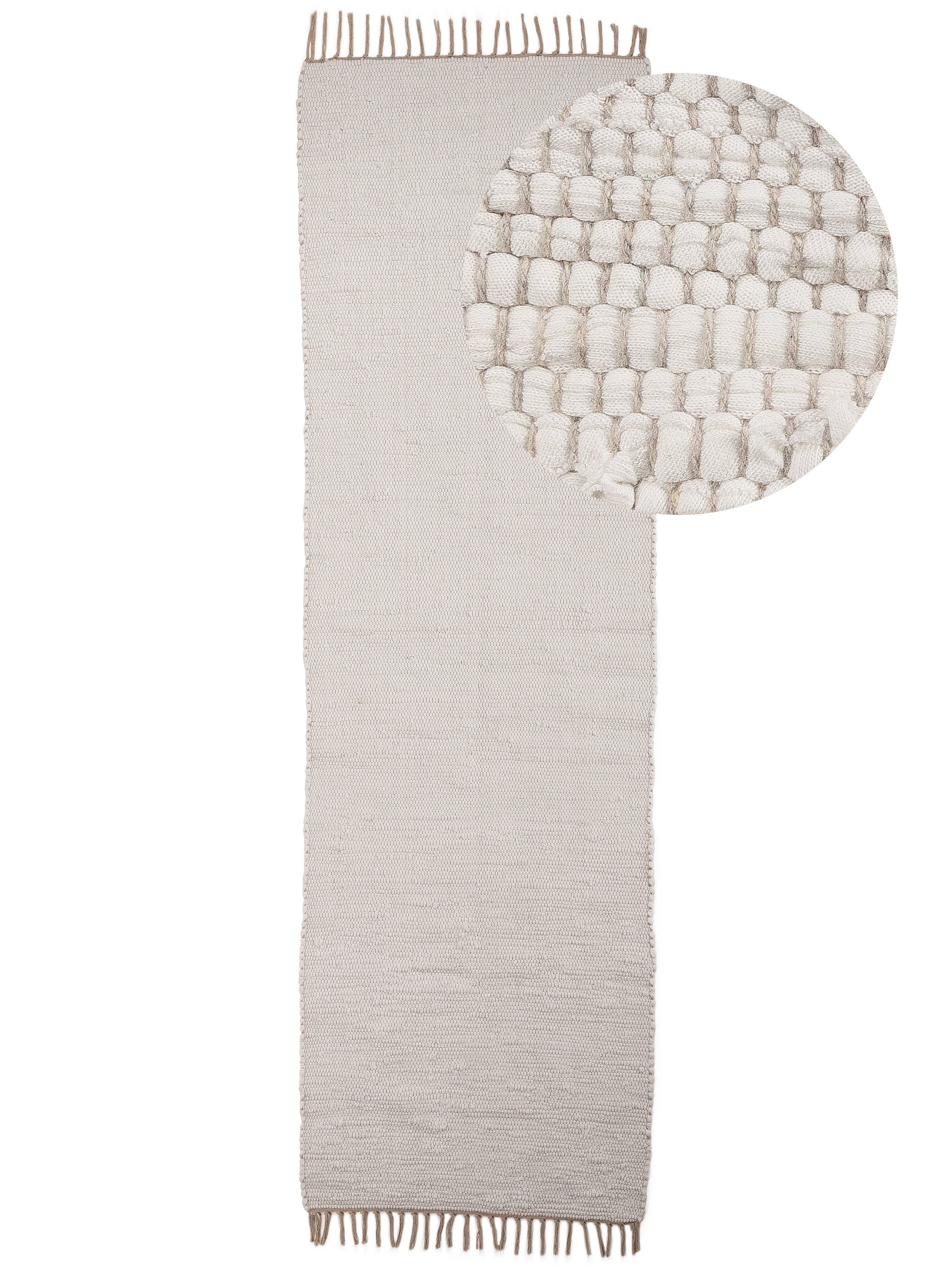
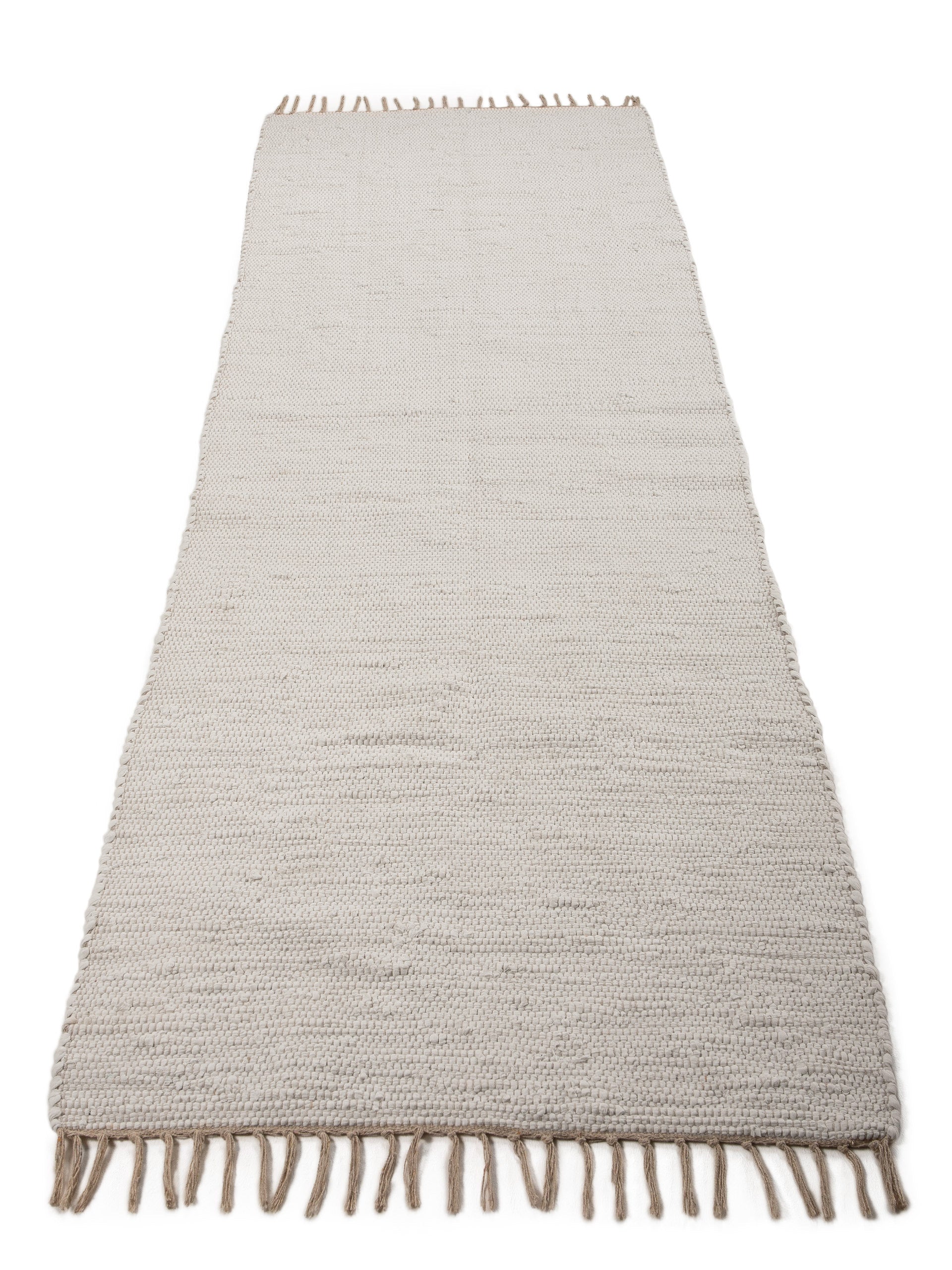
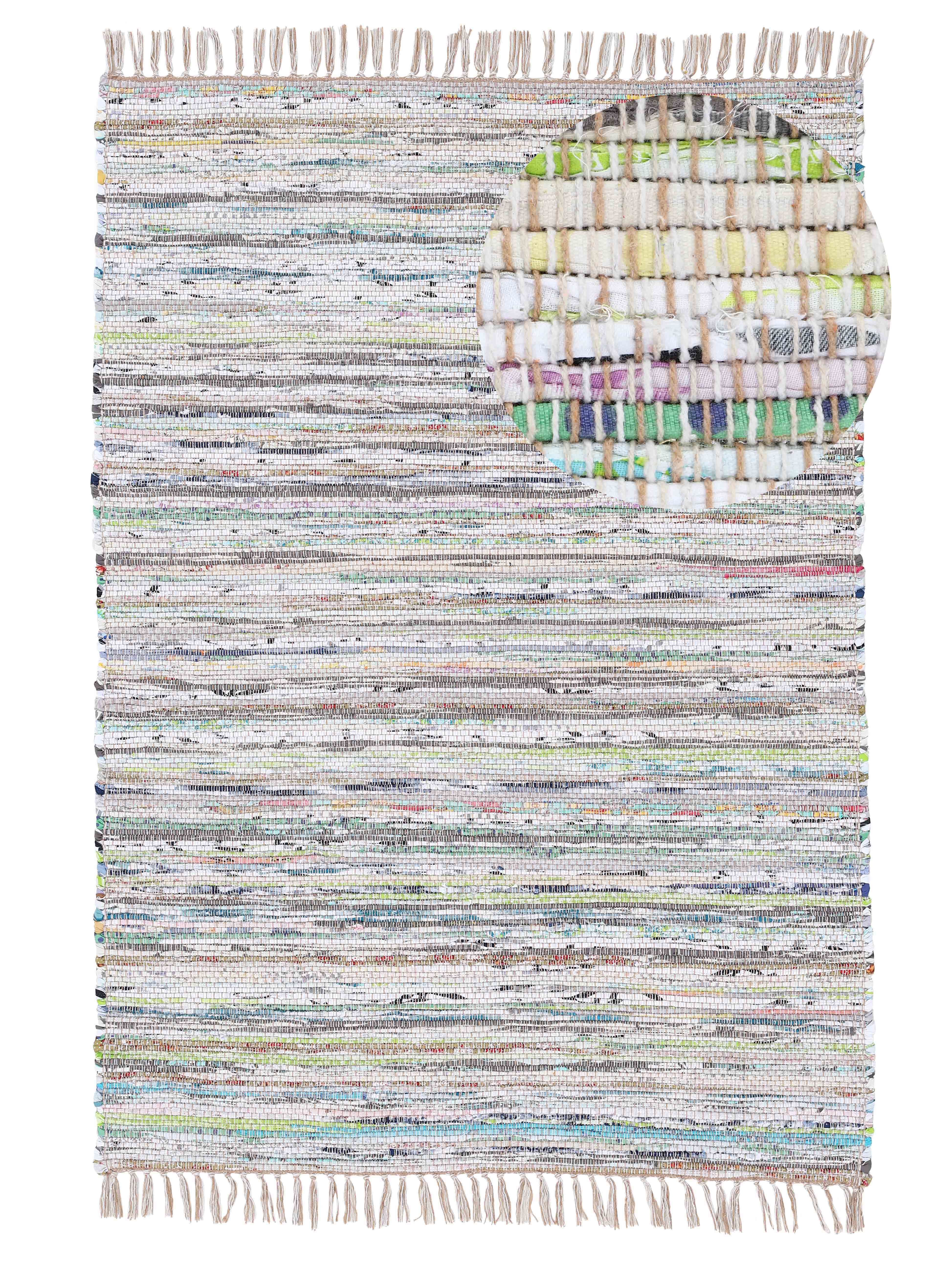
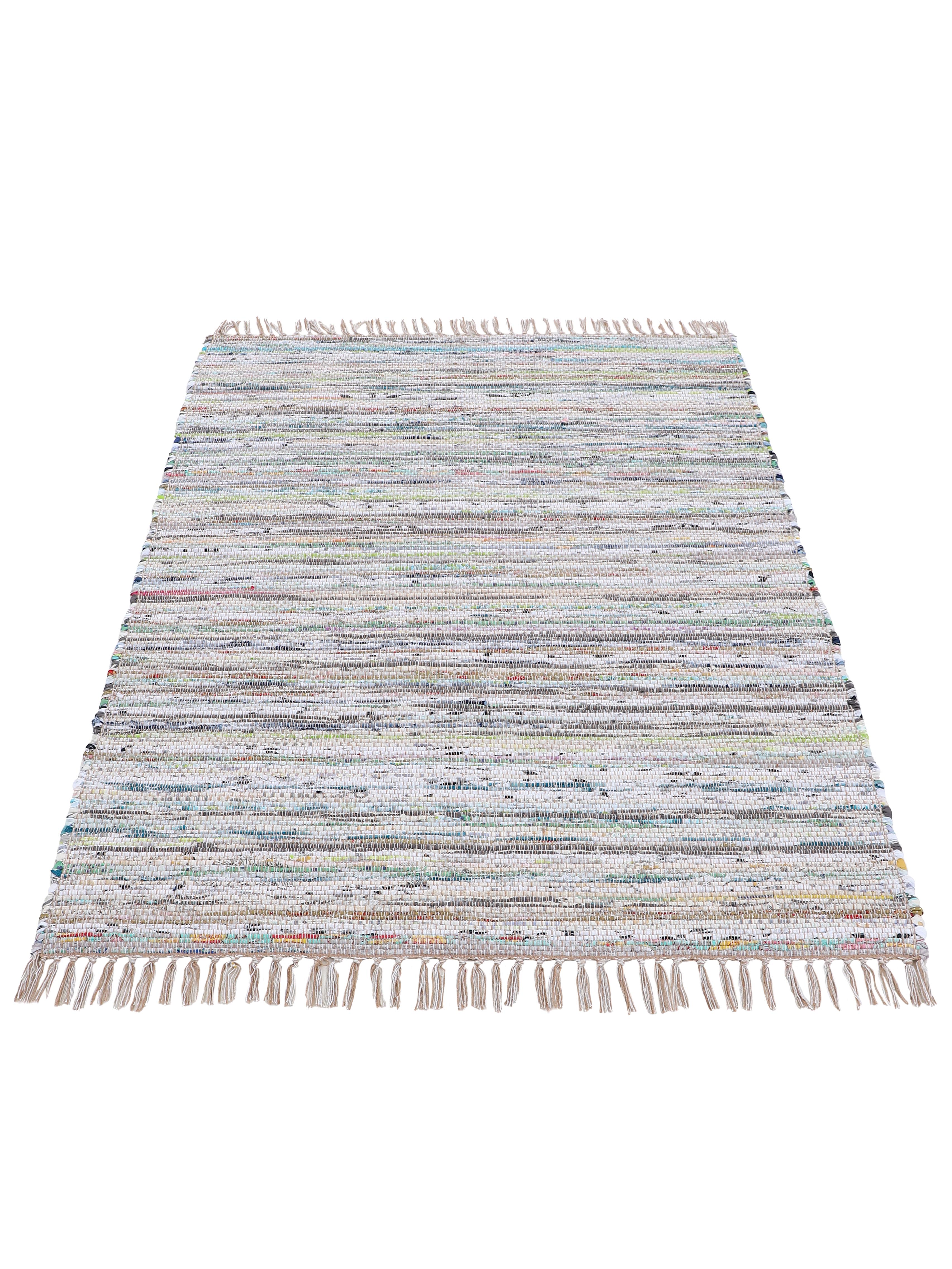
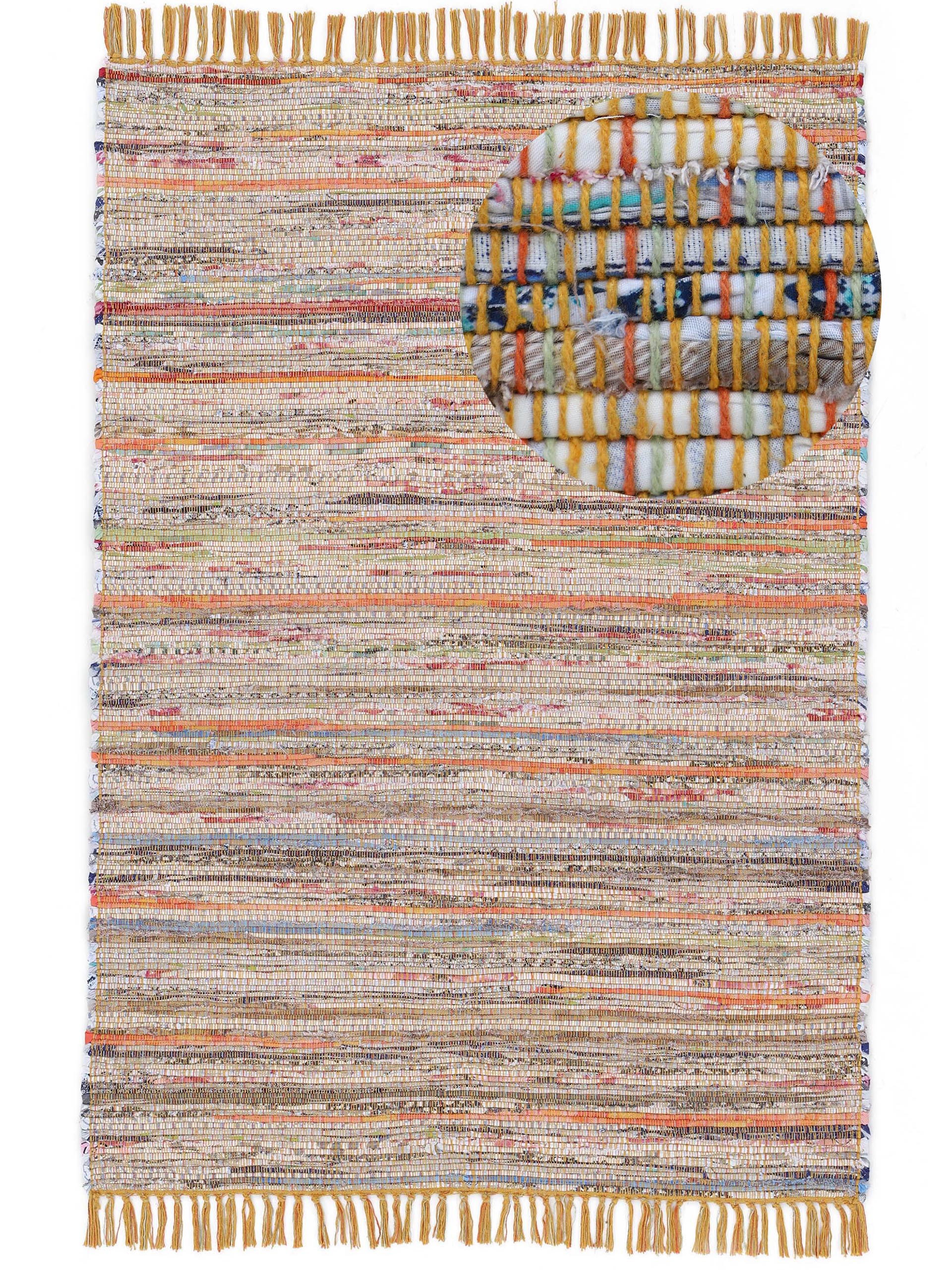
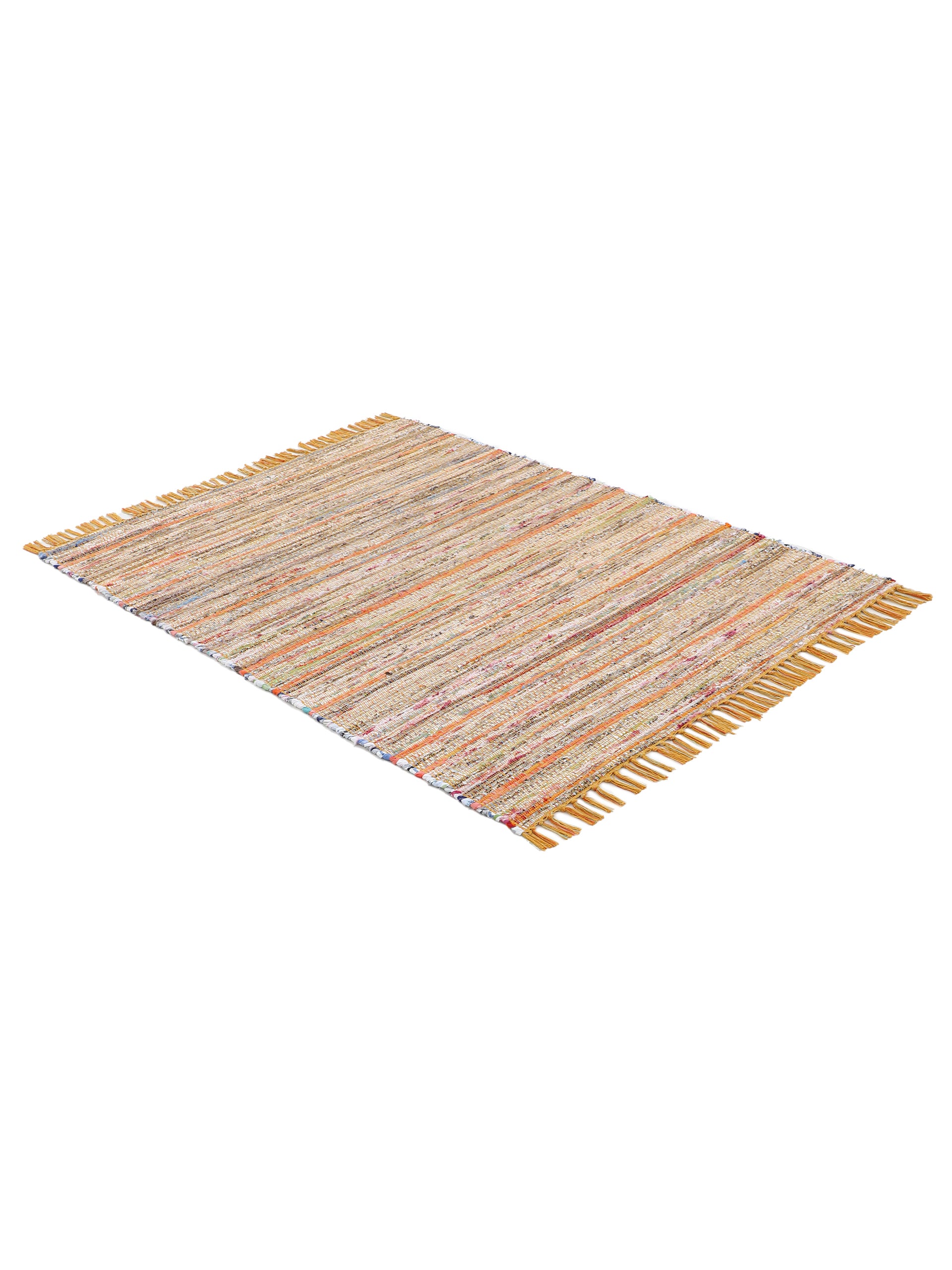
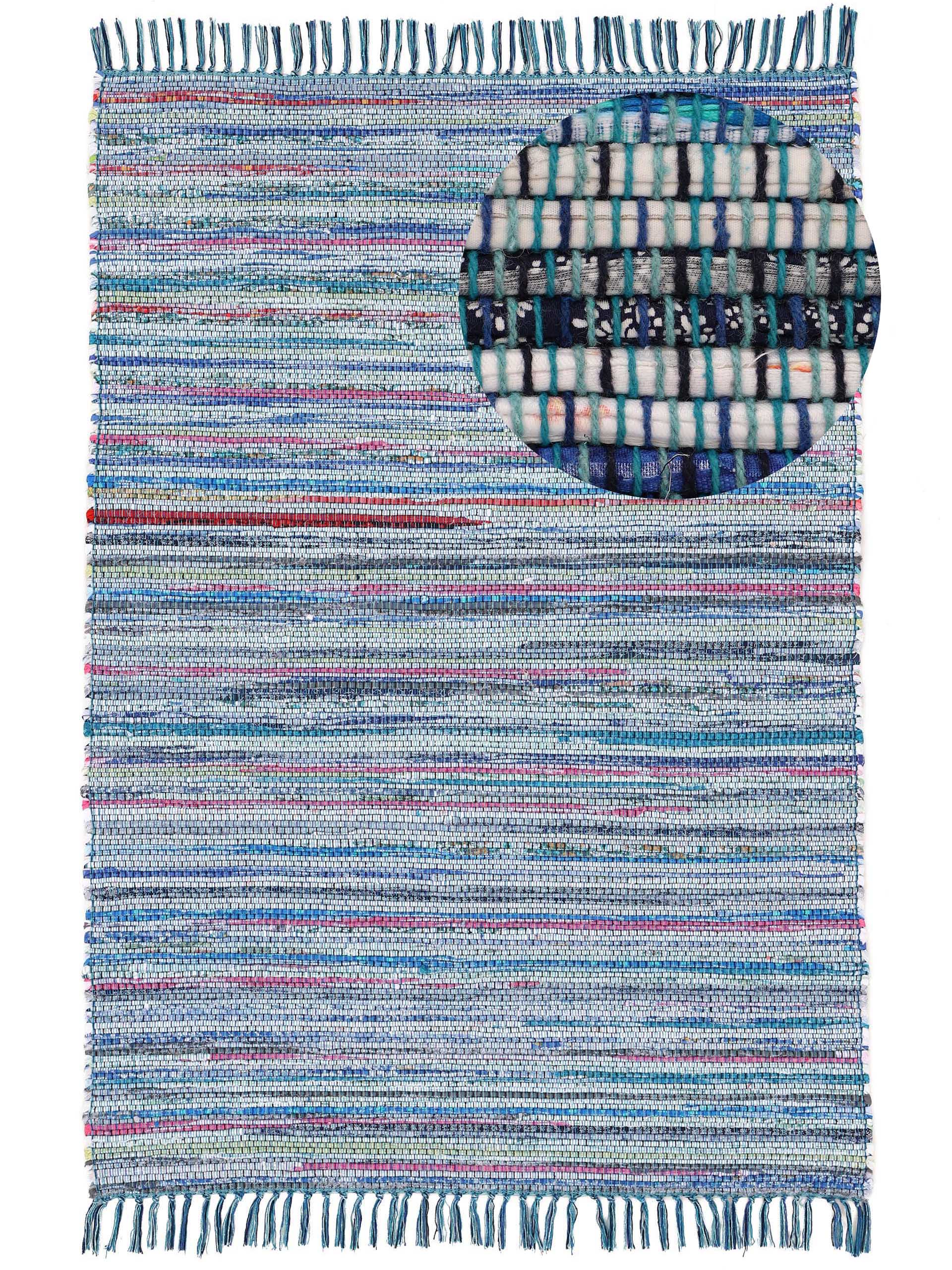
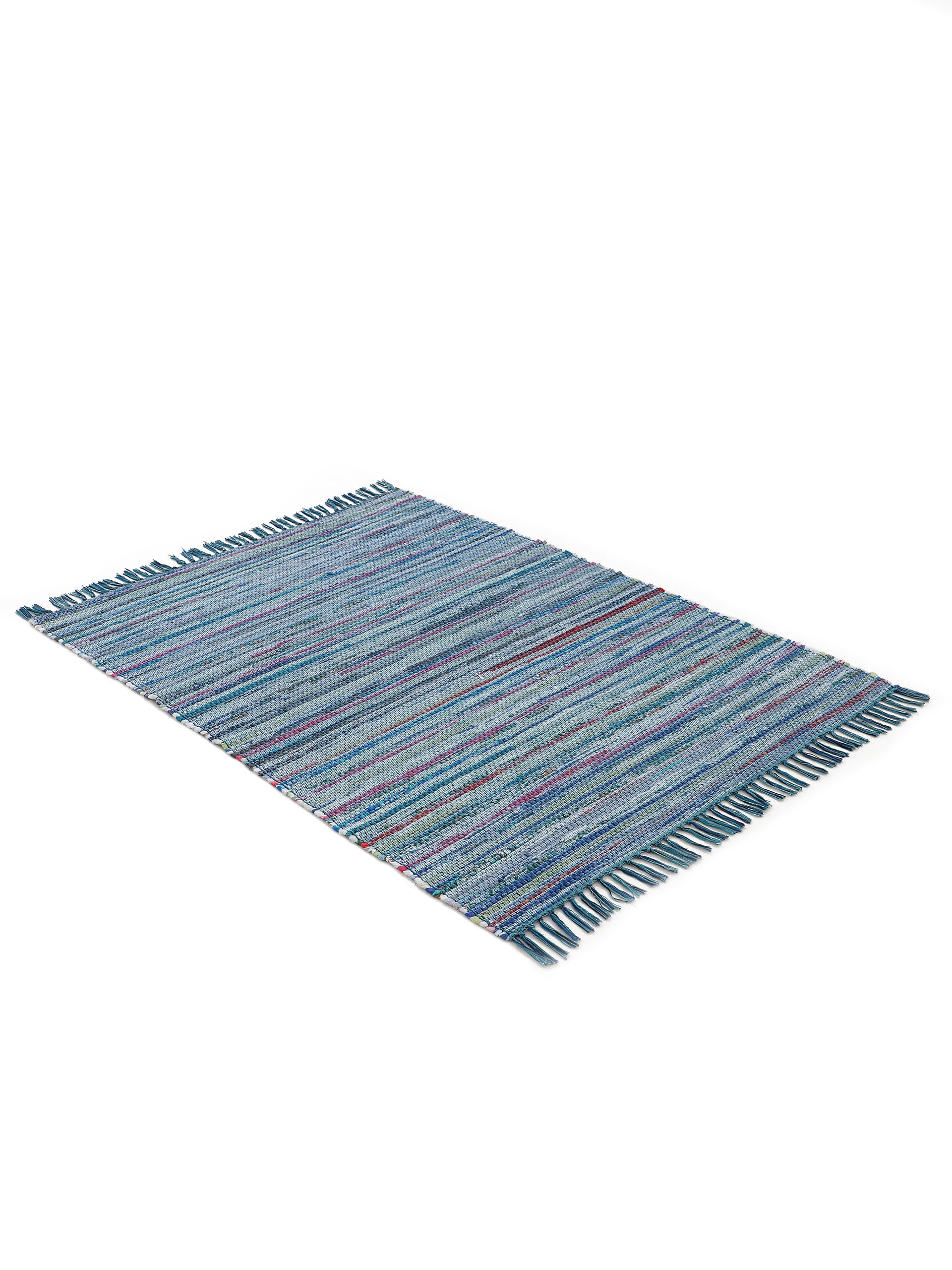
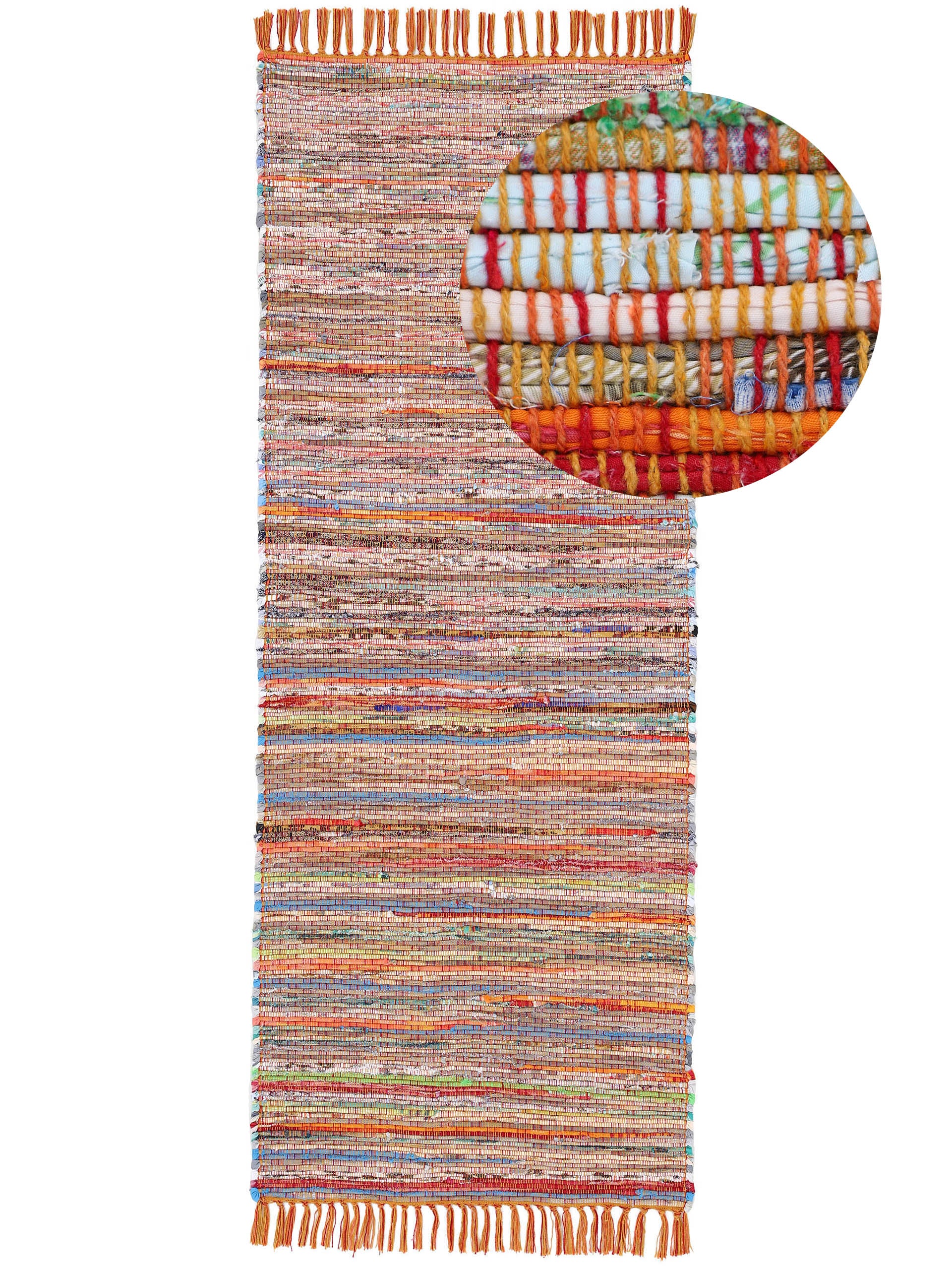
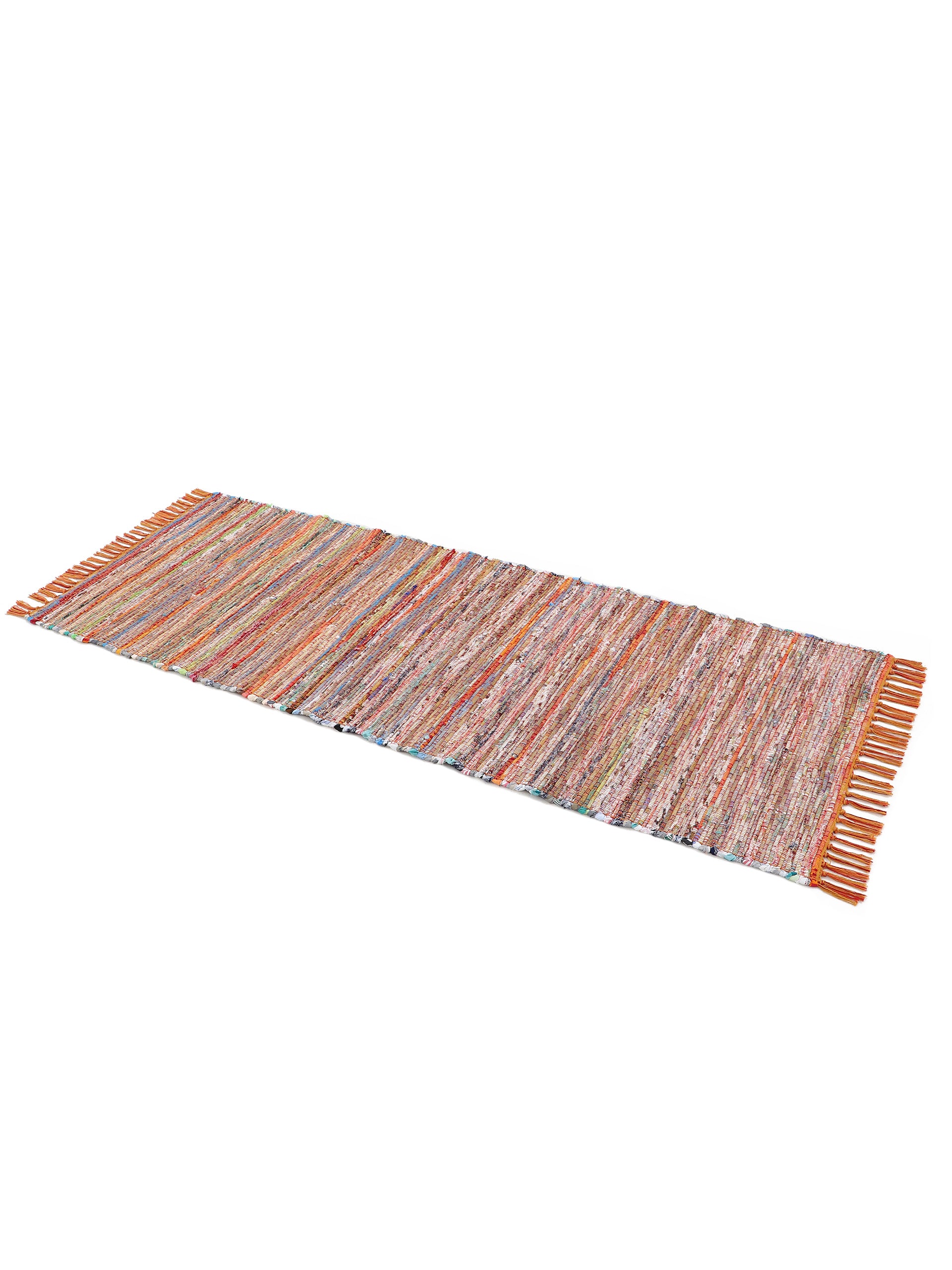
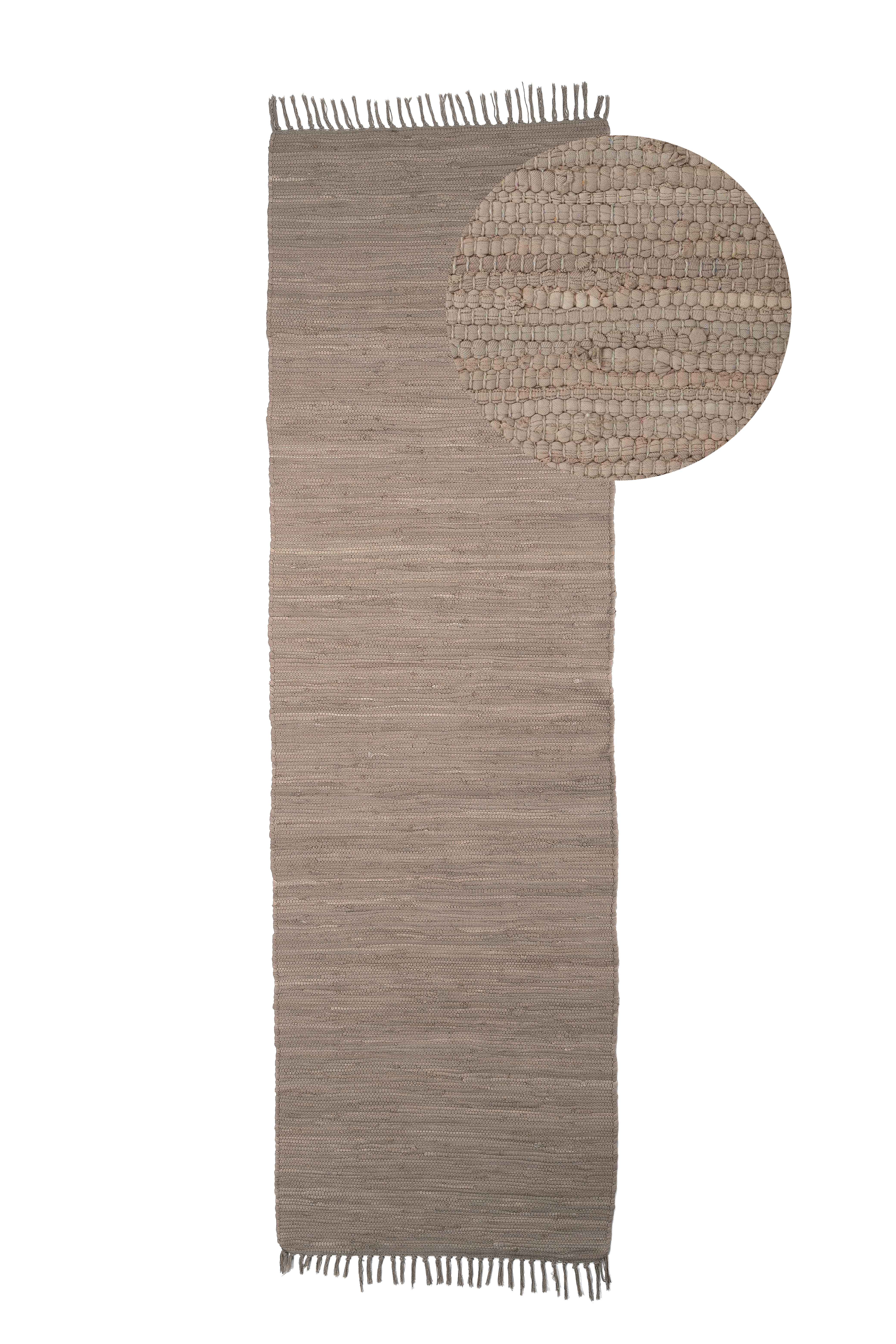
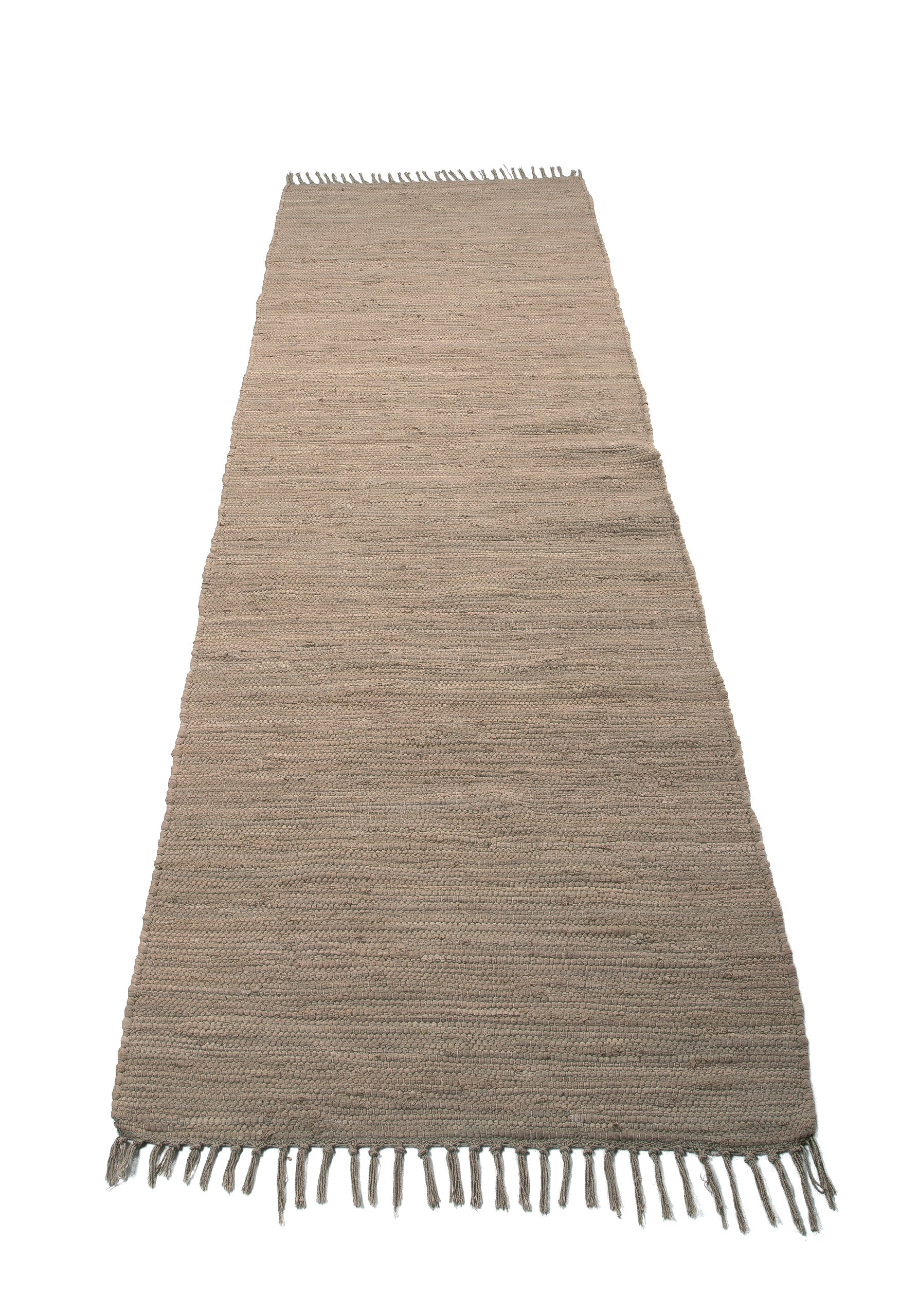
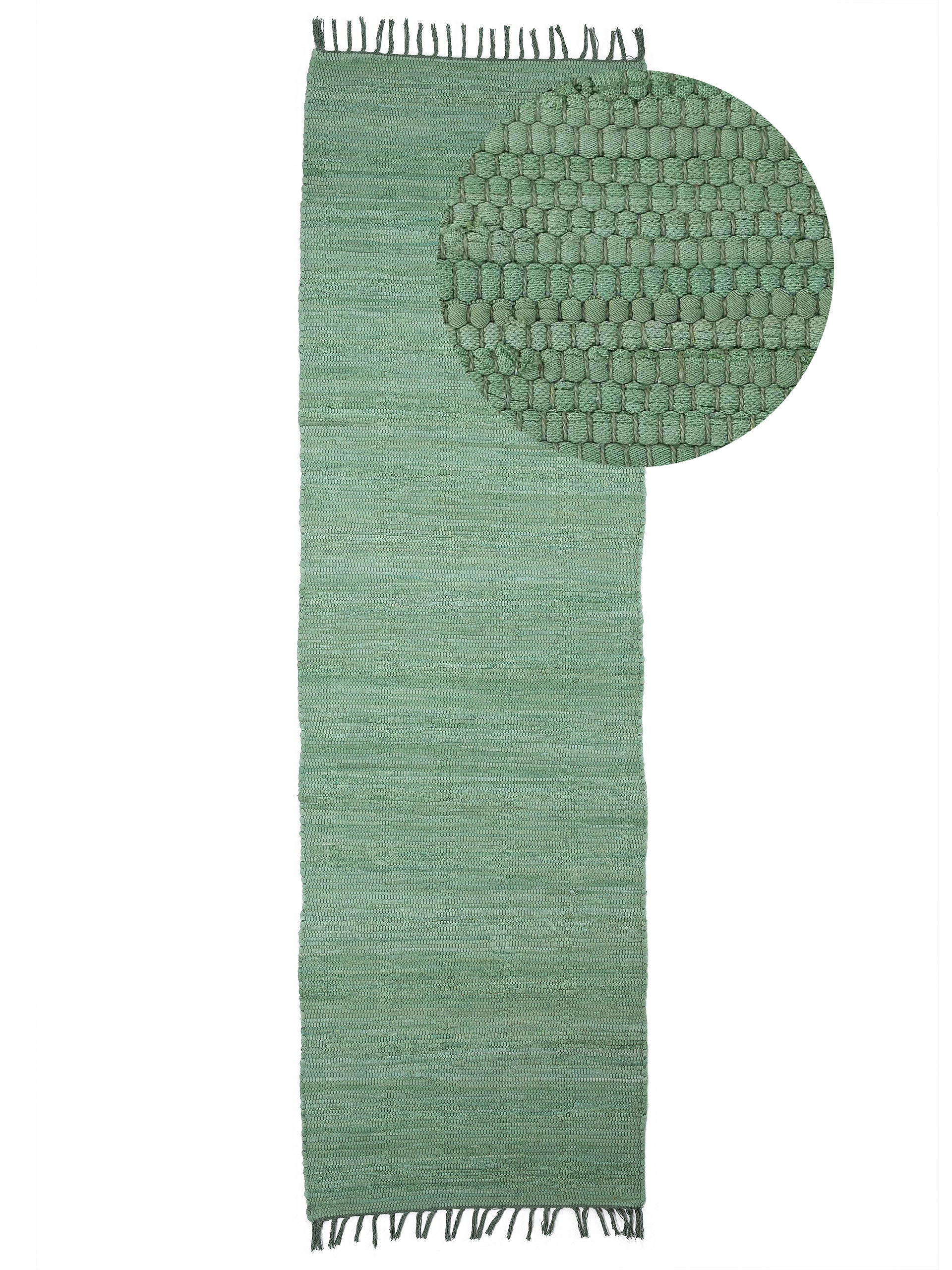
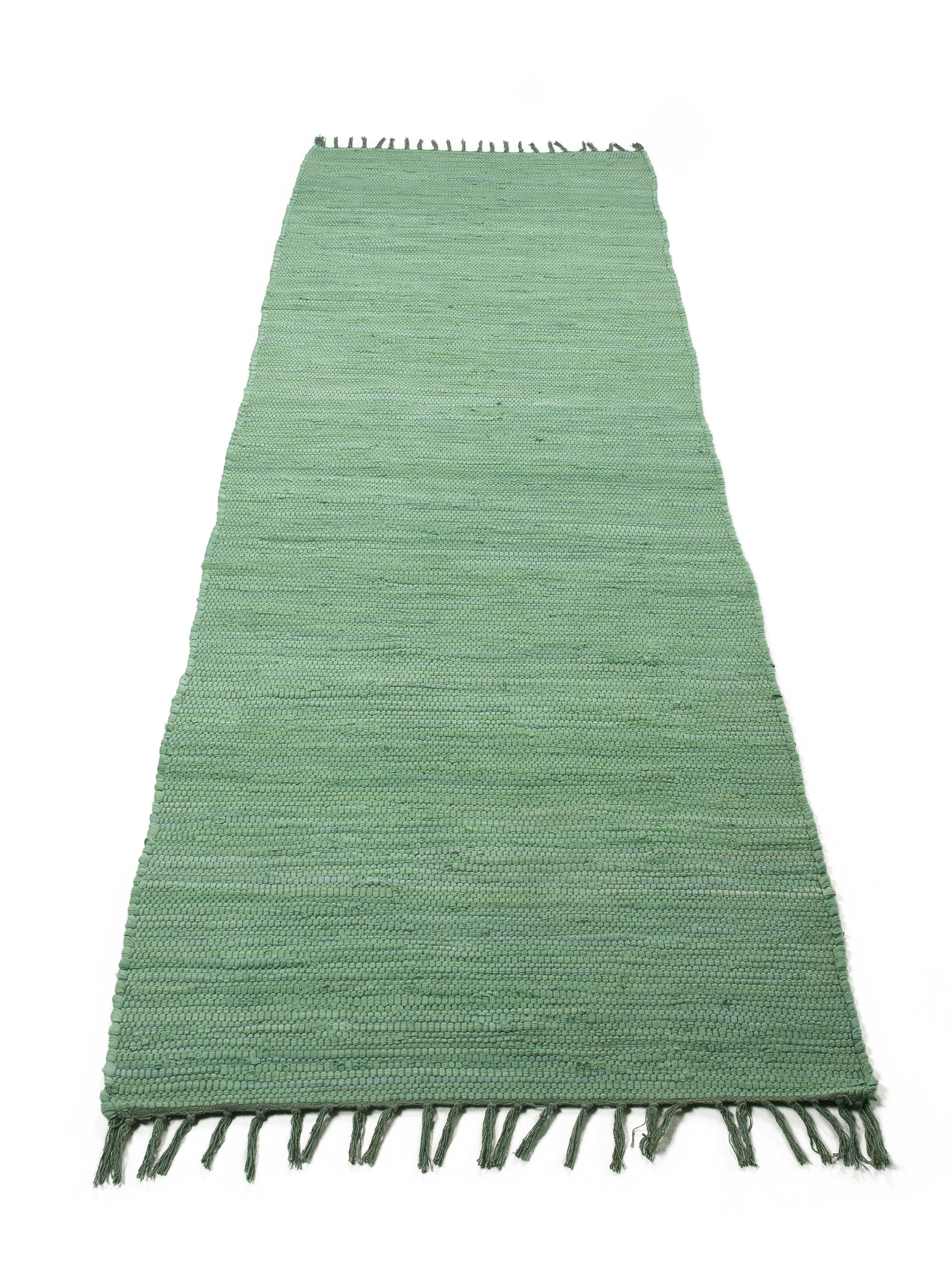
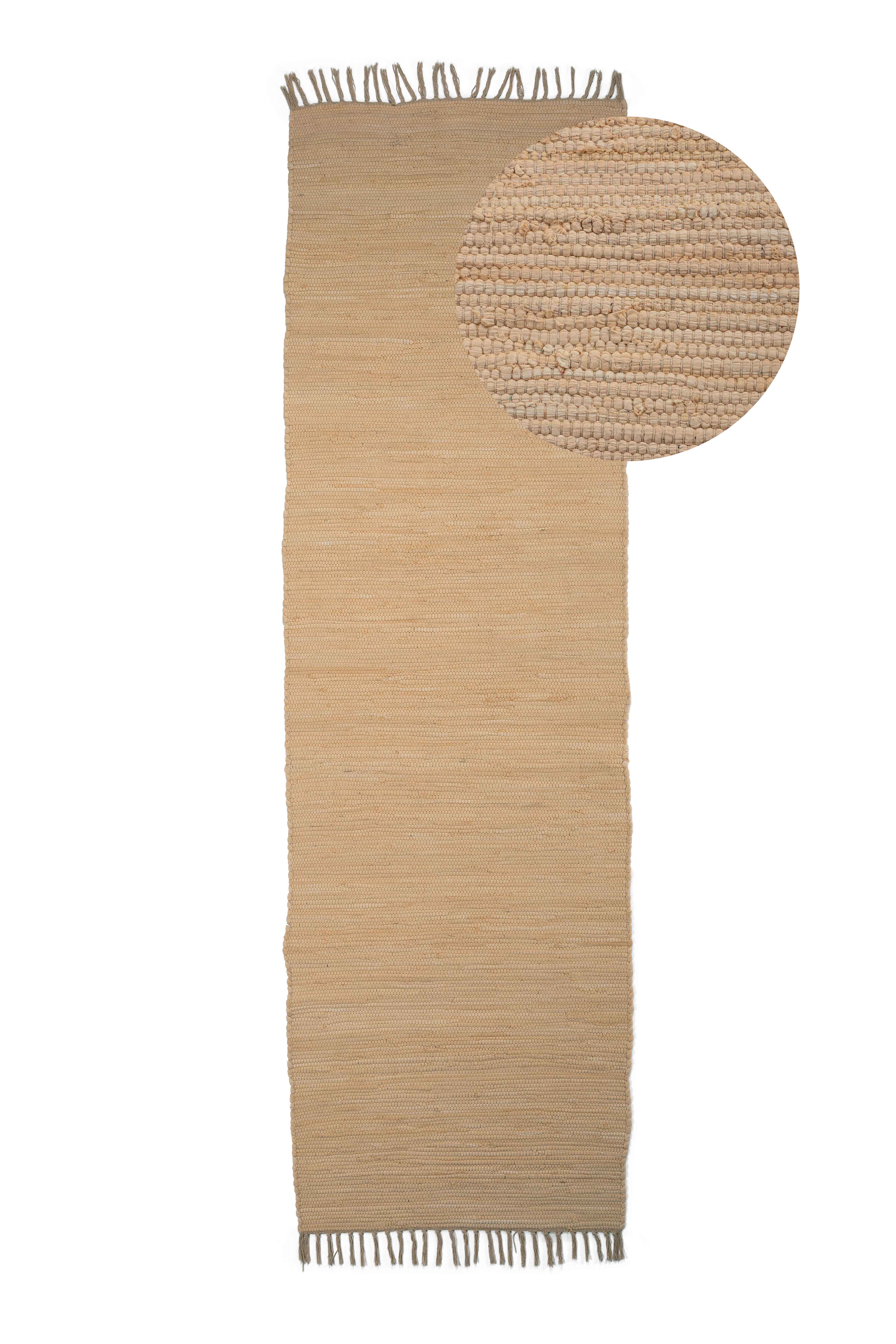
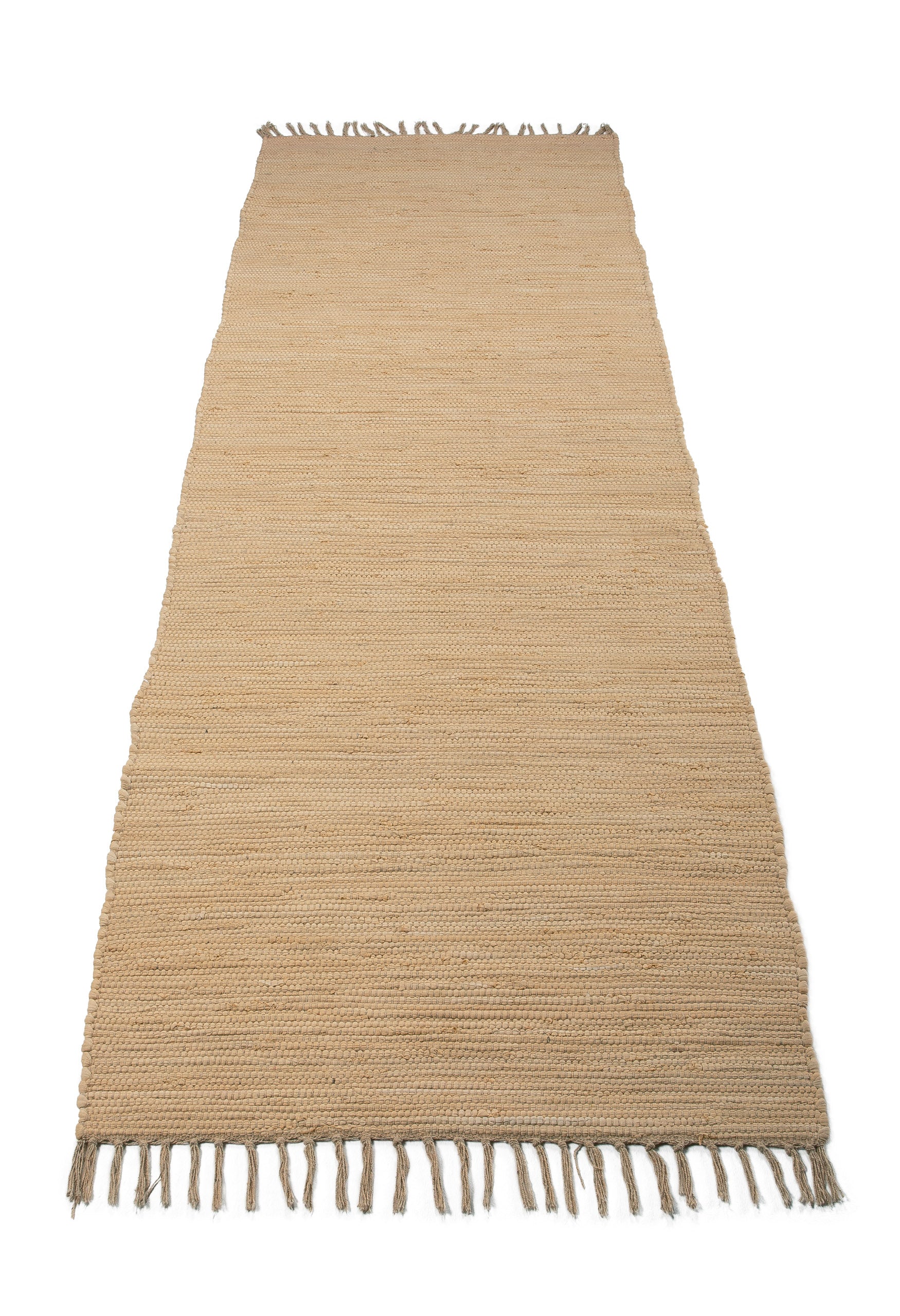
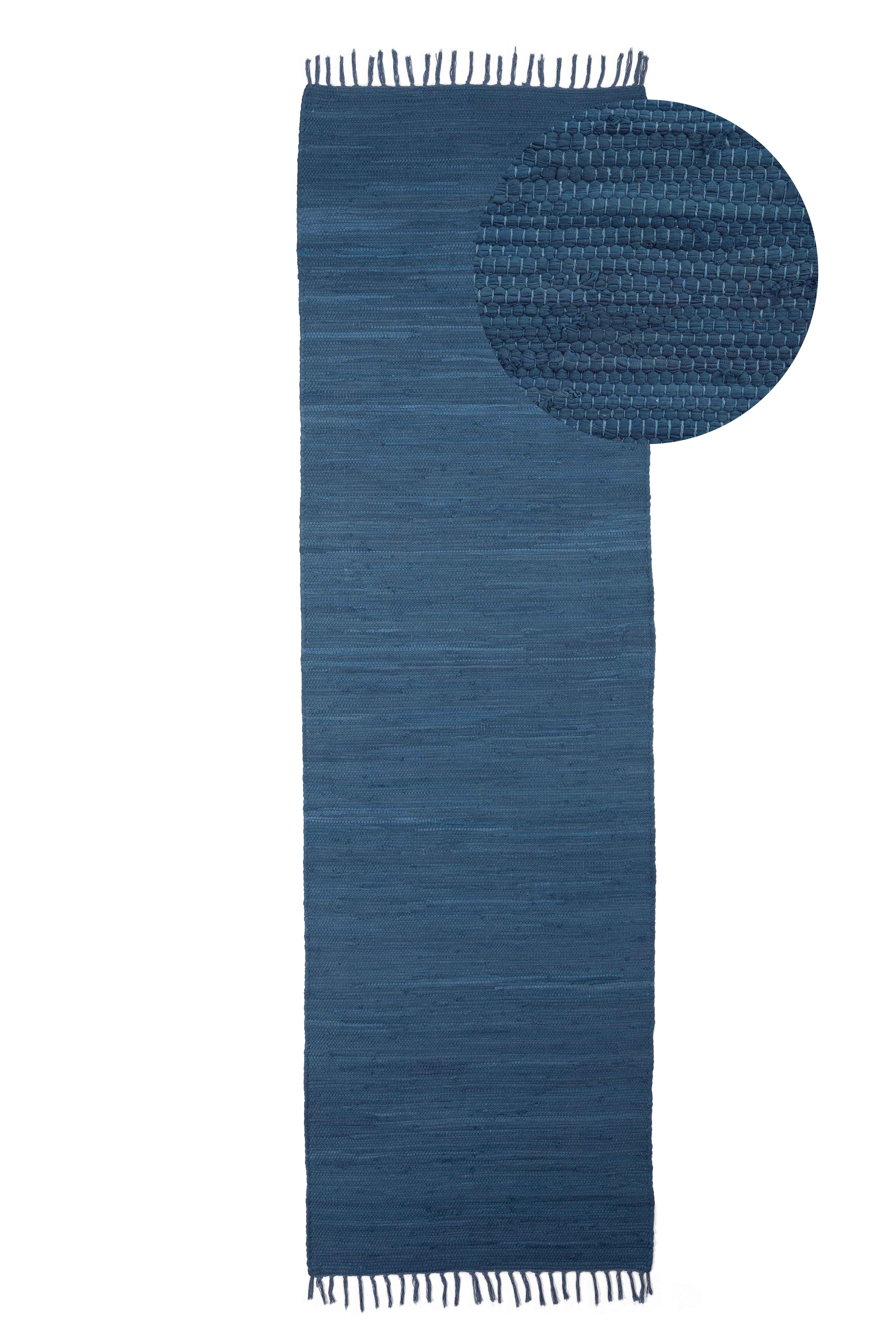
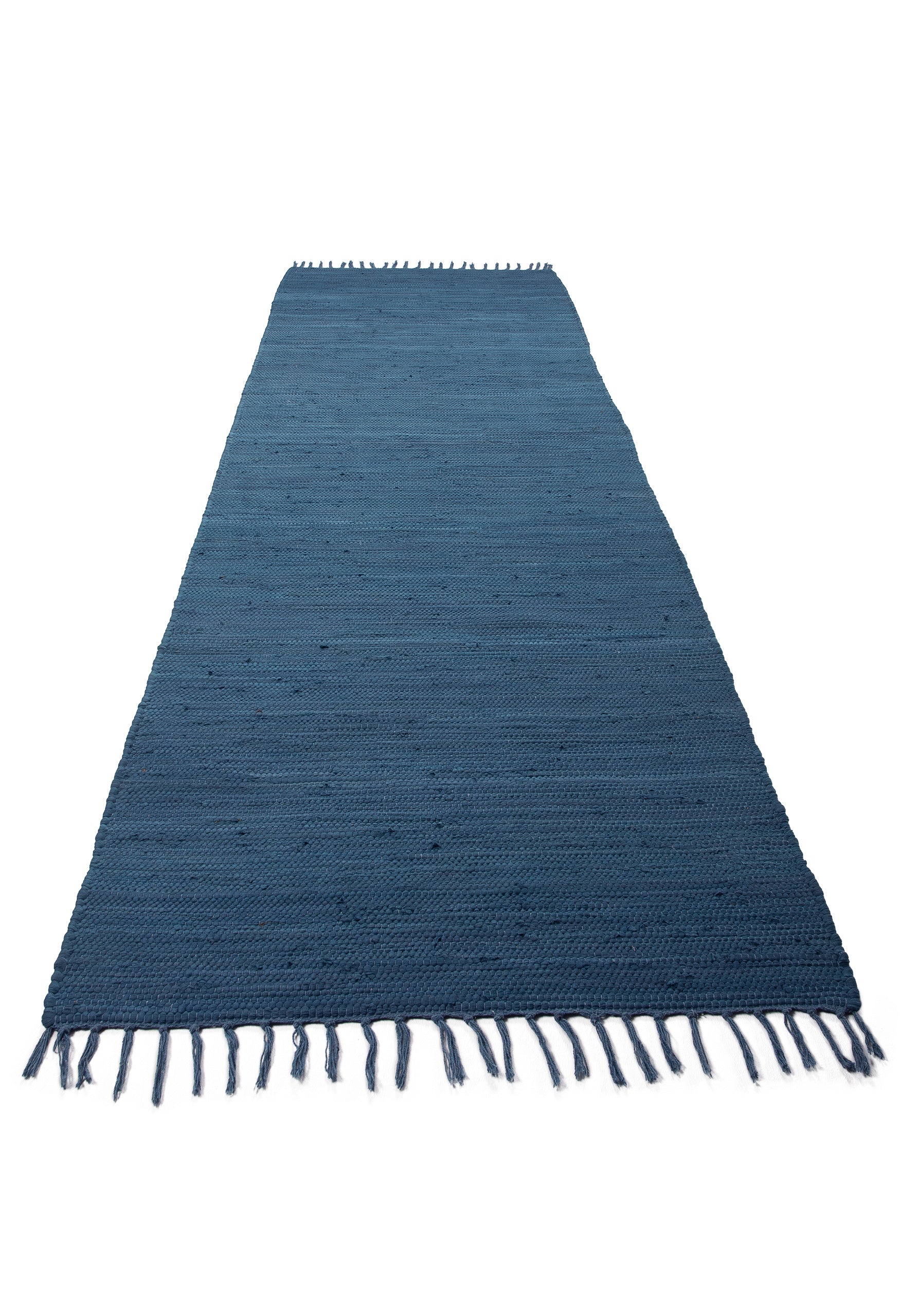
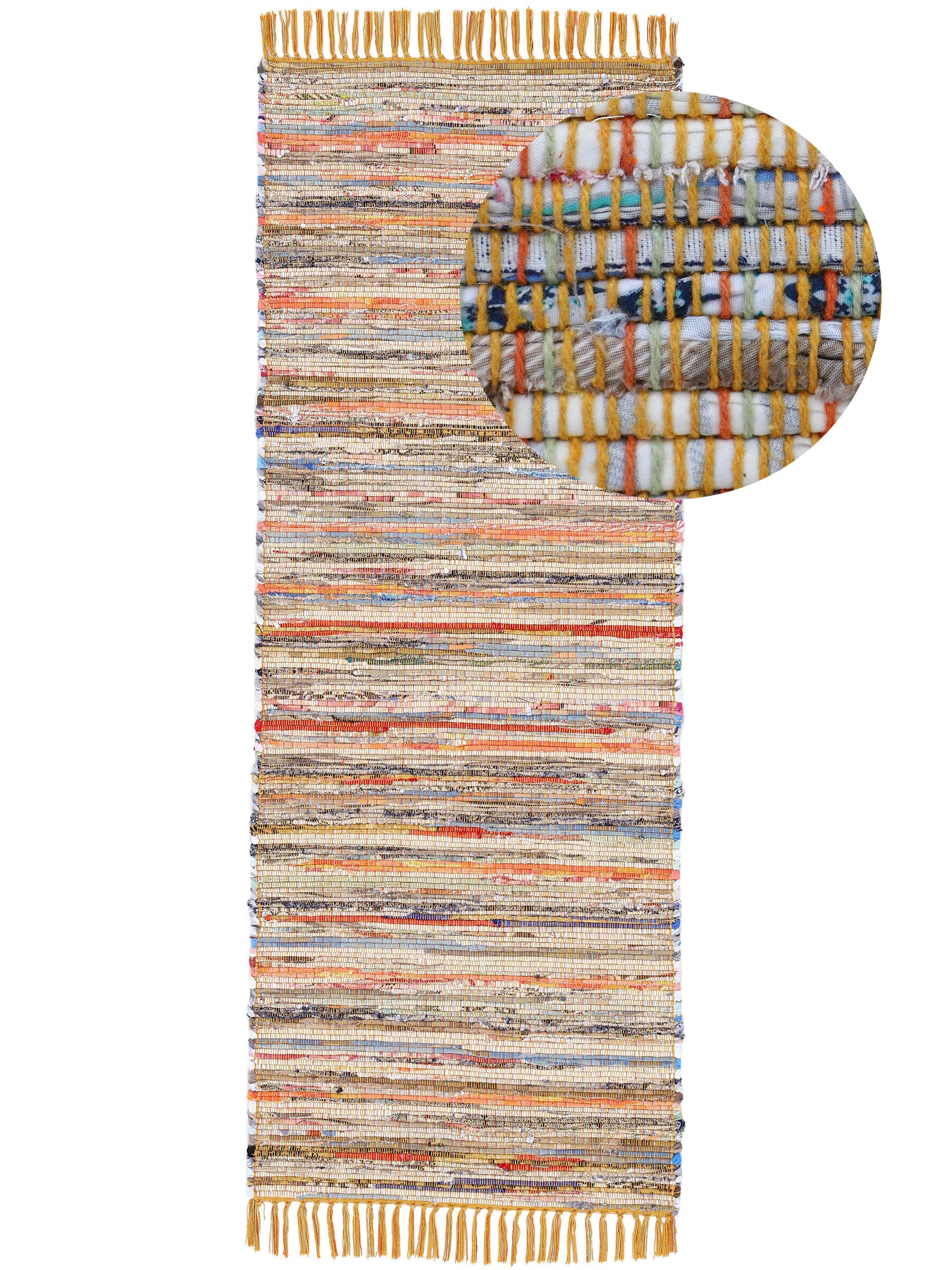
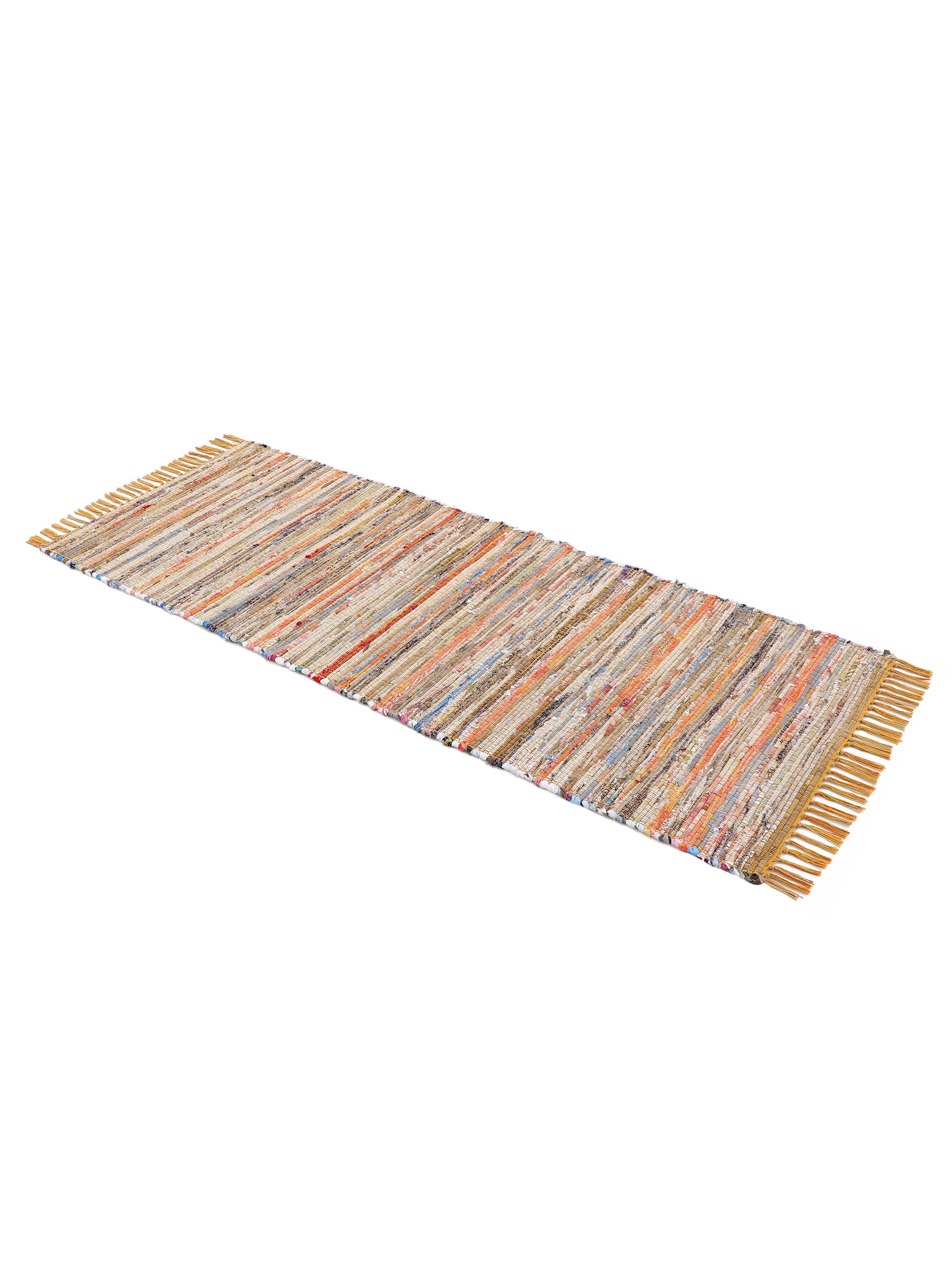
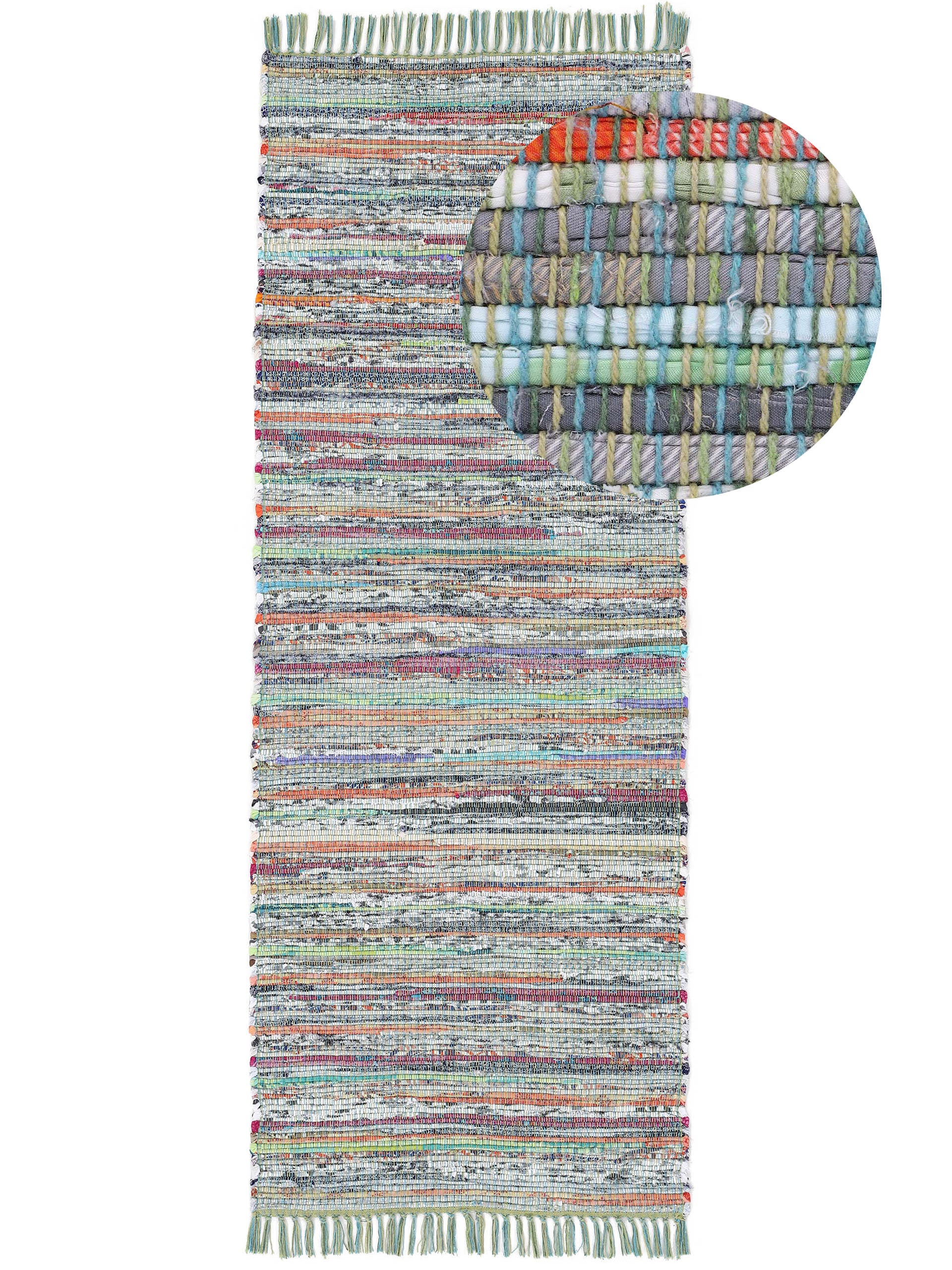
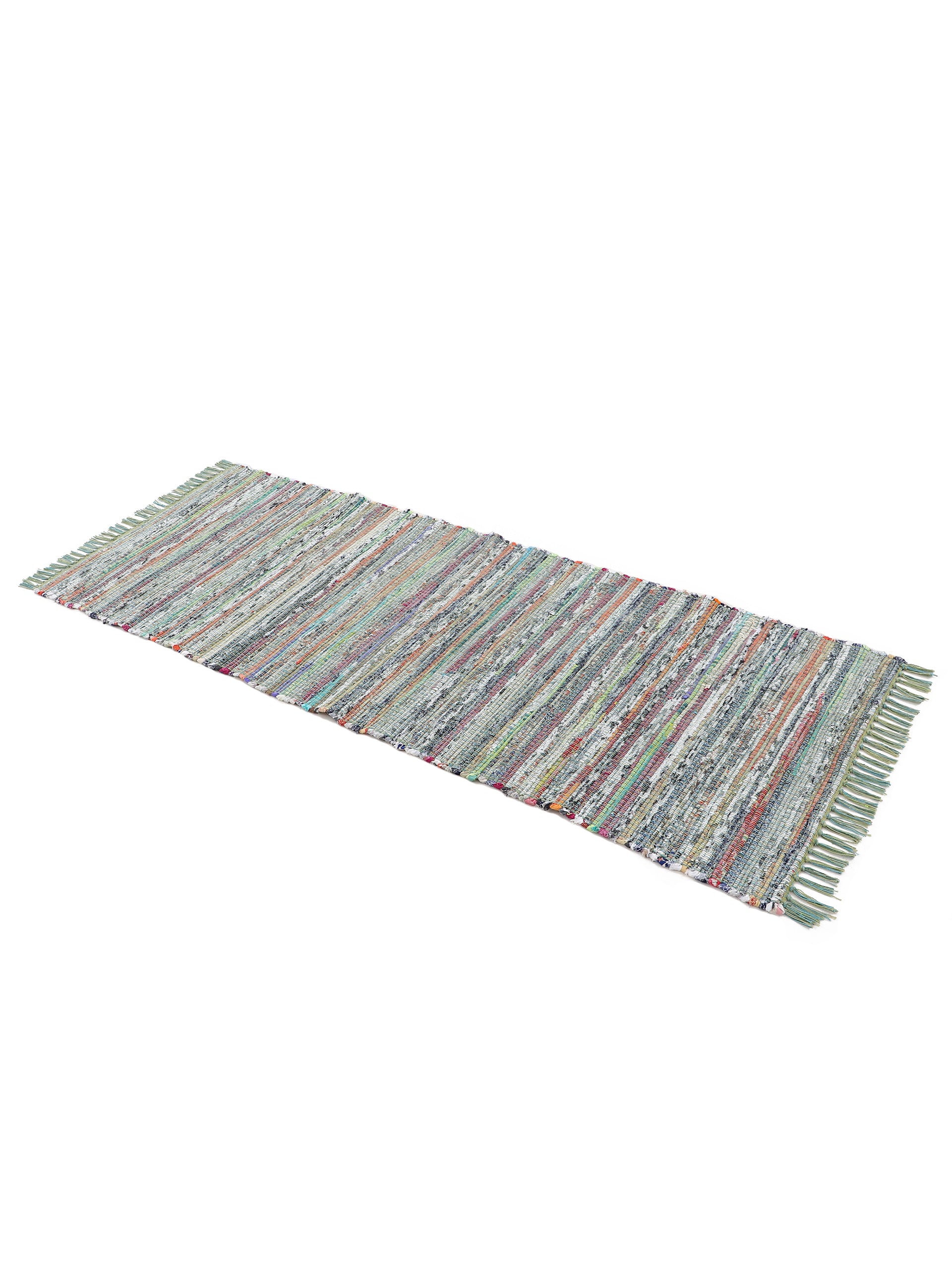
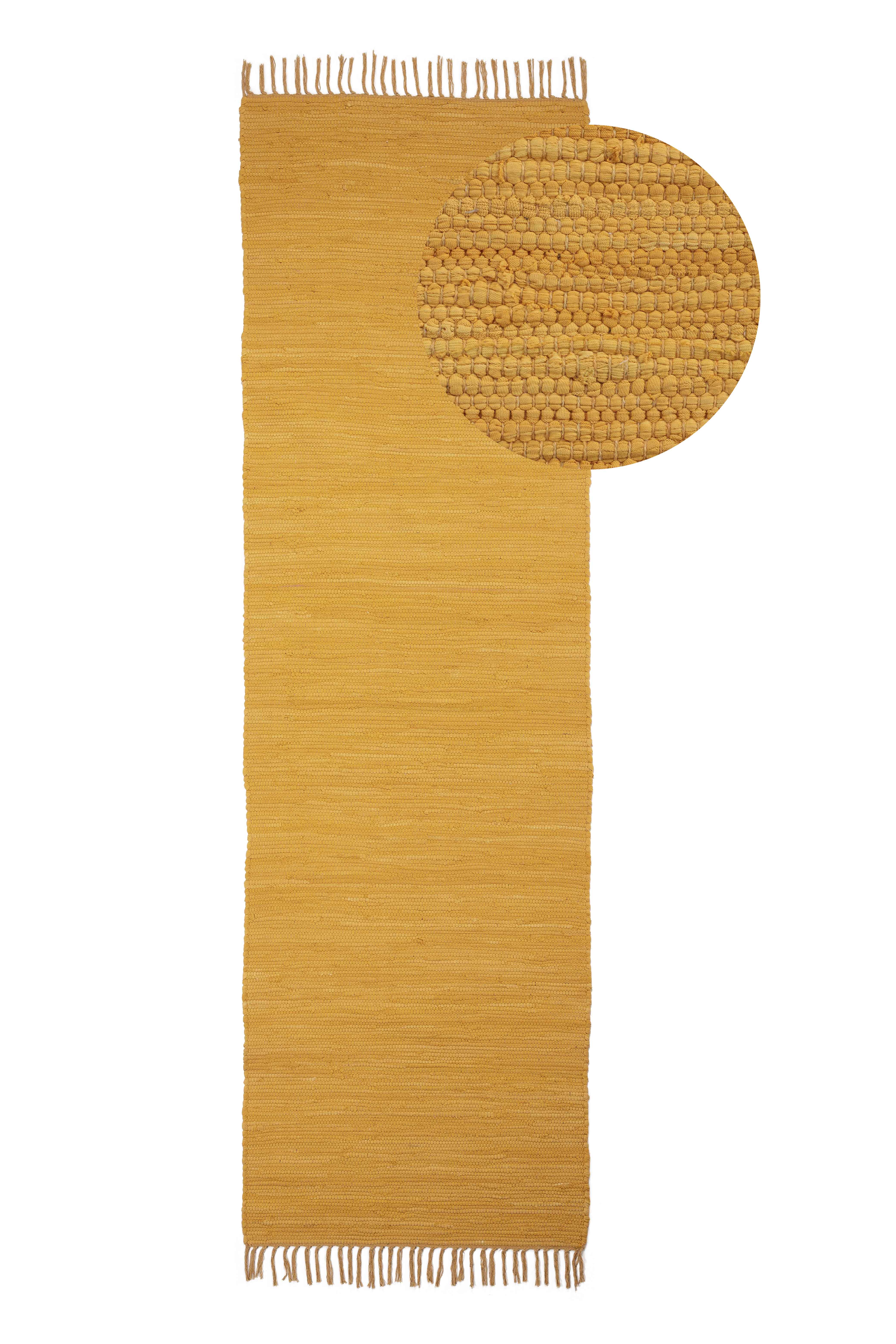
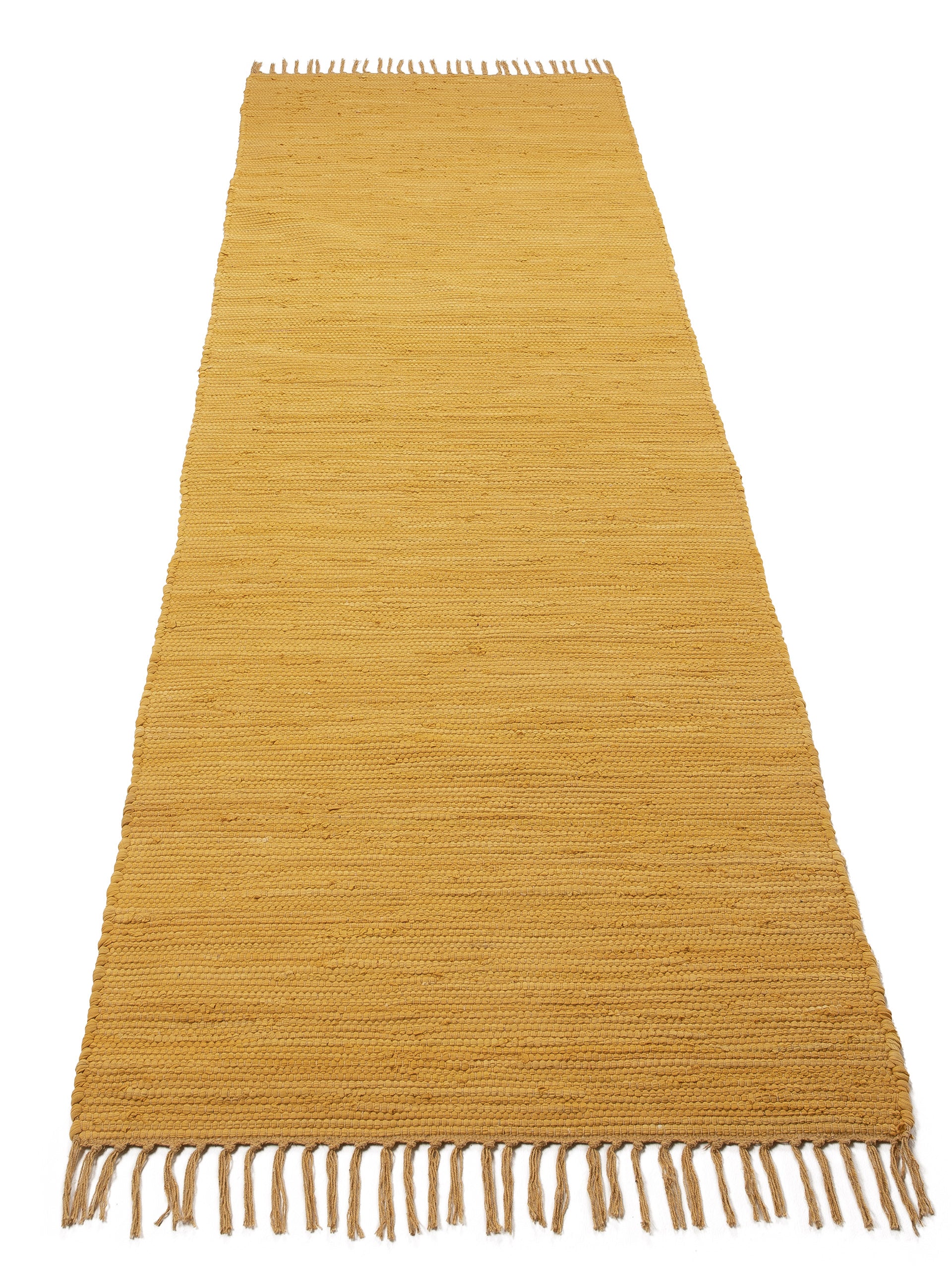
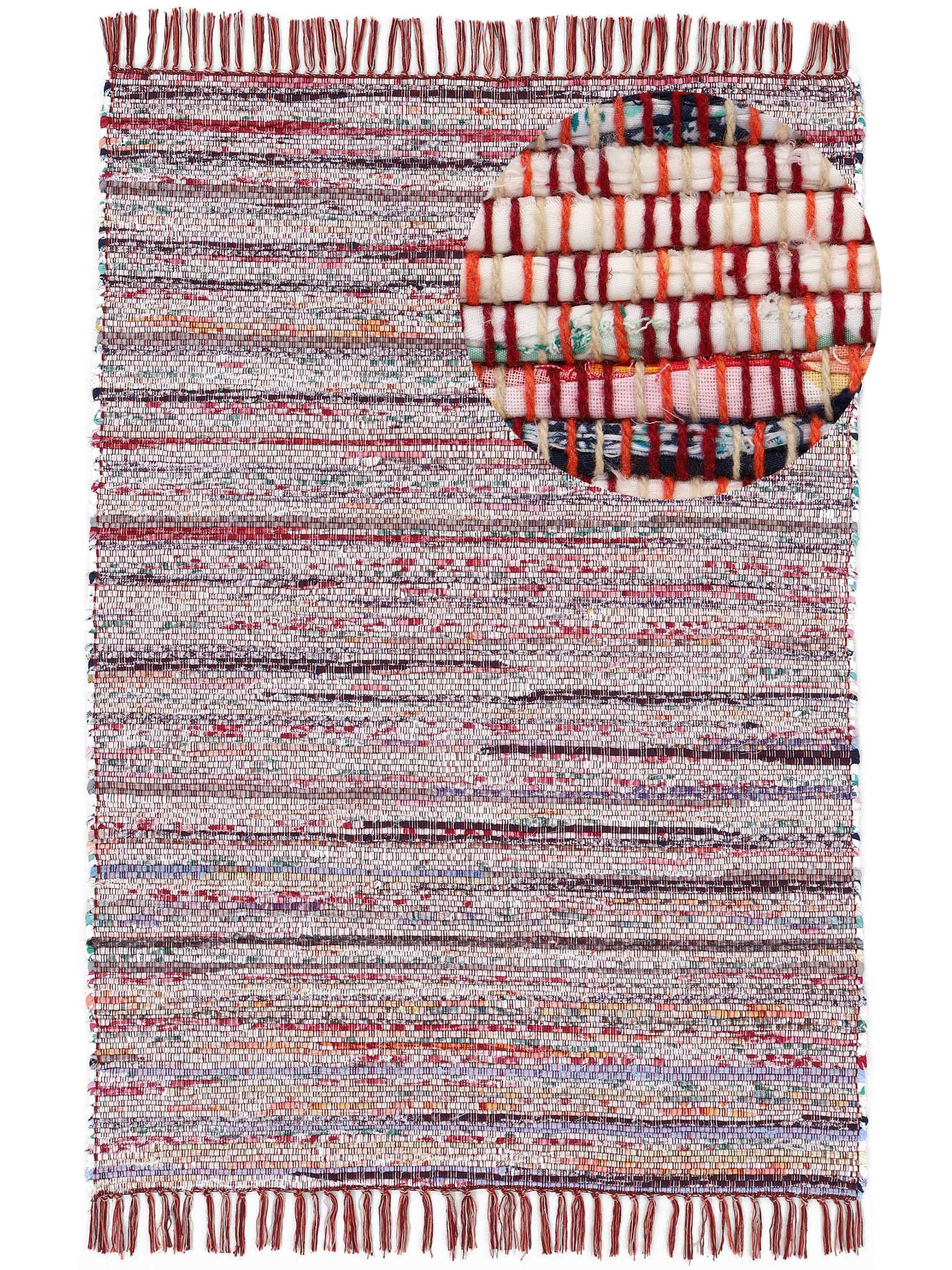
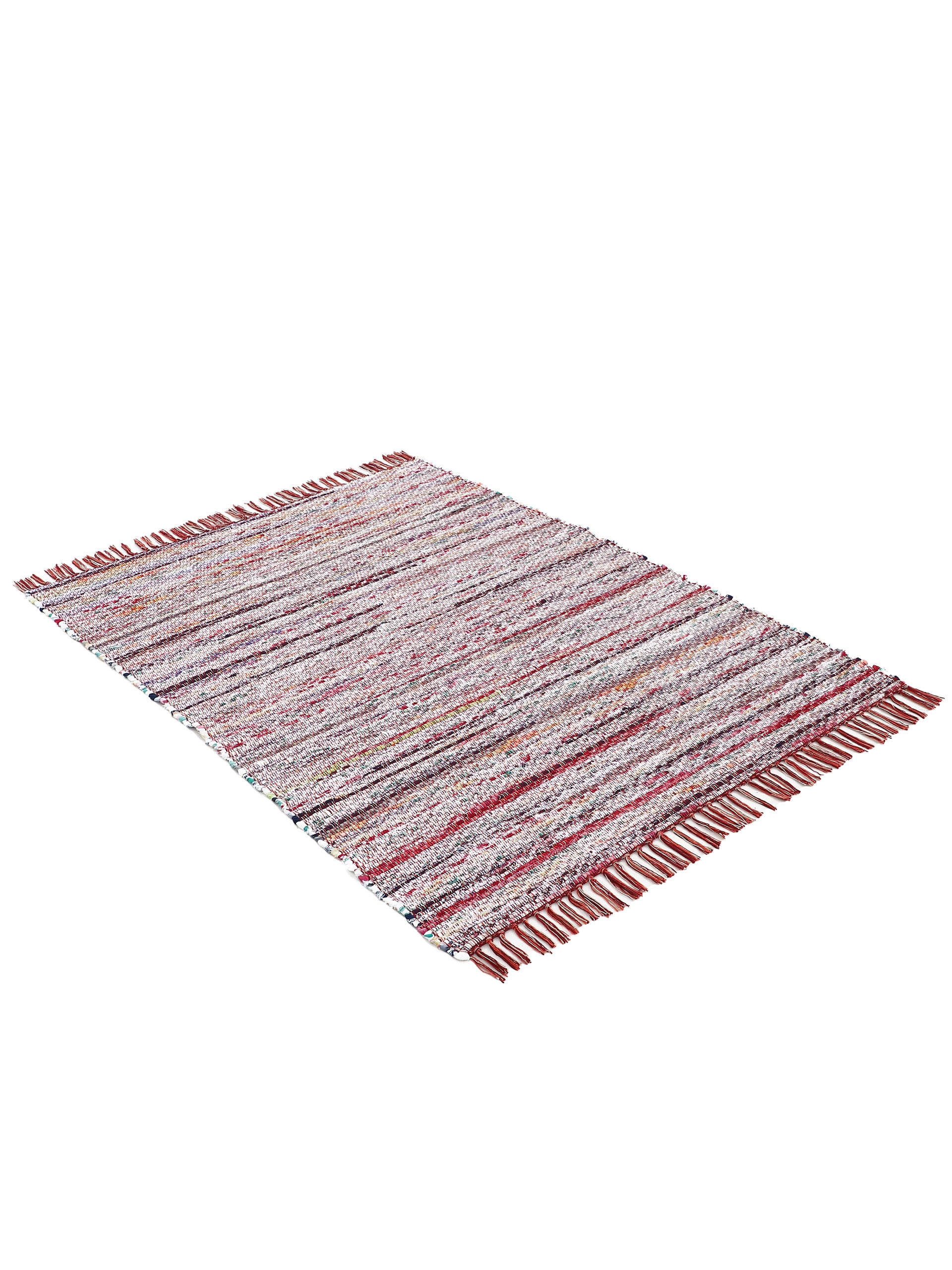
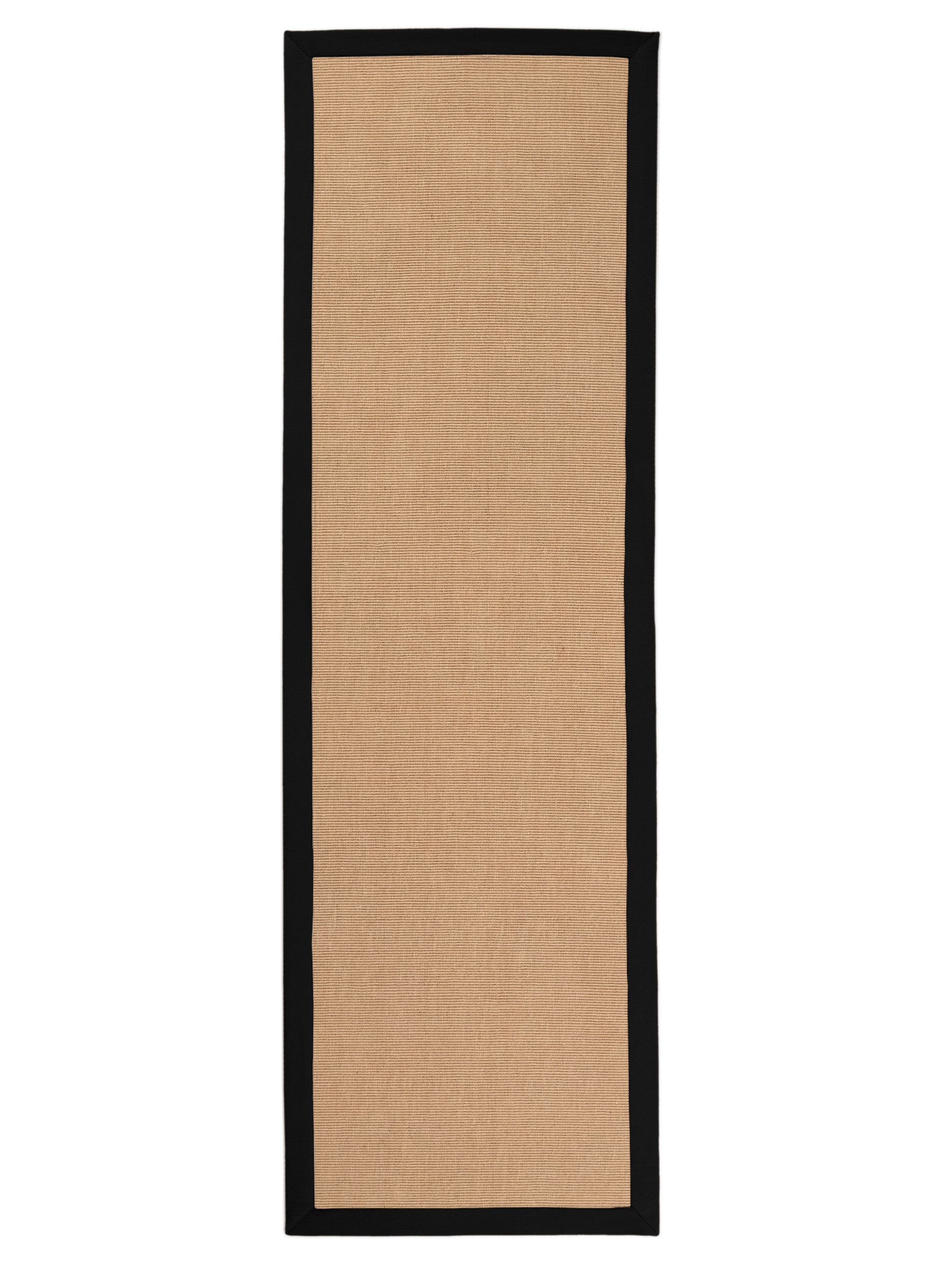
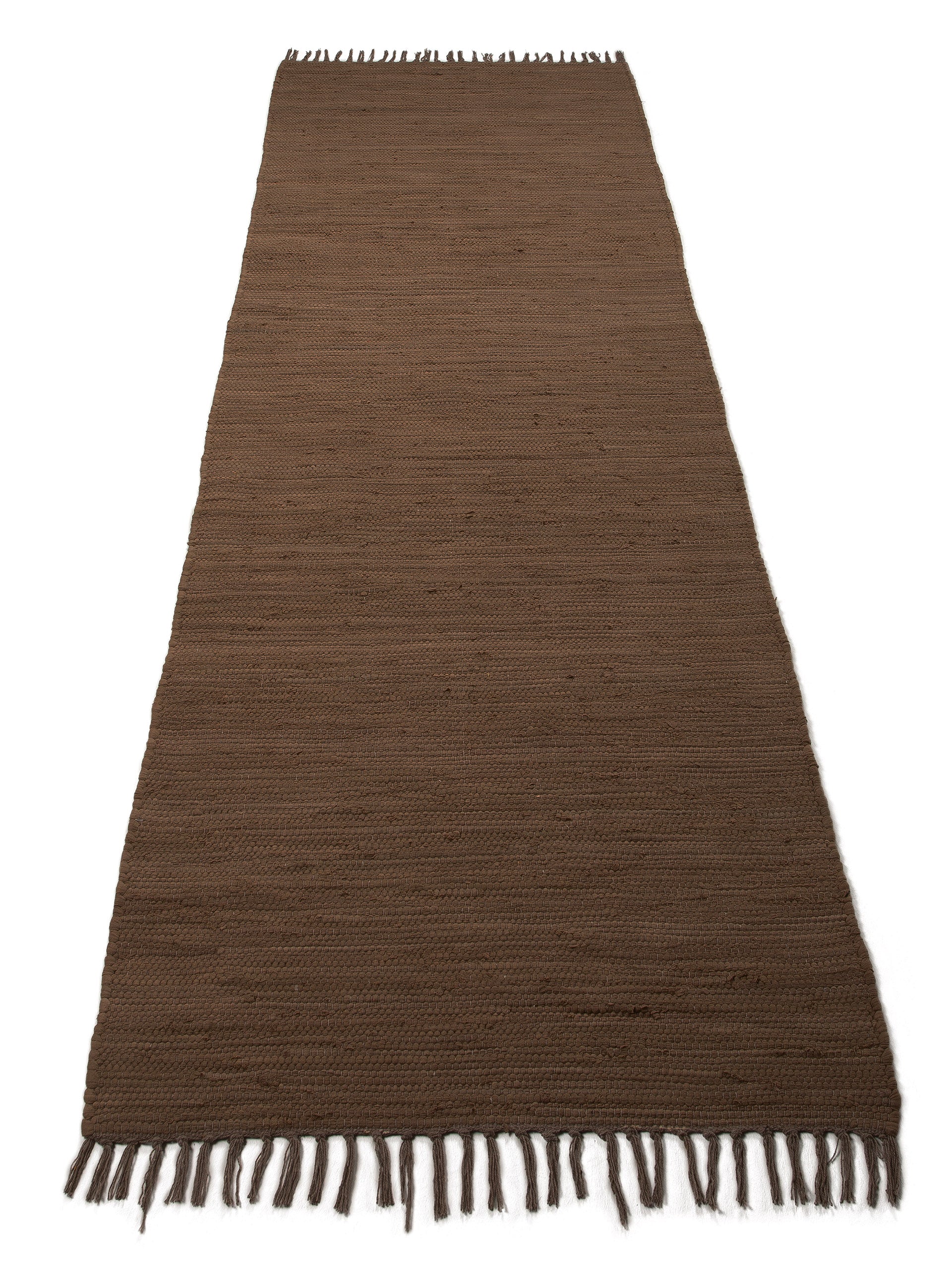
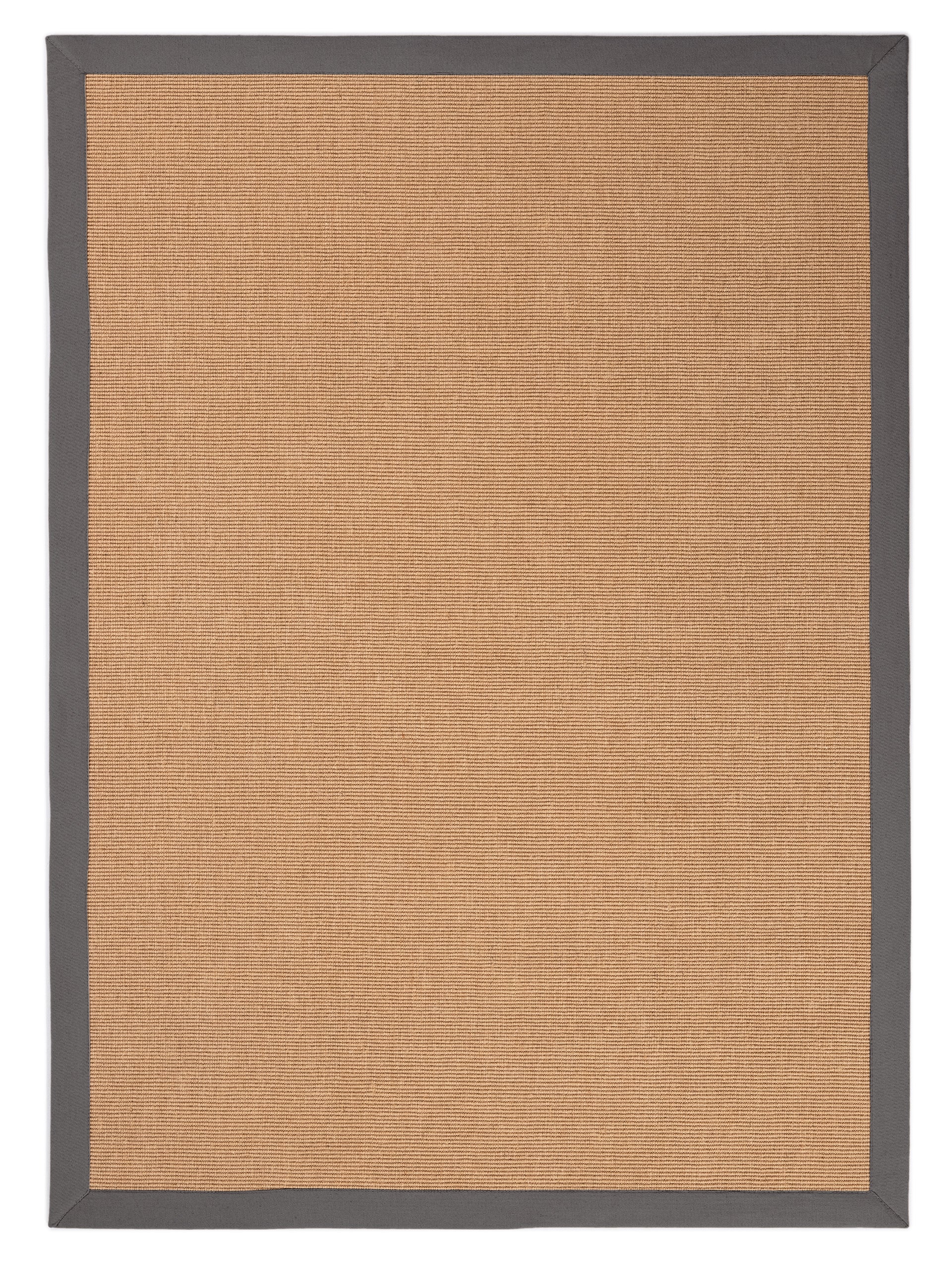
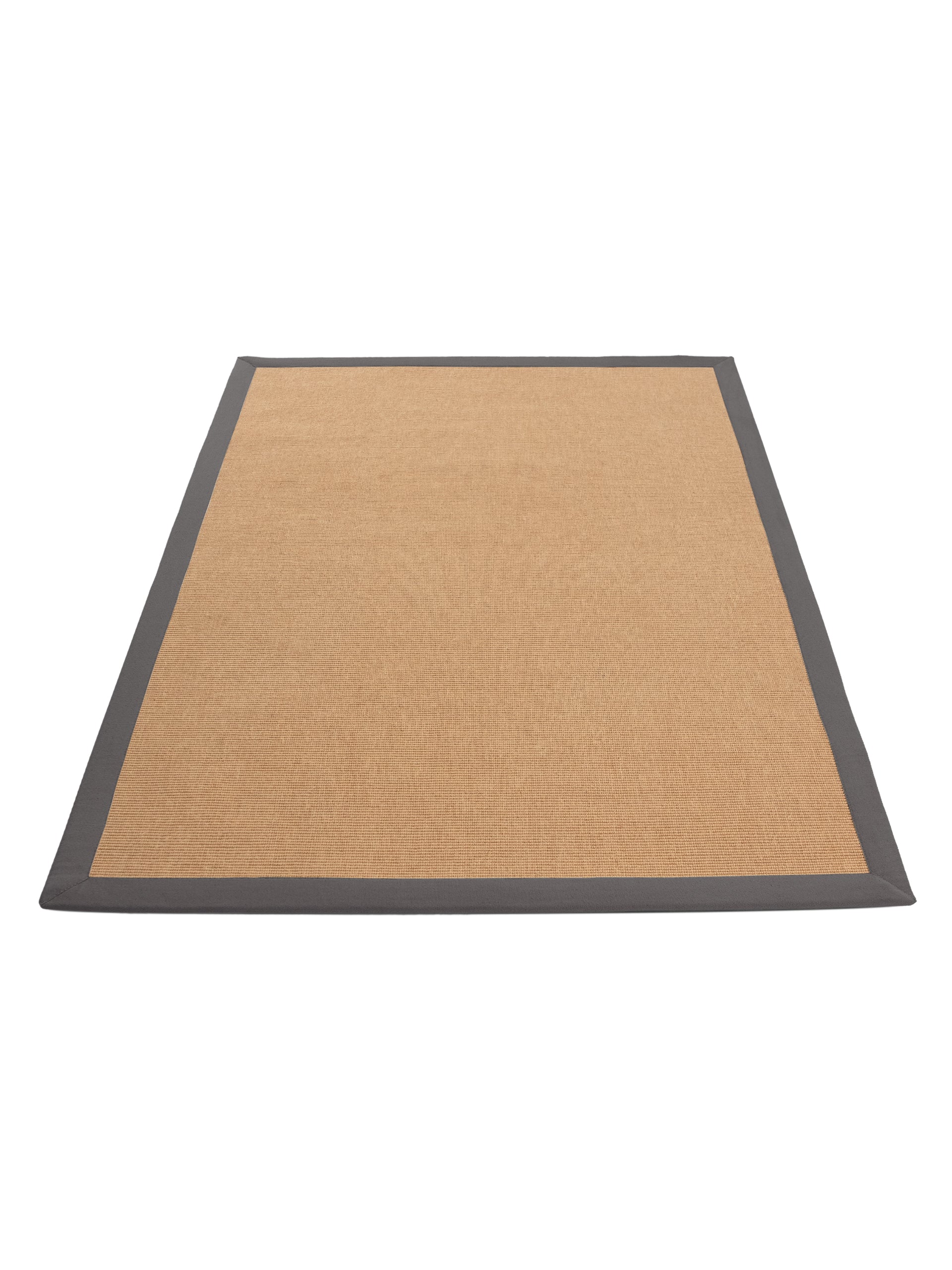
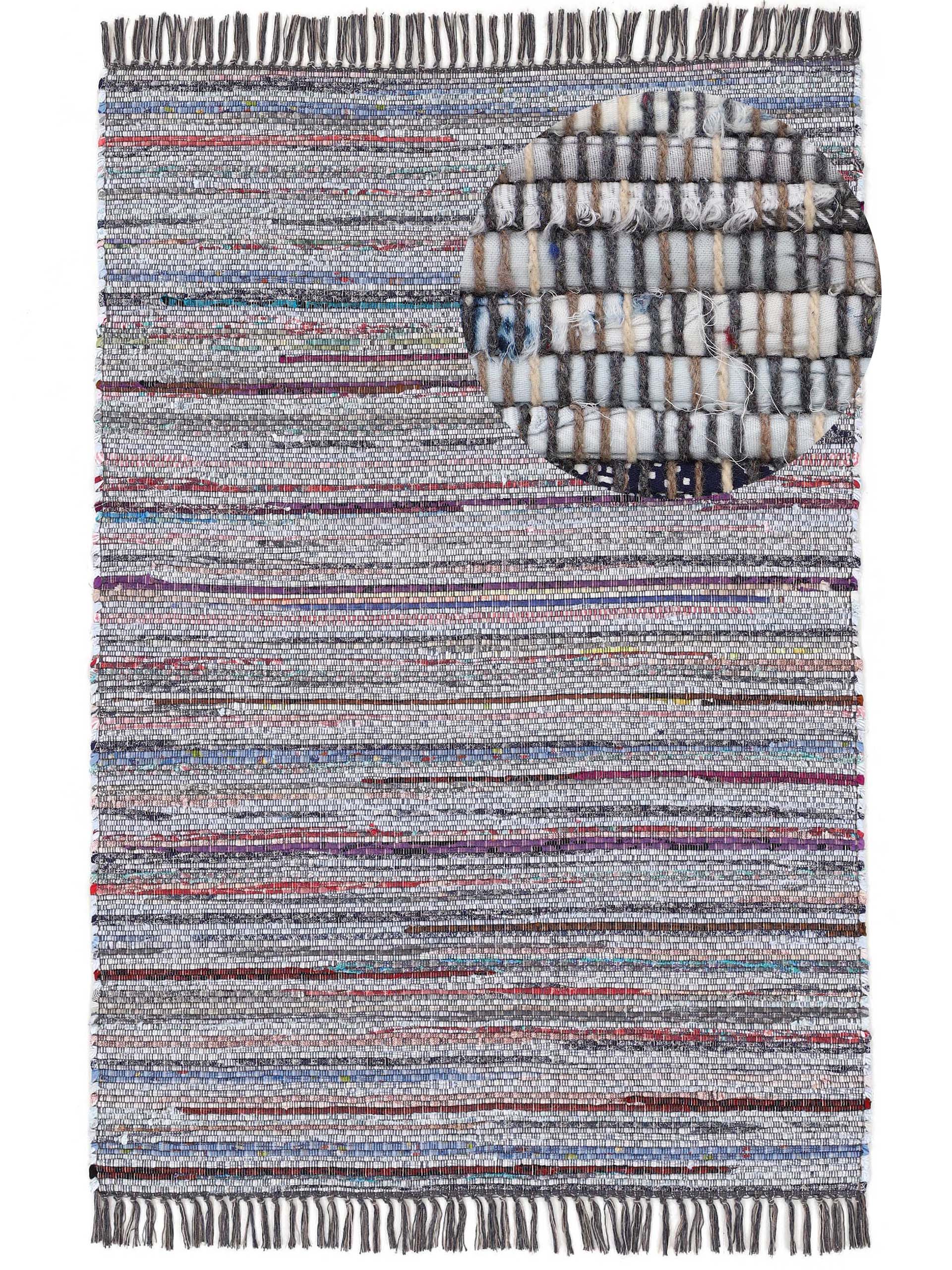
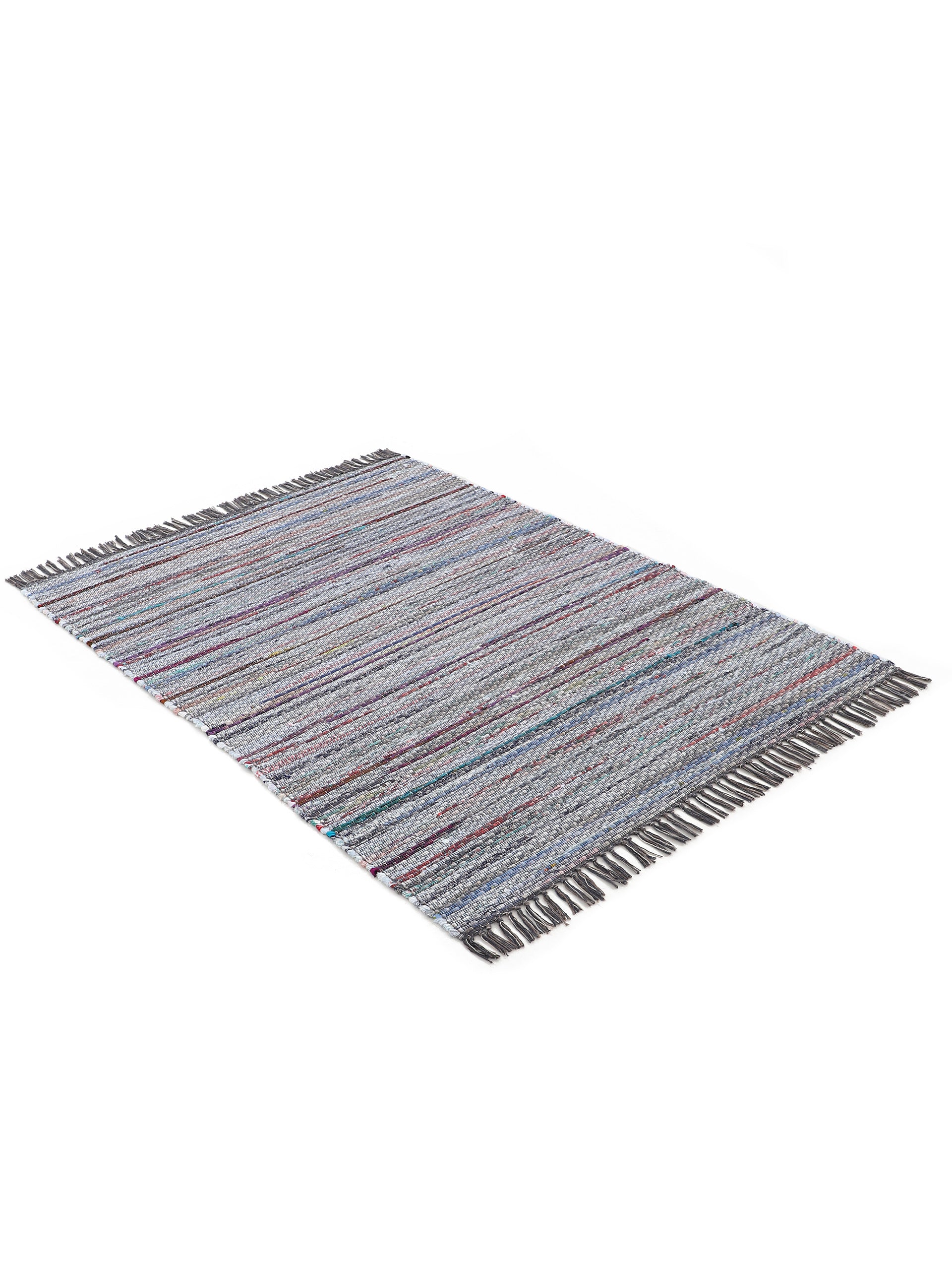
Between the hob, the sink and the fridge you walk the same few steps again and again while you cook. That is usually where the kitchen rug lies, and it is where it catches crumbs, splashes and the odd dollop of tomato sauce. So almost all of the 246 designs in this selection are flat-woven or have a short pile.
Rectangles make up almost two thirds. Runners come second. Oval, round and square shapes exist too, but only a handful of each.
Why bother with a rug for the kitchen at all? Tiles and stone are cold underfoot in winter, and something soft in front of the worktop makes long sessions at the counter more comfortable. In an open-plan room it also marks out the cooking zone, separate from where you eat.
Which material suits a kitchen rug?
Material matters more here than anywhere else in the house. Spills happen. Synthetic fibres are the largest group in this selection. They forgive a lot. They absorb little moisture, so splashes can usually be dabbed off before they sink in.
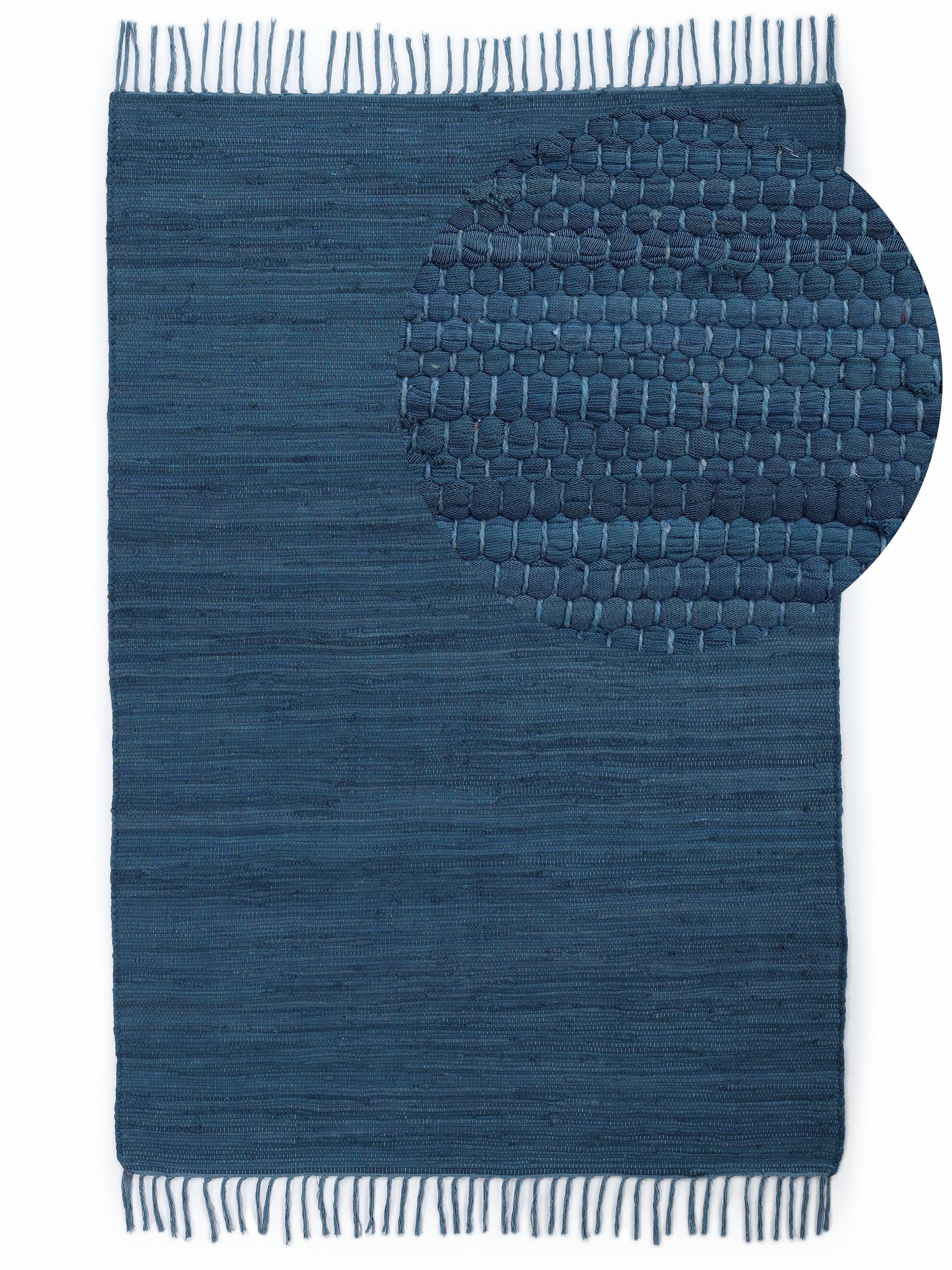
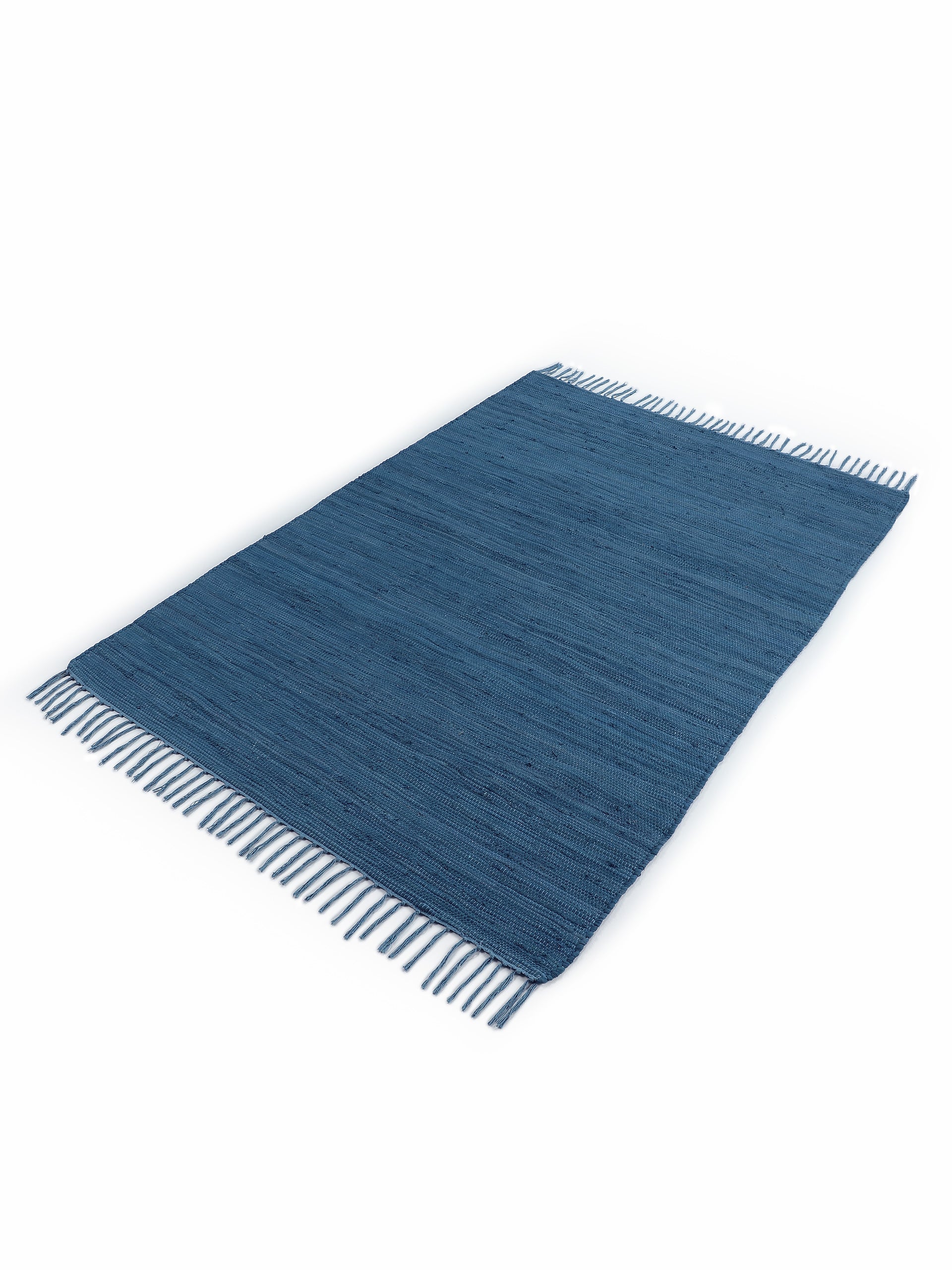
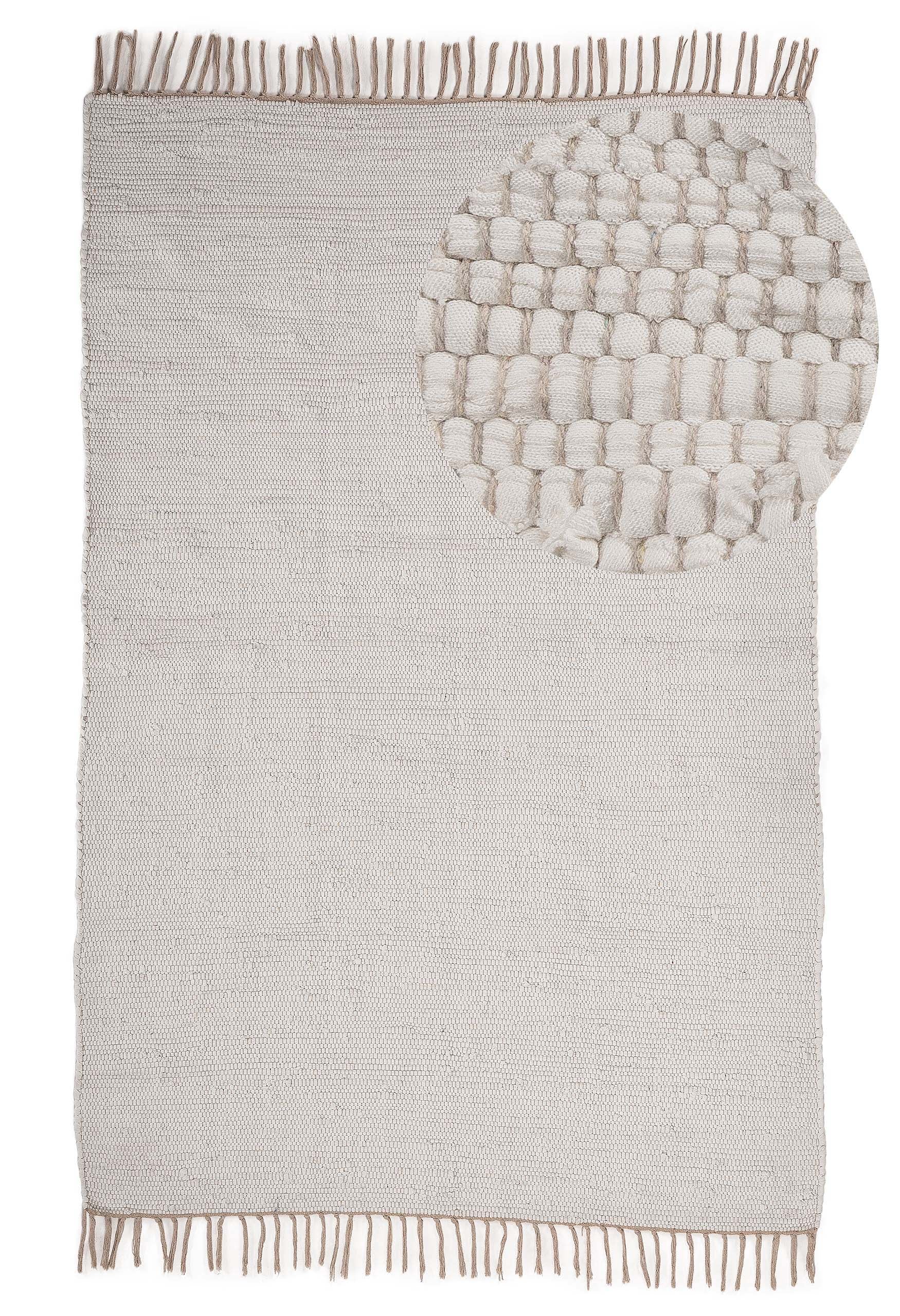
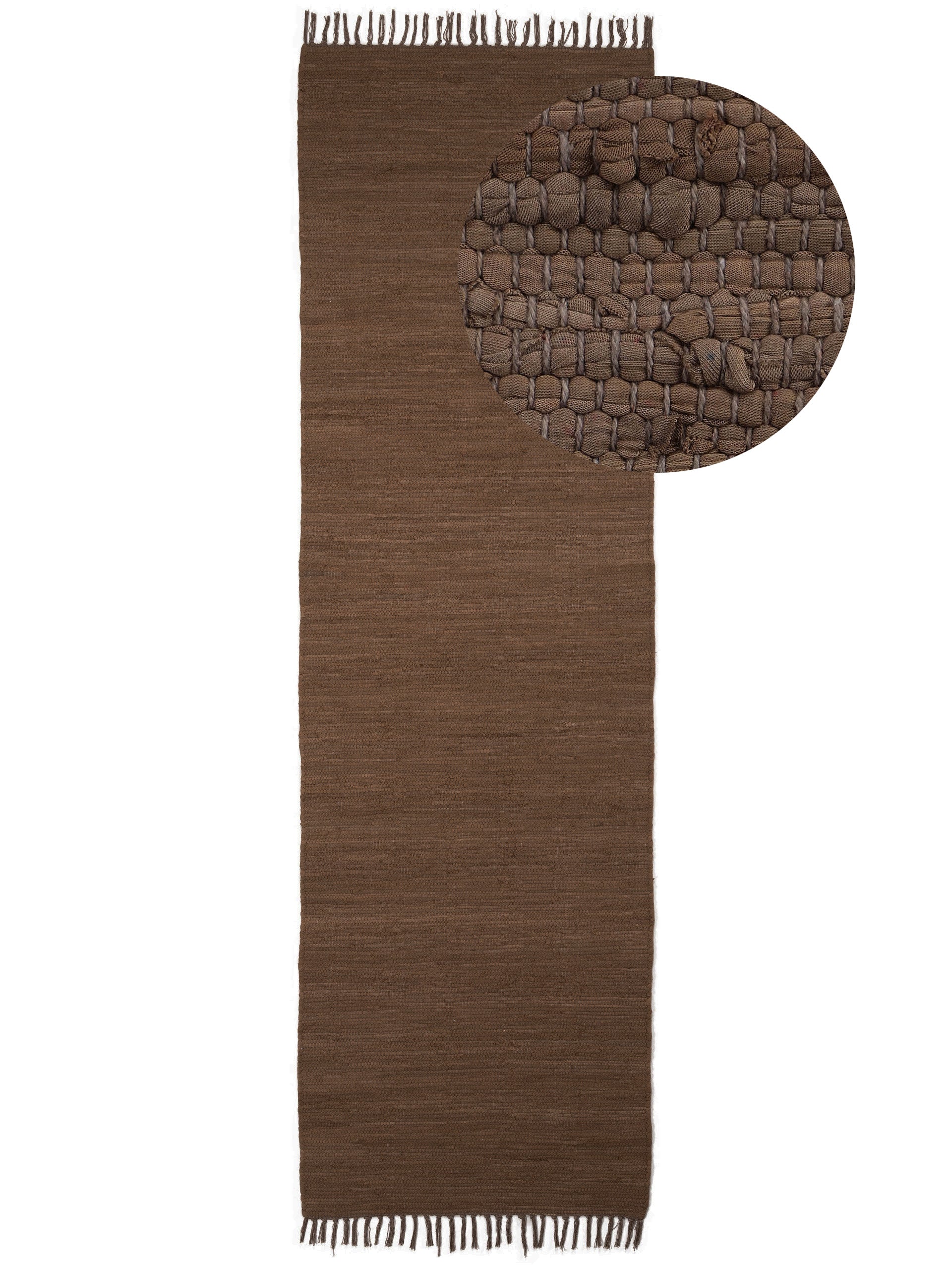
Cotton is light. It comes as a handwoven kilim, very flat, plain or patterned. If you like that light, flat feel, compare every cotton rug in the shop.
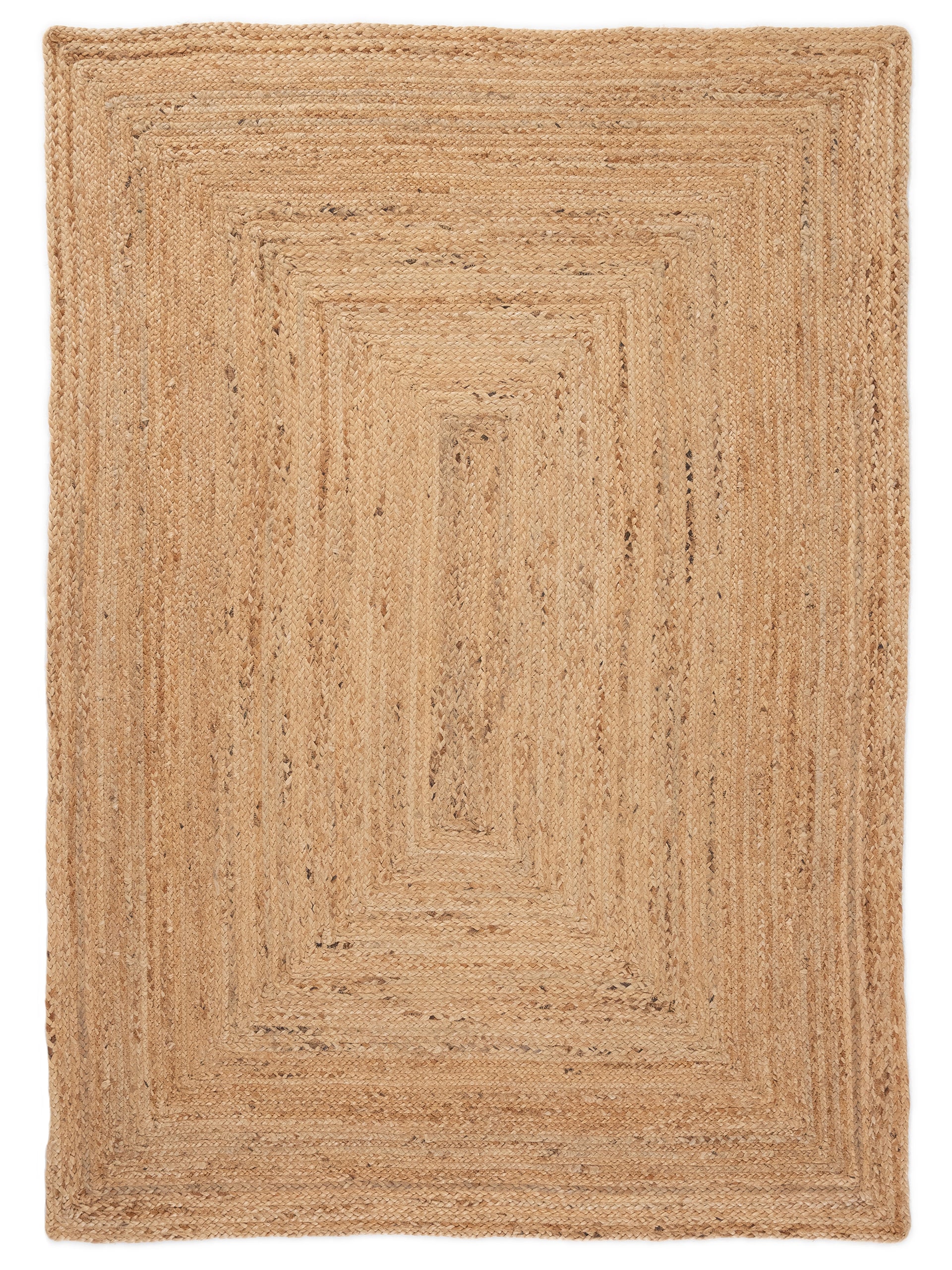
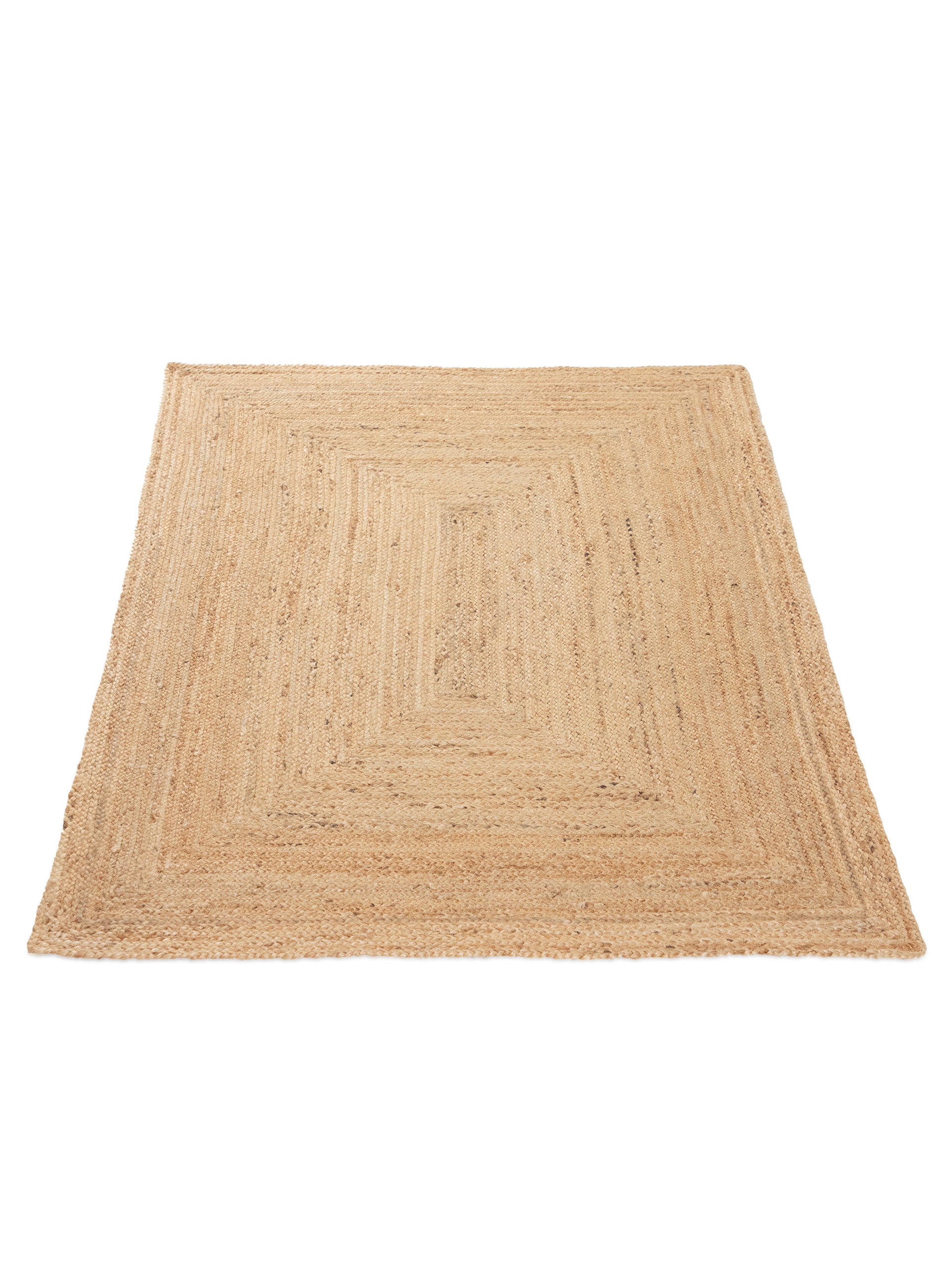
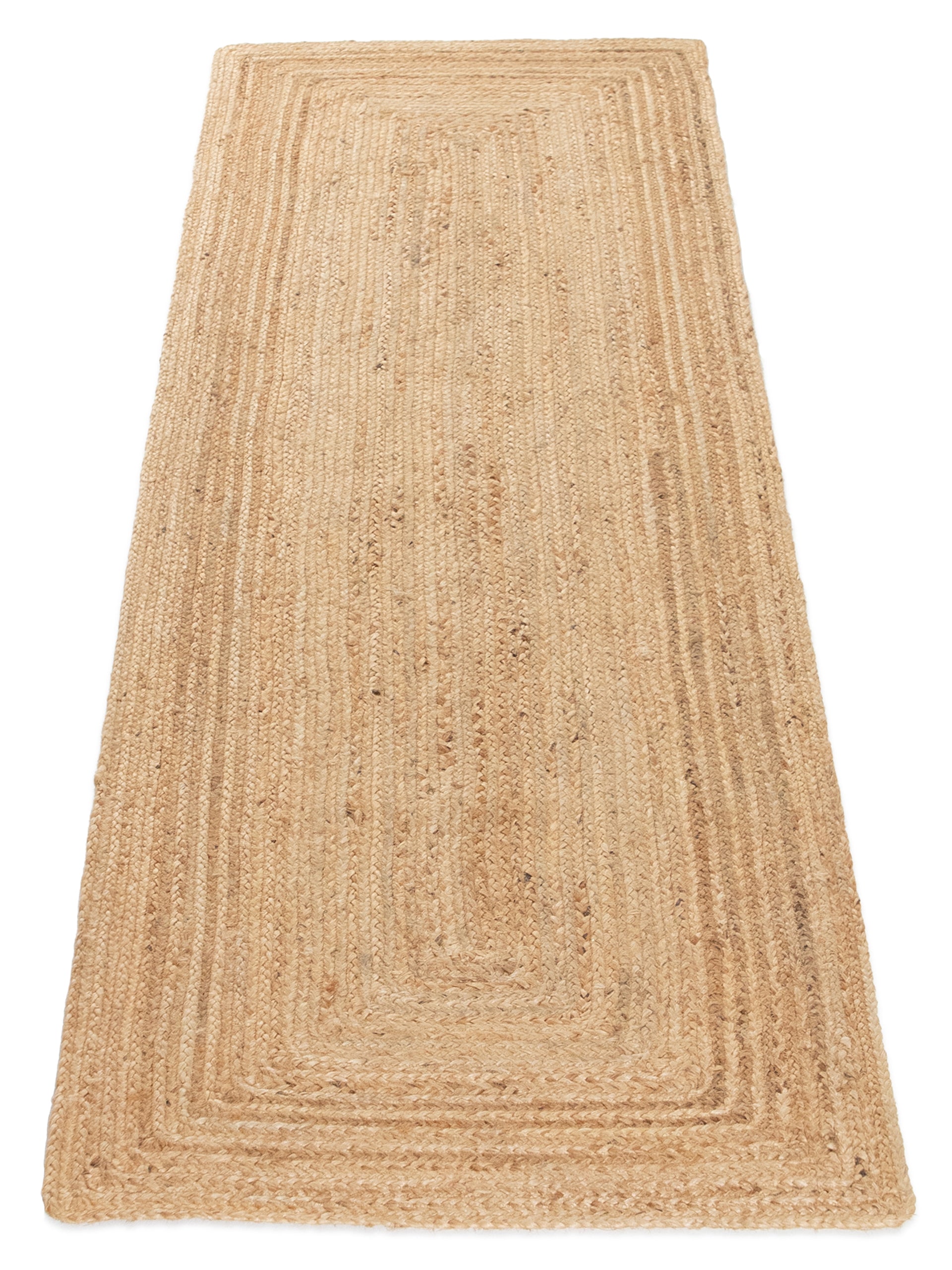
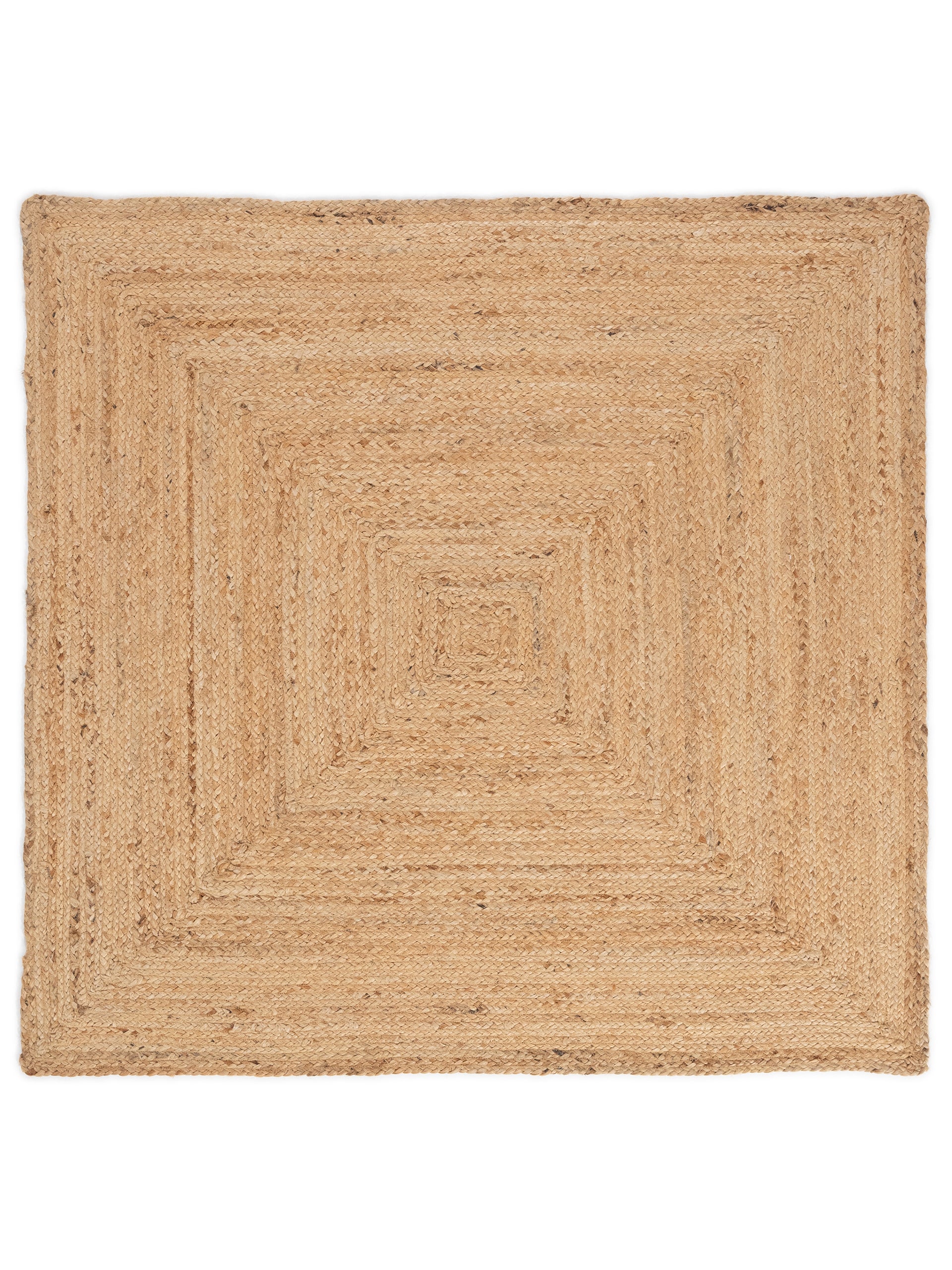
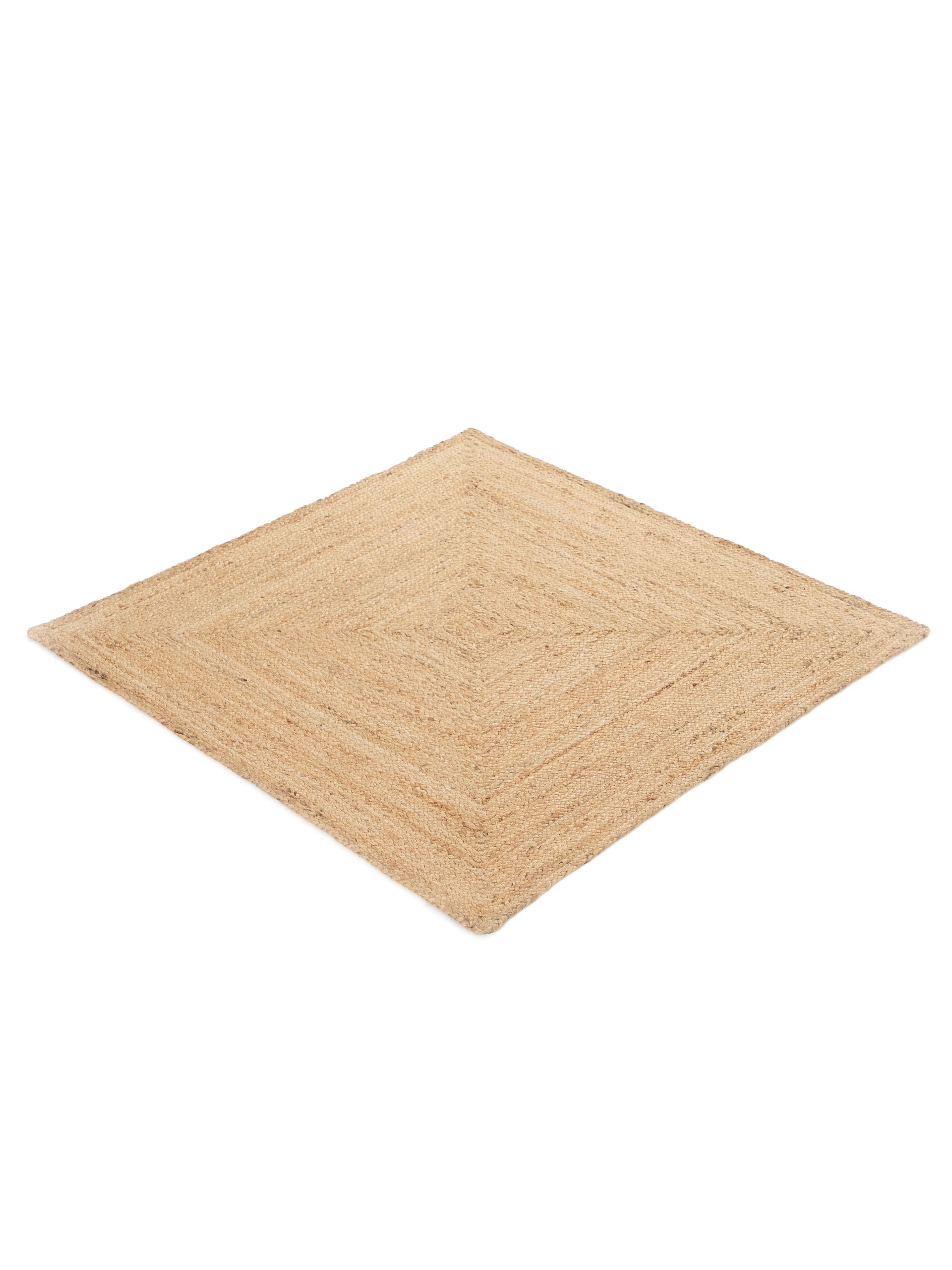
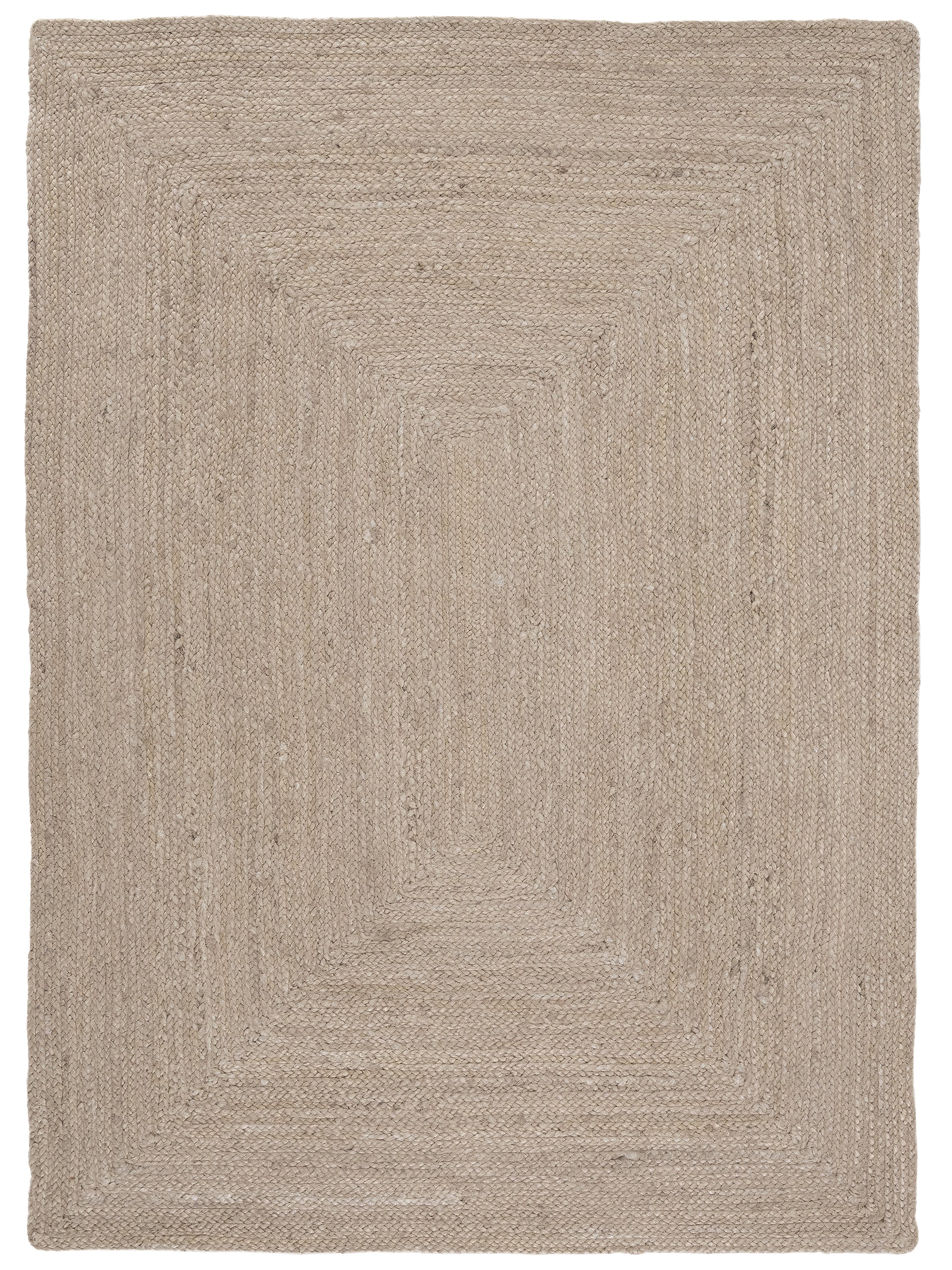
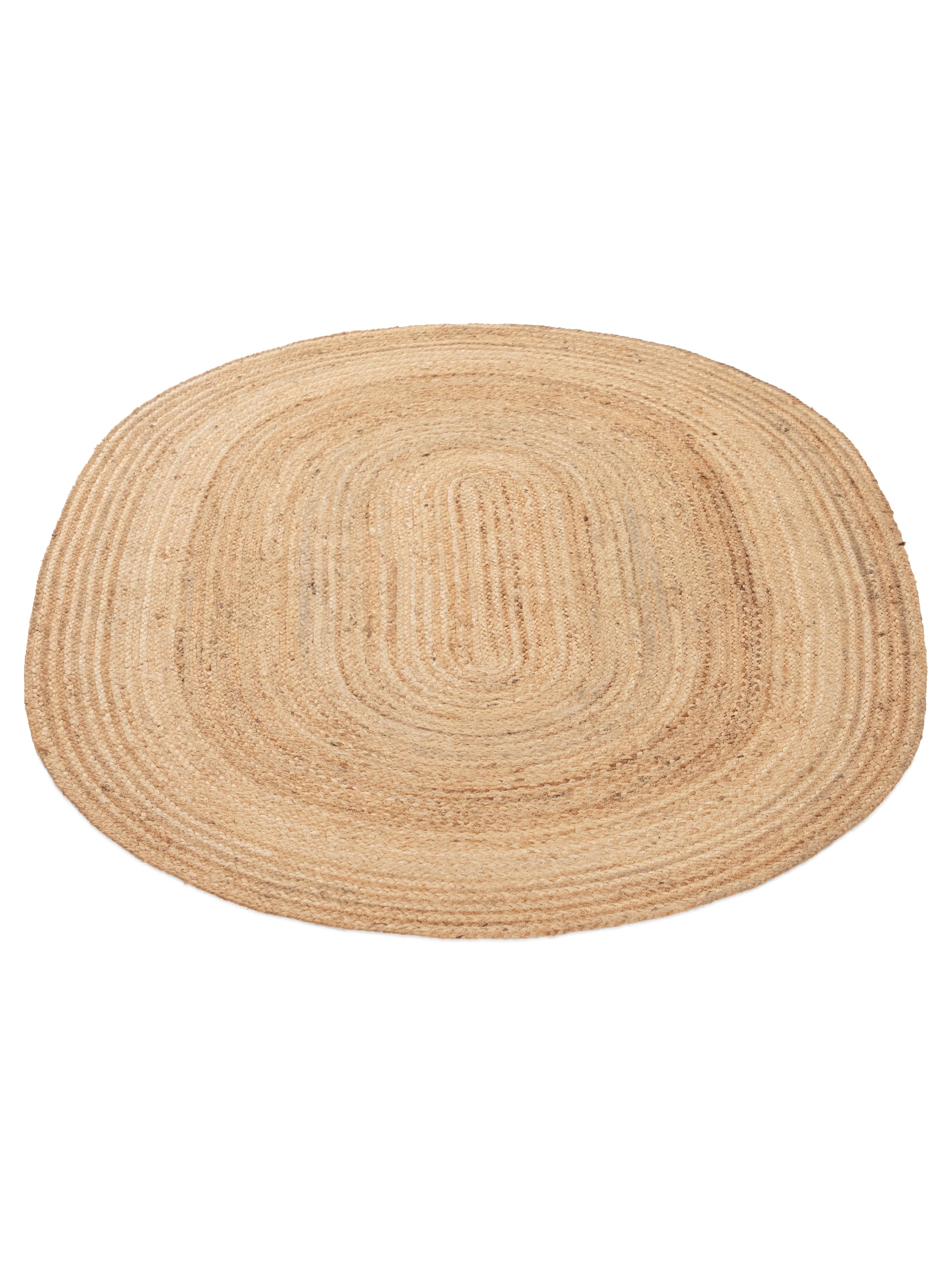
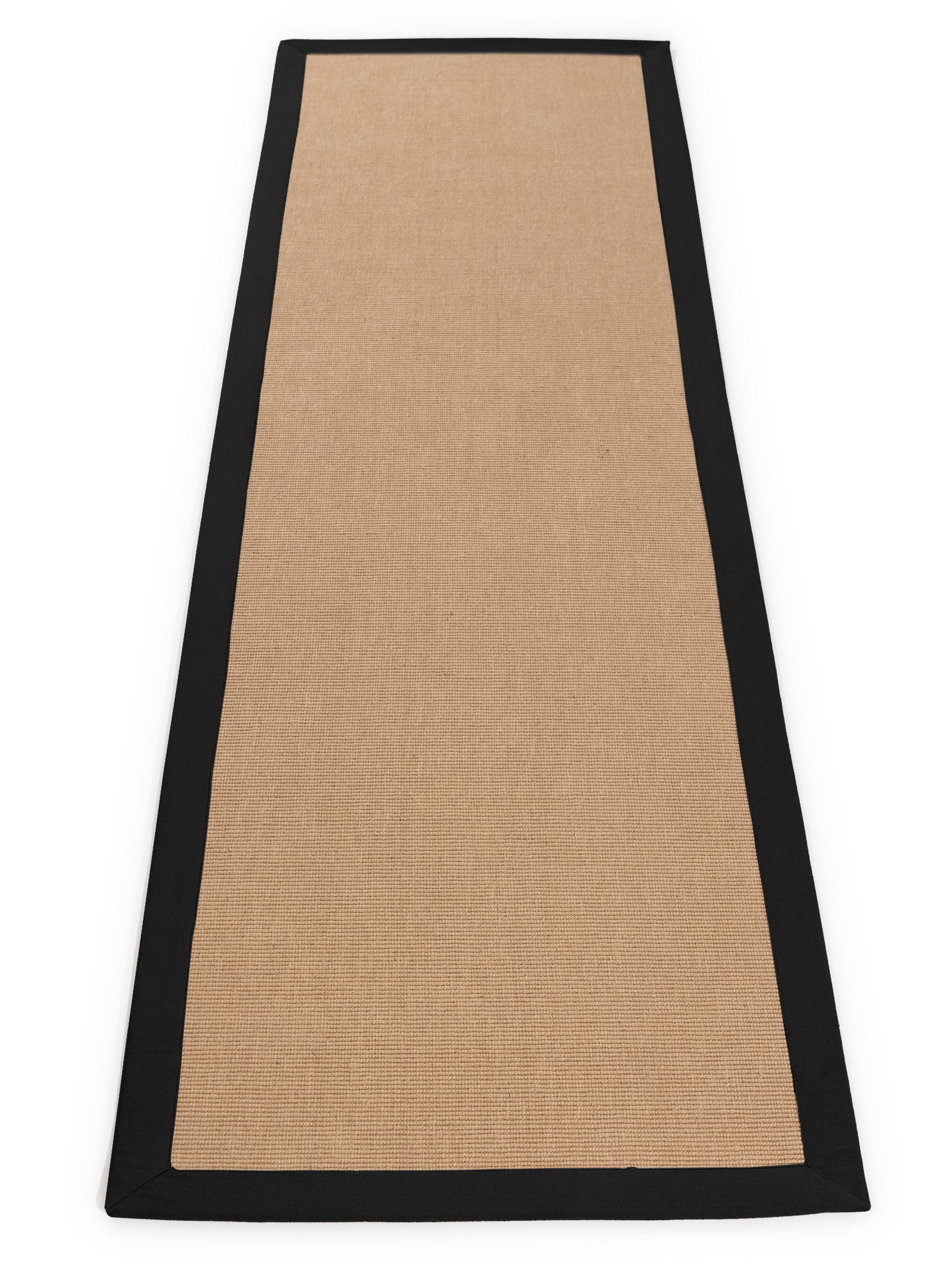
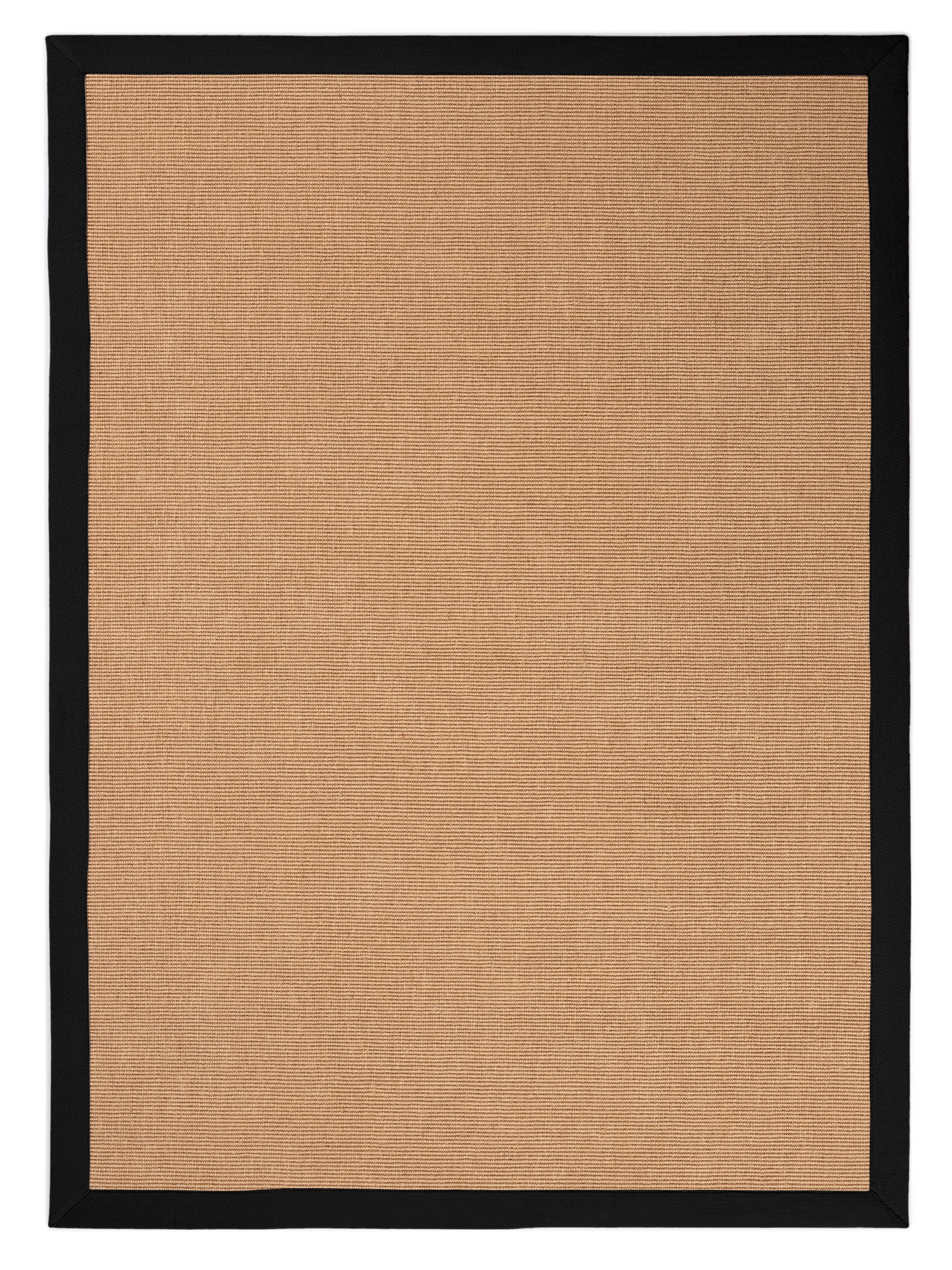
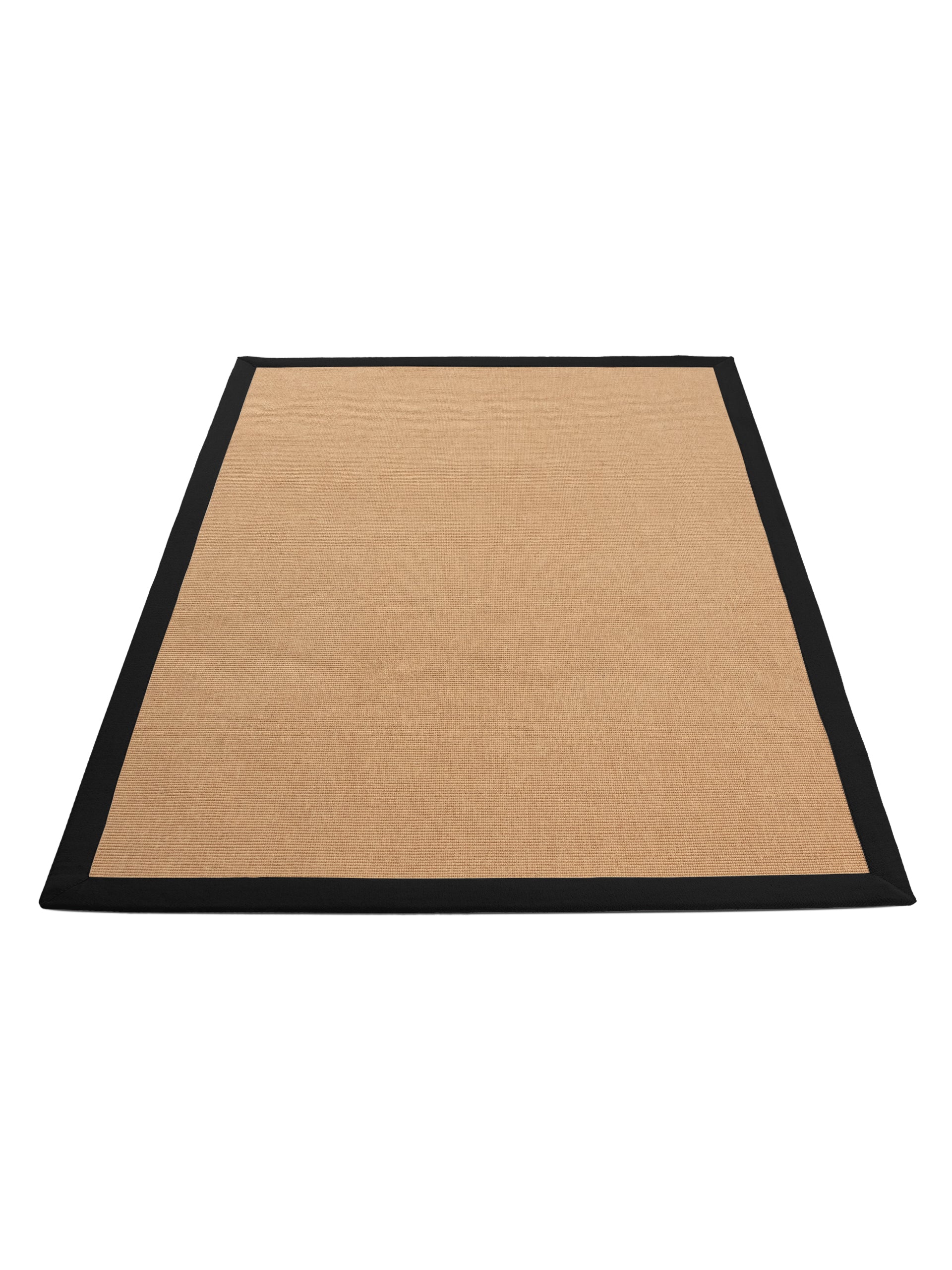
Jute looks natural. Its pile is short. The sisal-look design is in fact 80 % jute and 20 % cotton. A jute rug in the kitchen is lovely under the table but less happy right in front of the sink, because jute copes poorly with water and can be left with tide marks after a mishap. Want something you hardly need to worry about? Our outdoor rug range uses synthetic fibres made for the garden, so a knocked-over jug of water is less of a drama indoors too.
Beige and grey lead on colour. Blue and red follow, and cream, orange, green and brown fill out the rest. Patterns hide stains. Stainless steel and concrete go well with a calm grey, whereas light wooden fronts and a butcher block worktop usually look warmer next to a natural tone in beige or brown.
Sizes from the sink to the dining area
First, decide what it should cover. Just the space in front of the sink or hob? Then 60 x 110 cm or 80 x 150 cm is enough. Small and simple.
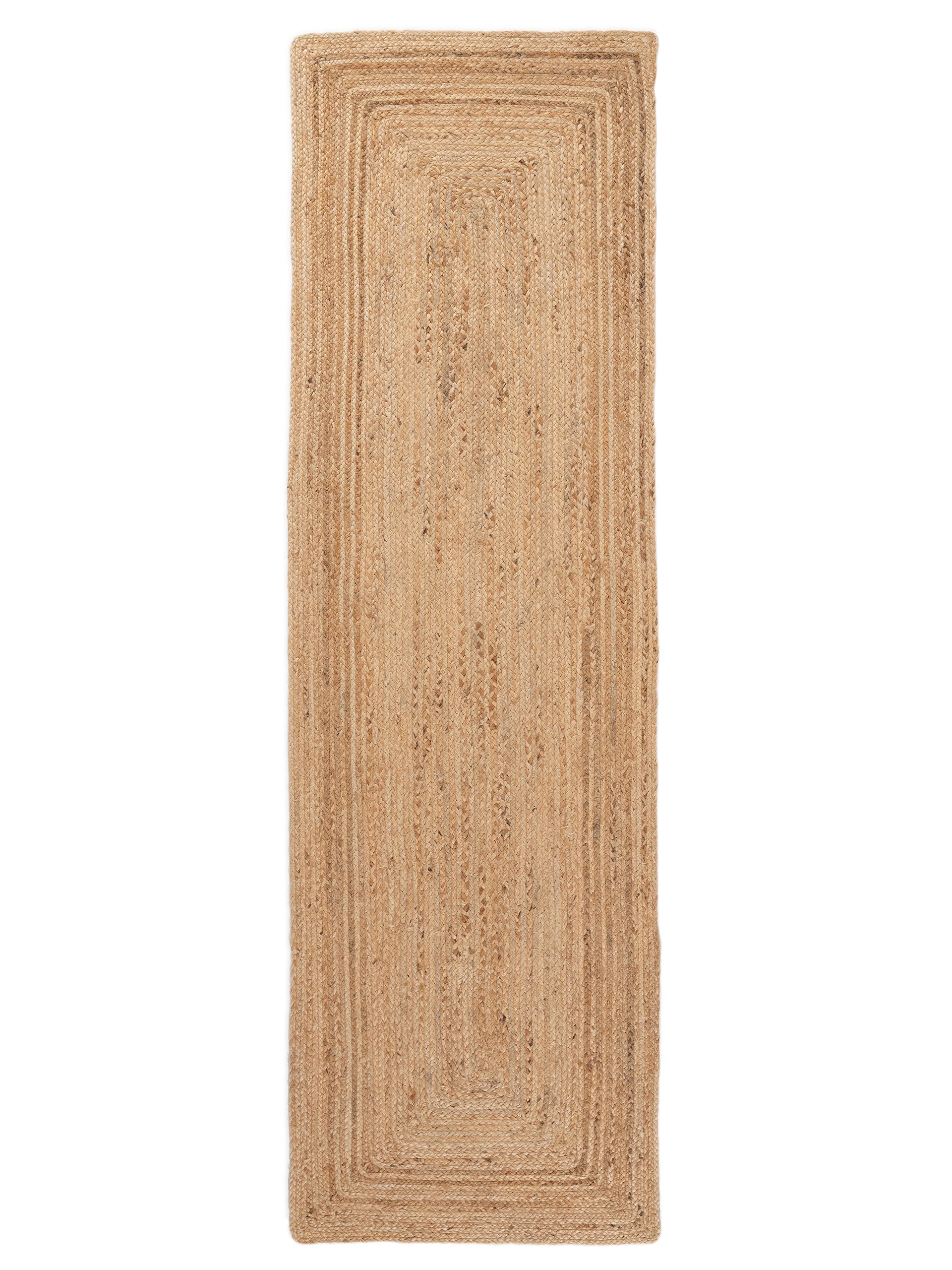
To soften the whole run of units, a runner works better. Lengths go from 60 x 180 cm to 80 x 500 cm, and 80 x 300 cm and 80 x 400 cm are common. A kitchen rug in runner form covers exactly the path you take while cooking and leaves the rest of the floor clear. Each kitchen runner we stock is collected on one page.
Around a kitchen island, 120 x 170 cm or 140 x 200 cm fit well, provided you keep a little distance from the plinth so that drawers, the oven door and the dishwasher still open freely without catching the edge. Sounds obvious. It often gets forgotten.
A kitchen-diner needs more floor, usually 160 x 230 cm or 200 x 290 cm, and 240 x 340 cm in large rooms. Pushed back, the chairs should still stand fully on the rug, so no chair leg catches on the edge and wobbles. The same rule applies to any dining room rug. Round rugs for kitchen use are rare, and they mainly suit a small breakfast corner with a round table.
A few habits keep the kitchen floor rug looking good for longer:
- Vacuum more often than in other rooms, otherwise crumbs get trodden deeper into the weave.
- Lift grease and sauce straight away with kitchen paper. Never wipe. Wiping spreads it.
- Treat synthetic fibres and cotton with lukewarm water and a drop of washing-up liquid, and only blot jute dry.
- On tiles or vinyl, put a non-slip underlay cut to size underneath, so a light kilim stays where it is.
- If you cook a lot, keep two runners and swap them over while one airs or is being cleaned.
Some designs go a step further and can be machine washed. They are gathered under washable rugs, and the care notes on each product page tell you how.
Frequently asked questions
Will a kitchen runner slip on tiles?
Light flat weaves can creep on smooth tiles. With a non-slip underlay the runner stays put, and you can trim the underlay to fit.
Can a kitchen rug go in the washing machine?
One plain cotton kilim is listed as machine washable, and its runner version makes a handy washable kitchen runner. For everything else, follow the care notes on the product page.
Is jute in front of the sink a good idea?
Not really. Jute soaks up water and can get marks. It is happier under the dining table.
How long should a runner along the units be?
Measure the run and take off about 15 cm at each end. For 3.5 metres of worktop an 80 x 300 cm runner fits, for four and a half metres one of 80 x 400 cm.